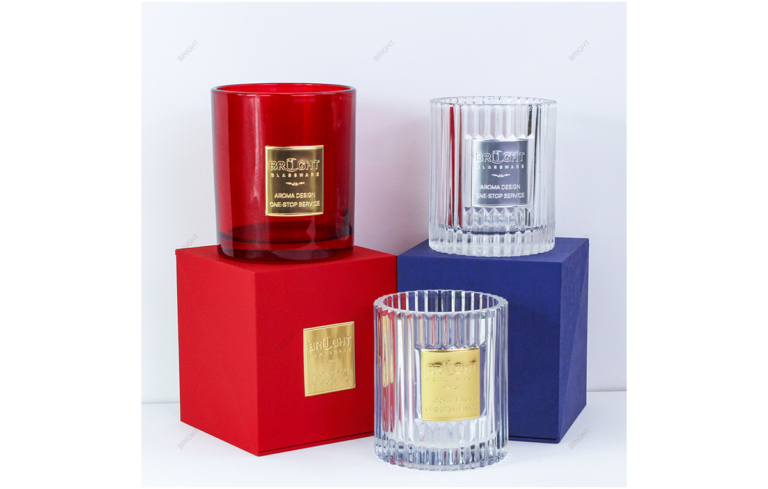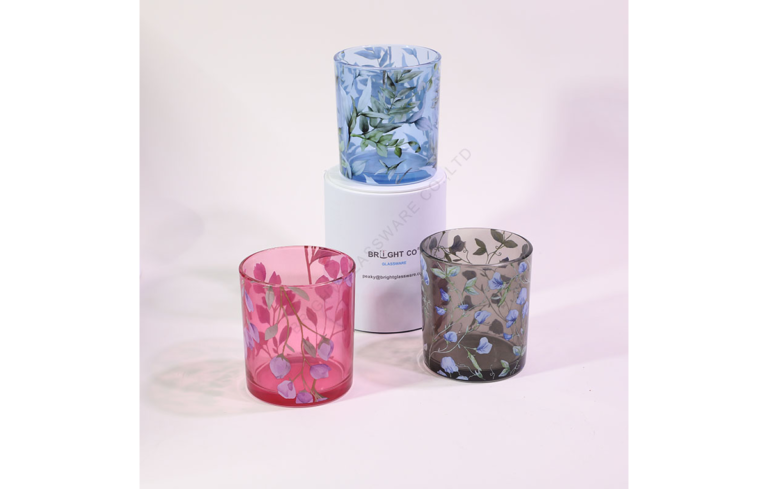

Choosing candle packaging solutions sounds simple until a pallet arrives with cracked jars or a gift box will not close. Start with the sales channel and how each unit will be handled, then compare samples.
The best candle packaging solutions match the sales channel. Retail displays and gift sets need a box that works on the shelf and is easy to open. E-commerce orders need protection in the actual parcel carton. For palletized wholesale shipments, check the master cartons and the secured load. Test the intended setup with representative samples before mass production.

That short answer hides a lot of detail. The same jar can need three different packaging builds. Below, I explain which questions I ask first, what to check on a real sample, and how to verify protection before goods leave the factory.
How Do Sales Channel, Order Volume, and Product Value Shape Candle Packaging?
Many buyers ask me which candle packaging is "best" before they say where the candles will go. I cannot answer that yet. The right build depends on who handles the product after it leaves the factory.
Sales channel is the first factor that shapes candle packaging. Retail needs presentation, e-commerce needs parcel protection, and wholesale needs carton and pallet stability. Order volume and product value then decide how much custom work, such as inserts or printed boxes, is worth the cost.

Start with three questions
When a buyer asks me which candle packaging is better, I ask one thing first. Will this shipment go to a retail counter, move to a warehouse by the carton, or be split into single orders for consumers? The answer changes almost everything.
The same glass candle jar can end up in very different packages:
- Retail counter: The jar needs a clean look and a box that opens easily.
- Warehouse delivery: Check the master carton and, where the order ships on pallets, how the load is stacked and secured.
- Single consumer orders: Check whether the jar and lid remain secure in the actual parcel pack.
How the three factors work together
| Factor | What to decide |
|---|---|
| Sales channel | Choose the box, insert and carton around who handles it and how it travels. |
| Order volume | Compare tooling, printing and unit costs for the actual quantity. |
| Product value | Set the protection and presentation requirements for the item or gift set. |
Compare a stock box and simple insert with a custom option at the quoted quantity. Include assembly labor, shipping and the cost of replacing damaged goods1 when comparing the options.
Fix the right layer first
An inner tray or insert positions the jar. The shipping carton and, where used, the shipping pallet protect and stabilize the larger load. Start by inspecting the packaging layer where the problem appears.
- If the jar moves inside the box, I check the insert and the dividers.
- If cartons shift on the pallet, I check the stacking pattern and the securing method.
Fixing the wrong layer only adds cost. For application-specific decisions, buyers should also consult a qualified packaging engineer or their carrier.
What Candle Packaging Works for Retail Displays and Seasonal Gift Sets?
Retail buyers want packaging that looks good on the shelf. Then the box arrives at the store, and staff cannot assemble it quickly. The customer opens it and struggles to lift out the jar.
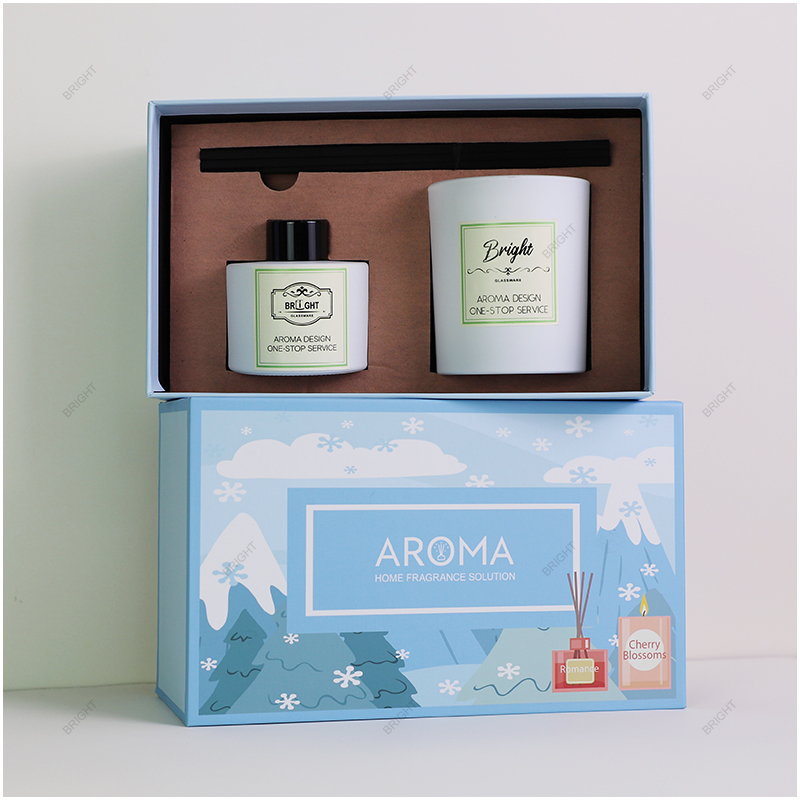
For retail displays and seasonal gift sets, trial the box and insert with the actual jar and lid. Check the assembly order, total height with lid, box closure and how easily the jar can be lifted out. A study of consumer reactions to internal packaging formats2 offers examples of unboxing considerations.
Check the assembly order
Try assembling the jar, lid, insert and box in the order workers will use. Then open the box as a customer would and see how easily the jar lifts out.
On a sample, I check these points:
- Does the jar drop into the insert without force?
- Does the lid sit properly with the box closed?
- Can the customer lift the jar out easily after opening?
- Does the box close smoothly by hand?
Retail display considerations
Counter and shelf displays add more questions. The front of the box may need a window or a printed panel. Shelf-ready cartons may need to be opened and stocked quickly.
- Visibility: Decide which side faces the customer.
- Stacking: Check whether boxes can sit on top of each other in the store.
- Consistency: Make sure all jars in a line share the same decoration position.
Seasonal gift sets
Seasonal sets often combine jars, lids, and extras in one box. I find these projects need more planning time. Each added component brings another dimension to match. A holiday set with a jar, a wooden lid, and a card insert has three parts to check against the same box.
I recommend buyers confirm quantities and timelines early. Custom boxes and inserts take time to produce. A late decision can push a seasonal launch past its window.
How Should E-Commerce Candle Orders Be Packed for Parcel Delivery?
An e-commerce parcel can encounter handling and transport hazards across the distribution route3. Check for jar movement and pressure on the lid. If damage is reported, record the tracking number, photograph the package and keep the original packing where the carrier’s claims guidance4 calls for it.
E-commerce candle orders should use an insert that limits movement, protects the lid from direct pressure and fits the actual shipping carton. If you sell single and multi-jar orders, evaluate both packed configurations.
Two things I check on every parcel sample
For parcel delivery, I look at two issues first. The first is whether the jar shifts inside the box. The second is whether the lid touches the box lid. Both are simple to check by hand, and both often reveal a problem early.
If the jar moves, I go back to the insert. I look at where it catches the jar and whether the dividers leave the right amount of space. A gap that is too large lets the jar slide. A gap that is too tight makes packing slow and may stress the glass.
Test the real order types
E-commerce shops rarely sell only one quantity. Many offer single jars, sets of two, and bundles. Each order type creates a different package.
| Order type | What to check |
|---|---|
| Single jar | Insert fit, lid clearance, void space |
| Multi-jar | Dividers between jars, total weight, carton strength |
| Gift order | Presentation box inside the shipper, extra filler |
Evaluate the actual configurations you sell. A multi-jar order may change the gross weight, divider arrangement and outer carton.
Use recognized test methods carefully
The Eurofins overview of ISTA packaging tests5 explains what packaged-product testing evaluates. Use ISTA’s selection guidance to choose a method for the actual handling and route. Check the configuration, method, date and criteria in any report. See our candle packing and shipping guide for preparing the sample.
When Should Wholesale Buyers Prioritize Cartons and Pallets for Candle Packaging?
When a wholesale shipment moves as a palletized unit, inspect the cartons and load restraint together. The ISTA overview for similar packaged products in full-truckload shipments6 treats unit-load stability as a specific evaluation. Confirm the method for your actual route.
When wholesale orders ship on pallets, check carton strength, carton fit on the pallet, stacking and restraint. For loose-carton or mixed loads, evaluate the actual configuration and handling requirements with the carrier.

Lay out one layer with real cartons
Arrange a layer of actual outer cartons on the pallet and check the footprint. Airfreight pallet guidance also flags overhang7 as an issue. Review the fit and restraint for the service you will use.
This simple step catches problems that a spreadsheet misses. A carton that is a few millimeters too large may change the whole layer pattern.
What to check on the pallet
| Check | Why it matters |
|---|---|
| Overhang past pallet edge | Edge cartons are exposed to impact |
| Stacking height | Lower cartons carry the weight above |
| Layer pattern | Review carton strength, pallet support and restraint. A Virginia Tech study of load bridging8 illustrates why the pattern and support conditions matter. |
| Securing method | Wrap, straps, or corner protection hold the load together |
Carrier guidance can help compare stacking and securing options. Confirm the requirements with your carrier or freight forwarder for the shipment in question.
Move the right layer first
If cartons have shifted, inspect the stacking pattern and securing method first. If jars have broken inside intact cartons, inspect the insert, dividers and contact points. Then evaluate the affected packaging layers together on the revised sample.
For export or warehouse shipments, agree on carton marks, pallet dimensions and the loading plan. The glass shipping guide covers practical preparation questions.
How Do You Coordinate Jar Decoration, Lid Fit, Inserts, and Box Dielines?
Many packaging projects fail between suppliers. The jar maker prints the logo in one place. The box maker cuts a dieline to a different size. The lid supplier ships a part that is slightly off. Nobody notices until assembly.
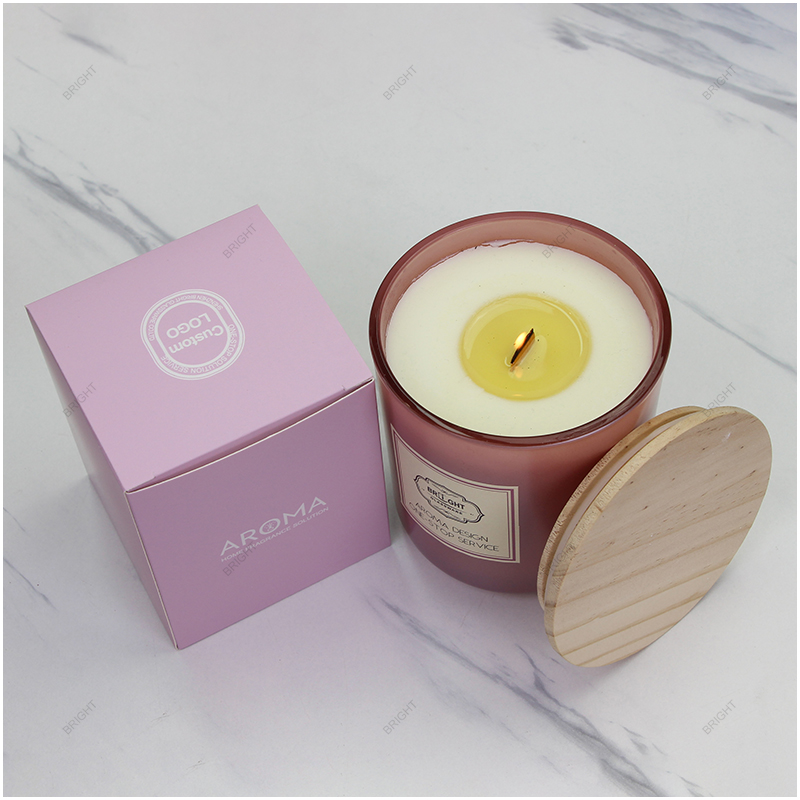
Coordinate candle packaging by checking the jar's decoration drawing, the lid, the insert, and the box dieline together on one sample set. Confirm total height with lid, print position, insert fit, and box closure before approving any part for production.
Compare the drawings side by side
At the sampling stage, we compare the glass screen-print positioning drawing with the outer box dieline. Check whether the logo faces the opening as intended and whether a window aligns with the decoration.
Then we assemble the jar, lid, insert, and box into one set. A drawing may look correct, but only a physical set shows how the parts behave together.
Components to match
| Component | What to confirm |
|---|---|
| Jar | Diameter, height, decoration position |
| Lid | Fit on the jar neck, total height with lid |
| Insert | Where it holds the jar, divider spacing |
| Box and dieline | Internal size, closing ease, print layout |
| Outer carton | Fit for the finished boxes |
Why one supplier helps
Keep a shared revision for the jar, lid, insert and box, and confirm who supplies each component. The GS1 measurement standard9 gives conventions for recording package dimensions. Use the actual jar-and-lid combination and approved box sample to check fit.
Ask about total height with lid
Measure the finished jar with the lid in place before locking the box size. For a fitted candle jar box, verify the available depth with the actual insert installed.
What Should a Pre-Production Candle Packaging Sample Include?
Check the jar, lid, insert and box as one assembled sample. When preparing a transit test, FedEx recommends submitting the exact customer configuration10 with all the components that will ship together.
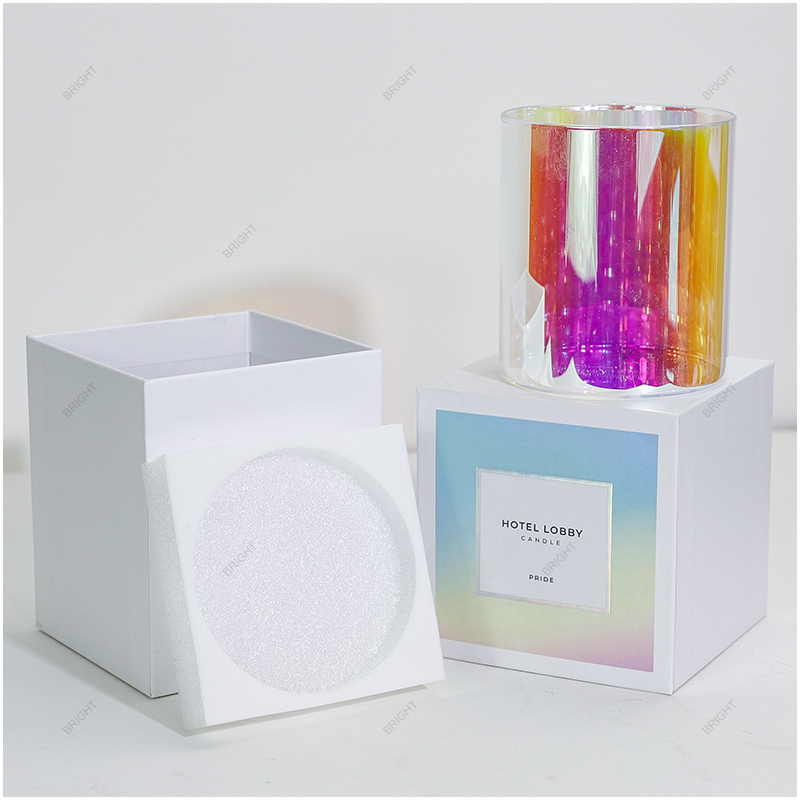
A pre-production candle packaging sample should include the jar, lid, decoration, insert and box used for the order. Confirm total height, insert fit and box closure. Review the outer carton and the pallet configuration where those are part of the approved shipment.
The sample checklist
During sampling, I check the physical set for these items:
- Jar and lid: Confirm color, finish, and lid fit.
- Decoration: Check logo placement and print quality against the approved drawing.
- Insert: Confirm where it holds the jar and whether dividers leave the right space.
- Total height with lid: Verify the assembled height against the box size.
- Box closure: Make sure the box closes smoothly by hand.
- Packing method: Check how the finished boxes go into the outer carton.
Use the physical sample to check fit and closure. If the order includes a filled candle, its finished-candle burn evaluation is a separate check using the final jar, wax, fragrance and wick.
Sign off one version
When we sign off a sample, we link the jar, lid, print, and packing method to the same version. Sales, purchasing, and production then work from one reference set. This reduces confusion later. If someone asks why a bulk order looks different, the team can compare it with the approved sample.
Tip: Keep one approved sample set in the office and send a matching set to the factory. Label both with the same version number and date.
What to record
- Sample date and version number
- Jar, lid, and insert specifications
- Print positions and colors
- Box dimensions and material
- Carton and pallet plan
A short record like this helps repeat orders. Buyers who reorder months later can refer to the same approved details.
How Should Buyers Verify Candle Packaging Protection Before Shipment?
Even after sample approval, check the production units and how they are loaded. Manufacturing process control11 provides background on variation. ISTA’s guidance on evaluating packaging12 discusses considering both protection and damage costs when choosing a test approach.
Buyers should verify candle packaging protection before shipment by comparing production packaging against the approved sample, checking inserts, cartons, and pallet loading, and reviewing photos or inspection records. Any test reports or certificates should be treated as documents to verify, not as proof on their own.
A practical pre-shipment review
Agree which production samples and packing records to review before booking or releasing the shipment.
| Check | What to look for |
|---|---|
| Sample match | Do jar, lid, print, and insert match the approved set? |
| Insert fit | Does the jar stay in place without force? |
| Carton condition | Are cartons clean, sealed, and correctly marked? |
| Pallet loading | Is there overhang, and is the load stable? |
| Photos or video | Do they show the actual packing of the shipment? |
Compare production to the approved sample
The approved sample is the reference. I recommend pulling a few finished units from the production run and comparing them with the sample. Buyers can do this themselves, ask a third-party inspection company, or request photos and measurements from the supplier.
Verify documents
Some buyers receive test reports for cartons or transit tests. These documents are useful only when they match the actual packaging. Buyers should check the report date, the tested configuration, the standard referenced, and the issuing organization. If the packaging has changed since the test, the report may no longer apply. For high-value or sensitive shipments, a qualified packaging professional can advise on what testing is appropriate.
Keep a feedback loop
Record what arrived damaged, the packing configuration and the route. Share photos of the affected layer with the supplier and evaluate the revised setup before repeating it.
Frequently Asked Questions
What is the best candle packaging for e-commerce?
Use an insert that limits movement, enough space to avoid direct pressure on the lid, and a parcel carton sized for the actual order. Evaluate the single-jar and multi-jar configurations you sell.
Do candle gift boxes need custom inserts?
A stock insert can work when it fits the actual jar and box. Consider a custom insert for an unusual shape or a multi-piece set, then approve it by assembling and opening the real package.
How do I know if my candle cartons fit the pallet?
Lay out one layer using the real outer cartons on a pallet. Check whether any carton extends past the pallet edge. Then review stacking height and the securing method. Carrier or freight forwarder guidelines may add further requirements.
Should I test candle packaging before mass production?
Yes. A pre-production sample set with the jar, lid, insert, box, and carton shows problems that drawings do not. For application-specific testing, such as transit simulation, buyers should consult a qualified packaging lab or engineer.
Conclusion
The best candle packaging solutions start with where the shipment will go. Check assembly and opening for retail sets, the complete packed configuration for e-commerce, and carton fit and restraint for palletized wholesale. Use the signed sample and actual shipment conditions to guide final checks.
If you are planning a candle jar, lid, insert and gift box project, contact Shenzhen Bright Glassware. Share your sales channel, target quantity and design files so we can discuss a sample for your project.
FedEx, What is the FedEx Packaging Lab? Discusses replacement, labor, and material costs in packaging decisions. ↩
Seaman Paper, Unboxing Experience. Reports consumer reactions to the internal packaging formats in its study. ↩
ISTA 3L, Generalized E-commerce Retailer Fulfillment. Describes representative e-commerce distribution hazards. ↩
FedEx, How do I file a claim? Examples of supporting documents for a damage claim. ↩
Eurofins, A Quick Guide to ISTA Packaging. Summarizes transit testing for packaged products. ↩
ISTA 3E overview. Describes transport hazards and load stability for similar packaged products in full-truckload unitized shipments. ↩
Robopac USA, Mistakes to Avoid When Shipping Airfreight Pallets. Discusses overhang in the context of air freight. ↩
Eduardo Molina Montoya, Investigation of Pallet Stacking Pattern on Unit Load Bridging, Virginia Tech, 2017. Studies load redistribution and deflection in specific configurations. ↩
GS1 Package and Product Measurement Standard. Provides measurement conventions for trade items and outer cases. ↩
FedEx, How to Apply for Testing and Prep Your Package. Explains preparing the exact complete configuration for testing. ↩
MIT OpenCourseWare, Control of Manufacturing Processes. General reference on manufacturing variation and process control. ↩
ISTA, Getting Started with Design and Testing. Discusses balancing package design and damage costs. ↩
Keep Reading