Production-brief reference
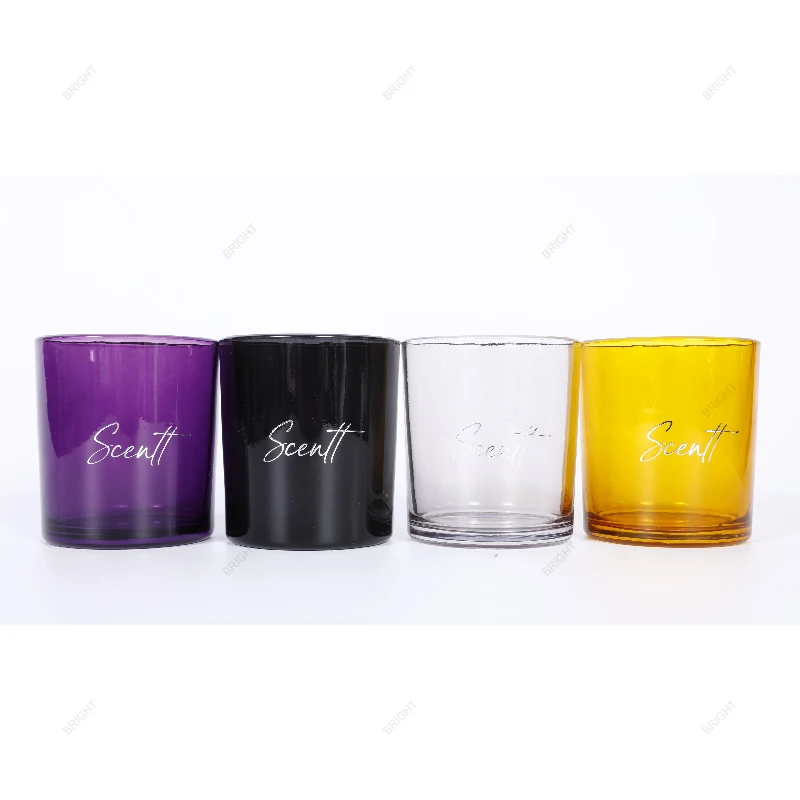
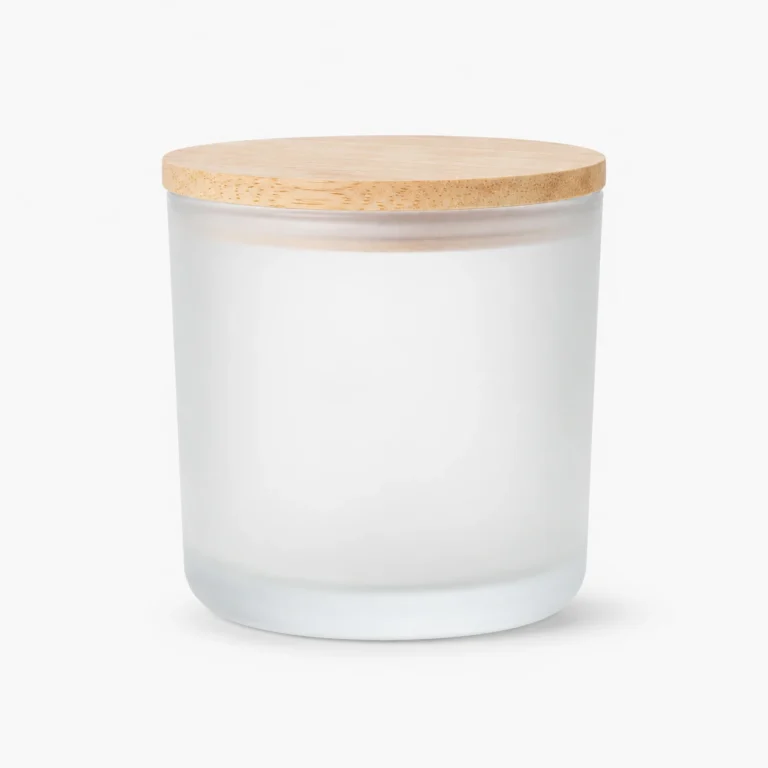
BGC138M Four-Size Round Jar Family
Use the published 6oz, 8oz, 10oz and 12oz references to define separate size, artwork and component versions.
View Product Details →Customer Specification · Production Planning
An OEM candle jar brief starts with requirements that can be identified and reviewed: a drawing, an approved vessel reference, artwork or a clearly defined specification. Bring those records together before discussing production scope.
The aim is to make the proposed order unambiguous. Keep the glass, finish, fitted parts, packing and responsibilities tied to the same revision so the sample and quotation concern the product you intend to release.
Use this page when the main task is translating an established requirement into a clear manufacturing and supply brief. An unresolved new form needs a separate design-development discussion.
Production-brief reference
Use the published 6oz, 8oz, 10oz and 12oz references to define separate size, artwork and component versions.
View Product Details →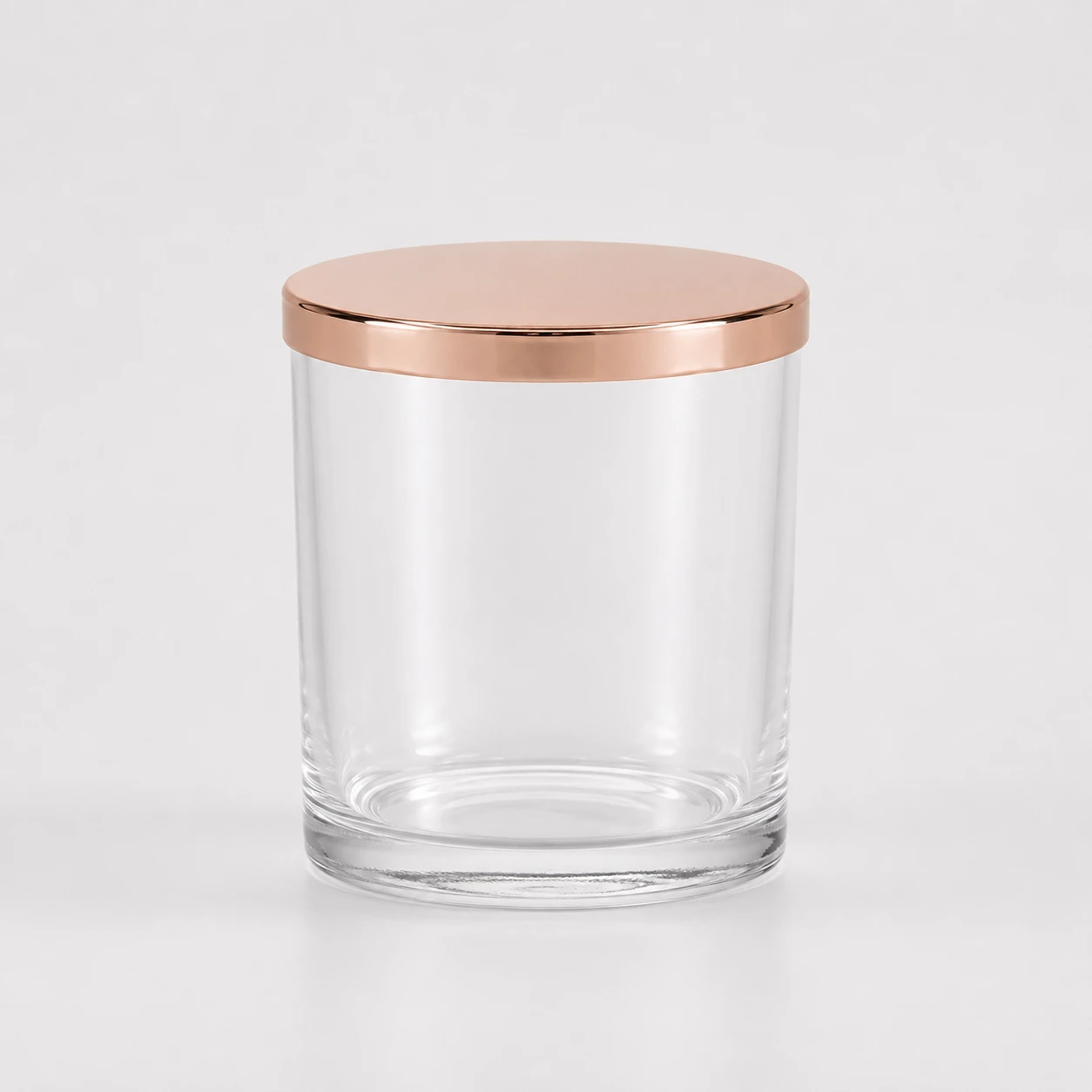
Production-brief reference
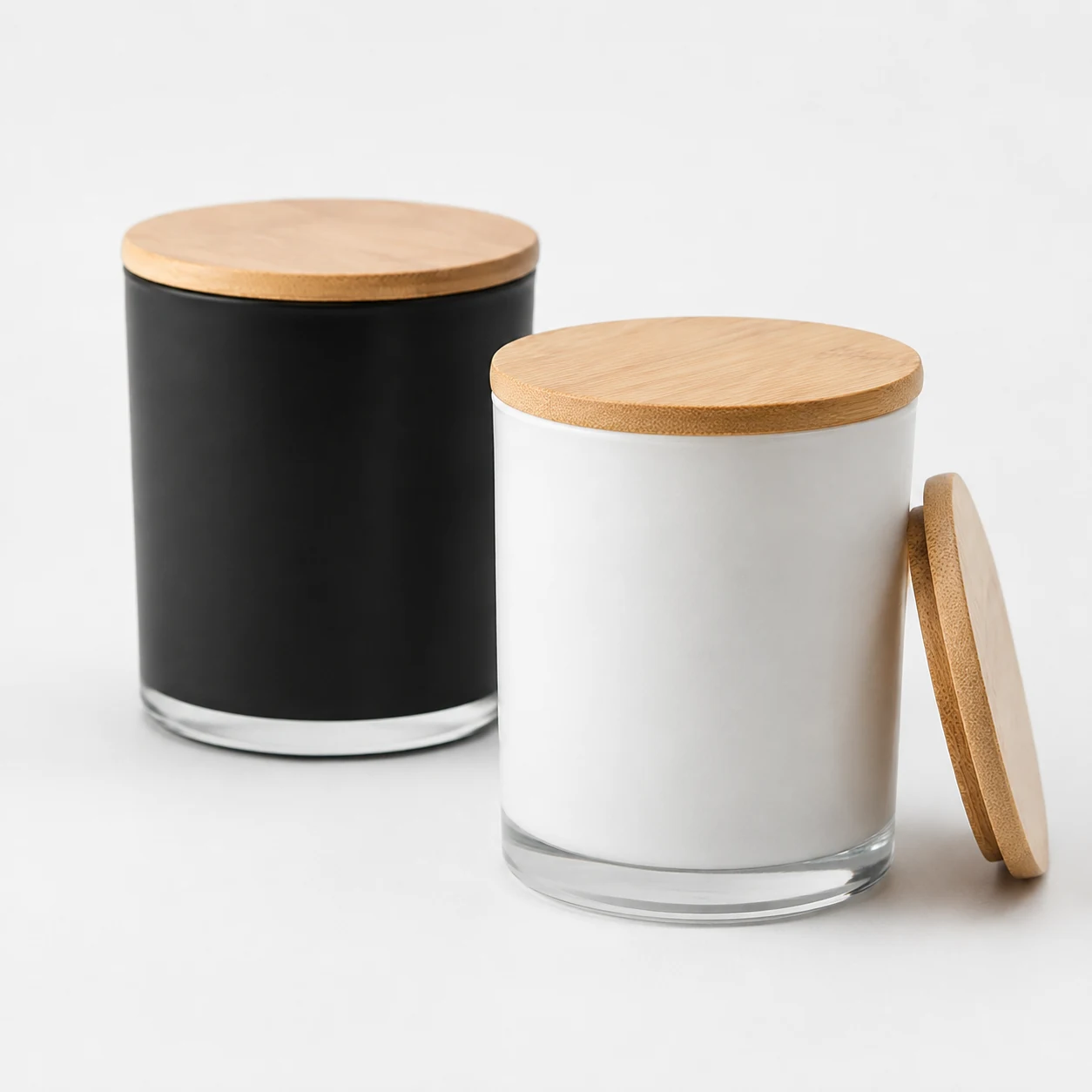
A published 4oz–16oz family for discussing jar, lid and packaging approvals by selected capacity.
View Product Details →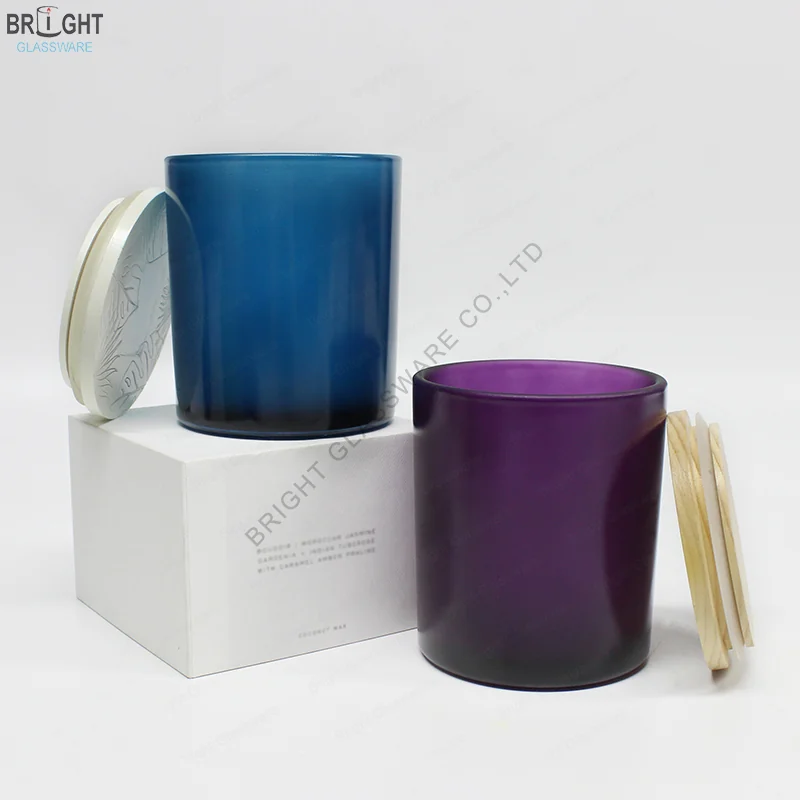
Production-brief reference
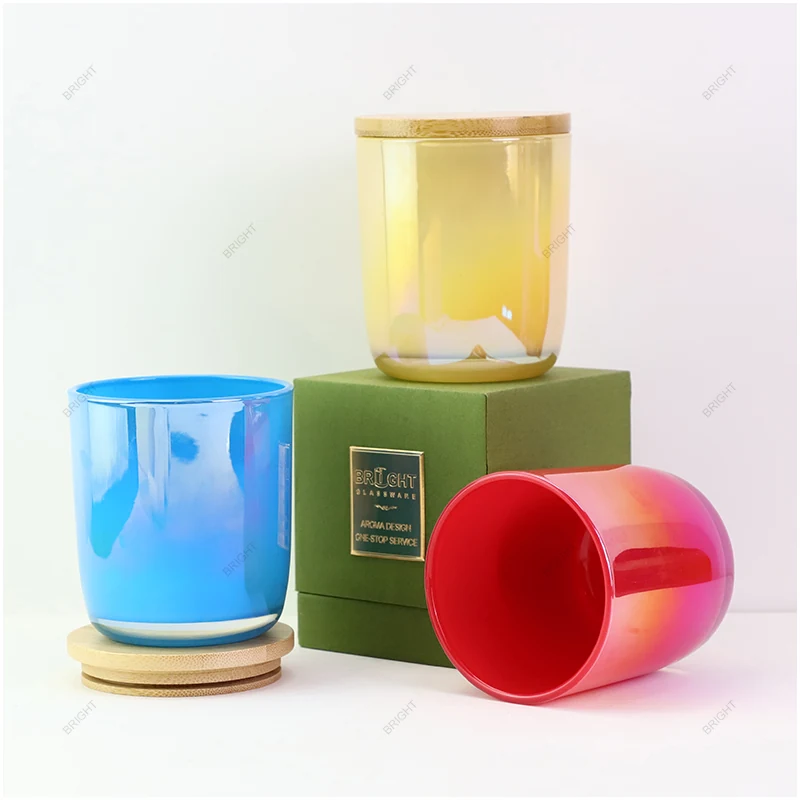
An existing model with published dimensions and decoration options to ground a specification review.
View Product Details →Send the current specification or drawing revision with the required quantity.
Compare the options and practical details below.
Record the selected model, controlled dimensions and drawing date. Identify which requirements come from your drawing and which still need review against an actual sample.
Review the Specification →Name the coating or decoration route, artwork revision, lid and any gasket. Similar-looking components need their own references when fit or appearance differs.
Review the Specification →Agree which sample and inspection criteria define acceptance. Carry the approved version through packing labels, order records and any agreed reference samples.
Review the Specification →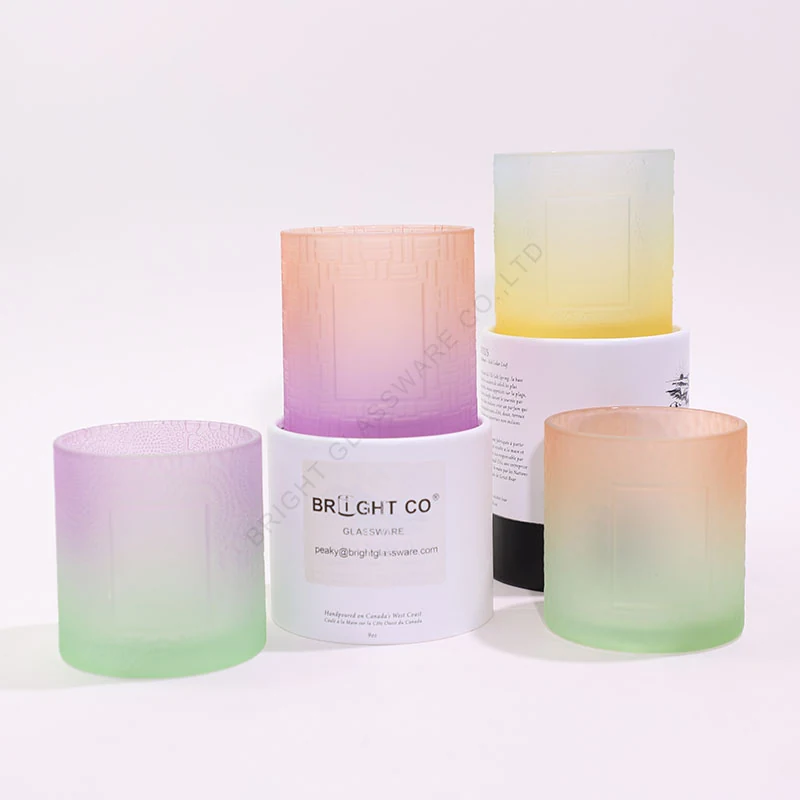
Identify the current drawing or selected reference, with the dimensions and appearance decisions that belong to that revision.
Review the Specification →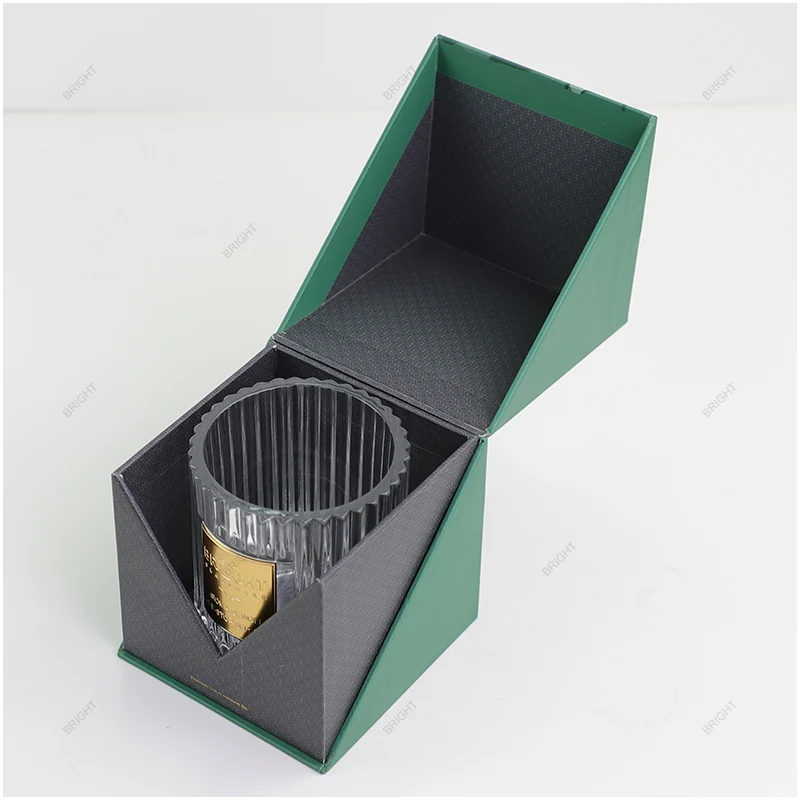
List the supplied glass, lid, decoration and packing so the production brief does not rely on a photograph alone.
Review the Specification →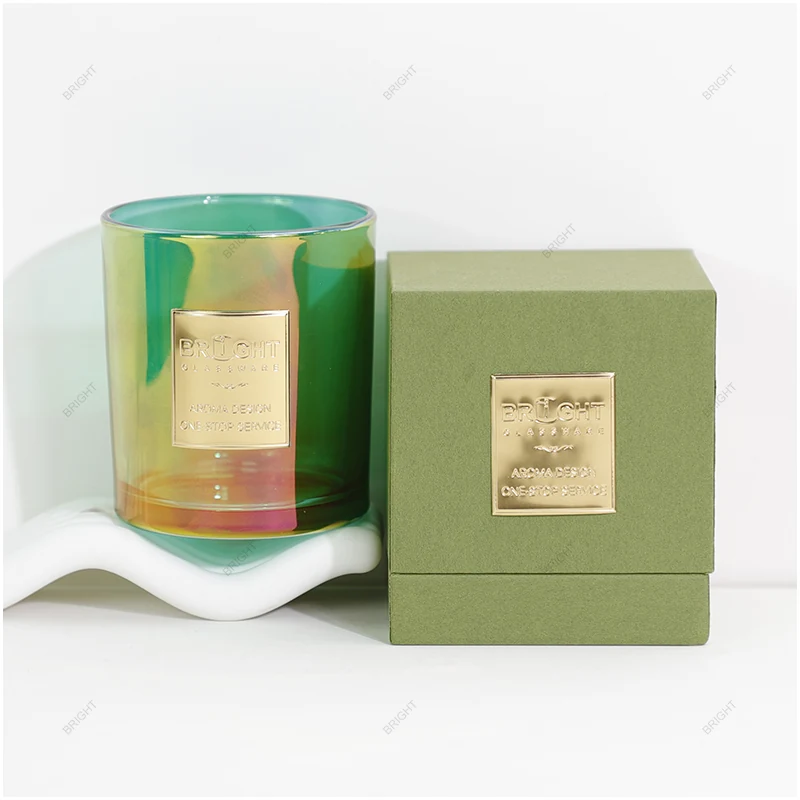
Keep the agreed sample and written specification together before production release or a repeat-order substitution.
Review the Specification →Treat finish and artwork as controlled parts of the specification. Identify the actual file, color reference, application area and sample decision alongside the vessel drawing or selected model.
A production brief should resolve the details that can otherwise drift between quotation, sampling and repeat orders. If a drawing still needs structural or manufacturing review, complete that work before treating it as the final release.
For new tooling, the published development route includes feasibility review, drawing freeze, mold engineering, trial pieces, adjustment and production approval. Confirm where your project enters that sequence.
| Specification | What to Review | Approval Reference |
|---|---|---|
| Container | Model, material, dimensions and selected size reference. | Selected sample and agreed container reference |
| Appearance | Finish, artwork, placement and approved visual standard. | Selected sample and agreed appearance reference |
| Assembly | Exact closure and any component-fit requirements. | Selected sample and agreed assembly reference |
| Release | Approved sample, drawing revision and inspection reference. | Selected sample and agreed release reference |
Send the current specification or drawing revision with the required quantity. Identify the finish, components, approvals and packing that belong in the OEM supply scope.
Request a Project Quote →Packing is part of the manufacturing brief when multiple sizes, finishes or artwork versions share an order.
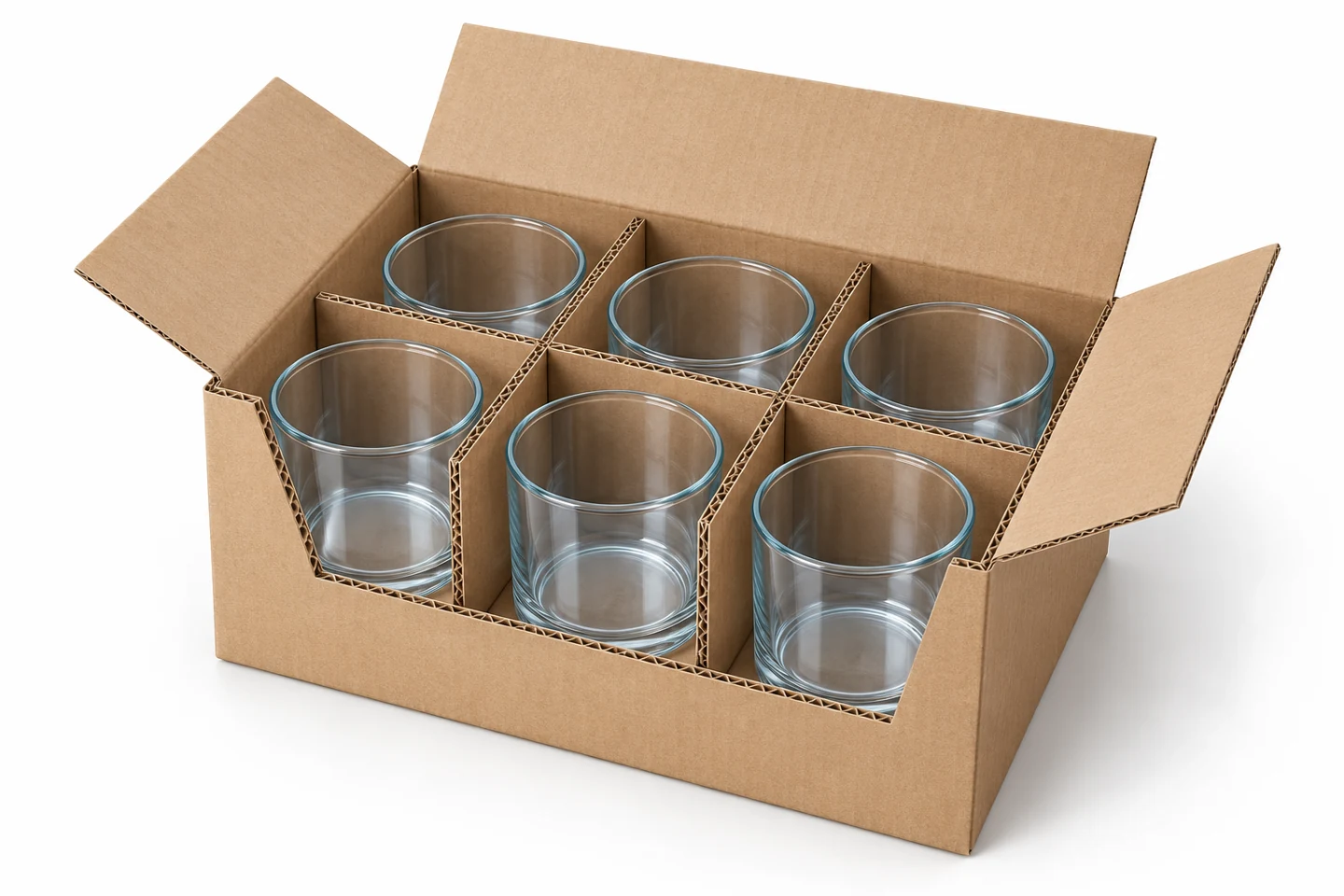
Agree labels and carton identification for every approved version, including glass size, decoration, lid and quantity.
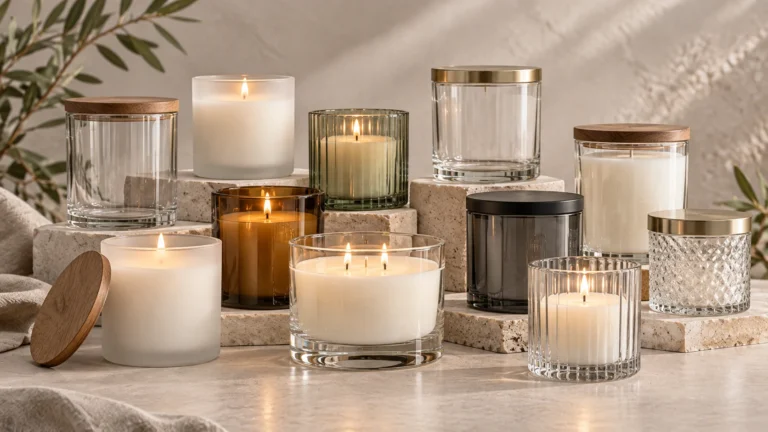
AI-generated concept illustration for discussion; not a product photograph.
Review protection at rims, heavy bases, finished surfaces and closures on the actual packed sample.
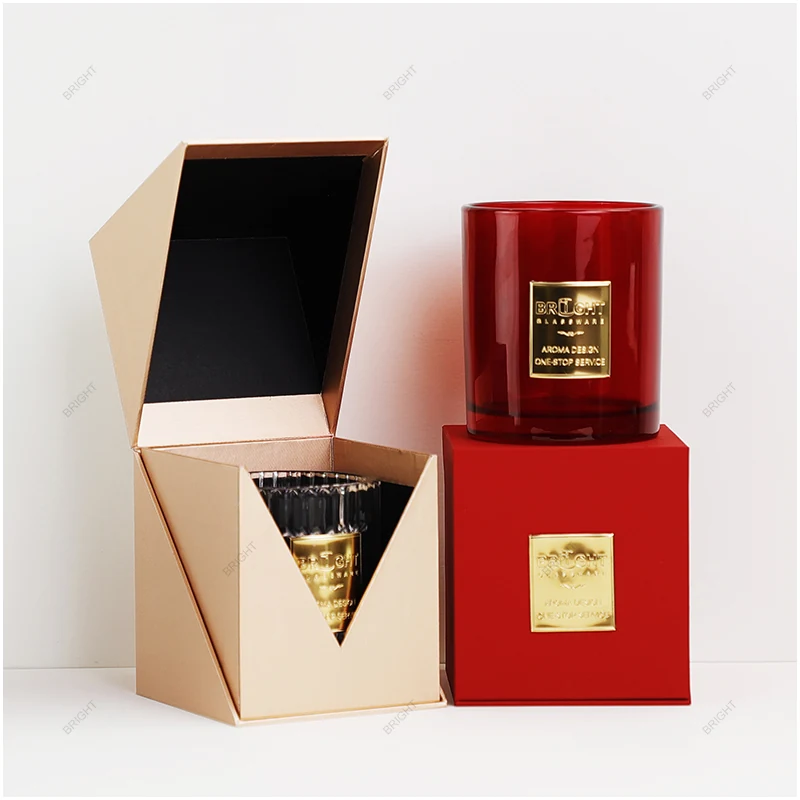
Confirm pack construction, carton quantity and any pallet requirements against the selected items and delivery route.
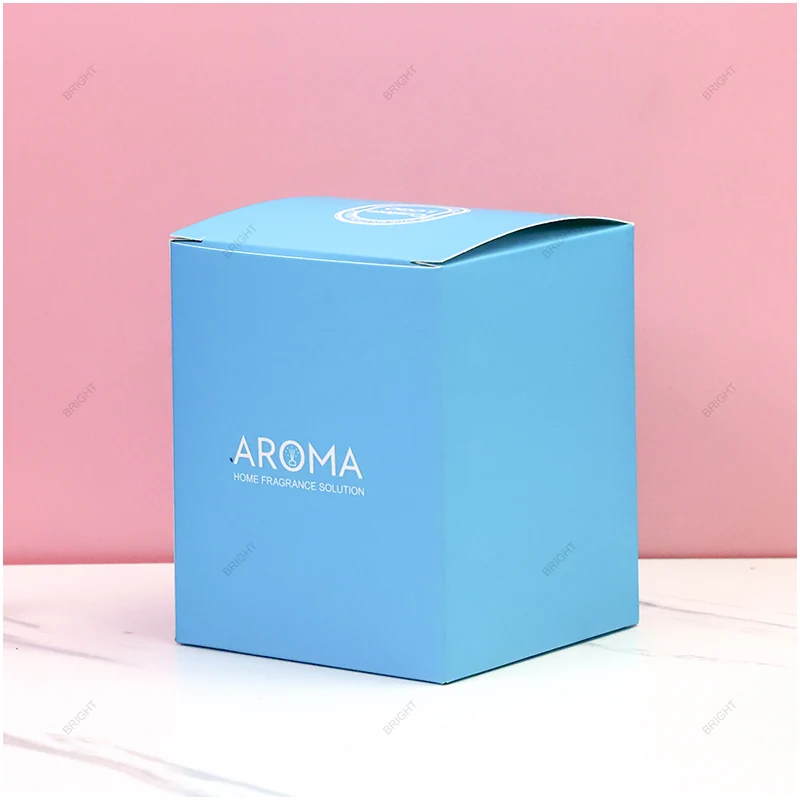
Submit quantities against the agreed OEM revision with the complete packing and shipment destination, keeping scope changes identifiable.
Share your order quantity, destination and retail or export packing requirements.
Discuss Packing & Shipping →Identify the material, internal dimensions and intended candle requirements in the agreed specification. Keep finished-candle development with the responsible party.
Choose the buying brief closest to your project.
Review the defined geometry, material and component requirements against a current revision.
Use the retained sample and written specification to identify the required product version.
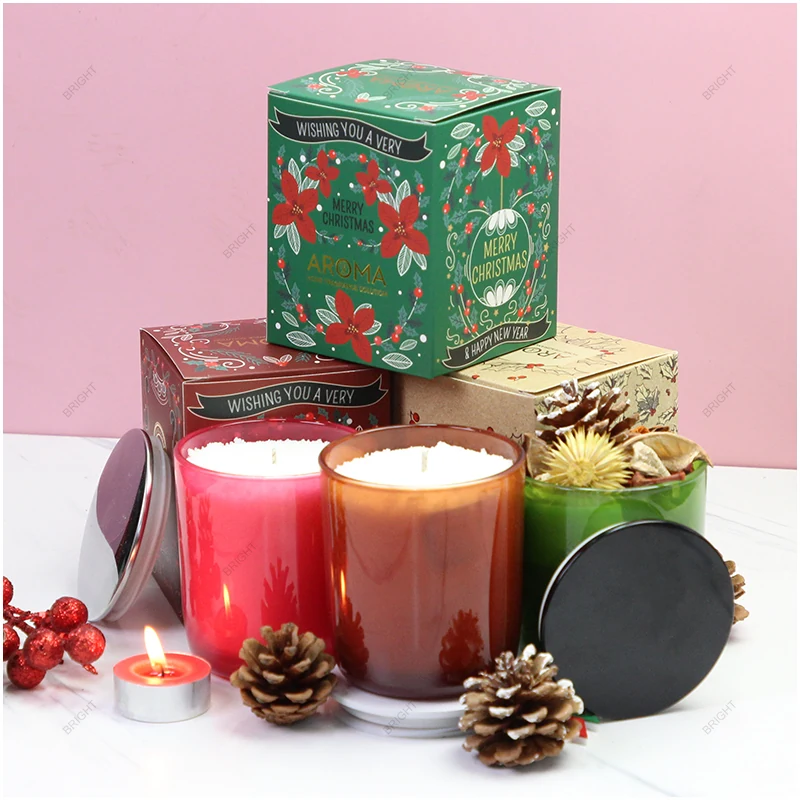
Clarify the supplied glass, decoration, closures and packing within one commercial scope.
Agree the supply scope before comparing prices or setting an order schedule.
Bring these practical points into the sample and quotation discussion.
Identify the drawing, vessel or specification that governs the enquiry.
State which party supplies the glass, lid, inserts, decoration and packing.
Tie the final file and position to the same vessel revision.
Record what has been reviewed and which decisions remain open.
Describe the appearance, dimensional and component-fit requirements relevant to the actual order.
Identify revisions and proposed substitutions before a production or repeat-order discussion.
Provide the current drawing, approved vessel reference or defined specification, together with the intended supply scope.
Identify the available artwork and any open decisions. Final production approval needs a clear file revision, position and finish reference.
State that responsibility explicitly. Include every required component and assembly task in the enquiry rather than relying on a styled image.
Identify the revised requirement and its effect on the sample, tooling, components and quotation before treating it as the current version.
Send your requirements or a reference so our team can review your project.
Ask Our Packaging Team →A photograph can communicate style while leaving dimensions and components unclear. Supply the current drawing or selected vessel reference and list the decisions that the order needs to follow.
A complete pack may combine parts from several sources. State who supplies and approves each component so the quotation does not silently assume a lid, insert or assembly task.
Keep the sample, drawing and artwork revisions connected. A change after approval should be identified in the project record before it becomes part of the ordered configuration.
A previous photograph or informal style name can conceal a revision. Refer to the approved specification and component list when asking for further production.
Request a Quote
Share the model, capacity, color, closure, decoration, packaging and estimated quantity you need. We can review the options with you.
Category: OEM Candle Jars