
Borosilicate Glass · Wholesale & Project Sourcing
Borosilicate Glass Wholesale Supplier
A borosilicate glass range can bring together very different products. A coffee cup, a storage jar and a fragrance bottle each need their own specification. Start with the use and the people handling the finished item, then narrow the construction and components.
For importers, homeware brands and packaging buyers, this collection is a starting point for a sourcing discussion. Follow the relevant category, review any published models, or send a reference when your preferred format is not yet listed.
Explore Borosilicate Glass Products
Use the product routes for drinkware and tea, storage and kitchenware, and bottles, home or custom projects. Follow each listing’s source status and request actual material, construction and component information for the selected item. An unlisted design starts with its own sourcing or development brief.
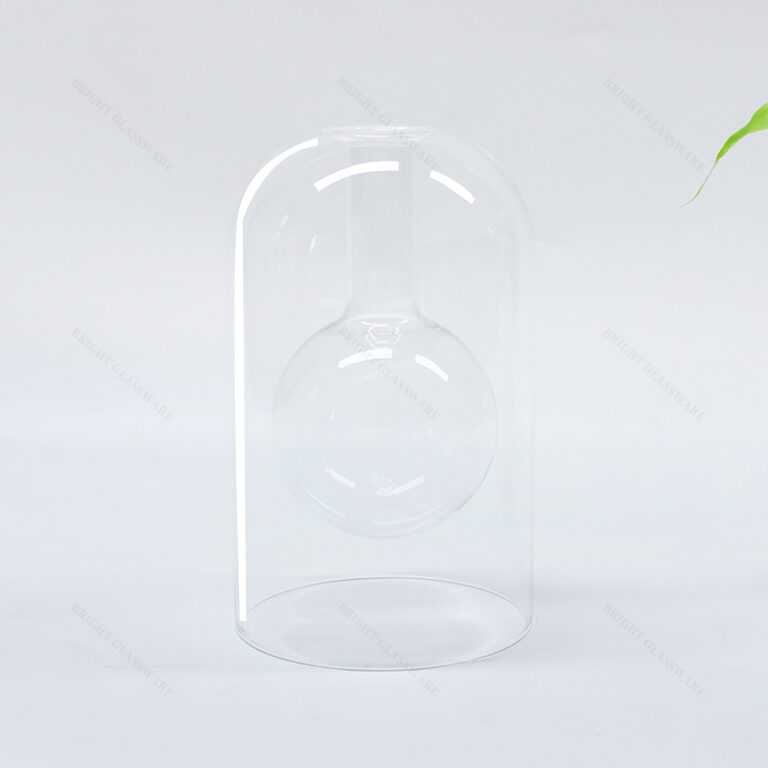
Suspended-Sphere Borosilicate Diffuser Bottles in Bulk
Read More »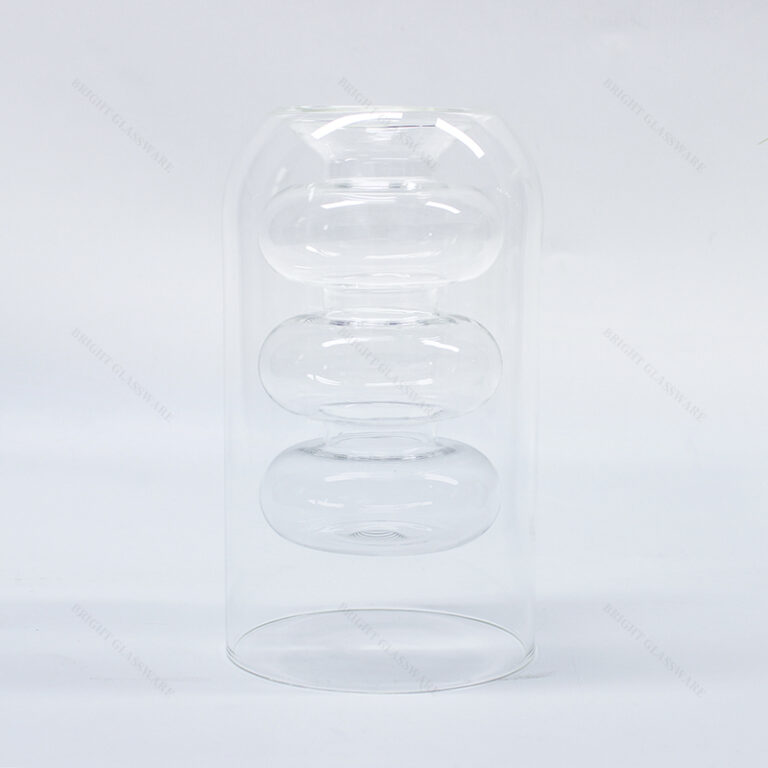
Three-Disc Borosilicate Glass Diffuser Bottles Wholesale
Read More »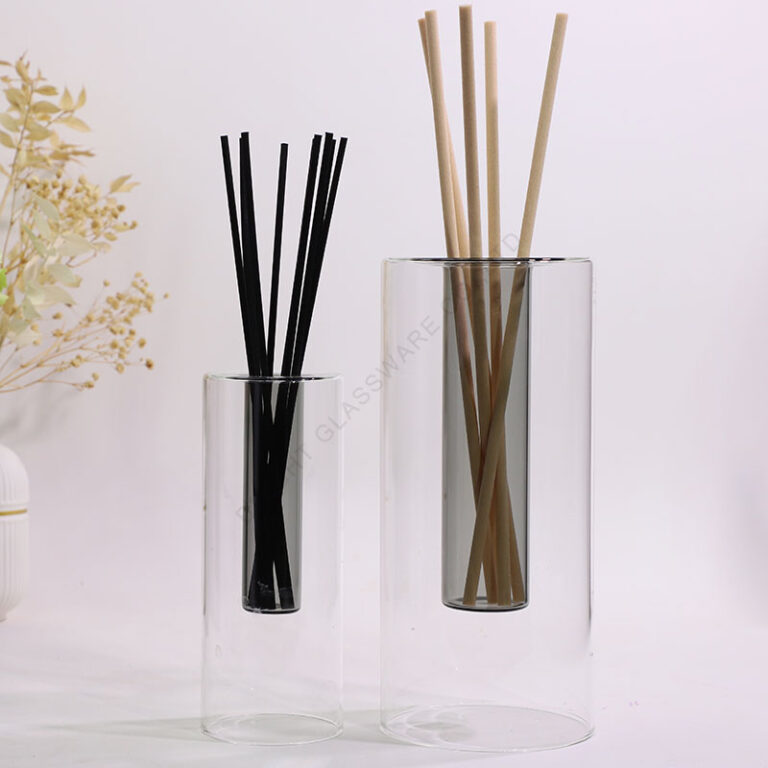
30ml and 120ml Inner-Tube Borosilicate Diffuser Bottles Wholesale
Read More »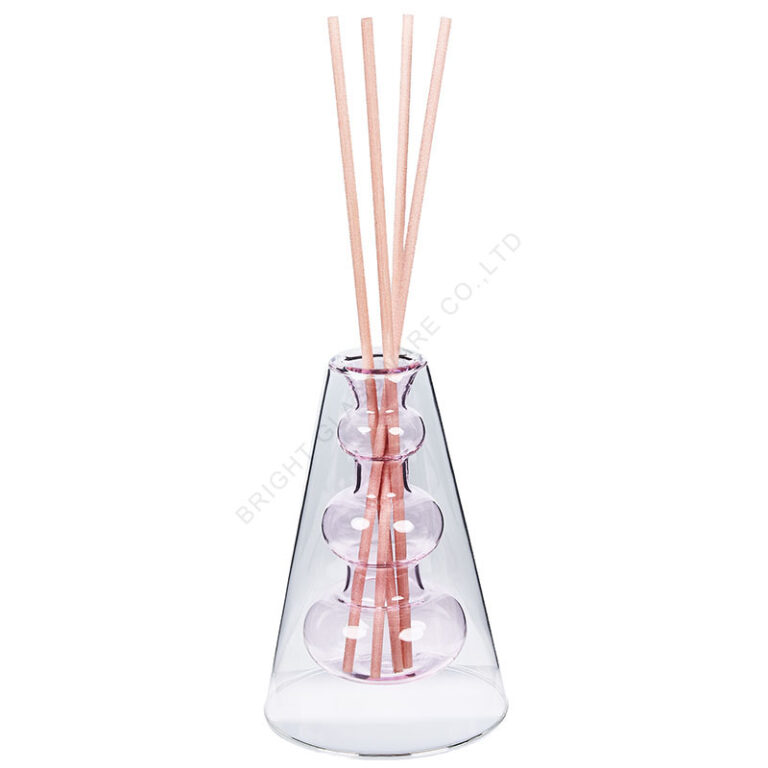
100ml Tapered Borosilicate Diffuser Bottles in Bulk
Read More »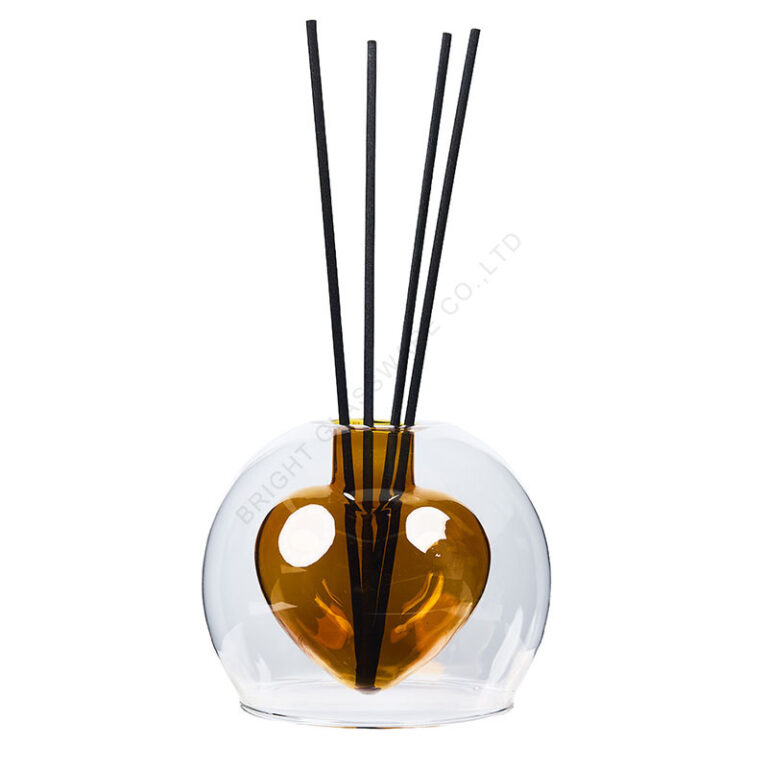
110ml Heart-Centre Borosilicate Diffuser Bottles Wholesale
Read More »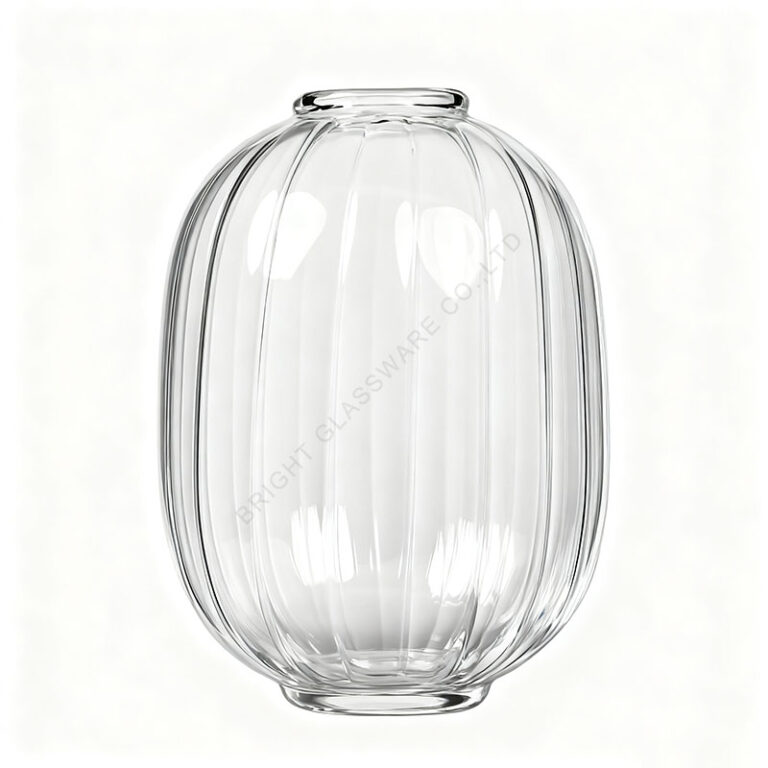
250ml and 400ml Fluted Borosilicate Diffuser Bottles in Bulk
Read More »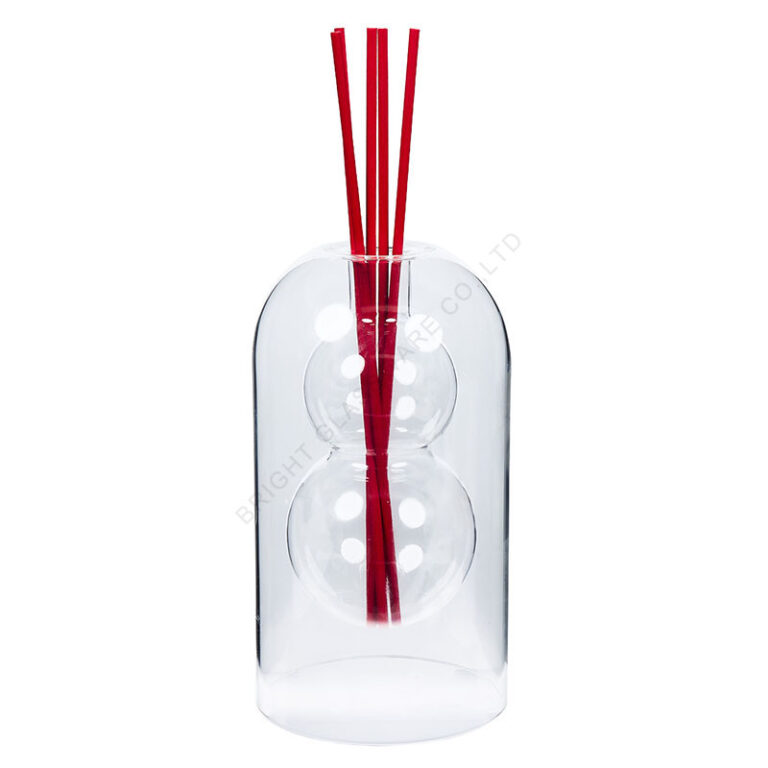
150–300ml Double-Bulb Borosilicate Diffuser Bottles Wholesale
Read More »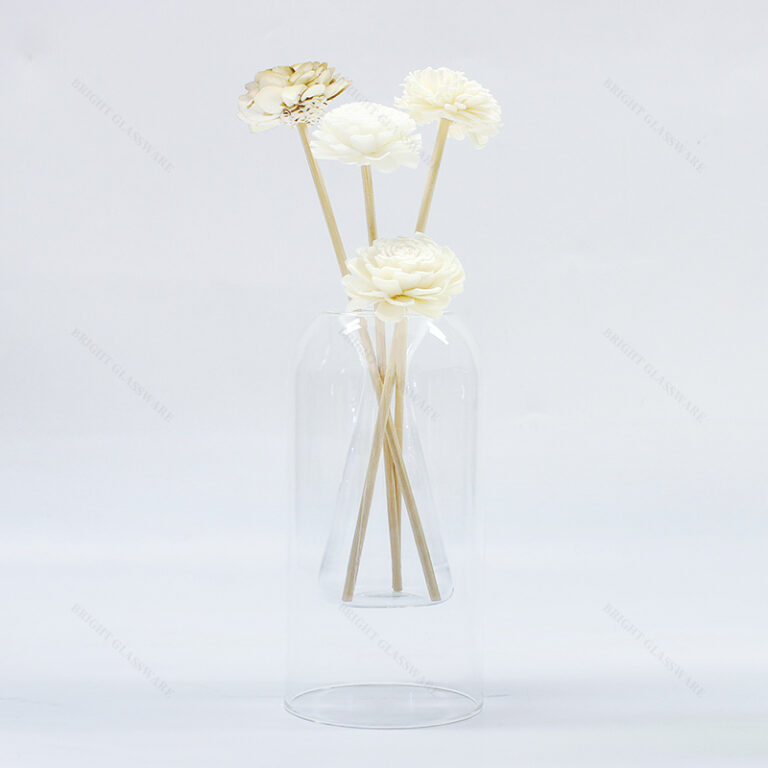
Slender-Insert Borosilicate Glass Diffuser Bottles Wholesale
Read More »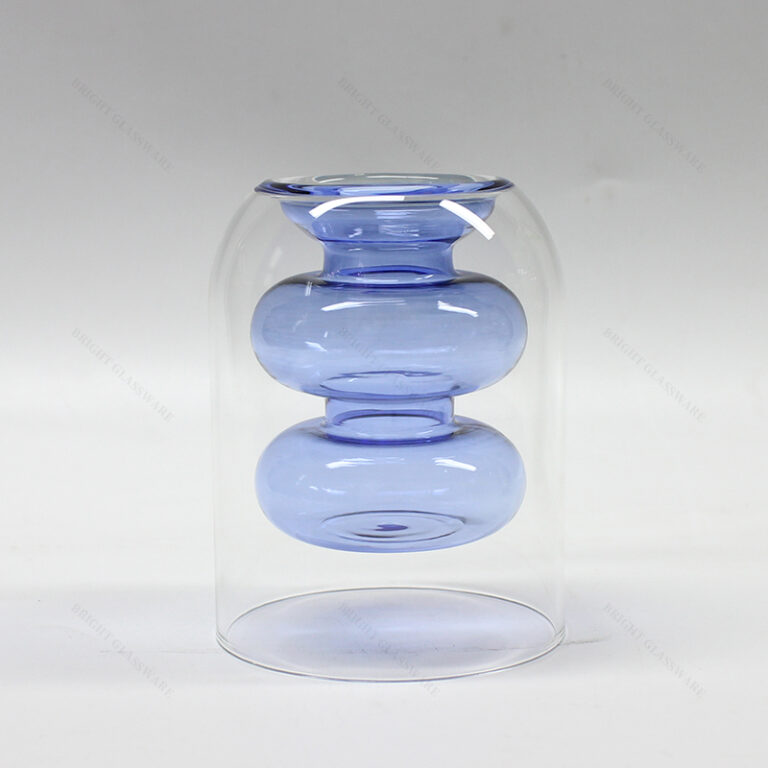
Two-Disc Borosilicate Glass Diffuser Bottles in Bulk
Read More »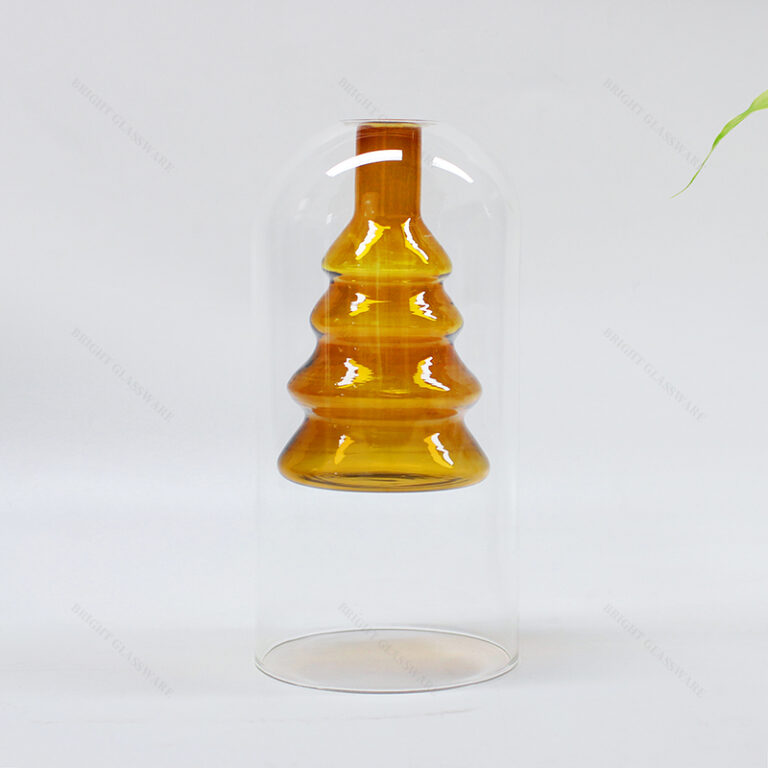
Amber Tree-Insert Borosilicate Diffuser Bottles Wholesale
Read More »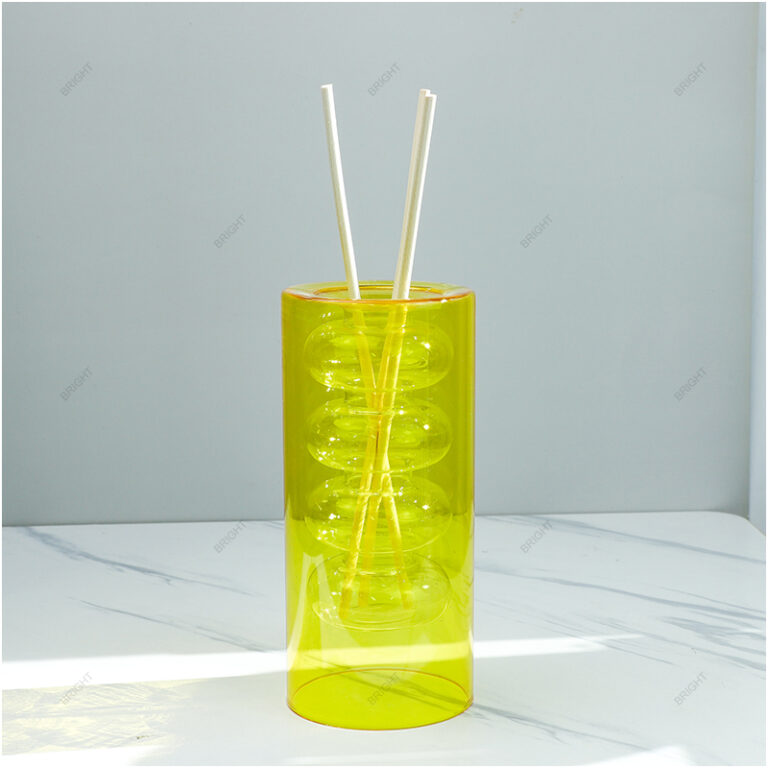
Four-Tier Borosilicate Glass Diffuser Bottles in Bulk
Read More »Need Help Choosing the Right Option?
Send the product use, model or design reference, target market and quantities by item. Identify glass-only or complete-unit supply, requested components and packing. Include any operating conditions or product information your team needs for sample approval.
Build an Assortment That Is Practical to Buy
Define the job
Write down whether the glass will hold a beverage, dry goods, fragrance or a candle. That use determines the questions to ask about the complete product.
Separate unlike constructions
Single-wall, double-wall and fitted-component designs should have distinct references. Their outside dimensions do not describe the same usable space or assembly.
Choose a purchasing unit
State whether one quoted unit means an individual item, a matched set or a glass-and-accessory assembly. This avoids comparing prices for different scopes.
Wholesale Borosilicate Glass for Household and Packaging Ranges
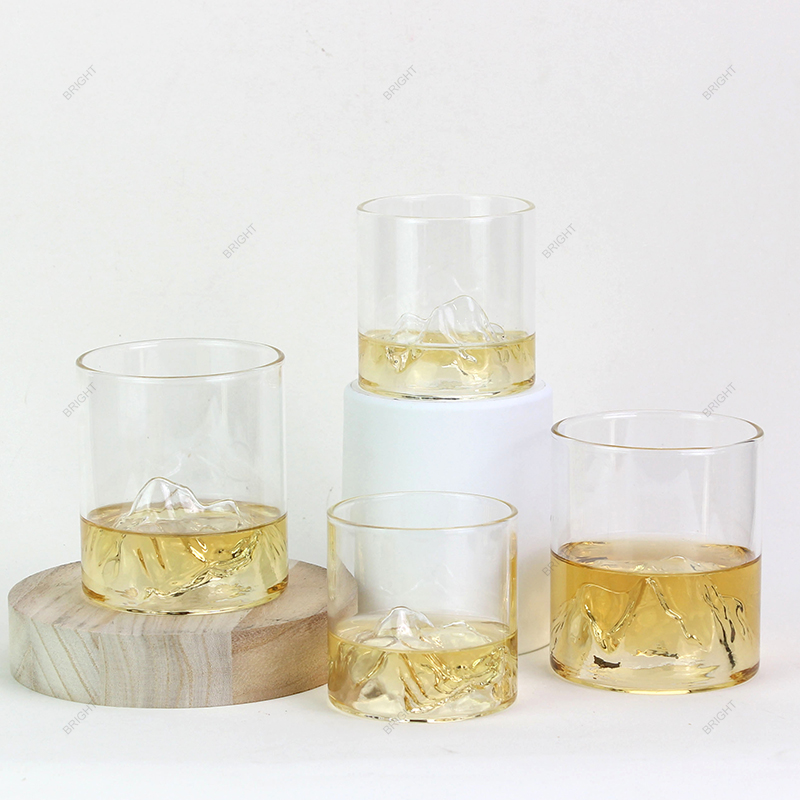
Drinkware around the serving routine
For cups, tumblers and bottles, consider the normal serving size, grip and washing routine together. A shape that photographs well still needs to fit the intended customer experience.
Review the Specification →HC008 owner photograph with illustrative pours. Confirm the selected glass, usable serve and required service/cleaning evidence separately.
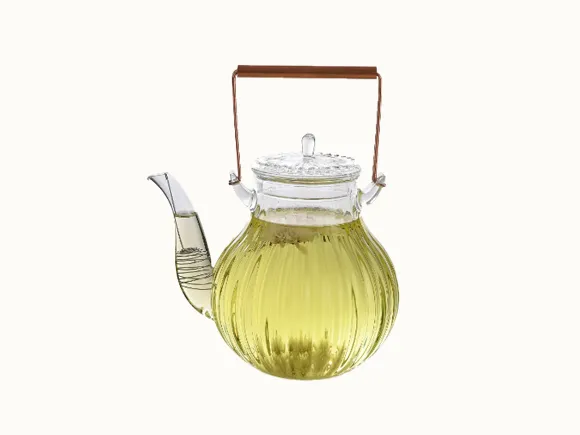
Tea and coffee as assemblies
A teapot or coffee brewer includes relationships between glass, filters, lids and holders. Use the assembled sample to judge removal, pouring and cleaning access rather than reviewing the glass body alone.
Review the Specification →Authorized supplier-reference photograph for the listed ribbed-teapot format. Confirm the actual model, complete lid/infuser arrangement and intended use on the proposed sample.
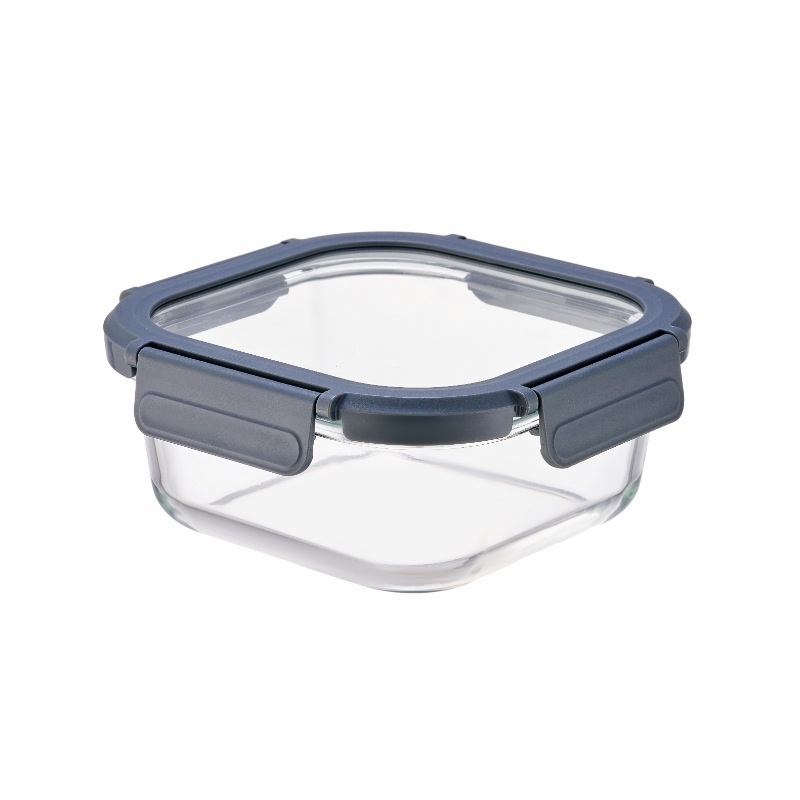
Storage by opening and footprint
For pantry and food-storage projects, the opening, usable capacity and shelf footprint are separate decisions. Add any closure function and cleaning requirement to the brief instead of relying on appearance.
Review the Specification →Authorized supplier-reference photograph for the square container format. Confirm the actual lid, useful fill and required storage/cleaning conditions; the photograph is not a seal or suitability test.
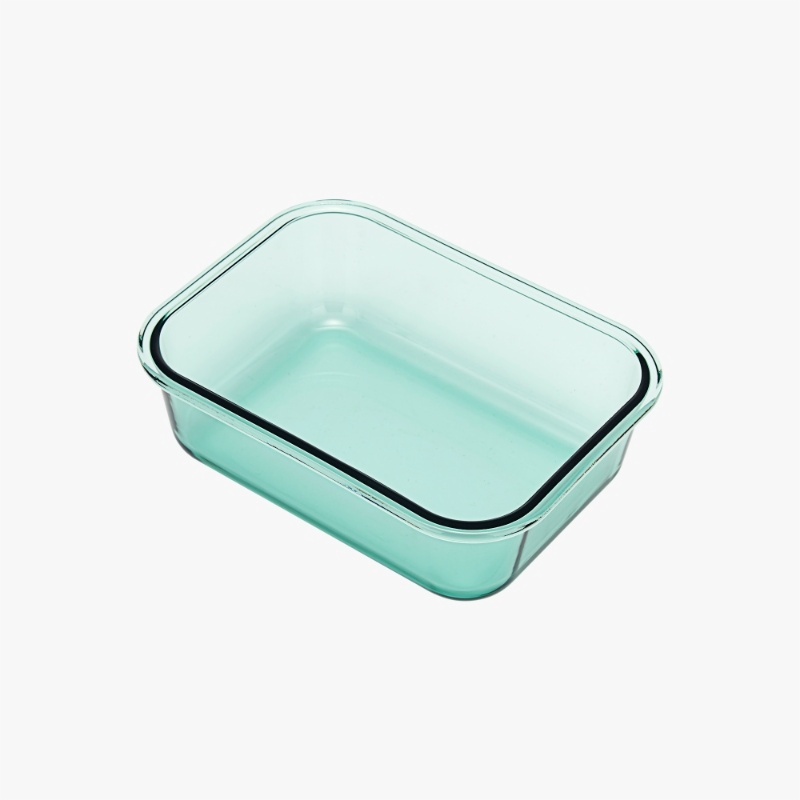
Kitchenware by intended equipment
A baking dish and a stovetop vessel face different use conditions. Identify the proposed appliance and handling sequence so model-specific suitability can be reviewed before a range is offered for sale.
Review the Specification →Authorized supplier-reference photograph for the rectangular-dish format. Confirm the actual dimensions, intended equipment and required use/thermal evidence separately.
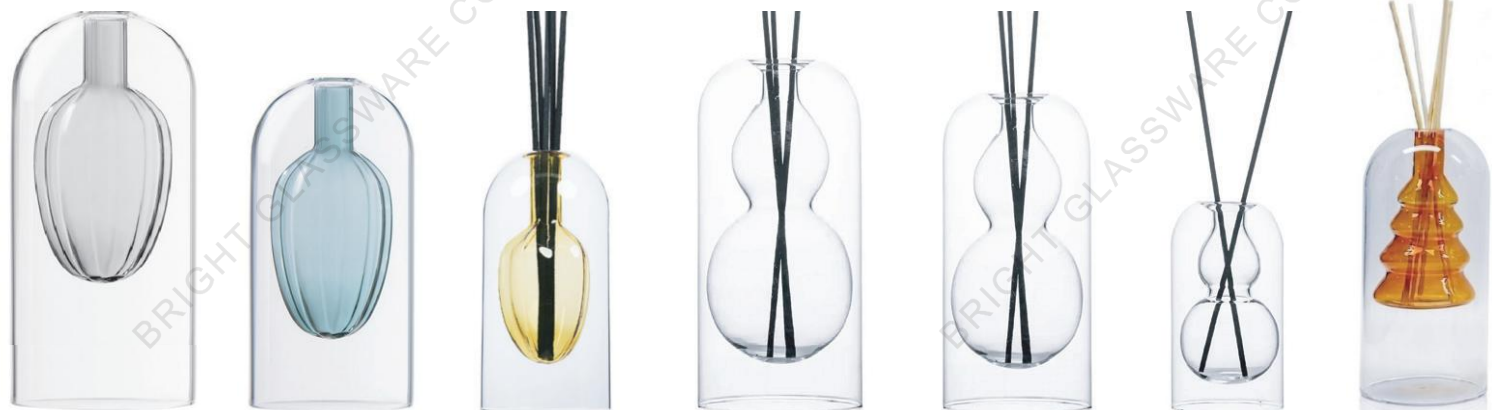
Fragrance and decorative packaging
For fragrance bottles and decorative vessels, the neck, pump or closure and final packed height often drive development. Keep the contents and required dispensing action with the bottle reference.
Review the Specification →Project catalogue fragrance-bottle references. Identify the specific bottle, closure and any reeds in the quotation; the image does not extend material or use claims to other formats.
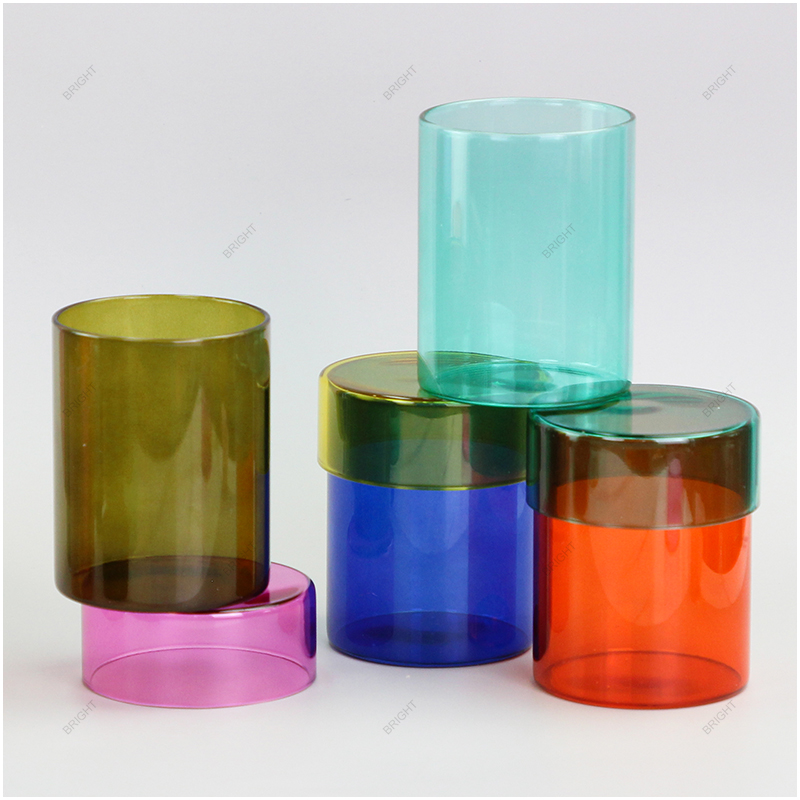
Candle jars as a dedicated collection
Candle vessels have their own filling, wick-development and presentation questions. Use the Borosilicate Glass Candle Jars collection for those projects, keeping it separate from drinkware and food-use enquiries.
Review the Specification →Original candle-jar family photograph. Confirm the exact jar, lid and finish for the candle programme; it is not drinkware or food-storage evidence.
Buy the Complete Configuration
A glass body is only part of many household products. List the lid, filter, sleeve, pump, seal or gift box beside it. Ask for each item to be identified in the quotation so a later sample can be compared with the same scope.
Discuss Your Requirements →Explore Customization & Artwork Review →Quote the complete configuration
Selected family and model · actual body and any lid, infuser, pump or insert · separate sourcing or supplied assembly · physical sample revision · approved unit pack.
Bring a Clear Custom Glass Brief
For a custom borosilicate glass enquiry, share the reason for the change: a different serving size, a distinctive silhouette or a pack that fits your retail format. Drawings and visual references help assess the project. Shape development, decoration and packaging should be reviewed individually rather than assumed to be one standard service.
Build the sample review around the job
Intended use and market · actual construction and dimensions · removable parts · artwork/finish master · agreed evaluation evidence and production scope.
Sample Review & Production Planning
- Intended use: Name the contents, user and normal handling routine; include the market in which the finished product will be sold.
- Construction: Identify the required wall arrangement and visible joins, supported by a reference image or drawing.
- Dimensions: Separate outside dimensions, useful internal space and the assembled height with all accessories fitted.
- Component scope: List removable parts and closures, including which items belong in each retail unit.
RequirementsUse, quantity and destination
SelectionBody, components and appearance
Sample ReviewFunction, handling and packing
Order DefinitionAgreed model and specification
Final ReviewIdentification and delivery scope
From Selection to an Agreed Specification
| Specification | What to Review | Buyer Approval / Output |
|---|---|---|
| Intended use | Name the contents, user and normal handling routine; include the market in which the finished product will be sold. | Written use brief |
| Construction | Identify the required wall arrangement and visible joins, supported by a reference image or drawing. | Construction reference |
| Dimensions | Separate outside dimensions, useful internal space and the assembled height with all accessories fitted. | Dimension schedule |
| Component scope | List removable parts and closures, including which items belong in each retail unit. | Assembly list |
| Order mix | Break the quantity down by model, size, finish and pack rather than providing only one total. | Quantity matrix |
Plan Your Borosilicate Glass Products Project
Send a shortlist or project drawing, quantities by quoted unit, component list and destination. State the required use and documentation so the proposed sample and quotation address the same scope.
Request a Project Quote →Packing & Delivery Planning for Borosilicate Glass Products
Mixed glass ranges need packing planned around each item, especially when delicate projections and compact straight-sided bodies share an order.

Protect each geometry
Handles, spouts, stems and necks need their own clearance. A common outer carton does not mean every item should use the same insert.
Packaging concept illustration. Develop the actual divider, sleeve, retail unit and case arrangement around the approved products.
Identify every version
Model and size · body/closure or accessory revision · fitted or separate delivery · carton labels and component counts · receiving reference.
Keep versions identifiable
Give each size and component combination a clear reference. Carton identification should let the receiving team distinguish similar-looking products without unpacking the entire order.
Separate retail fit from transport protection
Actual retail unit or set · removal and part clearances · outer-case arrangement · final packed dimensions and weight · approved samples.
Separate retail and transport needs
A presentation box serves a different purpose from an export carton. Include both in the packing discussion when the goods will be sold as gifts.
Plan shipment from the approved mix
Itemised unit and case quantities · complete packed weights · fragile projections or handles · agreed transport method · dispatch identification.
Plan the shipment from the mix
Provide destination, model quantities and pack format together. An assortment of different shapes needs a shipment plan based on the actual packed units.
Plan Your Packing & Delivery
Share your order quantity, destination and retail or export packing requirements.
Discuss Packing & Shipping →Material Is One Part of Product Suitability
Confirm the actual material and construction from the selected model’s source information. State any heating, cleaning, formula-contact, mechanical or powered-unit requirements with the components and decoration being quoted. Ask for the model-specific information and evaluation needed before approving that use, then retain it with the sample and the product information supplied to your customer.
Borosilicate Glass Products for Different Buying Programs
Keep the first homeware range focused
Chosen storage, serving or kitchen formats · a reason to buy each item · actual dimensions and components · market/use requirements · a comparable sample and pack for each version.
A focused homeware launch
Choose a small number of related uses and sizes, then make their packing and care information consistent enough for a straightforward retail presentation.
Define the service range
Beverage and serving routine · selected cup, glass or pot · rim, handle and assembled footprint · required use/cleaning evidence · case quantities and replacement plan.
A beverage service range
Work backwards from drinks, service quantities and cleaning routines. Compare individual pieces within that routine instead of choosing every item from a separate photograph.
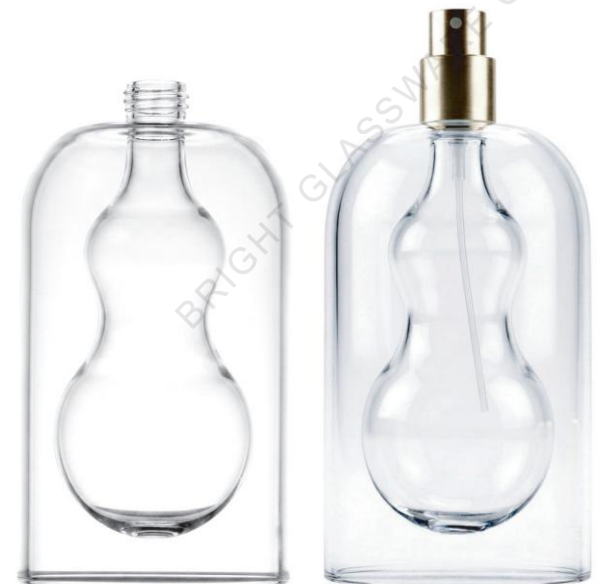
A coordinated packaging project
Bring the glass, contents, dispensing or closure system and box into the same discussion so the finished package has one identifiable specification.
HBP007 project-catalogue reference. Confirm the exact bottle, pump and contact components for the intended packaging project.
Define MOQ, Samples & Production Around the Brief
Break the quantity down by model, size, finish and pack rather than providing only one total.
ModelNamed configuration and use
SampleAssembly to review
ArtworkFile, colour and position
PackingRetail and outer-carton scope
Why Work with Bright Glassware on a Borosilicate Project?
Selection by Use
We can organize enquiries across the existing drinkware, tea, kitchen, storage and home or packaging routes. Your item list keeps the intended use and actual source or design reference clear before the range is quoted.
Source and Custom Review
We can review published model options and distinguish further sourcing from a new design brief. Drawings, dimensions and the reason for a change help define the sample or development work without assuming every request uses the same process.
Suitable Glass Decoration
We support color spraying, electroplating, screen printing and hot stamping on suitable glass. Actual model and appearance references keep the selected treatment, artwork and required care review together.
Proposed Components
We can coordinate proposed lids, filters, pumps or other requested parts with the selected glass. The quotation and sample list identify included items and the actual component versions rather than treating a styled assembly as the supply scope.
Agreed Sample Checks
We support dimensional, appearance, decoration, component and packing checks against agreed references. Material documentation and any required operating evaluation remain tied to the exact selected model and configuration.
Packing and Repeat Orders
We can coordinate retail, service and outer packing for the agreed mix. Identified models, parts and artwork versions give receiving teams and later enquiries a clearer reference than a similar product photograph.
Questions About Borosilicate Glass Products
Which borosilicate glass products can I enquire about?
This area is organised around household glassware and packaging uses. Follow the relevant category or send a reference. A category page is not a promise that every design is available; individual models and new requests need their own review.
Can several product types be quoted together?
Yes, you can send one project brief covering several categories. List quantities and requirements by item so glass, components, decoration and packing can be considered without mixing unlike specifications.
Does borosilicate mean every item is suitable for hot drinks or cooking?
No universal use rating follows from the material name. The finished model, its construction, accessories and instructions determine the questions that need to be resolved for your intended use.
What is needed before a wholesale price can be discussed?
Start with a model or clear reference, size, quantity, finish and packing scope. Include the destination and any required product documentation so the enquiry reflects the complete purchasing brief.
Where should I look for candle vessels?
Use the existing Borosilicate Glass Candle Jars collection. It keeps candle filling and development questions together and avoids treating candle vessels as interchangeable with drinking or food-storage products.
Still Have a Product Question?
Send your requirements or a reference so our team can review your project.
Ask Our Packaging Team →Keep the range brief small enough to compare
A short first selection makes differences easier to see. Identify the role of each item, then add sizes or finishes only where they serve a clear retail or service need.
Give buyers a reason to choose each item
Two similar shapes do not necessarily need separate positions in a range. Compare serving size, handling and component differences before deciding how each will be presented.
Read the quotation by scope
The body, fitted parts, decoration and packing may account for different parts of a project. Keep these choices visible so a lower figure is not simply a quotation for fewer components.
Retain the decisions behind the sample
The chosen sample should be accompanied by its dimensions, component list and intended use. This record is more useful for future purchasing than a folder of attractive but unlabelled reference images.
Browse Borosilicate Glass Product Categories

Drinkware & Tea
Borosilicate Glass Drinkware →Borosilicate Glass Water Bottles →Borosilicate Glass Tea Infuser Bottles →Borosilicate Glass Cups & Mugs →Double-Wall Borosilicate Glasses →Borosilicate Glass Tumblers →Borosilicate Glass Wine Glasses →Borosilicate Glass Straws →Borosilicate Glass Baby Bottles →Borosilicate Glass Teapots →Borosilicate Glass Tea Kettles →Borosilicate Glass Electric Kettles →Borosilicate Glass Pitchers & Carafes →Borosilicate Glass French Presses →Borosilicate Glass Coffee Makers →Borosilicate Glass Tea Infusers →

Storage & Kitchen
Borosilicate Glass Food Storage Containers →Borosilicate Glass Storage Jars →Borosilicate Glass Cookware & Kitchenware →Borosilicate Glass Cooking Pots & Pans →Borosilicate Glass Bakeware →Borosilicate Glass Bowls →Borosilicate Glass Measuring Cups →Borosilicate Glass Plates & Tableware →Borosilicate Glass Oil Dispensers →Borosilicate Glass Food Covers →Borosilicate Glass Popcorn Makers →Borosilicate Appliance Glass →Borosilicate Glass Air Fryer Dishes →

Bottles, Home & Custom Projects
Request a Quote
Talk to Our Packaging Team
Share the model, capacity, color, closure, decoration, packaging and estimated quantity you need. We can review the options with you.
Category: Borosilicate Glass Products