
Borosilicate Glass · Wholesale & Project Sourcing
Borosilicate Glass Plates Wholesale
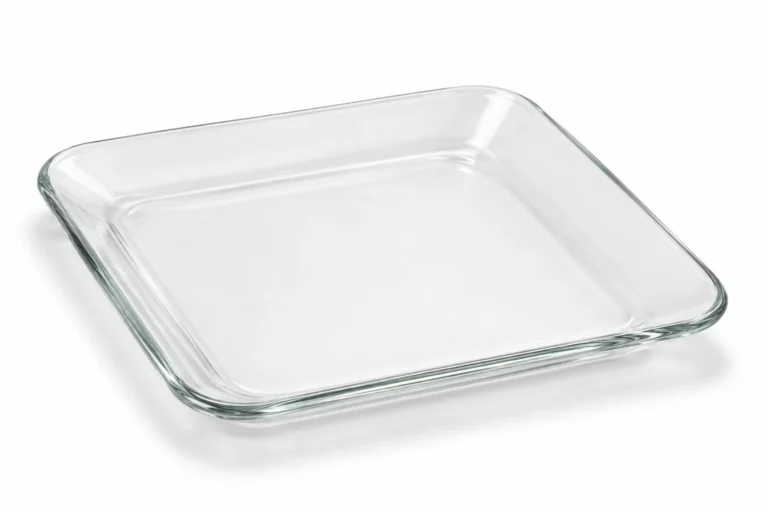
A plate is judged at the table, but its proportions also determine how it stacks, stores and travels. For wholesale buyers, the useful serving surface and rim profile deserve attention alongside the nominal diameter.
Homeware brands and hospitality distributors can use this category to define a glass plate enquiry. Describe the food presentation and setting first, then review the dimensions, appearance and care information for the proposed model.
Explore Borosilicate Glass Plates & Tableware
Send the intended tableware style and size schedule for availability review. Serving plates, decorative plates and cooking dishes have different purposes; keep the requested role clear before discussing appearance or retail use claims.

Need Help Choosing the Right Option?
Provide serving role, overall diameter, usable centre area, rim shape, maximum depth, preferred set count, stacking needs and expected bulk quantities.
Choose a plate around its role on the table
Serving area
Distinguish the overall diameter from the usable centre. A broad rim changes how much presentation space remains even when two plates share the same outside size.
Place setting
Consider the plate beside cutlery, bowls and other tableware. The proportions should work in the intended setting rather than being chosen from an isolated product image.
Storage routine
Describe how plates will be stacked and where they will be stored. Set height and separation matter to buyers handling multiple pieces each day.
Planning a wholesale glass plate collection
Diameter progression
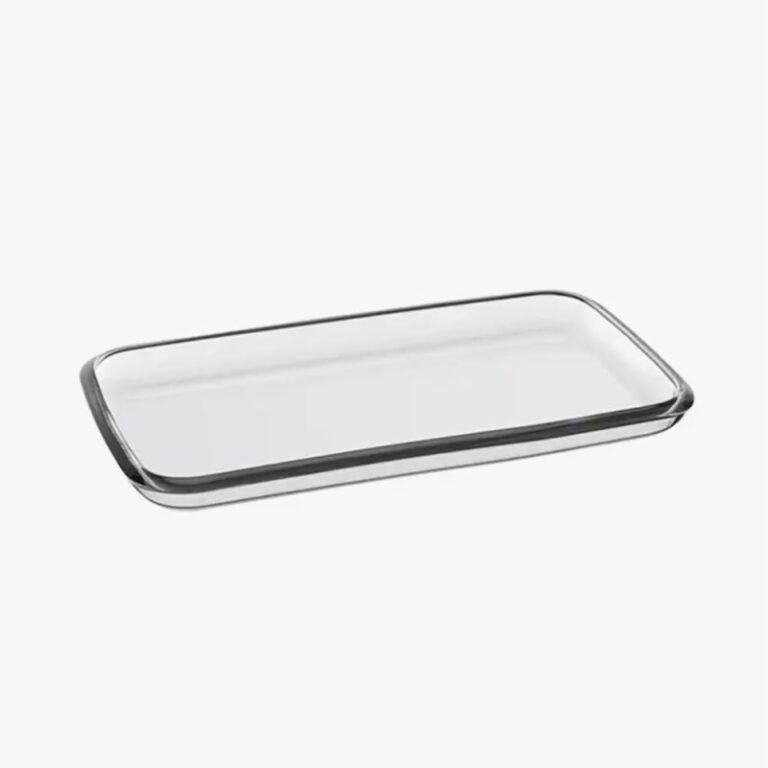
Build the size range around distinct serving roles. Small and large labels are not enough; give the dimensions and purpose of each proposed piece.
Review the Specification →Rim profile
Specify the desired rim width, rise and edge appearance. This affects presentation space and the overall shape seen when plates are arranged in a stack.
Review the Specification →Centre shape
Identify whether the useful area is broadly flat or has a defined recess. Keep the request connected to the intended presentation instead of relying on a vague shallow-plate description.
Review the Specification →Stacking contact
Review how one plate rests against the next. An orderly stack still needs assessment for contact points, removal and the actual number of plates expected in storage.
Review the Specification →Visual reference
Use a controlled sample or reference for clarity, colour and decoration appearance. Material identification and allowed use still need written evidence for the selected model.
Review the Specification →Set contents
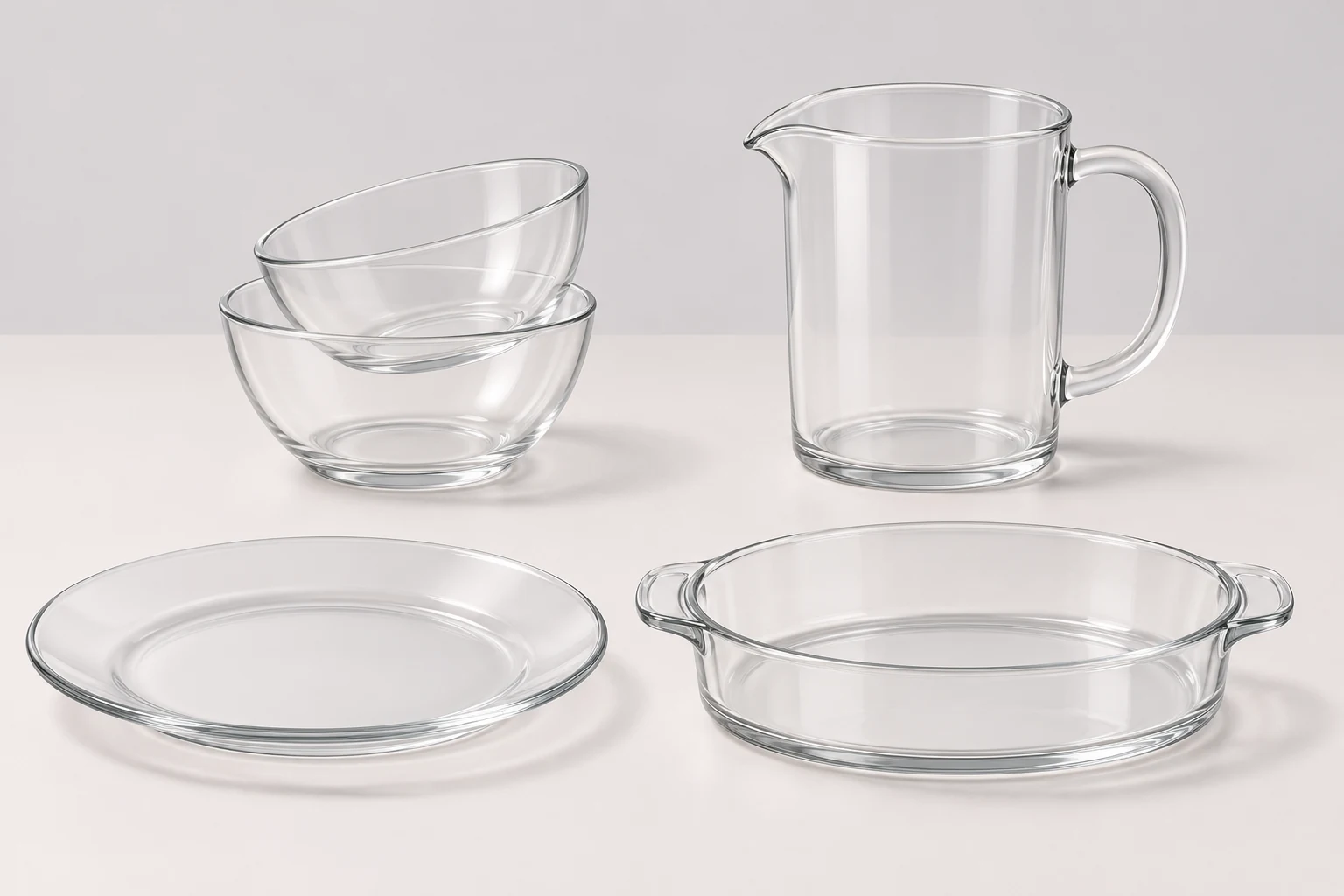
List individual plate sizes and quantities in each retail unit. If coordinating bowls or serving pieces appear in photography, identify whether they are supplied or simply shown in context.
Review the Specification →Review the whole tableware arrangement
A plate does not need a mechanical assembly to require a fit review. Place it with the intended bowls, table setting and storage stack. This helps the buyer assess proportions and space without assuming that every visually matching piece belongs in the same set.
Discuss Your Requirements →Explore Customization & Artwork Review →Custom plate shapes and decoration
For a custom enquiry, start with the serving role and usable surface. Add the preferred rim, overall outline and decoration area. Artwork and any food-contact or care requirements should be reviewed for the proposed model before the appearance is approved for retail.
Sample Review & Production Planning
- Serving role: Identify side, dessert, main-service or decorative use without assuming cooking suitability.
- Overall dimensions: Give outside diameter or outline and maximum height.
- Usable centre: Specify the serving area separately from the decorative or raised rim.
- Stack arrangement: State expected stack quantity and available storage height.
RequirementsUse, quantity and destination
SelectionBody, components and appearance
Sample ReviewFunction, handling and packing
Order DefinitionAgreed model and specification
Final ReviewIdentification and delivery scope
From Selection to an Agreed Specification
| Specification | What to Review | Buyer Approval / Output |
|---|---|---|
| Serving role | Identify side, dessert, main-service or decorative use without assuming cooking suitability. | Role schedule |
| Overall dimensions | Give outside diameter or outline and maximum height. | Plate drawing |
| Usable centre | Specify the serving area separately from the decorative or raised rim. | Surface dimensions |
| Stack arrangement | State expected stack quantity and available storage height. | Storage brief |
| Retail contents | List each plate size and quantity with any coordinating pieces. | Set breakdown |
Plan Your Borosilicate Glass Plates & Tableware Project
Provide serving role, overall diameter, usable centre area, rim shape, maximum depth, preferred set count, stacking needs and expected bulk quantities.
Request a Project Quote →Packing & Delivery Planning for Borosilicate Glass Plates & Tableware
Plate shipments need separation across broad faces and protection around the rim. Review the complete retail or service pack rather than using diameter alone to define the carton.

Separate plate faces
Specify protective layers so neighbouring pieces do not rub directly during transport.
Protect the full rim
Review the carton around the complete outline, especially where a shaped edge projects beyond the main body.
Control pack quantities
Identify the number and size of plates in each inner unit so receiving teams can check the shipment accurately.
Review removal access
Check that a plate can be lifted from the packed stack without forcing its edge against tight protection.
Plan Your Packing & Delivery
Share your order quantity, destination and retail or export packing requirements.
Discuss Packing & Shipping →Keep tableware use claims specific
A plate described as borosilicate glass is not automatically approved for an oven, microwave or every cleaning routine. Request model-specific intended-use and care information before assigning those claims. Decorative finishes may introduce separate questions for the proposed use.
Borosilicate Glass Plates & Tableware for Different Buying Programs
Homeware retail collections
Coordinate plate sizes and serving roles so customers understand how individual pieces fit a wider tableware range.
Hospitality table settings
Provide the service routine, place-setting dimensions and storage requirements to guide review of the proposed plate proportions.
Gift and private-label sets
Connect the visual concept with an explicit piece schedule and protective pack, avoiding uncertainty about coordinating items shown in photographs.
Define MOQ, Samples & Production Around the Brief
List each plate size and quantity with any coordinating pieces.
ModelNamed configuration and use
SampleAssembly to review
ArtworkFile, colour and position
PackingRetail and outer-carton scope
A Clearer Buying Brief for Borosilicate Glass Plates & Tableware
Define each serving role
Give every size a purpose within the proposed tableware collection.
Measure the usable centre
Compare presentation space as well as the nominal outside diameter.
Record the rim shape
Keep the approved profile visible in drawings and sample references.
Assess the storage stack
Review contact points, set height and individual plate removal.
Clarify coordinating pieces
Separate supplied set contents from items used for photographic styling.
Confirm model-specific care
Use supported instructions for the selected plate and any decoration.
Questions About Borosilicate Glass Plates & Tableware
Is outside diameter enough to compare plates?
No. Rim width and centre shape affect the usable surface. Provide both overall dimensions and the serving-area requirement so proposed plates can be compared on a consistent basis.
Can the plates be supplied as a tableware set?
Submit the proposed sizes and quantities for availability review. Coordinating bowls or serving pieces should be listed separately and confirmed before they appear as included set contents.
Are glass plates suitable for oven use?
That requires evidence for the exact model and any decoration. A plate intended for serving should not acquire an oven claim from its material description or from a similar-looking dish.
How should a hospitality plate enquiry be prepared?
Include serving role, dimensions, place-setting space, intended stack quantity and care requirements. These details help focus the review on the actual service and storage routine.
Can I add a coloured rim or logo?
Provide the artwork and proposed location for assessment. The selected process, intended use and relevant care information need review before the decorated version is approved for retail.
Still Have a Product Question?
Send your requirements or a reference so our team can review your project.
Ask Our Packaging Team →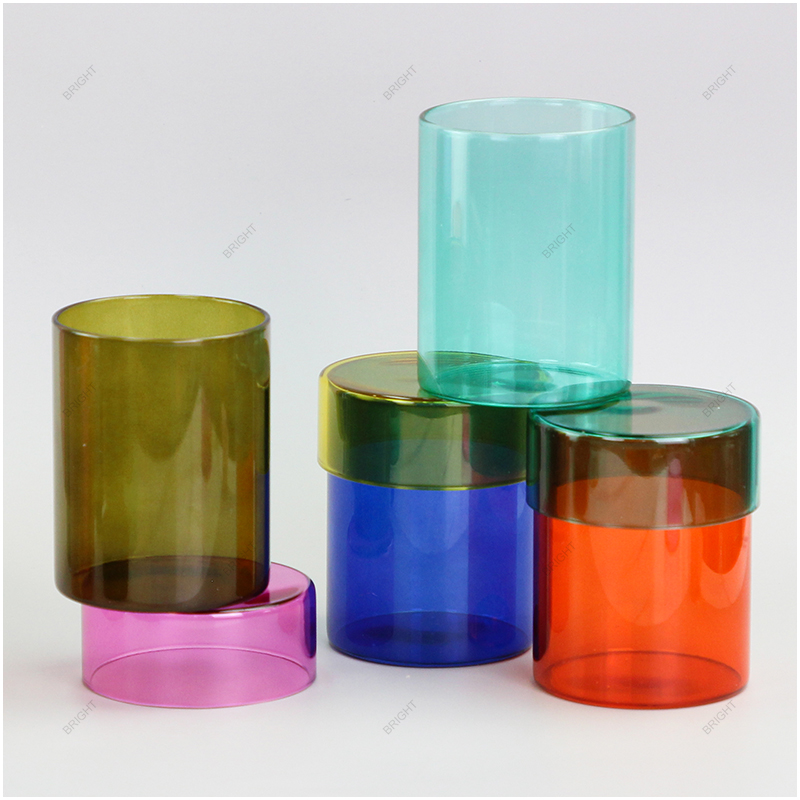

A wider rim changes the serving proposition
Two plates of equal diameter can offer different presentation areas. Keep the usable centre in the specification so a visual design change does not quietly alter the role of the piece.
Review sets as real place settings
Arrange the proposed plate with the intended tableware and available table space. The buyer can then judge proportions rather than assuming that pieces photographed separately will work together.
Separate decoration from material proof
A clear or coloured appearance does not identify the glass composition, and a material name does not establish every use of the decorated product. Keep written model information alongside the approved visual reference.
Pack for the full programme
A small gift set and a hospitality bulk pack may need different arrangements. State the intended selling or receiving unit, then review face separation, rim protection and the opening sequence using that exact quantity.
Browse Borosilicate Glass Product Categories

Drinkware & Tea
Borosilicate Glass Drinkware →Borosilicate Glass Water Bottles →Borosilicate Glass Tea Infuser Bottles →Borosilicate Glass Cups & Mugs →Double-Wall Borosilicate Glasses →Borosilicate Glass Tumblers →Borosilicate Glass Wine Glasses →Borosilicate Glass Straws →Borosilicate Glass Baby Bottles →Borosilicate Glass Teapots →Borosilicate Glass Tea Kettles →Borosilicate Glass Electric Kettles →Borosilicate Glass Pitchers & Carafes →Borosilicate Glass French Presses →Borosilicate Glass Coffee Makers →Borosilicate Glass Tea Infusers →

Storage & Kitchen
Borosilicate Glass Food Storage Containers →Borosilicate Glass Storage Jars →Borosilicate Glass Cookware & Kitchenware →Borosilicate Glass Cooking Pots & Pans →Borosilicate Glass Bakeware →Borosilicate Glass Bowls →Borosilicate Glass Measuring Cups →Borosilicate Glass Plates & Tableware →Borosilicate Glass Oil Dispensers →Borosilicate Glass Food Covers →Borosilicate Glass Popcorn Makers →Borosilicate Appliance Glass →Borosilicate Glass Air Fryer Dishes →

Bottles, Home & Custom Projects
Request a Quote
Talk to Our Packaging Team
Share the model, capacity, color, closure, decoration, packaging and estimated quantity you need. We can review the options with you.
Category: Borosilicate Glass Plates & Tableware