BRIGHT GLASSWARE · CHINA · SINCE 2005
Pickle Jars Wholesale
Select a pickle jar around the actual ingredients, brine and filling method. Bright Glassware supplies wide-mouth glass jars for pickle, olive, relish and preserved-vegetable programs, supporting brands, co-packers and importers.
The right shortlist considers product-piece clearance, lid and liner fit, the intended sealing process and packed weight. We coordinate the chosen jar with its components, branding and export case so the complete specification can be reviewed before production.
Pickle Jars Wholesale for Commercial Buyers
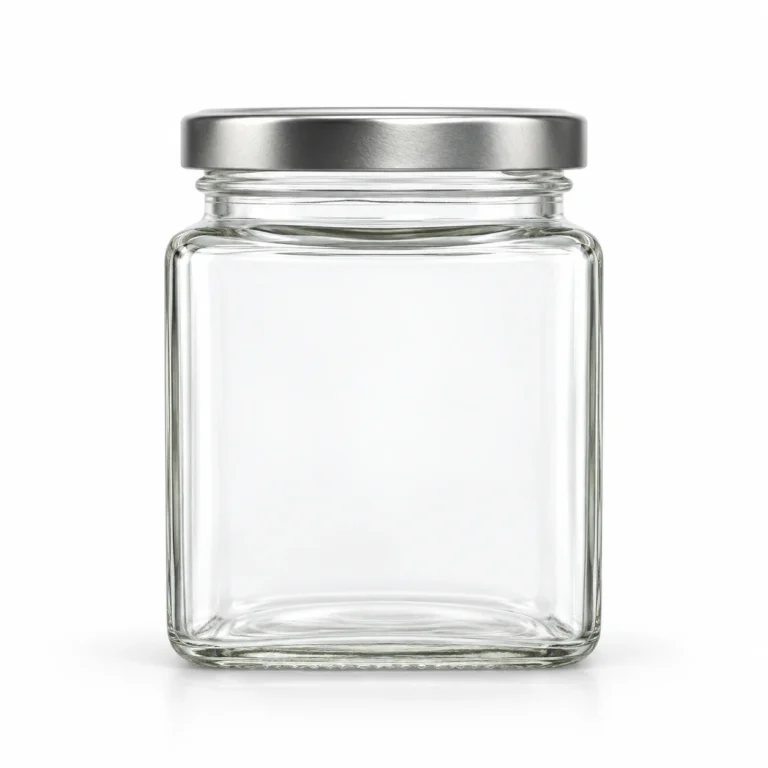
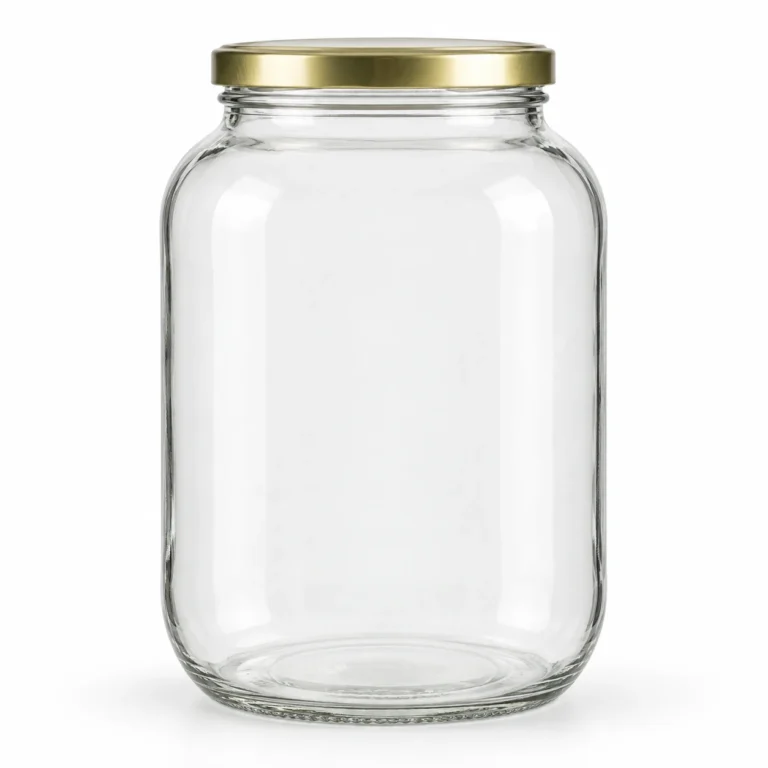
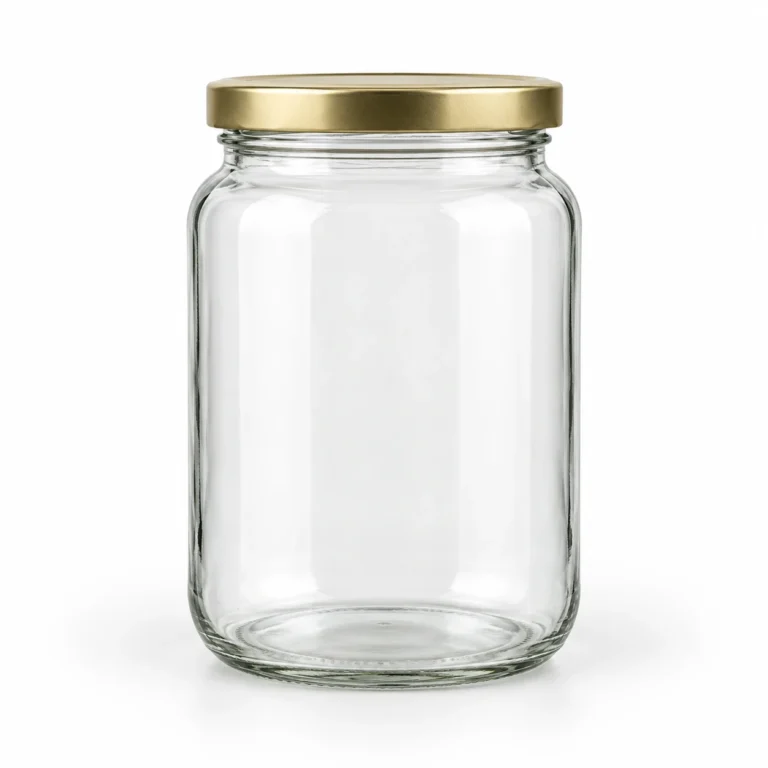
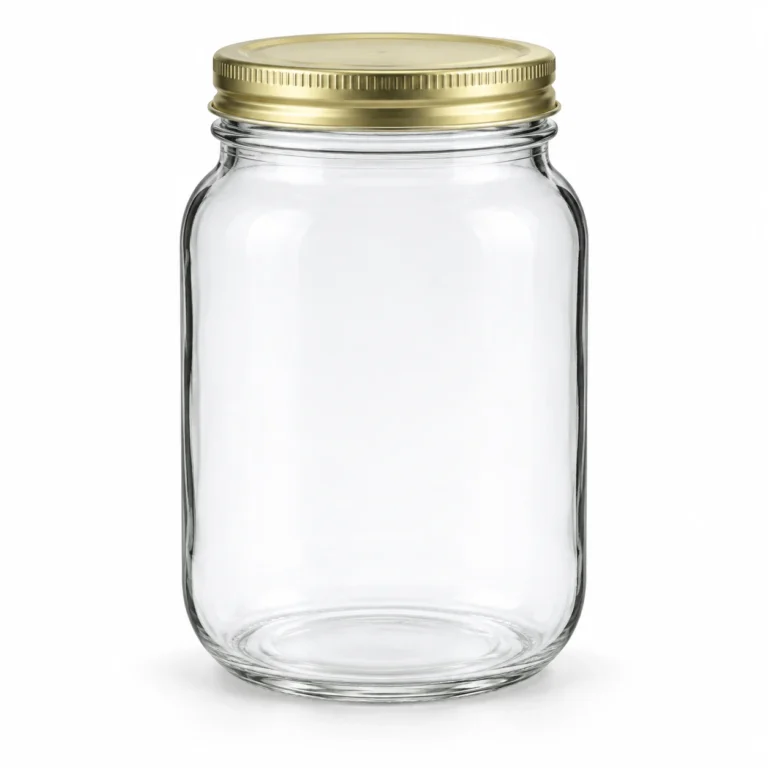
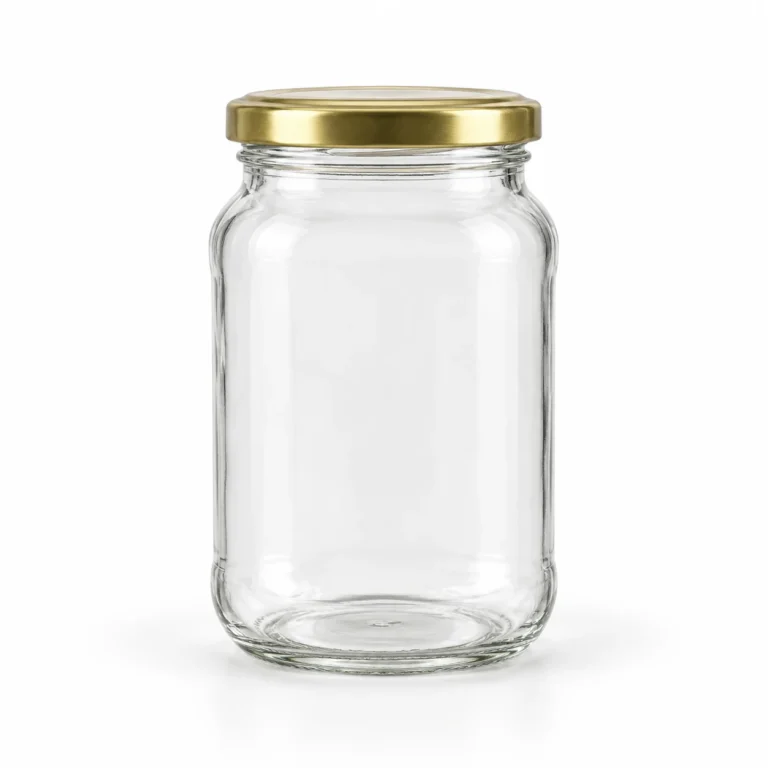
Compare current retail, larger-volume and square-profile jar formats. Check the real mouth opening and the size of whole or cut ingredients; a jar with greater nominal capacity does not necessarily admit a larger piece.
Still Not Finding What You're Looking For?
Share your preferred format, quantity and branding requirements. Our packaging team can review the options with you.
Wholesale Pickle Jars For Commercial Buyers & Brand Programs
For preserved foods, begin with ingredient dimensions and the actual preservation route. These affect jar access and the closure review long before label artwork is approved. Large jars also need a practical plan for handling, case weight and transport protection.
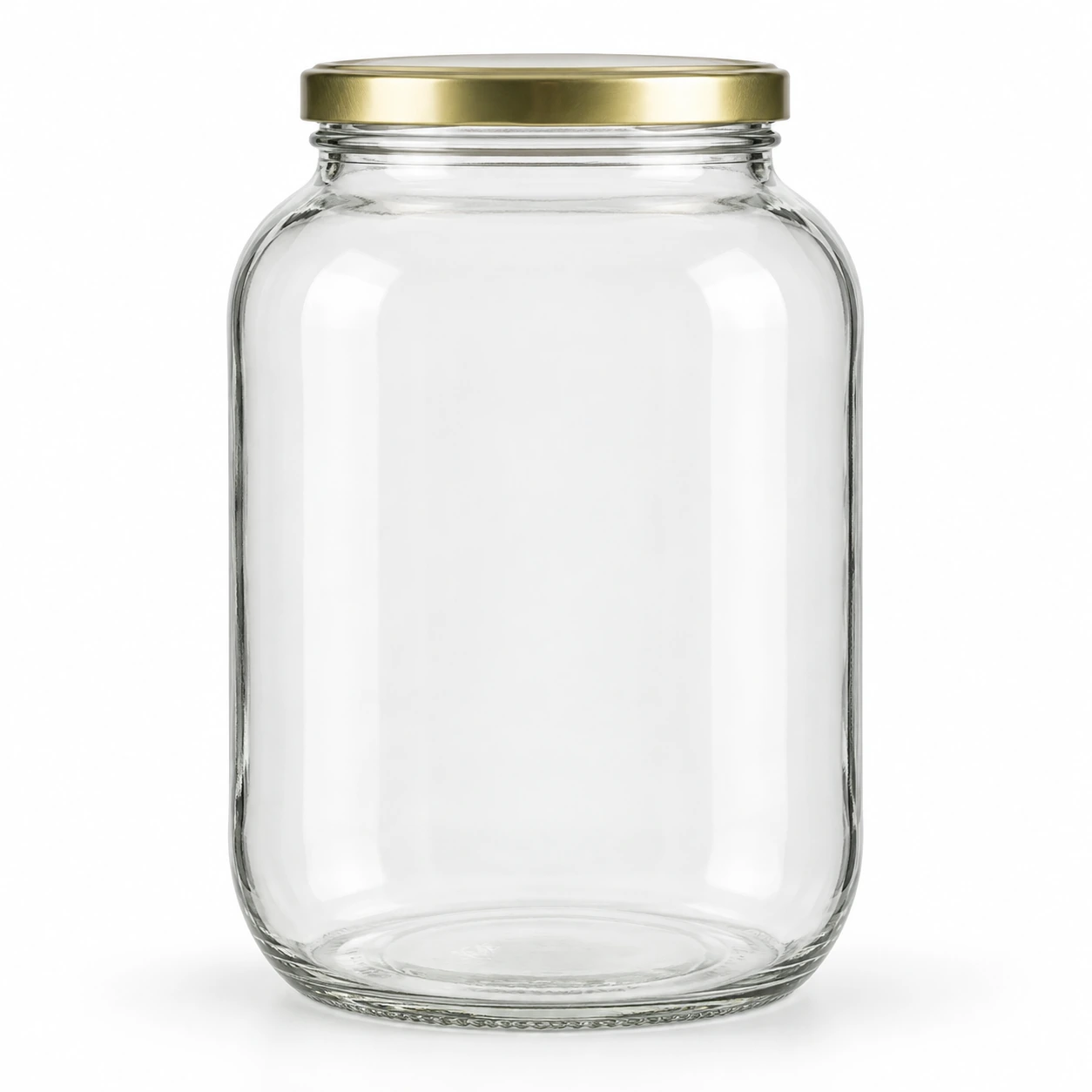
Whole-Ingredient Access
Compare the usable opening with the largest cucumber, olive or vegetable piece and the filling equipment. Body volume alone does not establish filling clearance.
Explore Products →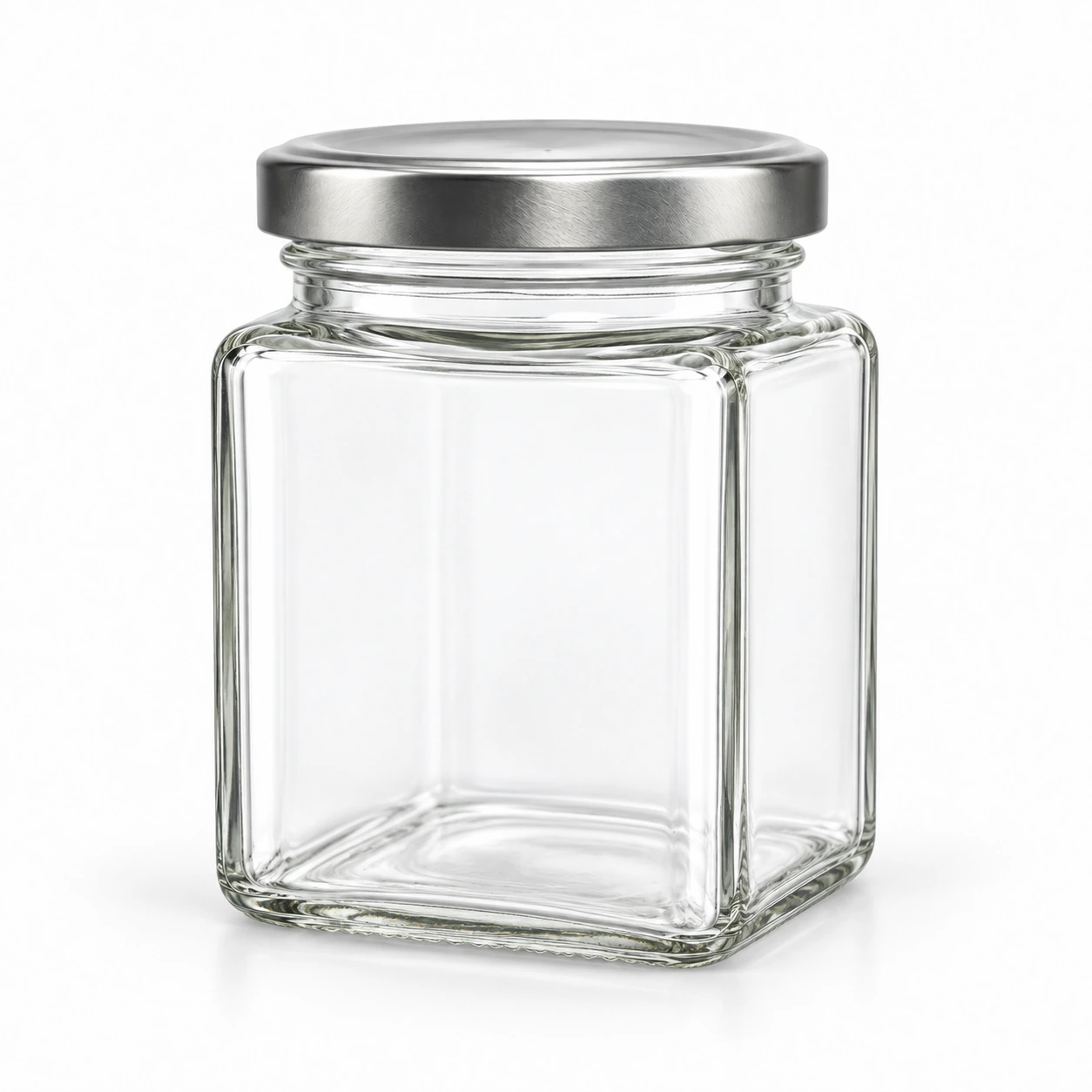
Cut & Textured Products
Relishes and cut vegetables create a different filling and removal experience from whole ingredients. Identify texture and intended serving action when comparing jar proportions.
Review Specifications →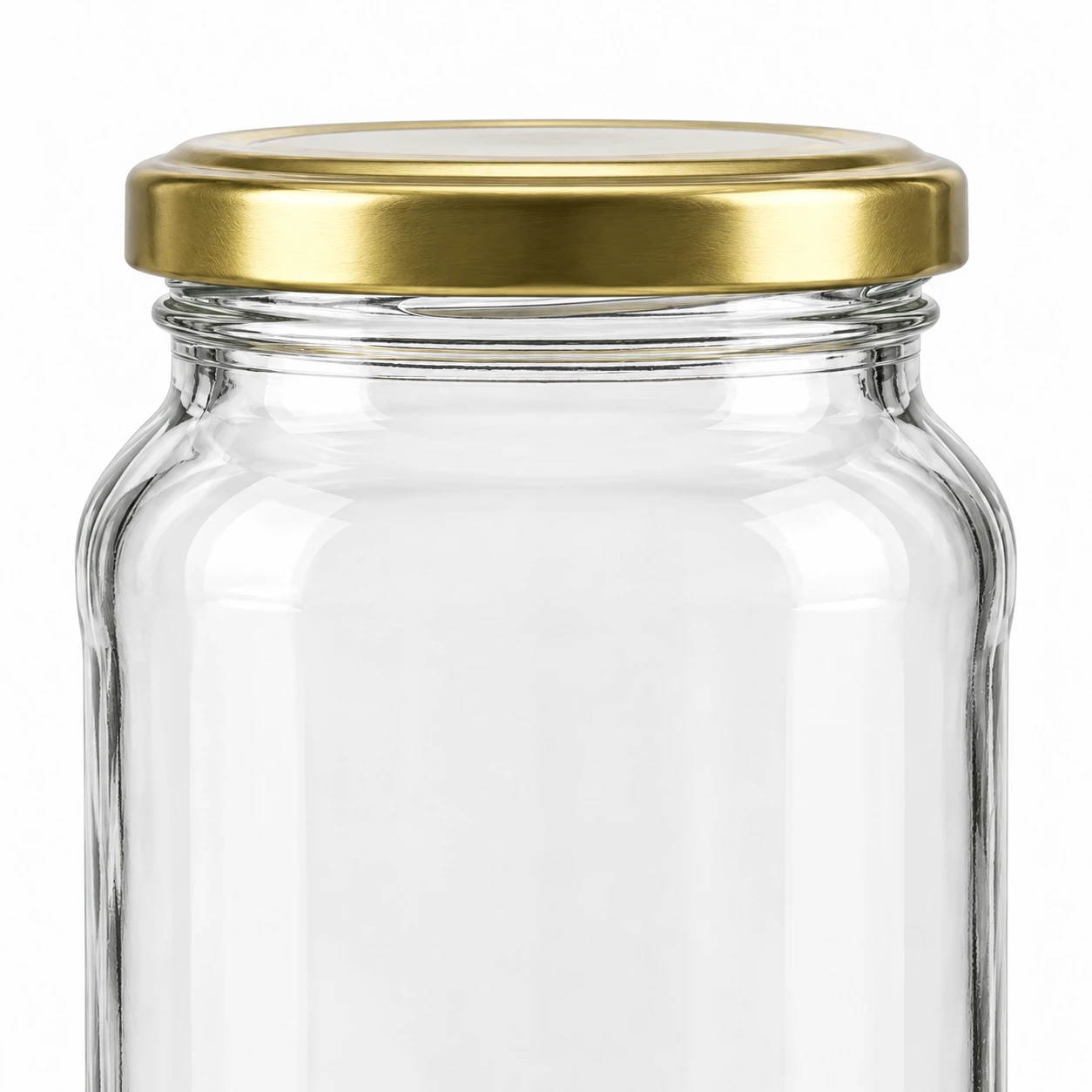
Brine & Liner Requirements
State the actual product and brine conditions for the closure review. The lid and liner should be selected with the jar and intended use, not from appearance alone.
Discuss Your Requirements →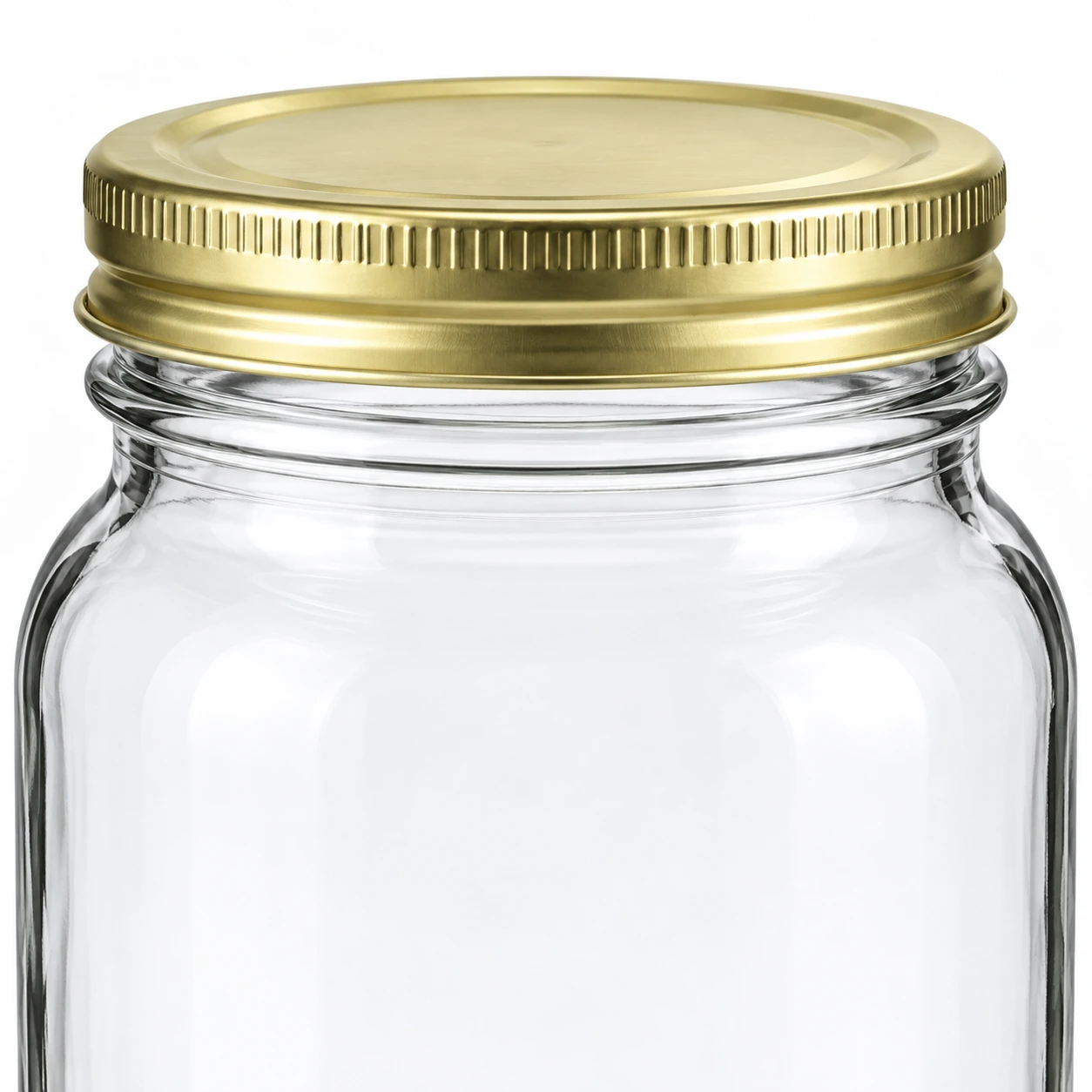
Wide-Mouth Closures
Confirm the exact neck and proposed twist-off assembly. Similar-looking lid diameters can hide different fit or liner requirements that need a sample reference.
Review Selection Notes →Large-Jar Handling
Larger glass and the eventual filled product increase handling weight. Review the actual jar grip, case quantity and receiving plan before treating a larger format as a simple scale-up.
Review Packing Options →Label & Case Geometry
Square panels and round bodies offer different facing and packing choices. Approve the applied label and protective cell against the selected model rather than a generic jar image.
Discuss Your Requirements →Ready to Shortlist Your Options?
Tell us your preferred size, finish and quantity. We can help compare suitable options.
Get a Wholesale Quote →Coordinate Jar, Twist-Off Lid and Liner
We help organize the proposed jar and closure as one purchasing specification. Include the food, brine, filling and sealing requirements so the component review has a practical basis.
Artwork, lid color and branded cartons can follow the approved assembly. Specify whether lids will travel loose or fitted, and keep matching versions identified throughout packing and receipt.
Discuss Custom Options →Custom Pickle Jars & Brand Packaging
Bright Glassware is a China-based B2B packaging manufacturer and supplier founded in 2005. Our own color-spraying and logo workshop supports suitable decoration on selected models.
Choose an existing format or discuss a custom mold for a defined need. Approve color, artwork and the complete assembly before production; component changes can also affect the box.
Sample Review & Production Planning
We turn the selected design into an agreed product and packing specification. Review the points below on a representative sample before confirming the order.
- Whole or cut ingredient dimensions: Agreed specification and sample reference.
- Mouth clearance and filling method: Agreed specification and sample reference.
- Brine, acidity, lid and liner review: Agreed specification and sample reference.
- Preservation or sealing process for selected assembly: Agreed specification and sample reference.
RequirementsUse, quantity and destination
SelectionContainer and components
Sample ReviewFit, finish and packing
ProductionApproved specification
Final InspectionOrder and export packing
Specification Review & Approval Checklist
| Specification | What to Review | Approval Reference |
|---|---|---|
| Whole or cut ingredient dimensions | Compare the largest pieces with the usable opening. | Agreed specification and sample reference. |
| Mouth clearance and filling method | Confirm nozzle clearance and the actual filling route. | Agreed specification and sample reference. |
| Brine, acidity, lid and liner review | Review the chosen liner with the stated brine conditions. | Agreed specification and sample reference. |
| Preservation or sealing process for selected assembly | Record the required process and closure verification. | Agreed specification and sample reference. |
| Filled weight and large-jar case planning | Distinguish empty-jar shipment from filled-product handling weight. | Agreed specification and sample reference. |
Plan Your Pickle Jars Project
Send a product reference, estimated quantity, artwork and delivery destination so we can review a practical quotation.
Request a Project Quote →Protective Packing & Shipping for Pickle Jars
Plan packing from the selected assembly, dimensions, weight and surface. Confirm component protection, case quantity and route instead of copying another model’s carton.
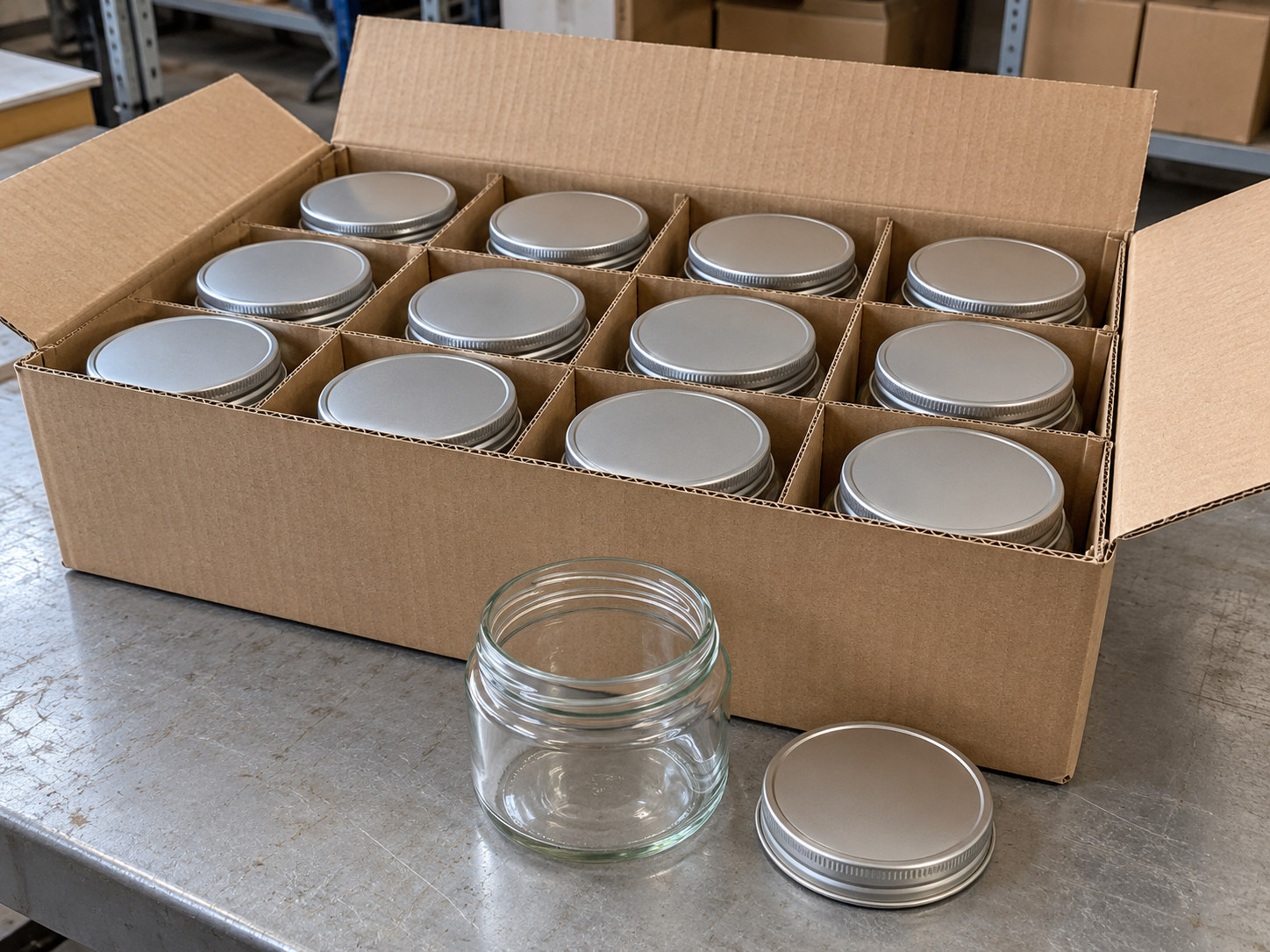
Wide-Cell Separation
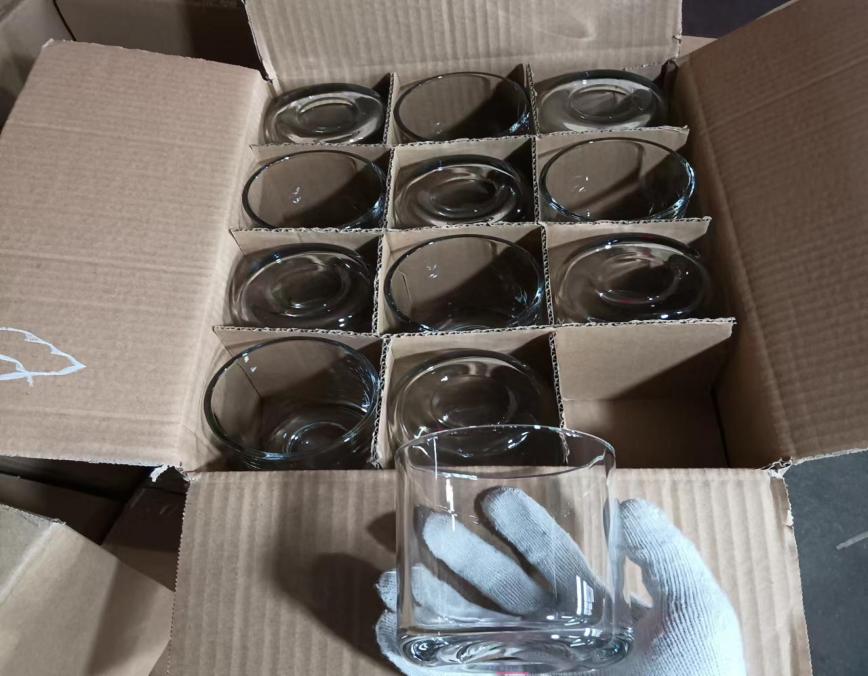
Size the partitions to the actual body and rim. Larger jars need enough clearance to prevent glass contact without leaving excessive movement in the cell.
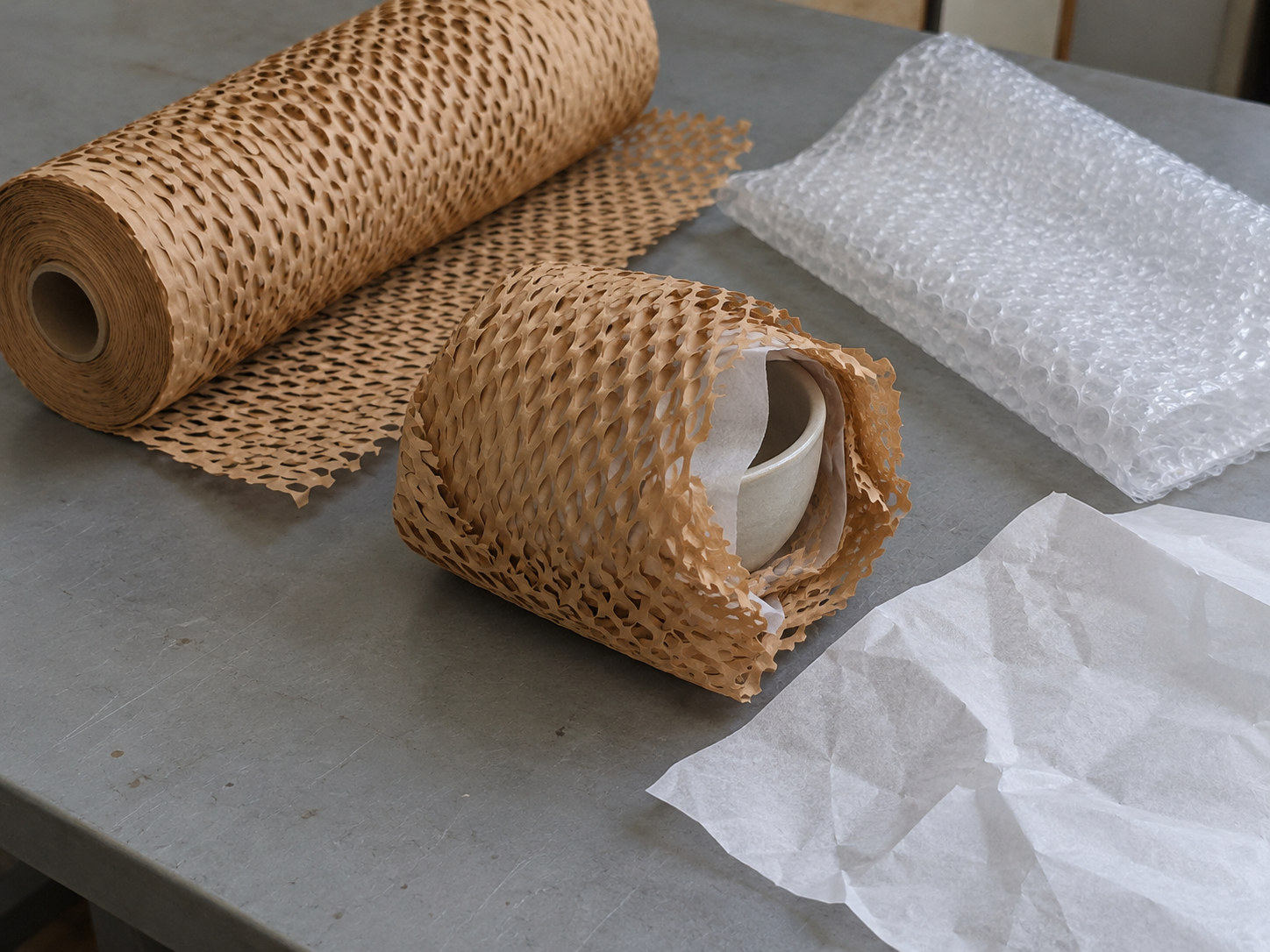
Protected Lid Lots
Keep liners and sealing surfaces protected and identified. Match each closure version to its approved jar instead of mixing similar-looking lids.
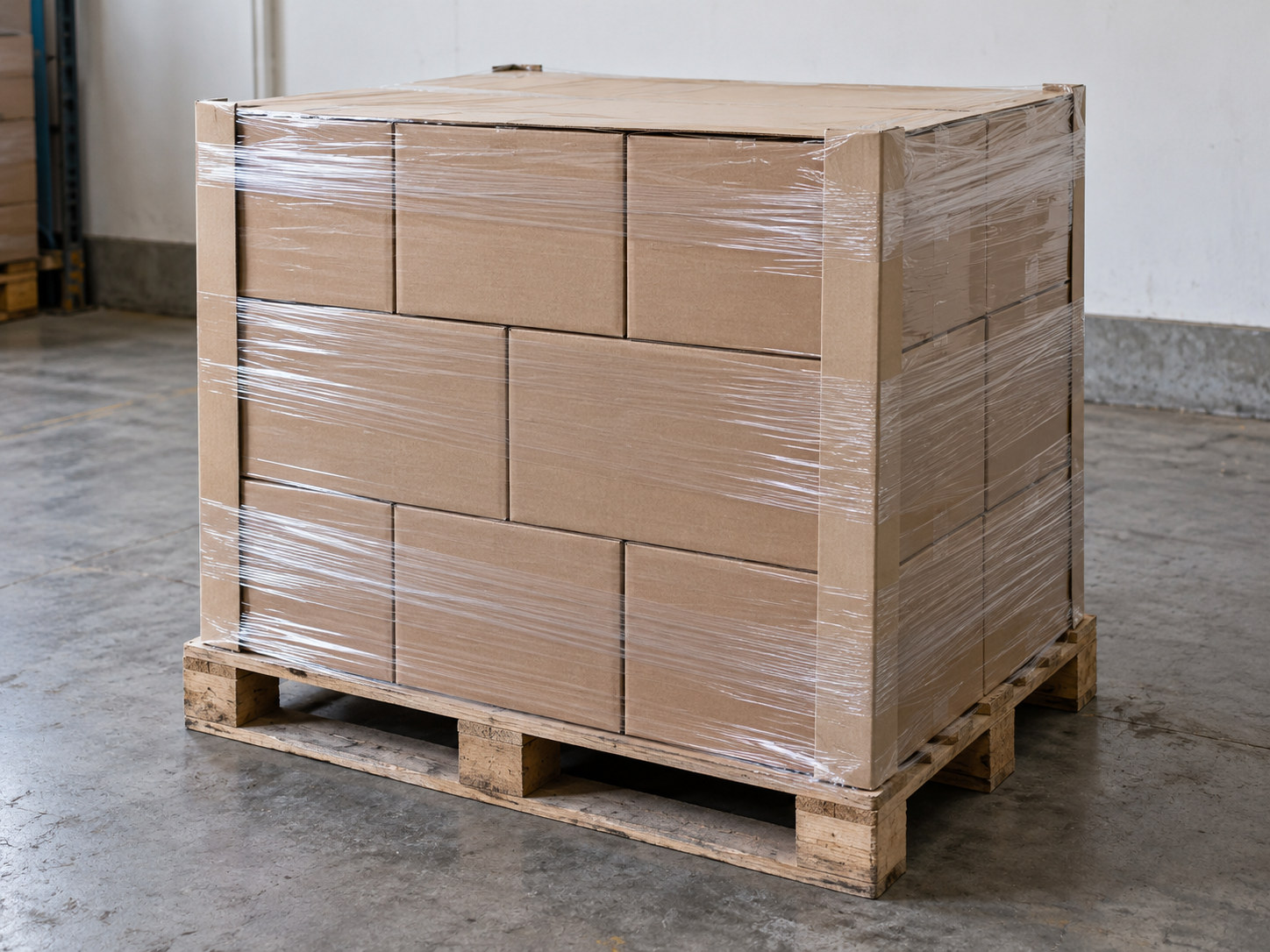
Controlled Case Weight
Review unit weight and the actual shipping arrangement before setting pieces per carton. Large jars can change lifting and pallet-handling requirements substantially.
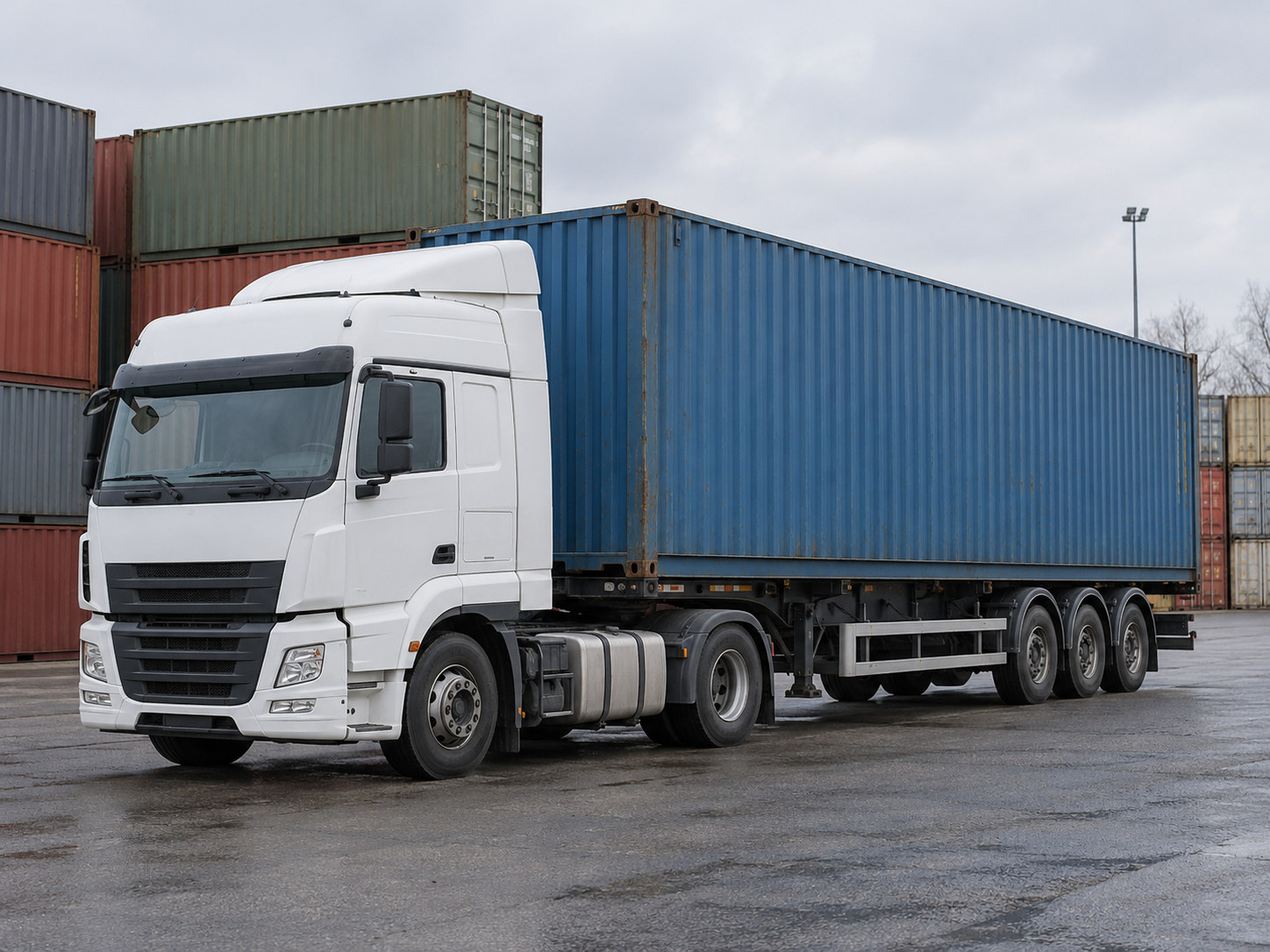
Stable Pallet Layout
Agree the outer carton and pallet arrangement for the chosen jars and route. Clear size and quantity marks help receiving teams handle a mixed-format shipment.
Plan Your Packing & Delivery
Share your order quantity, destination and retail or export packing requirements.
Discuss Packing & Shipping →Review the Actual Preservation and Sealing Route
Pickles, olives and preserved vegetables can involve different products and processes. Confirm the actual contents, brine or acidity conditions, filling temperature and required sealing behavior for the exact jar-and-lid system.
If fermentation, heated preservation or another special process is planned, include its conditions in the brief. Your product and process teams should approve the selected jar-and-lid assembly against those requirements.
Pickle Jars for Different Purchasing Programs
Choose a useful jar configuration for the ingredient and the way the product is packed and served.

Whole Pickles & Vegetables
Prioritize mouth clearance, filling access and practical removal of the largest pieces. Compare the complete sample with the actual ingredient dimensions.
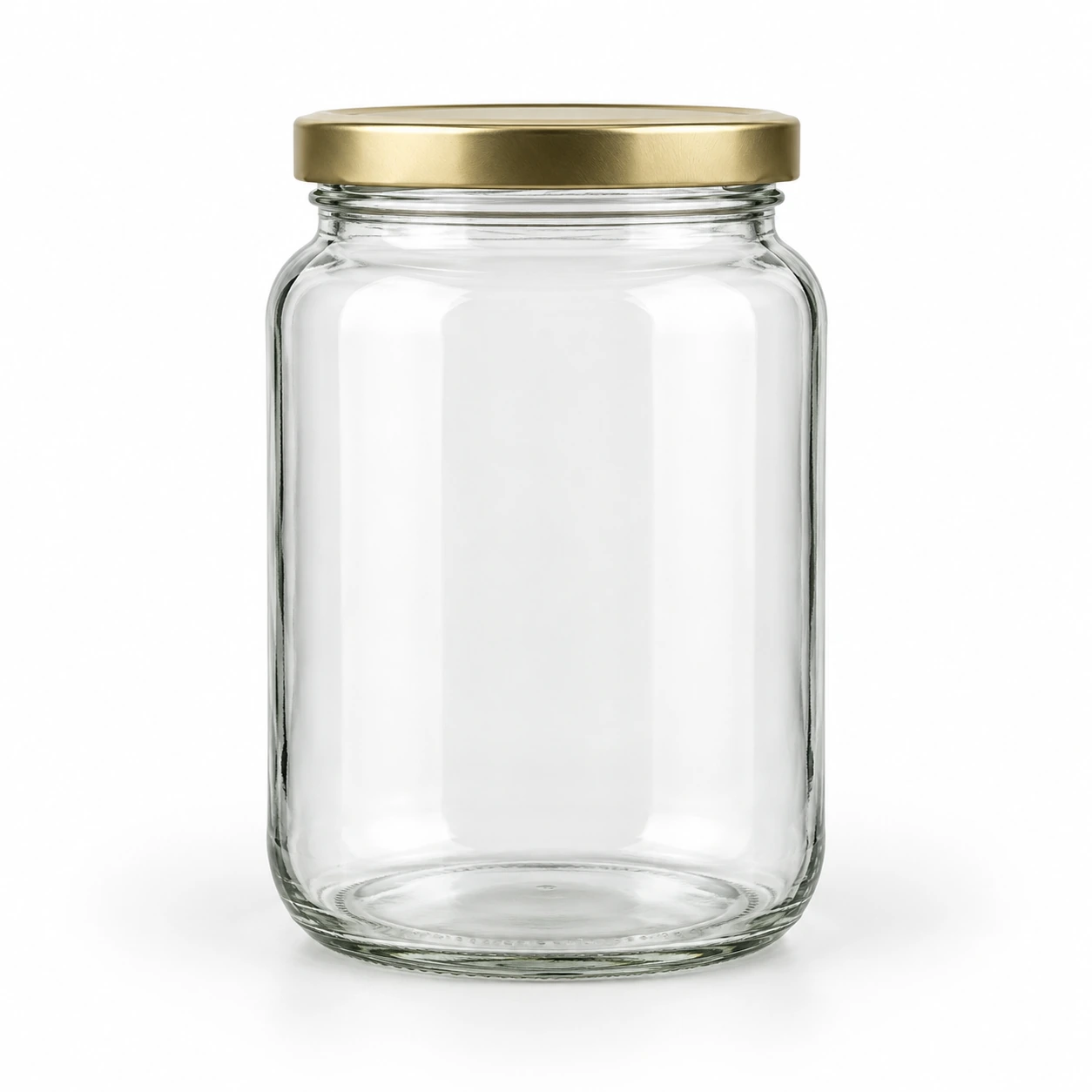
Olives & Preserved Pieces
Review usable fill, closure and the selected brine conditions. A clear specification helps distinguish product versions that use similar-looking jars.
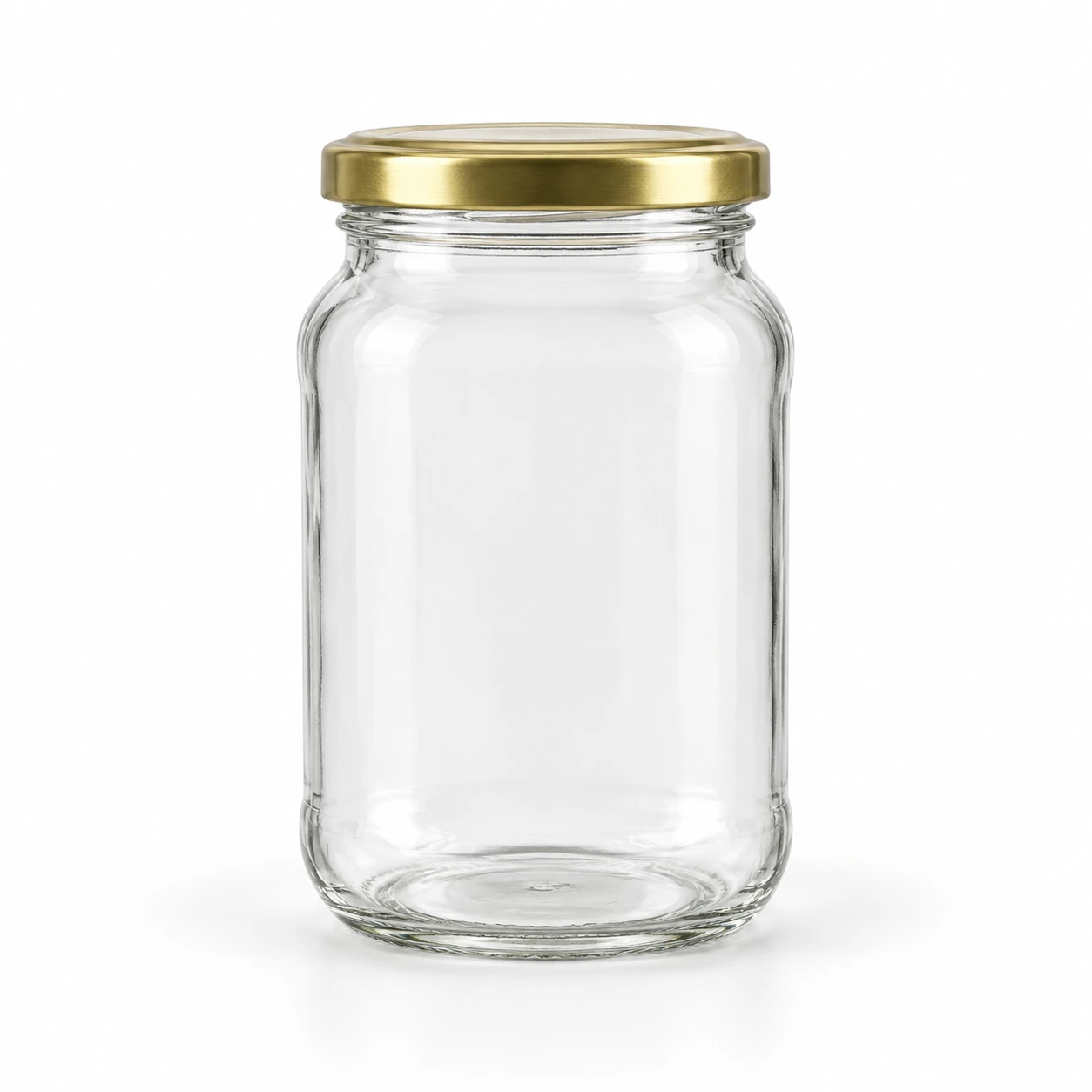
Relish & Retail Ranges
Choose label facing and a practical opening for the intended texture. Coordinate sizes and lid appearance while retaining any recipe-specific technical requirements.
MOQ, Samples & Production
Starting terms depend on the chosen model, decoration, components and packaging. Sample preparation and production estimates exclude transit and are confirmed for your order.
1,000 pcsStarting MOQ
About 3 daysExisting Sample Preparation
About 7 daysRegular Sample Development
Within 30 daysTypical Bulk Production
Sourcing & Specification Review for Pickle Jars
Connect development, components and delivery with one approved reference.
One Coordinated Brief
Review glass, components, branding and packing together.
Existing-Model Review
Resolve requirements before choosing a new mold.
Our Decoration Workshop
Coordinate suitable color and logo work through our workshop.
Component Matching
Keep the approved assembly and versions clearly identified.
Specification-Based QC
Check dimensions, appearance, logos, components and packing against the agreed reference.
Delivery Coordination
Review sea, air, express or appointed-forwarder shipping with the packing plan.
FAQ About Pickle Jars
Does a larger jar always have a wider mouth?
No. Compare the actual opening with the largest product pieces and the filling equipment, not only the body capacity. If clearance is limited, ask for a different mouth format before committing to labels or lids. Review practical removal of the ingredients as well as loading; a larger body may add volume without solving access.
Can the jars be used with our brine recipe?
Provide the relevant food, brine conditions and filling or sealing route for review of the exact jar, lid and liner. Have your technical team identify any required materials information and process evaluation before sampling is approved. If the recipe or liner changes later, flag that change explicitly; a familiar-looking jar does not preserve an earlier approval automatically.
Are they suitable for fermentation or heated preservation?
Do not infer suitability from the pickle-jar label. State the exact conditions and obtain the required model- and closure-specific confirmation before use.
Why can larger jars have a different case count?
Actual glass weight, dimensions and handling risk change with the model. Carton quantity and protection should be planned from the selected jar rather than copied from a smaller format.
What is the minimum order quantity?
Our minimum starts at 1,000 pieces. Confirm the applicable quantity for the model, decoration, components and packing; complex customization or new molds may require more.
How long does sample preparation take?
Existing sample preparation: about 3 days. Regular sample development: about 7 days. Eligible color/logo proofs on existing containers: about 3–5 days, with available components and confirmed artwork. Courier transit is additional.
What is the usual bulk production timing?
Generally within 30 days after specification and sample approval, with shipping separate. Confirm the actual order schedule, especially for custom molds or complex combinations.
What should I send for a quotation?
Send the model/reference, use, quantities, components, artwork, packing and destination. State required performance or documentation so the proposed sample addresses the right specification.
Still Have a Product Question?
Send your requirements or a reference so our team can review your project.
Ask Our Packaging Team →
Check the Opening, Not Only the Capacity
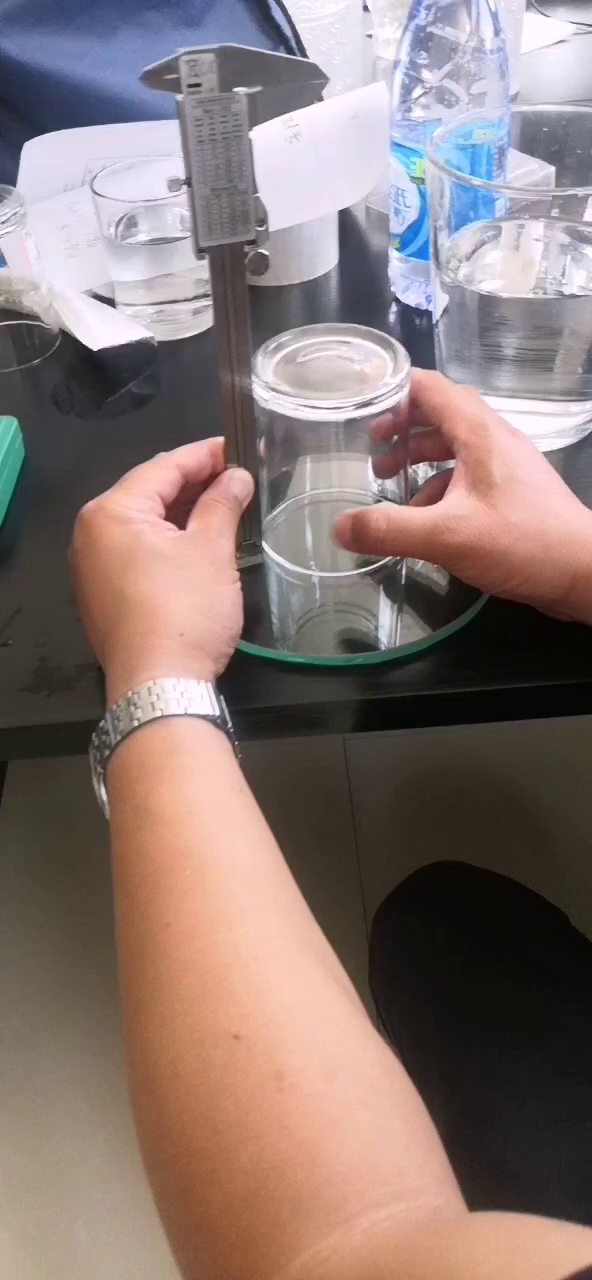
A wide jar body can conceal a relatively narrow mouth. Whole ingredients and filling equipment need clearance at the opening, which is a separate selection detail.
Use the actual piece dimensions to compare models, then consider how the customer will remove the product. This makes the jar choice more useful than a capacity-only shortlist.
Check representative whole ingredients at the opening rather than only against the wider jar body. Ask the filling team to consider the loading method and the largest pieces expected in the product. If access is marginal, compare another mouth format before selecting the label or ordering closures.
Explore related collections: Food & Beverage Glass
Keep the Brine in the Packaging Brief
Jar sourcing should not separate the glass from the food and liquid it will contain. The actual brine and sealing route are central to the lid and liner review.
Provide these requirements before decorative decisions are fixed. A matching-looking closure is only the starting point for confirming the complete assembly.
Provide the relevant product and brine information with the proposed filling and sealing route, asking your technical team to identify the required review basis. Keep the actual lid and liner references attached. A change in recipe or closure should be visible when the pack is reconsidered.
Plan Large Formats as Their Own Project
A larger jar affects more than shelf size. It changes grip, filled handling weight, protective cells and the case count that can be managed practically.
Review a packed sample and actual carton details early. That helps purchasing and distribution teams compare the commercial consequences of moving to a larger format.
Handle a representative filled pack under the customer’s planned receiving and serving routine, then review the complete case arrangement. Compare grip, access and practical case weight with the smaller option. This is a handling comparison, not evidence that the glass is suitable for a particular preservation process.
Record the Assembly You Intend to Reorder
Identify the jar model, exact closure, artwork and packing specification together. Include the agreed checks so all teams refer to the same approved version.
Bright can coordinate dimensional, appearance, component and packing inspection against that reference. Contents- and process-specific requirements should remain explicit rather than being replaced by a general category description.
Separate model changes from artwork-only changes in the reorder brief. Identify the jar, lid and liner versions and note whether the food or process has changed. This lets purchasing request the relevant review instead of repeating an old approval simply because the jar silhouette remains familiar.
Browse Our Product Categories
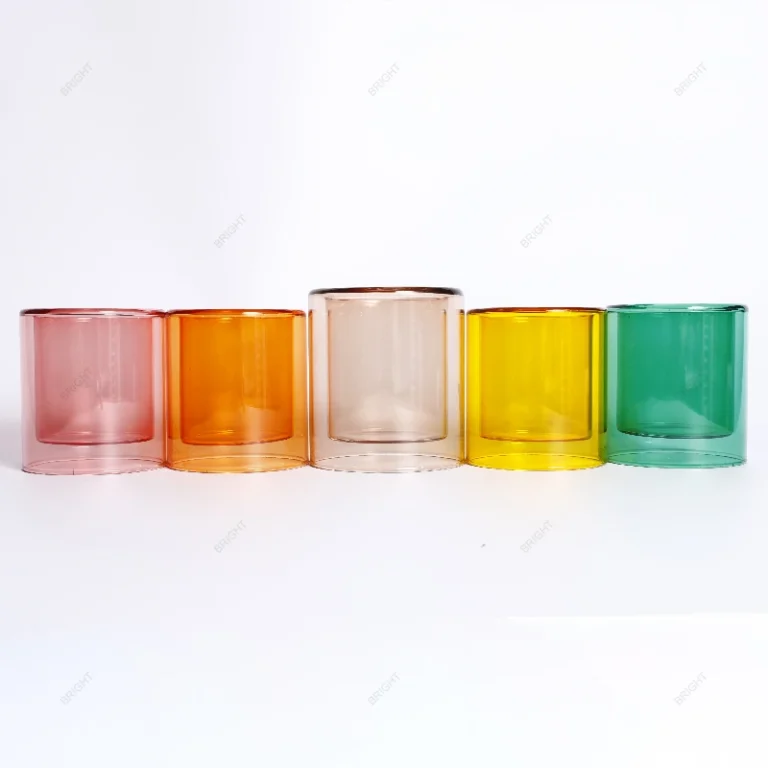
– Glass Bottles & Fragrance Packaging –
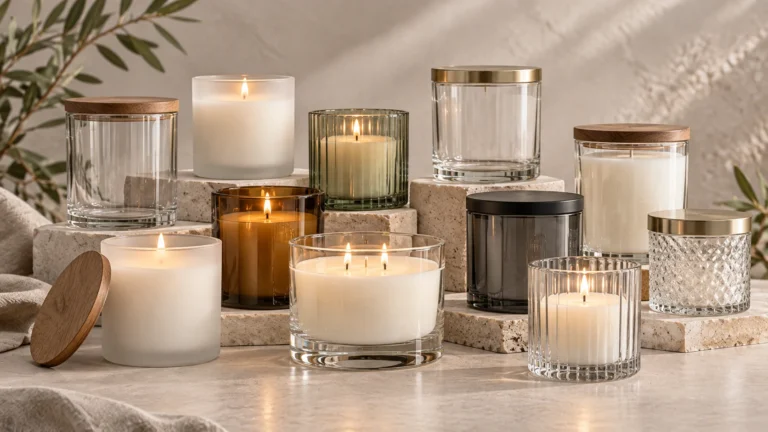
– Glass Candle Jars & Related Containers –

– Glassware & Packaging Solutions –
Request a Quote
Talk to Our Packaging Team
Share the model, capacity, color, closure, decoration, packaging and estimated quantity you need. We can review the options with you.
Category: Pickle Jars