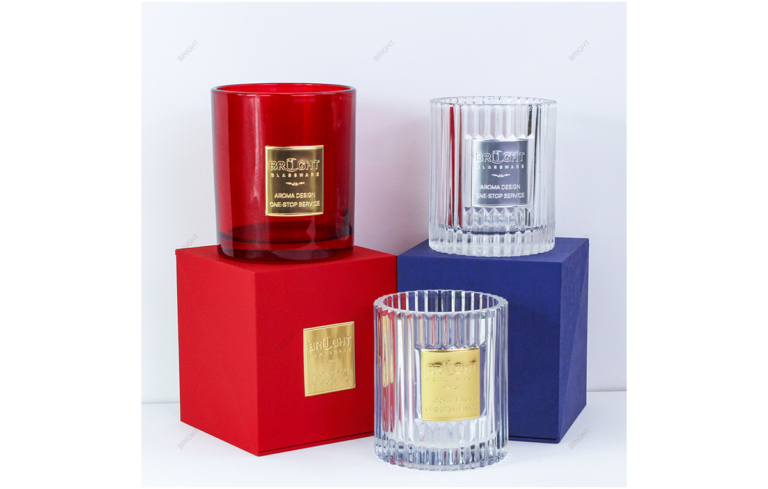

Shipping products in glass starts with the product, its protective pack and the journey to the receiver. Identify what will travel together, from an empty jar to a filled retail product, and the condition expected on arrival.
Define the product and route, select the complete protective pack, then assess a representative packed configuration against agreed requirements. Keep product details, packaging versions, test evidence and packing data together for purchasing, production and freight planning.

The questions below provide a practical way to prepare that brief before you ship products packaged in glass.
Are You Shipping Empty Glass Containers or Filled Products?
Specify the dispatch state: empty containers, empty containers with separate or fitted closures, or finished products containing wax, liquid or another formulation. Include the decoration, accessories and retail packaging that will travel with them.
Agree that description before selecting a carton or comparing quotations. It identifies what needs protection and which sample to use.
Dive Deeper
Describe the goods as the warehouse will receive and pack them. A photograph or bottle drawing helps identify the container, while a component list explains the complete shipping configuration.
Why Weight and Center of Gravity Matter
Use the mass of the actual proposed item and packed carton. Contents, lids, pumps and presentation boxes can change the load carried by dividers and cushioning. Their location can also affect balance and the support needed inside the pack. Review those features for the assembled product rather than infer them from a jar's nominal capacity.
Record changes to the lid, fill quantity or inner pack even when the glass drawing stays the same. Replace development estimates with measured packing data when available.
Protecting Different Components
For empty glass, the receiving criteria may cover cracks, chips, rim condition and damage to decoration. Where closures travel separately, identify how they are counted, separated and located in the carton. Where they are fitted, check whether their position affects the internal space and handling of the glass.
For a filled product, add the requirements relevant to that configuration: closure position, leakage, accidental dispensing, label or retail-box appearance and the condition of the contents. These observations belong alongside glass inspection. Agree which defects are unacceptable and how the receiver will check them.
The purchasing brief should identify the product version, shipping state, units per carton, route and destination handling. Explain whether the receiver will store the cartons, unpack for filling or forward individual packs, so the proposal also accounts for the next operation.
Which Risks Belong to the Glass, the Packing and the Contents?
Review the glass vessel, protective pack and contents separately, with the description and evidence for each. Their interaction also belongs in the complete-package assessment.
Dive Deeper
Keep product-quality and transport-packaging requirements linked to the component versions and intended use.
Evaluating Glass Manufacturing Quality
Discuss the characteristics relevant to the selected container, including its dimensions, rim and base condition, decoration and applicable manufacturing checks. Ask which records or samples support the agreed product requirements.
An annealing overview explains its stress-relief purpose, while thermal shock concerns stresses associated with rapid temperature change. Annealing-related inspection addresses a particular part of glass quality. For example, ASTM C148's published scope concerns polariscopic examination of commercial soda-lime-silica glass containers. It is a different assessment from testing a packed product through transport hazards. Use manufacturing information to review the vessel and packaging evidence to review the proposed shipping system.
If damage occurs, record its location and type, and retain the relevant pack where practical. Review the glass, dividers and carton together before assigning a cause.
The Role of Protective Packaging
Dividers, cushioning, inner boxes and the outer carton have related jobs: separate items, manage movement, protect contact points and carry the packed load through the intended handling. Review how they work together with the actual container.
Identify the supporting surfaces and space needed around vulnerable parts. Link a proposed heavier board or extra layer to the problem it should address and the check that will assess it.
Assessing Content-Related Risks
For filled goods, identify the actual formula, fill state, primary closure and any dispensing accessories. Agree the storage and transport conditions relevant to the project, then decide how to evaluate leakage, material compatibility, appearance and function. A study of selected high-altitude air shipments provides route-specific temperature and pressure background.
Record residue, closure movement or appearance changes with the conditions and configuration so the product and packaging teams can investigate the observation.
How Should Dividers, Inner Packaging and Outer Cartons Work Together to Ship Products Packaged in Glass?
Select the inner pack and carton together. The container's shape, finish, fitted components and quantity influence separation and support. Review how the parts sit in a closed packing sample.
Dive Deeper
Ask for the proposed packing layout as well as the material description. Review a full packed sample in the shipping state that will be ordered, with the relevant component and packaging versions recorded.
The True Purpose of Dividers
Dividers can separate adjacent items and help control their relative movement. Check their height, cell shape, position and retention with the selected glass. A square bottle, tapered jar or projecting lid may need a different arrangement from a straight-sided container.
Review contact points with other items, dividers and the carton, including the base, upper area and corners. For decorated glass, identify protected surfaces and inspect the proposed contact materials.
Check that items can be packed and removed as intended. Note unintended pressure, displaced partitions, loose accessories or harmful movement, then agree any sample changes needed.
Our jar and lid combination guide can support the component discussion before the complete shipping arrangement is assessed.
Selecting the Right Outer Carton
Specify the actual carton structure, board, dimensions, closure method and packed mass. A description such as five-ply identifies part of the construction; purchasing still needs enough information to compare the proposed boxes and reproduce the chosen version.
Keep board properties and finished-box performance distinct. FEFCO's testing methods list edgewise crush resistance and compression resistance of containers as separate methods. An ECT value describes a board test; the assembled carton and its loaded arrangement need their own review for the intended stacking and handling. An ECT-measurement study also distinguishes corrugated-board strength measurement from stiffness measurement.
Check fit and carton condition after closure, including unwanted compression or harmful movement. For stacking, agree the arrangement, support, load, duration and assessment conditions.

The System Check
Use an agreed inspection of a fully packed sample to check the arrangement before broader performance evaluation:
- Confirm the product versions, quantities and packing sequence.
- Check divider position, support and clearance around the actual items.
- Inspect the closed carton and note unexpected movement during the agreed handling check.
- Unpack selected items to review glass, decoration and fitted components.
- Record changes needed and identify the sample version submitted for further assessment.
A packing inspection helps prepare a consistent sample for the selected route evaluations. Link inspection and test records to the same packing specification.
What Changes When You Ship Products Packaged in Glass via Pallet Freight vs. Individual Parcels?
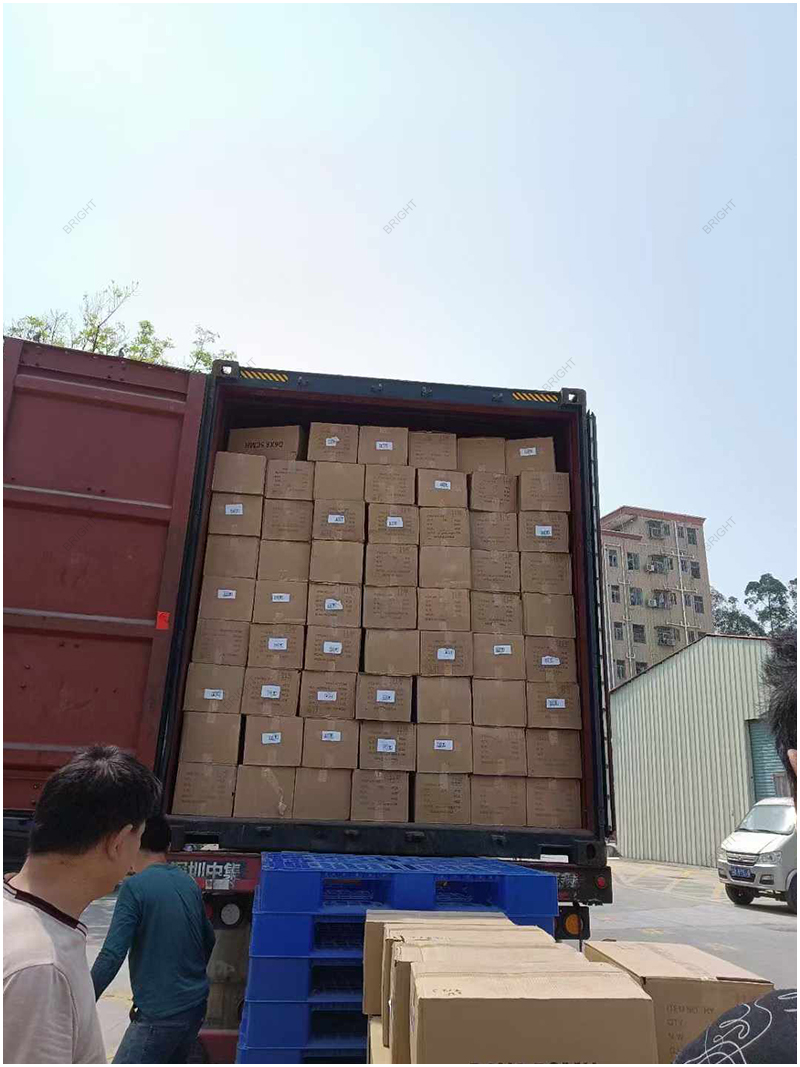
Describe the full route, including any stage where cartons leave a pallet and enter a parcel network. Identify who is responsible for repacking and what protection remains.
Dive Deeper
FCL and LCL describe shipping arrangements. The packaging brief also needs the loading, unloading, storage and onward-delivery stages relevant to the order.
The World of Pallet Freight (LTL/FTL)
Review the loaded pallet and individual cartons for support, stacking, movement and restraint. Confirm handling at dispatch and receipt. Describe road LTL or FTL and ocean LCL or FCL accurately so the packaging plan addresses the actual route.
Choose the stacking layout with both carton compression and load stability in mind. FedEx's pallet guidance discusses column and interlocking arrangements in relation to the load. Agree the pattern for the actual carton and contents, then assess it as part of the selected unit load.
Record pallet type and size, carton orientation, layers, loaded dimensions and mass. Review overhang, support and restraint, then confirm the receiver's unloading needs. Keep the agreed stacking limits and conditions with the packing instructions.
The Chaos of Parcel Shipping (e.g., UPS, FedEx, DHL)
Identify the parcel service, packed dimensions and mass, vulnerable components and relevant orientation. Select cushioning material, layout and thickness for that product and route, then evaluate the complete packed sample.
Include any double-box arrangement in the specification and sample. Check inner-pack support, box closure and unpacking, and update the external dimensions and mass used for evaluation and freight planning.
The ISTA procedure-selection guidance distinguishes distribution and package types. Use that selection process with the appropriate testing party rather than choose a procedure from the word “pallet” or “parcel” alone.
| Planning Question | What to Confirm |
|---|---|
| Pallet or unit-load stages | Carton support, stacking layout, restraint, loaded dimensions and handling equipment. |
| Individual parcel stages | The final parcel pack, product support, cushioning and the selected carrier route. |
| Breakdown or repacking | Who opens the load, which protection remains and what pack enters the next stage. |
| Evaluation plan | A procedure and acceptance criteria appropriate to the packaged product and distribution path. |
How Should Closures and Filled Products Be Assessed for Transport?
For a filled product, arrival inspection should cover the closure and contents as well as the glass. Identify the primary seal, decorative cover, dispenser and any other fitted parts, then state what each must do during transport and subsequent use.
Dive Deeper
Build the assessment around the assembled product and its intended contents. Our closures and dispensers guide covers the component questions that should be resolved alongside the transport-packaging plan.
The Critical Seal: Preventing Leaks
Start with the selected bottle neck, closure, seal and assembly method. For threaded parts, agree the applicable engagement and application requirements. Qorpak's closure-torque overview explains application/removal torque and recommends checking the actual container–closure combination. For crimped, stoppered or other systems, obtain the matching component and assembly specifications for that design.
Discuss the conditions and observations relevant to leakage assessment, including the configuration, fill state, orientation and method. Use the actual formula where needed to assess its interaction with contact materials and the completed package. If a substitute is proposed for part of an evaluation, agree its suitability for that purpose and record what the assessment covers.
A liquid-tight closure and a candle dust cover have different objectives. Keep those functions clear when selecting wood, bamboo, glass, metal or plastic components. A tamper feature, decorative cap or familiar neck designation also needs to be considered in relation to its own intended function.
Record leakage or closure movement with the assembly and conditions. Review sealing, material compatibility and dispensing as distinct assessment questions.
Protecting Contents and Accessories
List fitted lids, covers, pumps, droppers, labels and retail boxes that need protection. Check whether movement affects adjacent items or allows packing material to press an actuator.
For candles or other filled goods, agree which appearance and functional observations matter after the selected conditioning and transport assessment. Use the actual finished product requirements to decide whether a change is acceptable and how it should be recorded.
Confirm with the shipping parties whether the actual contents and route introduce additional transport requirements before choosing the service. Keep those requirements with the shipping brief. A proposal developed for empty containers is a useful reference when planning, while the filled configuration needs review for its own components, contents and conditions.
What Must Packaging Test Evidence Cover to Safely Ship Products Packaged in Glass?
A useful test report identifies the packaged product and evaluation. Review it against the proposed pack, route and acceptance requirements to identify the evidence needed for approval.
Dive Deeper
Keep the sample, method and outcome available with the corresponding product and packaging versions. Michigan State's package-performance testing resource provides an overview of distribution-related evaluations.
Deconstructing the Test Report
Review these details with the supplier or testing party:
- Product and shipping state: The container and component versions, empty or filled condition, relevant contents and packed mass.
- Packing configuration: Quantity, carton dimensions and construction, dividers, cushioning, closure method and any unit-load arrangement.
- Procedure and scope: The method and version used, why it was selected and the distribution conditions it is intended to address.
- Sample and test record: Sample identification, conditioning, sequence, observations and any recorded deviations relevant to interpreting the result.
- Acceptance criteria: The agreed observations for glass, decoration, closure, contents and packaging, followed by the actual findings.
ISTA's 3A overview describes a procedure for individual packaged products shipped through a parcel delivery system at 70 kg or less. That scope is useful when considering a parcel proposal. The ISTA 3E overview addresses similar packaged products in unitized loads for full-truckload shipment; it is not a blanket procedure for every pallet route. A unitized load or another route needs the applicable selection review and supporting information.
Agree acceptance criteria before testing. “No glass breakage” and “acceptable finished-product condition” can involve different observations. Define the relevant checks clearly enough that the buyer, supplier and testing party can interpret the result consistently.
The "One Test to Rule Them All" Myth
Record product, packaging and process changes, and confirm the required retesting under the applicable procedure. ISTA's retesting guidance calls for retesting after such changes. Identify the revised configuration and agree the evaluation scope with the responsible technical party before approval.
The earlier report remains evidence for the tested configuration. Keep it with the new version and its supporting records so the relationship between them is clear. Retain sample references and agreed limits, then review significant delivery observations against that record.
Which Packing Data Do You Need for Freight Quotes and Repeat Orders?
Prepare freight information for the proposed dispatch configuration. Label estimates and packed measurements, and identify each carton size or packing arrangement for the forwarder.

Dive Deeper
Use the same packing version for quotation, approval and dispatch planning. Update changed figures with the forwarder.
The Freight Forwarder's Checklist
Provide the information requested for the route and service, including:
- Pieces per carton: The quantity and product description for each packing type.
- Gross weight per carton: The complete packed-box mass, including the relevant products, accessories and packing materials.
- Outer carton dimensions: Length, width and height in stated units, with the packing version identified.
- Carton count: The quantity of each box type and the total shipment count.
- Carton volume: The outer volume and totals for the stated carton quantities, with mixed sizes calculated separately.
- Pallet information where used: Pallet count, loaded outer dimensions, final height, mass including the pallet, and any relevant stacking or handling restrictions.
Label carton-total and loaded-pallet outer volumes separately. Ask the forwarder which basis the service requires, and provide the route and delivery requirements alongside the physical data.
Why Estimates Are Risky
State the inputs and assumptions behind planning estimates, then reconcile them with packed measurements. Container, fill, accessory and packing weights are separate inputs.
Freight pricing depends on the route, service and carrier terms. Dimensional weight is a volume-based pricing concept; confirm how the selected service applies it. Ask the forwarder how dimensions, mass, handling and other applicable charges enter the quotation. FedEx's shipping-cost guidance is one carrier example of the information used for estimates; confirm the terms for the service you will actually use.
The container-loading and box-size tool can support preliminary planning with the relevant confirmed dimensions. Keep its estimates alongside the actual packing information, and obtain the freight quotation from the forwarder using the proposed shipping configuration.
Creating a "Packaging Golden Record"
Keep a versioned packing specification with the product and component references, layout, quantities, materials, dimensions, mass and any pallet arrangement. Add sample references, agreed inspection requirements and the test evidence used for approval. As an example from another industry, DENSO's supplier packaging standards call for documented packaging specifications with quantities, weights, costs and photographs.
On repeat orders, confirm the version with purchasing, packing and dispatch. Review substitutions before use, then update affected packing data and quotation inputs.
At dispatch, compare the packing list with the approved configuration and actual quantities. Give the receiver the agreed basis for inspection and record relevant delivery observations for review.
Frequently Asked Questions
What is the best inner packaging for glass jars?
Select it for the jar's shape, mass, finish and shipping state. Review the proposed divider, tray or cushioning arrangement in a complete packed sample, including contact points and unpacking. Compare the options against the route and agreed acceptance criteria.
Is a 5-layer carton always better than a 3-layer one?
Compare the specified construction, material properties and loaded carton performance. Layer count describes part of the box; the selected dimensions, packing arrangement and stacking conditions also belong in the decision.
What does an ISTA test actually prove?
It provides results for the packaged product, procedure and conditions recorded in the report. Review those details, the observations and acceptance criteria to judge how the evidence applies to your proposal.
How do I prevent lids from loosening during shipping?
Confirm the intended fit and assembly requirements for the selected closure, then assess the fitted product in its transport pack. Inspect closure position and relevant sealing or use behavior after the agreed evaluation. Review any added retention or tamper feature for its own purpose and compatibility with the design.
Conclusion
To ship products packaged in glass, connect the shipping state, protective pack, route and receiving requirements. Evaluate the complete proposal and keep evidence tied to the versions assessed.
Bring the agreed layout and packing data into purchasing and repeat-order review. For the next discussion, prepare your product details, quantities, proposed route and delivery requirements, then review our packing, shipping and export support information with those requirements in mind.
Keep Reading