
Bright Glassware · Application · B2B Product Sourcing
Food Packaging
Glass food packaging must balance food-contact suitability, filling method, sealing performance, shelf presentation and distribution weight. Jar or bottle selection should start with the food's viscosity, particle size, processing conditions and required closure system.
Published Product Models
Explore Food Packaging Products
Review the actual available models, then compare specifications, components and customization options on the individual product pages.

200ml Tall Glass Spice Grinder Bottle – Wholesale
View Details
180ml Compact Glass Spice Grinder Bottle – Wholesale
View Details
Slim Clear Glass Spice Grinder Bottle – Wholesale
View Details
50ml / 80ml / 100ml Hexagonal Glass Honey Jar Series – Wholesale
View Details
30ml / 55ml / 150ml Round Glass Honey Jar Series – Wholesale
View Details
50ml / 80ml Square Glass Honey Jar Series – Wholesale
View Details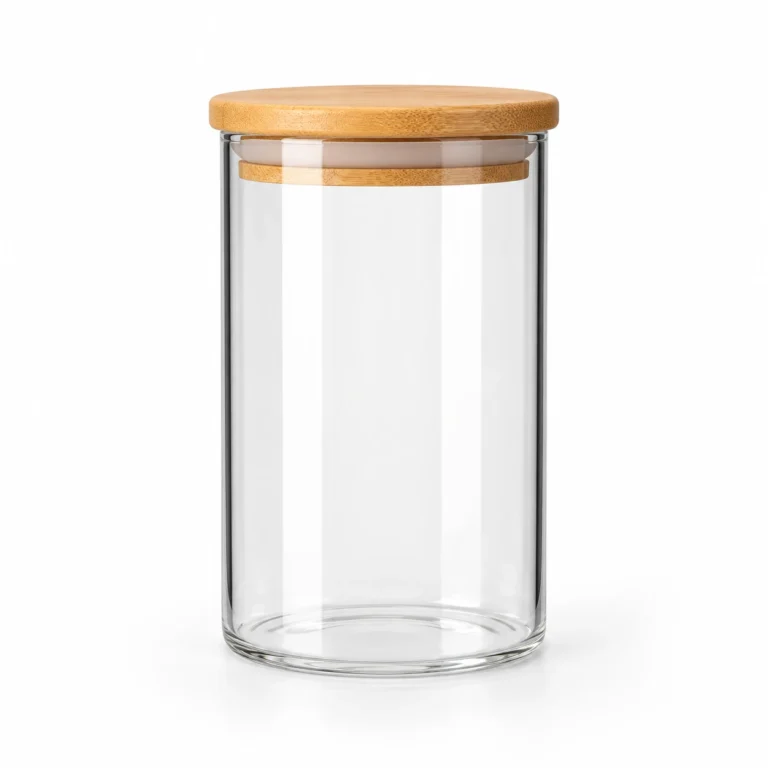
750ml Glass Coffee Bean Storage Jar Wholesale
View Details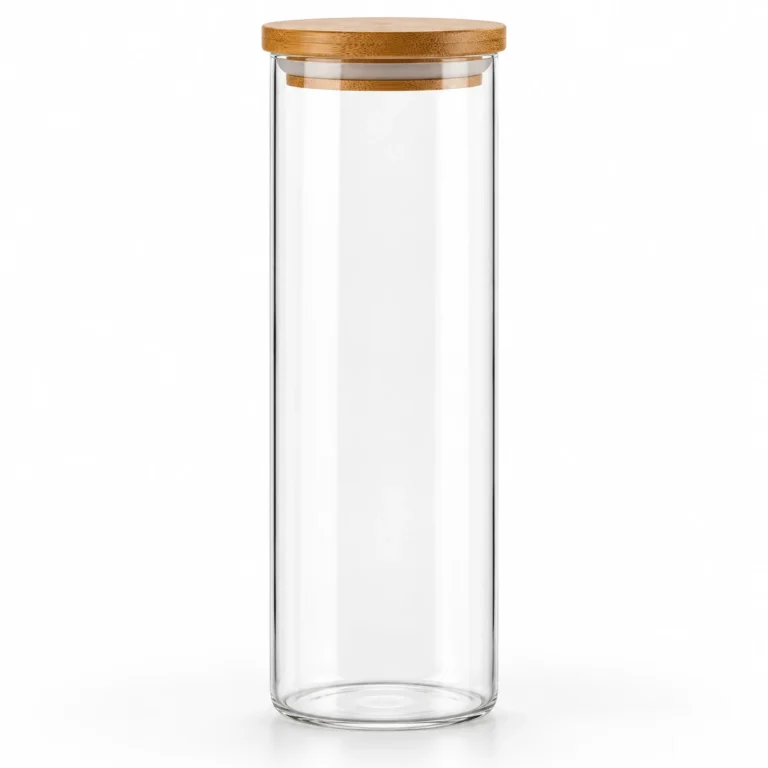
1L Glass Pasta / Grain Storage Jar Wholesale
View Details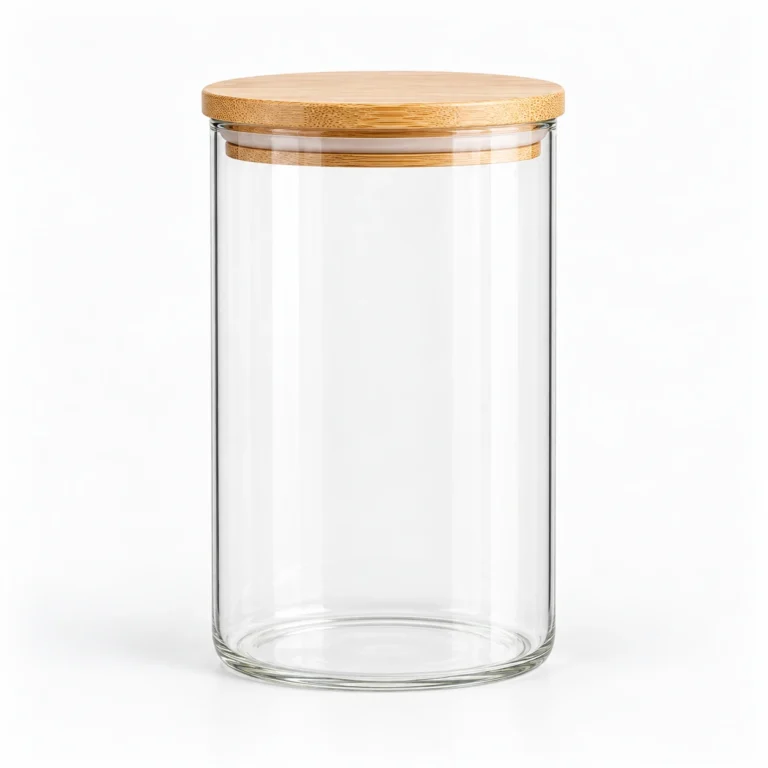
1.5L Glass Kitchen Canister Wholesale
View Details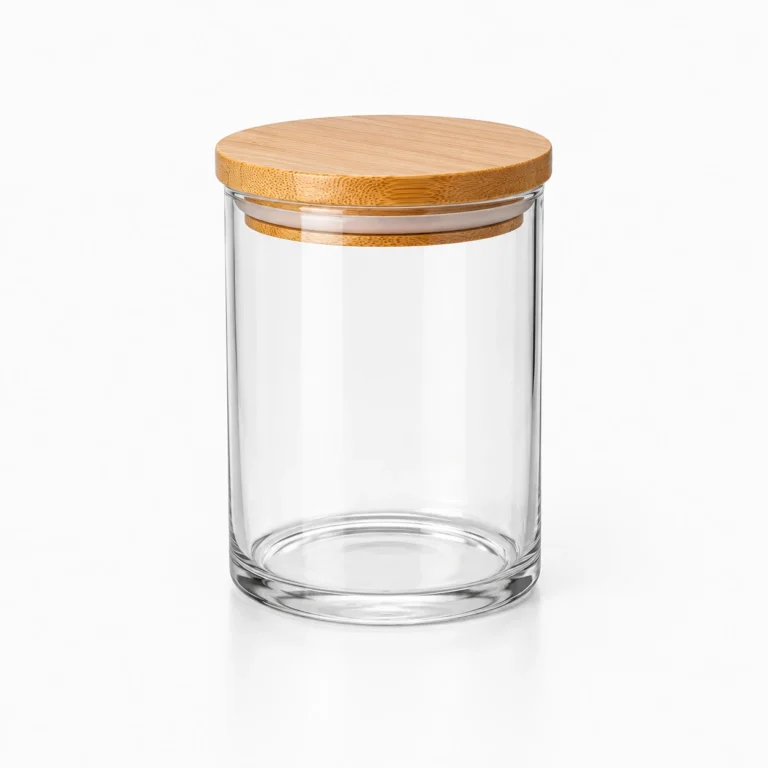
2L Glass Kitchen Storage Canister Wholesale
View Details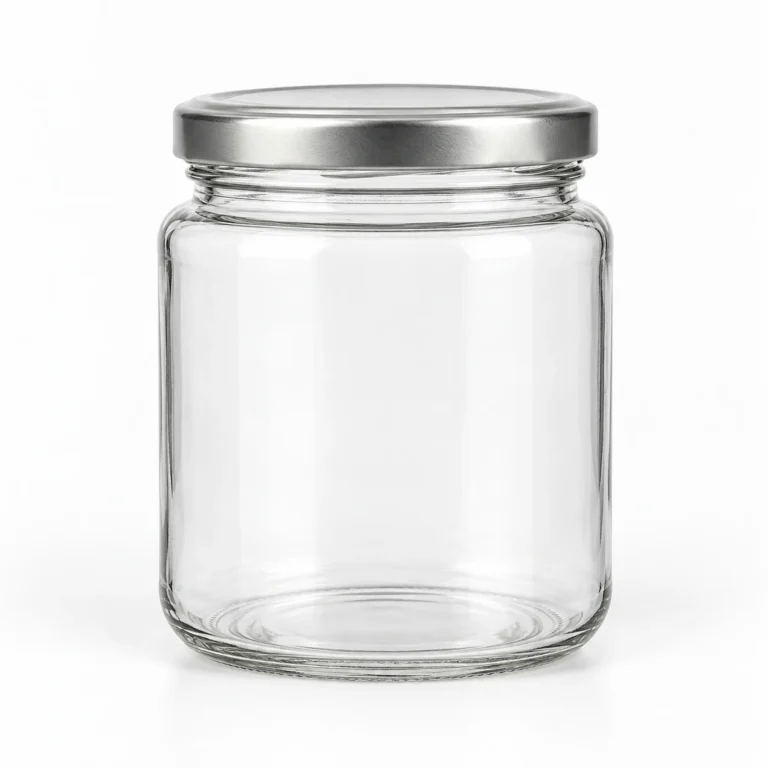
500ml Round Glass Food Storage Jar Wholesale
View DetailsNeed Help Selecting a Suitable Option?
Share the target product, capacity, finish, closure and quantity so we can review matching options.
Discuss Your Requirements →Buyer Considerations
Key Application Requirements
Fill process
Confirm hot fill, cold fill, pasteurization or ambient filling conditions.
Seal system
Define vacuum, liner, lug/thread and tamper-evidence requirements.
Food contact
Confirm market-specific food-contact declarations or testing required by the buyer.
Buying & Specification Guide
Key Considerations for Food Packaging
Capacity Guidance
Choose capacity around serving size, headspace and case weight; large jars may need reduced carton quantity.
Shape Guidance
Wide-mouth jars support solids and spoon access, while bottles suit sauces, oils and beverages.
Material Guidance
Food-contact glass should be selected for the actual thermal and chemical conditions of the filling process.
Closure Guidance
Twist-off lids, screw caps, pourers or other closures must be matched to finish dimensions and process temperature.
Safety & Compatibility
Thermal shock, vacuum performance, liner compatibility and food-contact requirements should be validated on the final package.
Decoration & Packing
Use wash-resistant labels/printing where needed and control divider/carton strength for filled-product weight.
Request a Quote
Discuss Your Packaging Application
Tell us your end use, product format, target capacity, filling, closure and branding requirements to shortlist suitable packaging.