Candle Packaging · Amber Shade Selection
Amber & Brown Candle Jars Wholesale
Choose the depth of amber on the finished candle. Honey, olive amber and deeper brown can look closer in a catalogue photo than they do with wax and a label in place. Compare physical samples in the light where the candles will be sold.
Start with the shape and closure that suit the range. Shortlist a Mason jar, a ribbed mini or a double-wall profile, then approve the shade and artwork on the actual model.
Explore Amber / Brown Candle Jars
Browse the 8oz olive-amber and 10oz amber borosilicate references, the Mason-style jar, the 130ml ribbed jar and the two double-wall families. Check the chosen amber variant and exact closure on the sample before quoting.
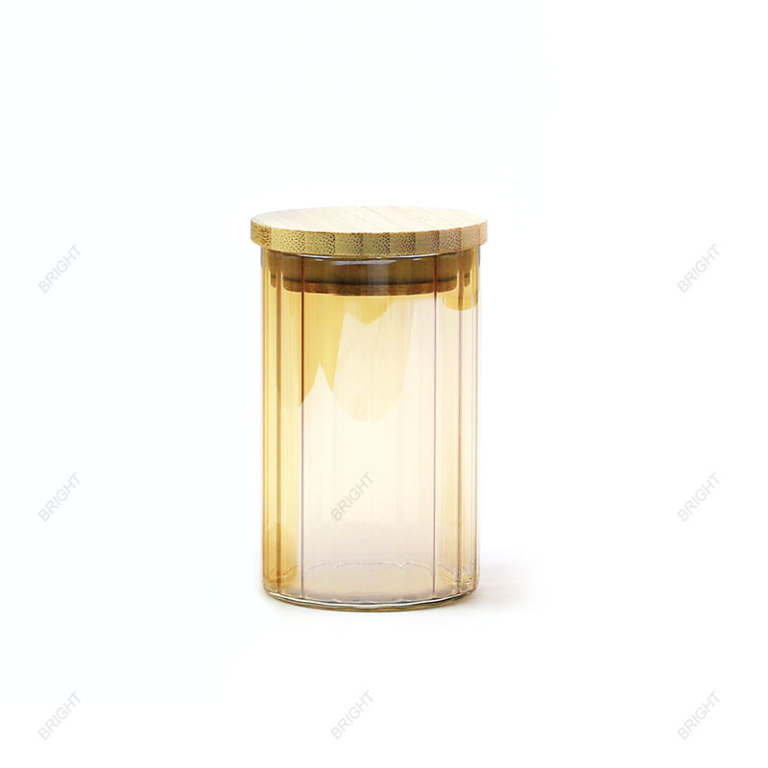
Wholesale 130 mL Amber Ribbed Candle Jar with Bamboo Lid
Read More »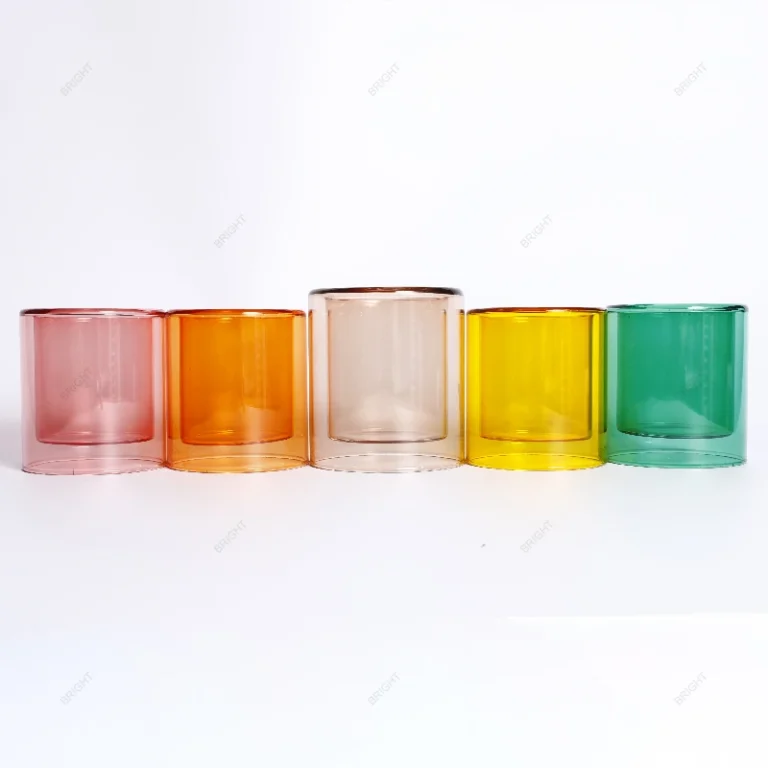
Double-Wall Borosilicate Candle Jars, 380ml & 520ml
Read More »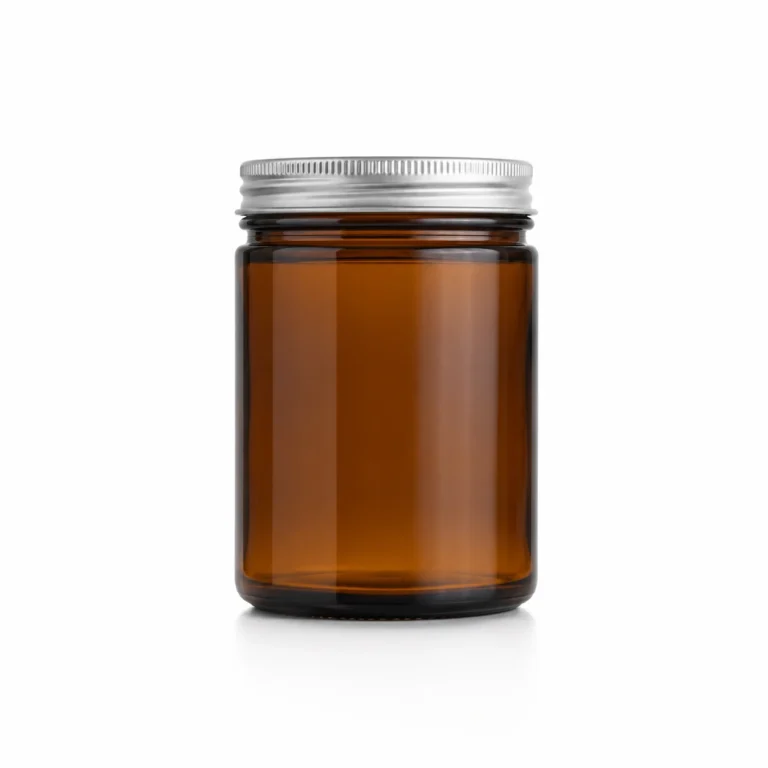
Amber Mason-Style Candle Jar Design Reference
Read More »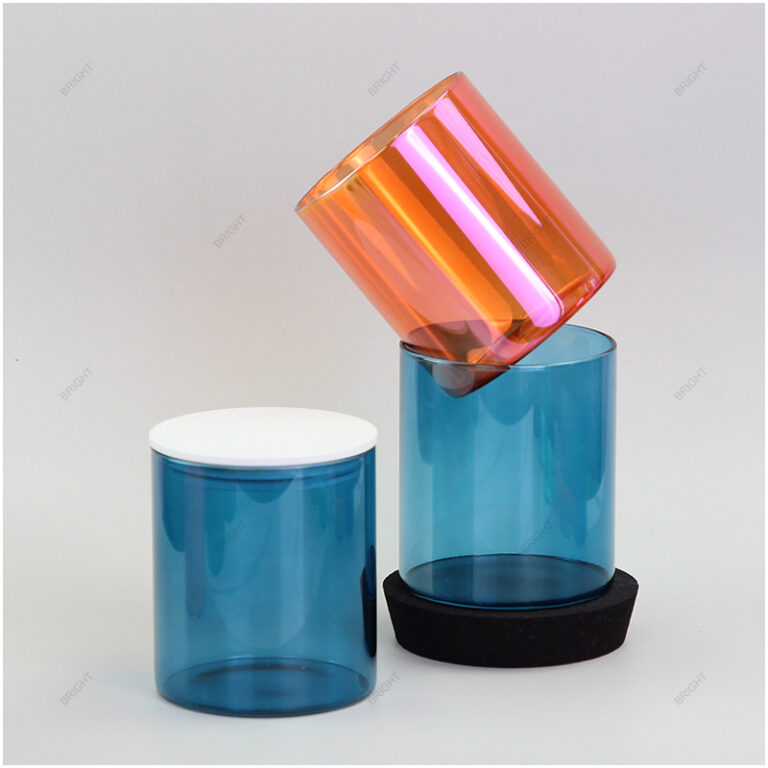
10oz Amber Borosilicate Glass Candle Jar – Wholesale
Read More »
8oz Olive Amber Borosilicate Glass Candle Jar with Glass Lid – Wholesale
Read More »Send Your Amber Jar Reference
Share the model, target shade and lid or artwork you have in mind. Add the quantities so the quote can cover the chosen versions.
How to Compare Wholesale Amber Candle Jars
Compare the finish and the shape as separate decisions. The listed models offer several ways to carry a warm tone through a candle range.
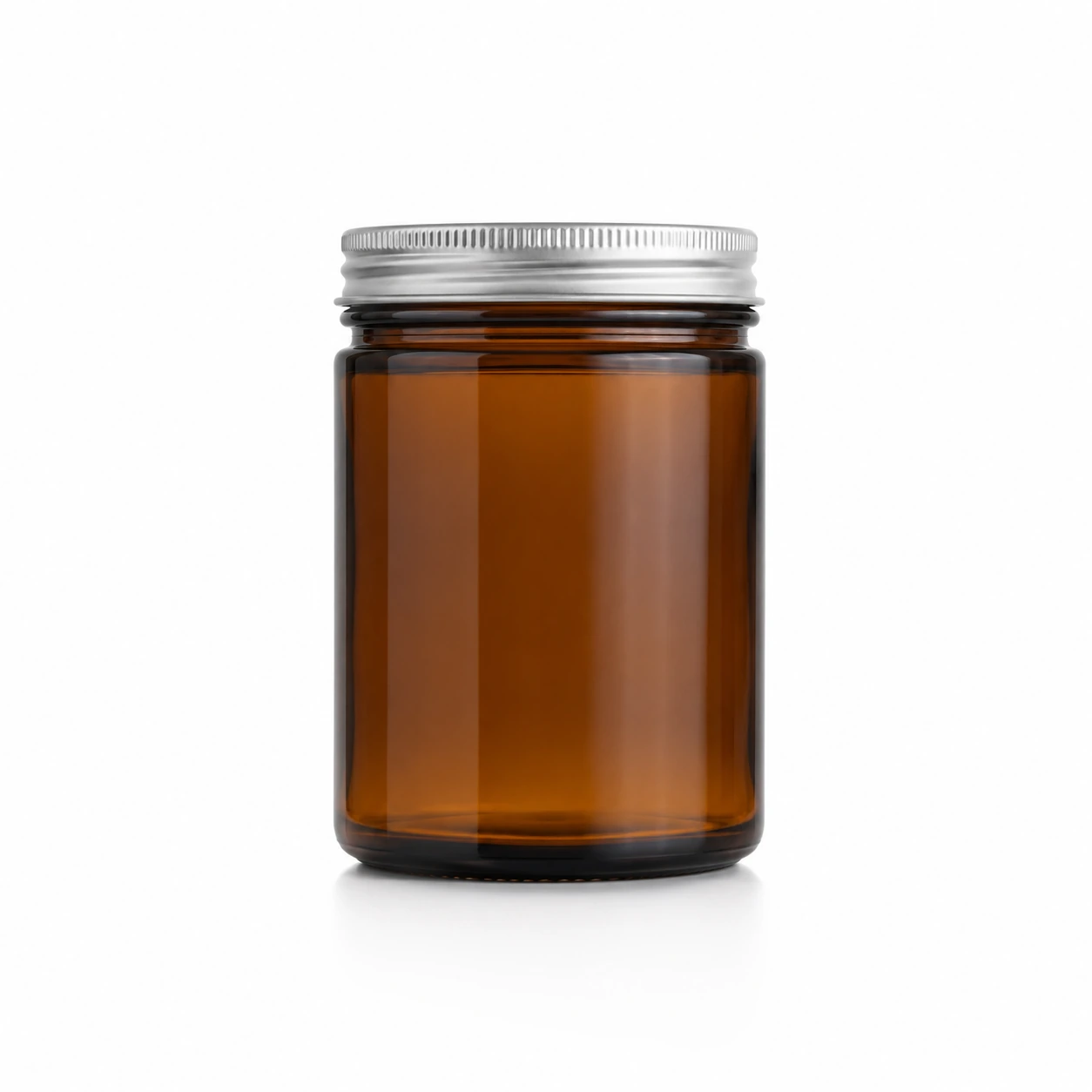
Choose an Apothecary Profile
Use the listed BR21-05 Mason-style jar to judge the shoulder, label panel and assembled profile. Compare the cap on the exact jar before choosing the retail pack.
Review the Amber Sample →BR21-05 Mason reference. Review the selected jar and closure on your sample.

Compare the Olive Amber and Glass-Lid Pair
The HC7090 listing pairs an olive-amber body with a glass closure. Look at the actual pair with the intended wax and check how the two colors read together.
Review the Amber Sample →HC7090 sample. State the body shade and lid colour separately when requesting the pair.
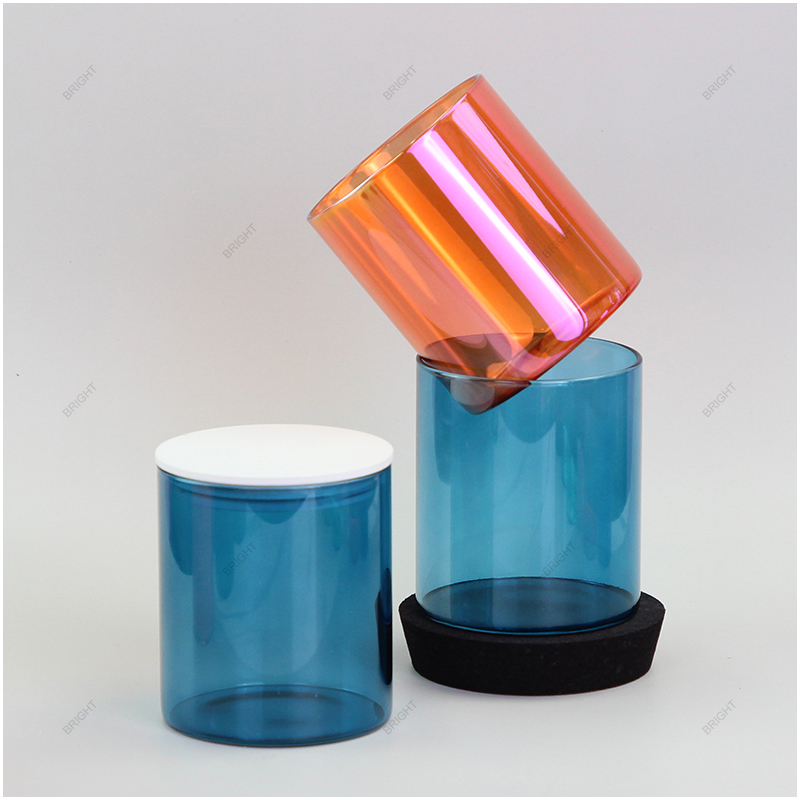
Review the Classic Amber Wall
Use the HC8090 amber reference to compare shade depth from the side and at the rim. Check the cover on the exact assembly, especially when comparing catalogue photos with different presentations.
Review the Amber Sample →HC8090 reference. Approve the amber appearance under your chosen lighting and confirm the closure separately.
Choose a Ribbed or Double-Wall Form
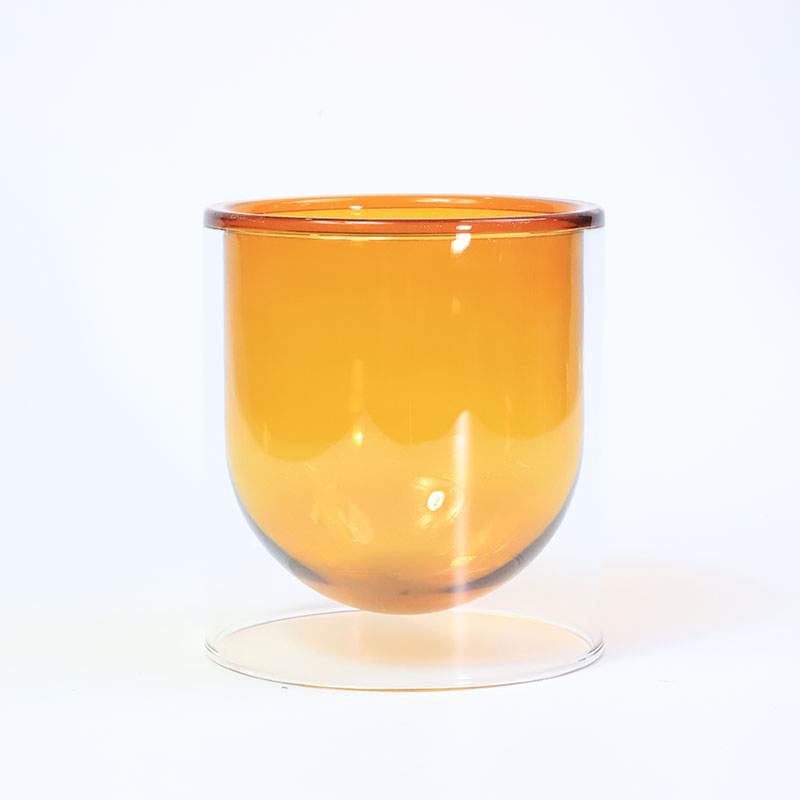
Compare the ribbed HBC016-ST and its listed bamboo lid with the proportions of a double-wall jar. Check the selected sample for label space and the outline visible through the glass.
Review the Amber Sample →HC012 double-wall example. Ask how the inner colour and clear outer wall are specified on the selected variant.
Record the physical shade sample
Save the approved shade, surface appearance and agreed manufacturing route under one sample reference.
Confirm How the Amber Appearance Is Made
Ask how the shade is achieved on the selected model. Body color, an applied finish and a colored inner section can produce different results in the same light.
Review the Amber Sample →Inspect the rim, base and carton contact points
Use the exact sample to check where the closure, wrapping and dividers will touch the visible finish.
Check Coverage on the Actual Jar
Inspect the rim, base and inner surface on the sample. If the jar has an applied finish, ask which areas it covers and which checks apply to the intended use.
Review the Amber Sample →Check Label Contrast on Filled Amber Glass
Compare your label paper, print or clear film on the selected jar with the intended wax in place. Look at fine text and clear edges beside the exact cover, especially when one design is shared across lighter and deeper shades.
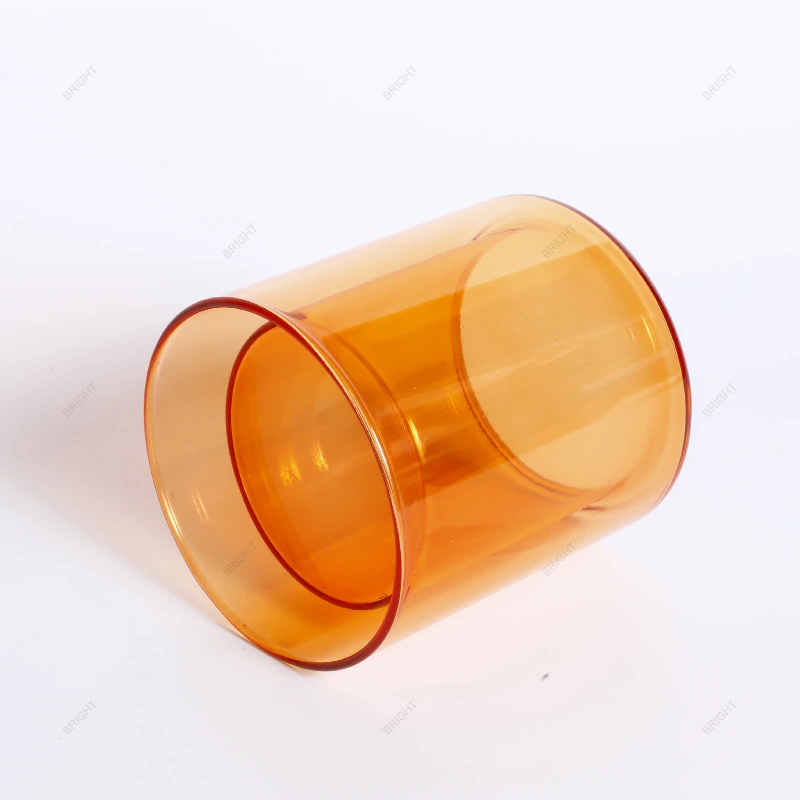
Keep an Approved Amber Reference
Label the approved sample with the model, shade and closure. Record how the color was viewed so an empty sample and a finished candle can be compared under the same conditions later.
- Shade reference: Record whether the target is honey, olive amber or deeper brown and how much of the wax should show.
- Glass construction: Confirm the model, wall structure and any finish coverage from the supplier's specification.
- Label and lid: Mark the artwork version and identify the exact lid included in the approved assembly.
- Candle development: Record the intended fill and keep separate candle test results for the selected jar, wax, fragrance and wick.
HC001 shape reference. Approve the actual colour and wall appearance on the selected sample.
RequirementsUse, quantity and destination
SelectionModel and components
Sample ReviewFit, appearance and packing
Order SpecificationApproved configuration
Final ReviewOrder and packing reference
Record the Shade, Construction and Assembly
| Specification | What to Review | Approval Reference |
|---|---|---|
| Amber color route | Record the amber color route on the selected sample and agreed specification. | Selected sample and agreed amber color route reference |
| Wall construction | Record the wall construction on the selected sample and agreed specification. | Selected sample and agreed wall construction reference |
| Lid and artwork arrangement | Record the lid and artwork arrangement on the selected sample and agreed specification. | Selected sample and agreed lid and artwork arrangement reference |
| Candle development | Keep the intended wax, fragrance, fill line and proposed wick arrangement with the selected vessel. | Selected sample and agreed candle development reference |
| Packing scope | Separate glass lids and support thin-wall or double-wall forms at suitable points. | Selected sample and agreed packing scope reference |
Get a Quote for Your Amber Jar and Lid
Send a physical shade target or model reference, the cover, artwork and packing requirements, and quantities by version. Include the delivery destination.
Send the Amber Jar Brief →Pack the Approved Jar and Closure
Build the packing sample around the chosen jar and cover. Check the surfaces that will be visible when the buyer opens the box.

Separate Glass Lids from Jar Surfaces
Give loose lids and glass components separate support. Check where the divider or insert touches the rim, ribs or decorated face on the selected model.
Glass divider example. Check the proposed wrapping and separation against the selected amber finish.
Check the Fit of the Finished Assembly
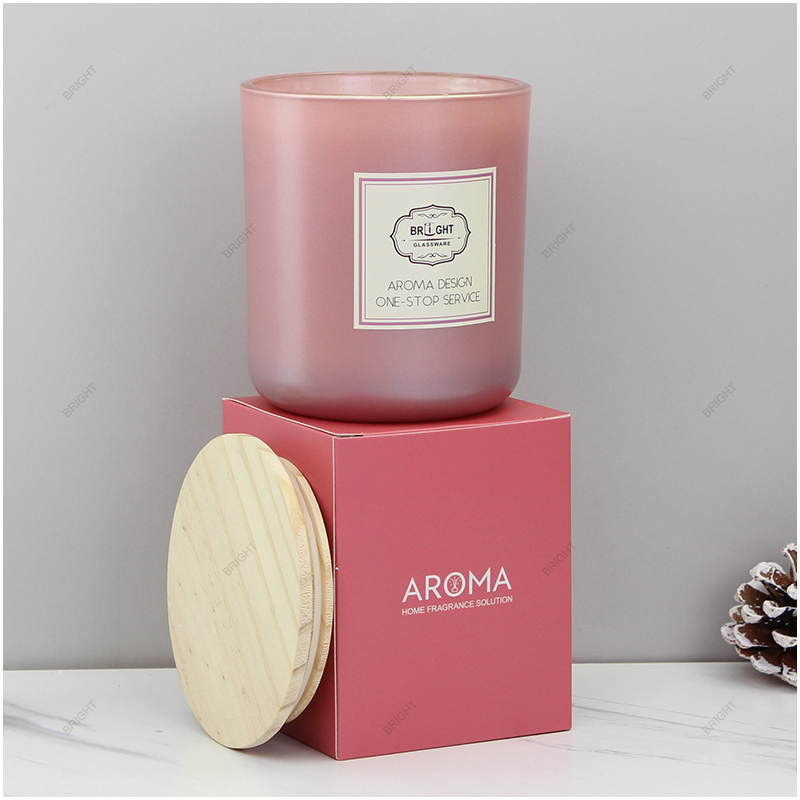
Check the total height and widest point with the chosen closure in place. Lift the sample out and review any contact around the artwork and rim.
Retail carton example. Approve the actual amber jar, lid and internal box dimensions together.
Keep shade and closure variants separate
Use the approved body shade, finish, lid and quantity on each case reference.
Identify Warm Shades by Model
Put the jar model, approved amber reference and lid code on the packing record. Similar warm tones can be hard to tell apart when multiple versions arrive together.

Confirm Quantities and Destination
Give quantities for each jar-and-lid combination, the retail or bulk packing requirements and the delivery destination. Confirm the packing against the approved assembly.
Consolidated cartons shown as a packing reference. Confirm shipment details for your order.
Plan Your Packing & Delivery
Share your order quantity, destination and retail or export packing requirements.
Discuss Packing & Shipping →Separate Amber Appearance from Performance
Agree the glass and finish specification for the chosen model. If light protection matters for the application, request evidence for that vessel. Use the actual jar for your own fill and candle tests.
Plan Three Different Amber Presentations
Use the catalogue examples to start the discussion, then approve the exact shade, silhouette and cover as a complete sample.
Pair the Mason-style jar with your artwork
Check text legibility on the chosen amber sample and confirm the closure and label before deciding the range.
A Familiar Apothecary Range
Use a Mason-style profile if the shoulder and closure are part of the look. Compare pale paper and a small mark on the actual amber body before fixing the label width.
A Contemporary Warm Glass Finish
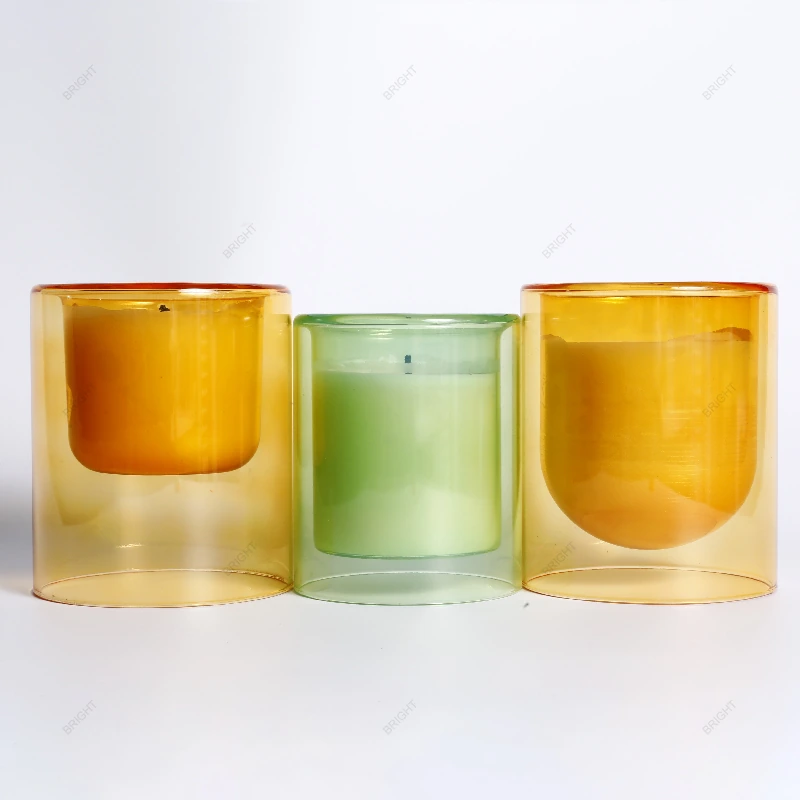
Consider how the inner and outer outlines of a double-wall jar read against a pale or dark background. Keep the artwork small enough to leave the chosen color visible.
HC001 family reference. Choose and approve the exact warm shade on a physical sample.
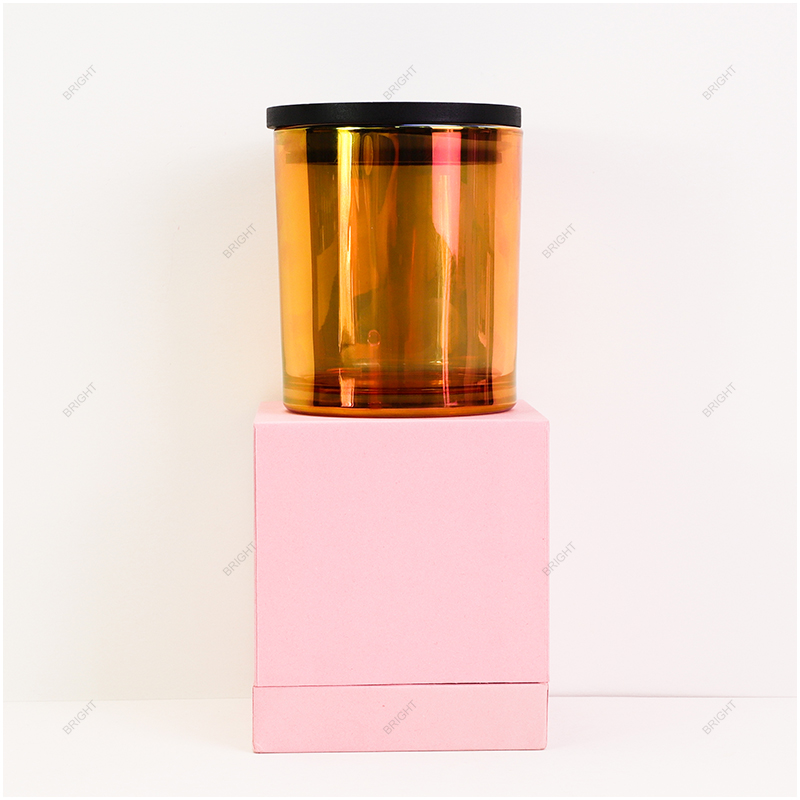
A Mini Candle for a Gift Set
Review a compact amber reference next to its companion pieces. Check where the lid and jar need support in the finished gift pack.
Amber gift presentation reference. Confirm the jar size, closure and box as separate order items.
Quote the Exact Shade and Lid Combination
Give the quantity for each model, amber variant and closure. Confirm sample scope, order minimums and lead time against the selected decoration and packaging.
ModelSelected vessel or component
SampleComplete assembly to review
ArtworkFile, colour and position
PackingRetail and outer-carton scope
How Bright Glassware Supports Amber Jar Orders
Bright Glassware can help shortlist the catalogue models and review suitable decoration, closure and pack options on the exact sample.
Compare Listed Shapes and Shades
Compare the olive-amber, Mason-style, ribbed and double-wall references for the silhouette and appearance you need.
Review the Physical Shade Reference
Review the jar under agreed lighting. Discuss the target depth and what should remain visible through the selected glass.
Check Artwork Against the Wax
Check your print or label on the filled jar and keep the approved artwork position with the order record.
Review the Chosen Cover
Review the sample with the listed glass, bamboo or other confirmed cover for that model. Check fit and assembled height.
Coordinate the Packaging Scope
Define which packing and components are included in the quote and review them against the actual retail presentation.
Record the Version for Reorders
Keep the model, shade, finish specification, closure and artwork together so a later order can request the same version.
Questions About Amber / Brown Candle Jars
Are amber and brown candle jars the same shade?
The names overlap, but depth, undertone and transparency differ across models. Compare the exact jar with a physical color reference under consistent light.
Does amber glass provide UV protection?
A protection requirement needs evidence for the selected vessel. Give the supplier the performance you need and ask for the relevant specification or test information.
Can I request a frosted amber appearance?
Discuss the shade and desired degree of diffusion for the selected model. Approve the appearance and the artwork on an actual sample.
Which labels read well on dark amber jars?
Try pale paper, opaque print or clear film on the chosen shade. Check fine text and edges with the intended wax behind the label.
Do amber candle jars only come in an apothecary shape?
The current range includes Mason-style, smooth, ribbed and double-wall references. Compare the selected shape and cover independently of the shade.
Still Have a Product Question?
Send your requirements or a reference so our team can review your project.
Ask Our Packaging Team →Related Collections & Project Resources
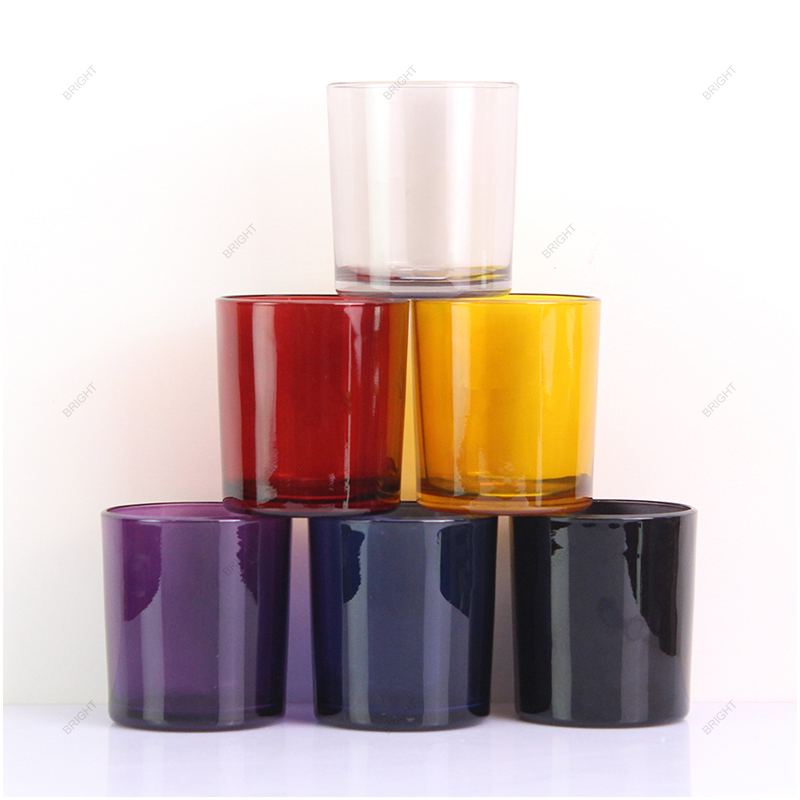
Colored Candle Jars
Explore Collection →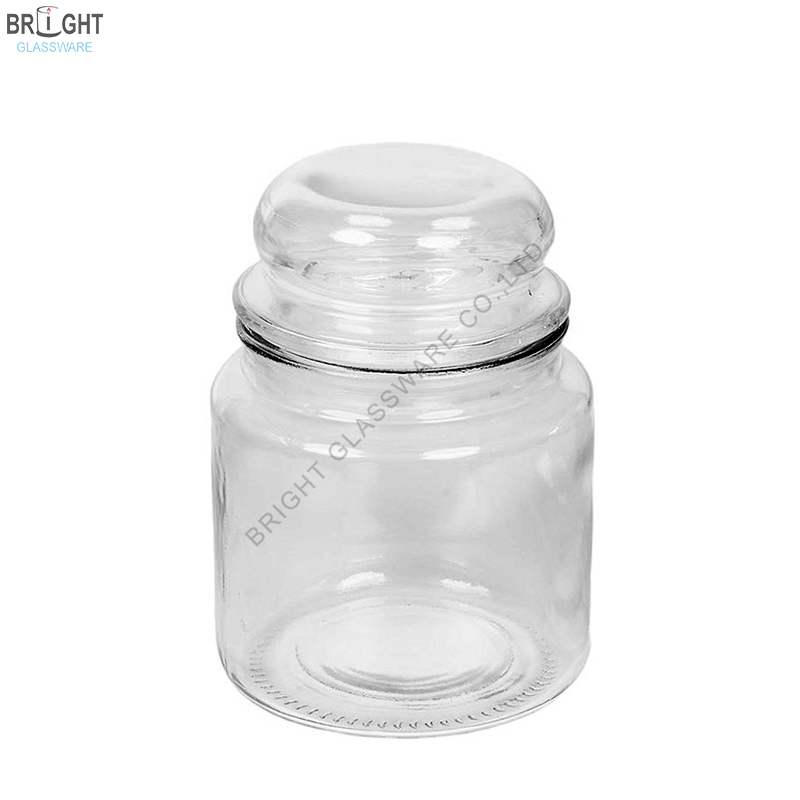
Clear / Transparent Candle Jars
Explore Collection →Compare the selected black glass finish
Request an actual glass sample to review opacity and surface appearance before comparing it with amber.
Black Candle Jars
Explore Collection →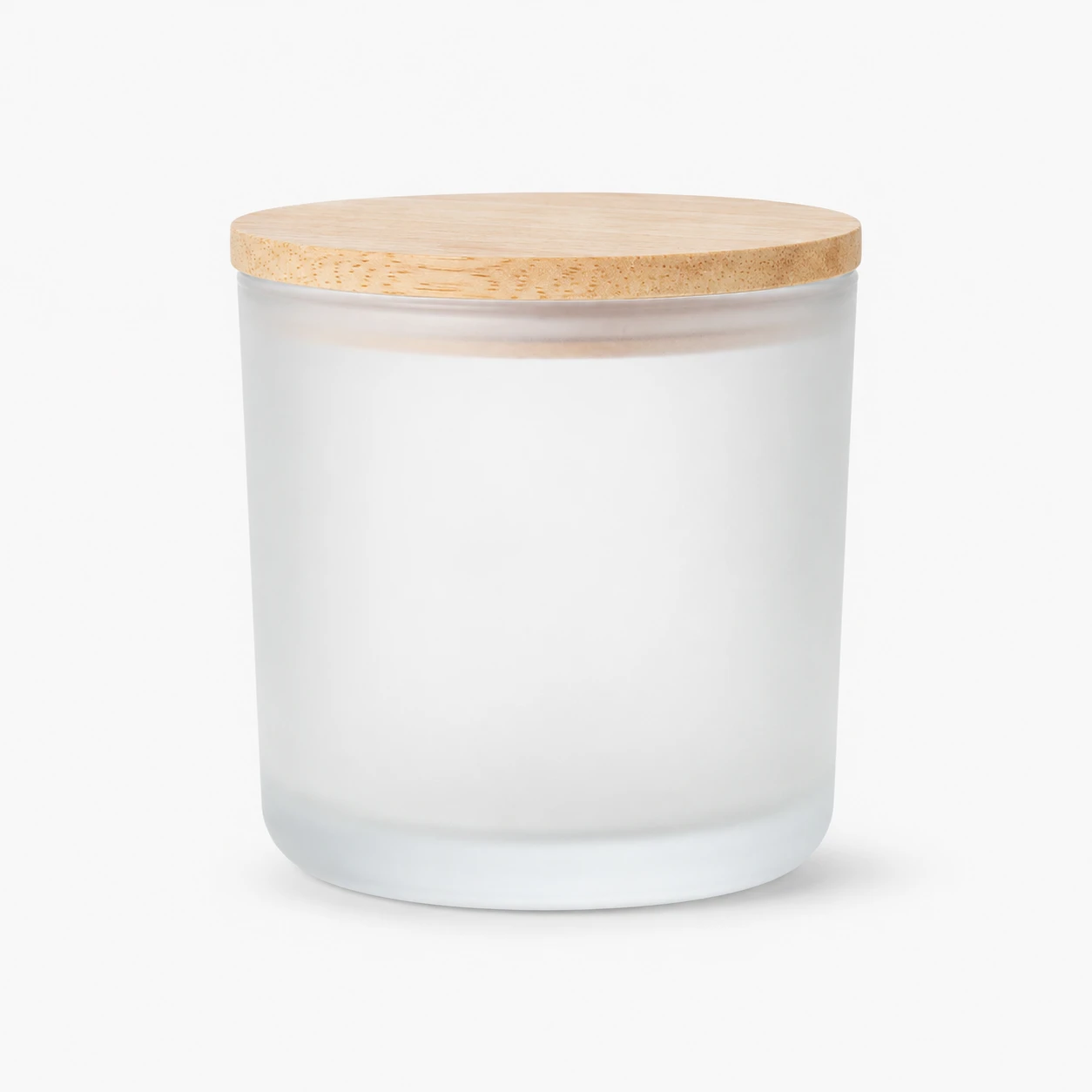
White Candle Jars
Explore Collection →Prepare a custom shade and artwork brief
Send the jar model, finish reference, artwork placement and lid or retail packaging requirements.
Custom Candle Jars
Explore Collection →
Candle Jar Labels
Explore Collection →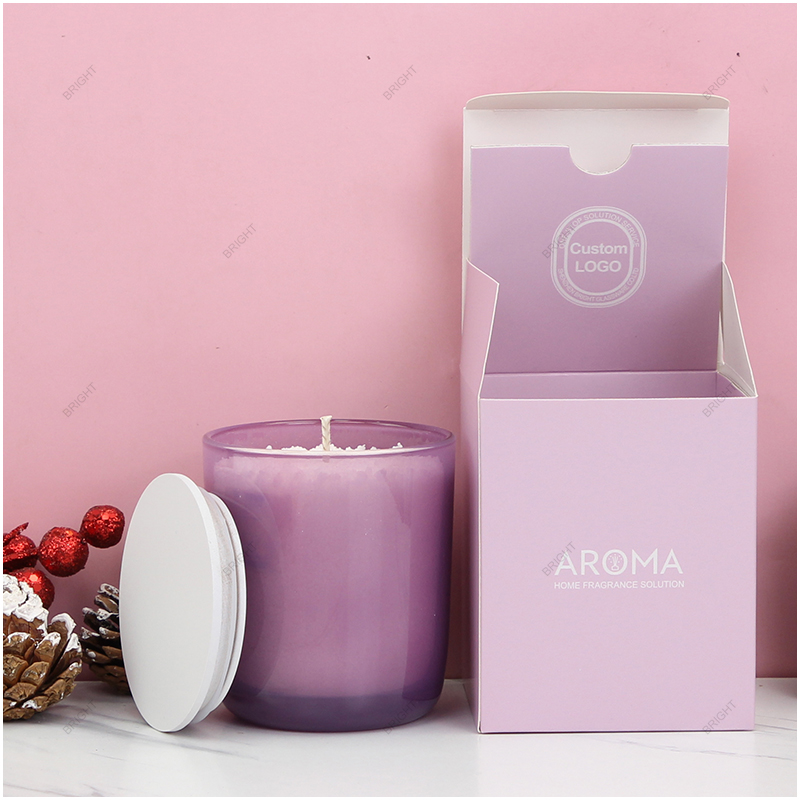
Candle Jar Boxes
Explore Collection →
Decoration & Artwork Review
View Resource →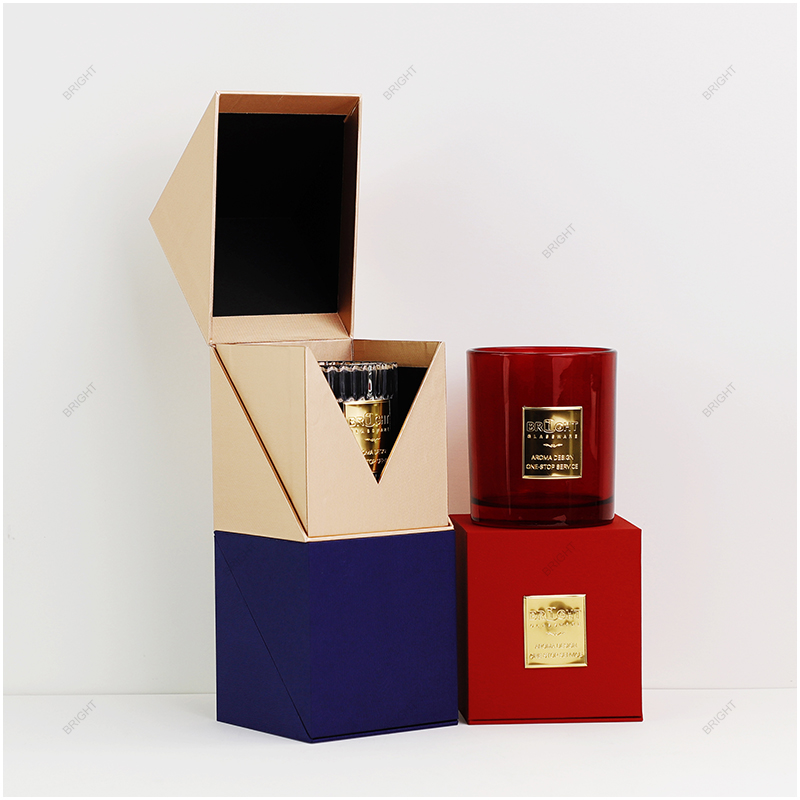
Retail Packaging & Inserts
View Resource →Agree how the approved shade will be reviewed
Record the reference sample, viewing light and the acceptable appearance of the rim, walls and base.
Quality Review
View Resource →Compare Amber Under the Same Light
Place the jars on the same neutral background and review them with the same wax and lid style where possible. Note where one shade reads more olive, honey-toned or brown.
Keep a Reference for Repeat Orders
Keep an approved jar, shade, lid and packing reference together. Confirm working fill and finished height on that assembly. List the jar, lid, decoration and packing separately on the quote. For more profiles and sizes, see the wholesale glass candle jars collection.
Choose the Profile Around the Range
Compare the shoulder, base and overall height beside other products in the range. Decide how much of the warm glass should be visible once the artwork is applied.
Check Where the Artwork Will Sit
Measure the usable artwork area on the actual sample. A rib, shoulder or outer wall can change how the mark sits and reads. When a natural-toned cover suits the range, compare candle jars with wooden and bamboo lids and confirm the exact cover and jar together.
Review Label Materials on the Filled Jar
Compare cream paper, light print and transparent film under the intended display light. Check the smallest type and the view through the opposite wall.
Approve the Physical Shade
Use a color chip or existing jar to show the direction. Specify whether you want a lighter, darker or more diffuse result, then approve it on the physical vessel. For custom candle jar options, send the model, quantity by version, artwork and pack brief.
Browse Our Product Categories
– Glass Bottles & Fragrance Packaging –
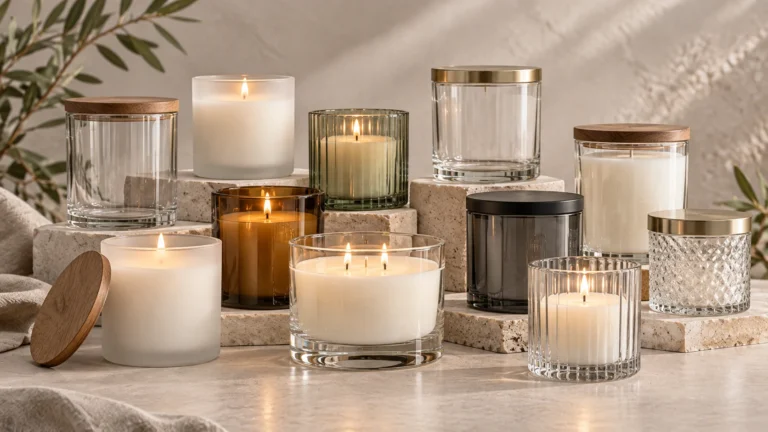
– Glass Candle Jars & Related Containers –

– Glassware & Packaging Solutions –
Request a Quote
Talk to Our Packaging Team
Share the model, capacity, color, closure, decoration, packaging and estimated quantity you need. We can review the options with you.
Category: Amber / Brown Candle Jars