Borosilicate Glass · Wholesale & Project Sourcing
Borosilicate Glass Containers Wholesale
A container range works best when the storage job is clear. A lunch box, a pantry vessel and a general household organiser may share a material description, but they create different expectations for lids, access and handling.
For homeware buyers and private-label brands, start with what the user will store and where the container will sit. That gives shape, volume and closure choices a practical purpose.
Explore Borosilicate Glass Food Storage Containers
Use this category to define a container project for availability review. Food-contact, heating, sealing and storage claims require evidence for the selected body and lid; they should not be assumed from the glass material name.

Need Help Choosing the Right Option?
Send intended contents, working volume, internal and external dimensions, lid preference, storage location, selling-unit contents and estimated quantities.
Define the storage problem before the shape
What goes inside
Dry goods, prepared food and non-food household items place different demands on opening size and closures. State the intended contents so the enquiry is not built around a misleading reference picture.
Where it will stand
Measure the shelf, drawer or refrigerator space. Include the fitted lid in the dimensions used to compare proposed container sizes.
How it will be handled
Explain whether the user carries, serves from or simply stores the container. A lid that covers an opening is not automatically a transport seal.
Building a coherent wholesale container range

Working volume
Separate the practical storage fill from volume to the rim. For sets, state the working volume of each piece so the range does not rely on one combined capacity figure.
Review the Specification →Lid construction
Identify the desired closure style and any separate gasket or clips. Material and fit need review as an assembly, particularly when the intended claim concerns leakage or air exchange.
Review the Specification →Stacking and nesting
Describe whether filled units stack or empty bodies nest. These are different requirements and should be checked using the actual bodies, lids and intended stacking arrangement.
Review the Specification →Opening and access
Consider how contents are added and removed. A broad body with a narrow opening may look spacious but prove inconvenient for the proposed storage job.
Review the Specification →Size progression
Use intended contents and shelf use to choose sizes. A sensible range is easier to explain when each piece has a role rather than merely repeating a shape at arbitrary volumes.
Review the Specification →Care and use language
Write the intended storage and cleaning routine into the brief. Any proposed refrigerator, freezer, microwave or dishwasher wording needs confirmation for the exact container and closure.
Review the Specification →The closure is part of the container
A body and lid should be reviewed together, including any gasket, clips and contact surfaces. Keep a reference for the approved combination so a reorder does not substitute a visually similar lid with a different fit.
Discuss Your Requirements →Explore Customization & Artwork Review →Custom container projects
Specify the proposed body outline, lid appearance, marks and retail presentation. If the range needs a new size, include the storage envelope and useful fill. Availability and design feasibility can then be assessed without implying that every reference shape or closure is already supplied.
Sample Review & Production Planning
- Intended storage: Identify contents and handling conditions before selecting the body and lid.
- Useful volume: Record practical fill for each individual container in a set.
- Assembled dimensions: Include projections from clips, knobs and fitted lids.
- Closure requirement: Describe the intended function and evidence needed for any sealing claim.
RequirementsUse, quantity and destination
SelectionBody, components and appearance
Sample ReviewFunction, handling and packing
Order DefinitionAgreed model and specification
Final ReviewIdentification and delivery scope
From Selection to an Agreed Specification
| Specification | What to Review | Buyer Approval / Output |
|---|---|---|
| Intended storage | Identify contents and handling conditions before selecting the body and lid. | Use brief |
| Useful volume | Record practical fill for each individual container in a set. | Capacity schedule |
| Assembled dimensions | Include projections from clips, knobs and fitted lids. | Envelope drawing |
| Closure requirement | Describe the intended function and evidence needed for any sealing claim. | Lid assessment |
| Range contents | List pieces, sizes and lids supplied in each retail unit. | Set specification |
Plan Your Borosilicate Glass Food Storage Containers Project
Send intended contents, working volume, internal and external dimensions, lid preference, storage location, selling-unit contents and estimated quantities.
Request a Project Quote →Packing & Delivery Planning for Borosilicate Glass Food Storage Containers
Container sets need protection between bodies and clear identification of matching lids. Plan the pack from the approved assembled dimensions, especially for nested arrangements.

Separate contact surfaces
Review partitions or protective materials where one glass body could contact another during movement.
Match lids to bodies
Give packers a clear size reference so similar closures are paired with the intended containers.
Check nested units
Assess how nested pieces are separated and removed; nesting should not leave the buyer struggling with tightly wedged glass.
Confirm set counts
Compare the packed sample against the individual body-and-lid schedule, not just the total piece count.
Plan Your Packing & Delivery
Share your order quantity, destination and retail or export packing requirements.
Discuss Packing & Shipping →Avoid a blanket kitchen-use promise
A container may be suitable for one task and unsuitable for another. Establish allowed use for the selected model, including the lid, before writing claims about heating, freezing or transport. The category name is not evidence of those capabilities.
Borosilicate Glass Food Storage Containers for Different Buying Programs
Household storage retail
Organise a range around the shelf spaces and contents customers need to manage, with clear individual sizes and set contents.
Private-label kitchen programmes
Use one model-specific approval record to connect container dimensions, closure construction, packaging and proposed product claims.
Organisation and gifting
For non-food storage or gift use, specify the contents and presentation directly instead of borrowing unsupported food-storage language.
Define MOQ, Samples & Production Around the Brief
List pieces, sizes and lids supplied in each retail unit.
ModelNamed configuration and use
SampleAssembly to review
ArtworkFile, colour and position
PackingRetail and outer-carton scope
A Clearer Buying Brief for Borosilicate Glass Food Storage Containers
Describe the stored contents
Use a concrete storage task to guide shape and opening choices.
Measure with lids fitted
Compare dimensions that reflect the complete product in its storage space.
Separate stack and nest
Record the intended arrangement and check it using the actual components.
Control the closure pairing
Keep each lid and body combination identifiable on future orders.
Label every set size
Give each piece its own useful volume rather than one ambiguous total.
Review proposed claims
Request model-specific support for the use language planned for retail packaging.
Questions About Borosilicate Glass Food Storage Containers
Are all borosilicate containers food-storage products?
No. Intended use and relevant model evidence must be established. A glass container used for general household or fragrance packaging should not automatically be presented as a food-storage item.
Can I request an airtight or leakproof lid?
State the required function and the intended storage or transport conditions. The proposed closure then needs assessment as a complete assembly, with an agreed basis for any claim.
How do I specify a container set?
List each body size, its useful fill, matching lid and quantity. Explain whether the units should stack when filled, nest when empty or remain individually packed.
Can the containers go in a microwave or oven?
That depends on the exact body, lid and approved instructions. Provide the intended use and ask for model-specific guidance. Do not infer heating suitability from the material description alone.
What helps compare bulk quotations?
Use the same individual sizes, closure construction, set contents and packing basis for every proposal. Otherwise a lower price may reflect a different lid or fewer components rather than the same product.
Still Have a Product Question?
Send your requirements or a reference so our team can review your project.
Ask Our Packaging Team →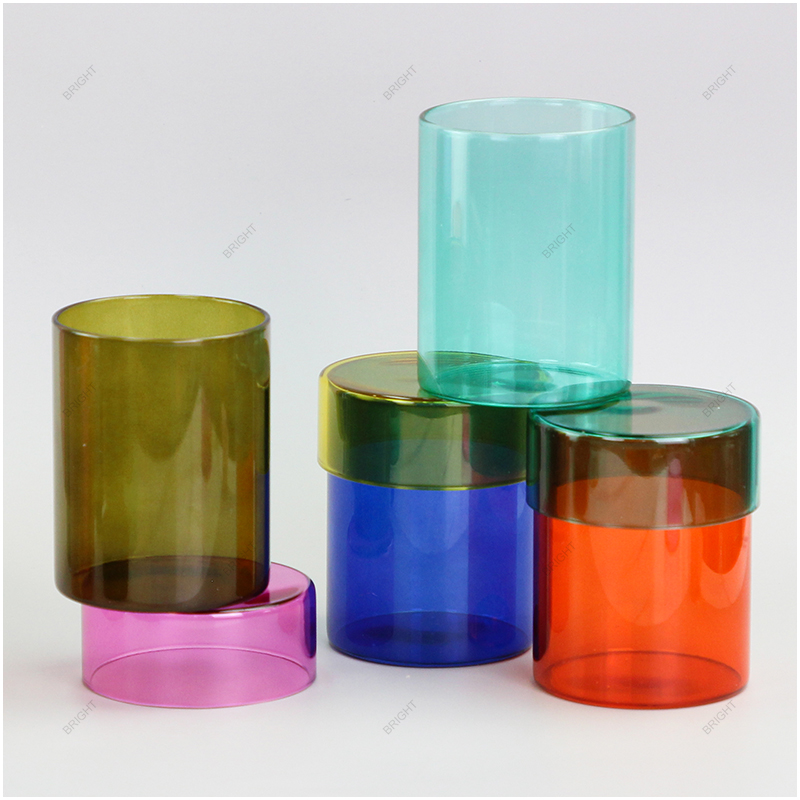
A total piece count can be misleading
A six-piece set may mean three bodies and three lids. Spell out the contents by component and size so the quotation, photography and packaging all create the same expectation.
Start with the storage envelope
Available shelf or drawer space often determines the most useful proportions. Measure that space before choosing a volume; a larger capacity is not helpful if the assembled container does not fit.
Protect the approved lid pairing
Small changes in body dimensions can affect closure fit. Keep the accepted drawing and sample linked to the lid reference so future purchases do not rely on appearance alone.
Write care information after selection
Do not develop a broad list of kitchen claims and then search for a product to match them. Confirm the specific construction first and write instructions around evidence for that model.
Browse Borosilicate Glass Product Categories

Drinkware & Tea
Borosilicate Glass Drinkware →Borosilicate Glass Water Bottles →Borosilicate Glass Tea Infuser Bottles →Borosilicate Glass Cups & Mugs →Double-Wall Borosilicate Glasses →Borosilicate Glass Tumblers →Borosilicate Glass Wine Glasses →Borosilicate Glass Straws →Borosilicate Glass Baby Bottles →Borosilicate Glass Teapots →Borosilicate Glass Tea Kettles →Borosilicate Glass Electric Kettles →Borosilicate Glass Pitchers & Carafes →Borosilicate Glass French Presses →Borosilicate Glass Coffee Makers →Borosilicate Glass Tea Infusers →
Storage & Kitchen
Borosilicate Glass Food Storage Containers →Borosilicate Glass Storage Jars →Borosilicate Glass Cookware & Kitchenware →Borosilicate Glass Cooking Pots & Pans →Borosilicate Glass Bakeware →Borosilicate Glass Bowls →Borosilicate Glass Measuring Cups →Borosilicate Glass Plates & Tableware →Borosilicate Glass Oil Dispensers →Borosilicate Glass Food Covers →Borosilicate Glass Popcorn Makers →Borosilicate Appliance Glass →Borosilicate Glass Air Fryer Dishes →

Bottles, Home & Custom Projects
Request a Quote
Talk to Our Packaging Team
Share the model, capacity, color, closure, decoration, packaging and estimated quantity you need. We can review the options with you.
Category: Borosilicate Glass Food Storage Containers