
Candle Packaging · Black Finish Selection
Black Candle Jars Wholesale
Choose the vessel and lid before deciding how the artwork should read against black. A straight-sided glass jar with a natural-toned cover and a round tin with a clear lid window give the candle different outlines and label positions.
Compare the selected sample under your display light. Check the sheen, the smallest type and where handling could leave visible marks before approving a wholesale order.
Explore Black Candle Jars
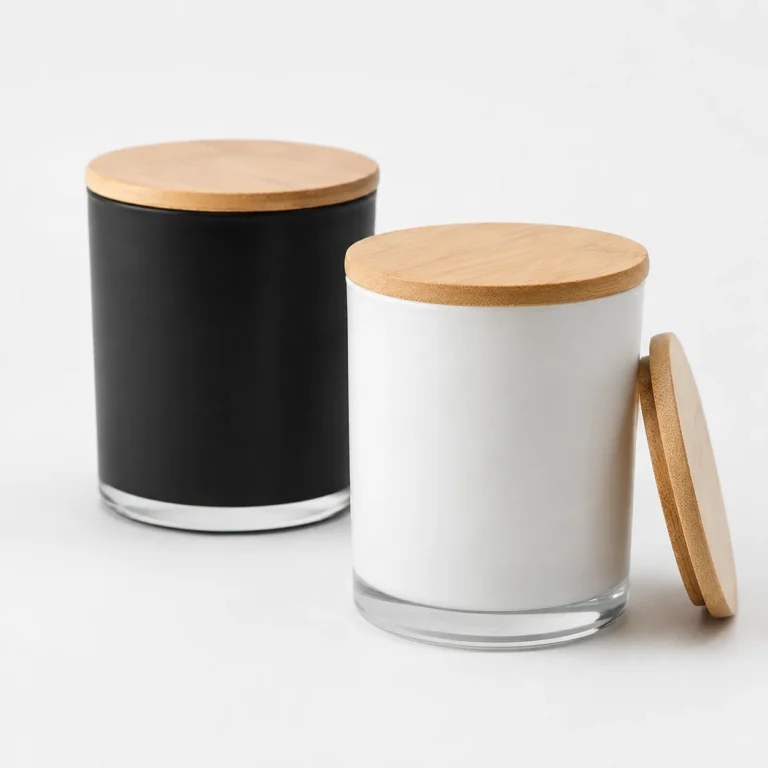
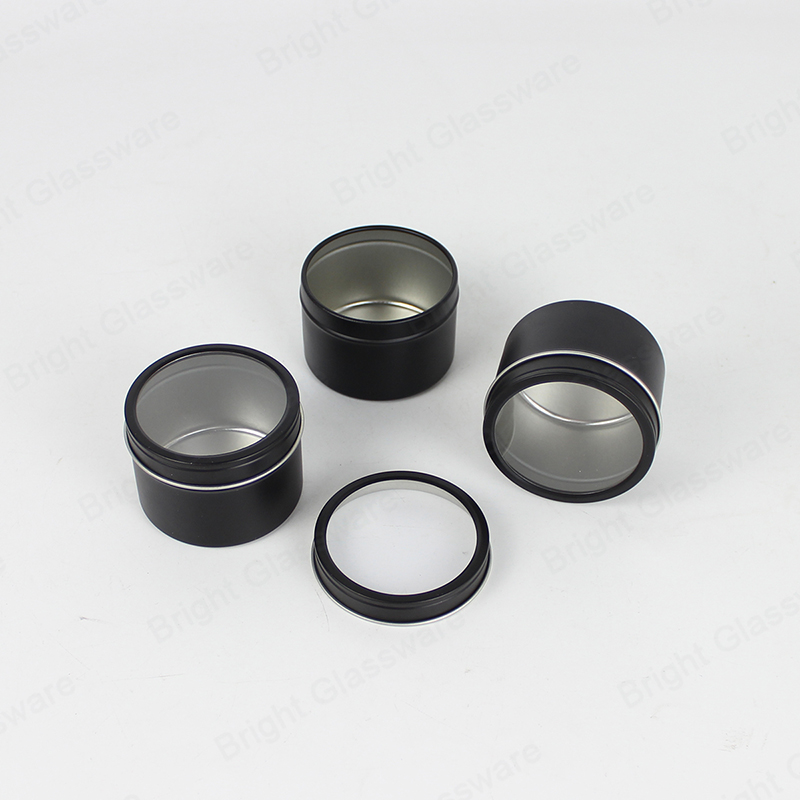
Compare the straight-sided glass family shown in black and white with the GJT050 black tinplate candle tin. The glass listing shows natural-toned lids. The tin has its own fitted clear-window lid and a visible silver-colored rim and interior.
Send the Black Finish and Artwork Brief
Share the glass jar or tin reference, desired sheen, artwork and quantities. Include the exact cover or window arrangement you want quoted.
Compare Black Glass Jars and Candle Tins
The two catalogue references use different bodies and closures. Compare the material and lid first, then use the actual dark finish for the artwork and packing checks.
Choose the Vessel Material
Review the round GJT050 tinplate body, metal rim and clear-window lid. Check how the window and lid shape affect the space available for your mark.
See the Sample Checks →GJT050 metal tin with a clear-window lid. Confirm the exact tin and lid size on the sample.
Compare the Black Glass and Lid
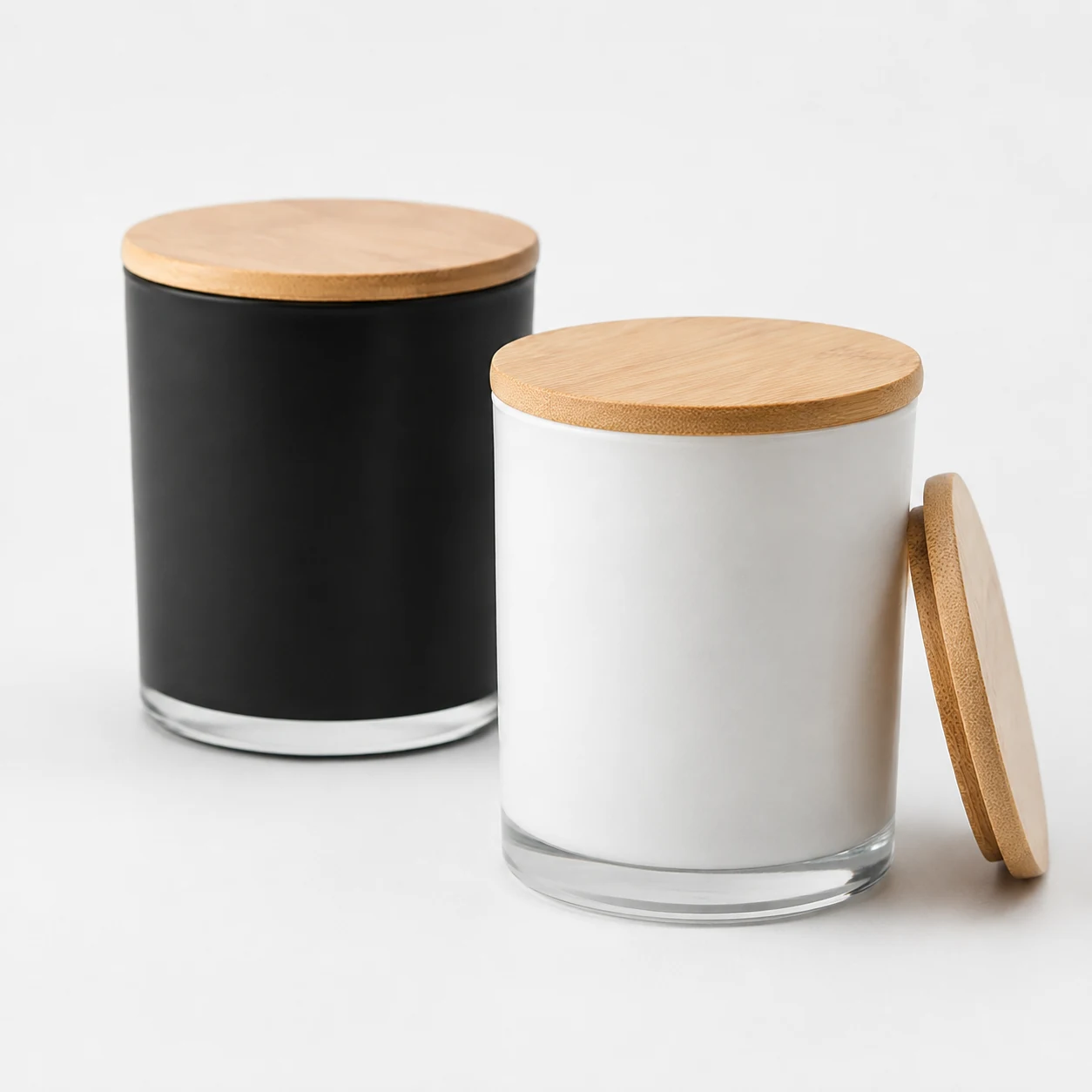
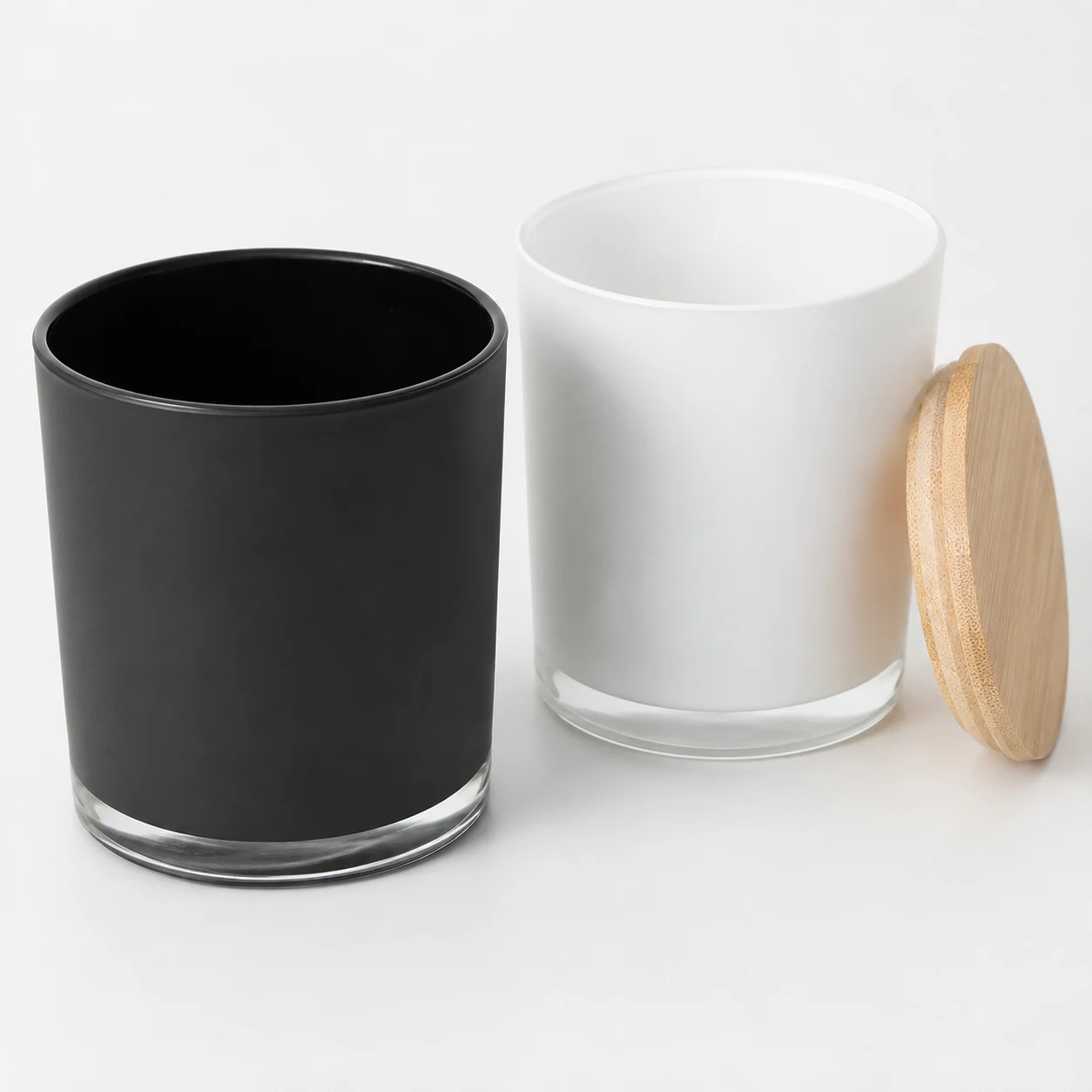
Use the black glass example from the straight-sided family to assess label space and lid contrast. Approve the fitted natural-toned cover on the exact glass size you select.
See the Sample Checks →BGC138M catalogue view. Confirm the finish, lid material and assembly on your selected glass sample.

Compare Smoke and Black in Display Light
A smoky glass reference shows a different look from the black sample. Compare both from the front and side, then specify the matte, satin or glossy target you want for the chosen model.
See the Sample Checks →Separate smoky-gray reference. Compare it with your requested black sample under the same light.
Hold the vessel up to the light
Check how much light passes through the wall and whether the base, rim and inside show the same appearance.
Check What the Wall or Lid Reveals
Check the intended wax in the glass jar to see what remains visible through the wall. On the tin, check how much of the candle shows through the lid window and where any top label would sit.
See the Sample Checks →Identify the material and finish on the sample record
Write down the exact vessel, substrate and surface treatment to be quoted, along with which areas it covers.
Confirm How the Black Finish Is Made
Ask for the finish specification on the selected body. Confirm whether the black appearance comes from the glass itself or a surface finish, and check the tin's own finish separately.
See the Sample Checks →Inspect handling and packing contact points
Review where lids, wrapping or dividers touch the approved surface. Agree the handling checks for your order.
Review Marks After Handling
Handle the sample and remove it from the proposed insert. Check whether fingerprints, dust or rub marks become noticeable in the areas customers will see.
See the Sample Checks →Check Small Text and Artwork Against Black
Compare light print, a paper label or a metallic mark on the exact sample where the finish permits it. Check fine type from normal viewing distance and look again when the surface catches a reflection.
Approve the Dark Finish on a Complete Sample
Record the approved vessel, fitted cover and artwork together. Keep a handling sample available when reviewing the next version of the retail pack.
- Body and cover: Identify the exact glass jar or tinplate body and the fitted cover supplied with it.
- Sheen reference: Compare the approved finish under the display light and record the intended appearance.
- Artwork proof: Check the logo and smallest copy on the actual finish. Mark the approved artwork position.
- Candle development: Keep your separate candle test record for the selected vessel, wax, wick and fragrance.
BGC138M open-vessel view. Approve the exact glass, closure and artwork before the order.
RequirementsUse, quantity and destination
SelectionModel and components
Sample ReviewFit, appearance and packing
Order SpecificationApproved configuration
Final ReviewOrder and packing reference
Record Material, Sheen and Legibility
| Specification | What to Review | Approval Reference |
|---|---|---|
| Material and opacity | Record the material and opacity on the selected sample and agreed specification. | Selected sample and agreed material and opacity reference |
| Gloss reference | Record the gloss reference on the selected sample and agreed specification. | Selected sample and agreed gloss reference |
| Logo contrast | Record the logo contrast on the selected sample and agreed specification. | Selected sample and agreed logo contrast reference |
| Candle development | Keep the intended wax, fragrance, fill line and proposed wick arrangement with the selected vessel. | Selected sample and agreed candle development reference |
| Packing scope | Inspect handling marks against the agreed black reference and protect lid contact points. | Selected sample and agreed packing scope reference |
Get a Quote for the Black Jar or Tin
Send the model, finish reference and artwork, plus the cover, quantities and pack requirements. Identify each body and lid combination separately.
Send the Black Vessel Brief →Protect the Black Finish and Lid in Transit
Use the approved finish and fitted cover when checking the proposed pack. Review what touches the dark surface, rim and window during packing and removal.

Keep Finished Surfaces Apart
Keep loose components away from the visible jar wall and fitted lid. Check contact points separately for the glass jar and for the tin.
Glass divider example. Approve protective materials and contact points for your selected glass or tin.
Test the Retail Insert with the Finished Sample
Lift the finished vessel from the proposed insert and check the grip area under normal display light. Look for marks around the jar wall, lid or window.
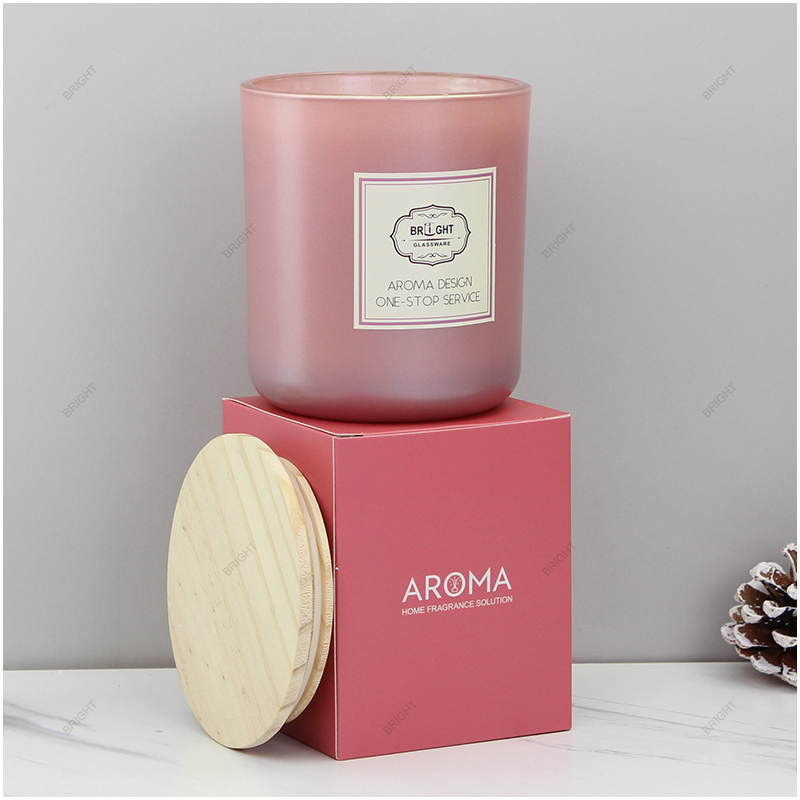
Retail carton example. Verify internal fit using the actual black vessel and closure.
Use separate records for glass and tin
Put the item code, surface reference, lid and artwork version on the case or lot record.
Give Each Finish and Lid a Version Code
Keep model, finish, cover and artwork revision together on the packing record. Mark glass and tin versions separately if both appear in the same range.

Confirm the Pack and Quantity
Give the quantities by body and lid, the retail or bulk pack, and the delivery destination. Agree the final carton configuration against the actual assembly.
Consolidated-carton example. Confirm the delivery brief and packing details for your order.
Plan Your Packing & Delivery
Share your order quantity, destination and retail or export packing requirements.
Discuss Packing & Shipping →Keep the Finish Specification with the Model
Record the material, exact finish and cover for the selected vessel. If your project requires specific resistance or handling performance, ask for the applicable evidence. Develop and test the candle with the chosen vessel and formulation.
Decide How Black Works in the Range
Use the catalogue references and decoration examples to decide what buyers should notice first: the jar profile, the artwork or a contrast between two versions.
Approve the signature vessel in its final setting
Compare the actual black sample beside your brand colours, chosen closure and carton.
A Signature Black Glass Range
Keep the glass profile, finish and label location consistent. Change the scent name or small graphic detail, then check whether all versions are easy to distinguish on the shelf.
Proof light and metallic artwork on the actual black finish
Inspect fine lettering and reflections at display distance and ask how the mark will be applied.
A Light or Metallic Artwork Treatment
Test the mark on the approved finish. Look at its thin lines and small letters from more than one angle before choosing the final treatment.
A Paired Black and White Gift Range
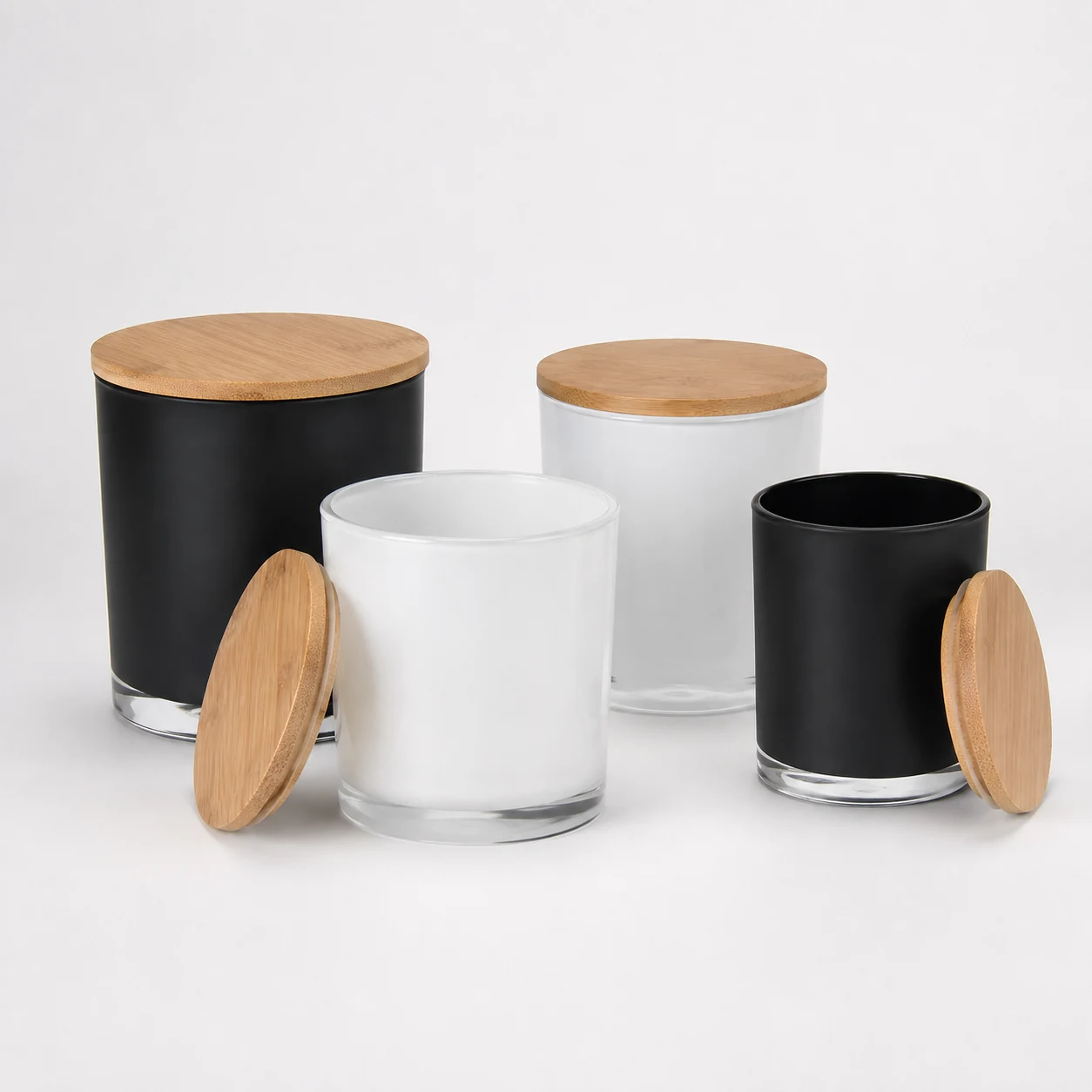
Compare black and white from the same glass family with the chosen covers. Confirm the actual dimensions and logo contrast on both samples before fixing a common box or insert.
BGC138M range view. Approve the exact two vessels and closures together before specifying the pack.
Quote by Black Finish and Vessel
Confirm the body, closure and artwork in each version. Ask about sample scope, order minimums and lead time for the chosen configuration and quantity.
ModelSelected vessel or component
SampleComplete assembly to review
ArtworkFile, colour and position
PackingRetail and outer-carton scope
How Bright Glassware Supports Black Vessel Orders
Bright Glassware can help compare the current glass and tin references, discuss suitable artwork options and coordinate the chosen cover and packing for review.
Compare the Glass and Tin References
Use the straight-sided glass family and the round window-lid tin to shortlist the right assembly for the intended range.
Review the Actual Sheen
Specify your finish target and review it on the actual material. Confirm the available finish and its coverage by model.
Check Artwork on the Dark Surface
Review the usable area for the proposed print or label and compare the smallest copy on the sample.
Match the Exact Cover
Check the chosen lid with the correct glass size or tin model, including the visible rim and overall height.
Review the Finished Vessel in Its Pack
Check how the insert or carton supports the exact shape. Review grip and contact areas on the finished sample.
Record the Version for Reorders
Keep the body model, finish, cover and artwork file together when confirming repeat orders.
Questions About Black Candle Jars
Does a black candle jar have to be matte?
Black describes the color. Ask about the actual sheen and compare the selected finish under your display light.
Can I use white or metallic artwork on black?
Discuss suitable print or label options for the model, then review the artwork on the exact finish. Check fine type and reflections as well as the main logo.
How do I tell how the black finish was made?
Request the material and finish specification for the model. Photographs can show the appearance, but they cannot verify the finish process.
How do the glass jar and tin closures differ?
The glass family is shown with natural-toned covers. The GJT050 tin has its own fitted clear-window lid. Confirm the exact closure with the selected jar size or tin.
What handling marks should I check?
Review dust, fingerprints and rubbing on a handled sample after lifting it out of the proposed pack. Agree the checks needed for the selected finish.
Still Have a Product Question?
Send your requirements or a reference so our team can review your project.
Ask Our Packaging Team →Related Collections & Project Resources
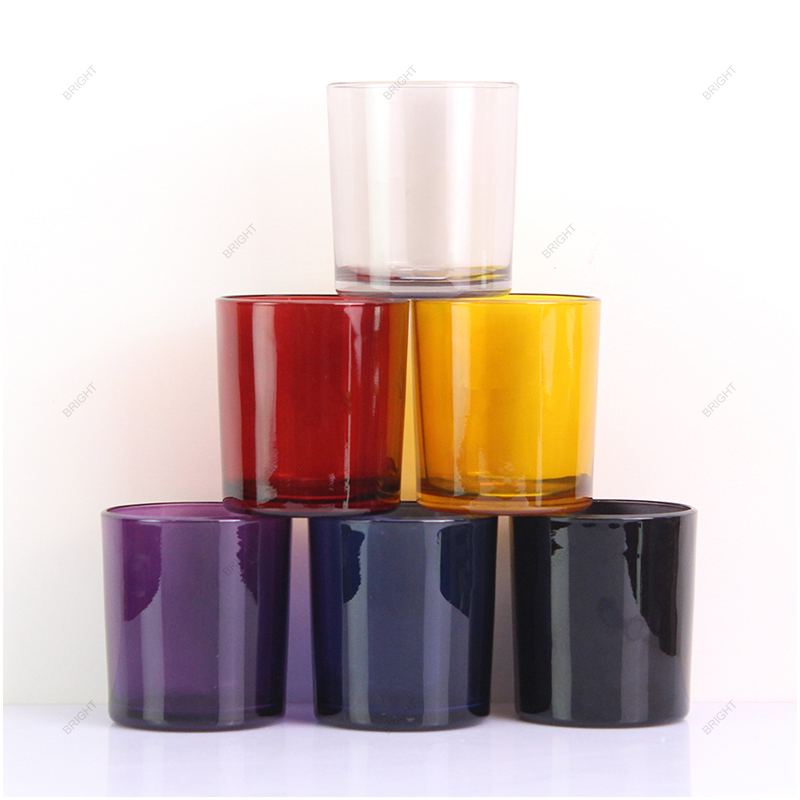
Colored Candle Jars
Explore Collection →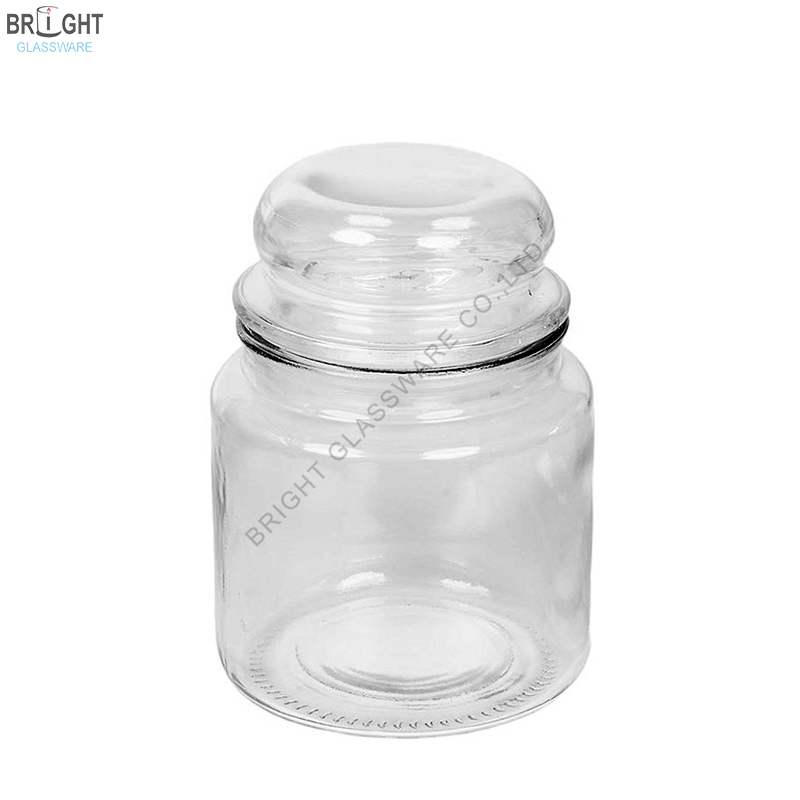
Clear / Transparent Candle Jars
Explore Collection →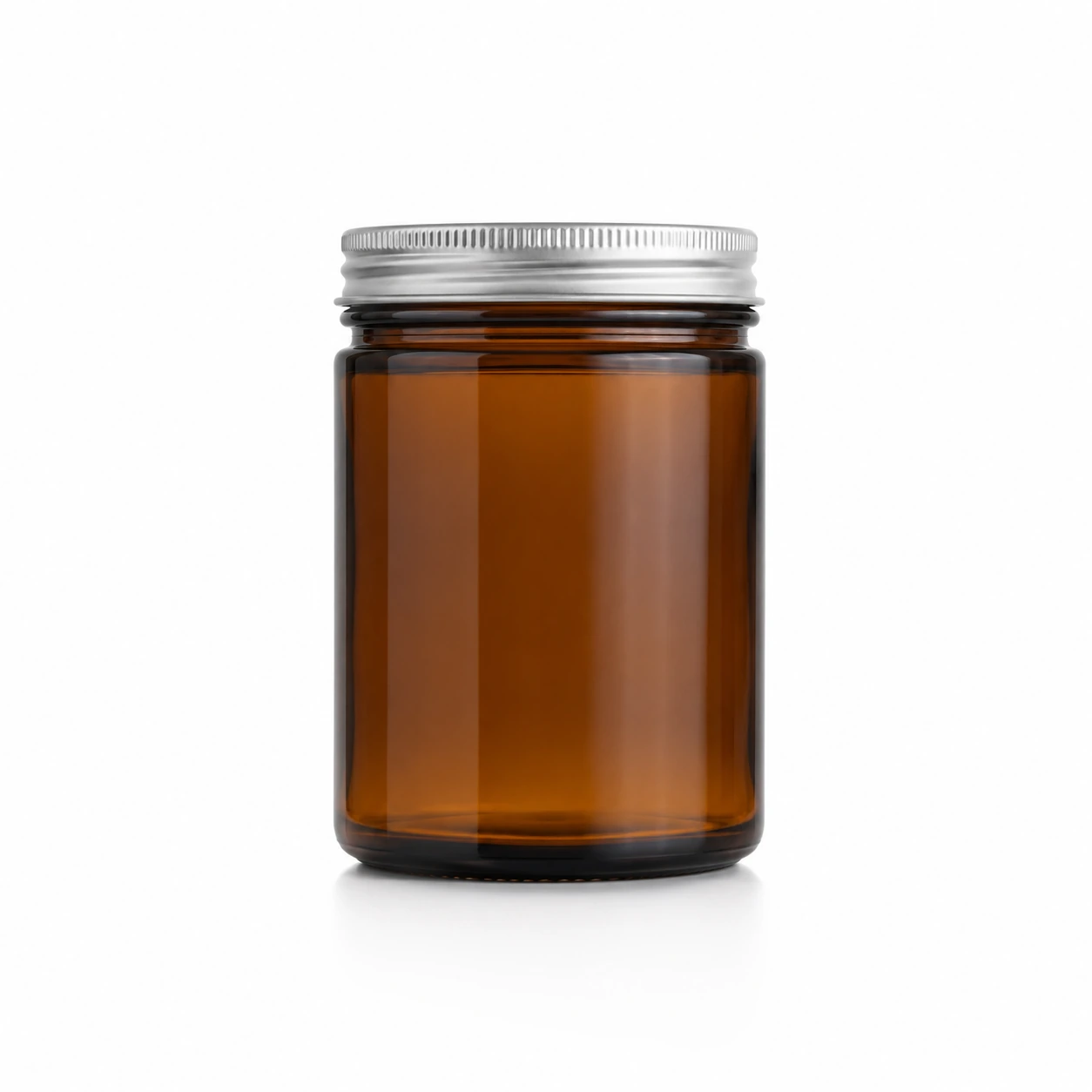
Amber / Brown Candle Jars
Explore Collection →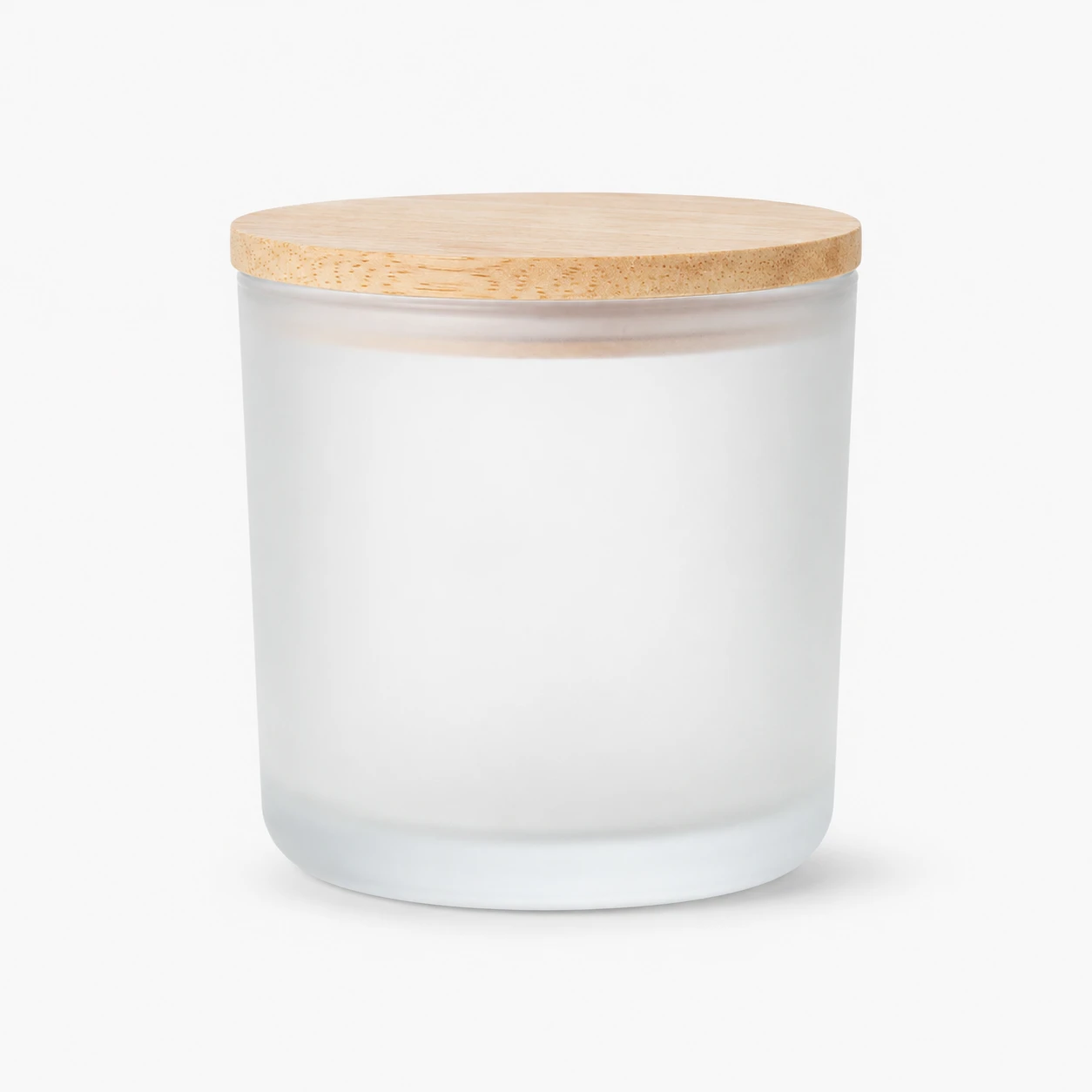
White Candle Jars
Explore Collection →Send the exact vessel and artwork brief
Specify the black appearance, model, closure and artwork location for the requested sample.
Custom Candle Jars
Explore Collection →
Candle Jar Labels
Explore Collection →Label placement example. Approve the label on the selected black surface.
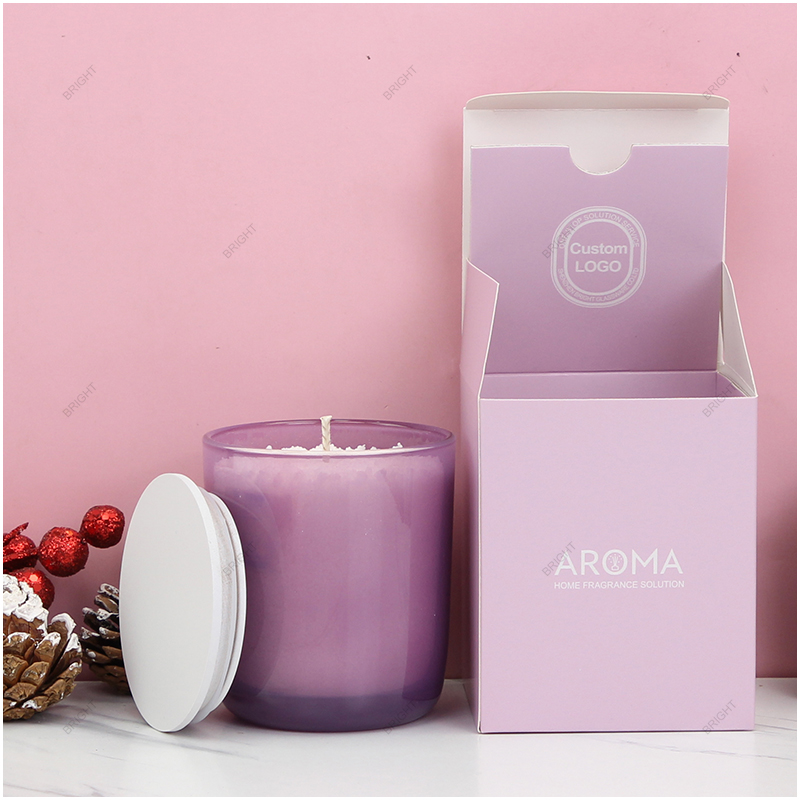
Candle Jar Boxes
Explore Collection →
Decoration & Artwork Review
View Resource →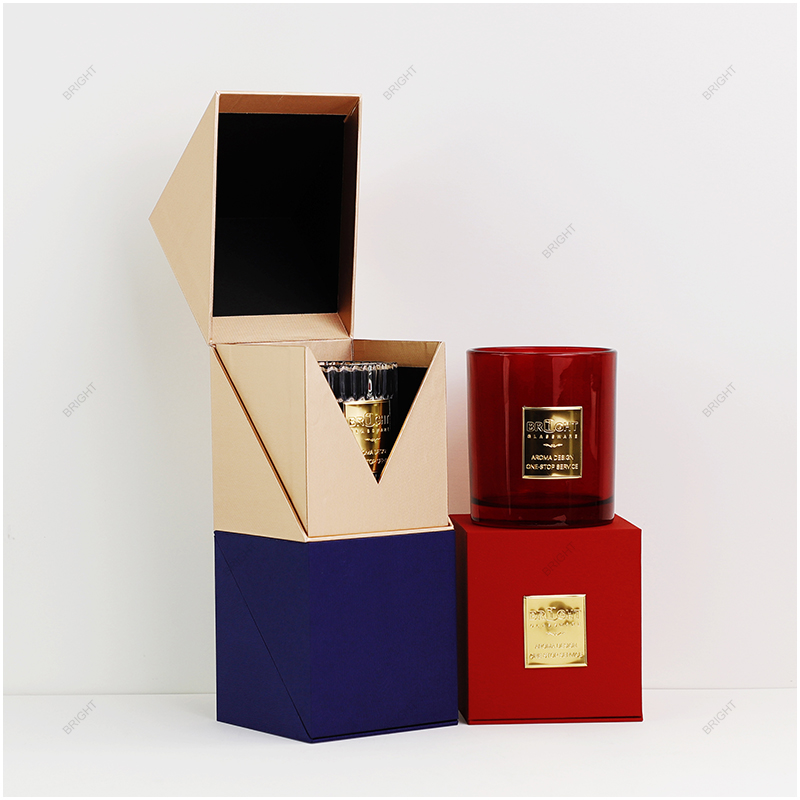
Retail Packaging & Inserts
View Resource →Agree the review criteria on the actual finish
Define the approved appearance, viewing light, handling and package contact points before production.
Quality Review
View Resource →Compare Sheen from More Than One Angle
Set the sample under the light intended for the shelf or photography. Turn it until the artwork and the strongest reflections are both visible.
Keep the Same Viewing Conditions
Use the same light, viewing distance and background when comparing two finish samples.
Read the Smallest Line on the Label
Check the scent name, ingredients or other required copy on the physical proof before choosing a print or label.
Check Reflections Around the Mark
Look for glare that makes pale print or a metallic mark harder to read at normal viewing distance.
Review the Cover as Part of the Silhouette
Compare the height and edge of the natural-toned glass cover or the clear-window tin lid with its own body. Check how the lid changes the usable artwork space.
Give the Approved Black Finish a Name
Record the actual model, material, finish, lid and artwork revision so the quote or later reorder describes the same version.
Browse Our Product Categories
– Glass Bottles & Fragrance Packaging –
– Glass Candle Jars & Related Containers –

– Glassware & Packaging Solutions –
Request a Quote
Talk to Our Packaging Team
Share the model, capacity, color, closure, decoration, packaging and estimated quantity you need. We can review the options with you.
Category: Black Candle Jars