Decorative glass vessels for candle brands

Electroplated Candle Jars

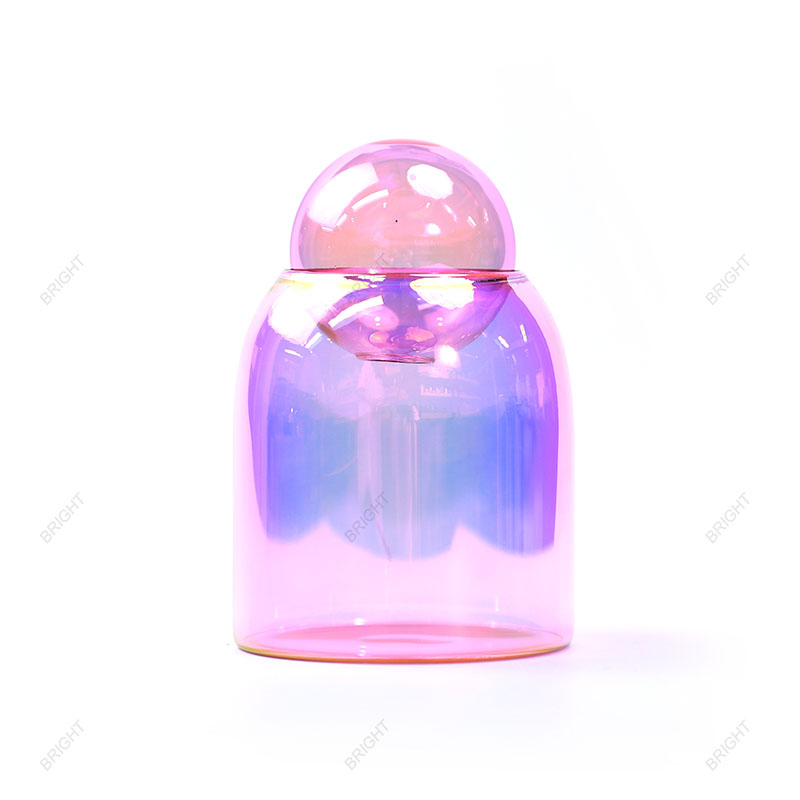
Start with the documented HC283 electroplated glass candle jar. The sample shows a translucent pink borosilicate body, a reflective shoulder and a seated glass ball lid.

For a new order, mark where the decorative effect should start and end. Confirm the finish specification and the assembled sample before approving artwork or packing.

Explore the HC283 Electroplated Glass Candle Jar

The current HC283 sample is listed at a nominal 500 mL. Use the product reference to review the glass body, decorated shoulder and ball lid as one configuration.

Need Help Choosing the Right Option?

Send the model and an image or drawing that marks the treatment area. Include the finish and any clear or untreated areas you need.

Electroplated Candle Jars for Commercial Buyers & Brand Programs

Use the documented HC283 sample to define the appearance. Then record the finish, coverage and order configuration separately.

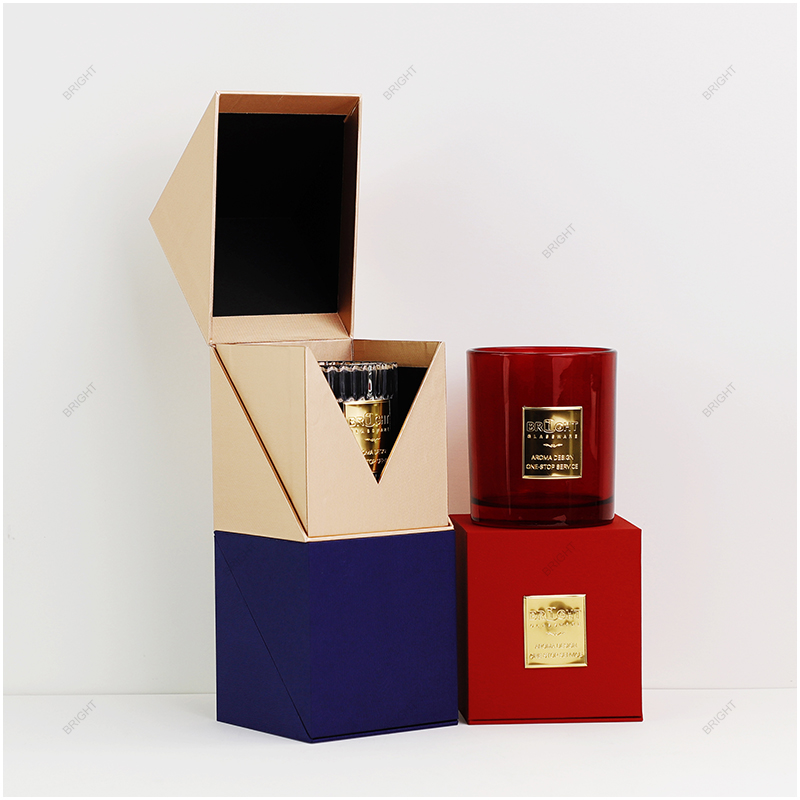
Reflective red glass candle jar with a flat gold-toned cover.

Identify the Documented Finish

The HC283 sample is documented as electroplated. Its pink glass and reflective shoulder show the appearance. Confirm the specified treatment for the configuration you will order.

Review the Specification →

Separate finish example. Confirm the treatment zones and cover on your selected sample.

Hand holding a clear glass candle jar with reflective oval decoration.

Review the Transition on the Actual Glass

Look at the shoulder and pink body together. A marked sample or drawing can show where the effect should end and where the body should remain visible.

Review the Specification →

Separate artwork reference. Proof the chosen mark on the actual finished vessel.

Three pink iridescent jars from above with seated glass balls and one separate ball beside the open jar.

Check the Ball Lid and Jar Together

Check the shape with the ball seated and removed. Confirm how it fits and the assembled height before designing an insert.

Review the Specification →
Mark the surfaces on the finish drawing

Show the intended treatment, its boundary and any parts of the jar or lid that should stay clear.

Mark the Treatment Boundary

Specify full or partial coverage on the actual glass. Mark the rim, base and any areas that need to stay clear or receive a different finish.

Review the Specification →
Proof artwork under the intended lighting

View the exact label from the front and at an angle to see whether the highlight crosses the mark.

Confirm Any Contact Areas

Identify whether the requested treatment is on an outer, inner or rim surface. If a treated area may contact wax or a lid, confirm the requirements for that area separately.

Review the Specification →
Keep the approved finish reference

Record the model, physical sample, finish revision and closure together for repeat orders.

Retain a Finish Reference for Reorders

Keep the finish reference, model and coverage drawing with the approved sample. Use the same lighting for the next order comparison.

Review the Specification →

Color, Logo and Coordinated Presentation

Choose the logo position before finalizing the finish coverage. Use an actual-size proof to check text where the surface catches light and where the pink body remains visible.

Pink iridescent glass candle jar with the spherical glass ball seated at the opening.

Turn the Decorative Concept into a Purchasing Specification

Record the exact glass and ball-lid configuration, the proposed treatment and its boundaries. Include any requirements for the rim or interior so they can be evaluated on the selected sample.

The owner chart lists the HC283-500ml jar and its glass ball separately. Measure the seated assembly and confirm working fill and headspace on the intended candle sample.

  • Vessel configuration: Record the exact HC283 model, ball reference and measured assembled height.
  • Finish reference: Record treatment location, coverage, visual finish and the approved sample.
  • Candle fill: Confirm working fill and headspace, with finished-candle evaluation handled separately.
  • Branding and pack: Record the proof, lid arrangement and protected contact areas in the insert.
01RequirementsUse, quantity and destination
02SelectionModel and components
03Sample ReviewFit, appearance and packing
04Order SpecificationApproved configuration
05Final ReviewOrder and packing reference

Specification Review & Approval Checklist

SpecificationWhat to ReviewApproval Reference
Vessel configurationCheck the HC283 body, seated ball and total height.Approved physical assembly
Finish referenceRecord the approved treatment, boundaries and areas that need to stay clear.Finish sample and coverage drawing
Candle fillCheck working fill and any separate candle evaluation requirements.Filled prototype and test plan
Branding and packReview the logo, ball restraint and contacts around the finished glass.Artwork proof and approved packing

Plan Your Electroplated Candle Jars Project

For a wholesale quote, send the model, quantity, finish target and coverage drawing. Include the artwork, closure and retail or export packing you want quoted.

Request a Project Quote →

Protect the Decorated Surface and Glass Ball

Protect the reflective shoulder and check how the ball is held. Review the completed pack with the exact glass configuration.

Clear glass cups separated by cardboard cells inside an open carton.

Keep Glass Components Apart

Check whether the ball travels fitted or separately. Keep it from contacting the jar and neighboring glass during handling.

Divider example. Verify separation of the jar and glass ball on the packed sample.

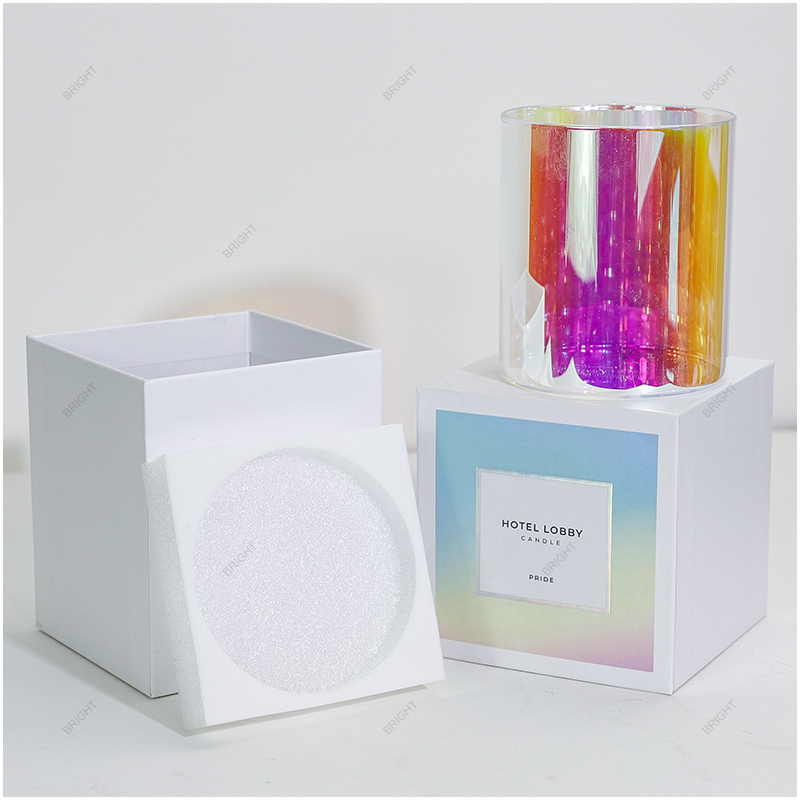
Iridescent glass candle jar beside white boxes and a separate circular insert.

Check Contact with the Finish

Check the wrap or insert around the reflective shoulder, rim and lower body. Inspect the sample for visible contact marks after handling.

Separate insert reference. Check where your own insert touches the selected finish.

Open beige gift box holding a clear ribbed glass jar beside a red glass jar.

Confirm the Retail and Export Pack

Measure the glass with the ball seated. Review the space above the closure and any separate restraint before confirming the retail or export pack.

Retail-box example. Review the assembled vessel and glass ball before approving your packaging.

Brown glass jar cartons secured with clear wrap and yellow straps.

Delivery and Order Brief

Send quantities by finish and configuration, the intended packaging and the receiving destination.

Consolidated carton reference. Confirm outer pack requirements and destination for your order.

Plan Your Packing & Delivery

Share your order quantity, destination and retail or export packing requirements.

Discuss Packing & Shipping →

Approve Appearance and Candle Performance Separately

Confirm the actual treatment and its location on the selected glass. If the interior or rim is part of the request, identify it explicitly and review the intended contact requirements.

Use the selected glass and formulation for any finished-candle checks. Approve the decoration against a physical reference before using it for an order.

Presentation-Led Candle Projects

Choose how the reflective area, underlying glass and closure should appear when the package opens.

Overhead view of three pink glass jars and both seated and detached glass balls.

A Glass Ball in a Gift Pack

Use the seated HC283 reference to plan the opening view. Confirm how the insert supports the vessel and keeps the ball clear of the box.

HC283 chart showing open and closed pink glass jars, 89 by 102 mm and a 60 mm glass ball.

A Reflective Shoulder With Visible Pink Glass

Use the actual shoulder and body as references when marking the desired treatment. Check the logo over both the bright and quieter areas.

Pink glass jar with a blue-violet shoulder reflection below the spherical glass ball.

A Repeatable Decorative Finish

Keep the approved finish sample and marked treatment area with the order. Specify any different treatment or shade as a separate version.

Define the Order Before Confirming Terms

Confirm terms for the actual glass, treatment and component combination. Note whether you need a finish sample, printed proof, selected closure or retail pack.

ModelSelected vessel or component
SampleComplete assembly to review
ArtworkFile, colour and position
PackingRetail and outer-carton scope

Sourcing & Specification Review for Electroplated Candle Jars

Bright Glassware can review the documented glass sample and discuss the requested treatment, artwork and packaging on the selected model.

01

Start With the Documented HC283 Finish

Compare the pink glass and reflective shoulder on the exact 500 mL reference.

02

Confirm the Requested Treatment

Describe the intended effect and ask which treatment can be sampled on the chosen glass.

03

Agree Where the Effect Should End

Mark where the decoration should start and end. Specify the rim, base and interior separately if they need review.

04

Proof the Mark on the Chosen Surface

Check the actual logo under representative light and confirm the decoration option for the selected finish.

05

Coordinate the Ball and Pack

Fit the glass ball to the actual opening and check the box clearance and contact points.

06

Keep the Finish Specification for Reorders

Keep the approved glass, coverage, artwork and pack records together for the next run.

Questions About Electroplated Candle Jars

Is every metallic-colored jar electroplated?

Metallic describes a visible effect. Ask which treatment is specified for the chosen model if the process matters to the order.

Can only part of the jar have the reflective finish?

Mark the area on the actual jar. Confirm the edge and the feasibility of that coverage with a sample.

Can the jar and lid have a coordinated finish?

Review the actual jar and lid together. The HC283 reference uses a glass ball. Confirm any requested finish separately for each part.

Can I put a logo on the plated area?

Use an actual-size proof to check readability and ask which decoration is compatible with the selected finish.

Does a reflective finish mean the inside is treated too?

The reflection alone cannot establish which side is treated. Specify the inner or outer surface and confirm the intended contact requirements for the selected treatment.

Still Have a Product Question?

Send your requirements or a reference so our team can review your project.

Ask Our Packaging Team →

Record the Finish and Coverage Separately

Pair a physical finish reference with a sketch that marks where the effect begins and ends. Review any area that contacts the lid or the candle separately.

Check the Complete Glass Assembly

Use the actual jar and ball to approve the shape, fitted height and handling before selecting the insert.

Proof the Mark on the Treated Glass

Check small lettering on the real jar in the light where it will be seen. Approve the artwork position with the selected finish.

Compare Later Runs With the Approved Reference

Keep the treatment specification, physical sample and agreed viewing conditions. Use the same reference to review later runs before they ship.

Request a Quote

Talk to Our Packaging Team

Share the model, capacity, color, closure, decoration, packaging and estimated quantity you need. We can review the options with you.

Category: Electroplated Candle Jars