Borosilicate Glass · Wholesale & Project Sourcing
Borosilicate Glass Drinkware Wholesale
Build a drinkware assortment around how customers drink at home, at work or at the table. Move from cups and tumblers to bottles and serving pieces, with the set contents clear from the start.
For category buyers and importers, the aim is a coherent range rather than a long list of similar glasses. Begin with the drinks, serving routines and retail formats your customers expect.
Explore Borosilicate Glass Drinkware
Use the product-family links to narrow the enquiry, then identify the pieces and quantities for your assortment. Different families should retain their own fit, component and care details.
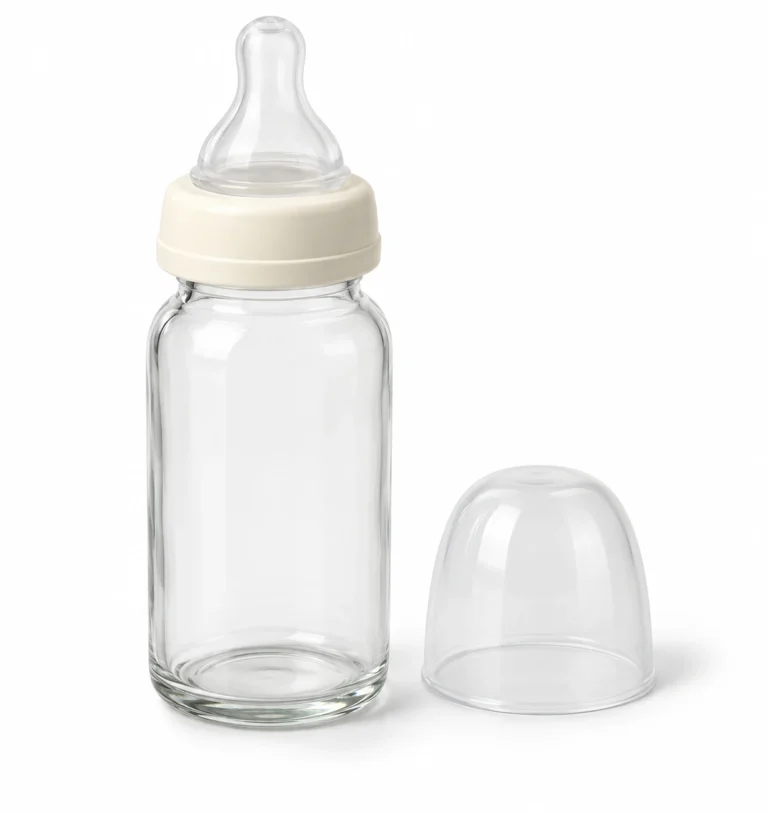
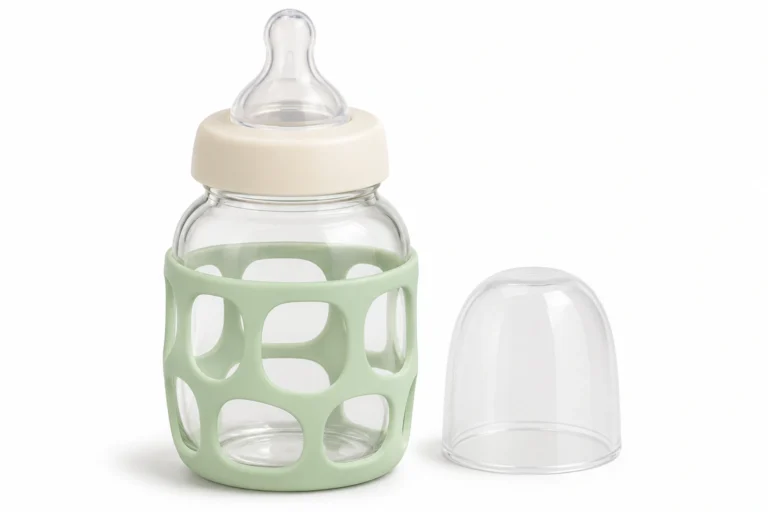
Narrow-Neck Borosilicate Baby Bottle Wholesale Reference
Read More »
Wide-Bore Amber Borosilicate Glass Straw Wholesale
Read More »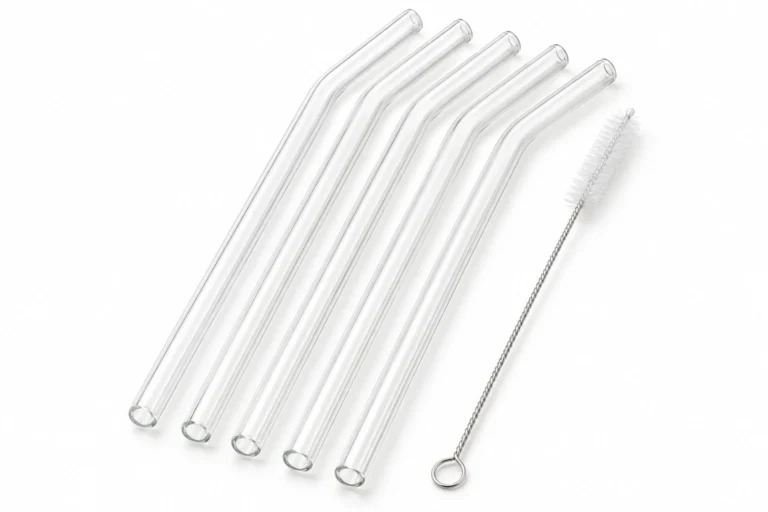
Bent Borosilicate Glass Straw Set in Bulk
Read More »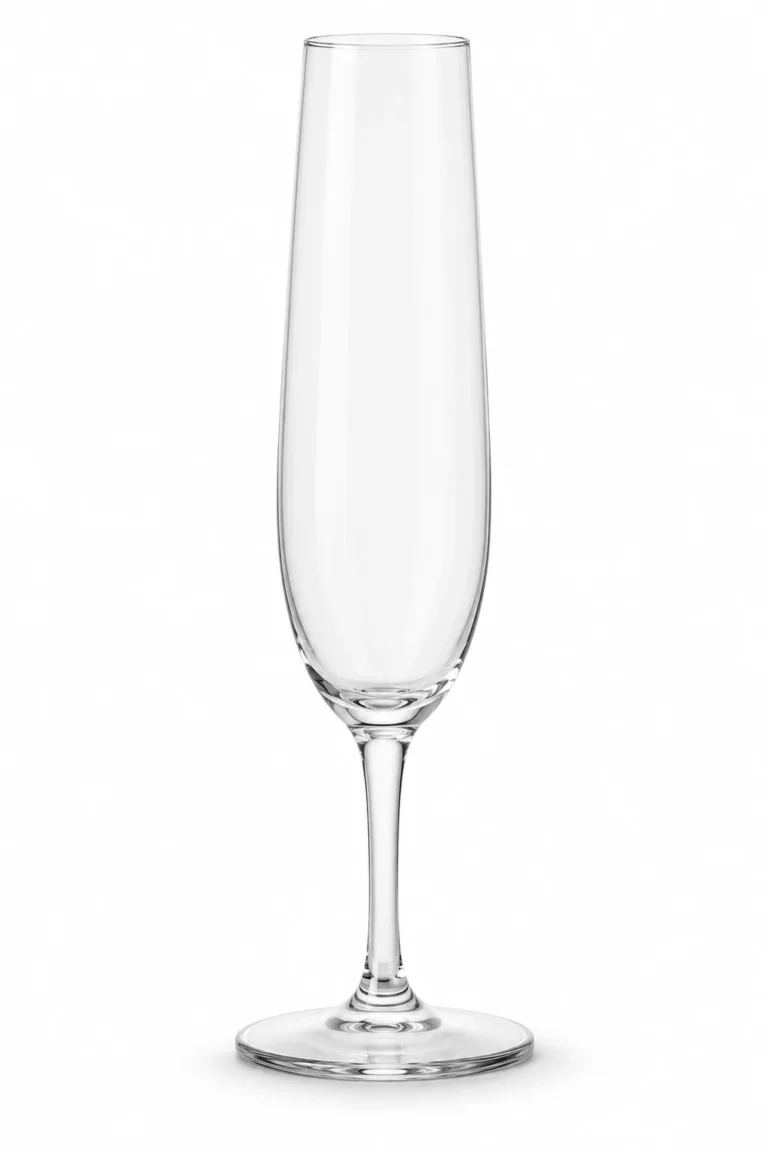
Borosilicate Glass Wine Flutes Wholesale
Read More »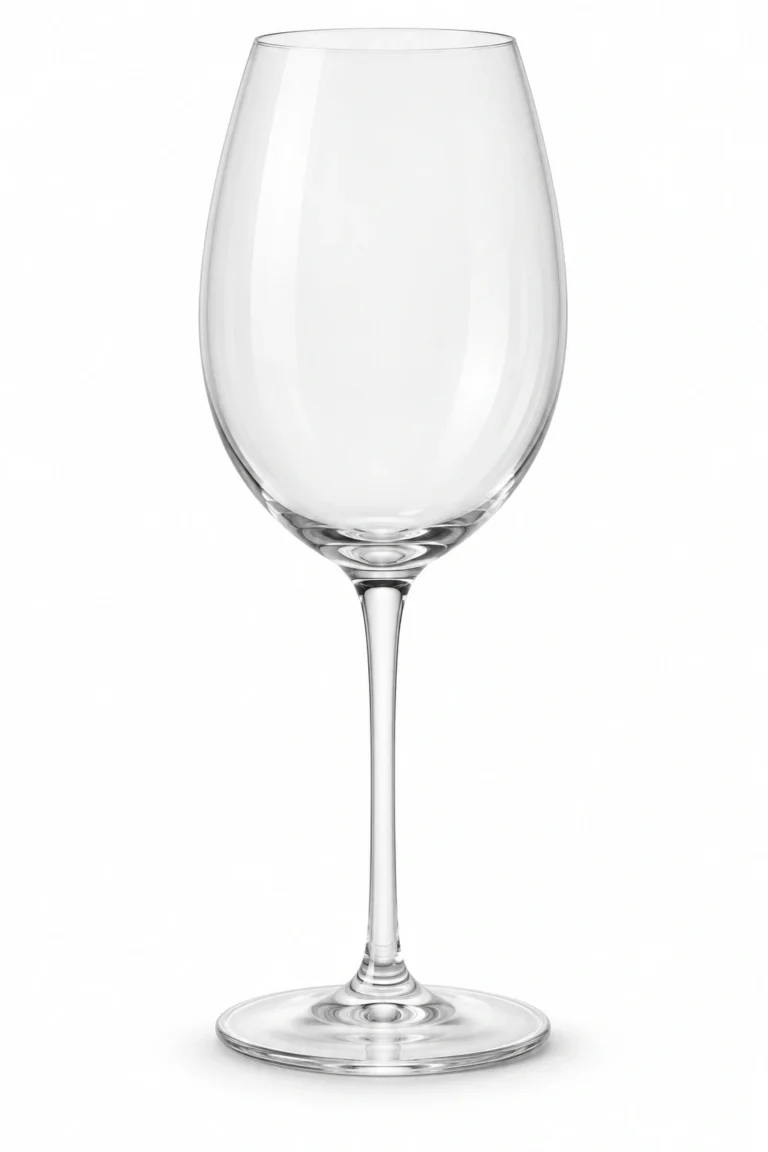
Stemmed Borosilicate Glass Wine Goblet Wholesale
Read More »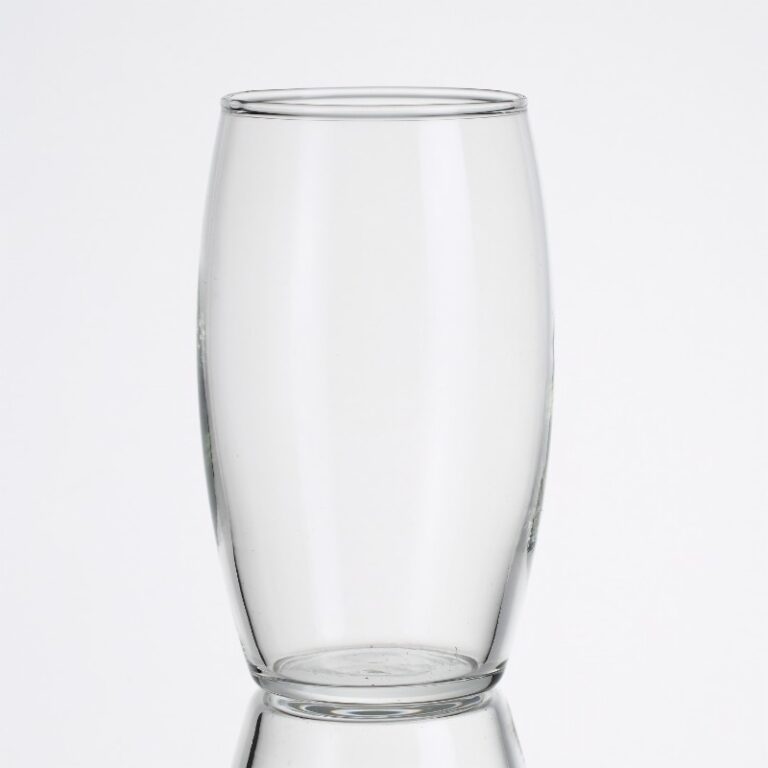
Tall Curved Borosilicate Glass Tumbler Wholesale
Read More »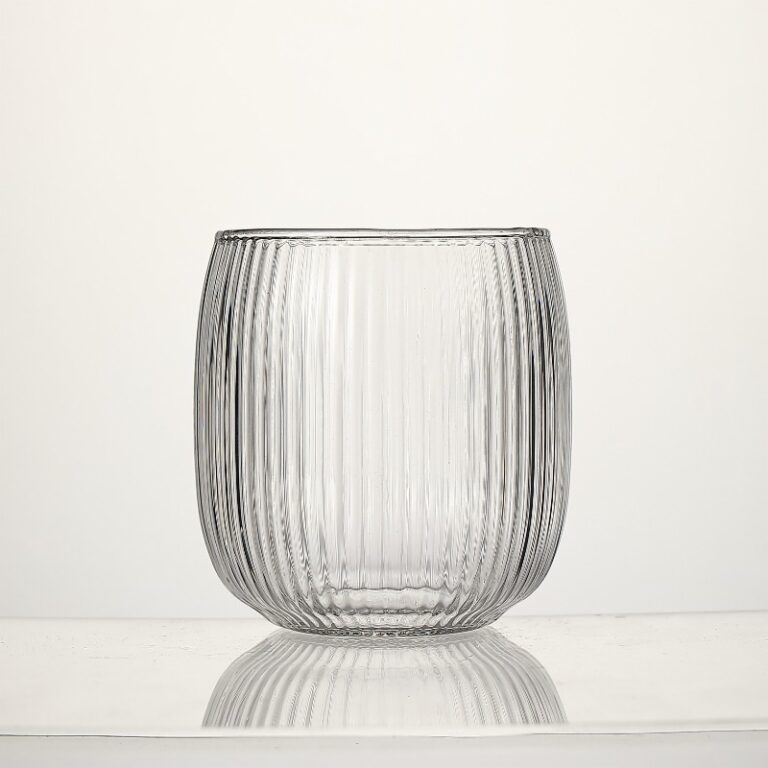
Low Ribbed Borosilicate Glass Tumbler Wholesale
Read More »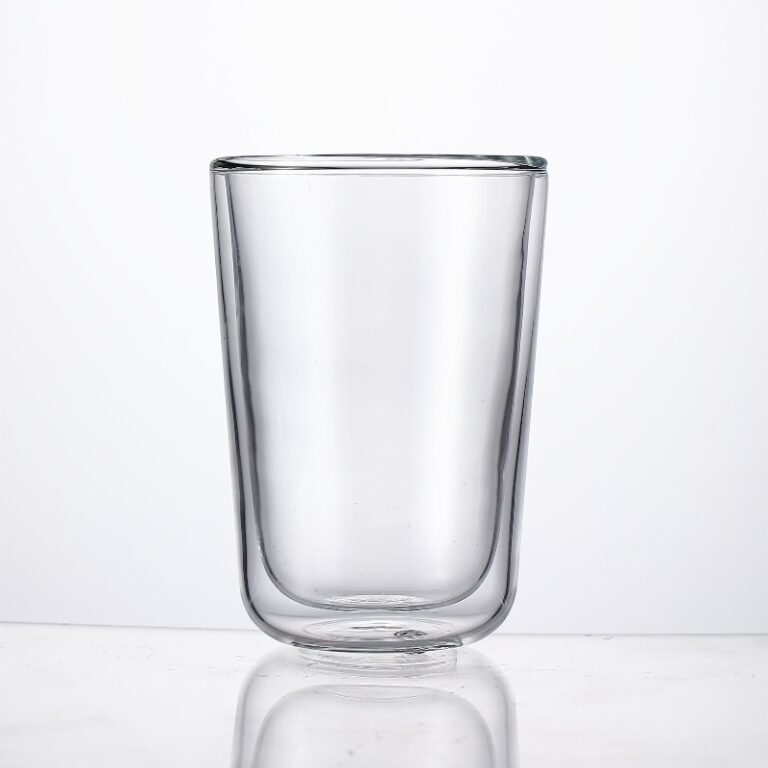
Tall Flared Double-Wall Borosilicate Glass Wholesale
Read More »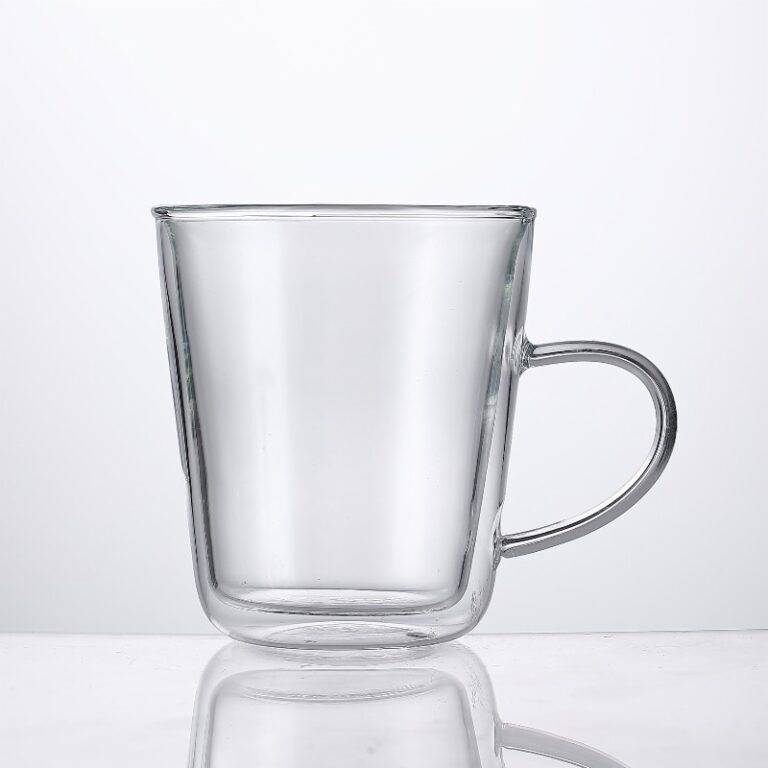
Handled Flared Double-Wall Borosilicate Cup Wholesale
Read More »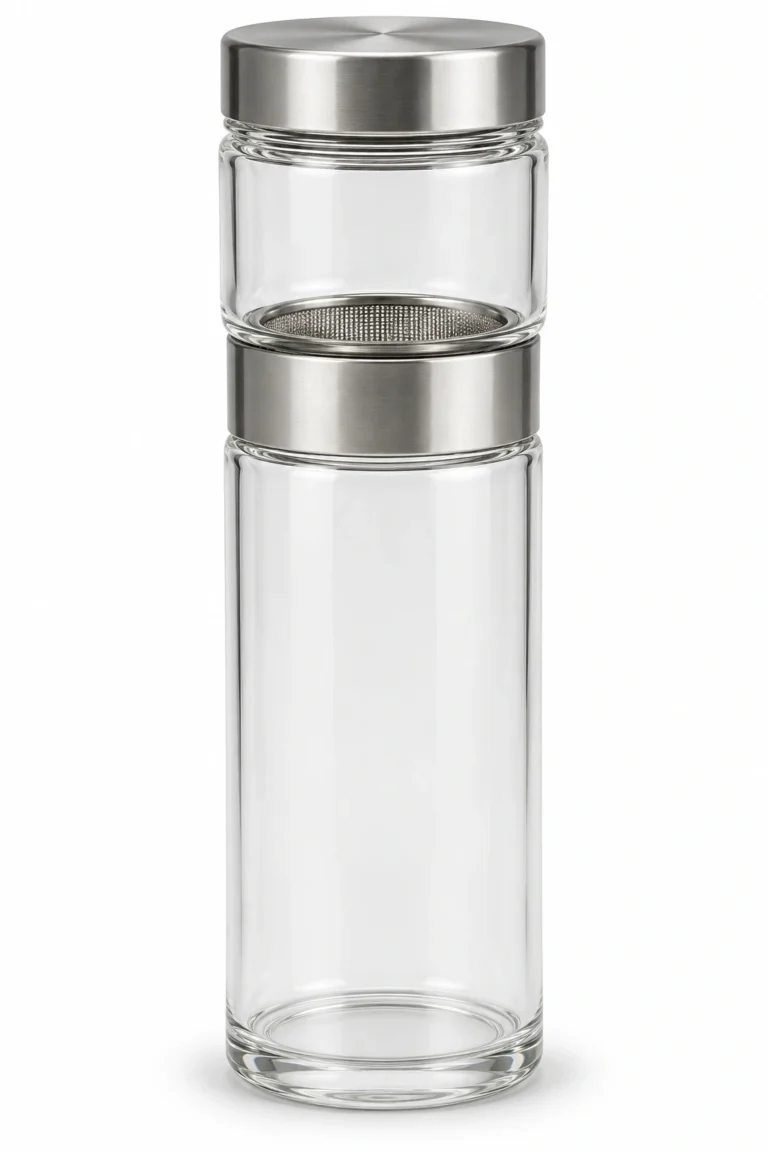
Two-Chamber Borosilicate Tea Infuser Bottle Wholesale
Read More »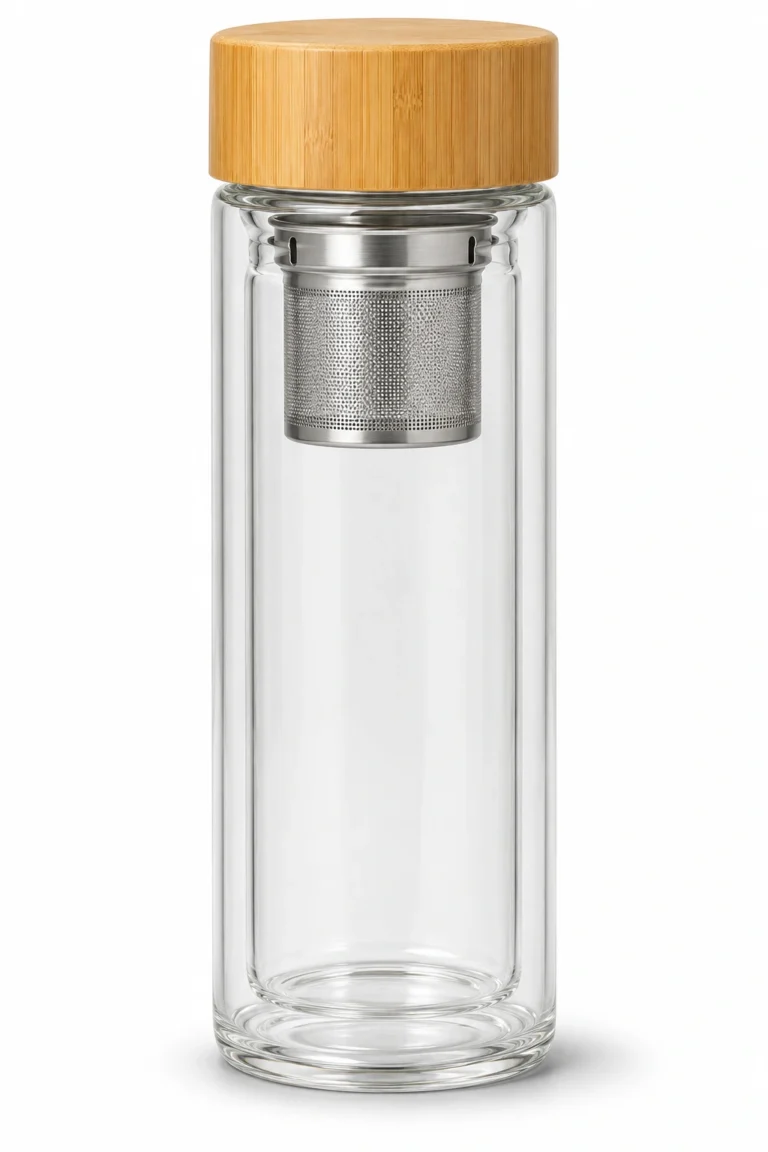
Double-Wall Borosilicate Tea Bottle Wholesale
Read More »Need Help Choosing the Right Option?
Share the drinkware families, serving sizes, reference images, set contents, artwork direction, quantities by item and destination.
Build the Range Around How People Drink
Serving at the table
Cups, tumblers and pitchers play different roles. Define the drink and serving routine before choosing a shared visual style.
Carrying a drink
A bottle brief includes its closure, assembled size and cleaning access. Do not treat a carried drink product as a table glass with an extra lid.
Selling as a set
A pair, mixed-size collection and complete gift pack need different contents and protection. Define the retail unit for each line.
A Drinkware Assortment with Clear Product Roles

Cups and mugs
Compare the rim, handle and serving volume with the intended drink. Keep saucers or other set pieces explicit rather than assuming they are included.
Review the Specification →Double-wall glasses
Review inner usable space alongside the outer form and construction. They deserve a separate comparison from single-wall cups, not just another finish choice.
Review the Specification →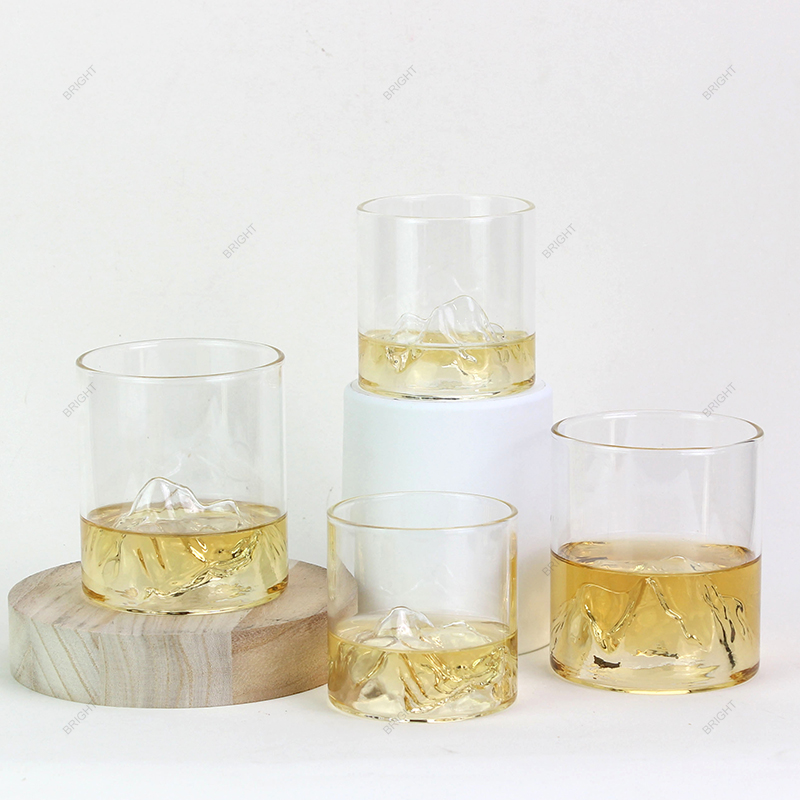
Tumblers
Consider grip, rim and table footprint. If lids or straws are requested, identify the complete set so accessory fit is part of the enquiry.
Review the Specification →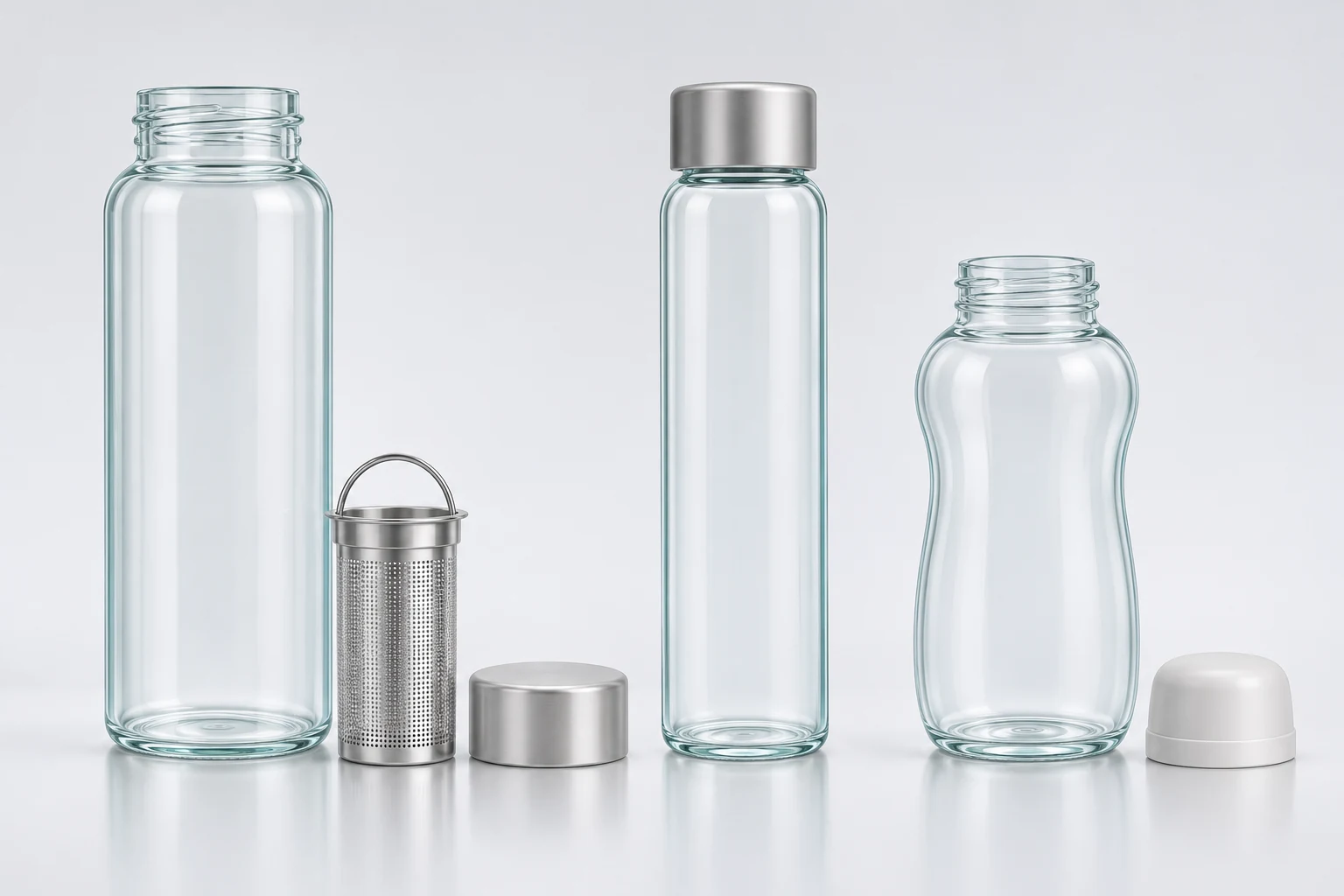
Water bottles
Define the carried product through its body, opening, cap and any sleeve. Material identity and use instructions need to follow the exact model.
Review the Specification →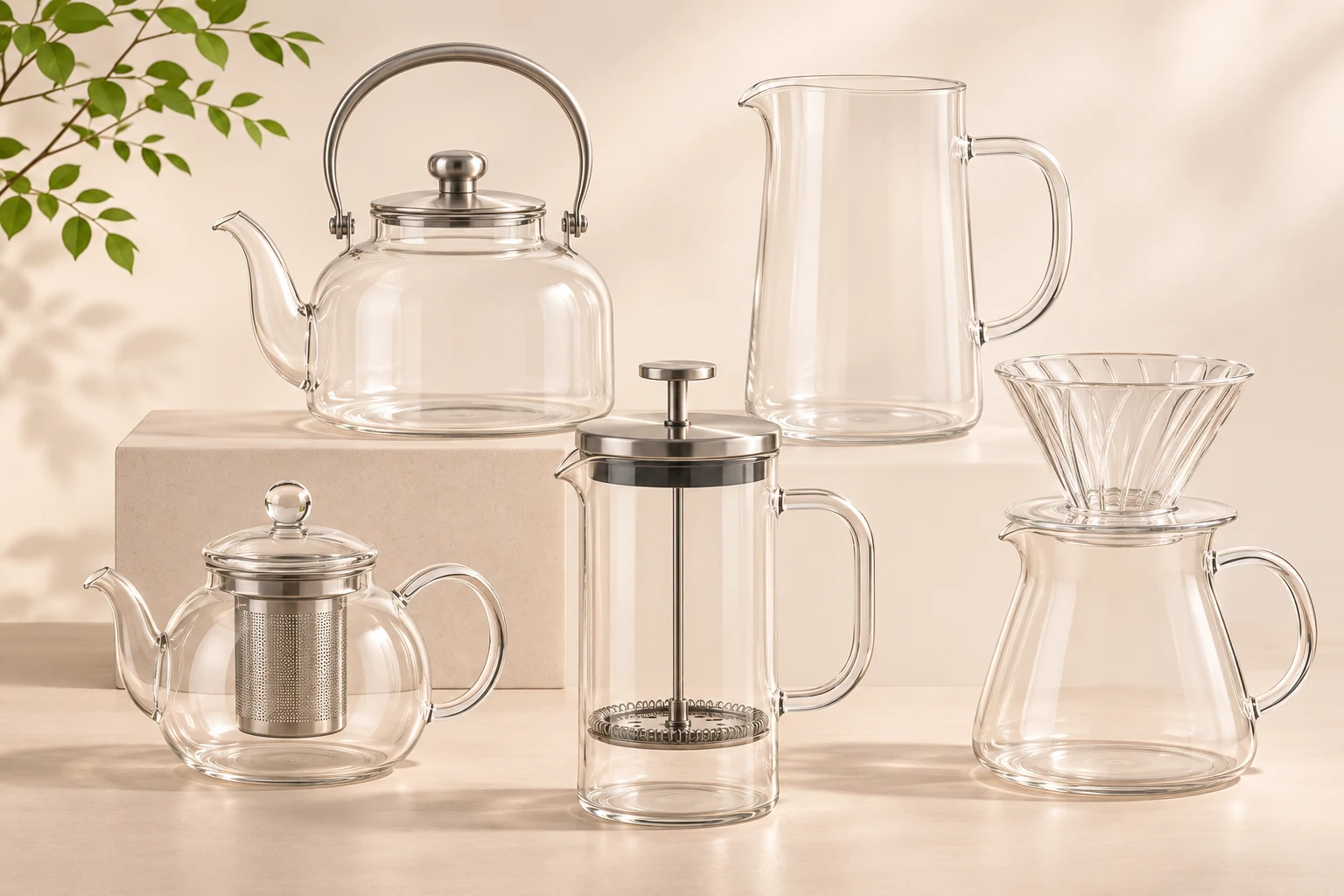
Tea and coffee pieces
Choose by brewing or serving method. A teapot, French press and pour-over brewer have different components and should not be described as interchangeable vessels.
Review the Specification →Pitchers and carafes
Compare assembled height, handle projection and pouring arrangement with the table or refrigerator brief. Capacity alone does not explain placement or handling.
Review the Specification →Keep the Scope of Each Piece Visible
A mixed drinkware order may contain glass-only items and complete assemblies. List lids, straws, sleeves, saucers and brewing components by product reference. This prevents a visually coordinated assortment from hiding important differences in what is supplied and how each piece is used.
Discuss Your Requirements →Explore Customization & Artwork Review →
Custom Drinkware Collections
Bring a shared visual direction and identify where each design can carry the artwork. The same logo may need different dimensions on a mug, bottle or curved tumbler. Review decoration and packaging by model while keeping the collection's colour and graphic references coordinated.
Sample Review & Production Planning
- Product role: Name the intended drink, serving method and product family so each line has a clear place in the range.
- Usable size: Keep capacity definitions and relevant dimensions specific to each family rather than relying on a single size label.
- Included parts: List every accessory or component supplied with the glass, including the configuration of retail sets.
- Visual direction: Provide colour and artwork references, with a model-specific position and size for each proposed application.
RequirementsUse, quantity and destination
SelectionBody, components and appearance
Sample ReviewFunction, handling and packing
Order DefinitionAgreed model and specification
Final ReviewIdentification and delivery scope
From Selection to an Agreed Specification
| Specification | What to Review | Buyer Approval / Output |
|---|---|---|
| Product role | Name the intended drink, serving method and product family so each line has a clear place in the range. | Assortment brief |
| Usable size | Keep capacity definitions and relevant dimensions specific to each family rather than relying on a single size label. | Model comparison |
| Included parts | List every accessory or component supplied with the glass, including the configuration of retail sets. | Contents list |
| Visual direction | Provide colour and artwork references, with a model-specific position and size for each proposed application. | Collection layout |
| Order breakdown | State quantities by item, finish and retail configuration so the quotation follows the actual assortment. | SKU schedule |
Plan Your Borosilicate Glass Drinkware Project
Share the drinkware families, serving sizes, reference images, set contents, artwork direction, quantities by item and destination.
Request a Project Quote →Packing & Delivery Planning for Borosilicate Glass Drinkware
A mixed drinkware range needs more than one generic insert. Cups, bottles, pitchers and accessories have different contact points, so packing should be reviewed by product and then by retail set.

Separate glass contact
Keep rims, bases and handles from striking neighbouring pieces, with protection suited to each model's shape.
Keep accessories matched
Identify lids, straws and other fittings with the correct glass rather than treating all small parts as interchangeable.
Define the retail unit
Record whether pieces travel singly, in pairs or in a coordinated assortment before deciding the box and insert.
Consolidate with clear labels
Use item and configuration references on the packing list so different families remain identifiable in a mixed bulk shipment.
Plan Your Packing & Delivery
Share your order quantity, destination and retail or export packing requirements.
Discuss Packing & Shipping →Use Claims Belong to the Selected Model
A broad drinkware category does not give every piece the same heating, cleaning or carrying permissions. Review material identity, construction and care information by model, including fitted parts. A bottle cap, a cup handle and a double-wall base create different product questions.
Borosilicate Glass Drinkware for Different Buying Programs
Retail drinkware collections
Organise the range by everyday product role and set format, then compare the shapes and graphics that make the assortment feel related.
Café and serving programmes
Start with the drink menu and serving volumes, identifying cups, water glasses and shared serving pieces as distinct lines.
Branded gift projects
Define the actual retail contents and artwork positions, with each piece and accessory considered in the protective presentation.
Define MOQ, Samples & Production Around the Brief
State quantities by item, finish and retail configuration so the quotation follows the actual assortment.
ModelNamed configuration and use
SampleAssembly to review
ArtworkFile, colour and position
PackingRetail and outer-carton scope
A Clearer Buying Brief for Borosilicate Glass Drinkware
Give each piece a role
Connect every proposed item to a drink or routine instead of filling the assortment with near-duplicate forms.
Keep size definitions clear
Compare usable capacity and relevant dimensions without treating every maker's cup count as the same unit.
Use family-specific reviews
A cup, bottle and brewer need different selection questions even when the glass appearance coordinates.
List all set contents
Identify accessories and paired pieces so the quotation describes the same unit the retailer will sell.
Scale artwork to the form
Review the logo on each model rather than forcing one flat layout across different walls and curves.
Order by configuration
Keep model, finish and retail unit together when stating quantities for a bulk quotation.
Questions About Borosilicate Glass Drinkware
What belongs in a mixed drinkware enquiry?
List the product families, intended uses, reference models, quantities and retail formats. Identify any lids, straws, sleeves or serving accessories, so each line is defined as glass only or as a complete set.
Should single-wall and double-wall cups be compared together?
They can belong to one assortment, but their capacity, outer dimensions and construction should be reviewed separately. A similar silhouette does not mean the same usable volume or care information.
Can one artwork size be used across the range?
The visual direction can be shared, but the usable decoration area differs by model. Review logo position and dimensions on each form, especially where handles, curves, lids or other fittings change the visible panel.
Do all drinkware products have the same heating instructions?
Use the relevant instructions for the selected model and its components. A general material category does not establish a shared microwave, oven or hot-drink use claim for every cup, bottle or brewing piece.
How should bulk quantities be listed?
Separate quantities by model, finish and retail configuration. State whether a line is a single piece, pair or complete set, and keep the accessory and packing scope visible so the quotation can be compared accurately.
Still Have a Product Question?
Send your requirements or a reference so our team can review your project.
Ask Our Packaging Team →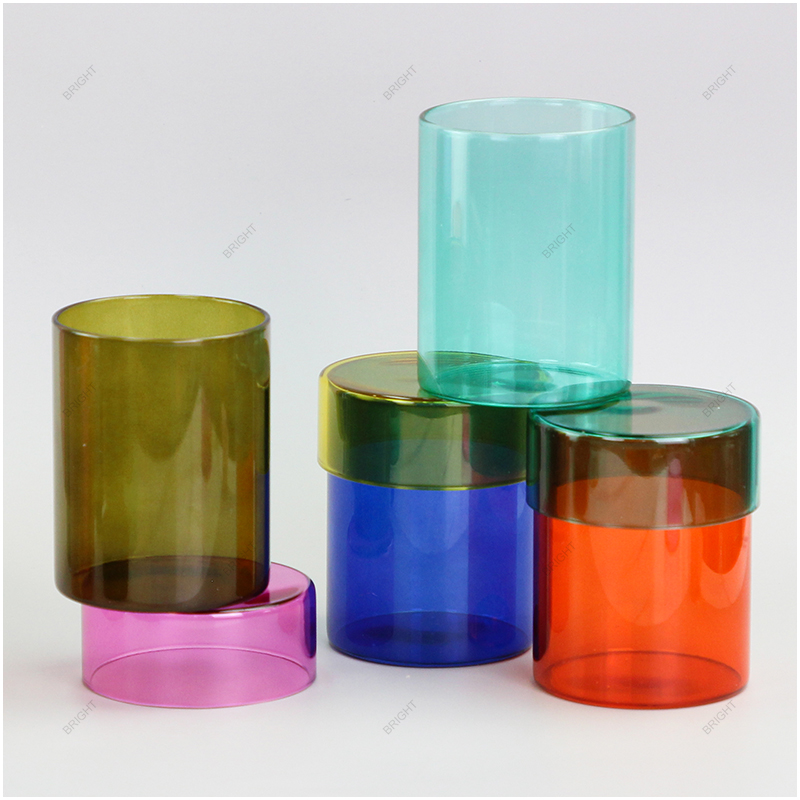
A coherent range is not a uniform range
Different pieces can share colour and graphic cues while serving different purposes. Let the product role determine the dimensions and components, then use the visual direction to bring the collection together.
Start with the Relevant Drinkware Family
For a mug or a bottle, begin with the intended drink and handling routine. Keep brewing pieces and serving pieces as separate lines in the enquiry, with their own dimensions and included parts.
Keep the assortment practical
A range plan becomes more useful when it includes the retail unit and accessories. This reveals whether the buyer is comparing individual glasses, complete drinking sets or gift presentations with very different packing needs.
Retain the model-level record
Once a mixed assortment is agreed, keep the material, dimensions, components and instructions attached to each line. That record makes later extensions easier to compare without assuming that every family shares the same product properties.
Browse Borosilicate Glass Product Categories
Drinkware & Tea
Borosilicate Glass Drinkware →Borosilicate Glass Water Bottles →Borosilicate Glass Tea Infuser Bottles →Borosilicate Glass Cups & Mugs →Double-Wall Borosilicate Glasses →Borosilicate Glass Tumblers →Borosilicate Glass Wine Glasses →Borosilicate Glass Straws →Borosilicate Glass Baby Bottles →Borosilicate Glass Teapots →Borosilicate Glass Tea Kettles →Borosilicate Glass Electric Kettles →Borosilicate Glass Pitchers & Carafes →Borosilicate Glass French Presses →Borosilicate Glass Coffee Makers →Borosilicate Glass Tea Infusers →

Storage & Kitchen
Borosilicate Glass Food Storage Containers →Borosilicate Glass Storage Jars →Borosilicate Glass Cookware & Kitchenware →Borosilicate Glass Cooking Pots & Pans →Borosilicate Glass Bakeware →Borosilicate Glass Bowls →Borosilicate Glass Measuring Cups →Borosilicate Glass Plates & Tableware →Borosilicate Glass Oil Dispensers →Borosilicate Glass Food Covers →Borosilicate Glass Popcorn Makers →Borosilicate Appliance Glass →Borosilicate Glass Air Fryer Dishes →

Bottles, Home & Custom Projects
Request a Quote
Talk to Our Packaging Team
Share the model, capacity, color, closure, decoration, packaging and estimated quantity you need. We can review the options with you.
Category: Borosilicate Glass Drinkware