
Can customers recycle the glass jars your candles come in? The answer depends on whether the local program accepts the finished candle jar and how it asks customers to prepare it.
Some recycling programs accept glass candle jars. Others exclude them even when empty. If your program accepts them, check whether to use your curbside bin or a drop-off point. Then follow its instructions for wax, lids and other parts.
For a brand selling in several markets, write disposal instructions for the actual jar, finish and lid in each market.
Can You Put an Empty Glass Candle Jar in Your Recycling Bin?
Before cleaning the jar, look for “candle jars” or “candle glass” in the local guide. Items a program cannot handle can add sorting and processing costs1.
Check the item and the collection method together. A program that collects food and beverage glass may list candle jars separately.
Dive Deeper
Search the collection provider’s item guide, and ask the provider about the finished jar if the entry is unclear.
When a client asks me if their glass candle jars are recyclable, the first question I ask is, "Where are you selling them?" The answer can be completely different from one city to the next, let alone from one country to another.
- Local acceptance: Onkaparinga’s candle guide accepts empty glass jars the candle was made in via the yellow recycling bin.
- Local exclusion: Portsmouth’s glass bank guidance lists glass candle jars among the items those drop-off banks do not accept.
Check the markets where the actual product is sold before approving disposal instructions.
How Do Soda-Lime and Borosilicate Glass Affect Recycling?
Ask your supplier to identify the glass for the specific jar. Color, clarity and wall thickness are appearance or design features that can be shared across different glass types.
Glass bottles and jars can be recycled into new products2 in programs that collect them. Some bottle-and-jar programs specifically exclude borosilicate glass3 because it behaves differently during remelting.

Dive Deeper
Confirm the glass type on the jar specification, then ask whether the program takes that finished vessel. Our borosilicate glass jar guide explains the material and the available wall constructions.
Soda-Lime Glass in Bottle and Jar Recycling
The European Container Glass Federation identifies soda-lime-silicate glass in container glass production4. Recovered packaging glass can be crushed into cullet for remelting where it is accepted. The EPA describes energy savings from recycling glass5 as a general manufacturing benefit.
Borosilicate Glass and Local Collection
Some processors exclude heat-resistant formulations from their bottle-and-jar stream. North London is one example. Check whether your provider accepts the specific jar in any collection stream.
For a decorated or mixed-material item, give the collection provider the glass type and the finished construction.
What Should You Do with Leftover Wax and Wick Tabs?
Wax requirements depend on the receiving program. The Metro Nashville recycling guide6 calls for complete wax removal and cleaning in its glass candle holder entry.
Let the jar and wax cool completely, then follow the candle maker’s cleaning guidance and the local program’s instructions for preparing the item.
Dive Deeper
Check which pieces the program asks you to remove and how it handles them.
Leave a firmly attached wick tab in place and ask the collection provider what to do if its preparation instructions require removal. Keep wax out of the drain.
The City of Dubuque’s glass drop-off program allows leftover wax in candle jars taken to its purple glass drop-off containers. It directs residents to keep glass out of their curbside recycling bins.
How Do Coatings, Printing, and Labels Affect Recycling?
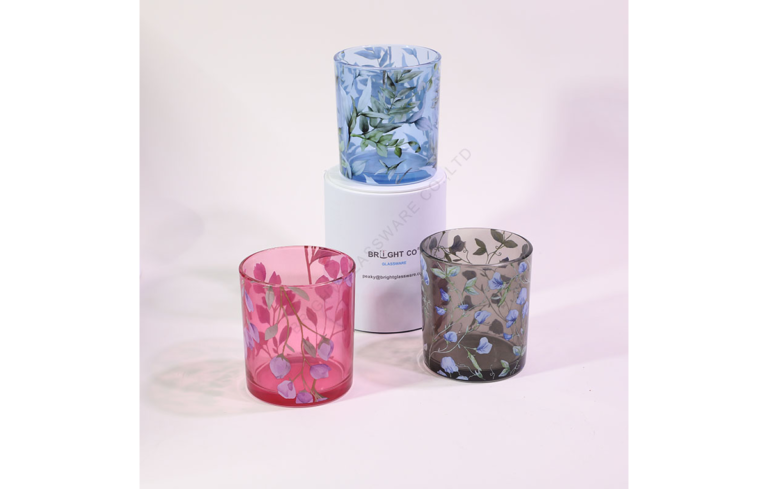
You've designed a stunning jar with a frosted finish, a screen-printed logo, and an elegant paper label. But how do these beautiful decorations impact the jar's recyclability? The answer lies in the material and coverage of the decoration.
Ask how the collection program handles the actual jar decoration. The Eaton County mobile recycling guide7 lists candle jars among accepted glass and says labels can stay on. Confirm the instructions for the provider that will receive your jar.

Dive Deeper
Compare both the glass color and surface finish when requesting feedback on a decorated sample.
Labels and Adhesives
Removable labels and large, non-removable sleeves can be handled differently. The Veolia glass packaging design guide8 compares labels by construction, removability and coverage. Ask whether the receiving program wants the actual label removed.
Screen Printing and Inks
Direct screen printing on glass can replace a separate label and adhesive. The ink remains part of the finished jar. Share the ink type and proposed coverage when checking acceptance.
Sprays, Coatings, and Metallic Finishes
The Veolia guidance on coatings and metallization9 distinguishes cosmetic treatments by opacity and coverage.
- Translucent coatings: Confirm the coating type and how much of the jar it covers.
- Opaque coatings: Show the processor a finished sample, particularly if most of the glass is covered.
- Metallic finishes: Identify the applied layer and its extent when checking acceptance.
Use the actual finished jar when asking the collection program about a new design.
Should You Remove the Lid and Seal Before Recycling?
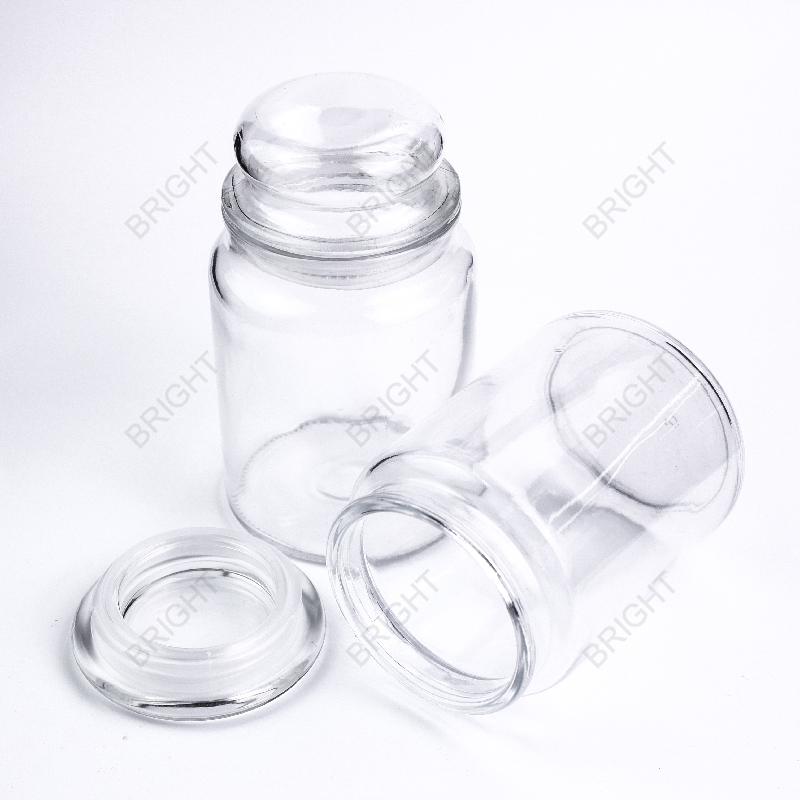
Check whether your local program asks you to leave a lid on an accepted jar, remove it, or take it separately.
Follow the rules for the jar first, then for each removable component. Check what the provider accepts and how to sort it.
Dive Deeper
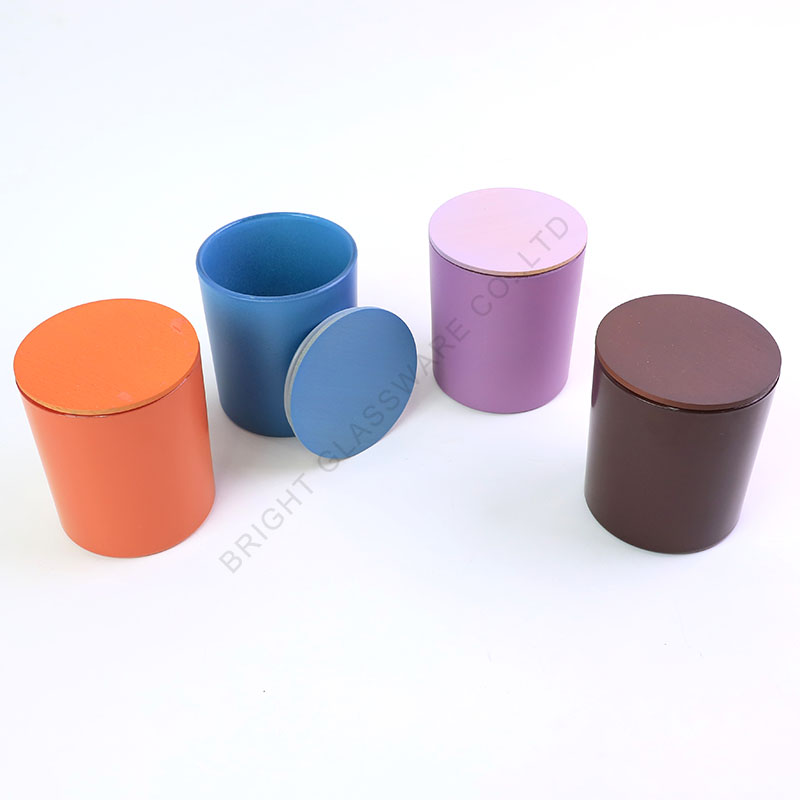
At sampling, try separating the parts of the jar-and-lid combination by hand. Then match each part to the destination’s instructions.
- Metal lids: Check whether the provider accepts the lid on an eligible jar or as a separate metal item.
- Wood and bamboo lids: Check the provider’s treatment of the actual finish and any attached seal.
- Plastic lids: Identify the material and check whether the program accepts closures of that size and type.
- Silicone seals: Follow the provider’s instructions for this component where it can be removed.
If disassembly is part of the disposal instructions, try it with the actual lid before approving the packaging.
What Can You Do with a Candle Jar Your Local Program Does Not Accept?
If curbside collection excludes the jar, check whether an appropriate drop-off or a brand take-back program is available.
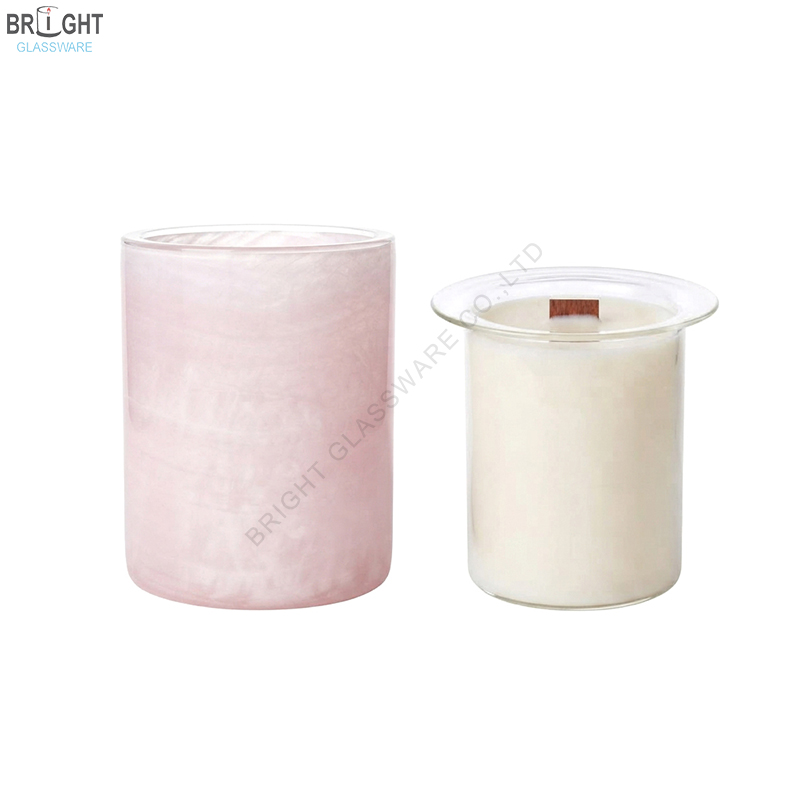
An intact, cleaned container can also be a candidate for non-food dry storage.
Dive Deeper
The U.S. EPA waste management hierarchy10 prioritizes source reduction and reuse. Choose a second use that fits the cleaned jar’s design and condition.
For example, consider:
- Office: Store pens, pencils or paper clips.
- Bathroom: Organize makeup brushes or hair ties.
- Drawer: Store buttons, clips or loose change.
If the jar is designed to burn a replacement candle, follow the maker’s directions for that matched system. Our candle container materials guide explains how to evaluate reuse and refills.
What Should Candle Brands Verify Before Printing Recycling Instructions?
Disposal instructions should tell the customer what to do with the actual product they bought.
Check collection access and each claimed component before printing. For U.S. marketing, the FTC Green Guides discuss when and how to qualify recyclability claims.
Dive Deeper
Use the following checks with the packaging supplier and collection program before approving the artwork.
- Confirm Your Materials: Verify the exact specifications with your supplier. Are you using standard soda-lime glass? What material is the lid? What type of ink or coating is being used?
- Record the decoration: Identify the ink, coating, label, adhesive and coverage on the production sample.
- Check key sales markets: Record the collection route, whether it accepts candle jars, and the required preparation.
- Try the instructions on a used sample: Check how consumers can clean the jar and separate the parts the program asks them to remove.
- Approve the wording for the specific market: Identify which components the instructions cover.
| What to verify | What the instructions should tell the buyer |
|---|---|
| The program accepts the finished candle jar | Name the accepted item and collection route. |
| Wax, lid and seal instructions | List which parts to remove and where they go. |
| A reuse or refill option is offered | Explain the supported second use or point to the compatible refill. |
Use the packaging label design guide to plan space for these instructions before finalizing the artwork.
Frequently Asked Questions
Can you put a candle jar with wax in the recycling?
Check the exact program. Some require complete wax removal. Others, such as Dubuque’s designated glass drop-off, accept candle jars with leftover wax.
Why Do Some Glass Recycling Programs Exclude Heat-Resistant Glass?
Borosilicate behaves differently when remelted with common bottle and jar glass. Some local programs therefore exclude it from their container-glass stream.
Is it better to reuse or recycle glass candle jars?
Choose a practical reuse for a cleaned, intact jar when it suits your needs. If you plan to recycle the jar, follow the collection rules for that exact item.
What happens if I put a non-recyclable candle jar in the bin?
An item outside the accepted list can interfere with sorting and processing11. Check the provider’s item guide for the appropriate route.
Conclusion
Check whether the local program accepts your exact glass candle jar, then follow its instructions for the finish, wax, lid and other parts.
If you are designing a candle line, contact Shenzhen Bright Glassware with the markets you sell in and the jar, lid and finish you are considering.
Waste Management presentation hosted by the U.S. EPA, The Changing Waste Stream. Background on contamination and processing costs. ↩
U.S. EPA, How Do I Recycle Common Recyclables? General guidance about container glass and checking local collection. ↩
North London Waste Authority, Borosilicate Glass. Explains its local exclusion from bottle and jar glass recycling. ↩
European Container Glass Federation, Industry Declaration. Describes soda-lime-silicate container glass. ↩
U.S. EPA WasteWise, Environmental Factoids. Discusses energy savings associated with recycling glass. ↩
Metro Nashville, How to Recycle Right. Specifies wax removal and cleaning for the glass candle holder entry. ↩
Eaton County Resource Recovery, Mobile Recycling Program. Lists accepted glass, including candle jars, and gives instructions for labels and wax residue. ↩
Veolia Circpack, Design for Recycling Guidelines for Glass. Compares label and sleeve compatibility for the assessed stream. ↩
Veolia Circpack, Design for Recycling Guidelines for Glass. Compares coatings and metallization by type and coverage. ↩
U.S. EPA, Waste Management Hierarchy. Prioritizes source reduction and reuse. ↩
U.S. EPA, Frequent Questions on Recycling. Discusses problems with items a program does not accept. ↩
Keep Reading