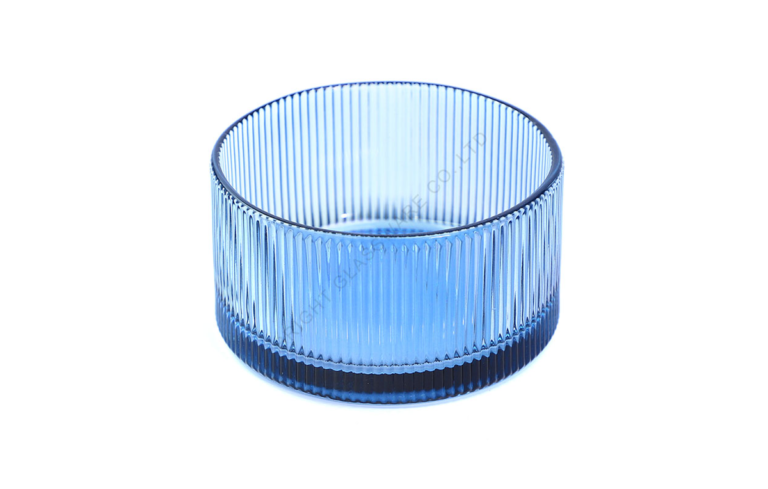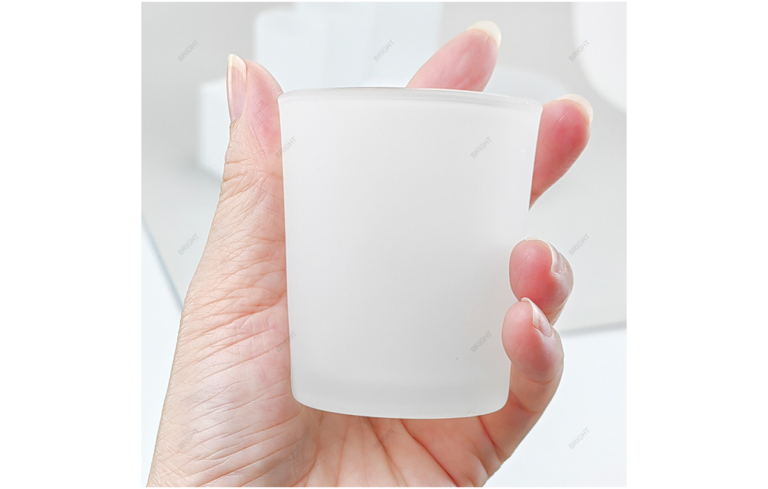

Finding the perfect container for your product is only half the battle; selecting the right lid to complete the package can be surprisingly complex. An ill-fitting or functionally inappropriate lid can compromise your product's quality, aesthetic, and customer experience. The key to success is understanding that a high-quality jar and lid combination is more than just a visual match—it’s a carefully engineered system.
To choose the right jar and lid combination, you must first define the lid's primary function: is it for dust protection, aesthetic appeal, or a functional seal? Next, verify critical dimensions beyond simple diameter, including jar mouth tolerances and the lid's internal structure. Finally, conduct physical tests with multiple samples of both the jar and the lid to confirm fit, feel, and interchangeability before committing to mass production.
This initial answer provides a solid framework. However, the nuances of material choices, manufacturing tolerances, and surface finishes are where costly mistakes are often made. Let's explore these critical details to ensure your final product is exactly as you envisioned.
What Is the First Step in Choosing a Jar and Lid Combination?
It is tempting to start with the lid's color, material and shape. First decide how the closed package will be used: display, dust protection, storage, or liquid transport. A candle dust cover and a liquid closure need different acceptance criteria. The primary function should be clear before selecting a lid.
The primary function of the lid dictates every subsequent decision, from material selection to the level of quality control required. What you expect the lid to do will determine the technical requirements for the ideal jar and lid combination.
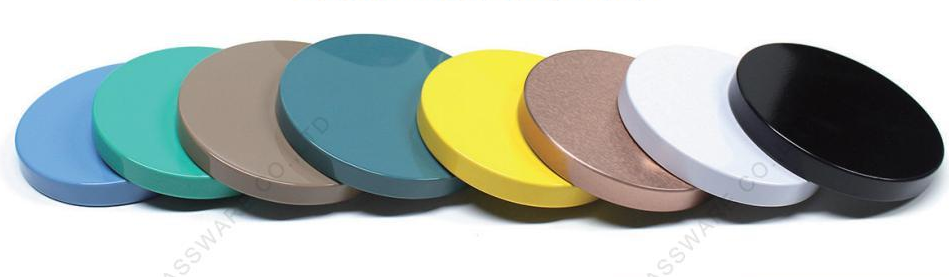
Dive Deeper: From Dust Cover to Hermetic Seal
The role of a lid can be broken down into a few common categories. Understanding where your product fits will help you communicate your needs clearly to your supplier.
Lids for Aesthetics and Dust Protection
For a candle project that calls for a dust cover, the lid's jobs can include:
- Protecting the wax surface from dust and debris between uses.
- Completing the retail appearance.
- Providing space for branding or product information.
For a dust-cover brief, agree a stable fit, seating position and opening feel. Define any scent-retention or sealing objective separately; a lid that sits neatly on the rim has not thereby demonstrated a hermetic seal.
Lids for Scent Lock and Moisture Protection
For liquid fragrance, bath salts or cosmetics, specify the intended outcomes before choosing the closure:
- A defined limit on product or fragrance loss during storage.
- Moisture protection appropriate to the contents.
- Leak performance under the agreed handling and transport conditions.
Here, review the closure mechanism and its mating surfaces, including any specified gasket, plug or liner. Some systems seal against the inside of the mouth; others use the rim or a different sealing face. Material compatibility and the complete assembled package matter. An ornamental outer cap may sit over a separate functional closure.
Comparing Lid Functions
When discussing your project, specifying the function helps your packaging partner recommend the right solution.
| Lid role | Approve | Use to assess |
|---|---|---|
| Dust cover | Fit, finish and stable seating | Display and wax protection |
| Loss control | Ring or liner and actual fill | Scent or moisture change |
| Liquid closure | Mating seal, lock and pack | Leaks in agreed use and transit |
How Do You Ensure a Perfect Fit for Your Jar and Lid Combination?
Matching numbers on a jar and lid listing do not establish that they fit. A nominal lid diameter and a jar's opening measurement may refer to different surfaces. Check the jar and lid dimensions and matching details for the selected combination before approving it.
Look beyond nominal diameter and confirm the actual mating dimensions and agreed tolerances. Then cross-fit multiple jars and lids to check the assembled result. A suitable sample needs to reflect the intended production configuration.
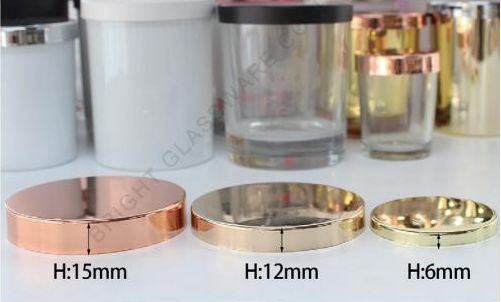
Dive Deeper: The Science of a Secure Fit
A stable, reliable fit is achieved when the design of the lid properly accounts for the potential variations in the jar.
Understanding Glass Jar Tolerances
Glass dimensions can vary within the agreed specification. Confirm:
- Mouth dimensions: The relevant inner and outer diameters and their tolerances for the selected container; do not use an assumed universal range.
- Roundness: Measurements in the agreed directions and at the relevant mating height.
- Rim and seating surfaces: Their condition and geometry, including whether they let the lid sit level.
Our fit review considers glass-mouth variation together with the lid and ring configuration. Ask which dimensions and measuring references apply to the specific design.
The Critical Role of the Lid’s Inner Structure
For push-in or over-rim lids, check the surfaces that locate the lid rather than relying only on its outer diameter.
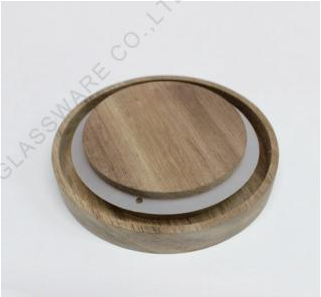
- Recess or groove: Check the mating diameter, depth and seating position where the design uses these features. Not every wooden or metal lid has the same structure.
- Ring-equipped lids: Confirm the ring's material, profile, size and position in the assembly. A snug fit is an observation to approve; sealing performance needs its own assessment.
The Cross-Testing Method: A Non-Negotiable Step
Before bulk production, we cross-fit multiple jars and multiple lids, checking tightness, seating height and interchangeability. For your project, agree:
- Which jars, lids, finishes and rings are represented in the samples.
- How the parts will be cross-fitted and which observations will be recorded.
- The sample quantity and acceptance criteria appropriate to the design and order.
Cross-fitting can reveal differences that a single matched pair misses. It does not establish that every item in every batch will fit. Use the sample findings alongside the agreed dimensional specification and production checks.
What Should You Consider for Different Lid Materials?
A wooden lid creates a warm, natural feel, but will it mold? A shiny metal lid looks luxurious, but will the finish tarnish or flake off? Each material brings its own set of properties, benefits, and potential risks that can impact your brand's reputation.
Evaluating materials for your jar and lid combination requires a balanced look at aesthetics, functionality, and long-term performance. What works for one product may be entirely unsuitable for another.
Dive Deeper: A Material-by-Material Breakdown
Let's examine the most common lid materials we work with and the key considerations for each.
Wooden and Bamboo Lids
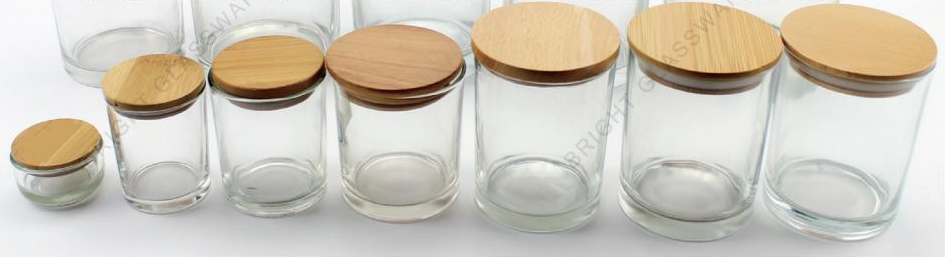
Wooden and bamboo lids offer a visible grain and a different visual direction from metal or glass. Compare them on the actual jar and then review the fit and handling requirements.
- Appearance: Agree the wood or bamboo specification, color, grain variation and surface finish against a sample.
- Surface protection and storage: We pay attention to protective sealing treatments. Ask what is used and how the parts should be packed and stored. A USDA Forest Service study of wood-based packaging1 provides background on mold-treatment evaluation in its own setting, not a qualification of these lids.
- Fit: Check the actual recess or groove and any ring used in the selected design. Confirm lateral movement and seating on the finished jar.
Metal Lids (Tinplate, Aluminum, Zinc Alloy)
Metal candle lids can provide a range of colors, textures and profiles. Specify both the base material and the surface finish; a gold-tone appearance does not identify an alloy or a plating system.
- Base material: Compare the proposed tinplate, aluminum, stainless-steel or zinc-alloy design against the intended shape, weight, finish and conditions of use. Do not assume identical corrosion or scratch behavior across these materials.
- Finishing and checks: Multi-layer plating, cross-hatch checks and alcohol/fragrance tests are part of our routine zinc-alloy lid work and are also defined by customer projects. Agree the actual finish, test conditions and acceptance criteria for the order.
For coating systems within its scope, ASTM D33592 rates adhesion by tape testing. A tape brand alone is not a complete method, and the method must suit the substrate and finish. Adhesion, corrosion, scratches and liquid-contact resistance are separate properties to assess.
ASTM D54023 concerns solvent-rub assessment of organic coatings. It is useful background for discussing a suitable method, rather than proof that every plated lid passes an alcohol or fragrance test. Specify the actual liquid, contact or rub procedure, exposure and result criteria. A result applies to those conditions.
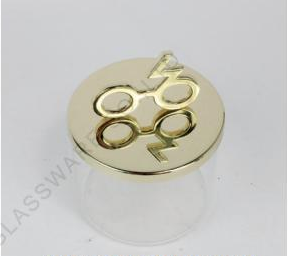
Glass and Ceramic Lids
Glass and ceramic closures can use different mating structures. For a ring-equipped design, review the lid, container and ring together.
- Fit: Confirm the ring's position, material and geometry on the selected parts. Other closure structures need their own specification.
- Opening feel: We check tightness and opening/closing feel during fit assessment. If numerical insertion or removal force is required, agree the method, instrument and acceptance limits for the project.
- Seal objective: A tight feel is not evidence of gas-tightness or leak resistance. Define a suitable test for the complete package and contents if that performance is required.
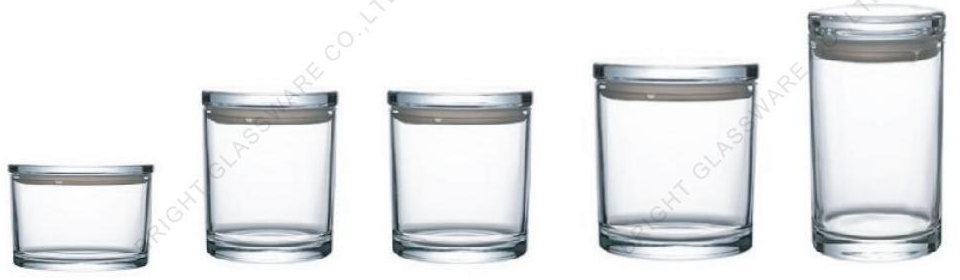
How Does the Production Process Affect the Final Jar and Lid Combination?
If a bare jar and a finished lid fit, repeat the check after the jar receives its intended decoration. Approval of an unfinished pair should not be treated as approval of the final package.
The final jar and lid combination should be evaluated with the selected surface decoration, lid finish and ring in place. Check whether the treatment reaches any mating surface and affects its dimensions or contact conditions.
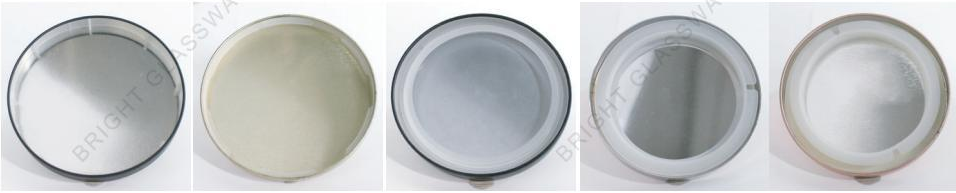
Dive Deeper: Integrating Production and Quality Control
A successful outcome depends on thinking about the entire manufacturing flow, not just the individual parts.
The Critical Sequence of Operations
Where a coating is applied to a mating surface, account for its effect on the finished dimensions. Confirm the actual decoration route and the surfaces involved.
- Gasket installation: For glass jars or glass lids that need color spraying or electroplating, we arrange silicone-ring installation after surface processing. This is a precaution against ring-related residues affecting the subsequent finish. Henkel's guidance on coating contamination4 explains a general residue-related coating concern; it is not a test report for a particular ring or plating line.
- Final sample approval: Review the jar with its final surface, the finished lid and the intended ring assembled together. Use this version for the fit and appearance approval.
The Power of the "Golden Sample"
Agree a physical reference sample5 and a written specification before bulk production. The reference should identify the approved jar, lid, decoration and ring version, so purchasing, production and inspection use the same configuration.
- Visual and fit reference: Record the accepted color, surface appearance, seating position and opening feel.
- Written criteria: Agree which dimensions and functional checks are measured and how they are judged; a sample alone cannot express every tolerance.
- Change control: Review a change to the ring, lid structure or finish and confirm whether renewed sampling or testing is needed.
Evaluating the Total Cost of a Jar and Lid Combination
When comparing quotes, it's a mistake to focus only on the unit price of the jar or the lid. A cheaper lid from one supplier might not have been tested with your specific jar from another supplier. This can lead to:
- Higher rejection rates during your filling process.
- Costs associated with sourcing new gaskets.
- Delays and rework.
Request a quotation for the complete configuration: jar, lid, ring, finish, assembly and protective packaging. Compare the available sample and inspection support as well as the component prices. Agree the matched sample and acceptance requirements before placing the bulk order.
Frequently Asked Questions
What is a reasonable tolerance for a glass jar mouth?
Use the tolerance specified for the selected jar and the relevant measuring reference. Nominal diameter alone is insufficient, and there is no single range to apply to every jar mouth. Confirm the mating dimensions, roundness and rim or seating requirements with the supplier, then review the actual jar-lid fit.
Can I use the same lid for a candle jar and a bath salt jar?
Possibly, if the combination meets each product's requirements. A candle project may require only a dust cover, while a bath-salt project may also specify moisture protection and compatibility with its contents. Define and assess those requirements before reusing the lid.
How do I test if a lid is airtight?
Start by defining the performance you need: resistance to liquid leakage, gas ingress or loss of volatile contents. Ask the testing provider to select a method suitable for the closure, contents and intended storage or transport conditions, with a stated detection limit and acceptance criteria. A quick bubble check or the feeling of opening the lid does not establish a certified airtight seal.
Why does my wooden lid get moldy?
Review moisture exposure, the lid's material and surface treatment, and the packing and storage conditions together. Inspect affected samples before assigning a cause. Ask the supplier which protective treatment and handling instructions apply to the particular wooden or bamboo lid.
Conclusion
Choosing the right jar and lid combination is a process of diligence that goes far beyond a simple aesthetic match. By defining the lid's function first, you set the stage for all technical requirements. Verifying critical dimensions, accounting for manufacturing tolerances, and performing rigorous physical cross-testing are non-negotiable steps to ensure a consistent fit. Furthermore, understanding the unique properties of each material and the impact of the production sequence will protect you from costly errors and delays. Ultimately, the most successful projects treat the jar and lid not as separate components, but as a single, integrated packaging system.
To discuss a jar and lid combination, share your project requirements, including the container or drawing, intended contents, lid function, finish, quantity and delivery plan. We can review the proposed matching and sampling route with you, including which fit and performance criteria need confirmation.
USDA Forest Service, Continued Evaluation of Mold Treatments for Wood-Based Packaging. Background on the study's packaging materials and conditions, not testing of the illustrated lids. ↩
ASTM D3359, Standard Test Methods for Rating Adhesion by Tape Test. Check the method's substrate and coating scope before applying it to a selected finish. ↩
ASTM D5402, Standard Practice for Assessing the Solvent Resistance of Organic Coatings Using Solvent Rubs. Test conditions must be selected for the actual coating system. ↩
Henkel / LOCTITE, Technical Bulletin: Sealant Paintability and Fisheye Phenomenon. General background on surface contamination and coating uniformity. ↩
Insight Quality, What Is a Golden Sample in Manufacturing? General background on using an approved reference sample. ↩
Keep Reading