
Borosilicate Glass · Wholesale & Project Sourcing
Borosilicate Glass Bakeware Wholesale
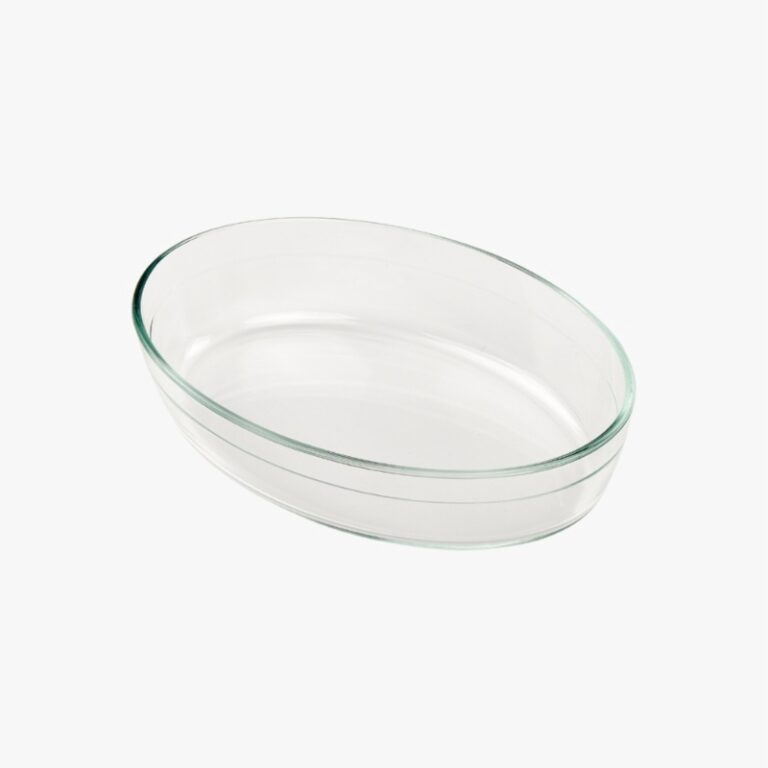
Bakeware buyers need dimensions that connect a dish to a recipe and an oven shelf. A broad capacity figure is useful, but it cannot replace internal length, usable depth and the overall span with handles.
This category helps kitchenware brands and distributors define a bulk glass bakeware enquiry. Build the range around the baking tasks it should serve, then review each proposed dish and its use guidance before preparing retail claims.
Explore Borosilicate Glass Bakeware
Share the intended dish shapes and dimensions for availability review. No oven-use limit or temperature claim should be assigned until the specific model and its instructions have been assessed for your programme.
Need Help Choosing the Right Option?
Send internal dish dimensions, useful depth, maximum oven-space envelope, shape preference, handle requirements, individual or set quantities and proposed retail contents.
Choose sizes that make sense in the kitchen
Recipe fit
Identify the type of preparation the dish is meant to hold. Internal proportions can matter more than a nominal volume when a recipe expects a particular shape.
Oven clearance
Measure the full dish including handles. Leave the buyer's equipment requirements explicit so a compact-looking body does not hide an excessive overall span.
Range structure
Decide which pieces sell individually and which form a set. Each size should have a clear purpose and an accurate description of what is included.
Comparing bakeware for a wholesale collection

Internal dimensions
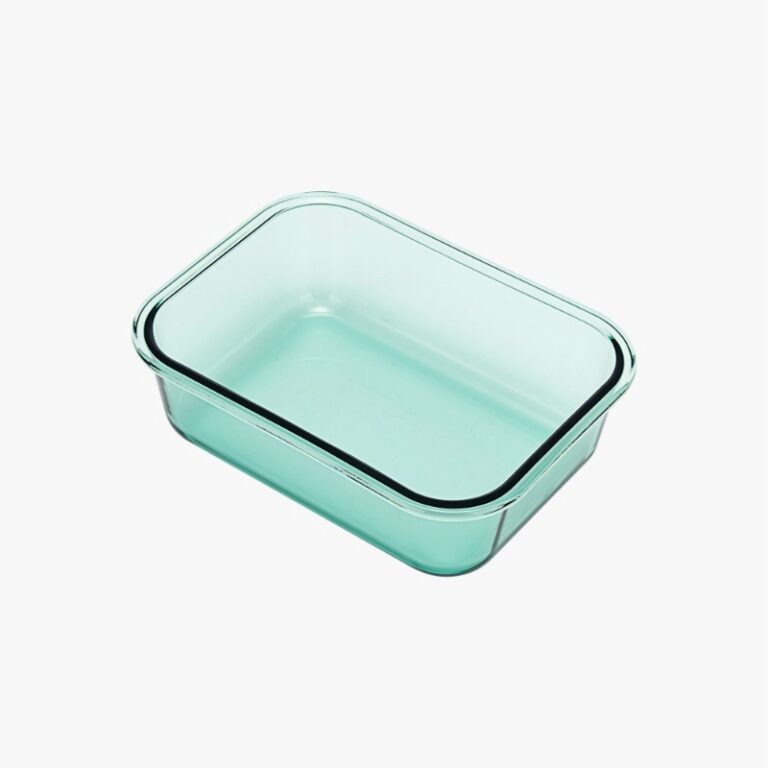
Record length, width and depth at clearly defined points. Sloping sides mean top dimensions and base dimensions may answer different questions for the intended preparation.
Review the Specification →
Useful capacity
Keep the practical fill reference distinct from brimful capacity. Retail wording should not encourage a fill level that has not been reviewed with the intended use.
Review the Specification →
Handles and removal
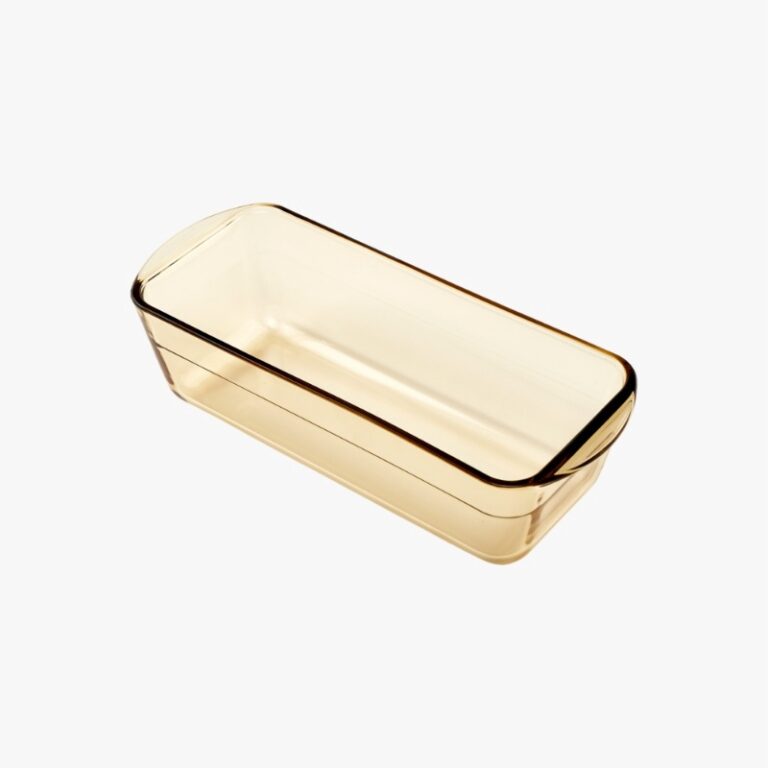
Assess the grip outline and the space required to position or remove the dish. Include handles in both equipment-fit and carton calculations.
Review the Specification →Nesting arrangements
If empty dishes are intended to nest, review the spacing and separation. A compact storage arrangement still needs to allow straightforward removal without glass contact.
Review the Specification →Lids and additional parts
A storage cover is not necessarily an oven lid. Identify each accessory and its role so a complete set does not inherit the body's use claims automatically.
Review the Specification →Care and transitions
Request instructions for the selected product, including how it should be handled between uses. Avoid broad thermal-shock or temperature language without model-specific support.
Review the Specification →Review bakeware with every included accessory
The glass body, fitted cover and any rack or carrier need a clear contents and use record. Approve the dish dimensions and accessory roles together so the customer is not left to infer whether all supplied parts belong in the oven.
Discuss Your Requirements →Explore Customization & Artwork Review →Custom bakeware range briefs
For a proposed new dish, include the recipe-oriented dimensions, equipment envelope and preferred grip shape. For branding, identify the artwork and retail set arrangement. Availability and feasibility should be reviewed before the design is presented as an existing production option.
Sample Review & Production Planning
- Internal size: Give base and opening dimensions where tapered sides affect the useful area.
- Working depth: Describe the intended contents level separately from brimful measurements.
- Overall span: Include handles and any fitted accessory in the dimensional envelope.
- Set components: Identify bodies, lids and carriers with their intended roles.
RequirementsUse, quantity and destination
SelectionBody, components and appearance
Sample ReviewFunction, handling and packing
Order DefinitionAgreed model and specification
Final ReviewIdentification and delivery scope
From Selection to an Agreed Specification
| Specification | What to Review | Buyer Approval / Output |
|---|---|---|
| Internal size | Give base and opening dimensions where tapered sides affect the useful area. | Dish drawing |
| Working depth | Describe the intended contents level separately from brimful measurements. | Fill reference |
| Overall span | Include handles and any fitted accessory in the dimensional envelope. | Equipment fit |
| Set components | Identify bodies, lids and carriers with their intended roles. | Contents schedule |
| Use documentation | Request model-specific oven and care guidance for buyer review. | Approved instructions |
Plan Your Borosilicate Glass Bakeware Project
Send internal dish dimensions, useful depth, maximum oven-space envelope, shape preference, handle requirements, individual or set quantities and proposed retail contents.
Request a Project Quote →Packing & Delivery Planning for Borosilicate Glass Bakeware
Bakeware sets can be heavy and awkward to remove if packed too tightly. Review separation, support and the opening sequence with the actual dish sizes.

Separate nesting dishes
Protect the spaces where one dish sits inside another and check that the pieces can be lifted apart.
Protect wide rims
Account for the entire rim and handles rather than placing protection only around the base.
Keep accessories distinct
Locate covers or carriers so they cannot move against glass during transport.
Confirm the set
Check the packed unit against the size schedule, including whether lids count as separate pieces in the retail description.
Plan Your Packing & Delivery
Share your order quantity, destination and retail or export packing requirements.
Discuss Packing & Shipping →Glass type does not replace bakeware instructions
The intended oven use, handling and cleaning guidance must come from the exact proposed product. Do not add numerical temperature limits, freezer-to-oven claims or direct-heat claims simply because the category uses the word borosilicate.
Borosilicate Glass Bakeware for Different Buying Programs
Kitchenware retail ranges
Select a practical sequence of dish sizes and shapes so buyers can connect each piece to an understandable preparation task.
Private-label bakeware sets
Coordinate the dimensional schedule, accessory roles and model-specific instructions before the set artwork is written.
Hospitality distributors
Supply equipment dimensions and the kitchen handling routine to focus model review on practical fit and use rather than a generic bakeware assortment.
Define MOQ, Samples & Production Around the Brief
Request model-specific oven and care guidance for buyer review.
ModelNamed configuration and use
SampleAssembly to review
ArtworkFile, colour and position
PackingRetail and outer-carton scope
A Clearer Buying Brief for Borosilicate Glass Bakeware
Define recipe-oriented sizes
Use internal proportions to explain the role of each proposed dish.
Check the complete span
Include every handle when reviewing oven and carton clearances.
Separate accessory roles
State which supplied parts are for cooking, covering or carrying.
Review nesting removal
Assess separation and access as well as compact storage appearance.
Keep claims model specific
Use supported oven and care guidance for the selected construction.
Align the retail count
Make each dish and cover identifiable in the set description.
Questions About Borosilicate Glass Bakeware
Does borosilicate bakeware have a universal temperature limit?
No single limit should be assigned from the material name alone. Request the use guidance for the exact proposed product and review it before placing numerical limits on a product page or retail pack.
Can the dishes go directly from freezer to oven?
Do not assume that transition is allowed. State the intended routine and request model-specific instructions. The category description does not establish performance under a particular temperature change.
Which size should I use to compare quotations?
Compare defined internal dimensions, useful depth and the complete external span. Add the capacity basis and set contents so each proposal describes the same functional size and supplied unit.
Can a set include storage lids?
List the requested lids and their intended use for review. Their role and permitted conditions must be clear; a lid that covers the dish for storage is not automatically an oven accessory.
Can the bakeware be packed as a nesting set?
Provide the desired set schedule and storage concept. The proposed arrangement needs review for separation, removal and protective packing, rather than assuming all shapes can nest safely.
Still Have a Product Question?
Send your requirements or a reference so our team can review your project.
Ask Our Packaging Team →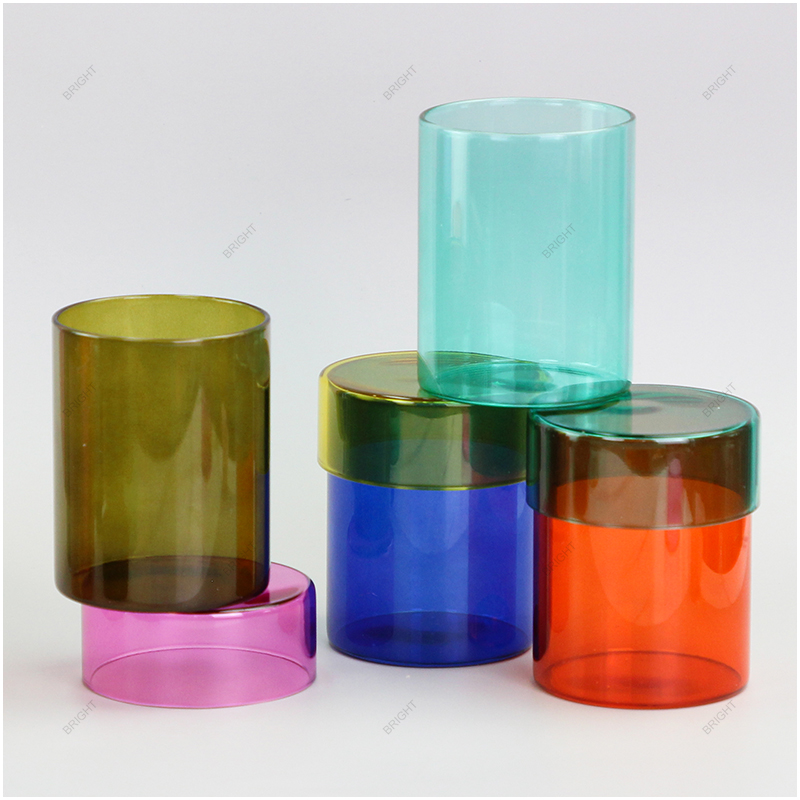
A recipe size is not just a litre figure
Two dishes with similar capacity can have very different base areas and depths. Record the proportions relevant to the intended preparation so the range remains understandable to the buyer.
Make accessory instructions visible
A cover may be included for storage while the body is intended for baking. Keep that distinction clear in the product description and pack so a complete set does not create a broader use expectation.
Evaluate storage and shipping separately
A nesting arrangement may look efficient on a shelf but need additional separation for transport. Review both situations, including how the customer removes the smallest piece after opening the carton.
Maintain one approved dimensional schedule
Use the same measurements in the quotation, product page and artwork. If a model changes, update the controlled schedule before preparing another retail run or promising a compatible replacement.
Browse Borosilicate Glass Product Categories

Drinkware & Tea
Borosilicate Glass Drinkware →Borosilicate Glass Water Bottles →Borosilicate Glass Tea Infuser Bottles →Borosilicate Glass Cups & Mugs →Double-Wall Borosilicate Glasses →Borosilicate Glass Tumblers →Borosilicate Glass Wine Glasses →Borosilicate Glass Straws →Borosilicate Glass Baby Bottles →Borosilicate Glass Teapots →Borosilicate Glass Tea Kettles →Borosilicate Glass Electric Kettles →Borosilicate Glass Pitchers & Carafes →Borosilicate Glass French Presses →Borosilicate Glass Coffee Makers →Borosilicate Glass Tea Infusers →
Storage & Kitchen
Borosilicate Glass Food Storage Containers →Borosilicate Glass Storage Jars →Borosilicate Glass Cookware & Kitchenware →Borosilicate Glass Cooking Pots & Pans →Borosilicate Glass Bakeware →Borosilicate Glass Bowls →Borosilicate Glass Measuring Cups →Borosilicate Glass Plates & Tableware →Borosilicate Glass Oil Dispensers →Borosilicate Glass Food Covers →Borosilicate Glass Popcorn Makers →Borosilicate Appliance Glass →Borosilicate Glass Air Fryer Dishes →

Bottles, Home & Custom Projects
Request a Quote
Talk to Our Packaging Team
Share the model, capacity, color, closure, decoration, packaging and estimated quantity you need. We can review the options with you.
Category: Borosilicate Glass Bakeware