Bright Glassware · Surface Finish · B2B Product Sourcing
Textured / Embossed Glass
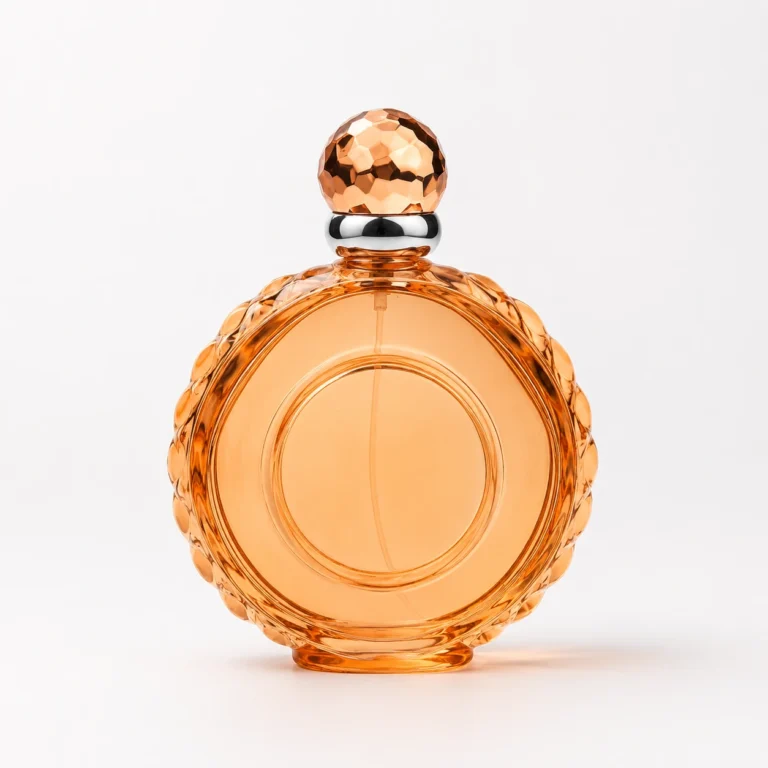
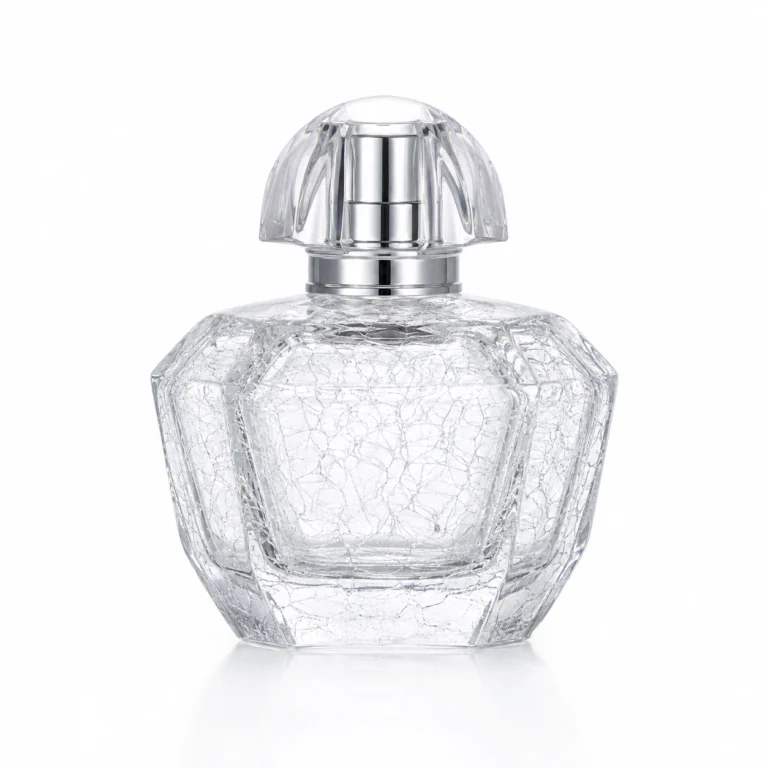
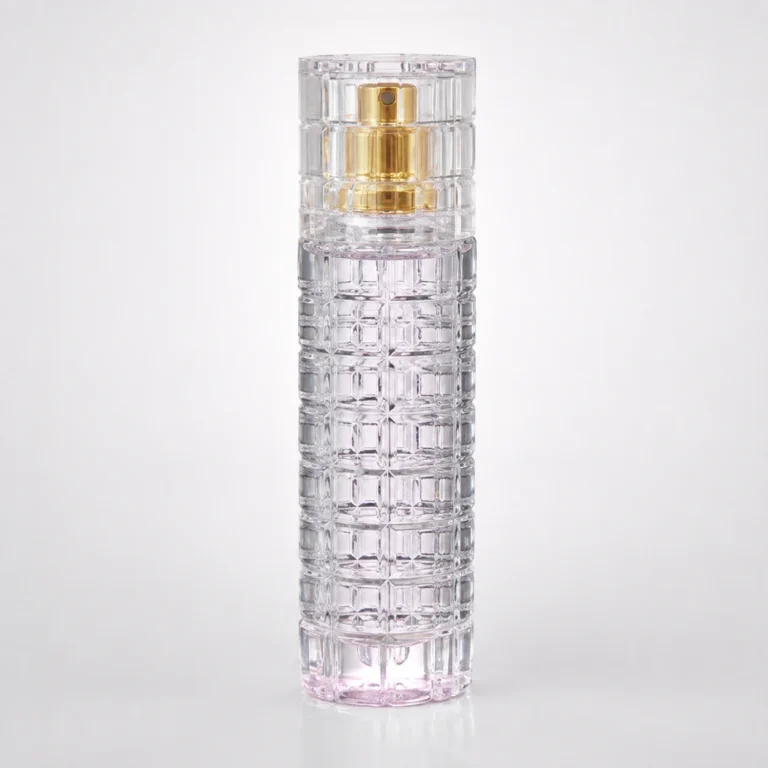
Textured and embossed glass uses molded or formed relief to create raised logos, dots, geometric patterns, tactile surfaces or other three-dimensional details. Unlike a printed finish, the texture is tied to the vessel geometry and can affect label placement, hand feel, cleaning, secondary decoration and packing contact points.Confirm texture depth, edge definition, usable branding zones and surface consistency on production-style samples. If the pattern is part of a new mold, evaluate release angles, glass distribution and parting lines before tooling approval. Protective packing should prevent raised details from rubbing against adjacent units.
Published Product Models
Explore Textured / Embossed Glass Products
Review the actual available models, then compare specifications, components and customization options on the individual product pages.
Need Help Selecting a Suitable Option?
Share the target product, capacity, finish, closure and quantity so we can review matching options.
Discuss Your Requirements →Buying & Specification Guide
Key Considerations for Textured / Embossed Glass
Finish Process
Texture is generally formed in the mold or through a dedicated forming/embossing structure. Some projects may combine molded relief with additional coating or print.
Application Areas
Suitable for premium packaging, tactile branding, decorative candle vessels, fragrance bottles and other products where the container surface itself is part of the identity.
Visual Effect
Raised or recessed detail creates tactile depth and light/shadow variation that remains visible even without added color.
Color & Transparency
The effect can be clear or combined with color/frosting. Deep texture changes reflections and can make transparent walls appear darker in some zones.
Logo & Decoration
Use flat or controlled relief zones for logos, labels or print. If the logo itself is embossed, confirm minimum line width, relief depth and mold definition.
Durability
Molded texture is integral to the container, but raised details can be impact/rub points. Check cleaning, packing contact and any secondary coating durability.
Sample Approval & Control
Approve texture depth, repeatability, seam position, logo area, secondary decoration and packing protection on representative pieces.
Frequently Asked Questions
Questions About Textured / Embossed Glass
What logo and decoration methods are available for glass packaging?
Available decoration methods include silk-screen printing, decals, hot stamping, spraying, frosting, electroplating, engraving, labeling and embossed details. The best method depends on the container material, artwork detail, number of colors, coverage and desired visual effect. A simple logo may suit screen printing, while metallic branding may use hot stamping or a coordinated plated component. Confirm the final artwork, color and placement on a layout or physical sample before production.
Can several finishes be combined on the same bottle or jar?
Yes. Several decorative processes can be combined when the material and design allow it—for example, coating with screen printing, frosting with logo decoration, or a colored vessel with metallic details. The processes must be planned in the correct sequence because one finish can affect adhesion, masking, heat exposure or the appearance of the next. Approve a complete multi-process sample and confirm color, placement and durability before production.
Can you match a Pantone color on glass bottles and candle jars?
Yes. Pantone references can be used as a color target, but the final appearance should be approved on a physical sample. The same Pantone reference can look different on transparent glass, opaque coatings, ceramic, metal components and printed boxes because substrate, gloss and lighting affect the result. Provide the Pantone number and, when color accuracy is critical, a physical reference. Keep the approved sample as the benchmark for repeat orders.
Do all decoration options have the same MOQ?
No. Decoration MOQ varies by process, color, artwork, substrate and production setup. A one-color print may have a different minimum from spray coating, electroplating, decals, multi-process decoration or a custom box, and the container MOQ may differ from the decoration MOQ. For an accurate quotation, provide the model, quantity, color reference, logo artwork and preferred finish so the practical minimum can be confirmed for that specific combination.
Related Resources
Buying Guides & Project References
Request a Quote
Discuss Your Glass Surface Finish
Tell us your target color, texture, gloss, logo process, required durability and quantity to review feasible finishing options.