
Candle Packaging · White Vessel Selection
White Candle Jars Wholesale
Choose white by looking at the jar next to the things it will ship with. A bright paper box can make the glass look warmer, and a pale logo can lose contrast on the finished jar. Compare the actual lid, artwork and wax before ordering.
Start with the material and profile. The catalogue includes simple glass jars, patterned and sculptural ceramics, and a white hexagonal concrete reference. Confirm the finish and opacity on the exact vessel.
Explore White Candle Jars
Compare the straight-sided glass family and a white glass jar with a listed wood lid. Ceramic options include blue floral, conch-shaped, mushroom-shaped and fluted references. The white hexagonal concrete jar has a separate copper-tone lid reference.

White Fluted Ceramic Candle Jars Wholesale
Read More »
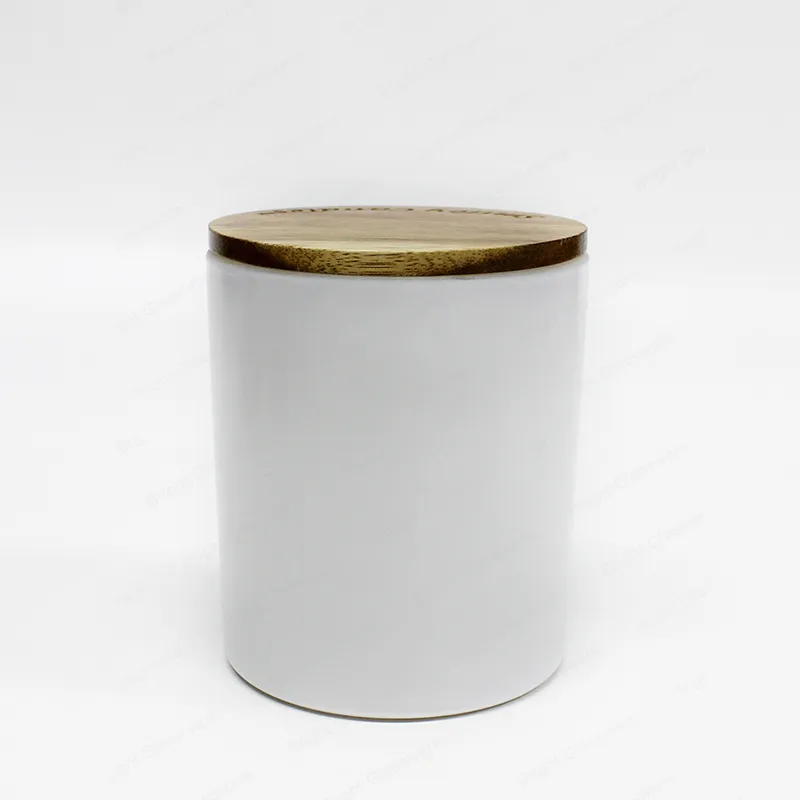
White Glass Candle Jar with Wood Lid – Wholesale
Read More »
360ml Spotted Mushroom Ceramic Candle Jar with Lid – Wholesale
Read More »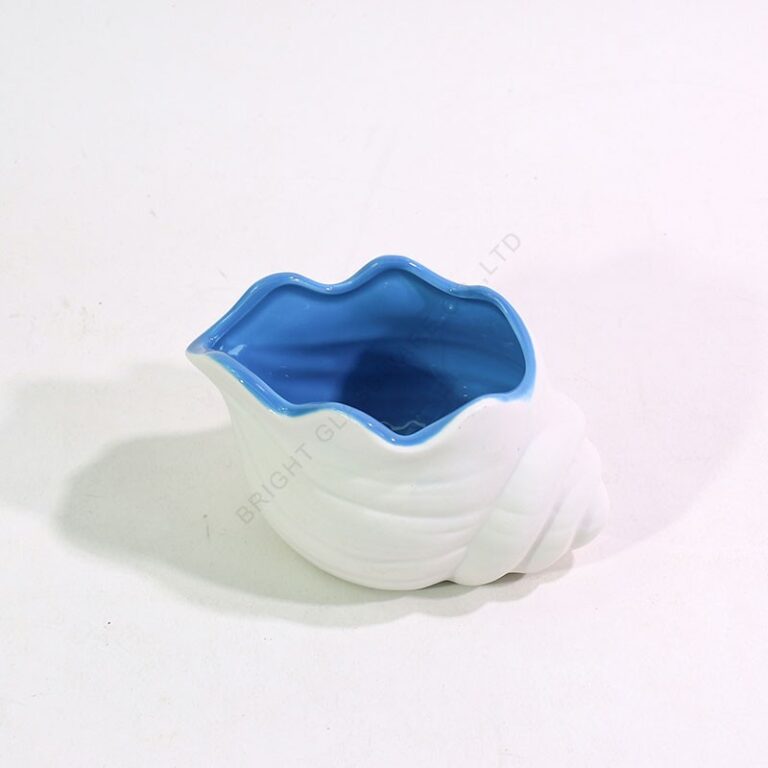
250ml Conch-Shaped Ceramic Candle Jar – Wholesale
Read More »
180ml Blue & White Ceramic Candle Jar – Wholesale
Read More »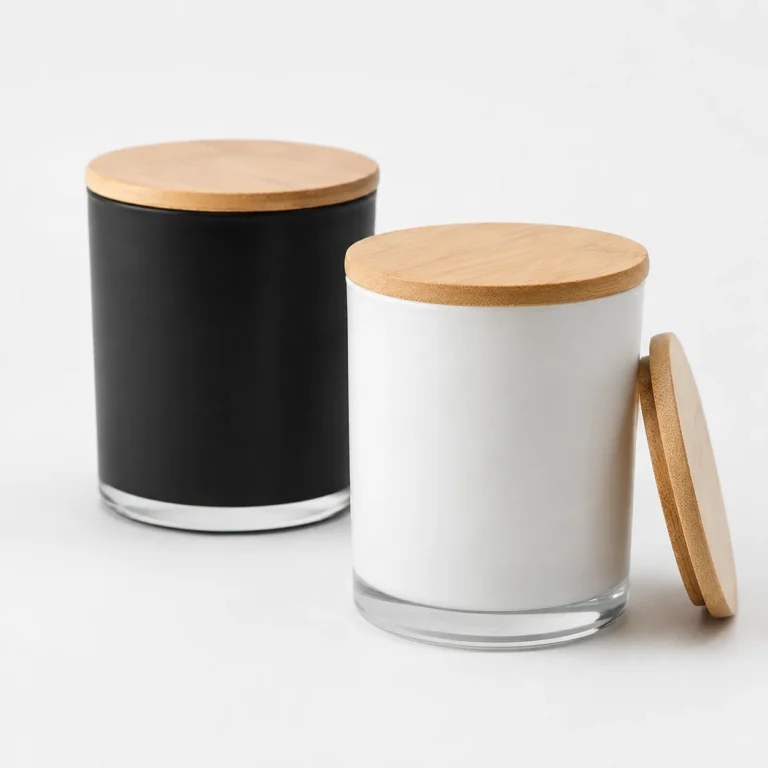
6oz / 8oz / 10oz / 12oz Round Glass Candle Jars – Wholesale
Read More »Send Your White Jar and Packaging Brief
Share the model or material, target white, intended lid and artwork. Include quantities and any label paper or box color the jar needs to sit beside.
How to Specify White Candle Jars for Wholesale
Use these checks to choose the actual material, surface and shade. Record them separately so they can be compared when more than one model is quoted.
Start with the White Glass Profile
Use the straight-sided glass family or the listed white glass jar with a wood lid to review the outline. Check the exact lid seat and where the usable artwork panel starts.
See the White Sample Checks →BGC001 white glass example. Review the requested shade and closure together on the selected sample.

Compare Plain and Patterned White
Compare a plain white surface with the blue floral ceramic reference. Decide which areas should stay visible and whether the artwork needs a quiet panel.
See the White Sample Checks →CCJ199 pattern example. Check the white background and how the artwork reads on the physical jar.
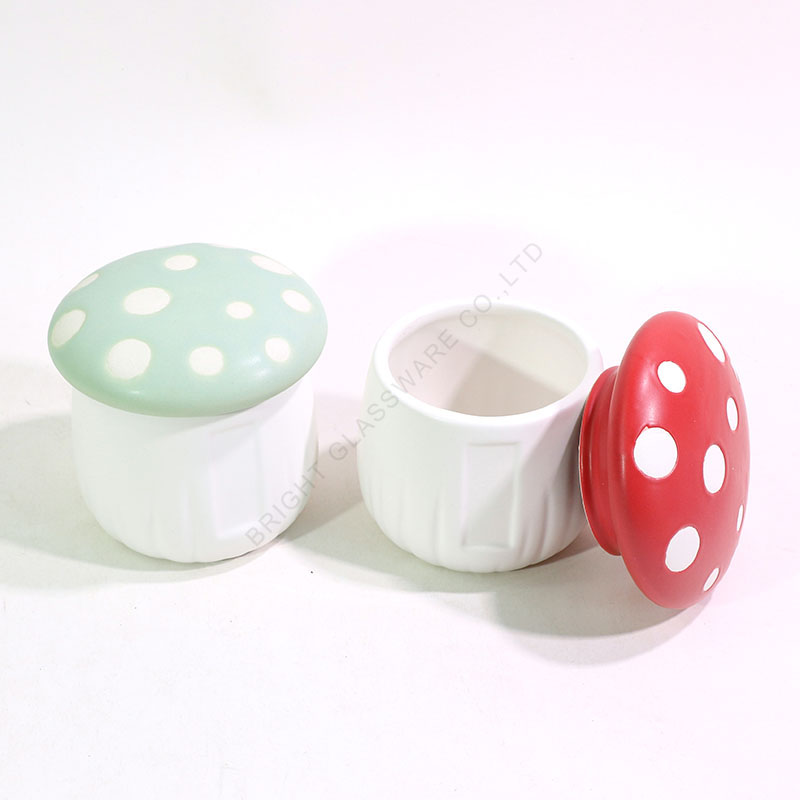
Check the Shape with Its Cover
Review the conch or mushroom reference as an assembled presentation. The conch has a contrasting interior, and the mushroom has a dotted-lid reference. Confirm the supplied pieces for the chosen model.
See the White Sample Checks →CCJ140 examples. Choose the body and lid combination for the sample and quote.
Check the white wall under the intended light
Compare the empty and filled samples under the same light and against the same background to judge opacity.
See What the White Wall Reveals
Check the sample empty and with your wax. If the wall allows any show-through, note where the wax and fill line become visible in the intended light.
See the White Sample Checks →
Confirm the Material Under the Finish
Keep glass, ceramic and concrete specifications separate. The hexagonal concrete jar has its own body and copper-tone cover reference. Confirm the actual finish and surfaces by model.
See the White Sample Checks →BGCC139 concrete example. Specify the jar finish and whether a lid is required.
Inspect the rim and where the jar is handled
Agree the visible marks to review on the approved white finish and check the contact areas used for packing.
Review White Surfaces After Handling
Handle the finished sample and lift it from the proposed pack. Inspect the pale surfaces, rim and decorative edges where contact could leave visible marks.
See the White Sample Checks →Match the Label, Lid and Printed White
Set the jar against the actual label paper and carton stock. Check whether warm or cool undertones stand out and whether pale ink and fine text remain readable on the selected surface.

Approve White with the Actual Components
Keep a sample of the finished body beside its proposed lid and artwork. Include the approved paper stock and use the same lighting when comparing later samples.
- Material and finish: Record the model, body material and the supplier's description of the white finish.
- Tone and sheen: Compare the sample beside the intended label and carton. Note the undertone, opacity and reflection you approve.
- Lid and artwork: Record the exact lid, logo or label version and the approved position on the jar.
- Filled sample: Check whether the wax changes the visible white or fill line. Keep separate candle test records for the exact assembly and formulation.
CCJ138 interior and exterior example. Review both surfaces and the rim on the exact sample.
RequirementsUse, quantity and destination
SelectionModel and components
Sample ReviewFit, appearance and packing
Order SpecificationApproved configuration
Final ReviewOrder and packing reference
Record the Material, White and Finished Appearance
| Specification | What to Review | Approval Reference |
|---|---|---|
| Glass or ceramic | Record the glass or ceramic on the selected sample and agreed specification. | Selected sample and agreed glass or ceramic reference |
| White and gloss reference | Record the white and gloss reference on the selected sample and agreed specification. | Selected sample and agreed white and gloss reference |
| Artwork and lid appearance | Record the artwork and lid appearance on the selected sample and agreed specification. | Selected sample and agreed artwork and lid appearance reference |
| Candle development | Keep the intended wax, fragrance, fill line and proposed wick arrangement with the selected vessel. | Selected sample and agreed candle development reference |
| Packing scope | Review visible contact marks on white surfaces and protect decorative edges. | Selected sample and agreed packing scope reference |
Request a Quote for the White Jar Assembly
Send your model, target white and material, plus the exact lid, artwork, quantities and pack requirements. Include the destination and any physical samples you want to match.
Send the White Jar Brief →Protect the Pale Finish and Decorative Edges
Use the finished jar and exact cover to review the proposed pack. Look for contact at the visible face, rim and raised details.

Separate the Jar and Loose Cover
Give each loose lid or component its own support. Check where the insert touches the glass wall, ceramic relief or concrete edge on the selected model.
Glass divider example. Approve protection and contact materials for the selected vessel.
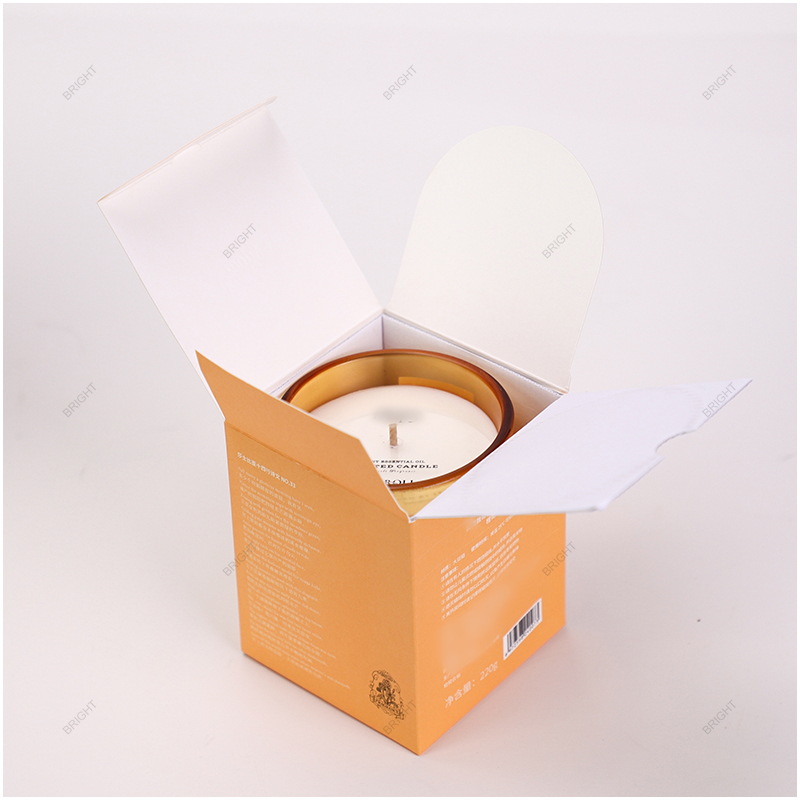
Check How the Finished Jar Lifts Out
Remove the assembly from the proposed carton as a customer would. Review grip points and any rubbing at the label, rim or lid.
Retail carton example. Check inside dimensions and any insert against your actual vessel and lid.
Identify the material and shade on each carton
Give the approved jar, white shade, lid, artwork and packaging a clear reference by order line.
Identify White Versions by Model
Mark the model, material, white reference and artwork version on the packing record. Give different lids and white tones their own identifiers where needed.

Confirm Quantities and Packing
Specify quantities by material, shade and closure, plus the destination and retail or bulk pack. Confirm carton size and support against the actual assembly.
Consolidated-carton example. Confirm carton quantities and delivery requirements for the actual order.
Plan Your Packing & Delivery
Share your order quantity, destination and retail or export packing requirements.
Discuss Packing & Shipping →Confirm Material and Finish by Model
Check how the selected white surface is specified and how it looks when the vessel is filled. Record the inside dimensions, rim and closure fit. Use the exact model for your own candle development and tests.
Choose How White Fits the Range
Use the catalogue profiles to decide what should be consistent across the range: the background for the artwork, the gift presentation or the overall color.
Proof the artwork on the intended white surface
Inspect fine text and spacing on the approved vessel under the light expected in the finished range.
A White Surface for Clear Typography
Use a plain surface when the fragrance name is the focus. Check the smallest type and where the edges of a paper or clear label sit on the sample.
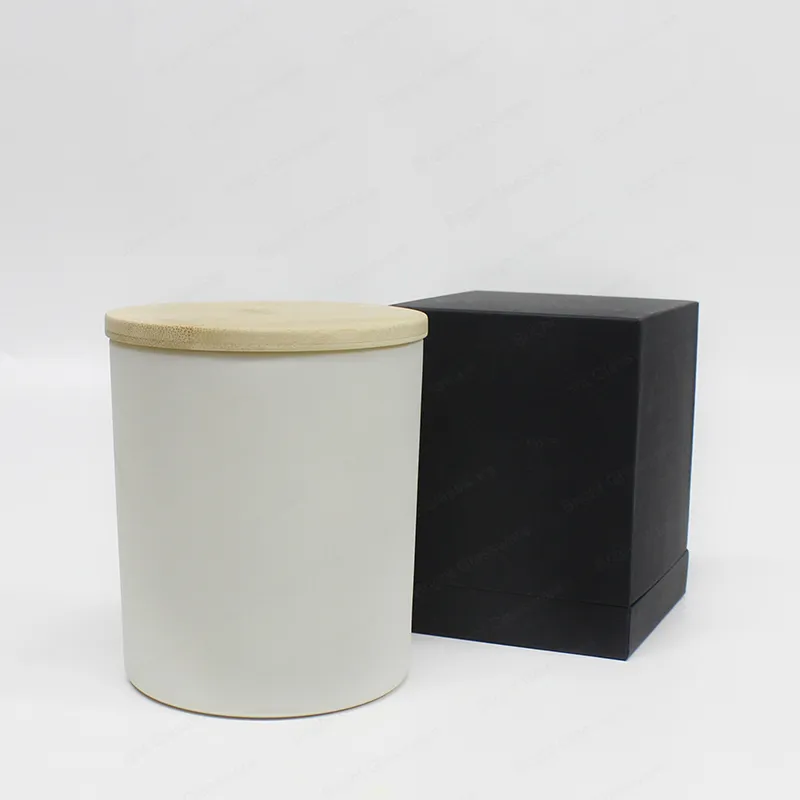
A White Jar in a Gift Pack
Put the jar, chosen lid and carton together. Compare the whites at the box opening and check the visible parts before choosing the insert.
BGC001 presentation example. Confirm the lid, box and any insert as separate quote items.
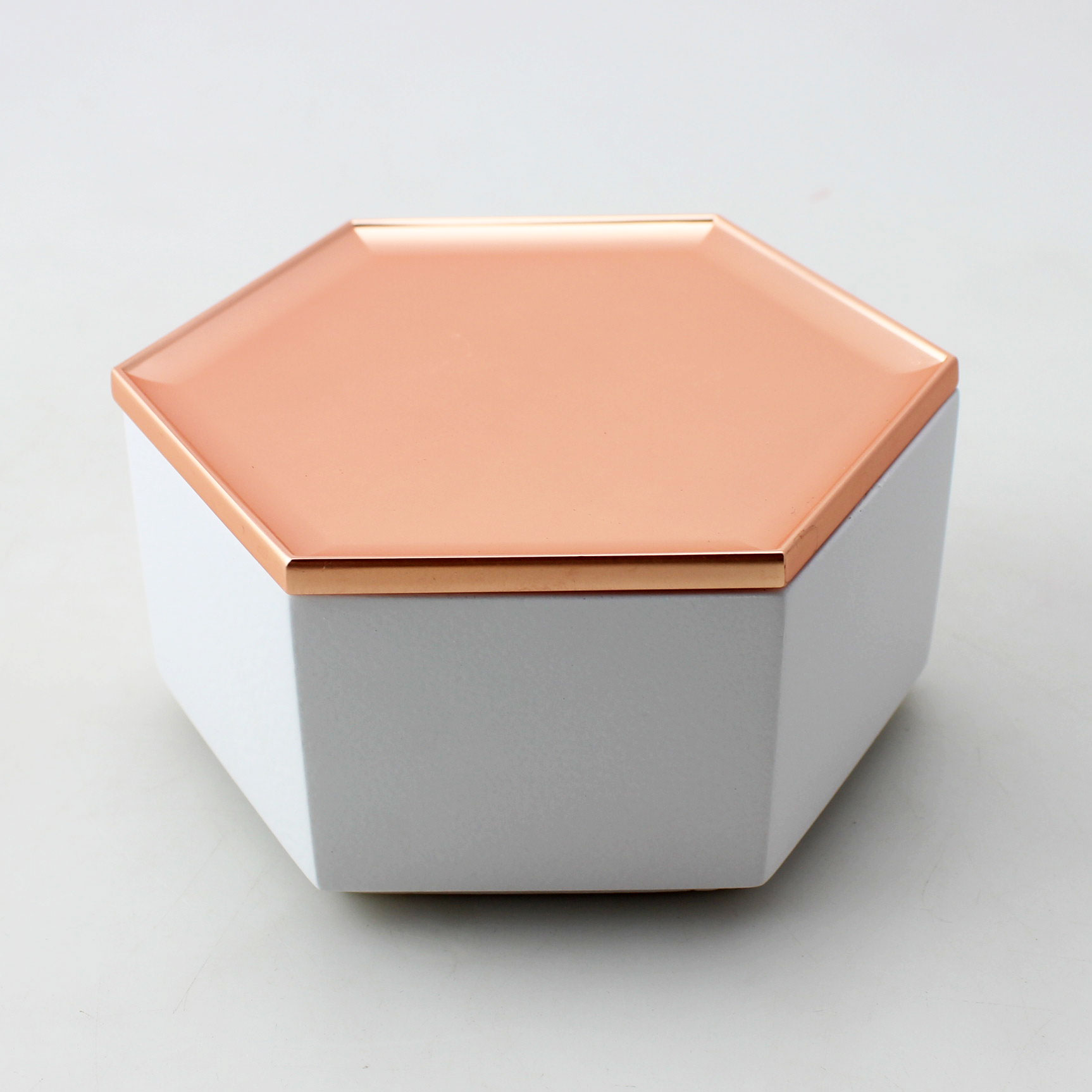
One White Direction Across Materials
Compare the white glass and patterned ceramic references with the white hexagonal concrete jar under the same light and against the same paper. Decide where warmth or sheen can differ across the range.
BGCC139 concrete example. Compare the material, shade and lid of each selected piece before approving a coordinated range.
Quote the Exact White and Cover Version
List quantities by material, finish, lid and artwork. Confirm sample scope, order minimums and lead time for the selected combinations before placing the order.
ModelSelected vessel or component
SampleComplete assembly to review
ArtworkFile, colour and position
PackingRetail and outer-carton scope
How Bright Glassware Supports White Jar Orders
Bright Glassware can help shortlist the catalogue vessels and coordinate the selected lid, decoration and packaging for review on the actual sample.
Compare Actual Catalogue Materials
Shortlist the white glass, ceramic and concrete references by shape and construction before comparing appearance.
Check White Against the Other Components
Bring the lid, label and carton stock into the same viewing light. Check how the undertone reads beside the intended wax where it is visible.
Review Artwork on the Exact Surface
Check print or label options by model. Review fine detail on the actual smooth, patterned or relief surface.
Check the Fitted Lid
Approve the exact closure with the jar and check its profile, seat and finished height.
Review the Finished Jar in the Pack
Review contact points and how the customer can lift the vessel from the selected box or insert.
Record the Approved Version
Keep a physical reference and record the model, shade, finish, cover and artwork for repeat quotes.
Questions About White Candle Jars
Can white glass, ceramic and concrete jars be substituted?
Review each construction, inner dimensions, finish and closure separately. Choose the exact vessel for your candle development and approved pack.
How do I specify a warmer or cooler white?
Send a physical reference and compare it with the jar, lid, paper and carton under the same light. Record the approved appearance on the sample.
Does white automatically mean a matte or opaque finish?
Specify color, sheen and opacity separately for the model. Compare the wall empty and filled if you need to know how much of the wax will show.
Why does the white label look different from the jar?
Paper, ink and the jar surface can have different undertones. Compare the real materials together, especially when a label has a white or clear border.
How can I check that pale artwork stays readable?
Look at the printed sample at final size and at normal viewing distance. Check the smallest type, thin marks and label edges on the actual vessel.
Still Have a Product Question?
Send your requirements or a reference so our team can review your project.
Ask Our Packaging Team →Related Collections & Project Resources
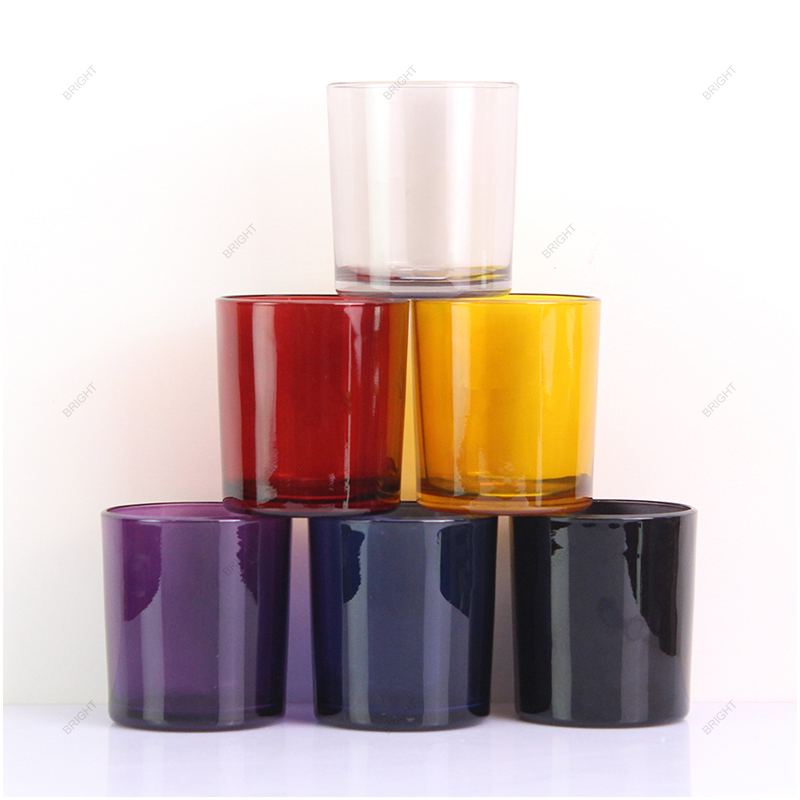
Colored Candle Jars
Explore Collection →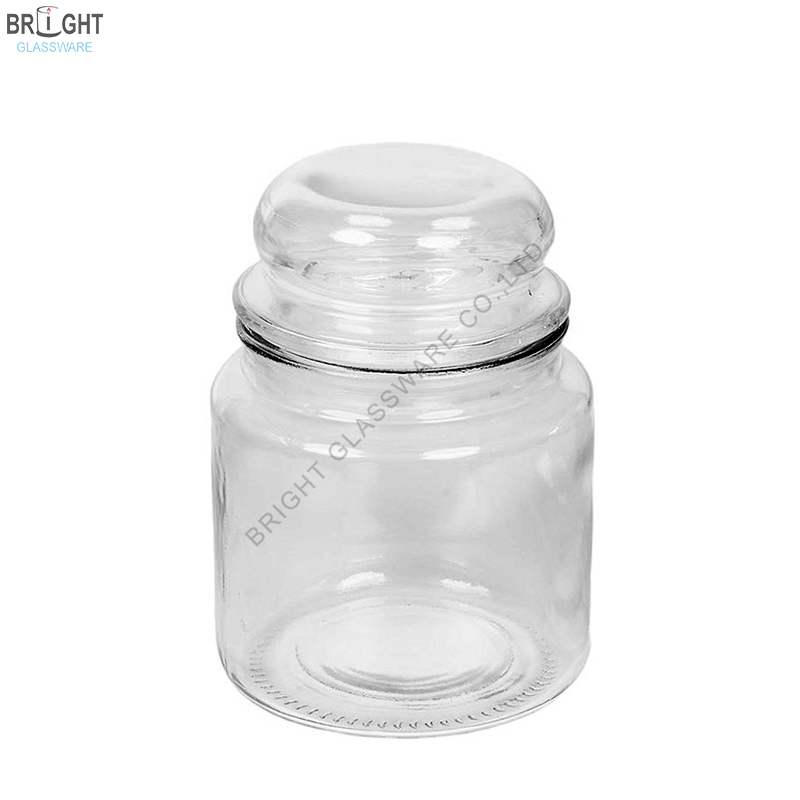
Clear / Transparent Candle Jars
Explore Collection →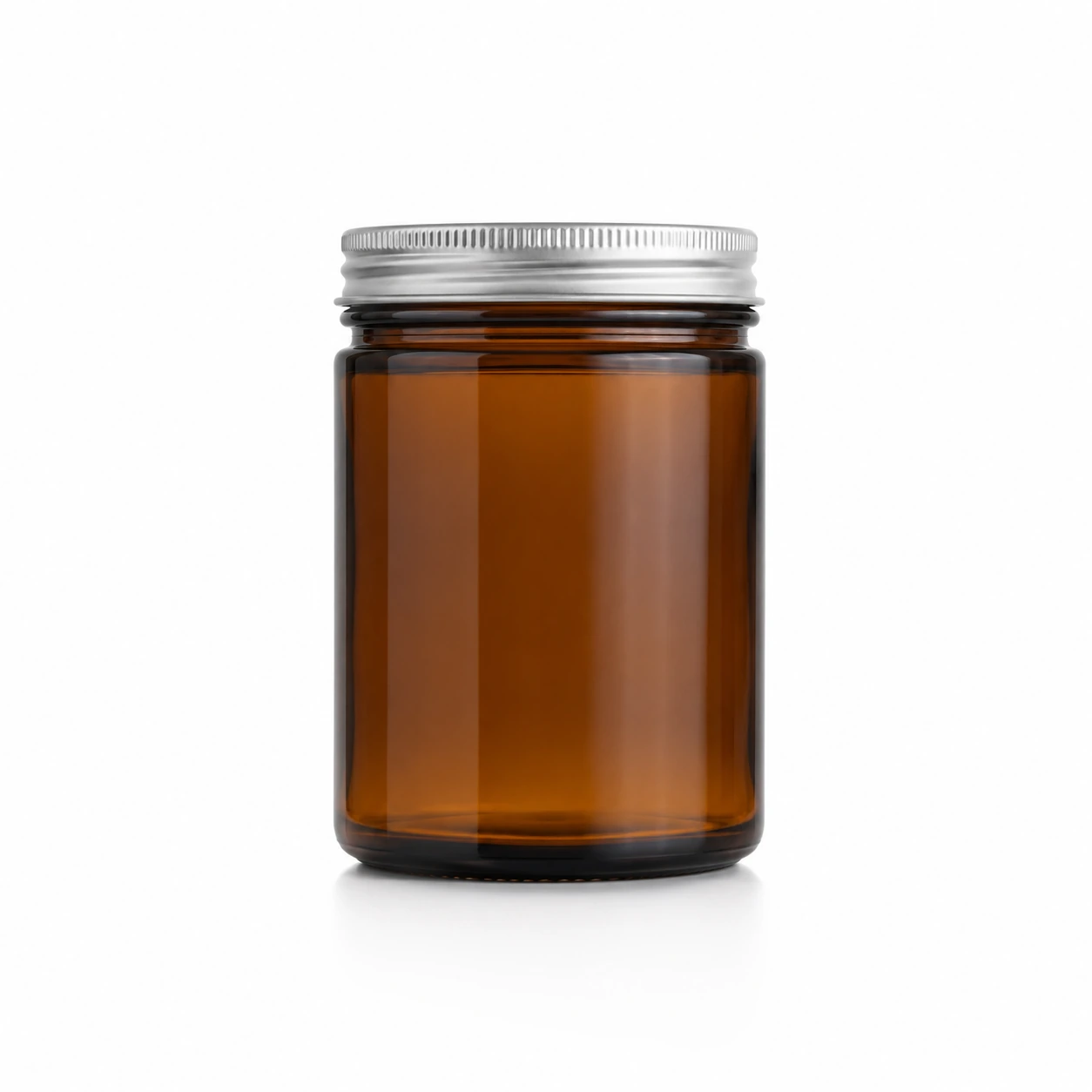
Amber / Brown Candle Jars
Explore Collection →Compare black and white finishes on actual samples
Confirm the vessel material, lid and finish before judging how the two colours work together.
Black Candle Jars
Explore Collection →Send the selected vessel and finish reference
Identify the material, white shade, surface detail and decoration area when requesting a custom sample.
Custom Candle Jars
Explore Collection →
Candle Jar Labels
Explore Collection →Label placement example. Proof the label on the selected white finish.
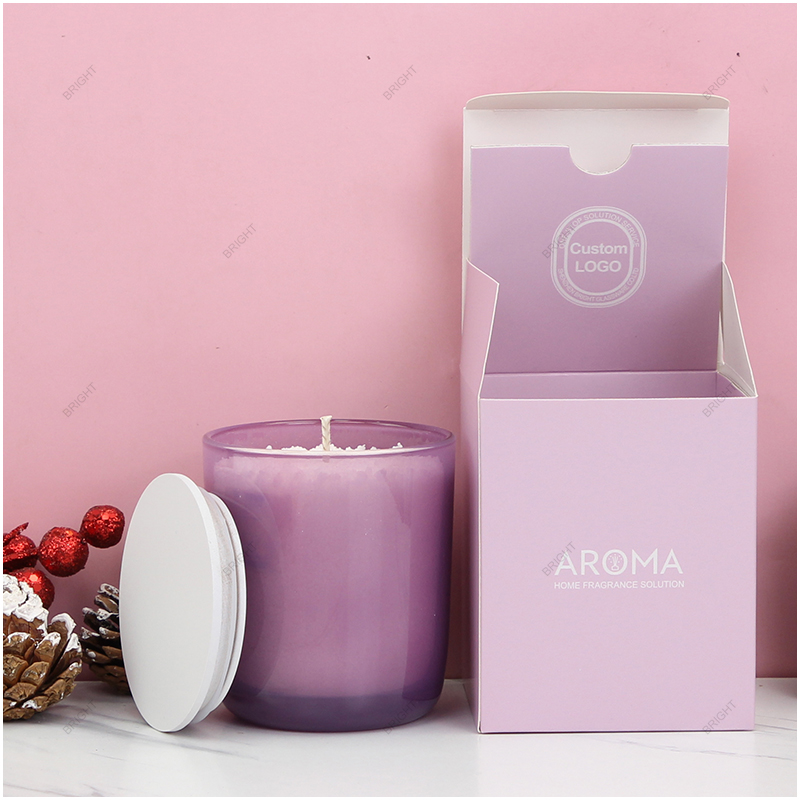
Candle Jar Boxes
Explore Collection →
Decoration & Artwork Review
View Resource →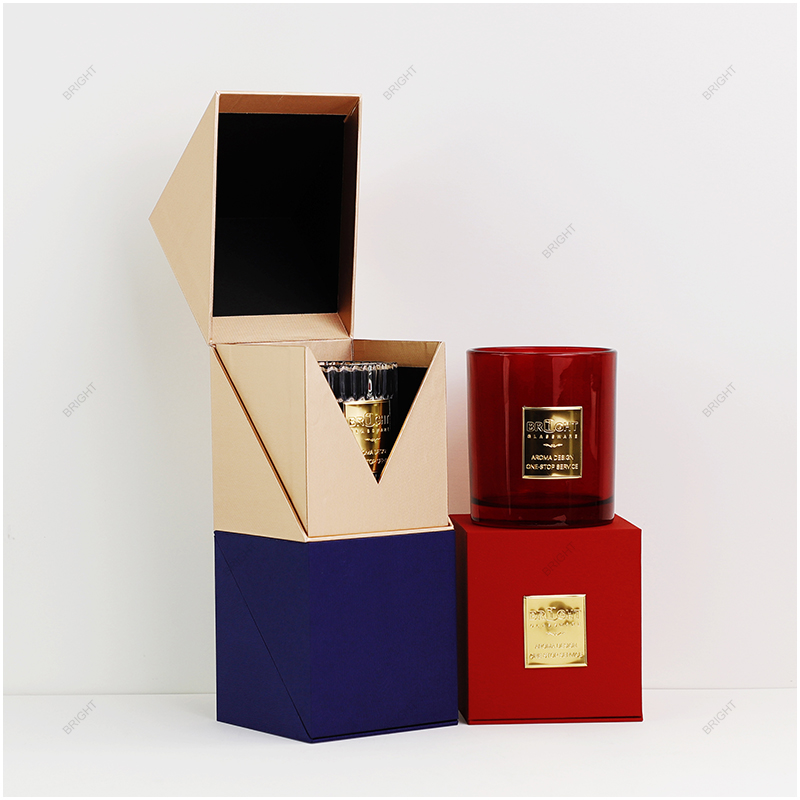
Retail Packaging & Inserts
View Resource →Agree what to check on the approved white sample
Record the viewing conditions, shade, rim, surface marks and packaging contact points.
Quality Review
View Resource →Compare White Jar, Label and Box Side by Side
Put the jar beside the lid, label paper and box stock. Look at all four against the same neutral background to see which white reads warmer or cooler.
Keep the Approved White for Reorders
Keep a labeled physical sample and the paper or carton specification for the next batch comparison.
Review the Surface and Raised Details
Look at the rim, ribs, curves and any glazed or decorated area before placing artwork or choosing a pack contact point.
Set the Artwork on the Usable Area
Check the artwork dimensions against the actual flat panel or relief, and see where the label edges will sit.
See Whether the Wax Changes the White
Compare the empty jar and the intended filled sample in the same light. Record any change in perceived tone or visible fill line on the selected vessel.
Review the Complete White Assembly
Review the jar, cover and label as they will arrive in the approved pack. Confirm the material, shade, artwork and closure in the quote.
Browse Our Product Categories
– Glass Bottles & Fragrance Packaging –
– Glass Candle Jars & Related Containers –
– Glassware & Packaging Solutions –
Request a Quote
Talk to Our Packaging Team
Share the model, capacity, color, closure, decoration, packaging and estimated quantity you need. We can review the options with you.
Category: White Candle Jars