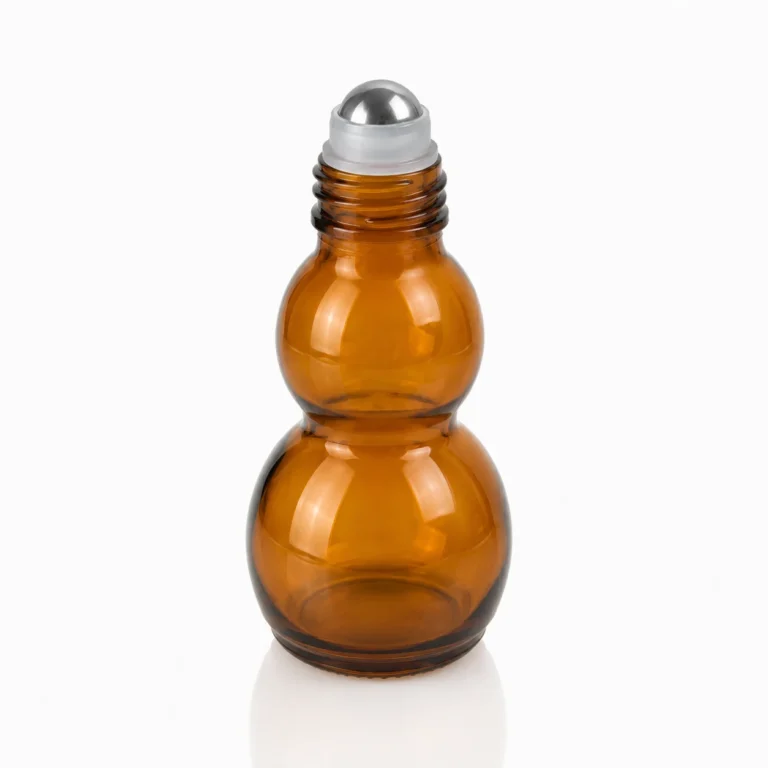
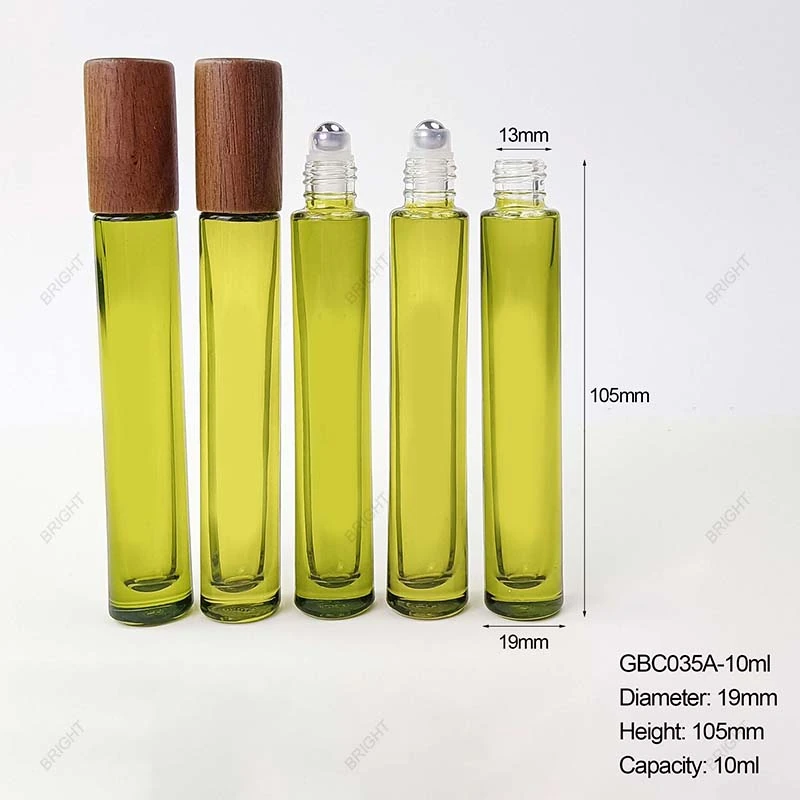
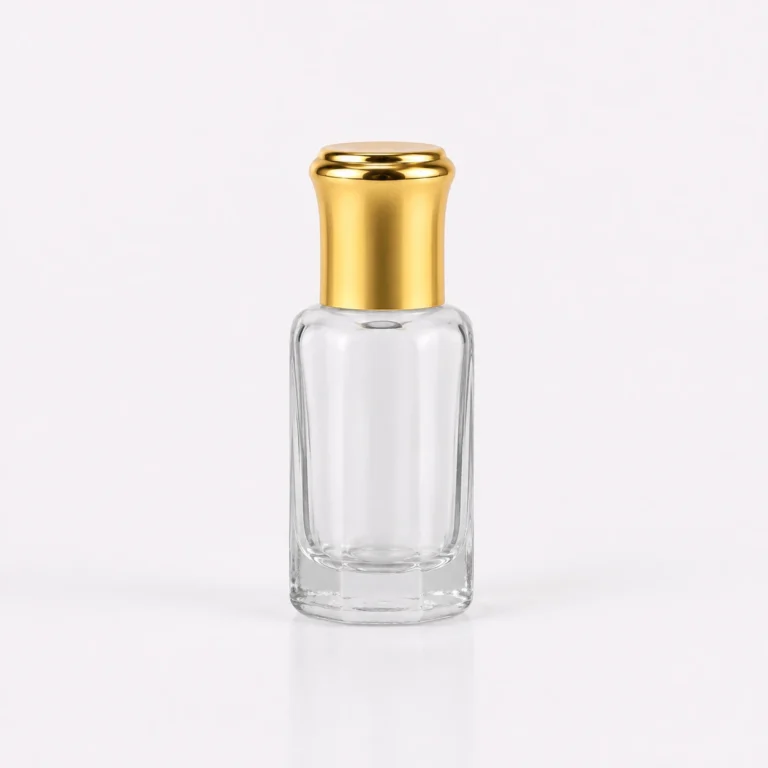
Perfume oil bottles are commonly paired with roller balls, reducers, droppers, dabbers or compact closures rather than a standard fine-mist perfume pump. Choose the dispensing format around fragrance-oil viscosity, target dosage, carry use and the desired consumer application method.Confirm usable fill, neck and insert fit, roller or applicator performance, cap retention and leakage using the actual oil formula. Concentrated fragrance oils can interact differently with gaskets, balls, plugs and plastic components, so formula compatibility and repeated handling should be validated before large-scale production.
Start by Product Type
Choose a more specific product format to compare relevant models and buying considerations.
1 subcategory
Available Products
Showing 1–2 of 2 products
Need help choosing?
Share your target size, shape, finish, closure, branding or packaging needs. We can shortlist suitable options before you order samples.
Buyer Guide
Review the key criteria before sampling or quotation. The information is grouped by decision stage so buyers can scan what matters without reading a wall of text.
Discuss Specifications →Choose roller, dabber or reducer according to the intended use.
Check applicator, plug and seal materials with the actual oil.
Test closure retention and leakage for carried products.
Match the neck profile to the selected applicator housing.
Confirm fill and headspace with the applicator installed.
Record roller, housing, reducer or dabber details.
FAQ
Quick answers to the questions that most often affect product selection, sampling and quotation.
Attar and perfume oil commonly use small glass bottles with roller balls, dabbers, reducers, stoppers, droppers or screw caps. The correct option depends on formula viscosity, desired dosage, carry use, leakage risk and brand presentation.
Test the actual oil with the selected ball, plug, gasket, liner or other liquid-contact component because concentrated fragrance oils can interact differently with closure materials.
Yes. Bright Glassware can coordinate the glass bottle with the pump, collar, cap, decoration and retail box as one packaging project.
Provide the bottle model and capacity, neck specification, pump requirement, cap material or finish, decoration method and packaging requirements. Approve a complete assembled sample before the components are ordered in bulk.
Start with the bottle’s exact neck finish, then match the pump, gasket, collar, cap inner structure and dip tube as one assembly. Nominal appearance or neck diameter alone does not confirm compatibility.
Approve the filled assembly for crimp or thread fit, priming, spray output, leakage, cap retention and dip-tube reach before mass production.
Yes. Existing bottles can often be differentiated without a new glass mold through color coating, frosting, printing, hot stamping, labels, electroplating, engraving, cap changes and custom retail packaging.
A custom mold is more relevant when the required silhouette, dimensions, opening or structural features cannot be achieved with an existing bottle. Compare both routes after the target quantity, timeline and design requirements are defined.
Request a Quote
Share the size or capacity, style, finish, closure, branding or packaging requirements you already know. We can recommend suitable existing models and the next sampling or customization step.
We can narrow existing models before you spend time comparing every option.
Decoration, color, closure and packaging can be reviewed together with the selected container.
Confirm appearance, fit and decoration on samples before bulk production.