Borosilicate Glass · Wholesale & Project Sourcing
Borosilicate Glass Pans Wholesale
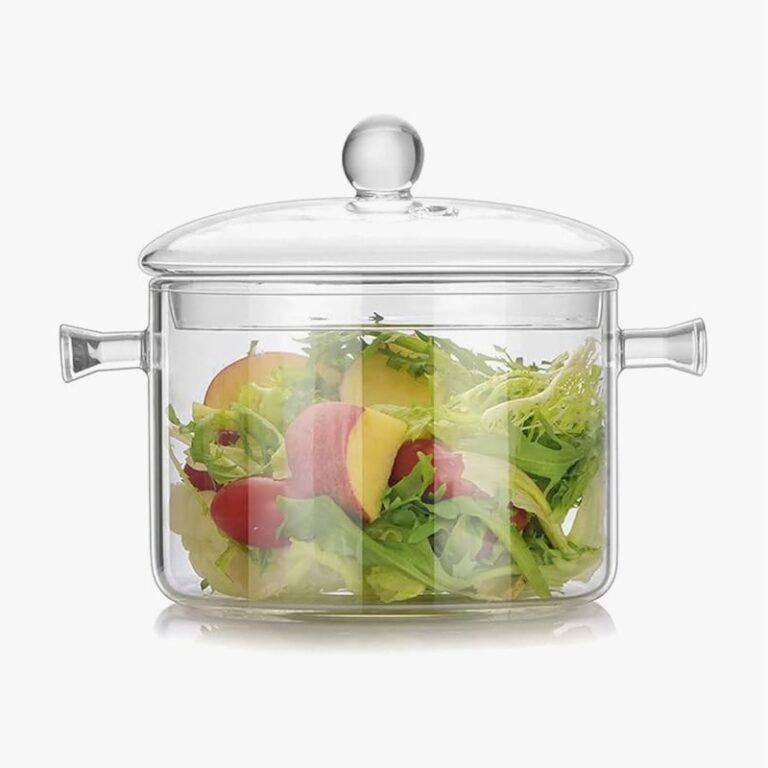
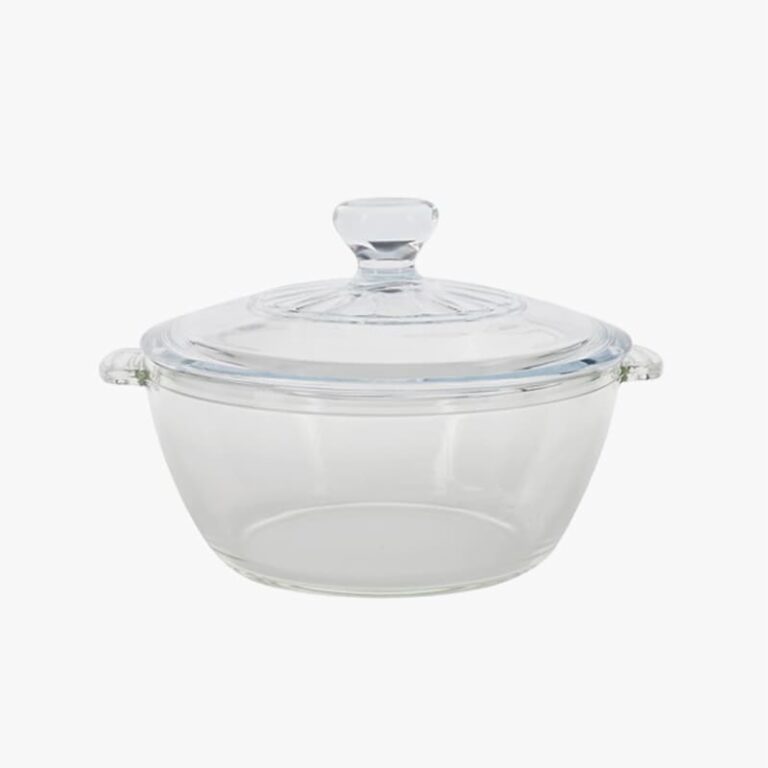
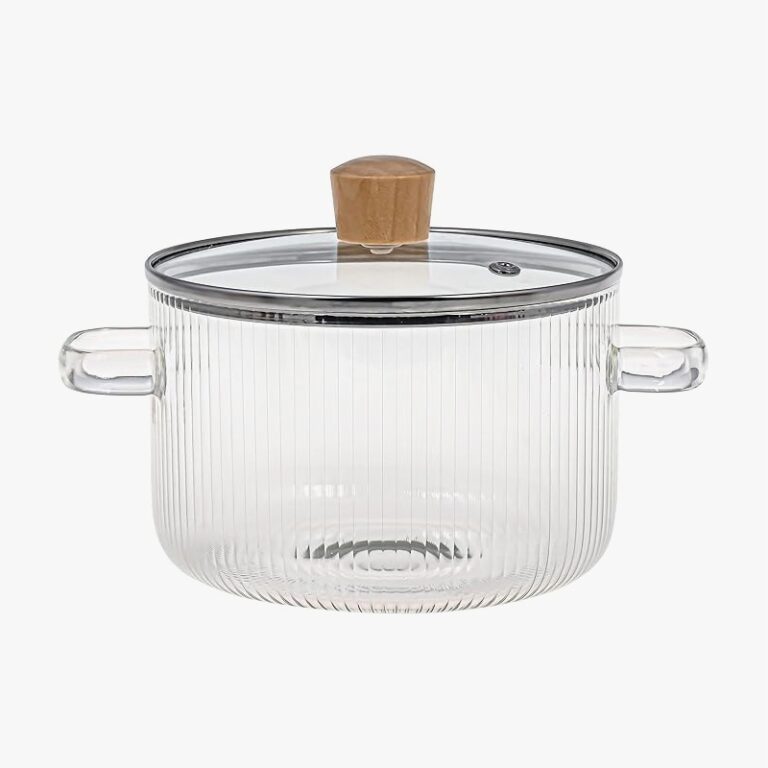
A search for a glass pan can mean a shallow baking vessel or a handled cooking pan. Before a wholesale quotation is useful, both sides need the same understanding of the form, heat source and food preparation task.
For kitchenware buyers, the practical questions are specific: how much usable base area is needed, how high the sides should be and whether handles fit the intended equipment. Start there before choosing a silhouette.
Explore Borosilicate Glass Cooking Pots & Pans
Provide the intended pan style and use conditions for model availability review. If the request concerns an oven baking dish, say so explicitly; a pan-shaped vessel should not be assumed suitable for stovetop cooking.
Need Help Choosing the Right Option?
Send a reference drawing, intended cooking equipment, internal base dimensions, side depth, maximum handle span, proposed lid and target quantities.
Remove the ambiguity from a glass pan request
Pan form
Specify shallow dish, roasting-style pan or another defined form. The word pan alone does not identify the construction or intended cooking method.
Usable base area
Give the area needed for the intended preparation. Top-opening dimensions can overstate the space available where sloping sides meet the base.
Equipment clearance
Measure the complete space where the pan will be used, including any support, handles and room required for placing and removing it.
Details that matter in a wholesale pan brief

Base and side geometry
Record the internal base, opening and side depth separately. This lets the proposed shape be reviewed against the actual food layout instead of an overall length alone.
Review the Specification →Handle span
Include the maximum projection and clearance around any grip. Handles affect both equipment fit and carton size, even when the vessel body is compact.
Review the Specification →Working depth
Describe how deep the contents are expected to be. A nominal vessel depth should not be presented as a recommended fill level without the intended use being considered.
Review the Specification →Lid relationship
If a lid is requested, state whether it is meant for cooking, carrying or storage. A matching outline does not establish one closure for all those purposes.
Review the Specification →Serving and presentation
Explain whether the pan goes directly to the table. The proposed routine can influence shape and grip preferences, but any use claims still need model-specific support.
Review the Specification →Retail naming
Use a name that reflects the approved cooking role. Avoid using frying-pan language for an oven dish or allowing a broad cookware label to imply direct-heat suitability.
Review the Specification →Body, handles and lid need one dimensional review
The complete assembly determines fit. A lid knob can affect height; handles determine width; the base controls usable preparation space. Put these measurements on one reference so the commercial and technical teams are not comparing different versions.
Discuss Your Requirements →Explore Customization & Artwork Review →Custom pan proportions
For a custom project, describe the intended preparation and required equipment envelope before proposing a new outline. Supply internal dimensions, grip requirements and any lid concept. Decoration and retail packaging can then be discussed against a defined form rather than a loosely specified pan image.
Sample Review & Production Planning
- Pan type: Name the intended form and distinguish oven dish from other cooking-pan requests.
- Internal base: Give the useful base length and width, with corner shape where relevant.
- Side depth: Specify internal depth and the proposed working contents level.
- Complete envelope: Include handles, lid and knob in the maximum dimensions.
RequirementsUse, quantity and destination
SelectionBody, components and appearance
Sample ReviewFunction, handling and packing
Order DefinitionAgreed model and specification
Final ReviewIdentification and delivery scope
From Selection to an Agreed Specification
| Specification | What to Review | Buyer Approval / Output |
|---|---|---|
| Pan type | Name the intended form and distinguish oven dish from other cooking-pan requests. | Form definition |
| Internal base | Give the useful base length and width, with corner shape where relevant. | Base drawing |
| Side depth | Specify internal depth and the proposed working contents level. | Depth reference |
| Complete envelope | Include handles, lid and knob in the maximum dimensions. | Clearance check |
| Use conditions | State cooking equipment and request evidence for the exact proposed model. | Model guidance |
Plan Your Borosilicate Glass Cooking Pots & Pans Project
Send a reference drawing, intended cooking equipment, internal base dimensions, side depth, maximum handle span, proposed lid and target quantities.
Request a Project Quote →Packing & Delivery Planning for Borosilicate Glass Cooking Pots & Pans
Shallow glass pans can have broad rims and projecting grips. Review how the carton supports the body while protecting the complete edge and handle outline.

Support the vessel
Assess the packed position so the pan is not carried by a small projecting area of glass.
Separate stacked pieces
If multiple pans share a carton, prevent direct contact and confirm how each piece can be removed.
Locate lids
Keep any lid protected and identifiable rather than allowing it to move against the pan.
Allow for handles
Calculate carton dimensions from the full span, not the internal cooking area shown in the product name.
Plan Your Packing & Delivery
Share your order quantity, destination and retail or export packing requirements.
Discuss Packing & Shipping →Do not infer direct-heat suitability from the shape
A vessel can look like a familiar pan without being approved for the same equipment. State the intended cooking method and seek model-specific guidance before describing it as stovetop, flame or other direct-heat cookware.
Borosilicate Glass Cooking Pots & Pans for Different Buying Programs
Kitchenware assortment planning
Choose pan proportions around the preparation task and available equipment so each size has a clear purpose within the range.
Private-label baking programmes
For oven-oriented projects, connect the approved shape and use guidance to a specific baking or roasting description on the retail pack.
Hospitality purchasing
Provide the kitchen equipment envelope and handling routine so the enquiry addresses fit and service requirements, not simply nominal vessel volume.
Define MOQ, Samples & Production Around the Brief
State cooking equipment and request evidence for the exact proposed model.
ModelNamed configuration and use
SampleAssembly to review
ArtworkFile, colour and position
PackingRetail and outer-carton scope
A Clearer Buying Brief for Borosilicate Glass Cooking Pots & Pans
Define the pan form
Use a clear description of the intended vessel and cooking task.
Measure the internal base
Compare the space that actually accommodates the preparation.
Include handle projections
Check the maximum outline against equipment and packaging constraints.
Keep lid purposes explicit
Distinguish cooking, covering and storage expectations in the request.
Verify use wording
Match retail terminology to the selected model's supported cooking role.
Review the packed assembly
Assess the pan and any lid in their actual shipping arrangement.
Questions About Borosilicate Glass Cooking Pots & Pans
Does glass pan mean a frying pan?
Not necessarily. The term is also used for shallow baking vessels. Describe the intended form and cooking equipment so the request does not imply a direct-heat use that has not been established.
Which dimensions should I give first?
Start with internal base length and width, side depth and maximum overall span including handles. If a lid is included, add the complete height and its intended function.
Can the same pan be used on a stovetop and in an oven?
That needs evidence for the exact model and construction. Do not infer one use from the other. List every intended method so the technical review can address it directly.
Can I request a lidded version?
Provide the lid concept and explain its purpose. Fit, availability and use guidance need review as a complete assembly, particularly if carrying or storage is part of the expectation.
What makes a bulk enquiry easier to assess?
A drawing, intended cooking method, equipment envelope, set contents and quantity forecast give a clear starting point. Include the records your team needs before approving retail claims.
Still Have a Product Question?
Send your requirements or a reference so our team can review your project.
Ask Our Packaging Team →
Use internal and external measurements deliberately
The internal base helps determine what can be prepared; the overall span determines equipment and carton fit. Keeping both in the specification avoids comparing dimensions that answer different questions.
Choose retail words after the use review
A familiar cooking name can carry a strong expectation about the heat source. Select the product name only after the model's intended role is clear, then keep that language consistent across the page and packaging.
Do not let a lid broaden the claim
Adding a cover changes the assembly, not necessarily its approved uses. Review the lid's construction and intended role without assuming that a covered pan becomes a transport container or a storage system.
Review the carton with the actual outline
Broad rims, handles and corners are easy to miss in a capacity-based quotation. A packed sample makes those areas visible and helps the buyer assess protection and removal before the shipment is defined.
Browse Borosilicate Glass Product Categories

Drinkware & Tea
Borosilicate Glass Drinkware →Borosilicate Glass Water Bottles →Borosilicate Glass Tea Infuser Bottles →Borosilicate Glass Cups & Mugs →Double-Wall Borosilicate Glasses →Borosilicate Glass Tumblers →Borosilicate Glass Wine Glasses →Borosilicate Glass Straws →Borosilicate Glass Baby Bottles →Borosilicate Glass Teapots →Borosilicate Glass Tea Kettles →Borosilicate Glass Electric Kettles →Borosilicate Glass Pitchers & Carafes →Borosilicate Glass French Presses →Borosilicate Glass Coffee Makers →Borosilicate Glass Tea Infusers →

Storage & Kitchen
Borosilicate Glass Food Storage Containers →Borosilicate Glass Storage Jars →Borosilicate Glass Cookware & Kitchenware →Borosilicate Glass Cooking Pots & Pans →Borosilicate Glass Bakeware →Borosilicate Glass Bowls →Borosilicate Glass Measuring Cups →Borosilicate Glass Plates & Tableware →Borosilicate Glass Oil Dispensers →Borosilicate Glass Food Covers →Borosilicate Glass Popcorn Makers →Borosilicate Appliance Glass →Borosilicate Glass Air Fryer Dishes →

Bottles, Home & Custom Projects
Request a Quote
Talk to Our Packaging Team
Share the model, capacity, color, closure, decoration, packaging and estimated quantity you need. We can review the options with you.
Category: Borosilicate Glass Cooking Pots & Pans