Candle Packaging · Color & Finish Selection
Colored Candle Jars Wholesale
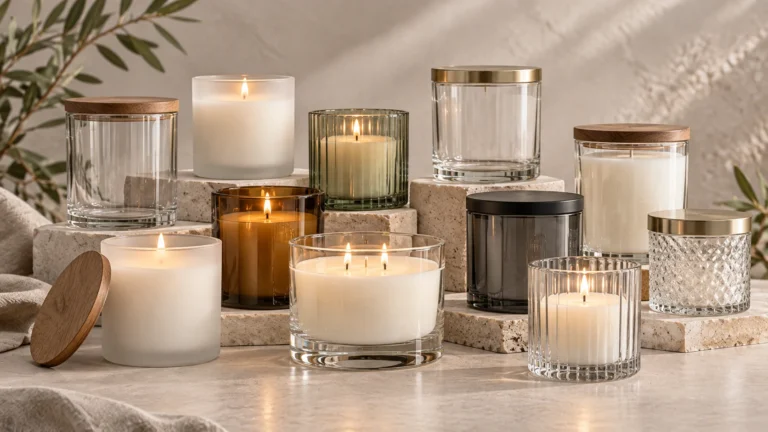
Build a candle range around the color customers will see on the shelf. Compare the jar empty, with your intended wax and beside its lid and label. The same shade can look warmer, cooler or deeper as the lighting and background change.
Choose a jar profile first, then narrow down the shade, transparency and sheen. For a custom color on a suitable model, send a physical reference and the quantities you expect to order in each finish.
Explore Colored Candle Jars
Compare olive-amber and smoky-gray glass, colored double-wall jars, purple patterned glass and soft pink vessels. Use each candle jar reference to shortlist a shape and appearance, then confirm the exact finish and cover for that model.
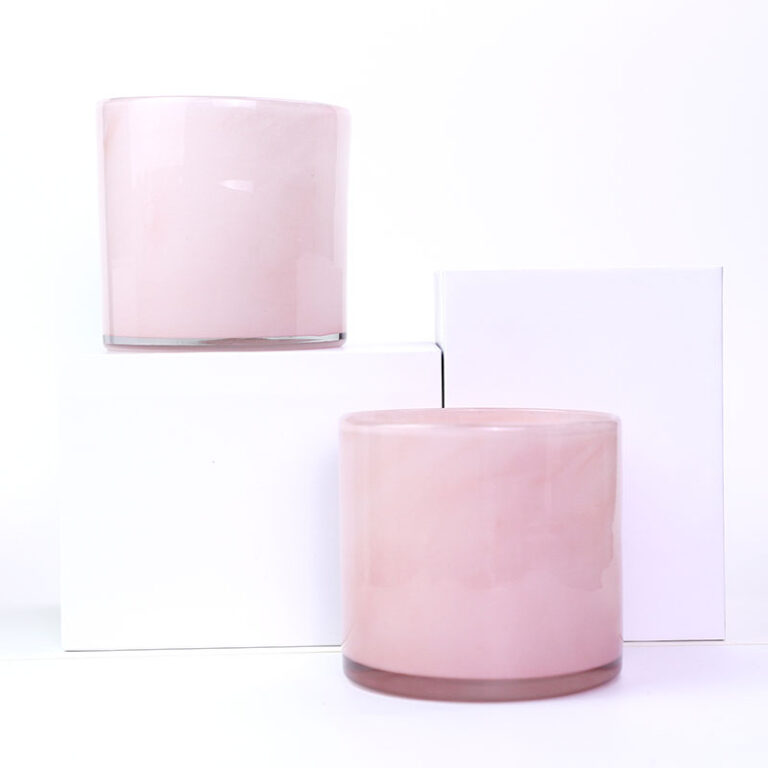
17–19oz (500–550ml) Pink Glass Candle Jars Wholesale
Read More »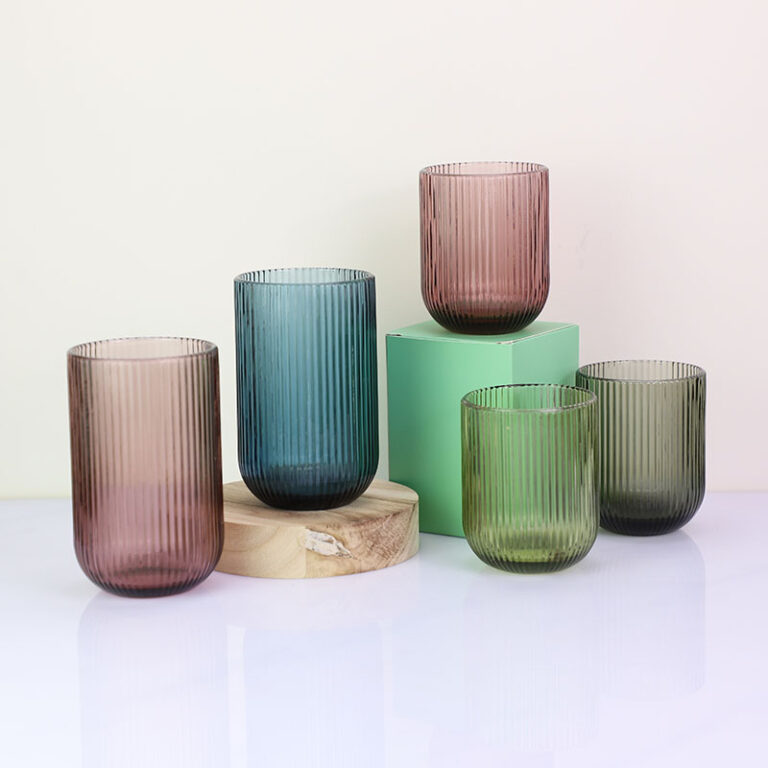
7–12oz (200–350ml) Fluted Coloured Glass Candle Jars Wholesale
Read More »
Speckled Glass Candle Jars Wholesale – Small & Large Formats
Read More »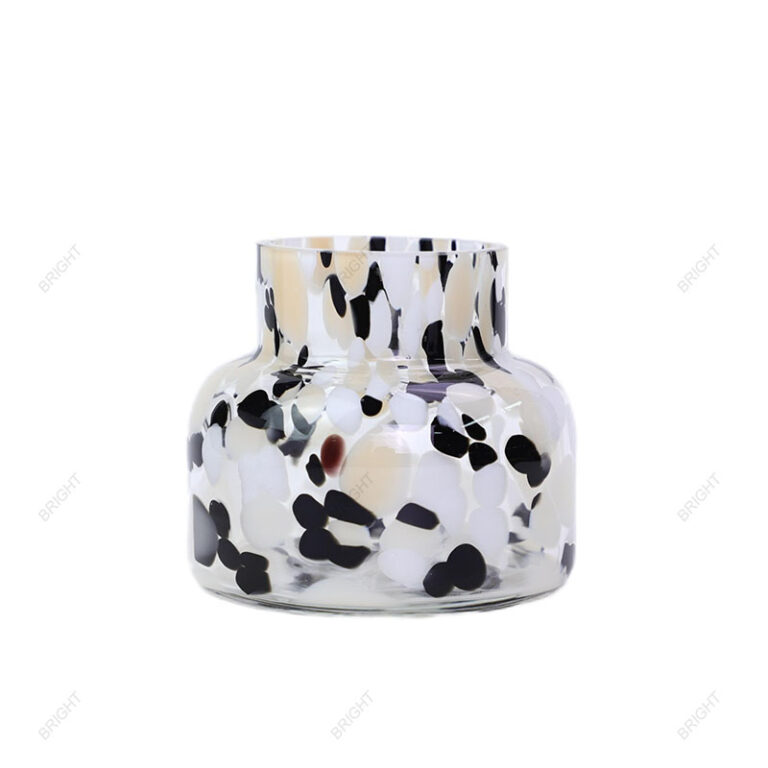
460–730ml Coloured Glass Diffuser Bottles Wholesale
Read More »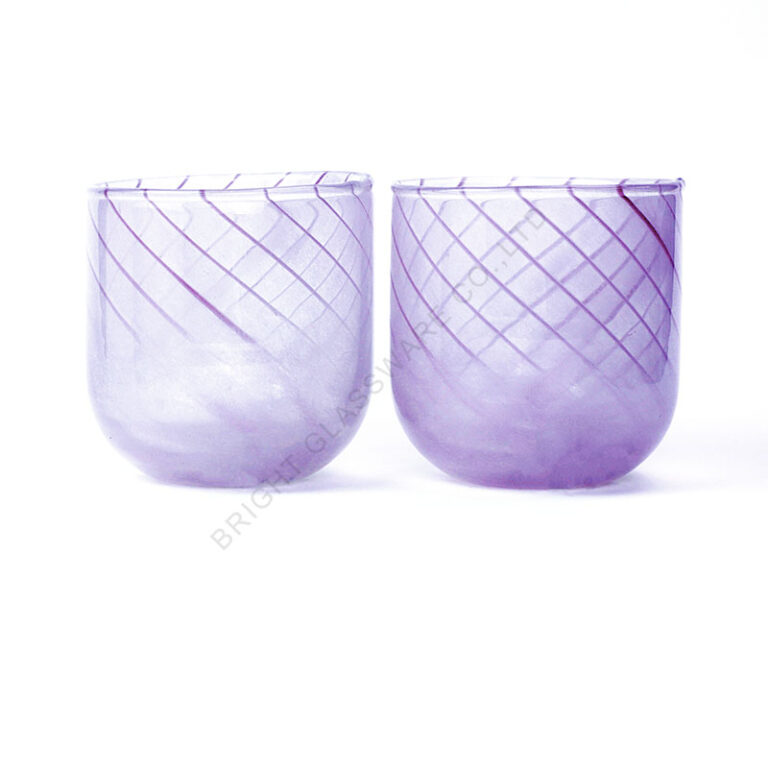
12oz (350ml) Purple Patterned Glass Candle Jars Wholesale
Read More »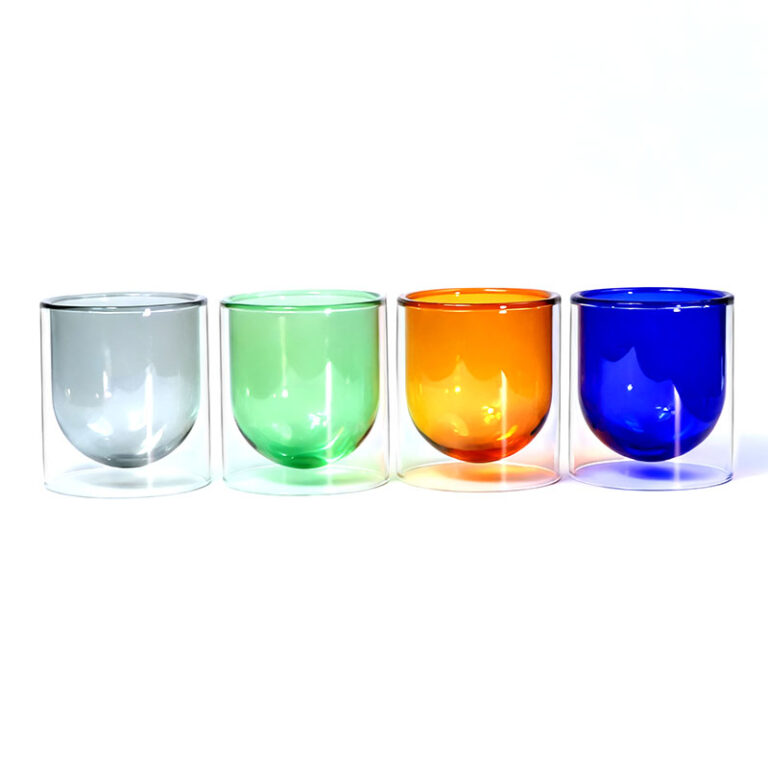
Wholesale 350 mL HC012 Candle Jar with Colored Inner Bowl
Read More »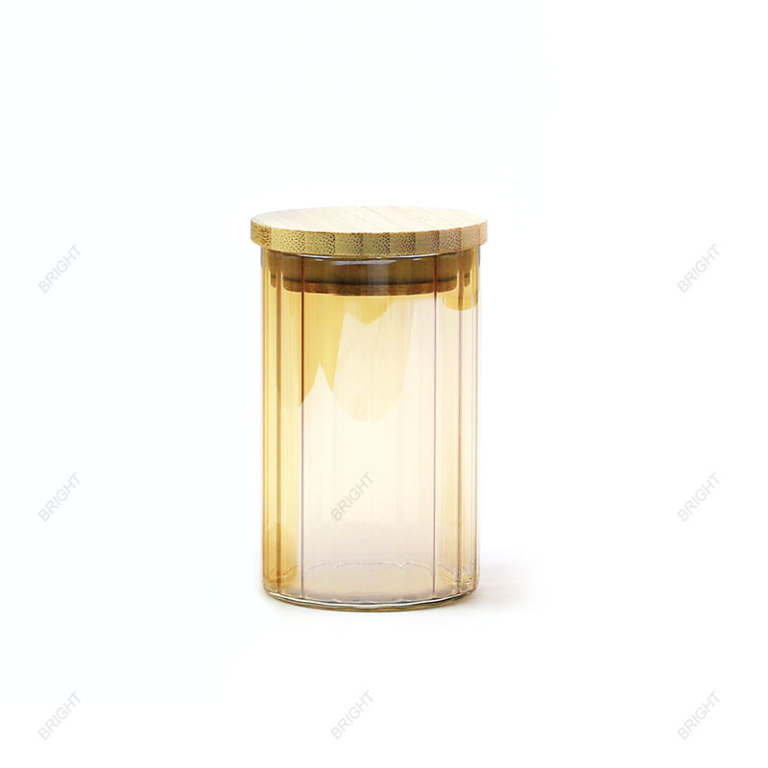
Wholesale 130 mL Amber Ribbed Candle Jar with Bamboo Lid
Read More »
Wholesale Two-Section Borosilicate Candle Jars, 8–39 oz
Read More »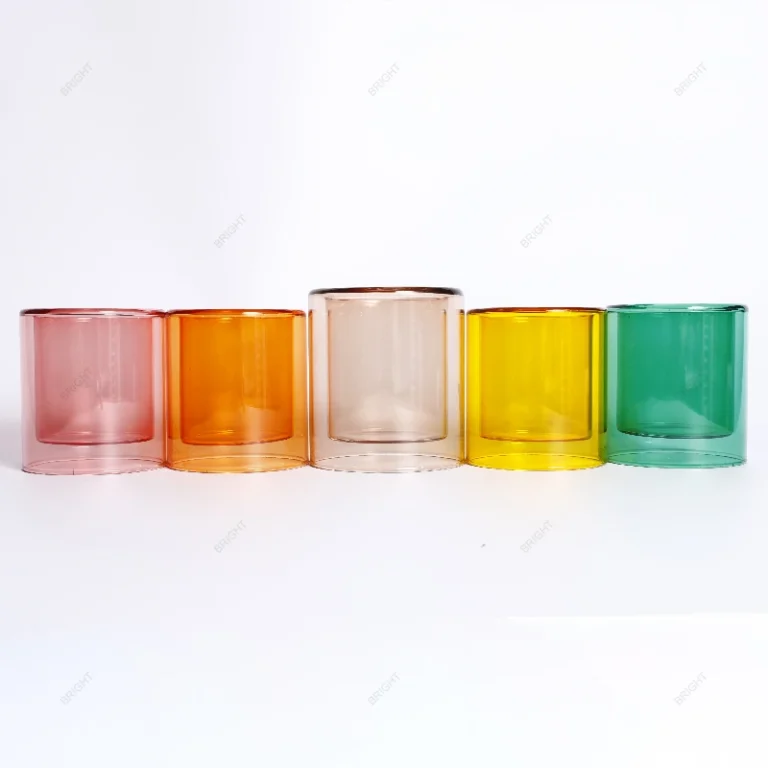
Double-Wall Borosilicate Candle Jars, 380ml & 520ml
Read More »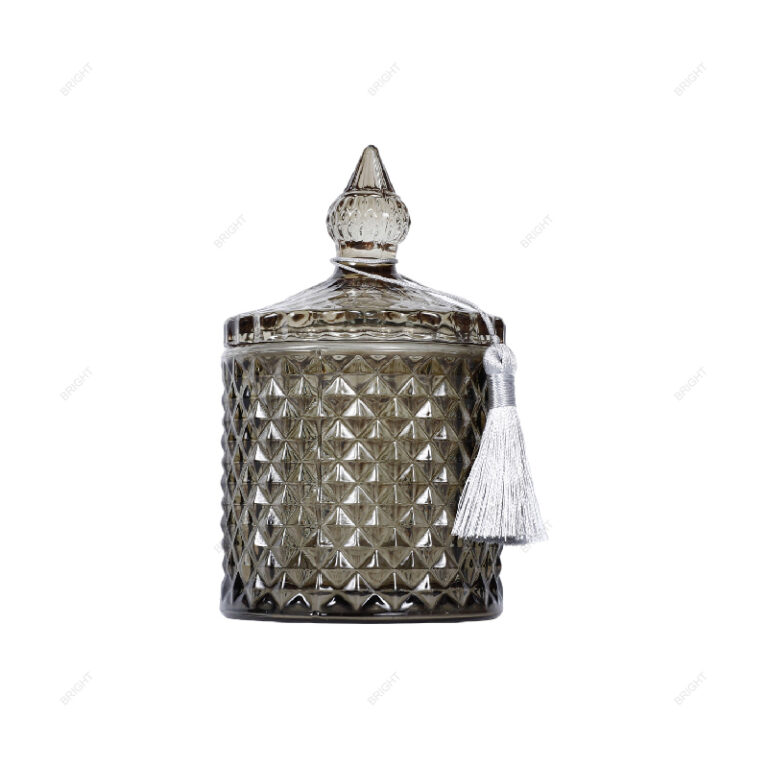
Diamond Pattern Glass Candle Jars with Lids Wholesale
Read More »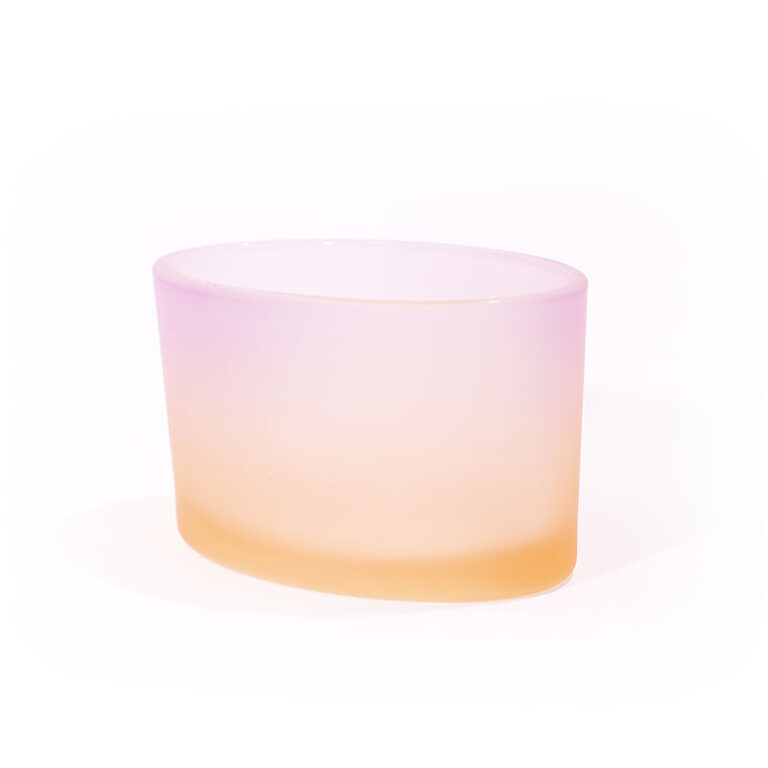
600ml Oval Glass Candle Jar – Wholesale
Read More »Send Your Candle Jar Palette
Share the jar model or shape, target shades, opacity and quantity per color. Include a reference sample or photo if you have one.
How to Specify Color for a Wholesale Jar Order
A color name sets the direction. The six checks below turn it into a specification you can compare with an approved sample.
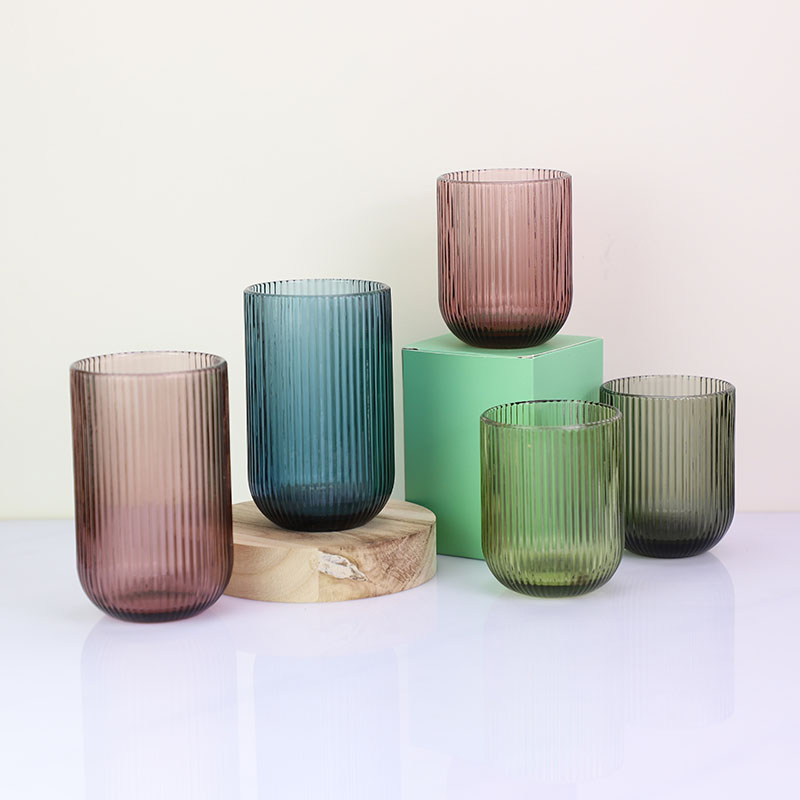
Define the Color Direction
Start with the range's light and dark shades. Compare the actual jars side by side to decide whether the undertone should stay consistent across the palette.
See the Sample Checks →BGC251 palette reference. Select the shade and jar size together when requesting samples.

Confirm How the Color Is Made
Ask whether the selected sample gets its appearance from body color, a surface treatment or a combination of the two. Confirm the route, coated surfaces and finish for the exact jar.
See the Sample Checks →HC7090 colour-pair reference. Confirm the body colour, lid colour and proposed production method for your sample.
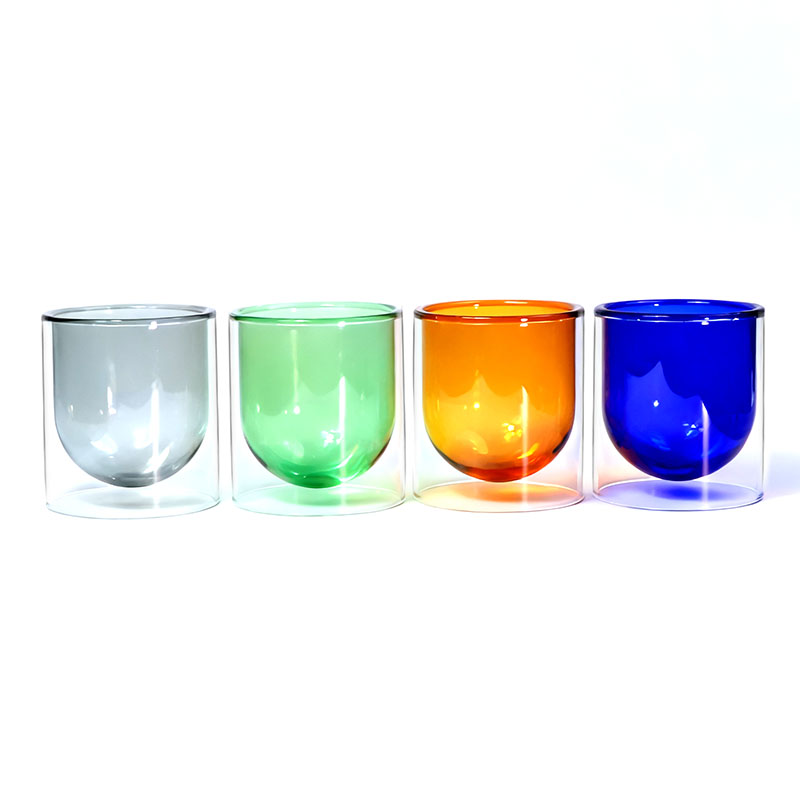
Compare Light Transmission
Look through the wall at a light and dark background. Then compare the same jar with your wax to see whether you want the fill line and contents to show.
See the Sample Checks →HC012 shade comparison. Review how the chosen jar looks in person under the lighting planned for your range.
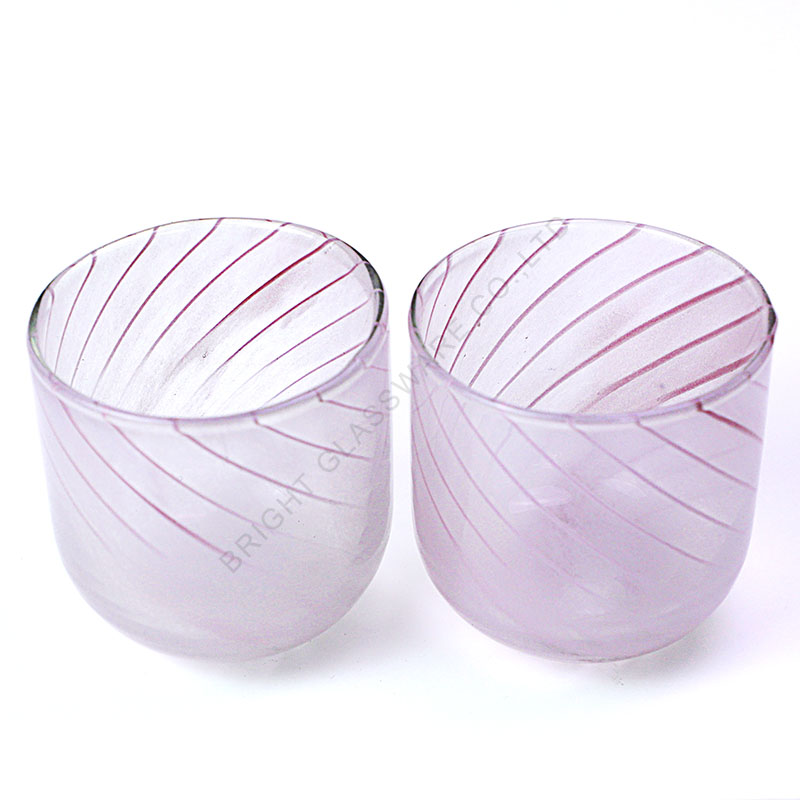
Inspect the Rim and Base
Turn the sample under side lighting and look at the rim, lower edge and base. Record where the finish starts and stops and what variation is acceptable there.
See the Sample Checks →BGC9095-CG rim reference. For approval, also check the base and visible finish edges on the exact sample.
Hold the artwork against the approved shade
Check line weight, text and mark visibility on the actual vessel under the lighting planned for your range.
Check Artwork on Each Shade
Place the same label or logo on the lightest and darkest samples. Check small type, transparent label edges and any mark that crosses a color transition.
See the Sample Checks →Use one approved finish as the handling reference
Agree the appearance and the relevant handling checks on the chosen sample before judging a production lot.
Review the Finish After Handling
Review the finished sample after normal handling and removal from its proposed insert. Agree how the order will be checked for visible rub marks or scuffs.
See the Sample Checks →Approve the Jar, Lid and Artwork Together
Set the physical color reference next to the proposed lid and retail box. Test the mark on the actual finish and confirm the decoration method by model, especially if the range includes both transparent and opaque jars.

Set a Physical Standard for Each Color
Approve a decorated sample on the chosen jar. Keep a labeled reference with the model, artwork version and agreed appearance so the same standard is available for repeat orders.
- Jar and finish: Identify the exact model, surface treatment and the areas to be decorated.
- Shade and coverage: Record undertone, opacity, sheen and the acceptable variation across the surface.
- Viewing conditions: Use the same light and background for comparisons. Include the intended wax or a filled sample if it changes the appearance.
- Order record: Keep the approved sample, artwork version, cover and color code together for later checks.
HC9677 finish reference. Identify the exact jar and cover combination on your sample brief.
RequirementsUse, quantity and destination
SelectionModel and components
Sample ReviewFit, appearance and packing
Order SpecificationApproved configuration
Final ReviewOrder and packing reference
Record the Color Sample and Review Conditions
| Specification | What to Review | Approval Reference |
|---|---|---|
| Substrate and color route | Record the substrate and color route on the selected sample and agreed specification. | Selected sample and agreed substrate and color route reference |
| Opacity or transparency | Record the opacity or transparency on the selected sample and agreed specification. | Selected sample and agreed opacity or transparency reference |
| Physical color standard | Record the physical color standard on the selected sample and agreed specification. | Selected sample and agreed physical color standard reference |
| Candle development | Keep the intended wax, fragrance, fill line and proposed wick arrangement with the selected vessel. | Selected sample and agreed candle development reference |
| Packing scope | Keep the finished color reference with the packing sample to review rubbing and contact. | Selected sample and agreed packing scope reference |
Get a Quote for Your Color Range
Send the chosen model or silhouette, the target shades and opacity, and quantities by version. Add the lid, artwork and packaging requirements so they can be reviewed together.
Send the Color and Quantity Brief →Protect the Approved Color Finish in Transit
Use an approved finished jar in the proposed pack. Check where the jar, cover and insert touch when the box is closed and when the jar is removed.

Prevent Visible Contact Marks
Look for pressure points on the logo, rim and decorated surface. Keep loose lids from contacting the jar and review separators against the actual finish.
Glass divider example. Check whether your selected finish needs a different separator or wrapping.
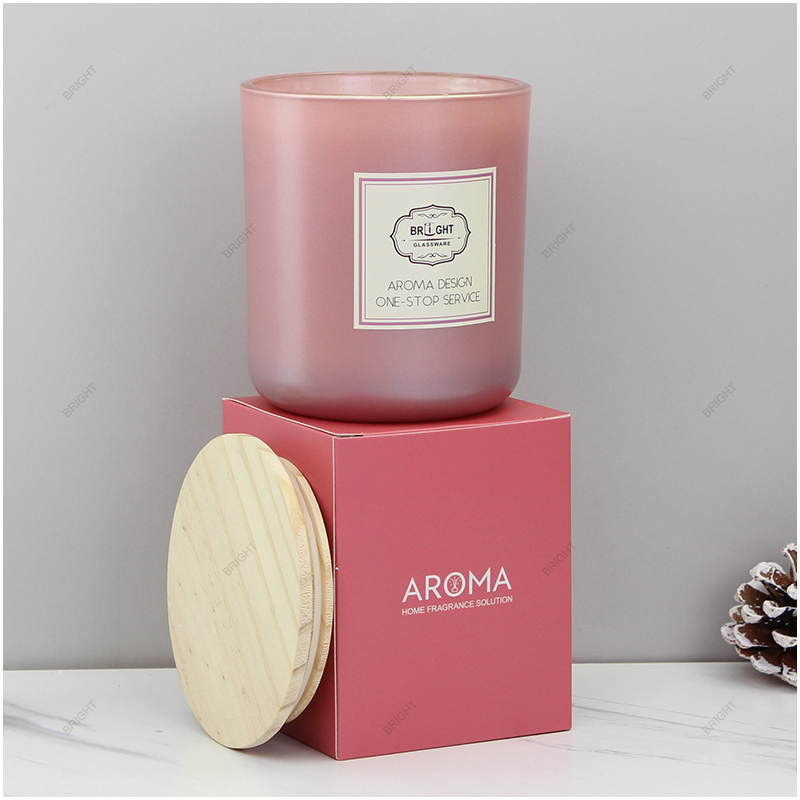
Check How the Jar Lifts from the Box
Lift the sample out as a customer would. Check whether tight corners, rough edges or a sleeve drag across the part of the jar customers see.
Retail carton example. Approve the internal fit and any insert on the exact jar and lid.
Give each shade and finish its own carton reference
Use the approved shade name, finish or sample code and quantity so similar variants can be checked at packing.
Label the Color and Artwork Versions
Match the model, shade and artwork revision on the packing list to the approved sample. Use a clear version code when several scents share the same vessel.

Confirm Quantities by Finish
Give the quantity for each shade and artwork combination, the pack type and the delivery destination. Confirm the final pack specification with the selected finish.
Consolidated-carton example. Confirm the final packing format and delivery brief for your order.
Plan Your Packing & Delivery
Share your order quantity, destination and retail or export packing requirements.
Discuss Packing & Shipping →Check the Color on the Finished Candle Sample
Review the jar empty and filled in the same lighting. If the appearance in use matters, evaluate the lit effect only during your own candle tests with the intended wax, fragrance and wick. Agree the visible finish and its coverage separately from candle performance.
Choose a Color Strategy for Your Range
Use the catalogue samples to discuss what should stay consistent and what can change between versions. Confirm each appearance on the actual jar.
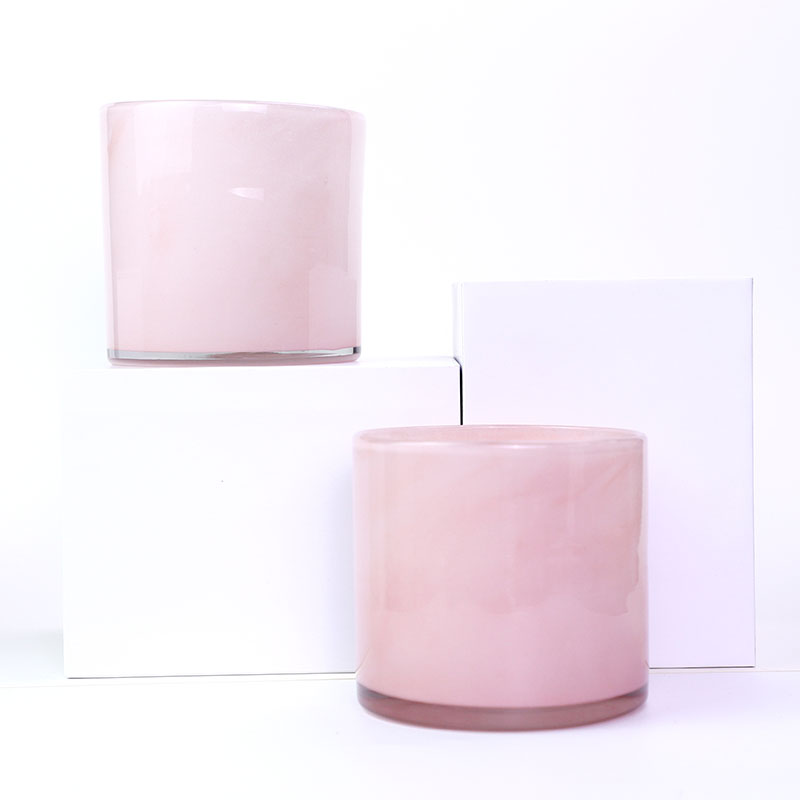
Give Each Fragrance a Distinct Shade
Keep the silhouette and label layout consistent, then use shade or opacity to separate scents. Compare a filled sample from each version so the difference remains visible in the same setting.
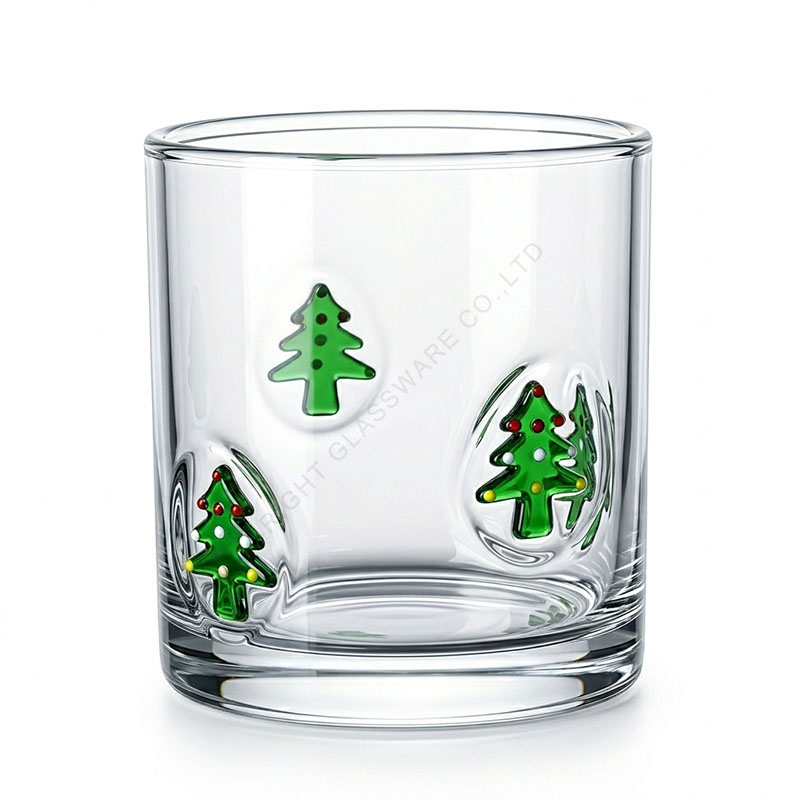
Add a Seasonal Color to an Existing Range
Choose which features carry over from the existing range, such as the cover or carton. Review the new color beside the current jars before reusing the same artwork and pack.
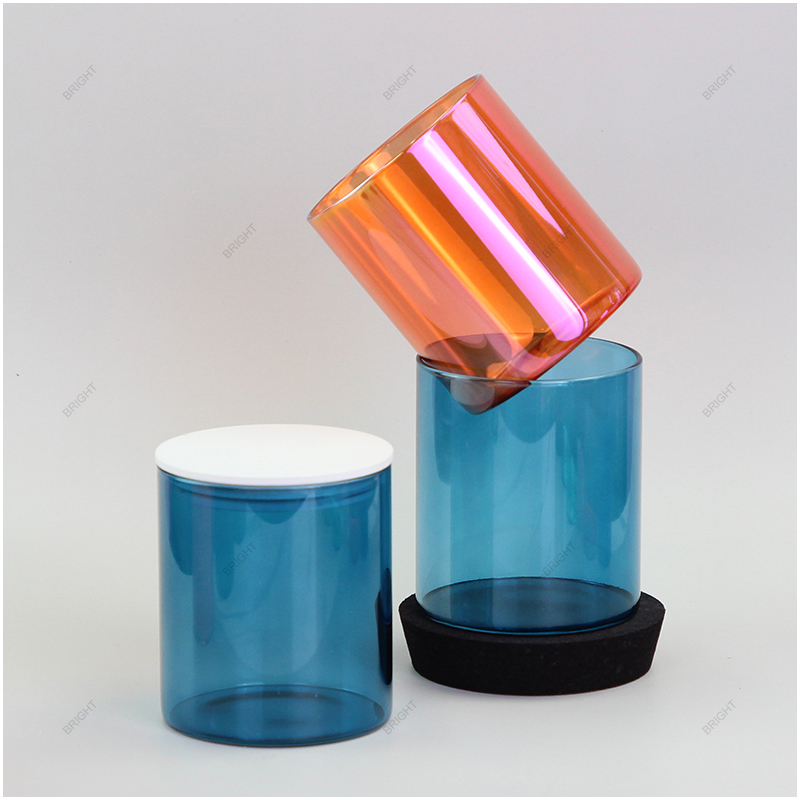
Build Around a Signature Brand Color
Start with a physical color target. Review the selected jar, lid and artwork under the light planned for display and agree how the glass should look beside the other branded pieces.
HC8090 sample reference. Confirm how the proposed colour and finish should look on your chosen jar.
Quote Each Color and Decoration Version
Send your quantities by jar, shade and artwork revision. Ask about sample scope, order minimums and lead time for each proposed version, especially if the range mixes finish processes.
ModelSelected vessel or component
SampleComplete assembly to review
ArtworkFile, colour and position
PackingRetail and outer-carton scope
How Bright Glassware Supports a Colored Jar Range
Bright Glassware can help shortlist catalogue jars and review decoration and pack options on the selected models. Use the physical sample to agree what goes into each version of the order.
Shortlist from Actual Jar References
Compare olive-amber, smoky-gray, colored double-wall and patterned glass references. Confirm available options for the selected jar.
Review the Finish on the Chosen Model
Discuss body appearance or a suitable glass decoration route with the approved shape and intended coverage in view.
Match Artwork to the Finish
Review printing, labeling or other suitable options against the color and visible surface of the jar.
Coordinate the Lid and Retail Pack
Check the chosen lid and packaging with the jar sample so finish, fit and presentation can be agreed together.
Check Samples Across the Palette
Set the samples beside each other to review shade differences, logo readability and which covers go with each version.
Keep Color Versions Clear on Reorders
Use the model, approved shade and artwork version to identify the exact combination when requesting a repeat quote.
Questions About Colored Candle Jars
Are all colored glass candle jars made the same way?
Ask how the appearance is made for the specific model. Body color, a surface finish or a combination can look similar in a photograph.
Can I request a custom brand color?
Send a physical target and jar reference. We can discuss the options for that model and use a physical sample to approve shade, opacity and sheen.
How do I choose between an opaque and a translucent jar?
Look at both versions with your intended wax and label. Decide how much of the fill line you want visible and how the jar should read under your display lighting.
Can I use the same artwork on every color?
Start with one file if the layout is shared. Check contrast and the smallest print on every selected shade before confirming the artwork.
How do I approve a color seen in a photograph?
Use photographs to narrow the direction. Approve a physical sample under agreed lighting and keep it with the order record.
Still Have a Product Question?
Send your requirements or a reference so our team can review your project.
Ask Our Packaging Team →Related Collections & Project Resources
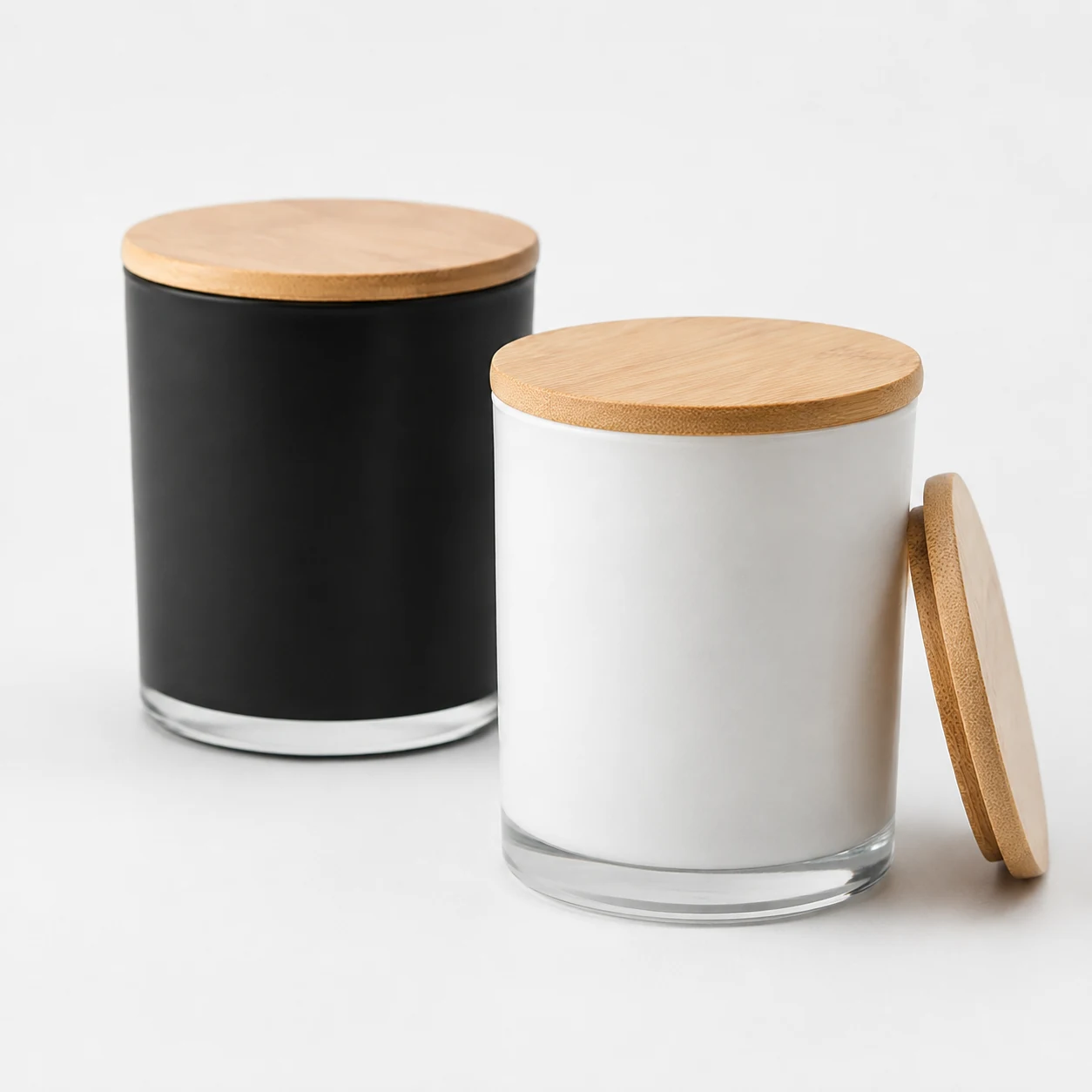
Glass Candle Jars
Explore Collection →Check fill volume and pack dimensions
Use the size guide for nominal volume, usable fill, closure fit and the dimensions needed for a carton.
Candle Jar Sizes
Explore Collection →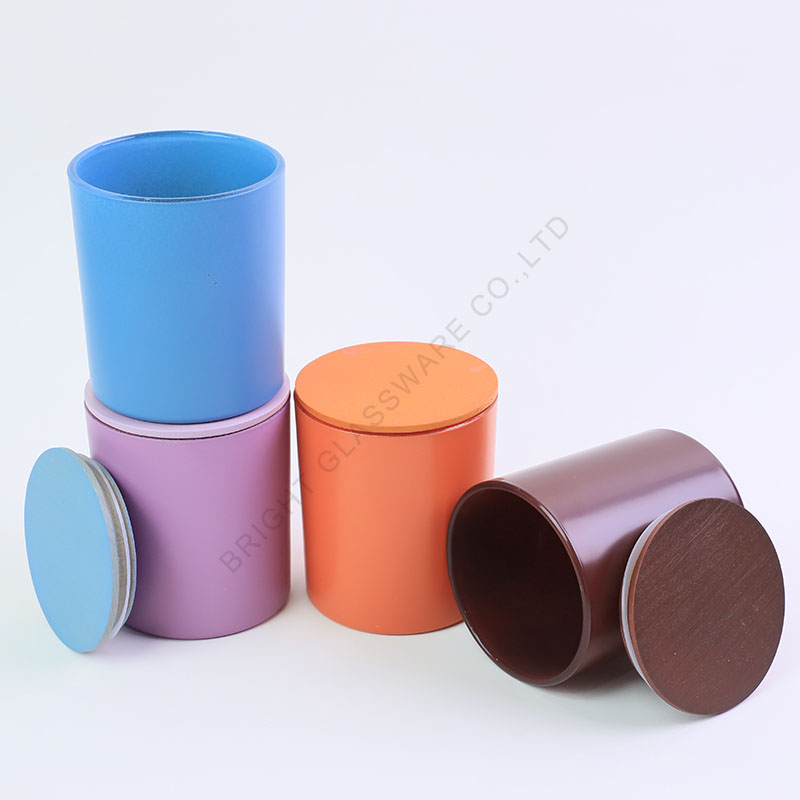
Candle Jars with Lids
Explore Collection →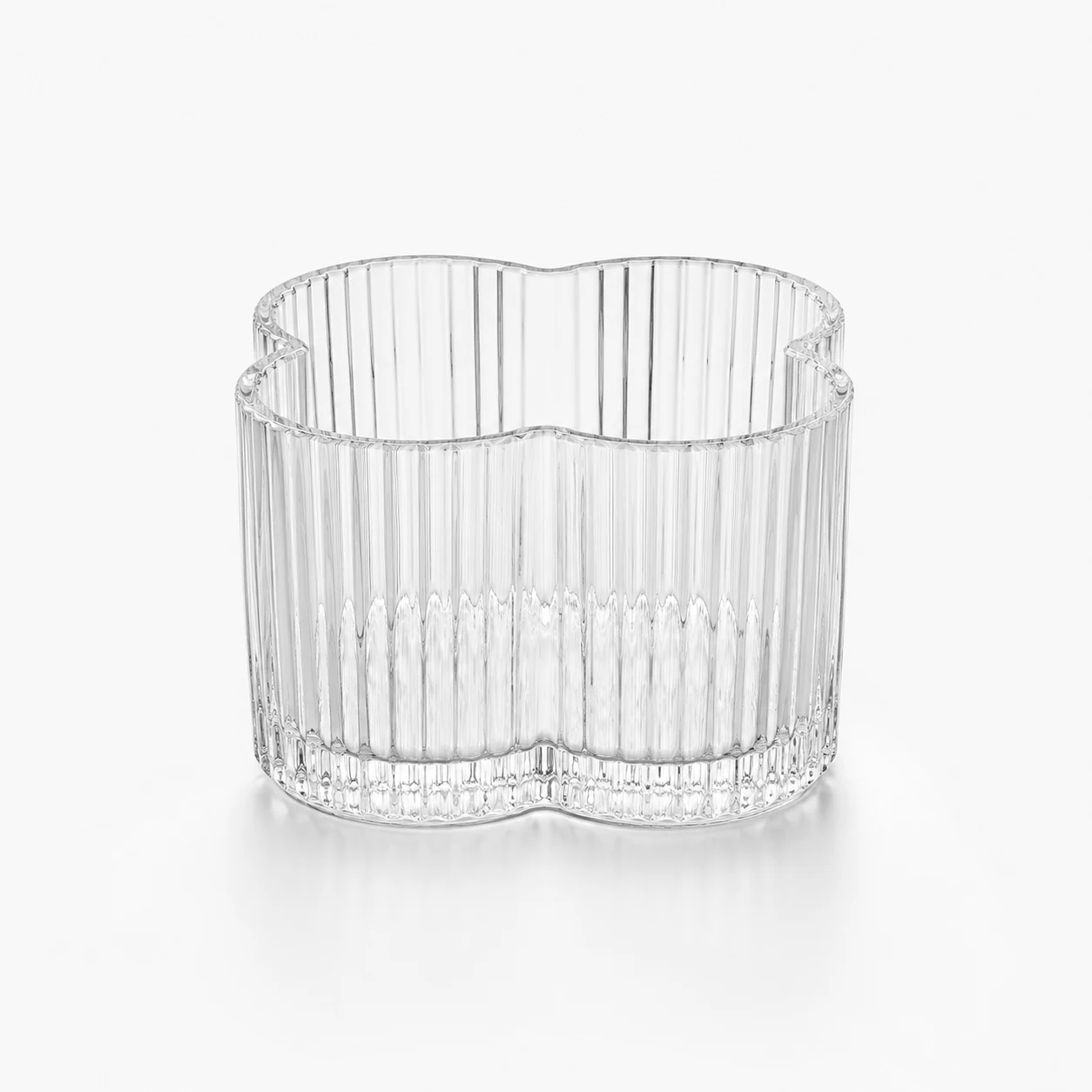
Unique / Fancy Candle Jars
Explore Collection →Prepare the artwork and finish brief
Identify the body model, approved shade, logo placement and closures before requesting a custom sample.
Custom Candle Jars
Explore Collection →
Candle Jar Labels
Explore Collection →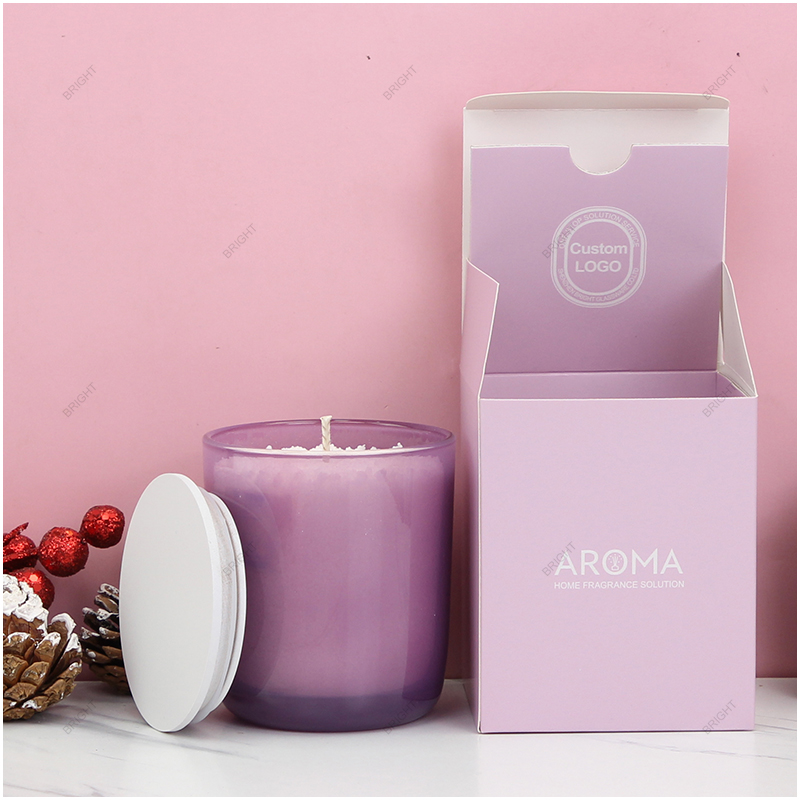
Candle Jar Boxes
Explore Collection →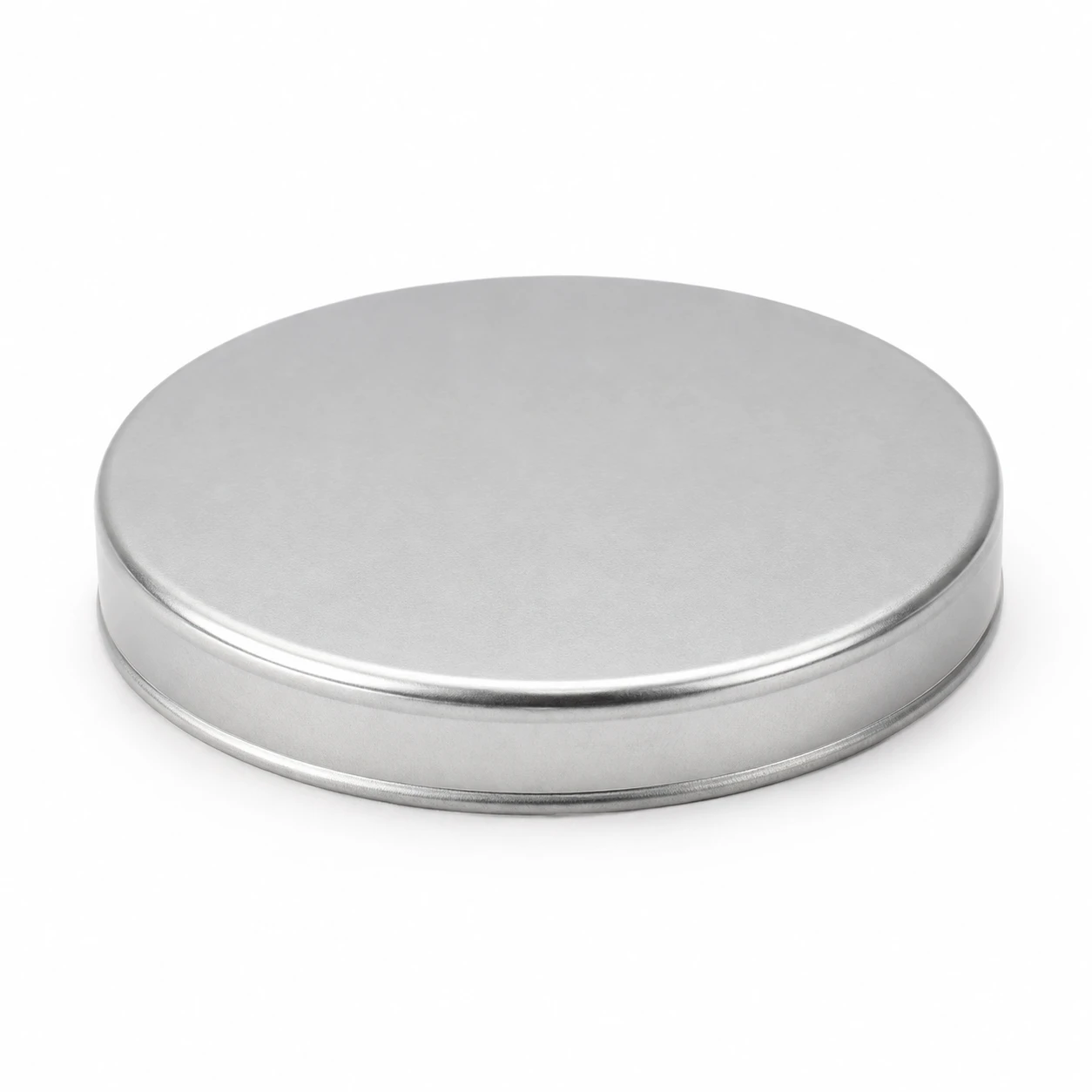
Candle Jar Lids
Explore Collection →
Decoration & Artwork Review
View Resource →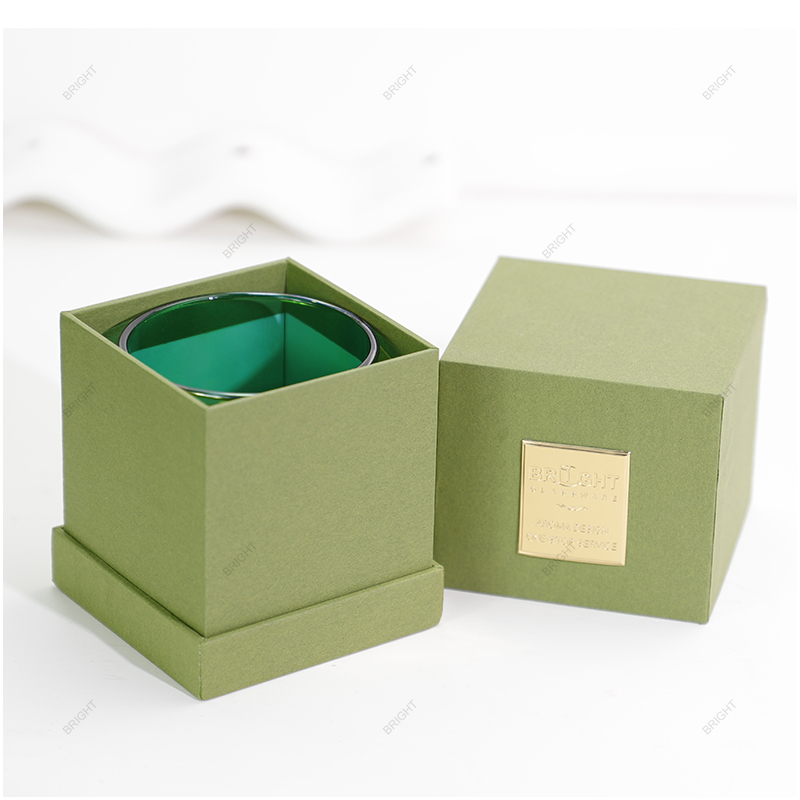
Retail Packaging & Inserts
View Resource →Presentation box example. Review support and removal on your own jar and pack.
Start with the Job Each Color Does
Decide whether color will identify a fragrance, a season or a range of its own.
Use that decision to limit the number of shade and artwork combinations you need to sample.
Read the Undertone in Consistent Light
Put the jars on the same neutral background and move from daylight to the lighting planned for display. Compare warm and cool undertones with the intended wax and cover in place.
Find Where the Artwork Loses Contrast
Hold a printed sample or label against each finish. Check the smallest text and the edges of clear labels from the distance customers will read them.
Give Every Reorder an Exact Reference
Keep a model code, approved finish reference and artwork version for every shade. Include quantities by version so a later order can repeat only the items you need.
Browse Our Product Categories
– Glass Bottles & Fragrance Packaging –
– Glass Candle Jars & Related Containers –

– Glassware & Packaging Solutions –
Request a Quote
Talk to Our Packaging Team
Share the model, capacity, color, closure, decoration, packaging and estimated quantity you need. We can review the options with you.
Category: Colored Candle Jars