
Borosilicate Glass · Wholesale & Project Sourcing
Borosilicate Glass Oil Dispensers Wholesale
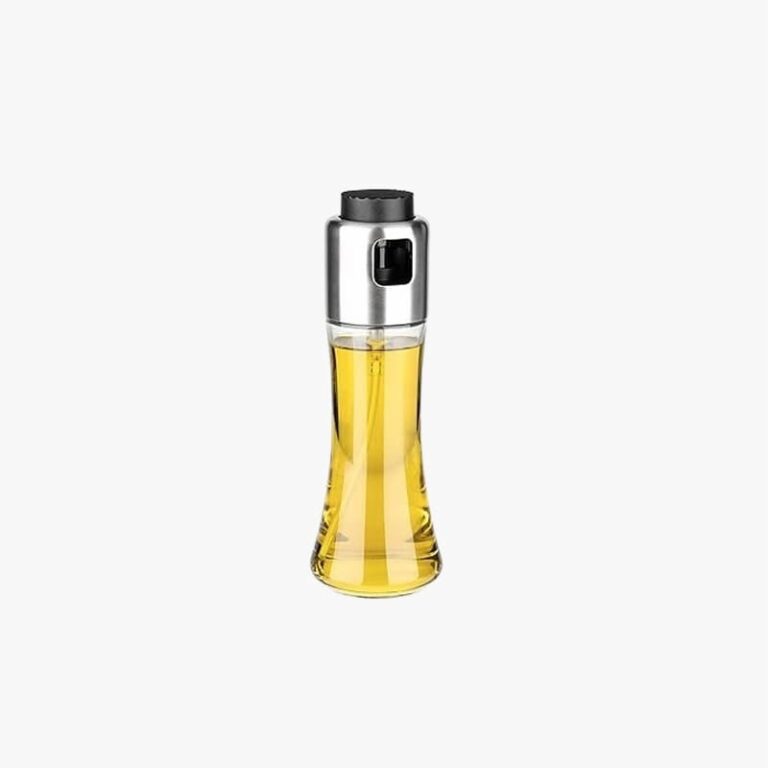
An oil dispenser is defined by how it pours as much as by the glass body. Compare the outlet, cap and filling opening, and explain whether the project needs a pourer, a sprayer or a table set.
For kitchenware brands, restaurant suppliers and retail buyers, the useful comparison is the assembled dispenser. A bottle-only quotation leaves the most important part of the product undecided.
Explore Borosilicate Glass Oil Dispensers
Use the enquiry to define the dispenser you need. A model reference, outlet style and intended liquid make the request more useful than a capacity alone.
Need Help Choosing the Right Option?
Send a body reference, target fill, pourer or sprayer style, intended contents, estimated quantity and destination.
Start with the Way It Dispenses
Pouring or spraying
A pourer and a spray mechanism create different buying briefs. State the intended action first, then review the outlet, closure and glass together.
Table or kitchen use
A table cruet may stay beside a plate; a kitchen bottle may be refilled frequently. The opening and grip should suit that routine.
One piece or a set
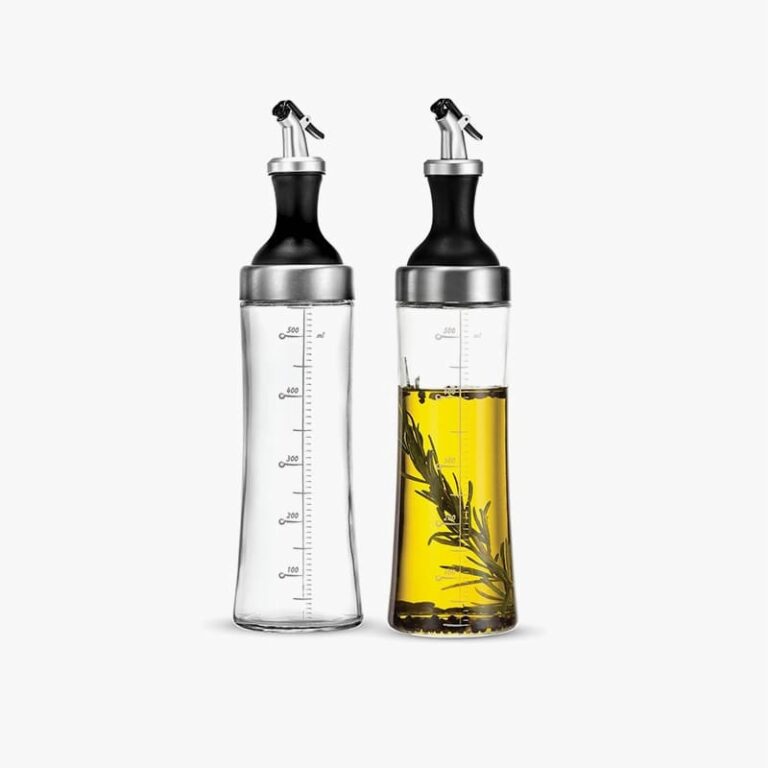
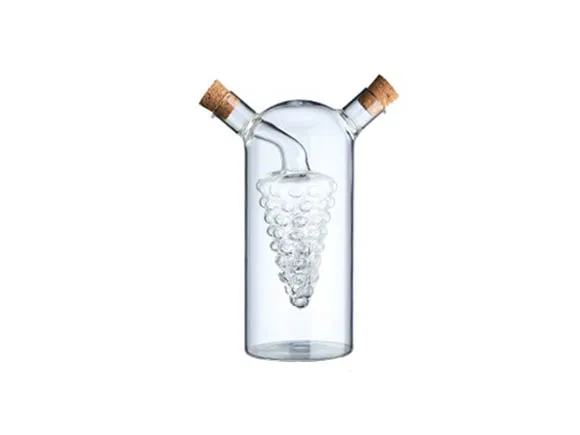
Identify whether the order covers the glass alone, a fitted dispenser or a coordinated oil-and-vinegar set, including any tray or retail box.
Compare Oil Dispenser Details Before a Bulk Order
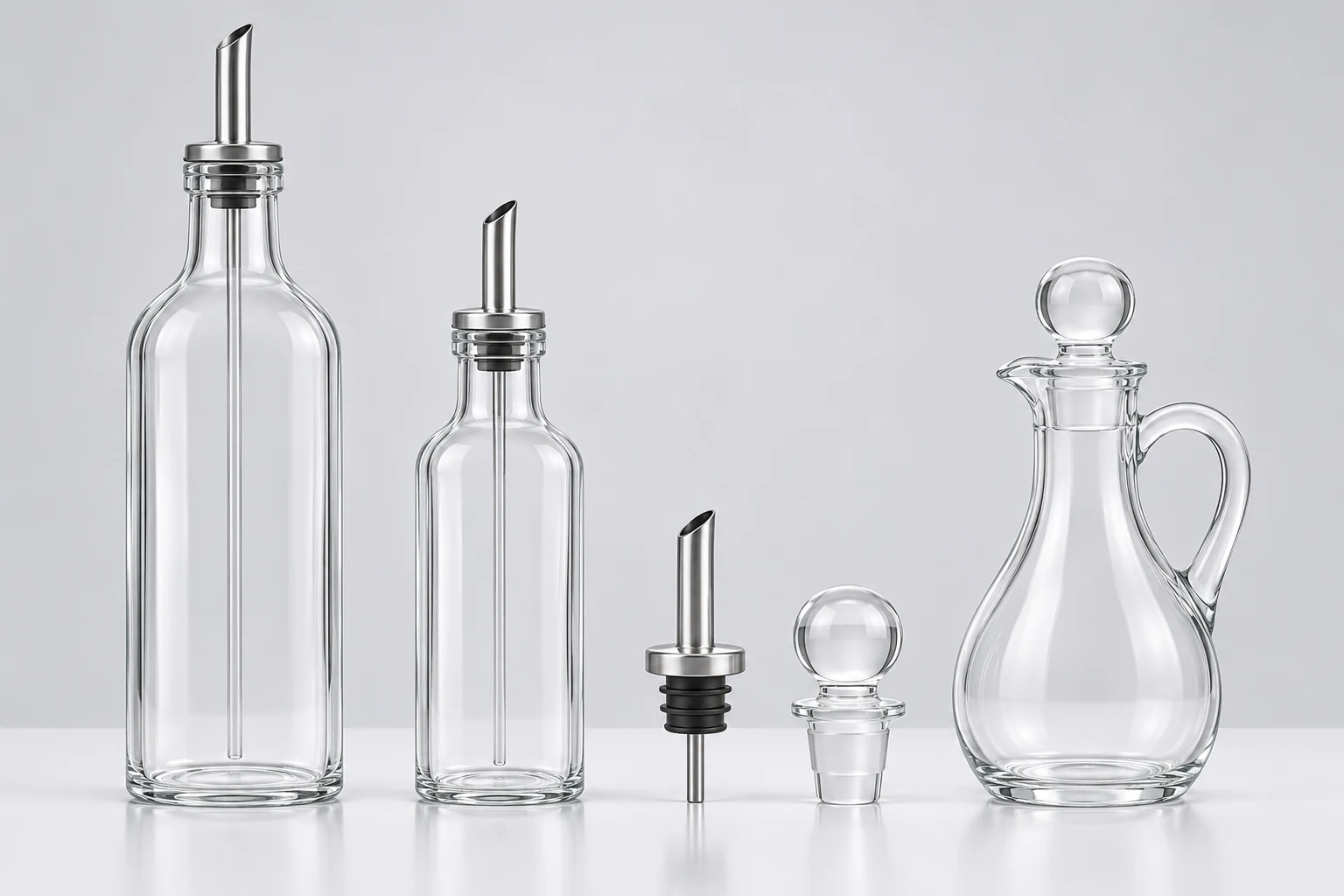
The outlet
Look at where liquid leaves the dispenser and where residue can collect. Review the actual pouring movement rather than judging a closed product photograph.
Review the Specification →The refill opening
A narrow neck and a wide filling mouth offer different handling. Consider the funnel, filling process and cleaning access expected by the end user.
Review the Specification →The closure assembly
A stopper, threaded cap and pump require different neck details. Keep the chosen closure attached to the model reference throughout quotation and sampling.
Review the Specification →The body proportions
A tall bottle and a squat cruet can hold similar volumes. Compare shelf height, hand clearance and stability within the intended table setting.
Review the Specification →The cap after use
Decide how the outlet is covered between uses and whether the cap stays attached. Include these small parts in the packing brief.
Review the Specification →The retail combination
For sets, review the complete arrangement. The height of the pourers, spacing between bottles and position of accessories affect the final box.
Review the Specification →Review the Glass and Pourer Together
A closure that looks close in a photograph may not match the neck. Review the actual assembly, including any seal, outlet and dip tube, with the intended contents and handling routine before choosing a production specification.
Discuss Your Requirements →Explore Customization & Artwork Review →Custom Oil Dispenser Projects
Bring the proposed logo position and finish to the body review early. Printing near a shoulder or textured area needs a different layout from a flat label panel. If the project changes the glass or outlet, separate those requests so their feasibility can be assessed individually.
Sample Review & Production Planning
- Body size: Record the assembled height and widest point as well as the intended fill, so storage and packing can be reviewed.
- Neck and closure: Use a drawing or physical closure reference; a capacity figure does not identify the neck connection.
- Dispensing action: Describe the desired pouring or spray action and the liquid proposed for evaluation.
- Decoration area: Mark the visible panel, artwork dimensions and direction the outlet should face relative to the branding.
RequirementsUse, quantity and destination
SelectionBody, components and appearance
Sample ReviewFunction, handling and packing
Order DefinitionAgreed model and specification
Final ReviewIdentification and delivery scope
From Selection to an Agreed Specification
| Specification | What to Review | Buyer Approval / Output |
|---|---|---|
| Body size | Record the assembled height and widest point as well as the intended fill, so storage and packing can be reviewed. | Dimension reference |
| Neck and closure | Use a drawing or physical closure reference; a capacity figure does not identify the neck connection. | Matched assembly |
| Dispensing action | Describe the desired pouring or spray action and the liquid proposed for evaluation. | Use brief |
| Decoration area | Mark the visible panel, artwork dimensions and direction the outlet should face relative to the branding. | Artwork layout |
| Order scope | List each body and closure combination, the quantity per version and whether the order includes retail packing. | Quotation breakdown |
Plan Your Borosilicate Glass Oil Dispensers Project
Send a body reference, target fill, pourer or sprayer style, intended contents, estimated quantity and destination.
Request a Project Quote →Packing & Delivery Planning for Borosilicate Glass Oil Dispensers
Projecting pourers and loose caps need their own protection. Plan the pack around the completed dispenser, including the outlet, rather than the height of the glass body alone.

Protect the outlet
Keep projecting spouts from bearing carton pressure. Establish whether the pourer travels fitted or separately before deciding the insert.
Separate glass bodies
Use compartments or protective separation so neighbouring bottles and heavier bases do not strike one another during handling.
Keep components identifiable
Pack closure variants with clear references. Mixed pourers or seals can turn a straightforward assembly into a sorting problem.
Review the full set
For paired bottles or trays, check movement within the retail pack and specify outer-carton quantities against the completed arrangement.
Plan Your Packing & Delivery
Share your order quantity, destination and retail or export packing requirements.
Discuss Packing & Shipping →Evaluate the Proposed Liquid and Assembly
Oil viscosity, the outlet and the way the bottle is tilted affect the dispensing result. Review a representative assembly with the intended liquid and cleaning routine. A material description alone does not establish a drip-free pour, spray pattern or seal performance.
Borosilicate Glass Oil Dispensers for Different Buying Programs
Kitchenware collections
Build a cooking-accessory brief around the dispenser, refill method and cleaning access, with the expected shelf space and retail presentation stated.
Restaurant table service
For a table cruet, compare grip, outlet orientation and the way staff will refill, clean and identify the contents.
Oil and vinegar gift sets
Specify the number of pieces, any tray and the label arrangement so the complete set can be assessed rather than priced as unrelated bottles.
Define MOQ, Samples & Production Around the Brief
List each body and closure combination, the quantity per version and whether the order includes retail packing.
ModelNamed configuration and use
SampleAssembly to review
ArtworkFile, colour and position
PackingRetail and outer-carton scope
A Clearer Buying Brief for Borosilicate Glass Oil Dispensers
Name the action
Describe pouring or spraying before choosing a body shape; the mechanism sets the rest of the brief.
Measure the assembled item
Include the outlet and cap in height measurements so shelves and cartons are planned correctly.
Track closure references
Keep the exact neck and pourer combination attached to the enquiry, sample and reorder.
Mark the artwork direction
Show how the label should face when the outlet is in its normal pouring position.
Review a complete sample
Inspect the glass, closure and protective pack together before fixing the retail presentation.
Define each order line
Separate different bodies, pourers and finishes so the quotation shows what is included in every version.
Questions About Borosilicate Glass Oil Dispensers
Can I enquire about a dispenser without choosing the pourer yet?
Yes. Describe the intended dispensing action and contents first. The glass and closure can then be considered as an assembly; a body-only price should not be mistaken for the cost of the finished dispenser.
Can one dispenser be used for every cooking liquid?
Do not assume that from the glass material or appearance. The outlet, seals and any pump need to be reviewed with the liquid, viscosity and cleaning routine proposed for that particular product.
What helps compare oil-dispenser quotations?
Use the same body reference, closure, decoration, quantity and packing scope for each comparison. Check whether the outlet, cap and any retail tray are included, rather than comparing prices for different assemblies.
How should I specify a printed logo?
Send the artwork dimensions and a marked view of its position on the bottle. Show how the graphic relates to the outlet, especially if the dispenser has a front-facing pourer or an asymmetrical body.
Can the glass and pourer travel separately?
Make that part of the packing discussion. Separate packing changes assembly work at destination, while fitted packing changes the overall dimensions and the protection needed around the projecting outlet.
Still Have a Product Question?
Send your requirements or a reference so our team can review your project.
Ask Our Packaging Team →

Capacity and a practical fill
A nominal volume is a useful product identifier, but the chosen fill should also leave room for the closure and normal handling. Record the intended fill separately when preparing the enquiry.
Pouring is a sample question
Review the outlet through the complete movement: lift, tilt, return upright and replace the cap. This gives a more useful discussion than an unsupported claim that every dispenser will pour without residue.
Refill access deserves a close look
The opening should be considered with the tools used to fill and clean the bottle. A decorative profile may change where liquid gathers or how easily a brush reaches the shoulder.
Keep the reorder specific
Save the approved body, closure and artwork references as one configuration. A later change of cap or pourer may affect the pack height, appearance and dispensing behaviour even when the glass is unchanged.
Browse Borosilicate Glass Product Categories

Drinkware & Tea
Borosilicate Glass Drinkware →Borosilicate Glass Water Bottles →Borosilicate Glass Tea Infuser Bottles →Borosilicate Glass Cups & Mugs →Double-Wall Borosilicate Glasses →Borosilicate Glass Tumblers →Borosilicate Glass Wine Glasses →Borosilicate Glass Straws →Borosilicate Glass Baby Bottles →Borosilicate Glass Teapots →Borosilicate Glass Tea Kettles →Borosilicate Glass Electric Kettles →Borosilicate Glass Pitchers & Carafes →Borosilicate Glass French Presses →Borosilicate Glass Coffee Makers →Borosilicate Glass Tea Infusers →

Storage & Kitchen
Borosilicate Glass Food Storage Containers →Borosilicate Glass Storage Jars →Borosilicate Glass Cookware & Kitchenware →Borosilicate Glass Cooking Pots & Pans →Borosilicate Glass Bakeware →Borosilicate Glass Bowls →Borosilicate Glass Measuring Cups →Borosilicate Glass Plates & Tableware →Borosilicate Glass Oil Dispensers →Borosilicate Glass Food Covers →Borosilicate Glass Popcorn Makers →Borosilicate Appliance Glass →Borosilicate Glass Air Fryer Dishes →

Bottles, Home & Custom Projects
Request a Quote
Talk to Our Packaging Team
Share the model, capacity, color, closure, decoration, packaging and estimated quantity you need. We can review the options with you.
Category: Borosilicate Glass Oil Dispensers