
Finding packaging that aligns with your brand's sustainability goals is a growing challenge. When selecting eco-friendly candle container materials, you're faced with claims and options that can feel overwhelming, making it difficult to know if you're making a genuinely positive choice. This guide provides a clear framework for evaluating your options.
Glass, ceramic, concrete, aluminum and tinplate are options to compare. Use a lifecycle view1 to evaluate how each finished container is made, shipped, used and handled after the candle is finished. Consider documented recycled content, a practical reuse or refill plan, and the recycling options in your sales market.

Choosing a material is just the beginning. The real impact is determined by factors like manufacturing processes, shipping weight, and how easily your customer can either reuse or recycle the empty container. Let's explore the critical questions you should be asking.
What Makes a Candle Container More Sustainable in Practice?
A material can look like a good fit at the sampling stage. Follow it from manufacture through shipping, use and disposal to see which features matter in practice.
A container’s sustainability is ultimately defined by its full lifecycle. This includes the sourcing of raw materials, the energy used in manufacturing, its potential for reuse, and the practical options available for its end-of-life disposal in the hands of the end consumer.
Dive Deeper: The Full Lifecycle View
When selecting a vessel, I start with a question: “After the candle is gone, what do you want your customer to do with the container?” The intended next use helps define the material, rim, finish and accessories.
A comprehensive evaluation of sustainability includes several key stages:
- Material Sourcing: Ask where the materials come from and what recycled content is documented. For wood or bamboo components sold with an FSC claim, check the certificate through the FSC public search2 and confirm that it covers the supplied component.
- Manufacturing Footprint: Ask about energy and water use for the relevant manufacturing process. For a ceramic vessel, firing and glazing3 are steps to identify when requesting manufacturing data. Compare evidence for the actual vessels.
- Designed for Reuse: An intact, cleaned thick-bottomed glass jar can be a candidate for dry storage, such as a makeup brush holder. Try the planned cleaning instructions and assess how easily the label and residue come away.
- End-of-Life (Recycling/Disposal): Can the container be easily recycled by the end consumer? This depends not only on the core material but also on coatings, labels, and accessories, as well as the availability of collection programs in the region where the product is sold.
Compare the options under the same use and delivery conditions. Check the packed weight, what the customer can realistically reuse, and whether the finished decoration affects local recycling acceptance.
When Do Reusable Glass Jars and Refill Systems Make Sense?
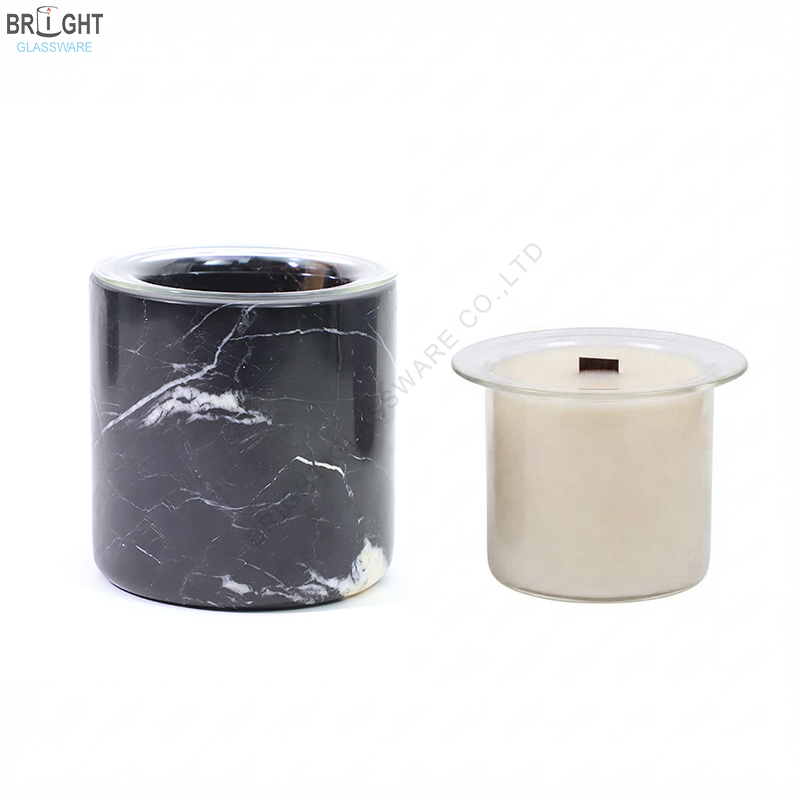
A refill system gives the customer a way to keep the outer vessel in candle use. Its environmental benefit depends on how often the system is used and what each replacement requires in materials, packing and transport.
Reusable jars and refill systems make sense when the outer vessel is durable and desirable enough for a consumer to keep, and a compatible, intuitive refill is readily available for purchase. The system's success hinges on a seamless experience from initial use to easy replacement.
Dive Deeper: Engineering for Reuse and Refills
Designing for reuse or a refill model requires a different approach than designing a single-use product. The focus shifts to long-term durability, user experience, and supply chain logistics.
Designing for a Second Life
If the goal is for the customer to repurpose the container, try the intended second use with an actual finished jar. A premium glass vessel might be useful for dry storage after cleaning, depending on its design and condition.
- Wax Cleanup: Try the instructions with the intended wax blend after the candle has been used and fully cooled.
- Label and Adhesive: Try removing or cleaning the actual label on a sample, and check the finish underneath.
- Durability: Check whether the cleaned vessel and its finish suit the intended second use.
Implementing a Flawless Refill System
Before committing to a refill program, compare a replaceable insert with other reuse routes. Our candle packaging trends article discusses how replacement inserts, re-pouring and dry-storage reuse differ.
- Mechanical Fit & Safety: Check that the insert seats steadily, and that it can be removed as intended once cool. Evaluate the finished outer vessel, insert, wax and wick together using a finished-candle burn test. Include the planned reuse cycles in the validation.
- Refill Availability: The U.S. FTC guidance on refillable claims4 calls for a practical means to refill before making an unqualified refillable claim. Confirm how customers will get a compatible replacement in the market where the original candle is sold.
Ask suppliers to review the outer jar and refill together so both samples and the replacement part refer to the same configuration.
How Should Buyers Compare Recycled Content and Local Recycling Options?
The recycling logo is one of the most common symbols in sustainable packaging, but its meaning can be surprisingly complex. The presence of recycled material and the container's ultimate recyclability are two different things, and both require careful verification.
Request material documentation for the stated recycled percentage and which component it covers. Check separately whether consumer recycling programs in the sales market accept the finished item.
Dive Deeper: From Recycled Content Claims to Real-World Recyclability
Understanding the nuances between recycled content and recyclability is crucial for making credible environmental claims and avoiding greenwashing.
Verifying Recycled Content
When a supplier claims a product contains recycled material, you should ask for specifics.
- Post-Consumer vs. Pre-Consumer: Post-consumer material is recovered after consumer use. The U.S. guidance on recycled content5 also explains when material diverted during manufacturing can count. Ask the supplier what the percentage represents and which component it applies to.
- Request Documentation: Ask for a material declaration tied to the product or batch. If a percentage is stated, confirm the calculation basis and the material to which it applies.
Assessing Practical Recyclability
Work through the actual components with the collection program for the target market. A typical candle might consist of:
- The Glass Jar: Confirm the glass type, decoration and the local instructions for residual wax. Some bottle-and-jar programs exclude borosilicate glass.
- The Metal Lid: Check whether the local program asks for it to be detached, attached, or handled separately.
- The Silicone Gasket: Confirm whether it can be removed and which local disposal instructions apply.
- The Label: Check the actual label, adhesive and coverage against the program’s requirements for the finished jar.
The U.S. FTC guidance on recyclable claims6 distinguishes an unqualified claim from one that explains limitations in recycling access. Verify whether the actual decorated jar and its components are accepted where it is sold before deciding what to say on the package.
How Do Jar Weight and Packing Affect Freight Emissions?
A heavy-bottom jar can give a brand the feel it wants. A lighter glass design can be another candidate when packed weight is a priority.
Under comparable shipping conditions, packed mass is one input to freight emissions. Compare the same number of sellable candles and account for changes in packing, route and mode.

Dive Deeper: Calculating the True Weight of Your Product
Measure the complete shippable unit, including the filled candle, lid, protective packaging and its share of the outer carton or pallet.
Compare the two options at the same wax fill and protection requirement. Use the candle packing and shipping guide to review the packed configurations before obtaining freight quotes.
| Record for both samples | What to capture |
|---|---|
| Jar and fill | Empty jar mass, wax fill weight, and finished candle weight |
| Lid and accessories | Mass of the chosen lid, label, and other parts |
| Protective packing | Actual dividers or inserts and their weight |
| Carton | Outer dimensions, gross packed weight, and sellable units per carton |
| Shipping configuration | Equal sellable units, route, transport mode, and distance |
| Transit performance | Agreed protection checks and any replacements included in the comparison |
Compare equivalent shipments. A lighter jar can call for different protection or change the number of units per carton, so use the finished packing data.
The GHG Protocol transportation guidance7 describes a distance-based calculation that uses mass or volume, travel distance, and a mode-specific emission factor. Report that result as a transport estimate and state the scope.
What Should Buyers Check in Ceramic, Concrete, and Metal Candle Containers?
Ceramic, concrete, aluminum and tinplate can serve different designs and uses. Compare the finished vessel and its proposed next use.
For ceramic and concrete, confirm the exact interior treatment and evaluate the intended use. For aluminum or tinplate, verify the material, finish, recycled-content evidence and local acceptance of the specific container.
Dive Deeper: Evaluating Alternative Materials
Each material has its own sustainability profile with distinct pros and cons.
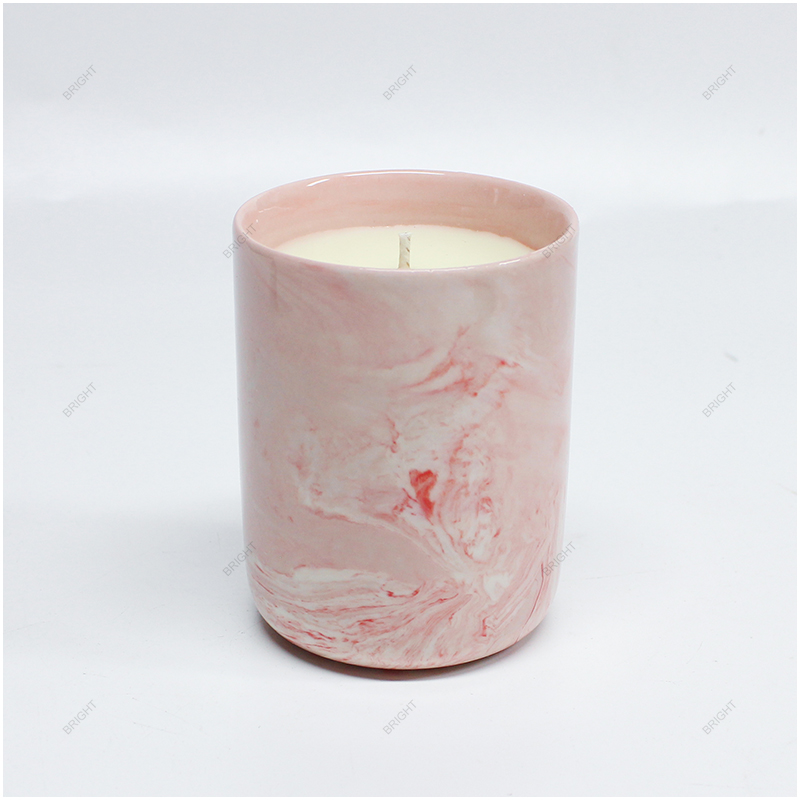
Ceramic and Concrete Containers
These materials can give a vessel a tactile, opaque appearance. Ask the supplier to identify the body material and the interior finish.
- Reuse: Assess an intact, cleaned sample for the intended second use, such as dry storage.
- Production and shipping: Evaluate firing for ceramic and the actual mix and curing process for concrete. Measure the packed weight and confirm local disposal options for each.
- What to check: Confirm any glaze, liner or sealer for the exact item. Evaluate the intended wax and fragrance for seepage, staining and finished-candle performance.
Metal Containers (Aluminum & Tinplate)
Metal tins can be considered for compact and travel formats. Compare tin and glass candle vessels using actual samples.
- Material and recycling: The EPA aluminum waste data8 cover specified U.S. product categories. Confirm whether the local collection program accepts the actual tin or insert.
- In use: Check the sidewall and base temperature and assess the finished candle in the intended setup. Confirm labeling for your target market and product.
- What to check: Request recycled-content evidence where claimed and check how the program handles the chosen finish, lid and insert.
How Do Coatings, Lids, and Inserts Affect Reuse and Recycling?
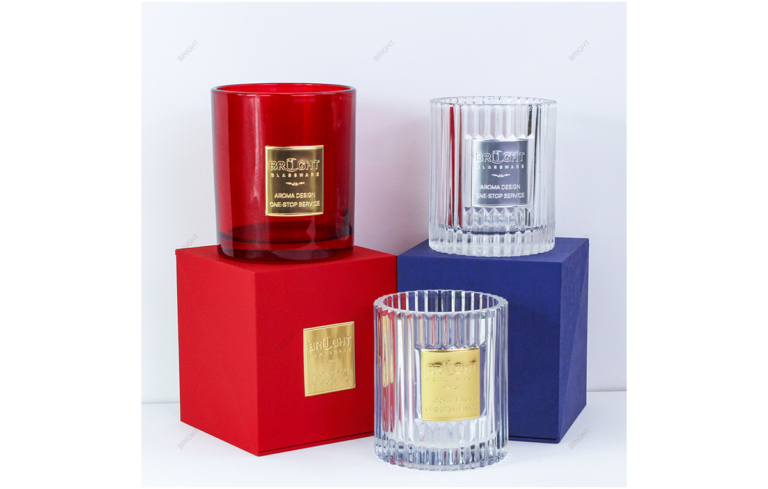
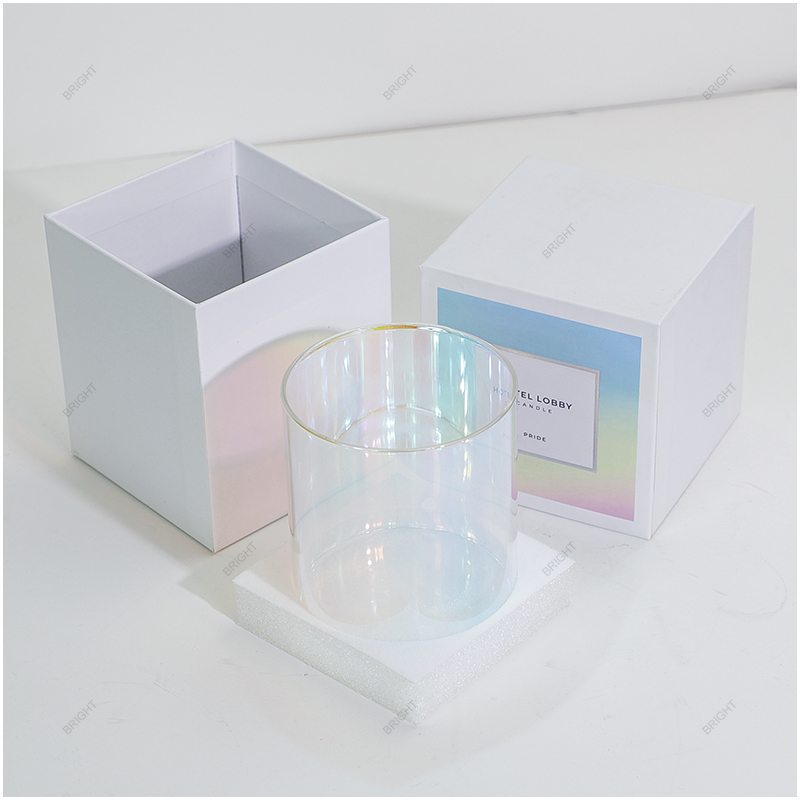
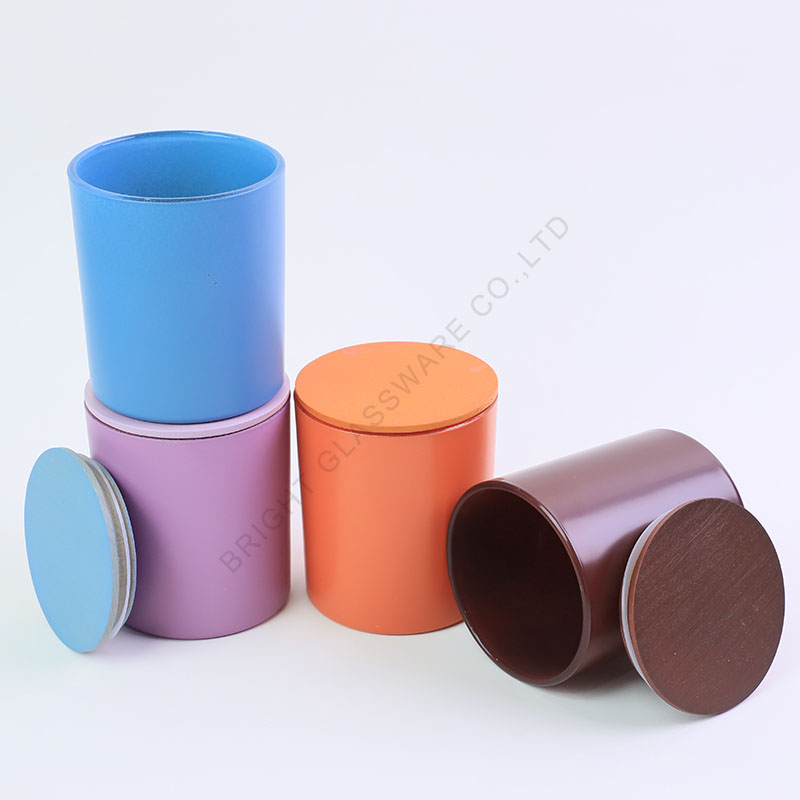
An iridescent finish or bamboo lid can be important to the design. Check how the exact combination will be handled when the candle is finished.
A recycler may have conditions for the coating, sleeve or components attached to a container. Check which parts can be removed by hand and what the relevant program accepts.
Dive Deeper: Designing for Disassembly and Disposal
Check the finished jar and its detachable parts against the requirements of the intended recycling stream.
The Impact of Surface Decorations
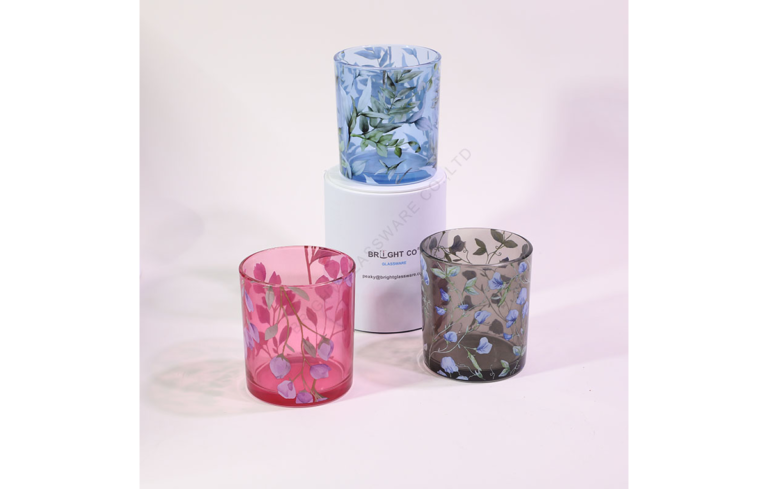
- Sprayed Coatings & Paints: Some opaque finishes can affect sorting. A glass packaging recycling design guide9 identifies compatibility differences by color and finish. Confirm the decorated sample with the relevant program.
- Electroplating: Check the actual reflective finish and coverage with the relevant recycler before making a claim about the decorated jar.
- Labels & Adhesives: Glass recycling design guidance for labels and sleeves10 distinguishes different constructions and coverage. Check the actual label and adhesive for the target recycling stream.
Lids, Seals, and Accessories
A glass jar can come with a bamboo lid and a separate gasket. On the chosen jar and lid combination, check which parts lift out and how each should be handled locally.
For a package intended to be taken apart, consider:
- Using lids that lift off easily without being permanently bonded to other materials.
- Avoiding glued-in liners or components.
- Choosing single-material accessories where possible.
Write disposal instructions for the components the customer can separate, using the local program’s guidance.
What Evidence Supports Environmental Claims About Candle Containers?
In a market flooded with green buzzwords, how can you be sure a supplier's claim is legitimate? Any reputable manufacturer should be able to move beyond vague marketing terms and provide concrete evidence to back up their statements.
Match each claim to dated evidence for the actual product and market. Material data, laboratory reports, certificates, and local collection instructions answer different questions.
Dive Deeper: Separating Fact from Fluff
As a procurement manager or brand owner, it's your responsibility to perform due diligence. Here’s what to ask for and what to watch out for.
Key Documents to Request
When evaluating a potential supplier for eco-friendly candle container materials, ask for the following:
- Material documentation: Check the stated recycled-content percentage, its pre- or post-consumer basis, and the component, product or batch covered.
- Certificates and tests: Check whether the supplied component is covered by any claimed FSC certification. If a ceramic vessel is being promoted for food contact, consult the applicable food-contact requirements. The U.S. FDA guidance on leachable lead in ceramic foodware11 is specific to that use.
- Supplier Audits: Broader sustainability reports, such as those detailing a factory's water usage or energy efficiency programs, can demonstrate a deeper, operational commitment to the environment.
Red Flags and Vague Claims
Be skeptical of suppliers who rely on ambiguous language. Watch out for:
- Empty Buzzwords: Terms like "eco-friendly," "green," "earth-friendly," and "sustainable" are meaningless without specific data to support them.
- Unqualified Claims: A claim like "recyclable" is insufficient. A credible supplier should be able to discuss how and where the product is recyclable and acknowledge factors like coatings and local infrastructure.
- Lack of Transparency: A refusal or inability to provide documentation is a major red flag.
Keep the supporting document, product identification and market scope with each claim so the approved wording can be checked later.
Frequently Asked Questions
Is glass or ceramic more eco-friendly for candles?
Compare the actual glass and ceramic options at the same fill, expected use and packing requirements. Check local collection for the glass option, and assess any proposed second use on the finished ceramic sample.
Are bamboo lids a sustainable choice?
Ask for evidence of any responsible-sourcing claim for the bamboo component. Verify separately how the finish, gasket and lid are handled under the local disposal rules.
Does the color of a glass jar affect its recyclability?
Acceptance can depend on the glass type, color and local sorting stream. Penn State’s mixed-color bottle-glass study12 illustrates one approach to using different glass colors in cullet. Check decorative coatings and full sleeves separately with the recycler that would receive the finished candle jar.
What is the single most important factor for a sustainable candle container?
Start with the intended use and what happens after the candle is finished. Use those conditions to compare materials, packed weight, finishes, and the available reuse or collection route.
Conclusion
Choosing the right eco-friendly candle container materials goes far beyond picking from a list. True sustainability lies in a holistic approach that considers the product's entire lifecycle. From verifying the percentage of recycled content and designing for easy reuse to minimizing shipping emissions and ensuring practical recyclability, every decision matters. The most impactful choices are born from data, an understanding of real-world trade-offs, and a clear vision for what happens after the flame goes out. By partnering with a supplier who understands these complexities, you can create a product that is not only beautiful but also built on a foundation of credible environmental responsibility.
If you're comparing candle containers for a new line, contact us with your wax fill, target market, planned finish and packaging needs. We can discuss samples for the project.
U.S. EPA, Sustainable Materials Management Basics. Describes lifecycle stages and material use. ↩
Forest Stewardship Council, Public Certificate Search. Check a supplier’s certificate and relevant scope. ↩
U.S. EPA, Ceramic Products Manufacturing, AP-42 section 11.7. Describes ceramic firing and glazing processes. ↩
U.S. FTC Green Guides, section 260.14. U.S. guidance on providing a means to refill the original package. ↩
U.S. FTC Green Guides, section 260.13. Distinguishes recovered material sources and addresses substantiation. ↩
U.S. FTC Green Guides, section 260.12. U.S. guidance on facility access and qualifying recyclable claims. ↩
GHG Protocol, Scope 3 Calculation Guidance, Category 4. Describes distance-based transportation calculations. ↩
U.S. EPA, Aluminum Material-Specific Data. U.S. waste data by aluminum product category. ↩
Veolia Circpack, Design for Recycling Guidelines for Glass. Discusses coating and glass compatibility with the evaluated recycling stream. ↩
Veolia Circpack, Design for Recycling Guidelines for Glass. Addresses labels and sleeves in the evaluated glass stream. ↩
U.S. FDA, CPG 545.450. Concerns leachable lead from ceramic foodware. ↩
Penn State, Message in a Bottle. Reports a study of mixed-color bottle-glass cullet. ↩
Keep Reading