Borosilicate Glass · Wholesale & Project Sourcing
Borosilicate Glass Bowls Wholesale
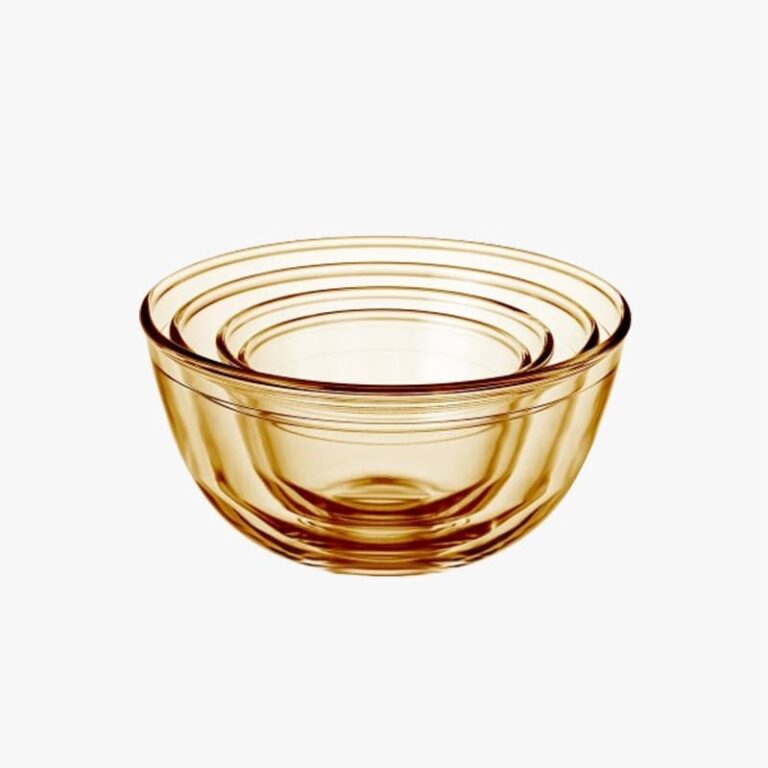
The right bowl depends on what happens inside it. Mixing needs working space, serving depends on proportions and presentation, and storage introduces a separate question about lids. A wholesale range becomes easier to choose when those roles are clear.
For kitchenware buyers and hospitality distributors, this category helps turn a broad glass bowl search into a specific enquiry. Define the main task, practical capacity and space available before comparing shapes.
Explore Borosilicate Glass Bowls
Send the intended bowl use and preferred dimensions for model availability review. A bowl chosen for serving should not automatically acquire mixing, heating or food-storage claims without information for that exact product.

Need Help Choosing the Right Option?
Include use setting, useful fill, opening and base diameters, internal depth, rim preference, desired nesting arrangement, lid needs and order quantities.
Match bowl proportions to the task
Mixing space
Explain what is being mixed and how. Working capacity should leave room for that routine rather than simply repeating a volume measured to the rim.
Serving proportions
Consider opening width, depth and the visual presentation of a normal serving. Similar capacities can feel quite different when one bowl is broad and another is tall.
Storage plan
If a lid is part of the enquiry, define its function and the space available. A covered bowl is not automatically a sealed transport container.
Developing a practical wholesale bowl collection
Rim and opening
Identify the desired rim profile and access requirement. The opening affects adding ingredients, using utensils and lifting a fitted cover if one is included.
Review the Specification →
Base footprint
Record the base diameter as well as the top width. This helps review the bowl's proportions and fit on shelves, counters or intended serving arrangements.
Review the Specification →Internal depth
Useful depth depends on the task. A tall shape might provide room for one mixing routine while a broader bowl better presents a serving; describe the intended result rather than assuming one shape suits both.
Review the Specification →Nesting sequence
Give the planned size order and storage concept. Nesting needs review for separation and removal as well as the space saved by the empty set.
Review the Specification →Set structure
State whether sizes sell separately or together. A mixed set should explain the role and useful capacity of each bowl, not rely only on a total number of pieces.
Review the Specification →Use and care information
Provide the expected handling routine and request model-specific instructions. Heating, dishwasher and temperature-transition claims require support for the selected bowl and any accompanying lid.
Review the Specification →Review the bowl with its optional parts
A fitted cover or other accessory changes the complete product. Confirm the selected combination, how the parts are identified and which use instructions apply to each one. Keep this reference with the individual size schedule for future orders.
Discuss Your Requirements →Explore Customization & Artwork Review →Custom glass bowl briefs
Specify the intended task, opening, depth and base footprint before proposing a custom outline. Add decoration and set-packing ideas separately. This gives the review a clear functional target without implying that every shape, mark or lid shown in a reference image is available.
Sample Review & Production Planning
- Primary task: Identify mixing, serving, preparation or storage as the main intended use.
- Practical fill: Record useful volume with the working space needed for the task.
- Bowl geometry: Provide opening diameter, internal depth and base footprint.
- Set arrangement: List individual sizes and the intended nesting or separate-storage order.
RequirementsUse, quantity and destination
SelectionBody, components and appearance
Sample ReviewFunction, handling and packing
Order DefinitionAgreed model and specification
Final ReviewIdentification and delivery scope
From Selection to an Agreed Specification
| Specification | What to Review | Buyer Approval / Output |
|---|---|---|
| Primary task | Identify mixing, serving, preparation or storage as the main intended use. | Use description |
| Practical fill | Record useful volume with the working space needed for the task. | Capacity basis |
| Bowl geometry | Provide opening diameter, internal depth and base footprint. | Dimension drawing |
| Set arrangement | List individual sizes and the intended nesting or separate-storage order. | Size schedule |
| Optional closure | Describe the requested lid and the function it must perform. | Assembly brief |
Plan Your Borosilicate Glass Bowls Project
Include use setting, useful fill, opening and base diameters, internal depth, rim preference, desired nesting arrangement, lid needs and order quantities.
Request a Project Quote →Packing & Delivery Planning for Borosilicate Glass Bowls
Bowl sets need separation at the points where sizes overlap. The carton should keep pieces apart in transit and let the customer lift them out without forcing them.

Protect nested contact points
Review where the bodies approach each other and specify separation rather than allowing direct glass contact.
Allow easy removal
Check the opening sequence and the space available to lift the smallest piece from the packed set.
Identify similar sizes
Use a clear packing schedule so neighbouring capacities do not become mixed during assembly.
Locate optional lids
Keep covers protected and paired with the correct bowl without pressure against the rim.
Plan Your Packing & Delivery
Share your order quantity, destination and retail or export packing requirements.
Discuss Packing & Shipping →Confirm the use of each selected bowl
Borosilicate glass is not a blanket permission for every kitchen routine. Request instructions for the exact model before describing it for an oven, microwave, freezer or dishwasher. A lid or decorated surface may also need separate guidance.
Borosilicate Glass Bowls for Different Buying Programs
Kitchenware retail
Choose a sequence of sizes that makes preparation or serving tasks understandable, with clear individual capacity and set contents.
Hospitality supply
Describe the serving or preparation routine, available storage space and intended handling so proposed models can be reviewed in context.
Private-label bowl sets
Coordinate bowl geometry, optional covers, nesting and pack presentation through one controlled specification for the collection.
Define MOQ, Samples & Production Around the Brief
Describe the requested lid and the function it must perform.
ModelNamed configuration and use
SampleAssembly to review
ArtworkFile, colour and position
PackingRetail and outer-carton scope
A Clearer Buying Brief for Borosilicate Glass Bowls
Name the main task
Let the preparation or serving routine guide the bowl proportions.
Separate useful and brimful volume
Describe the capacity customers can practically use for the intended task.
Measure the base
Keep the support footprint visible alongside opening width and depth.
Review nesting access
Check how empty pieces separate as well as how compactly they store.
Control optional lids
Record the intended cover and its role for each size.
Use accurate instructions
Keep the approved care wording specific to the selected bowl construction.
Questions About Borosilicate Glass Bowls
Are mixing bowls and serving bowls interchangeable?
They can have different priorities even when their volumes are similar. Describe the primary task so opening width, depth and useful working space can be reviewed against that routine.
Can the bowls be supplied as a nesting set?
Provide the size sequence and intended arrangement for assessment. Space between bowls, ease of removal and protective packing all need review with the actual proposed pieces.
How should bowl capacity be described?
Use a clear practical fill basis for the intended task and keep any brimful measurement separate. A mixing application may need more working space than a serving application with the same bowl.
Can I request matching lids?
List the sizes and closure function required. The proposed lid needs review with its bowl; a matching visual outline does not prove sealing or suitability for transport.
Can the bowl be described as oven or microwave suitable?
Only when supported for the selected model and any relevant components. State the intended use and request the appropriate instructions before adding those claims to retail content.
Still Have a Product Question?
Send your requirements or a reference so our team can review your project.
Ask Our Packaging Team →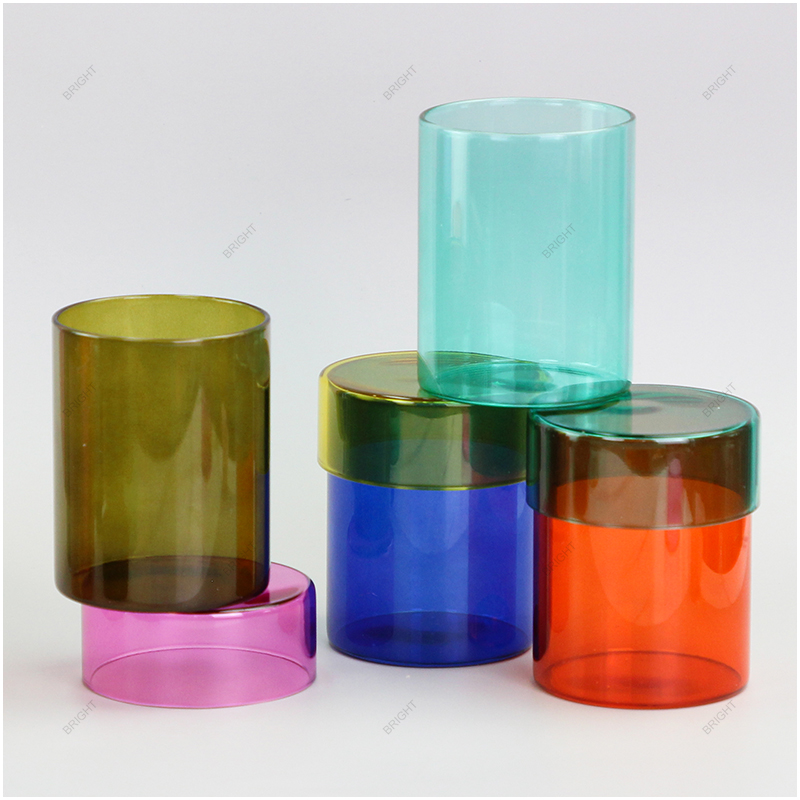

Use capacity and proportions together
A litre figure helps compare volume but says little about the working shape. Give opening, depth and base measurements so the buyer can judge how the bowl fits the proposed task.
Keep set photography precise
A picture of several bowls can suggest that all sizes are included. Align the image with an explicit piece schedule, particularly when individual bowls and sets will be sold in parallel.
Review storage in the real order
A nesting concept should show which size sits inside which and how pieces are removed. The arrangement should be clear enough for packing teams and customers to reproduce without guesswork.
Do not transfer claims across the collection
A new lid, finish or size can introduce different questions. Maintain the approved use record for each selected model rather than applying the strongest claim from one piece to the entire bowl range.
Browse Borosilicate Glass Product Categories

Drinkware & Tea
Borosilicate Glass Drinkware →Borosilicate Glass Water Bottles →Borosilicate Glass Tea Infuser Bottles →Borosilicate Glass Cups & Mugs →Double-Wall Borosilicate Glasses →Borosilicate Glass Tumblers →Borosilicate Glass Wine Glasses →Borosilicate Glass Straws →Borosilicate Glass Baby Bottles →Borosilicate Glass Teapots →Borosilicate Glass Tea Kettles →Borosilicate Glass Electric Kettles →Borosilicate Glass Pitchers & Carafes →Borosilicate Glass French Presses →Borosilicate Glass Coffee Makers →Borosilicate Glass Tea Infusers →
Storage & Kitchen
Borosilicate Glass Food Storage Containers →Borosilicate Glass Storage Jars →Borosilicate Glass Cookware & Kitchenware →Borosilicate Glass Cooking Pots & Pans →Borosilicate Glass Bakeware →Borosilicate Glass Bowls →Borosilicate Glass Measuring Cups →Borosilicate Glass Plates & Tableware →Borosilicate Glass Oil Dispensers →Borosilicate Glass Food Covers →Borosilicate Glass Popcorn Makers →Borosilicate Appliance Glass →Borosilicate Glass Air Fryer Dishes →

Bottles, Home & Custom Projects
Request a Quote
Talk to Our Packaging Team
Share the model, capacity, color, closure, decoration, packaging and estimated quantity you need. We can review the options with you.
Category: Borosilicate Glass Bowls