
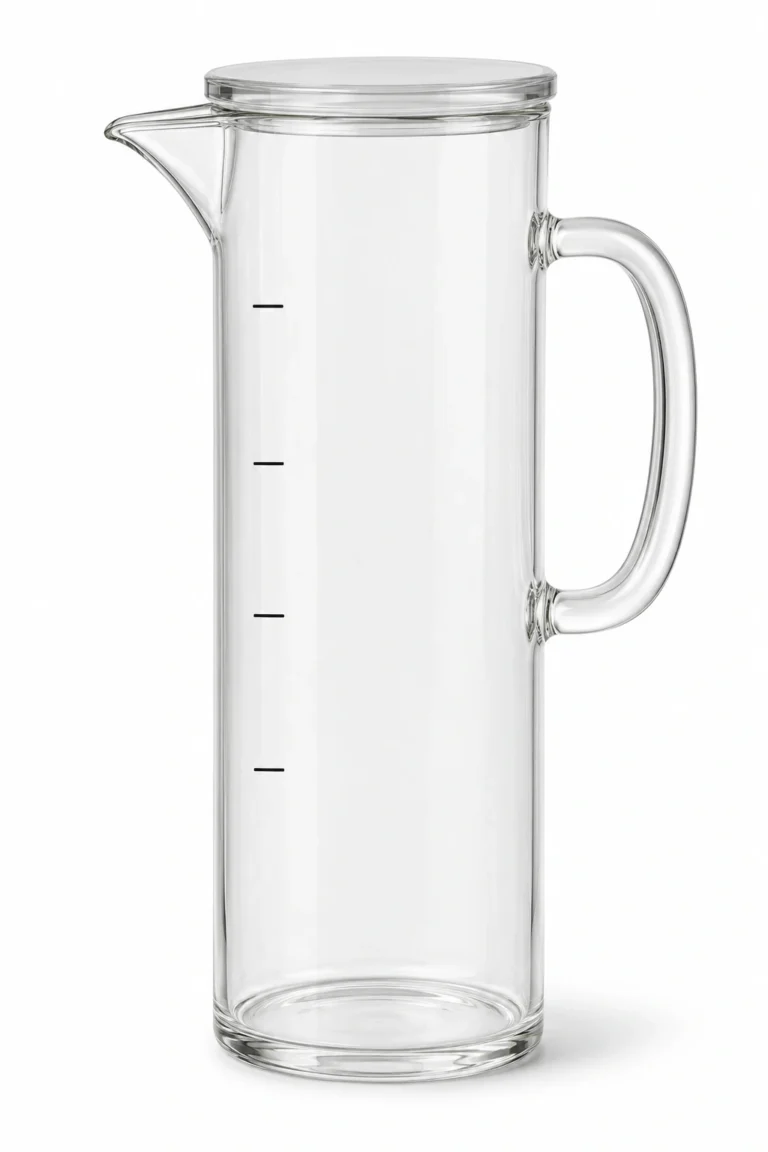
Borosilicate Glass · Wholesale & Project Sourcing
Borosilicate Glass Measuring Cups Wholesale
A measuring cup has to communicate quantity clearly before it can support a kitchen routine. Wholesale selection should connect the vessel size with the units, graduation layout and way the user reads the scale while filling or pouring.
For kitchenware brands and retail buyers, this category provides a practical enquiry framework. Start with the measuring purpose and market conventions, then review the markings, handle and spout on the complete proposed sample.
Explore Borosilicate Glass Measuring Cups
Submit the intended volume, measurement units and scale artwork for availability review. Graduation accuracy and the durability of printed marks need an agreed assessment; neither can be established from a product photograph.
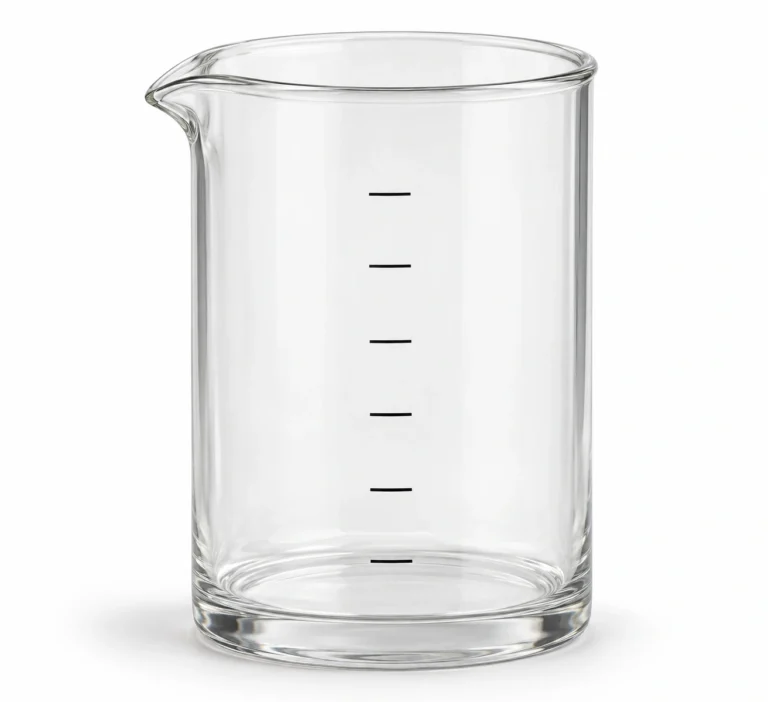

Need Help Choosing the Right Option?
Send measuring purpose, capacity range, units, graduation intervals, artwork, handle and spout preferences, market language and expected order quantities.
Begin with the measurement the user needs
Units and intervals
Specify the units your customers use and the smallest interval they need to read. A crowded scale can be less useful than a clearly planned one.
Reading position
Describe how the cup is held or placed when the scale is read. Review the location and visibility of marks on the physical sample.
Measuring claim
Clarify whether the cup is intended for ordinary kitchen measuring or another defined purpose. Any accuracy claim needs an agreed basis for the exact marked product.
Details for a wholesale measuring cup specification
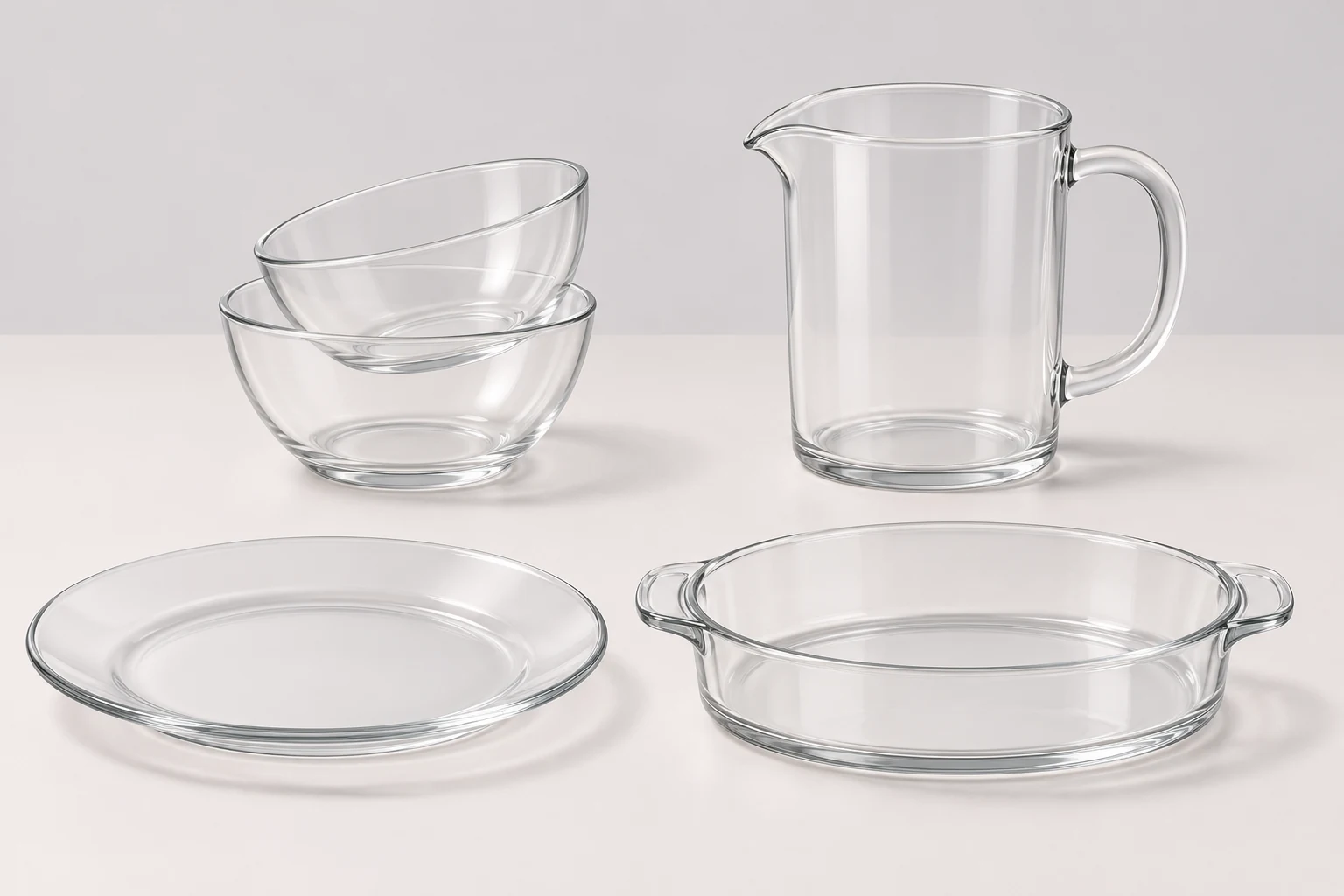
Scale range
State the lowest and highest marked quantities, not just the maximum vessel size. This distinguishes the useful measuring range from the volume available above the last mark.
Review the Specification →
Graduation design
Provide the line intervals, numbers and unit labels as controlled artwork. Make any dual-unit arrangement clear so the scales can be reviewed without ambiguity.
Review the Specification →Body proportions
Compare how the shape affects visibility and usable fill. The opening, depth and handle position should leave the intended scale accessible to the reader.
Review the Specification →Spout behaviour
Assess pouring at the quantities relevant to the intended routine. A product can have a clear scale yet still need review of how liquid leaves the lip.
Review the Specification →Handle orientation
Show the relationship between grip, spout and scale. The useful reading face may depend on how the user holds the cup during preparation.
Review the Specification →Marking evidence
Agree how graduation placement and any required marking durability will be reviewed. Avoid adopting accuracy or permanent-print wording before the selected model has supporting evidence.
Review the Specification →The scale belongs to the complete vessel
Graduation artwork needs review on the actual shape, with its handle and spout orientation. A flat proof can confirm spelling and units, but it does not show the reading experience or establish the accuracy of a marked volume.
Discuss Your Requirements →Explore Customization & Artwork Review →Custom measuring-cup artwork
Supply the required units, interval schedule and logo as separate elements. Mark their preferred positions and the intended reading face. Any custom layout should be reviewed for clarity and model suitability before the branding file becomes a production reference.
Sample Review & Production Planning
- Measuring range: Define the lowest and highest marked volumes separately from brimful capacity.
- Units and intervals: List unit labels, line spacing and numerical values in the artwork.
- Body dimensions: Include height, opening, base and maximum handle projection.
- Scale orientation: Show its position relative to the handle and pouring spout.
RequirementsUse, quantity and destination
SelectionBody, components and appearance
Sample ReviewFunction, handling and packing
Order DefinitionAgreed model and specification
Final ReviewIdentification and delivery scope
From Selection to an Agreed Specification
| Specification | What to Review | Buyer Approval / Output |
|---|---|---|
| Measuring range | Define the lowest and highest marked volumes separately from brimful capacity. | Range schedule |
| Units and intervals | List unit labels, line spacing and numerical values in the artwork. | Scale proof |
| Body dimensions | Include height, opening, base and maximum handle projection. | Vessel drawing |
| Scale orientation | Show its position relative to the handle and pouring spout. | Assembly layout |
| Claim basis | State the required accuracy or marking assessment without assuming a result. | Review criteria |
Plan Your Borosilicate Glass Measuring Cups Project
Send measuring purpose, capacity range, units, graduation intervals, artwork, handle and spout preferences, market language and expected order quantities.
Request a Project Quote →Packing & Delivery Planning for Borosilicate Glass Measuring Cups
Measuring-cup packaging should protect the spout and avoid unnecessary rubbing on marked areas. The correct scale version must remain identifiable throughout a mixed-market shipment.

Protect the pouring lip
Review the carton around the spout projection rather than treating the vessel as a round cup.
Reduce surface contact
Plan the pack so adjacent products do not rub against the scale during transport.
Identify unit versions
Use distinct references when different markets require different measurement layouts or languages.
Check artwork in the pack
Compare the actual marked cup with the approved scale proof during the retail-unit check.
Plan Your Packing & Delivery
Share your order quantity, destination and retail or export packing requirements.
Discuss Packing & Shipping →Accuracy needs more than visible graduations
A clear printed scale is useful, but appearance alone does not establish a stated measuring accuracy. Define the intended claim and review criteria with the relevant product team. Use the approved result, rather than the general glass type, to guide retail wording.
Borosilicate Glass Measuring Cups for Different Buying Programs
Kitchenware retail
Specify practical units and intervals for the intended customers so the scale is understandable within their normal preparation routine.
Private-label preparation tools
Coordinate logo placement and graduations without letting branding compete with the information the user needs to measure.
Recipe and gift programmes
Align the measuring cup's units with the instructions or materials in the wider set, keeping the included product and measurement basis clear.
Define MOQ, Samples & Production Around the Brief
State the required accuracy or marking assessment without assuming a result.
ModelNamed configuration and use
SampleAssembly to review
ArtworkFile, colour and position
PackingRetail and outer-carton scope
A Clearer Buying Brief for Borosilicate Glass Measuring Cups
Define the unit system
Give the scale a clear market and preparation purpose from the start.
Control the graduation file
Keep values, intervals and labels in one approved artwork reference.
Review the reading face
Check visibility on the actual vessel, with handle and spout in place.
Separate capacity terms
Distinguish the last marked measurement from the volume to the rim.
Agree assessment criteria
Specify the evidence needed for accuracy and marking claims before approval.
Identify market variants
Keep different scales and languages distinguishable on cartons and reorder records.
Questions About Borosilicate Glass Measuring Cups
Can I choose millilitres, ounces or cup markings?
Provide the required units and interval schedule for review. The artwork should identify exactly what each unit means, especially where a retail market uses a specific cup convention.
Does a printed scale prove measuring accuracy?
No. Accuracy requires an agreed assessment of the marked vessel. Define the intended claim and the review basis before placing an accuracy statement on packaging or a product page.
Can the logo be printed beside the scale?
Submit both elements with preferred positions. The layout needs review on the actual cup so the logo does not obscure graduations or make the reading face confusing.
Are the marks dishwasher resistant?
That depends on the selected marking method and product evidence. Request the relevant care guidance and assessment rather than assuming durability from the appearance of the print.
Which capacity should appear in the product title?
Use a clear basis consistent with the intended measuring range. Keep the maximum marked quantity separate from brimful capacity so customers do not mistake one for the other.
Still Have a Product Question?
Send your requirements or a reference so our team can review your project.
Ask Our Packaging Team →

Check numerical artwork as data
Every printed value matters. Review the sequence, unit labels and interval pattern against a written schedule before assessing appearance, particularly when two measurement systems share the same cup.
View the proof on the curved body
A scale can look balanced in a flat file and become harder to read around a vessel. The sample review should consider the real reading face, handle position and spout direction.
Keep use claims separate from measurement claims
A cup's allowed cleaning or heating routine does not establish the accuracy of its scale. Maintain distinct evidence for those questions and use each only for the claim it supports.
Make a reorder identifiable
Retain the approved artwork revision, body dimensions and market-unit description together. A commercial name such as measuring cup is too broad to prevent a later order from receiving a different graduation layout.
Browse Borosilicate Glass Product Categories

Drinkware & Tea
Borosilicate Glass Drinkware →Borosilicate Glass Water Bottles →Borosilicate Glass Tea Infuser Bottles →Borosilicate Glass Cups & Mugs →Double-Wall Borosilicate Glasses →Borosilicate Glass Tumblers →Borosilicate Glass Wine Glasses →Borosilicate Glass Straws →Borosilicate Glass Baby Bottles →Borosilicate Glass Teapots →Borosilicate Glass Tea Kettles →Borosilicate Glass Electric Kettles →Borosilicate Glass Pitchers & Carafes →Borosilicate Glass French Presses →Borosilicate Glass Coffee Makers →Borosilicate Glass Tea Infusers →
Storage & Kitchen
Borosilicate Glass Food Storage Containers →Borosilicate Glass Storage Jars →Borosilicate Glass Cookware & Kitchenware →Borosilicate Glass Cooking Pots & Pans →Borosilicate Glass Bakeware →Borosilicate Glass Bowls →Borosilicate Glass Measuring Cups →Borosilicate Glass Plates & Tableware →Borosilicate Glass Oil Dispensers →Borosilicate Glass Food Covers →Borosilicate Glass Popcorn Makers →Borosilicate Appliance Glass →Borosilicate Glass Air Fryer Dishes →

Bottles, Home & Custom Projects
Request a Quote
Talk to Our Packaging Team
Share the model, capacity, color, closure, decoration, packaging and estimated quantity you need. We can review the options with you.
Category: Borosilicate Glass Measuring Cups