Turn a Validated Design into an Exclusive Production-Ready Glass Bottle
For projects where the bottle or jar design is already largely confirmed, we help move from technical feasibility and tooling into trial production, mold adjustment and final production approval.
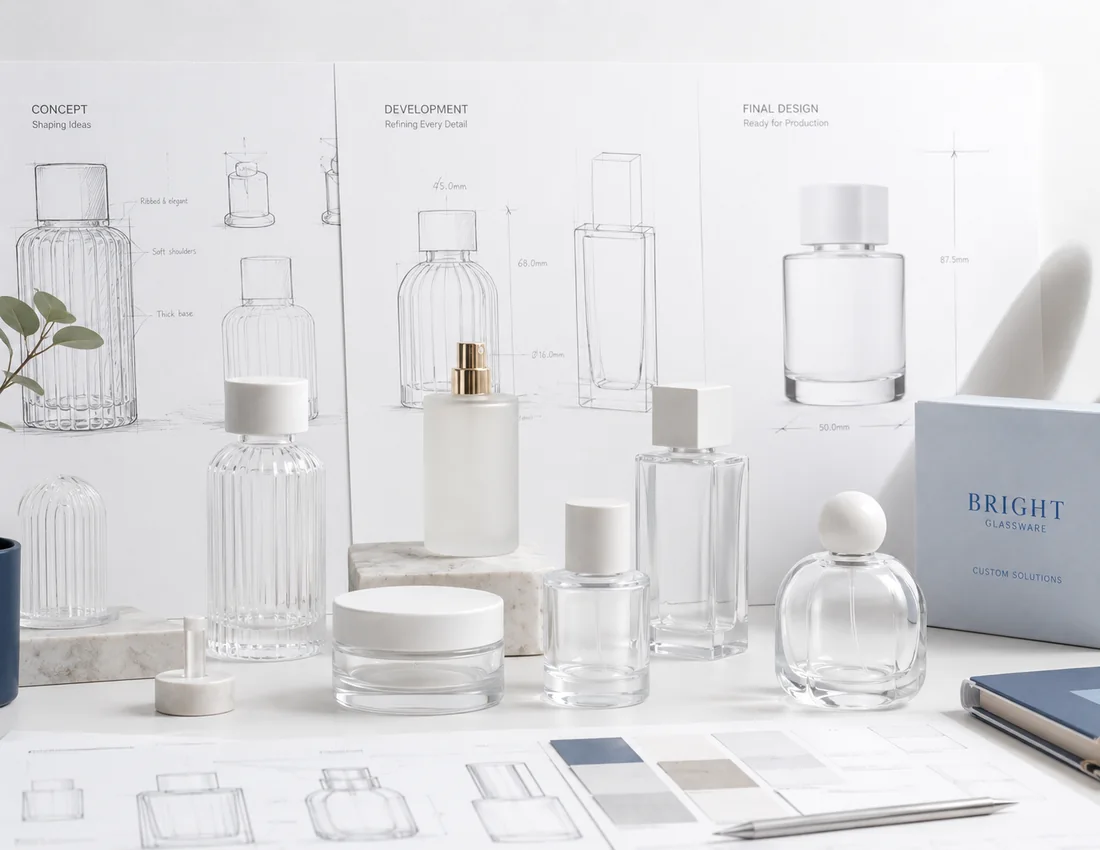
After Validation, Before Mass Production
Rapid prototyping proves the concept. Custom mold development converts the approved design into formal production tooling.
Prototyping Validate the concept
Development Build formal tooling
From Validated Design to Production Approval
Six formal steps take the validated design from technical review to production approval.
Confirm the validated design can move into formal glass production.
Confirm the key dimensions and production drawing before tooling.
Develop the production tooling around the approved bottle or jar structure.
Produce trial pieces and inspect the real glass result.
Review tooling or design details if modification is required.
Approve the production-ready result before larger manufacturing.
Four Stages That Matter Before the Bottle Becomes a Production Tool
Once the concept is validated, these four stages turn the approved design into formal production tooling and a repeatable glass result.
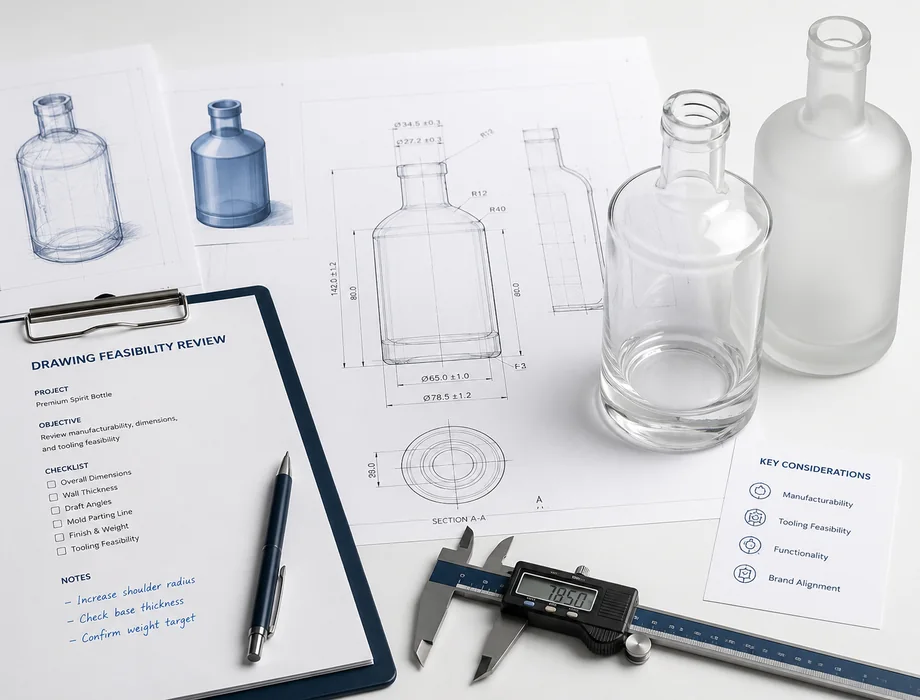
Confirm Production Feasibility Before Tooling Starts
A validated appearance still needs to work as a manufacturable glass structure. We review the design before committing to formal tooling.
- Review key bottle or jar dimensions and structural details.
- Check practical manufacturing constraints around the validated form.
- Freeze the production drawing before mold engineering begins.
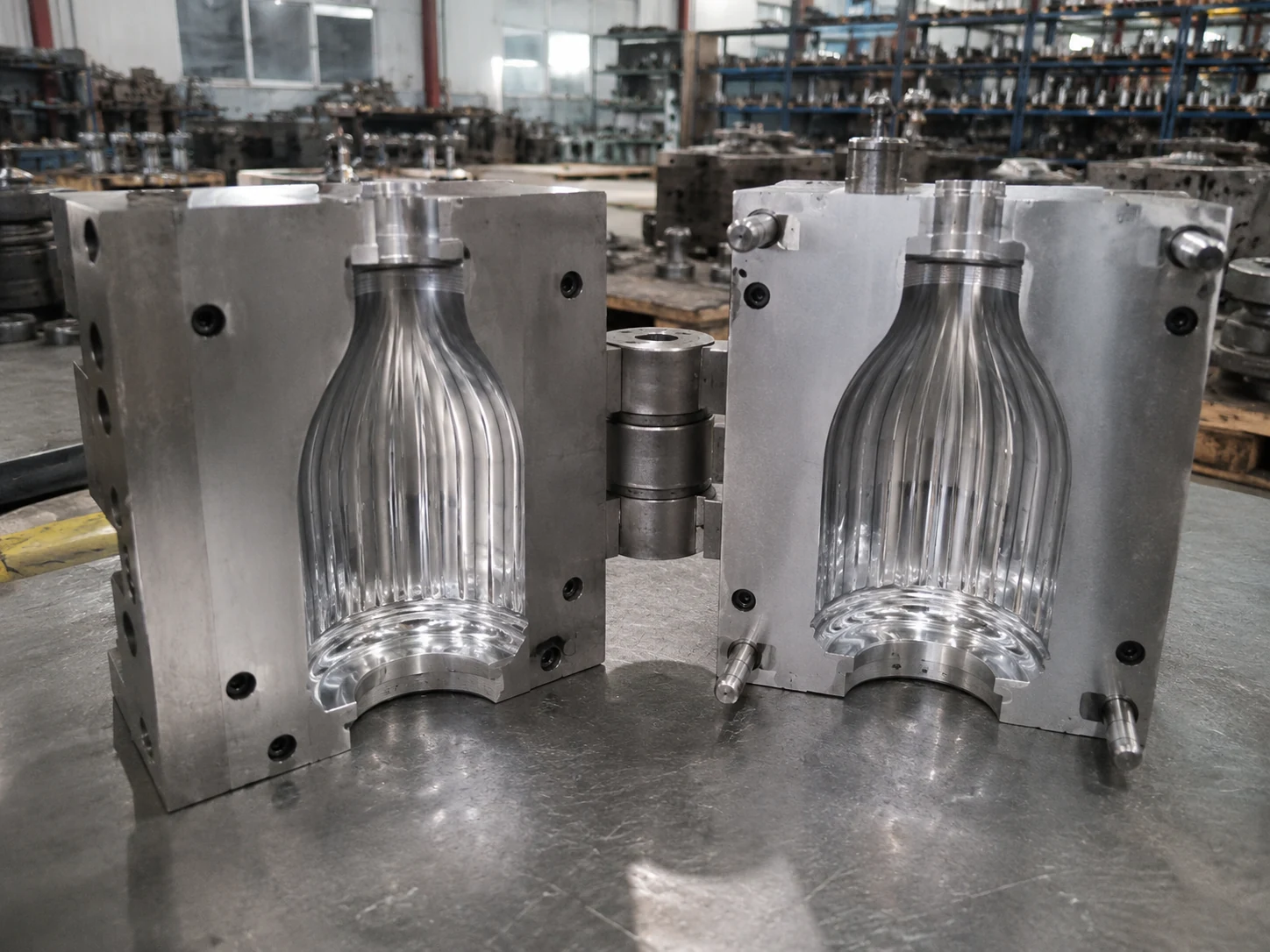
Mold Engineering & Tooling Development
Once the production design is confirmed, the project moves into the formal tooling stage for the exclusive bottle or jar.
- Tooling is developed around the approved production geometry.
- Mold investment depends on product complexity and tooling requirements.
- The tooling route is confirmed before trial production begins.
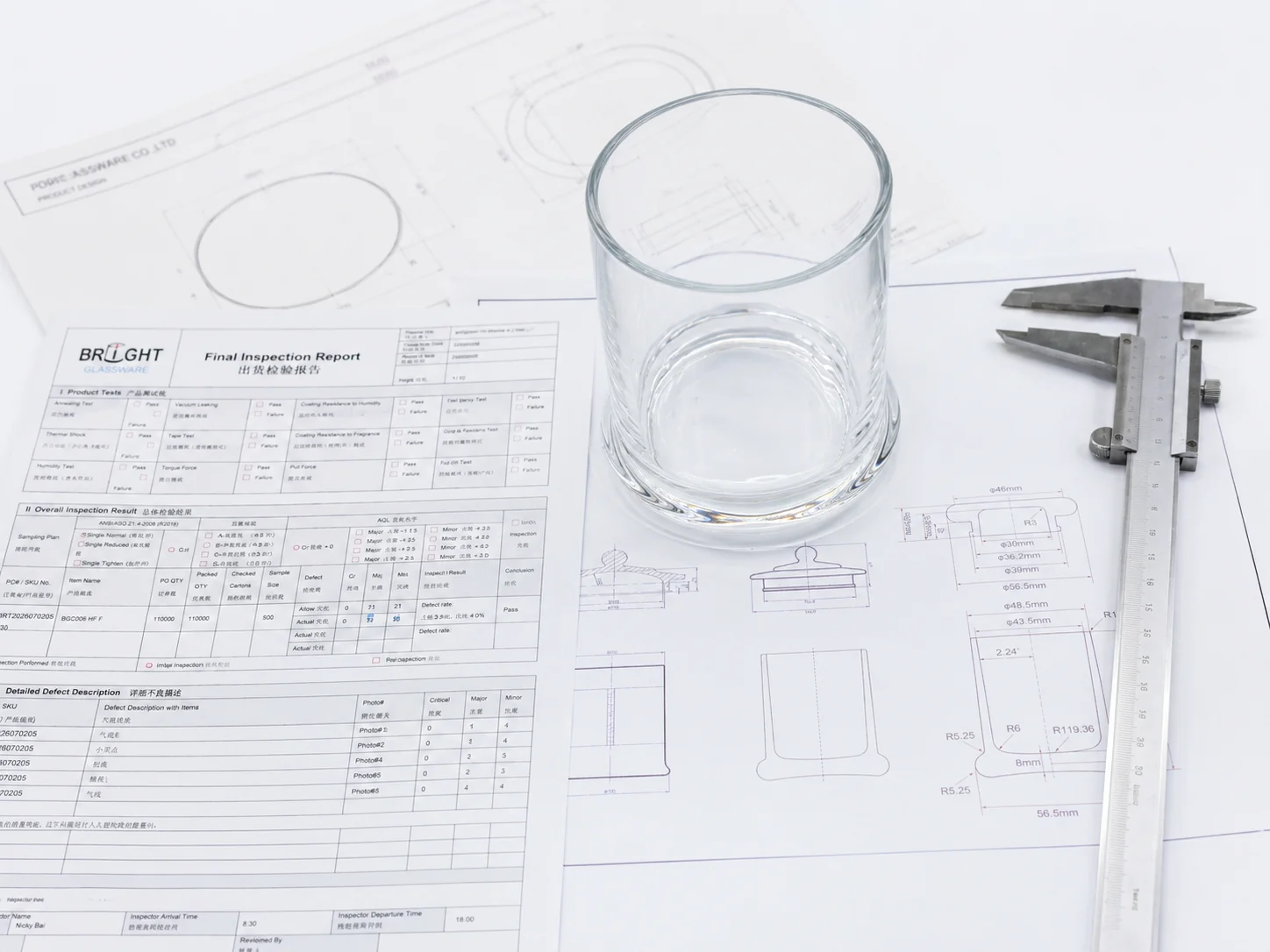
Inspect the Real Glass Result and Adjust Where Necessary
Trial production is where the approved design and finished tooling are checked against the actual glass result.
- Review the real bottle or jar after initial trial production.
- Check dimensions, appearance and key production details.
- Modify tooling or relevant details when the trial result needs refinement.
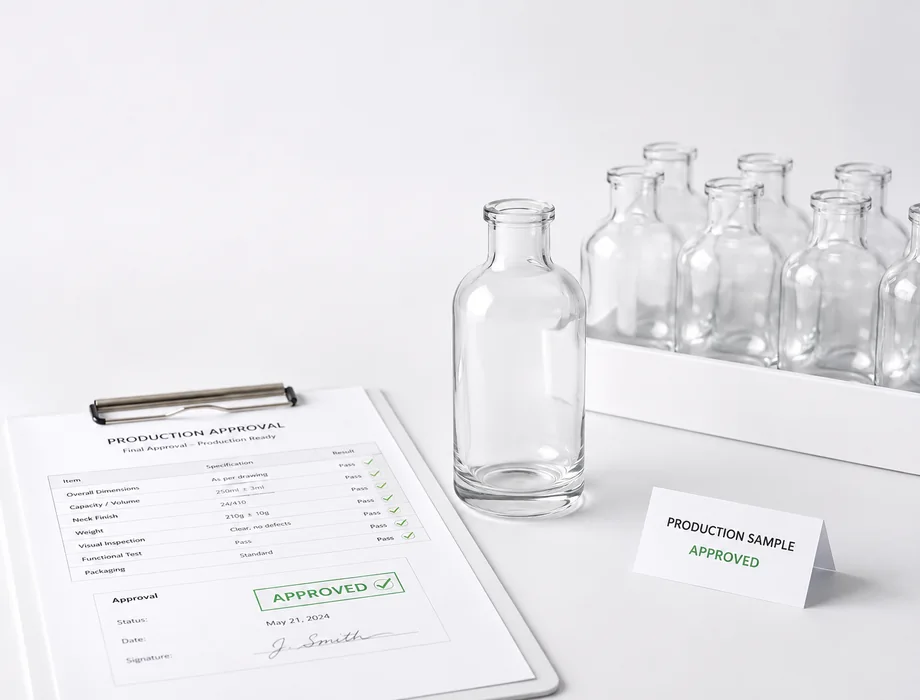
Approve the Production-Ready Bottle Before Scale-Up
The mold-development phase ends when the custom bottle or jar is approved as the basis for formal mass production.
- Confirm the approved production result after trial and modification.
- Establish the final bottle or jar standard for the order.
- Move the approved tooling and product into the manufacturing stage.
Start with a Validated Project Reference
The fastest route starts with a design reference that is already validated.
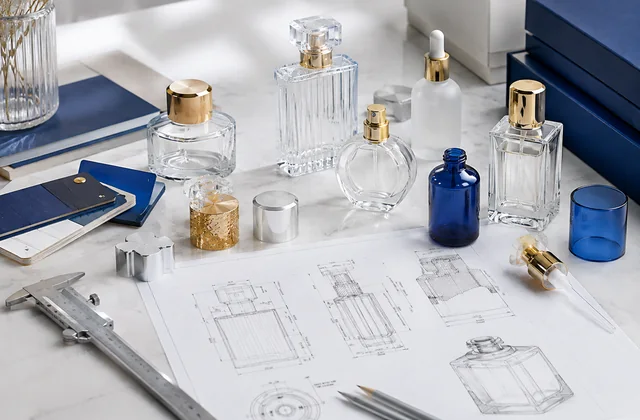
3D Drawing / Production Drawing
Send the validated geometry for technical review and tooling evaluation.
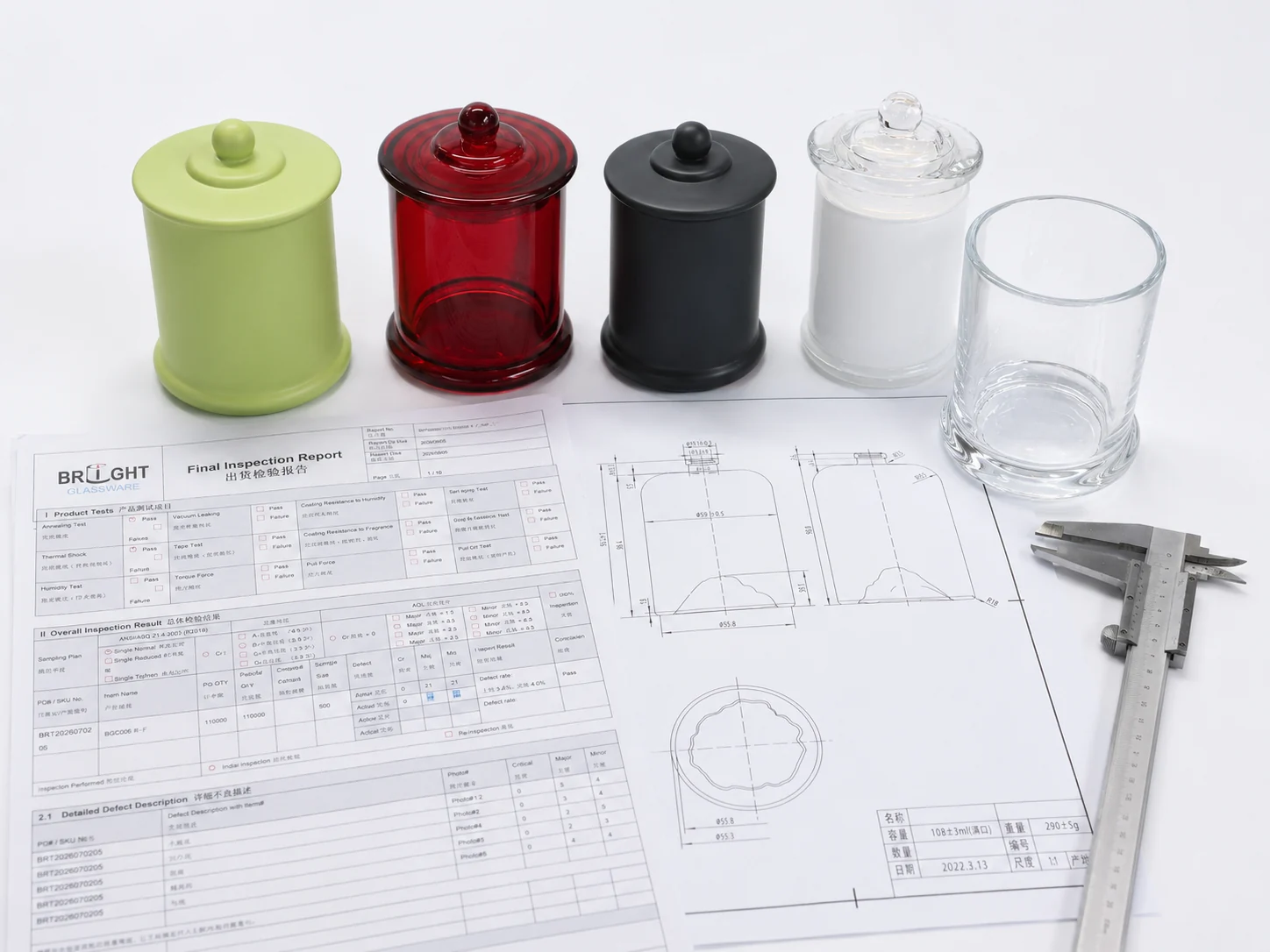
Validated Physical Sample
Use an approved physical reference when the target shape and proportions are already clear.
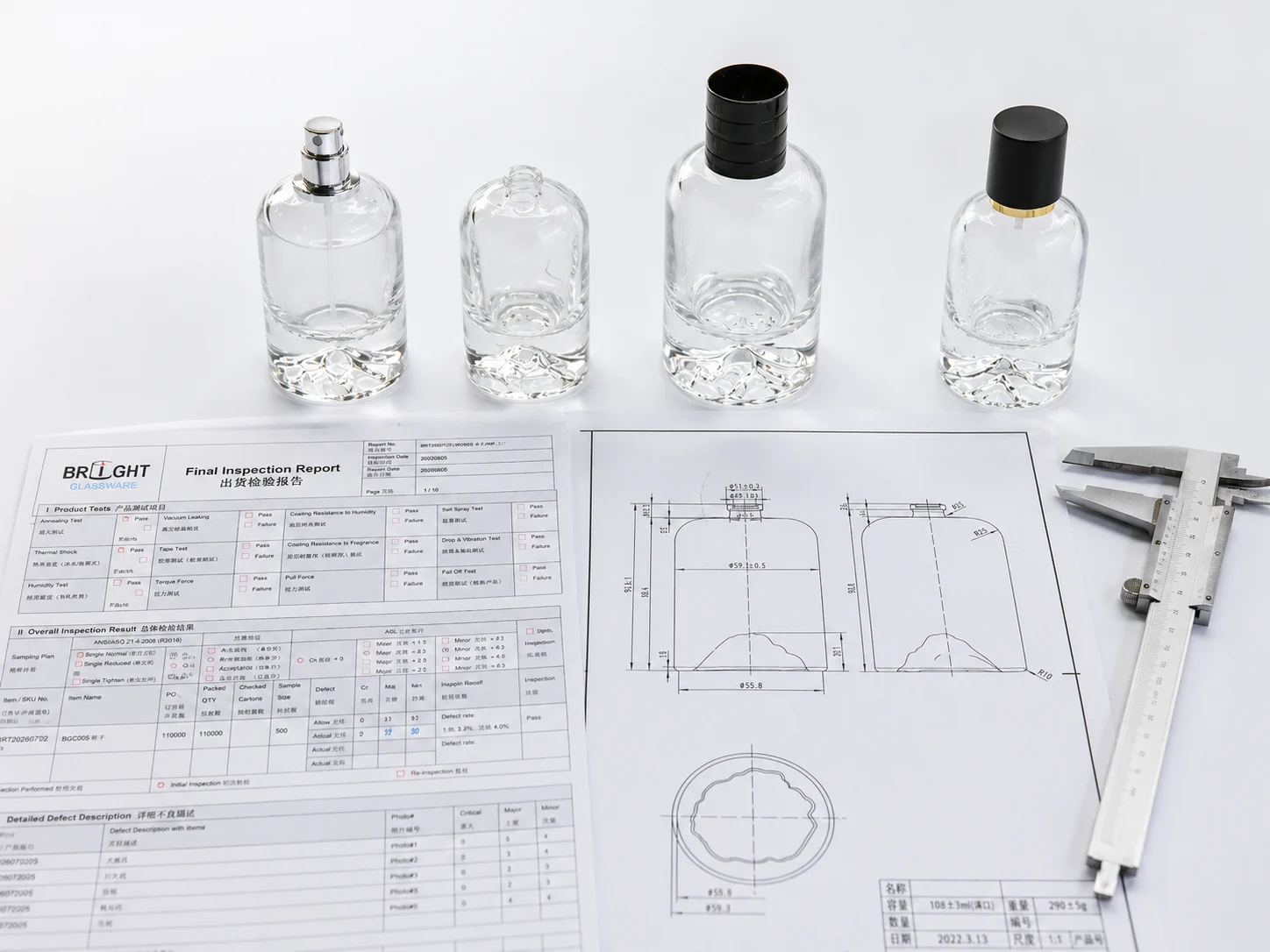
Approved Prototype
Move forward after the prototype has already confirmed the intended visual and structural direction.
Mold Cost & Development Time Are Project-Based
We confirm both after the validated design and tooling route are clear.
Confirmed After Tooling Review
Confirmed After Route Review
Develop Exclusive Bottle & Jar Shapes for Key Product Categories
Choose the product family, then develop the exclusive structure around the validated design.
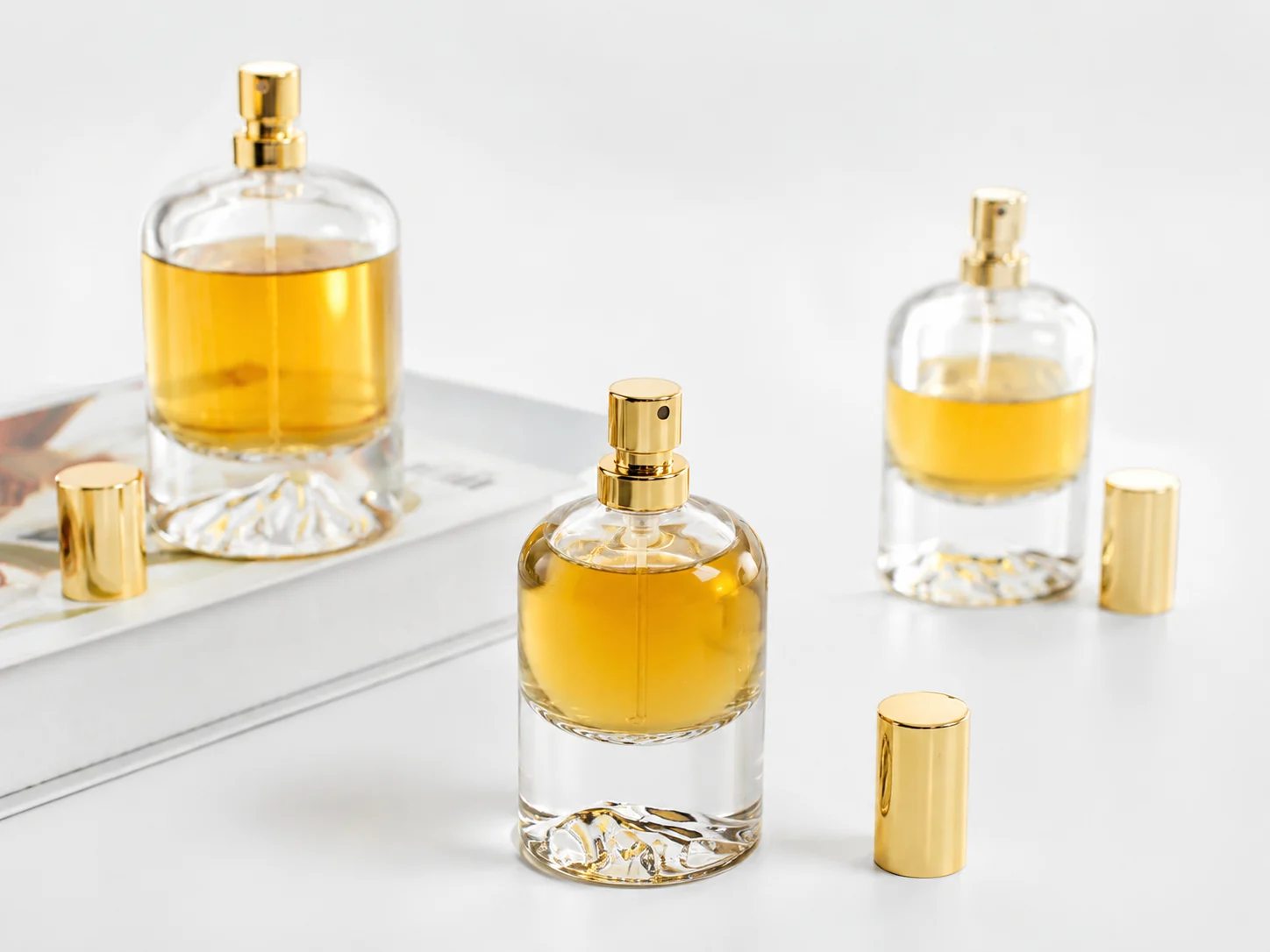
Perfume Bottles
Exclusive fragrance bottle structures.
Explore products →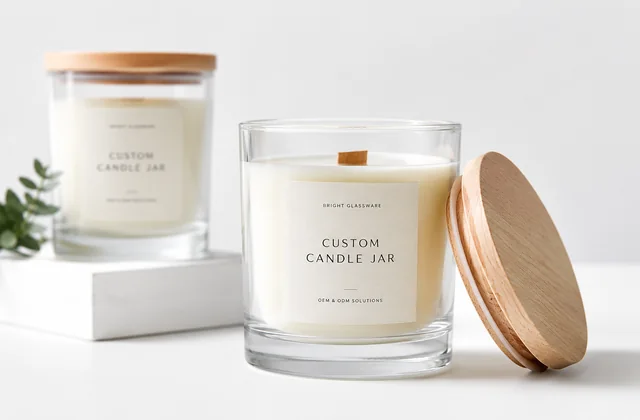
Candle Jars
Exclusive candle and home-fragrance jar shapes.
Explore products →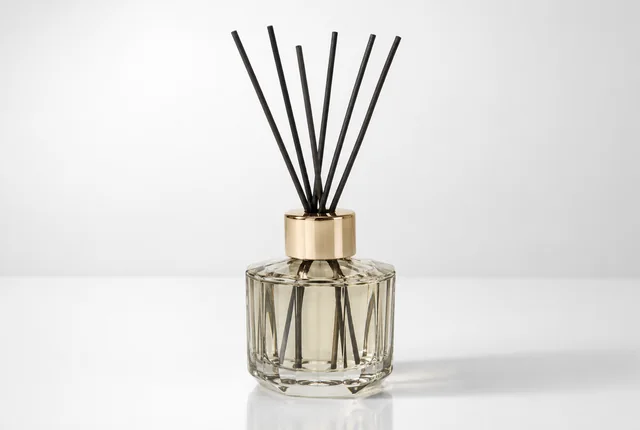
Diffuser Bottles
Custom diffuser bottle structures.
Explore products →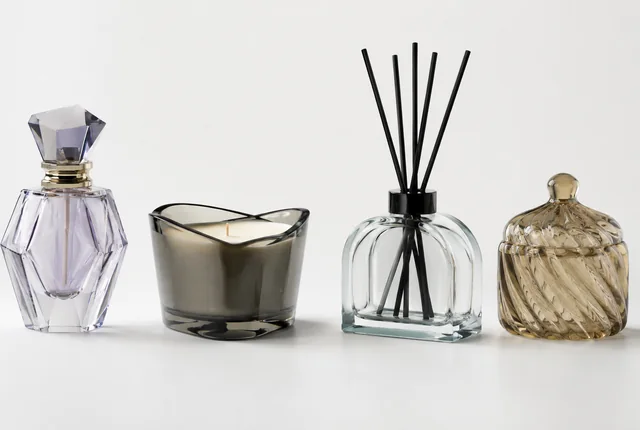
Specialty Glass Shapes
Distinctive bottle and jar structures.
Discuss project →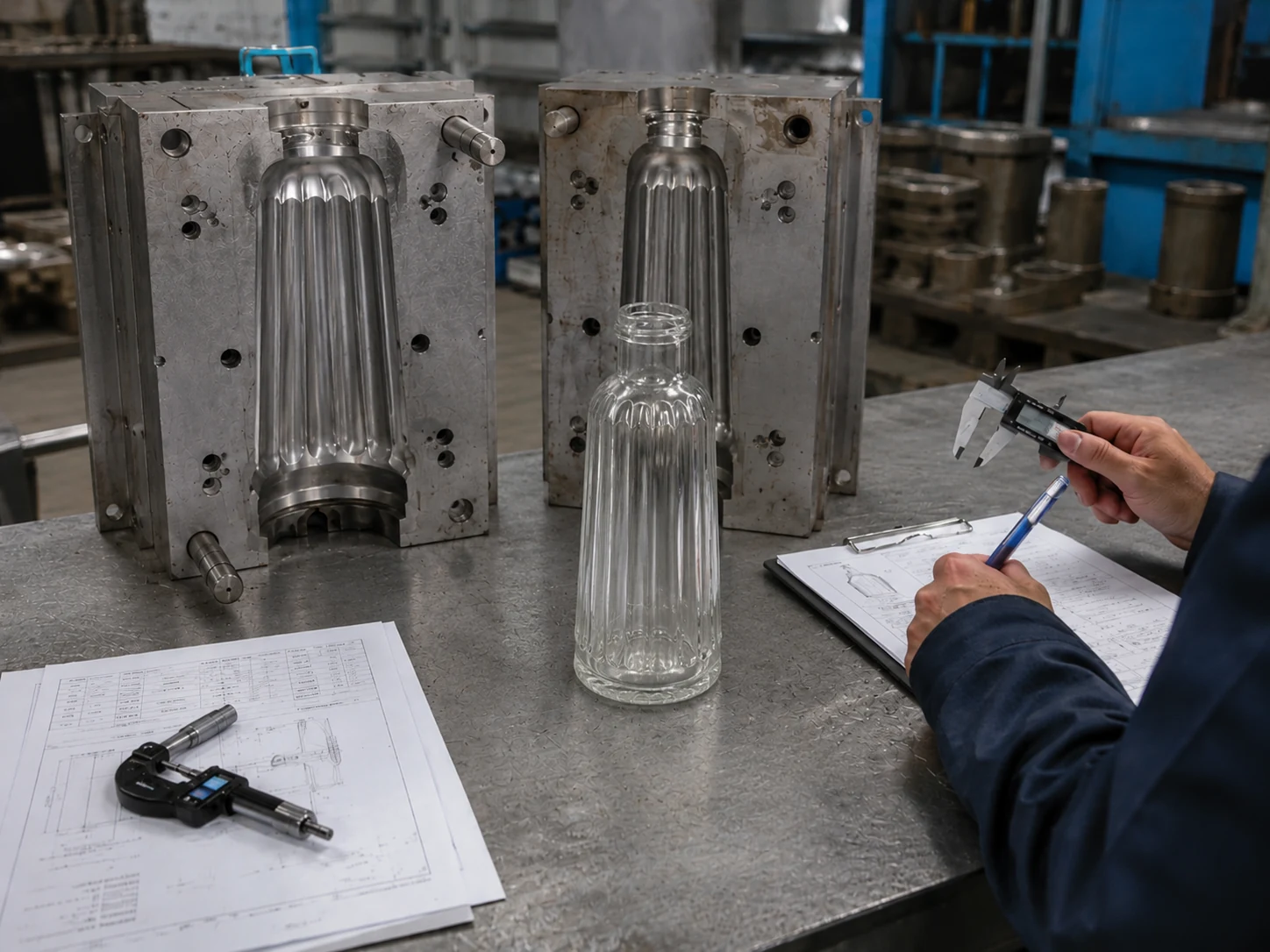
Approve the Trial Result, Not Just the Drawing
The production decision should be based on the real trial result after tooling—not only the original design file.
Custom Mold Development in Real Projects
See how design validation, tooling, component coordination and production planning come together in real customer projects.
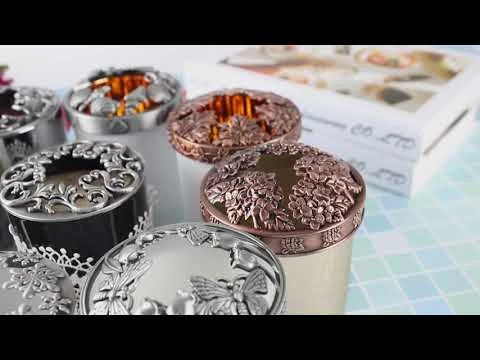
58,500-Piece Custom Candle Cap Manufacturing Project for a European Luxury Fragrance Group
A documented and anonymized candle-cap manufacturing project covering two approved references and 58,500 pieces for delivery to Italy.
View case study →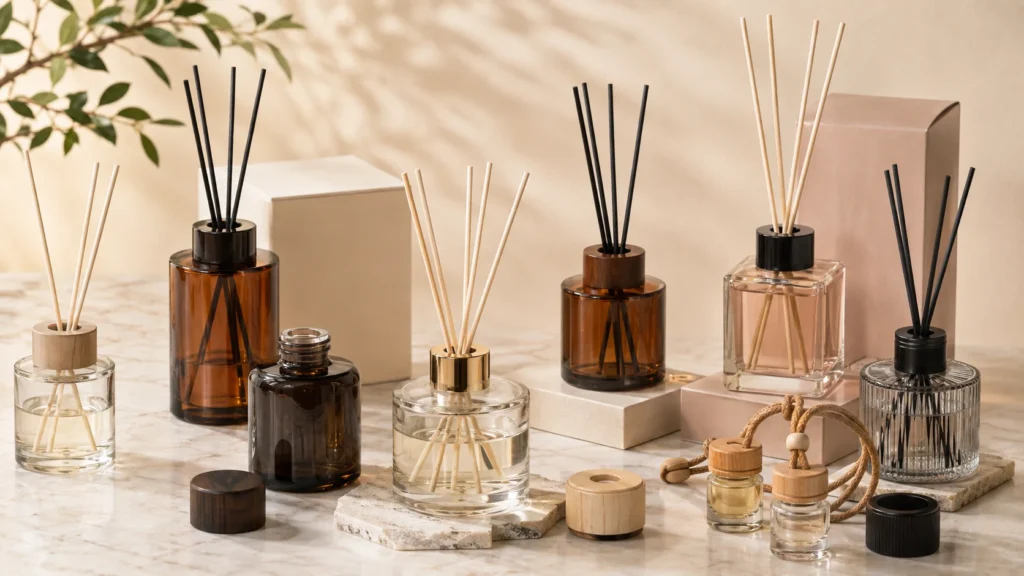
Custom Reed Diffuser Bottle Collection for a Home Fragrance Brand
A custom glass packaging project involving product development, component matching, tooling or coordinated production.
View case study →
Custom Frosted Candle Jar, Lid and Gift Box Packaging Project
A custom glass packaging project involving product development, component matching, tooling or coordinated production.
View case study →Custom Mold Development FAQ
Common questions about drawings, tooling, mold cost, trial production and the move into mass manufacturing.
Can candle jars, lids, decoration and gift boxes be customized together? +
Yes. A candle packaging project can coordinate the vessel, lid, color or finish, logo treatment, labels and retail or gift packaging. Approve the complete finished presentation and packing method before mass production.
Can 80ml perfume bottles be customized with color, logo and boxes? +
Yes. Depending on the selected model, the project can include glass color or coating, printing, decals, metallic effects, coordinated caps and custom retail boxes. Approve the complete decorated pack before mass production.
Can I customize the front panel with my logo or decoration? +
Yes. Broad flat faces are suitable for many branding methods, including printing, decals, labels and selected coating or metallic effects. Approve artwork position and decoration quality on the actual bottle because panel size and curvature vary by model.
Can round candle tins be customized with printing or labels? +
Yes. Depending on the tin and project, options can include labels, printed graphics, patterned finishes and selected branding treatments. Approve the actual decorated sample because metal color, coating and artwork can change the final appearance.
Can a clear candle jar still be customized with a logo? +
Yes. Clear jars can use silk-screen printing, decals, labels, hot stamping on suitable decorative layers and other branding methods while preserving most of the transparent glass appearance.
Can the bottle, dropper, logo and box be customized together? +
Yes. A project can coordinate the glass bottle, dropper components, color or coating, printing or labels and retail packaging. Approve the complete assembled pack before bulk production so component fit and appearance are confirmed together.
Send Us the Validated Design for Mold Development Review
Share the 3D drawing, approved prototype or validated physical reference. We’ll review the production feasibility, tooling route and the next practical step.