Borosilicate Glass · Wholesale & Project Sourcing
Custom Borosilicate Glass for Wholesale Projects
Custom glass starts with a reason to change the product. You may need a cup that fits a serving routine, a bottle with a distinctive outline or a gift set that occupies less shelf space. Explain that goal before fixing the details.
Bring your drawing, reference samples and expected order mix to the discussion. Each proposed change needs its own review, from the glass construction to decoration and fitted parts. This page helps brand teams prepare a brief that can be assessed and quoted.
Explore Custom Borosilicate Glass
Use existing product references where they fit the project, and identify the changes you need. A proposed custom design is subject to model, process and commercial review.
Need Help Choosing the Right Option?
Send a drawing or reference, intended use, dimensions, quantity, destination and the parts of the design that must remain fixed.
Turn a Design Idea into a Purchasing Brief
Explain the problem
Describe the customer experience or packaging constraint the design must solve. That gives the review a practical purpose beyond matching an outline.
Mark fixed and flexible details
Separate essential dimensions from preferences. A clear list of priorities makes it easier to discuss alternatives without losing the original design intent.
Agree what the sample proves
State whether the sample is for appearance, assembly, decoration or intended-use evaluation. One visual mock-up does not answer every production question.
Custom Glass Development for Brands and Private-Label Buyers
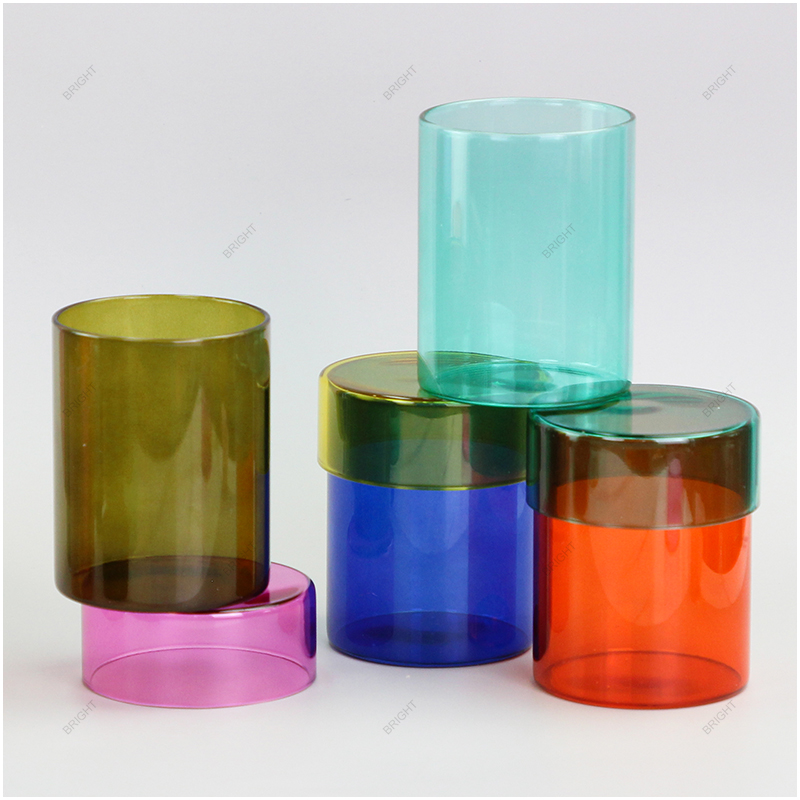
Start with an existing form when appropriate
A change to artwork or presentation may meet the brief without changing the glass geometry. Compare that route with a new shape before treating every branding project as a fresh tooling enquiry.
Review the Specification →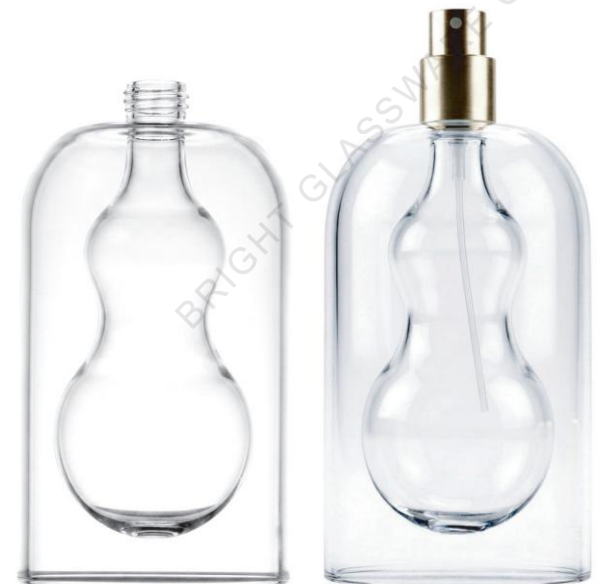
Draw the spaces that matter
Show the useful internal space as well as the outside envelope. A bottle cavity, cup opening and fitted-pack height each affect different people on the project, so one overall dimension is rarely enough.
Review the Specification →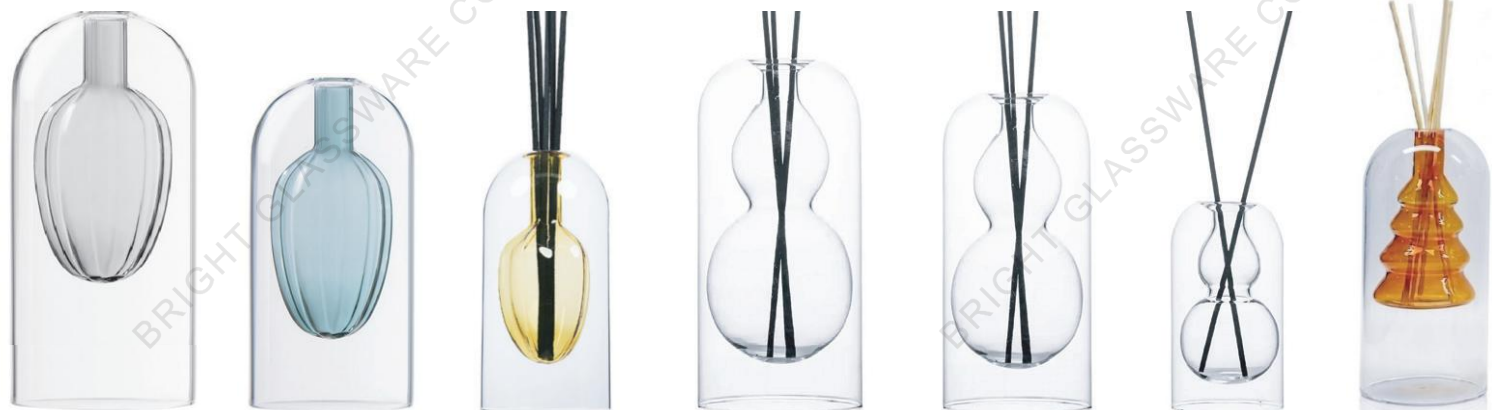
Treat joins and projections deliberately
Handles, spouts and decorative attachments change handling and packing. Make their position and purpose visible in the drawing, then assess the proposed construction rather than assuming every sketch transfers directly to glass.
Review the Specification →Put artwork on the actual surface
A flat logo file does not show how a mark wraps around a curve or reads through transparent walls. Supply dimensions, position and a colour reference so the decoration discussion has a physical scale.
Review the Specification →Keep accessories in the same revision
A lid, sleeve, filter or pump can change the usable shape of the product. Record the version of each fitted part beside the glass drawing to prevent a later component change from being overlooked.
Review the Specification →
Design the retail unit early
A set box and its insert influence the space around the glass. Work with the proposed arrangement before releasing packaging artwork, especially when a handle or unusual profile sets the overall box size.
Review the Specification →One Brief for Glass and Fitted Parts
Ask the project team to work from one assembly list. It should show which parts are supplied together, which are optional and which need separate review. This makes a prototype discussion more useful and gives the eventual quotation a clear boundary.
Discuss Your Requirements →Explore Customization & Artwork Review →Review Shape, Decoration and Packaging Separately
OEM and private-label enquiries can involve different levels of change. Describe the glass geometry, branding and packing as separate workstreams, with a reference for each. The review can then identify which parts may follow an existing route and which need development. Do not approve a complete order from a rendering alone.
Sample Review & Production Planning
- Design purpose: Explain the intended use and the practical improvement sought over an existing product or reference.
- Critical dimensions: Mark functional dimensions, acceptable space limits and the areas where proportions remain open for discussion.
- Artwork: Provide the logo file, target position and physical size, with a colour or finish reference.
- Assembly: Identify the glass and each fitted component, including which versions belong together.
RequirementsUse, quantity and destination
SelectionBody, components and appearance
Sample ReviewFunction, handling and packing
Order DefinitionAgreed model and specification
Final ReviewIdentification and delivery scope
From Selection to an Agreed Specification
| Specification | What to Review | Buyer Approval / Output |
|---|---|---|
| Design purpose | Explain the intended use and the practical improvement sought over an existing product or reference. | Design intent statement |
| Critical dimensions | Mark functional dimensions, acceptable space limits and the areas where proportions remain open for discussion. | Annotated drawing |
| Artwork | Provide the logo file, target position and physical size, with a colour or finish reference. | Artwork proof |
| Assembly | Identify the glass and each fitted component, including which versions belong together. | Revision-controlled parts list |
| Approval scope | Set out the appearance, fit, use and packing questions the development sample must resolve. | Sample review checklist |
Plan Your Custom Borosilicate Glass Project
Send a drawing or reference, intended use, dimensions, quantity, destination and the parts of the design that must remain fixed.
Request a Project Quote →Packing & Delivery Planning for Custom Borosilicate Glass
For an unfamiliar shape, packing is part of development. Protective space around a projection can affect the box more than a small change in nominal capacity.
Leave room around projections
Show the handle, spout or ornament in the packed orientation. The insert needs clearance around those parts, not just the main body.
Protect the approved decoration
Review where sleeves and inserts contact the printed or coloured surface. A plain-glass packing trial may not represent the decorated version.
Keep sample and order versions distinct
Label development samples clearly. A visual study, fit sample and final approved configuration should not become interchangeable references during purchasing.
Freeze the retail pack dimensions
Release box artwork against the assembled product and agreed insert. Late changes to lids or handles can alter the space required inside.
Plan Your Packing & Delivery
Share your order quantity, destination and retail or export packing requirements.
Discuss Packing & Shipping →A Rendering Is a Starting Point for Review
A digital image can communicate proportion, colour and intended presentation. It cannot establish the glass composition, production tolerance, component fit or suitability for the proposed use. Use physical samples and written requirements for those decisions, and identify any questions still open before treating the design as ready for an order.
Custom Borosilicate Glass for Different Buying Programs
A private-label range
Keep the chosen product configuration stable while discussing artwork and presentation that distinguish the brand at retail.
A product designed around a constraint
Share the shelf space, machine clearance, serving routine or fitted component that drives the dimensions before refining the decorative details.
A coordinated gift set
Develop the arrangement of glass and accessories together, with a clear list of what belongs in one complete selling unit.
Define MOQ, Samples & Production Around the Brief
Set out the appearance, fit, use and packing questions the development sample must resolve.
ModelNamed configuration and use
SampleAssembly to review
ArtworkFile, colour and position
PackingRetail and outer-carton scope
A Clearer Buying Brief for Custom Borosilicate Glass
State why a dimension matters
A functional requirement is easier to evaluate than an unexplained number copied from a reference photograph.
Rank the design priorities
Distinguish the defining feature from details that may change during a practical review of the proposed construction.
Keep revisions visible
Give drawings, artwork and component lists matching revision labels so everyone is assessing the same proposed product.
Separate quotation stages
A development enquiry and a repeat order contain different unknowns; make the current stage clear in the brief.
Approve the physical presentation
Review the mark, glass and pack together before treating separate visual approvals as one finished product.
Record unresolved points
Keep open technical or commercial questions attached to the sample review rather than allowing silence to look like approval.
Questions About Custom Borosilicate Glass
Can you make any borosilicate glass shape from a drawing?
A drawing is the starting point for review, not a guarantee of feasibility. Share the intended use, dimensions and quantity so the proposed shape, construction and development route can be assessed.
Do I need a new shape for a private-label project?
Not necessarily. An existing form with an appropriate artwork and packing treatment may suit the project. Compare the alternatives against the brand goal rather than assuming private label always means new glass geometry.
What should an OEM enquiry include?
Provide the design purpose, annotated dimensions, reference images, artwork, fitted components and expected quantities. Also identify which features are essential and which can be discussed during development.
Can the first sample approve the whole order?
That depends on what the sample represents. Agree whether it is an appearance study, a fit sample or the intended production configuration, and list the remaining evaluations before a final approval.
How are custom project quantities and timing decided?
They depend on the chosen construction, development work, decoration and packing. Request terms against the actual brief; a general category page cannot establish one minimum quantity or schedule for every design.
Still Have a Product Question?
Send your requirements or a reference so our team can review your project.
Ask Our Packaging Team →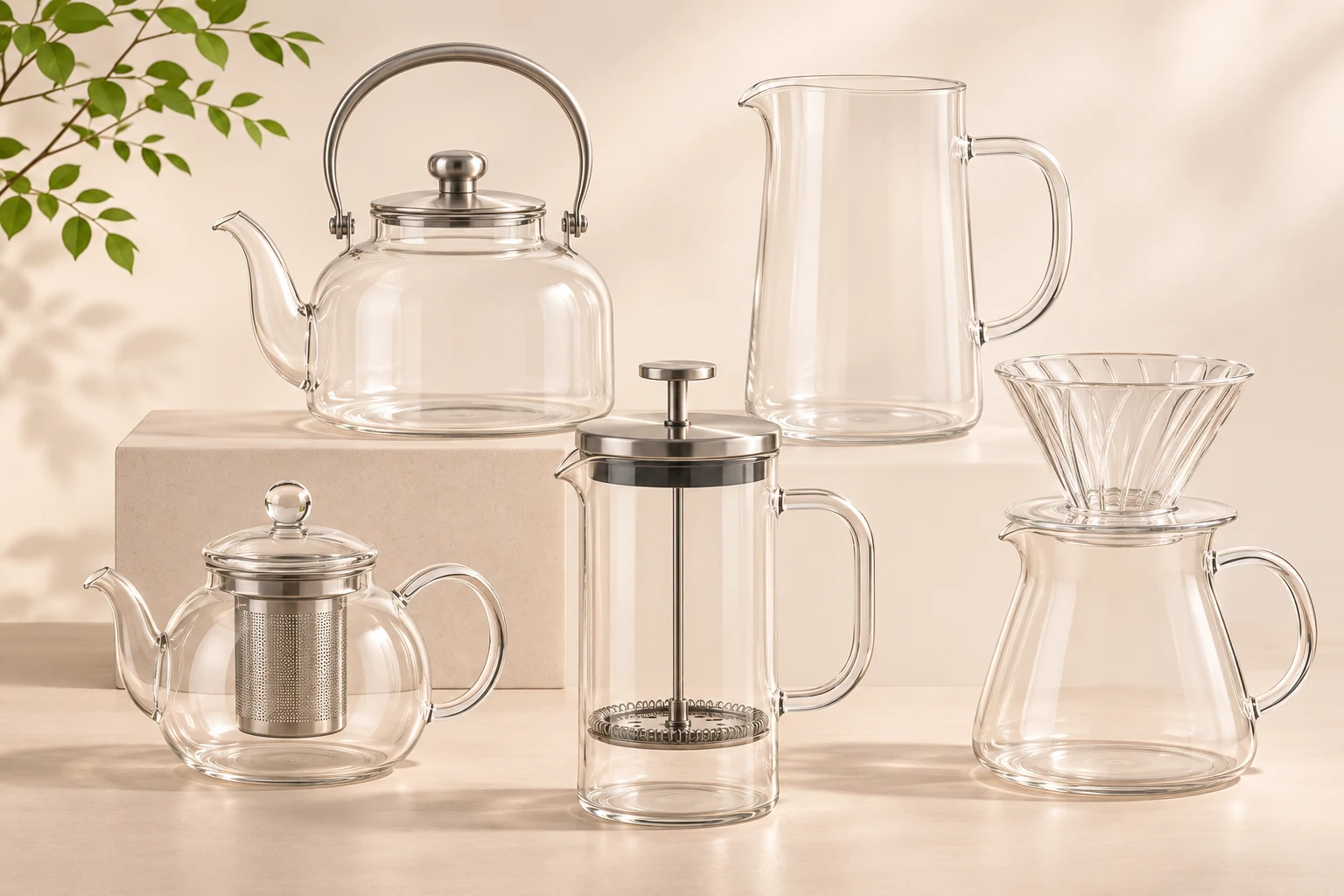
Begin with the customer action
Describe how someone fills, holds, pours from, stores or opens the item. Those actions often reveal a functional requirement that is easy to miss in a front-view drawing.
Use references to explain differences
A reference image is most helpful when you mark what to keep and what to change. Several unannotated pictures can leave the reviewer unsure which details belong to the proposed product.
Make approval a written decision
Keep the accepted drawing, appearance reference and component scope together. A short record of the decision avoids re-opening the same discussion when the project moves from design to purchasing.
Think beyond the launch image
A custom item also needs to be packed, identified and ordered again. Clear model and revision references help the buying team maintain the intended configuration after the first presentation is complete.
Browse Borosilicate Glass Product Categories

Drinkware & Tea
Borosilicate Glass Drinkware →Borosilicate Glass Water Bottles →Borosilicate Glass Tea Infuser Bottles →Borosilicate Glass Cups & Mugs →Double-Wall Borosilicate Glasses →Borosilicate Glass Tumblers →Borosilicate Glass Wine Glasses →Borosilicate Glass Straws →Borosilicate Glass Baby Bottles →Borosilicate Glass Teapots →Borosilicate Glass Tea Kettles →Borosilicate Glass Electric Kettles →Borosilicate Glass Pitchers & Carafes →Borosilicate Glass French Presses →Borosilicate Glass Coffee Makers →Borosilicate Glass Tea Infusers →

Storage & Kitchen
Borosilicate Glass Food Storage Containers →Borosilicate Glass Storage Jars →Borosilicate Glass Cookware & Kitchenware →Borosilicate Glass Cooking Pots & Pans →Borosilicate Glass Bakeware →Borosilicate Glass Bowls →Borosilicate Glass Measuring Cups →Borosilicate Glass Plates & Tableware →Borosilicate Glass Oil Dispensers →Borosilicate Glass Food Covers →Borosilicate Glass Popcorn Makers →Borosilicate Appliance Glass →Borosilicate Glass Air Fryer Dishes →

Bottles, Home & Custom Projects
Request a Quote
Talk to Our Packaging Team
Share the model, capacity, color, closure, decoration, packaging and estimated quantity you need. We can review the options with you.
Category: Custom Borosilicate Glass