
Borosilicate Glass · Wholesale & Project Sourcing
Borosilicate Glass Cookware Wholesale
Cookware should be selected for a defined cooking task. A transparent pot, a baking dish and a serving bowl are not interchangeable simply because they are described as borosilicate glass. The intended heat source and handling routine need to come first.
Kitchenware brands and distributors can use this category to organise a cookware enquiry. Describe the meal preparation method, vessel dimensions and required evidence before comparing proposed styles or building a retail set.
Explore Borosilicate Glass Cookware & Kitchenware
Share the intended cookware form and use conditions for availability review. This parent category helps frame the project; dedicated pan and bakeware enquiries can then focus on the dimensions and handling details of those product types.
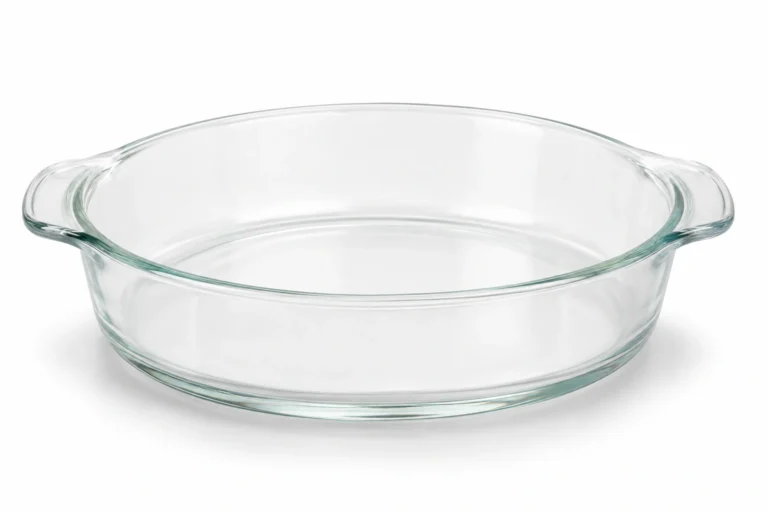
Round Borosilicate Glass Air Fryer Dish Wholesale
Read More »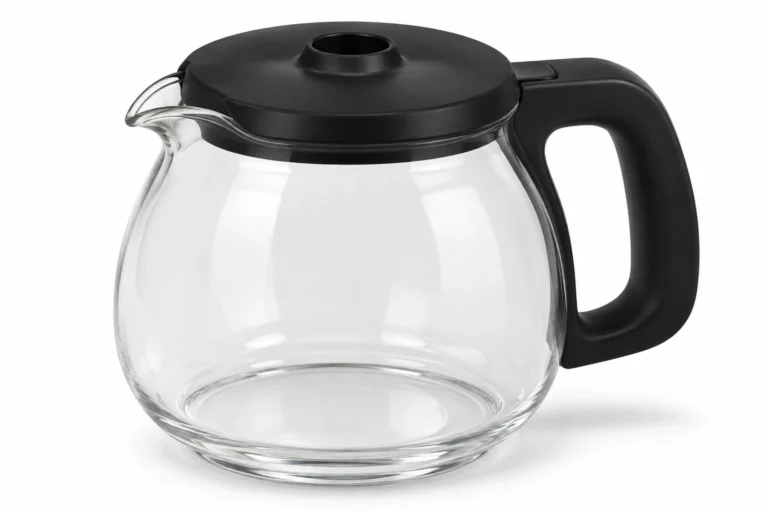
Borosilicate Coffee Maker Carafe in Bulk
Read More »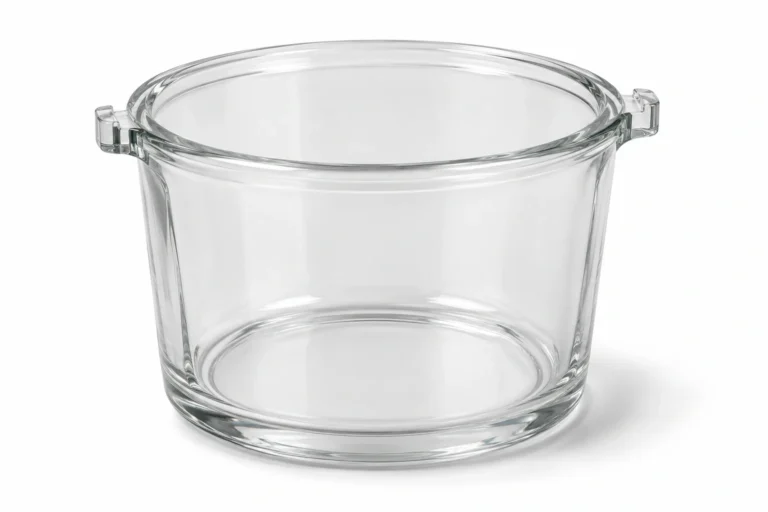
Replacement Borosilicate Chopper Bowl in Bulk
Read More »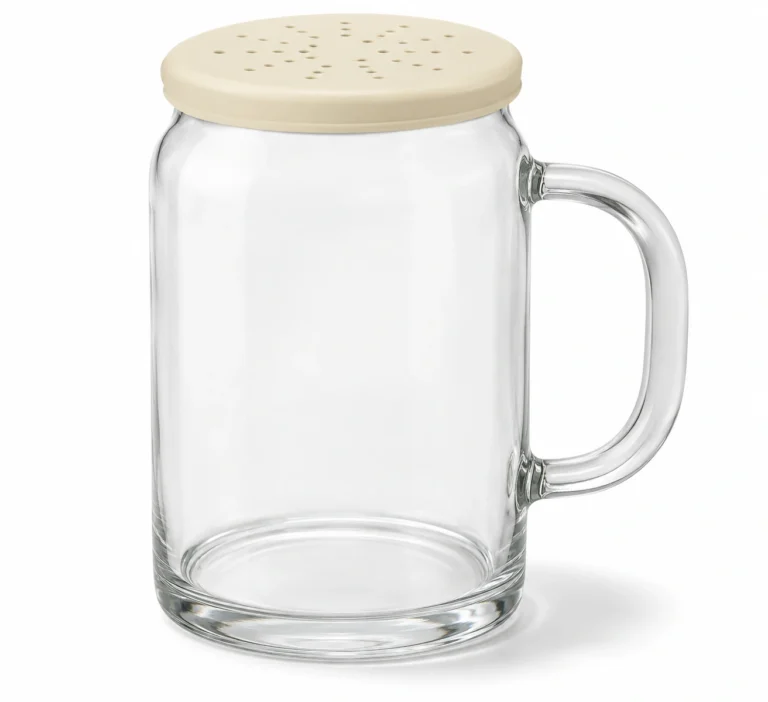
Tall Borosilicate Popcorn Jug Wholesale Reference
Read More »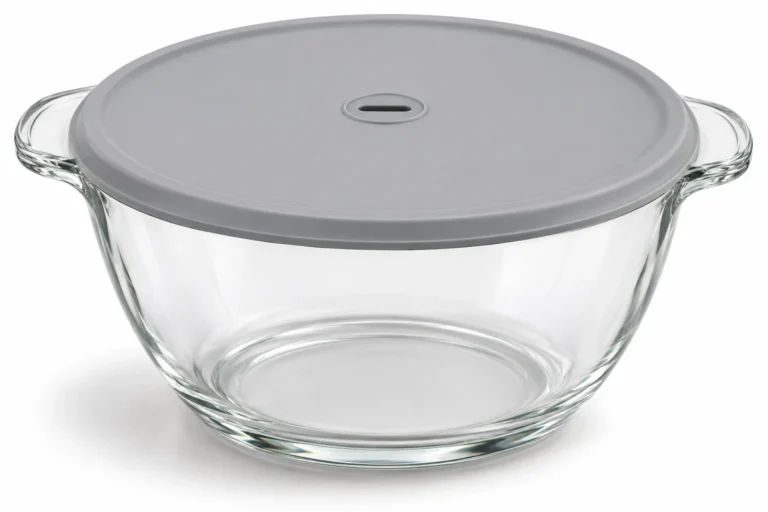
Twin-Grip Borosilicate Popcorn Bowl Wholesale Reference
Read More »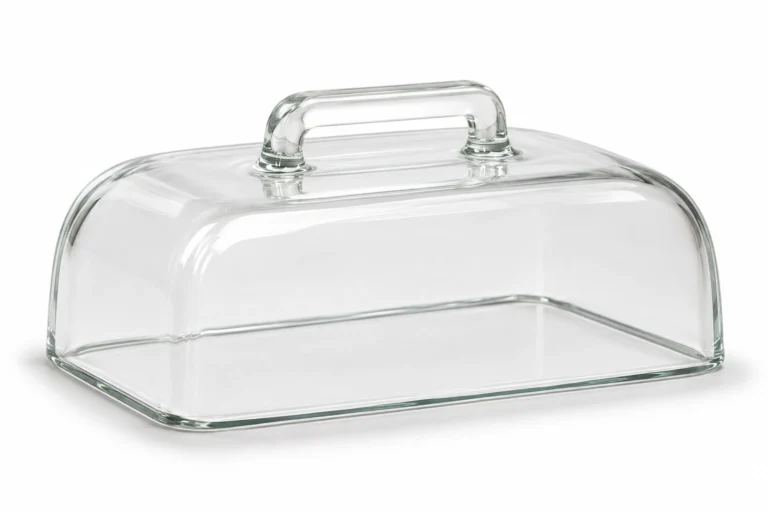
Rectangular Borosilicate Glass Food Cover Wholesale
Read More »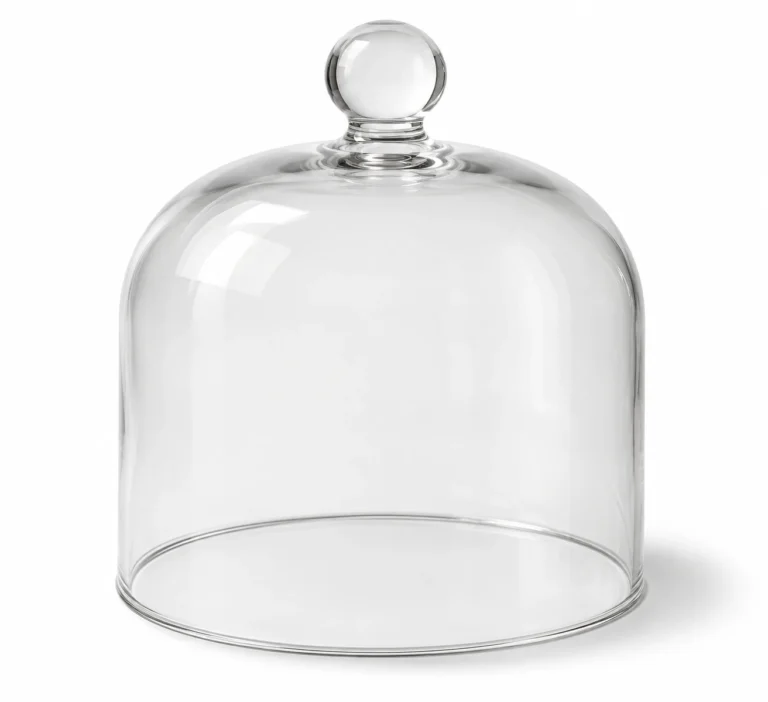
Tall Bell Borosilicate Glass Food Cover Wholesale
Read More »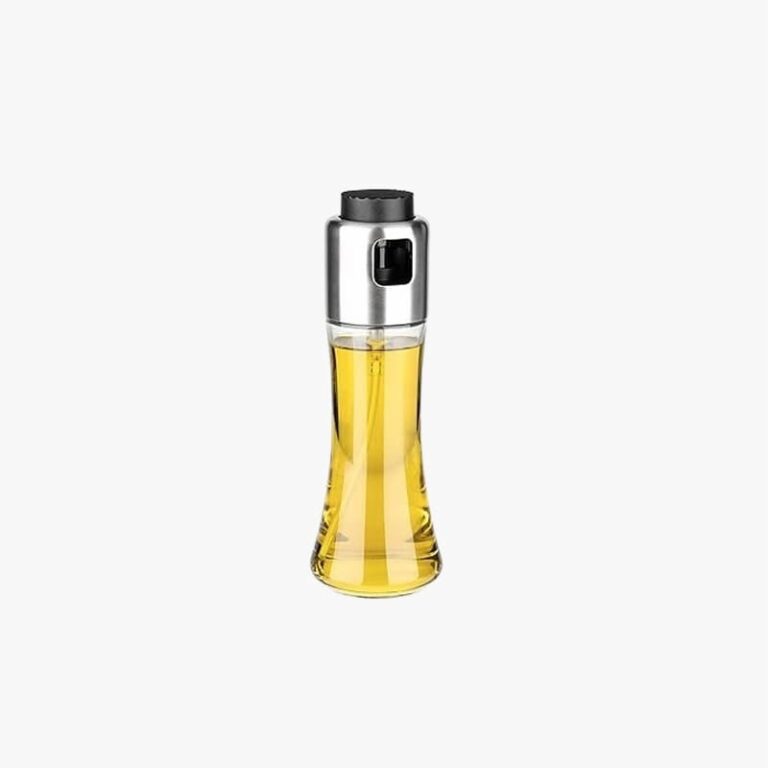
Waisted Borosilicate Glass Oil Sprayer Wholesale
Read More »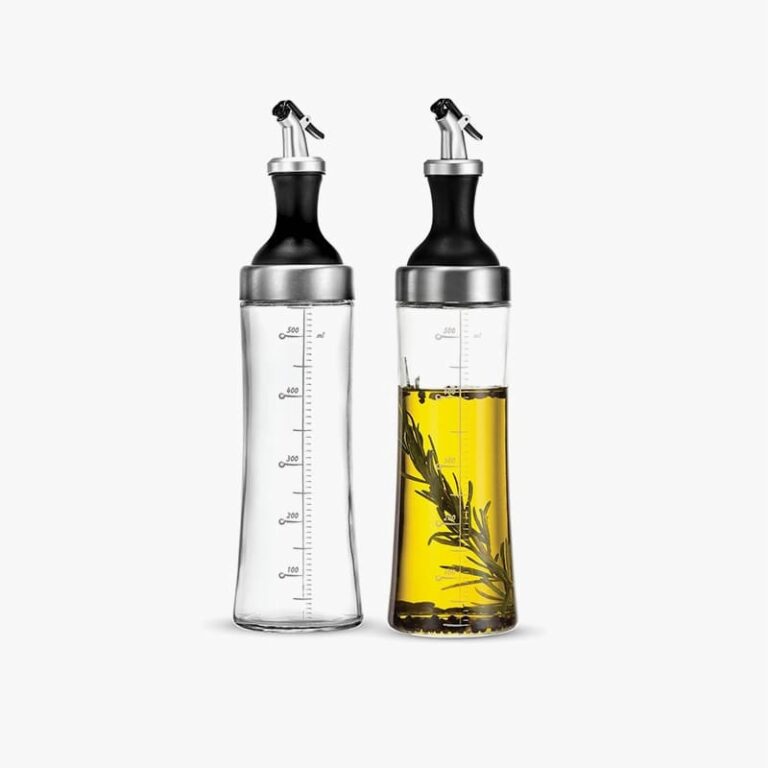
Borosilicate Oil Dispenser with Pour Spout Wholesale
Read More »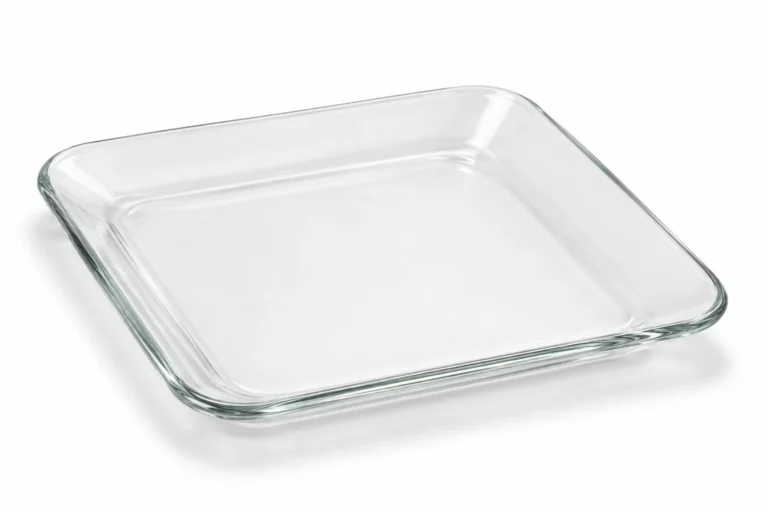
Rounded-Square Borosilicate Glass Plate Wholesale
Read More »
Round Shallow Borosilicate Glass Plate Wholesale
Read More »Need Help Choosing the Right Option?
Send the cooking method, intended heat source, useful capacity, vessel dimensions, lid and handle requirements, target market and estimated programme quantities.
Define the cooking job clearly
Heat source
State where the product is intended to be used. Suitability for an oven does not establish suitability for a stovetop, direct flame or another cooking method.
Vessel role
Explain whether the item is used for preparation, cooking, serving or storage. A product designed for one stage should not be given broader claims without model-specific support.
Buyer approval
List the use guidance and documents your team needs before releasing a cookware product. Material terminology alone cannot answer those model-level questions.
Organising a wholesale glass cookware collection

Product families
Separate pots, pans, dishes and accessories in the enquiry. This makes the range easier to review than a single request for mixed cookware with no defined cooking roles.
Review the Specification →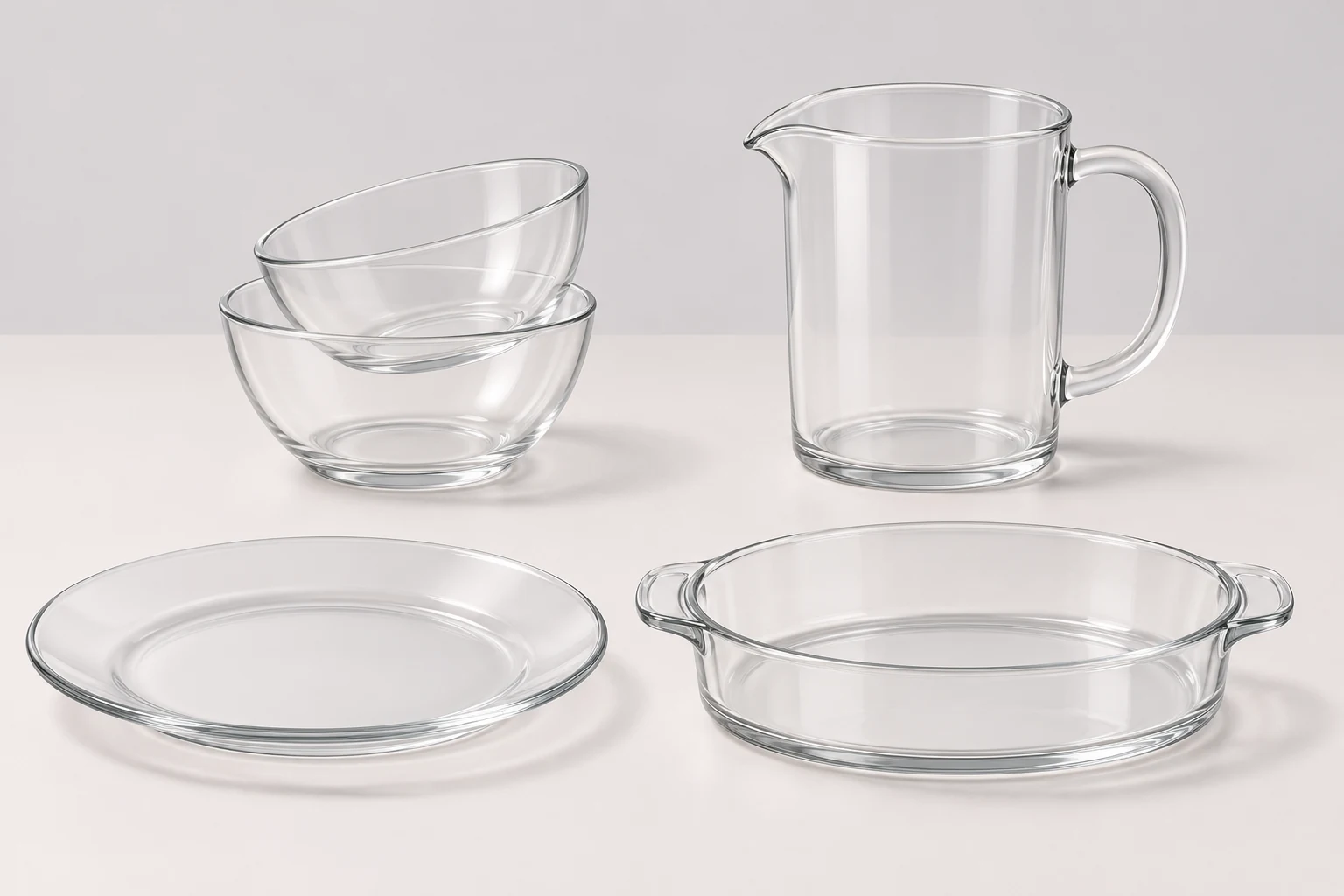
Useful fill
Specify the amount intended to be prepared or served, leaving working space appropriate to the proposed routine. Keep this separate from a brimful capacity measurement.
Review the Specification →
Handles and carrying
Review projections, grip space and the complete filled vessel. A handle may affect oven clearance and packaging even when it is visually modest.
Review the Specification →Lid purpose
Identify whether the lid is for cooking, serving or storage. Those roles can require different instructions and cannot be inferred from a close visual fit.
Review the Specification →Range consistency
Coordinate sizes around practical meal or serving needs. Shared appearance is useful, but each piece still needs its own use limits and handling instructions.
Review the Specification →Care information
Request guidance for the selected body, lid and any additional materials. Avoid transferring cleaning or heating claims from one product in the range to all the others.
Review the Specification →Review the entire cooking assembly
Where a vessel has a lid or attached handles, assess the combination rather than the glass body alone. Keep the assembly reference linked to its allowed use, dimensions and care information. This is especially important when several visually related sizes are considered.
Discuss Your Requirements →Explore Customization & Artwork Review →Custom cookware range development
A custom enquiry should describe the intended cooking method before the design details. Add the proposed outline, grip requirements, marks and retail set contents. The review can then separate a cosmetic change from one that alters the construction or requires new use assessment.
Sample Review & Production Planning
- Cooking purpose: Identify preparation, cooking, serving or storage roles for each piece.
- Intended heat source: State the specific cooking equipment and conditions for model review.
- Working size: Provide useful fill, internal dimensions and overall envelope.
- Assembly components: List lids, handles and other materials included with each vessel.
RequirementsUse, quantity and destination
SelectionBody, components and appearance
Sample ReviewFunction, handling and packing
Order DefinitionAgreed model and specification
Final ReviewIdentification and delivery scope
From Selection to an Agreed Specification
| Specification | What to Review | Buyer Approval / Output |
|---|---|---|
| Cooking purpose | Identify preparation, cooking, serving or storage roles for each piece. | Use map |
| Intended heat source | State the specific cooking equipment and conditions for model review. | Use requirement |
| Working size | Provide useful fill, internal dimensions and overall envelope. | Dimension schedule |
| Assembly components | List lids, handles and other materials included with each vessel. | Assembly list |
| Approval records | Identify required model-specific use and market documentation. | Evidence checklist |
Plan Your Borosilicate Glass Cookware & Kitchenware Project
Send the cooking method, intended heat source, useful capacity, vessel dimensions, lid and handle requirements, target market and estimated programme quantities.
Request a Project Quote →Packing & Delivery Planning for Borosilicate Glass Cookware & Kitchenware
A cookware range may mix large glass bodies, lids and projecting handles. Plan protection for the complete assembly and identify each piece clearly within a mixed-size shipment.

Protect projecting areas
Review handle and rim protection using the actual product envelope rather than capacity alone.
Separate lids
Specify how lids are located so they cannot strike the vessel during carton movement.
Control mixed cartons
Use a clear piece schedule when several cookware sizes share one shipping programme.
Check removal
Review how the buyer lifts each piece from the pack without placing pressure on a vulnerable edge.
Plan Your Packing & Delivery
Share your order quantity, destination and retail or export packing requirements.
Discuss Packing & Shipping →Cooking suitability must be model specific
Do not use the borosilicate label as a universal heating claim. The selected construction and its instructions determine the uses that can be presented. Discuss the proposed heat source with the supplier and have the evidence reviewed before retail copy is approved.
Borosilicate Glass Cookware & Kitchenware for Different Buying Programs
Kitchenware retail programmes
Build a collection around distinct cooking tasks and consistent explanations of what each piece is intended to do.
Private-label cookware
Connect the design brief with model-level approval records, packaging contents and the care information planned for your market.
Hospitality distribution
Describe the kitchen routine and equipment so the enquiry reflects actual preparation and handling requirements rather than a general cookware label.
Define MOQ, Samples & Production Around the Brief
Identify required model-specific use and market documentation.
ModelNamed configuration and use
SampleAssembly to review
ArtworkFile, colour and position
PackingRetail and outer-carton scope
A Clearer Buying Brief for Borosilicate Glass Cookware & Kitchenware
Specify the cooking method
Give every proposed vessel a clear task and intended heat source.
Separate product families
Compare like-for-like pots, pans and dishes within the wider cookware programme.
Review handles and lids
Assess the assembled product and its full dimensional envelope.
Document use limits
Keep the relevant guidance attached to each selected model and size.
Coordinate the set
List the distinct role and contents of every retail piece.
Approve accurate care copy
Use instructions for the actual materials and construction being purchased.
Questions About Borosilicate Glass Cookware & Kitchenware
Can all borosilicate cookware be used on a stovetop?
No such general assumption should be made. State the exact heat source and request guidance for the proposed model and assembly. Oven suitability, where established, does not automatically establish stovetop or direct-flame suitability.
Should cookware and bakeware use the same specification?
They may share some dimensional information, but the intended cooking method needs separate review. Describe the task and equipment first, then use the appropriate product brief for each form.
Can a cookware collection include matching lids?
Include each proposed lid in the request and specify its intended role. Availability, fit and use guidance should be checked with the relevant vessel rather than assumed from a matching appearance.
What should I send for a custom cookware enquiry?
A cooking-use brief, dimensional drawing, lid and handle requirements, intended market and expected quantities provide a useful start. Add the model evidence and approval records your programme requires.
How can I compare wholesale quotations fairly?
Align the vessel sizes, assembly contents, required use evidence and packing basis. Comparing a bare vessel with a documented retail set can obscure why the proposed prices differ.
Still Have a Product Question?
Send your requirements or a reference so our team can review your project.
Ask Our Packaging Team →
A coherent range is more than matching shapes
Each piece needs a job the buyer can explain. Choose sizes and forms around that job, then coordinate appearance without suggesting that every item shares the same cooking capability.
Keep the use record close to the artwork
Retail descriptions often become broader as they are shortened. Check the final title, icons and instructions against the selected model's allowed uses so a concise pack does not create an unsupported promise.
Check the assembled envelope
Lids and handles can determine whether cookware fits the intended equipment or packaging. Record the complete dimensions early instead of discovering a clearance problem after the body design has been selected.
Plan the sample review by task
A sample discussion should follow the proposed cooking and handling routine. Record the dimensions, assembly and evidence reviewed; a general appearance approval is not the same as approval for a cooking method.
Browse Borosilicate Glass Product Categories

Drinkware & Tea
Borosilicate Glass Drinkware →Borosilicate Glass Water Bottles →Borosilicate Glass Tea Infuser Bottles →Borosilicate Glass Cups & Mugs →Double-Wall Borosilicate Glasses →Borosilicate Glass Tumblers →Borosilicate Glass Wine Glasses →Borosilicate Glass Straws →Borosilicate Glass Baby Bottles →Borosilicate Glass Teapots →Borosilicate Glass Tea Kettles →Borosilicate Glass Electric Kettles →Borosilicate Glass Pitchers & Carafes →Borosilicate Glass French Presses →Borosilicate Glass Coffee Makers →Borosilicate Glass Tea Infusers →
Storage & Kitchen
Borosilicate Glass Food Storage Containers →Borosilicate Glass Storage Jars →Borosilicate Glass Cookware & Kitchenware →Borosilicate Glass Cooking Pots & Pans →Borosilicate Glass Bakeware →Borosilicate Glass Bowls →Borosilicate Glass Measuring Cups →Borosilicate Glass Plates & Tableware →Borosilicate Glass Oil Dispensers →Borosilicate Glass Food Covers →Borosilicate Glass Popcorn Makers →Borosilicate Appliance Glass →Borosilicate Glass Air Fryer Dishes →

Bottles, Home & Custom Projects
Request a Quote
Talk to Our Packaging Team
Share the model, capacity, color, closure, decoration, packaging and estimated quantity you need. We can review the options with you.
Category: Borosilicate Glass Cookware & Kitchenware