
Struggling with candles that lose their scent on the shelf or arrive dusty in customers' hands? Start by deciding what you want the lid to do.
A standard candle jar with a conventional lid usually provides dust protection or a close fit. A gasketed press-fit lid or a lined screw cap can improve closure contact. If your packaging needs an airtight claim, verify it on the actual jar, lid and seal assembled together.
Are Candle Jars Airtight?
When a buyer asks me whether a candle jar is airtight, I ask where the candle has to perform. A cover that works on a display shelf may be all the brand needs there. A candle that spends months in storage or ships by parcel calls for different checks.
- For retail display: Check that the lid covers the wax surface and is easy for customers to lift and replace.
- For long-term storage: Compare the scent of the unlit candle at the end of the intended storage period.
- For e-commerce shipping: Check whether the lid stays seated in the actual insert and carton and whether the jar or finish is damaged after transit testing.
Choose a candle jar and lid combination based on the job it needs to do. Agree on how to approve that combination before ordering.
How Do Dust Covers, Gasketed Lids, and Screw Caps Compare?
Look at where the lid makes contact. A flat cover rests on the rim. A press-fit lid uses a flexible ring to grip the opening. A lined screw cap uses matching threads to press the liner against the jar's sealing surface.
Breakdown of Lid Types
| Lid type | When to sample it and what to check |
|---|---|
| Flat dust cover | For retail display, check rim coverage, level seating and ease of opening. |
| Gasketed press-fit lid | For a more secure fit, check ring contact, opening effort and consistency across jars. |
| Lined screw cap | For a threaded jar, check thread engagement, liner contact and closure performance in the intended application. |
Dust Covers (e.g., Flat Metal Lids)
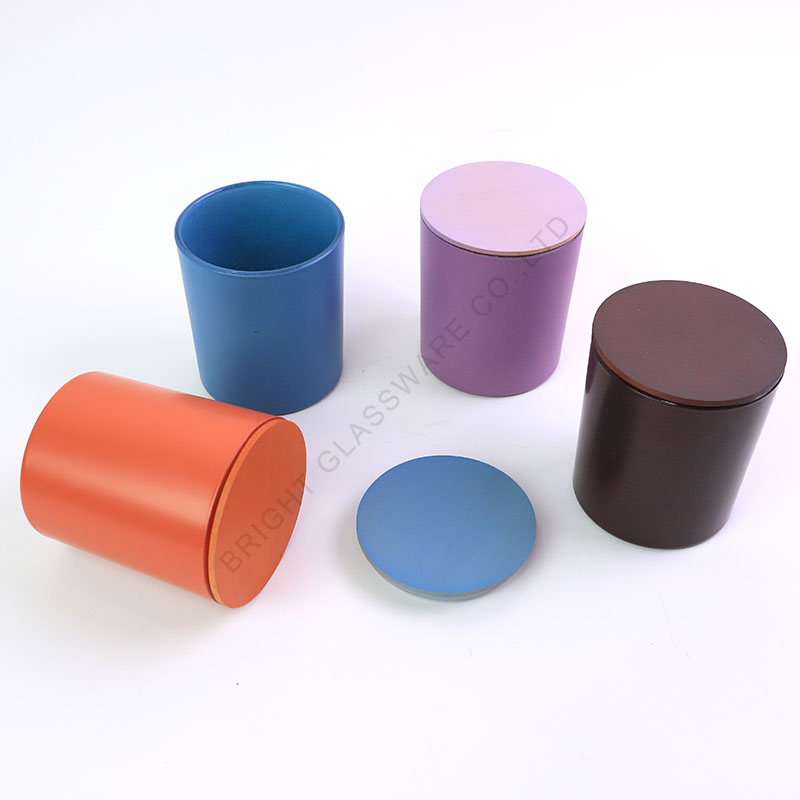
Flat metal, wood and paperboard covers can protect the wax surface from dust during display and storage. When a cover rests on the rim, check how easily it shifts when the jar is handled. The retail carton or insert can help keep the cover seated in transit.
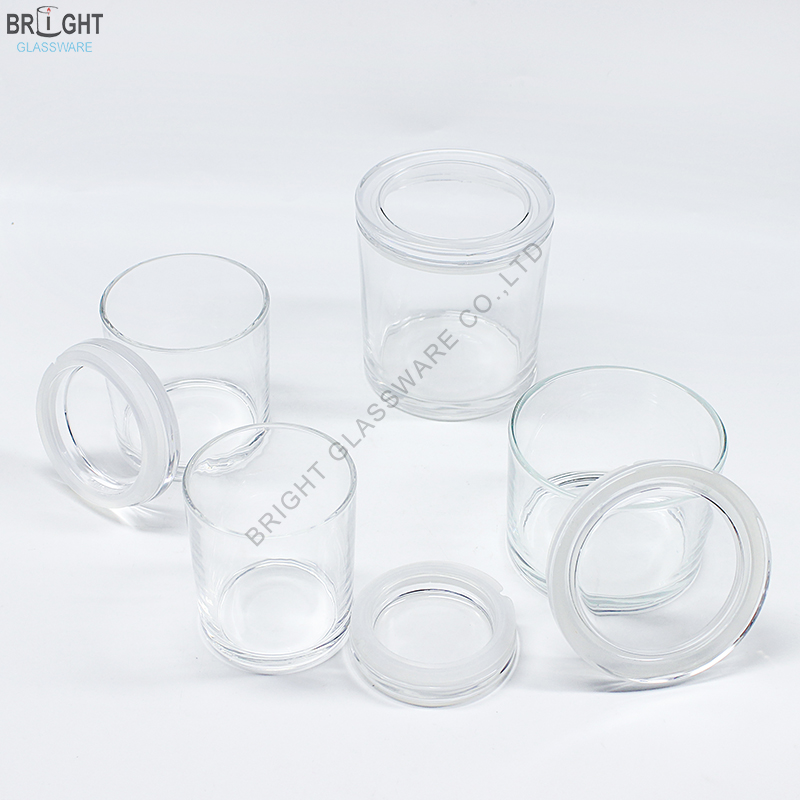
Gasketed Lids (e.g., Wood or Metal with Silicone)
With many wooden, bamboo and metal press-fit lids, a silicone ring sits in a groove around the lid insert. The ring compresses against the jar opening as the lid goes in. Contact and opening effort depend on the seal profile, groove and mating dimensions. The Minnesota Rubber & Plastics groove design guide1 explains why these variables need to be considered together.
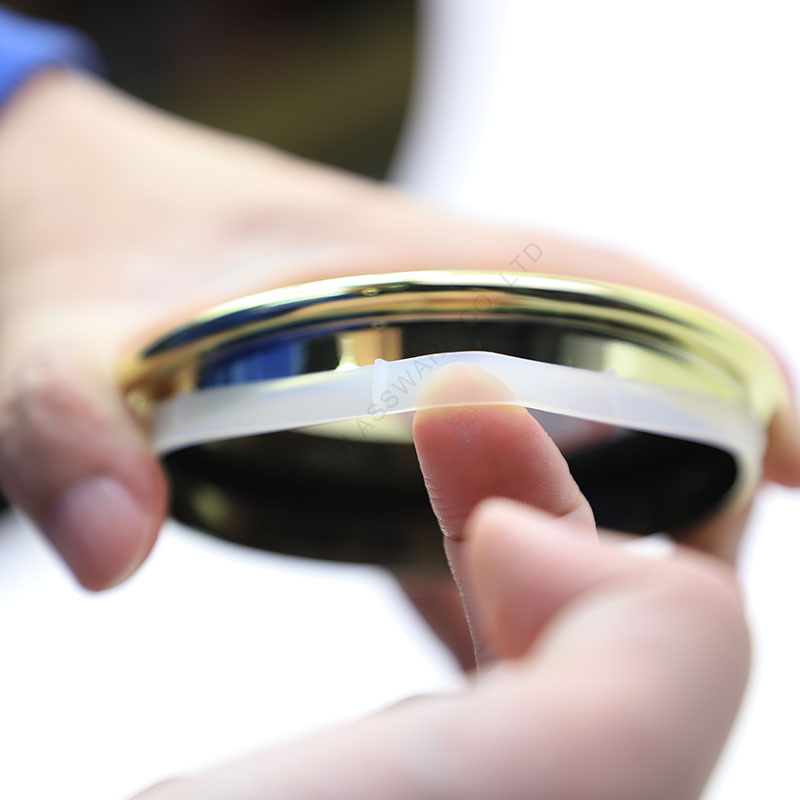
For a natural finish, compare candle jars with bamboo lids with the jar shapes and opening feel you want for your range.
Screw Caps (e.g., Metal or Plastic)
The cap and jar need compatible threads. As the cap tightens, its liner should contact the intended sealing surface evenly. Ask the supplier to confirm the liner material and closing specification for the matched components, then validate the assembly in your intended use.
Can a Candle Jar Lid Help Preserve Cold Throw?
A lid helps keep dust off the wax during storage. The National Candle Association recommends keeping candles covered2 in a cool, dark and dry place to help protect the wax and fragrance. How much a particular lid helps preserve cold throw depends on the finished candle and storage conditions.
A Practical Test for Scent Preservation
- Prepare comparable candles. Use the intended production wax, fragrance load, fill amount and cure conditions.
- Compare closures. Use the same jar for both lid options when the components are compatible. Include an unlidded group if you want a comparison with open storage.
- Agree on the test conditions. Use the expected storage temperature and duration. Make sure all groups experience the same conditions.
- Evaluate the scent consistently. If practical, have evaluators assess coded samples without seeing which lid was used. Use the same timing after opening and the same scoring criteria.
- Record the result for the specific formula. Compare scent strength and character. Also look for visible changes to the wax, gasket or liner after storage.
Use this comparison to choose the closure that gives the result you want on opening. If the purchase specification also calls for a gas leak limit, ask for a separate test on the assembly.
What Should Buyers Check When Sampling Jars and Lids?
A good fit on the first sample is only the start. At Bright Glassware, we cross-fit multiple jars and lids before production. See our jar and lid selection guide for the wider selection process. On a buyer's approval sheet, record the approved components and what an acceptable fit feels and looks like.

A Buyer's Sampling Checklist
- Cross-fit representative samples. Swap lids between jars to see whether they sit at a consistent height and take similar effort to open. Review the jar and lid matching dimensions and measure the surfaces that actually meet. For internal press-fit lids, check the opening at the depth where the ring engages and measure across more than one axis.
- Inspect seal contact. On a press-fit design, check that the gasket stays in its groove through opening and closing. On a screw cap, verify thread engagement and liner contact. Share reference samples with the supplier when seating height or opening effort is important.
- Check repeated use. Open and close samples for an agreed number of cycles and look for changes in fit, liner condition or finish. Set the cycle count for the intended consumer use.
- Recheck after storage. The dimensions of wood can change with moisture content3. Condition wood or bamboo lid samples in the expected storage environment, then check seating, appearance and opening effort again.
Cup capacity and lid fit belong on different lines of the specification. Fit is judged at the opening, liner and sealing surfaces.
How Do You Verify Airtightness or Liquid Leak Resistance?
If your brand plans to make an airtight or leakproof claim, define the performance and acceptance criteria with the supplier and testing lab before committing to a production order.
Defining the Standard in Your Purchase Order
Identify the exact jar, closure, seal or liner, plus the intended fill and closing method. Agree on the test conditions, detectable leak threshold or pass criterion, sample selection and what happens if a sample fails. Use the same approved component specifications for production.
Professional Leak Detection Methods
- Gas leak detection: ASTM F23384 describes a vacuum decay method for several package types, including rigid nonporous packages. A lab should confirm suitability and validate the setup and acceptance criteria for the actual assembly.
- Gross liquid leakage: ASTM D5094/D5094M5 addresses gross liquid leaks from eligible rigid or semi-rigid containers with threaded or lug-style closures. If the project includes a liquid, discuss the intended fill, orientation and distribution conditions with the lab.
Practical Tests for Procurement Managers
A simple inversion observation can flag a visible leak during early liquid sampling. Define the conditions and limits before using any test to support a packaging claim.
Which Closure Should You Specify for Retail, Storage, or Shipping?
The same candle may travel through all three environments. Choose a design that meets the agreed requirement at each stage.
| Use case | What to approve |
|---|---|
| Retail display | Wax coverage, finish and easy lift-off for customers. |
| Longer storage | Acceptable scent at opening and consistent fit after the agreed storage period. |
| E-commerce shipping | Lid position, glass condition, and label and carton appearance after testing the final pack. |
A retail dust cover can go into an e-commerce pack if its insert holds it in place. If a gasketed lid or screw cap suits the product, test it with the same protective insert and carton that will ship with the finished candle. ISTA's packaging design guidance6 explains how distribution conditions inform package testing. See our guide to packaging and shipping candles for the checks to make on the finished pack.
Frequently Asked Questions
Do wood lids provide an airtight seal?
Some wood lids have a gasket that improves contact with the opening. Ask how the gasket fits the specific jar, then recheck the fit after conditioning. If you need an airtight claim, request test results for the actual assembly.
What is the difference between cold throw and hot throw?
Cold throw describes how the candle smells while unlit. Hot throw describes the fragrance while the candle burns7. Evaluate the two separately. Compare cold throw after storage and assess hot throw during testing with the intended wax, fragrance and wick.
Will an airtight lid prevent a candle from "sweating"?
If oil beads or pools on the wax, investigate fragrance separation in the candle formula8. Check the wax supplier's guidance on fragrance load, mixing and storage. Then assess the finished candle under the temperatures it will encounter in storage or shipping.
Are ceramic candle jars airtight?
For ceramic jars, check the actual opening, sealing surface and finish along with the lid and gasket. If the application needs gas leak performance, verify it on the finished assembly.
Conclusion
Start your purchase specification with the lid's job. Choose a cover for display, compare fitted lids using your own wax and fragrance for storage, and test the final pack for shipping. If you need to claim airtightness or liquid leak resistance, agree on measurable criteria before approving production.
Contact Bright Glassware to discuss jar and lid samples. Share your preferred jar, lid finish, storage period and shipping channel so we can discuss the right sample combination.
Minnesota Rubber & Plastics, Groove Design for O-Ring Seals. See the guidance on mating clearances, groove dimensions and seal compression. ↩
National Candle Association, Your Foolproof Guide to Burning a Candle Correctly. See the section on candle storage. ↩
USDA Forest Service, Moisture Relations and Physical Properties of Wood. The chapter describes changes in wood as moisture content varies. ↩
ASTM F2338-24, Nondestructive Detection of Leaks in Packages by Vacuum Decay Method. The standard describes the method, applicable package types and establishment of acceptance criteria. ↩
ASTM D5094/D5094M-24, Gross Leakage of Liquids from Containers with Threaded or Lug-Style Closures. See the scope for eligible containers and distribution conditions. ↩
International Safe Transit Association, Getting Started with Design. Guidance on evaluating packaged products for distribution. ↩
CandleScience, Candle Making 101: Hot Throw. Defines hot and cold throw and discusses the factors that influence hot throw. ↩
CandleScience, Soy Wax Troubleshooting Guide. See the guidance on fragrance leaching and separation. ↩
Keep Reading