
Choosing a candle container means balancing appearance, safety, cost, and function. For brands, deciding whether tin or glass is better for candles affects shipping, positioning, and customer perception.
Start with candle tins when compact packaging and portability lead the brief. Compare glass candle jars when transparency, finish and consistency with your home-fragrance range matter. Then compare complete samples at the same target wax fill, including lids and protective packaging. Neither material alone determines candle safety, fragrance performance or delivered cost.
The best choice depends on your brand identity, budget, safety requirements, and logistics. Here are the key trade-offs.
Which Is Better for Your Candle Brand: Tin or Glass?
Feeling stuck between the rustic charm of tin and the elegant transparency of glass? This choice is about more than just aesthetics; it's a strategic decision that signals your brand's values and priorities to the customer.
The container you choose is the very first thing a customer interacts with. It sets expectations for the quality, price point, and even the type of fragrance experience they are about to have.
Dive Deeper
Choosing between tin and glass is fundamentally an exercise in brand alignment. Before you even look at samples, ask yourself these questions about your brand:
- Who is your target customer? Are they seeking affordable luxury for their home, or a durable, practical item for travel and outdoor use?
- What is your price point? Glass containers are often perceived as more premium and can support a higher retail price. Tins can be positioned as either accessible and fun or industrial and chic.
- What should the packaging communicate? Compare the actual color, finish, label and lid against your existing range. If sustainability is part of the brief, assess the complete pack and the collection or recycling options in the destination market.
For a home-fragrance product intended to be displayed, a clear glass jar lets the wax color and flame become part of the presentation. A heavier base may suit the desired feel, but the extra weight should earn its place in the complete packaging brief.
For scent samplers, promotional gifts or a travel range, a lidded tin is another option worth sampling. Assess the available print area, finish and label placement on the actual vessel. A tin can have a refined or playful appearance; the artwork and construction matter as much as the material name.
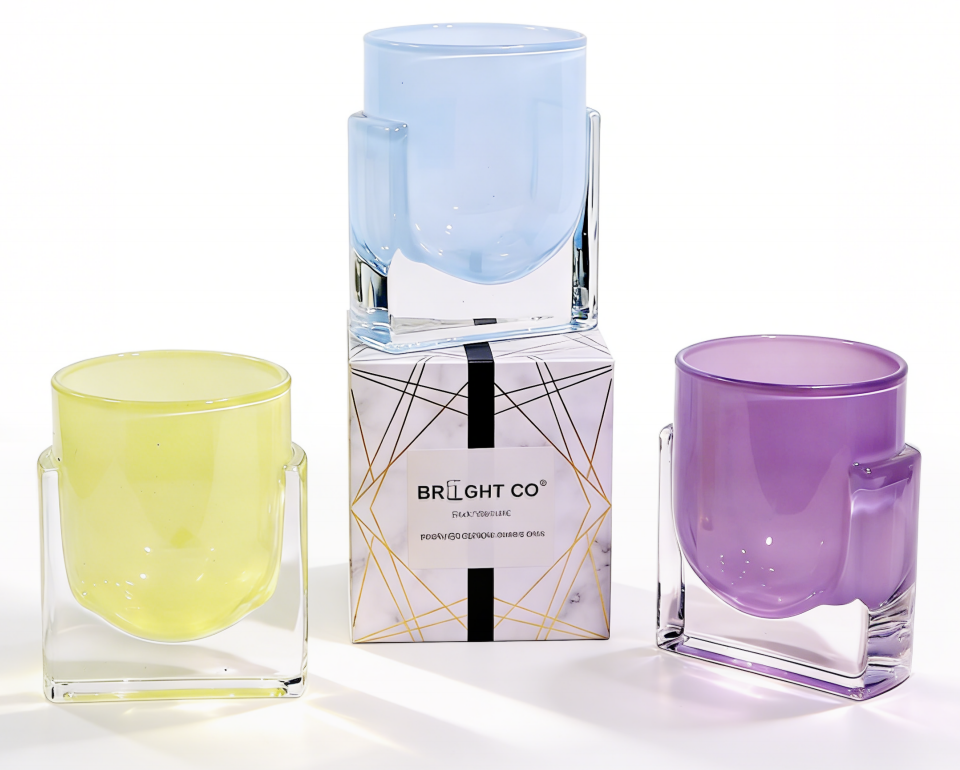
How Do Tin and Glass Candle Containers Compare at a Glance?
A side-by-side comparison can help you weigh cost, safety, aesthetics, and shipping needs before requesting samples.
This high-level view helps you quickly filter options based on your most important criteria, whether that's cost, safety, branding potential, or durability.
Dive Deeper
To make your evaluation easier, here is a direct comparison of the key attributes of tin and glass candle containers. Remember that these are general guidelines; specific material grades, thicknesses, and finishes will influence the final performance.
| Feature | Tin Candle Containers | Glass Candle Jars |
|---|---|---|
| Aesthetic Appeal | Opaque surface; compare color, finish and graphics. | Clear, translucent or opaque finishes; clear glass can show wax and flame. |
| Durability | Check dents, distortion, scratches, seams and lid retention. | Check chips, cracks, rim condition and surface protection. |
| Weight | Weigh the chosen tin, lid and finished pack. | Weigh the chosen jar, lid and finished pack; small sizes are also available. |
| Heat Safety | Container and supporting surface can become hot; assess the complete candle. | Container and supporting surface can become hot; wall thickness alone gives no safety guarantee. |
| Portability | A useful starting point for compact, lidded travel formats. | Small jars can be considered with matched lids and suitable protection. |
| Branding | Confirm label, print, embossing and finish options for the actual design. | Confirm color, coating, printing, labels and lid options for the actual design. |
| Cost | Quote container, lid, decoration, packing and delivery together. | Quote the same scope and wax-fill target before comparing. |
| Fragrance Throw | Evaluate with the actual wax, fragrance, wick and vessel geometry. | Evaluate with the actual wax, fragrance, wick and vessel geometry. |
For procurement, compare the complete configurations. Use measured finished weights and packed carton dimensions, then request freight quotes for the same quantity, destination and delivery terms.
Which Is More Practical for Travel Candles?
For a travel candle, I would start with the size of the finished product, its packed weight and the lid. A lidded tin is worth comparing when portability and compact packaging are priorities. A small glass jar also deserves a place on the sample list when the brand wants its travel line to retain the appearance of its main glass collection.
Dive Deeper
Assess a lidded candle tin as a complete pack. Check how the lid engages, whether it loosens during handling, and how the surface holds up against the retail box or insert. Metal containers can dent or deform, so the shipping pack still needs attention.
A lid is an important part of the travel format, but its presence does not establish airtightness or leak resistance. Fragrance retention and the behavior of softened wax need assessment with the chosen lid, container and formula under agreed storage and shipping conditions.
Exploring Small Glass Options
One small glass option in our product range has these nominal specifications:
- Diameter: 56 mm
- Height: 68 mm
- Glass Weight: approximately 90 grams
- Nominal Capacity: 100 mL
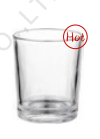
Those figures describe that particular empty glass cup. The 100 mL volume is not a stated net wax weight; establish the intended fill line and weigh the finished candle separately. Include the lid, retail box and protection when deciding whether its size and weight fit the travel brief.
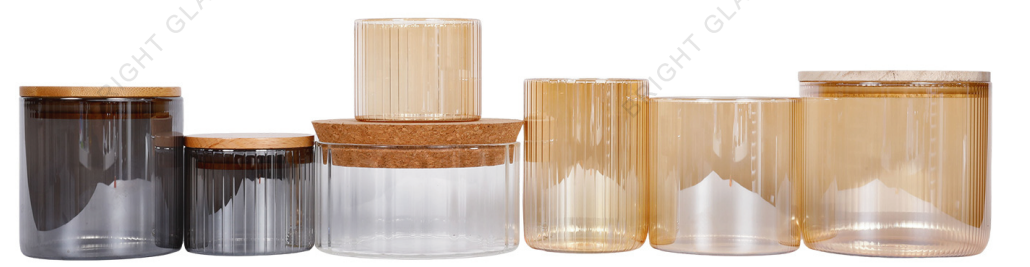
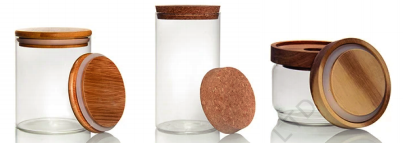
Small single-wall borosilicate glass cups with a suitable wood lid are another configuration to discuss. Confirm the specific cup and lid combination through samples.
Put the lidded tin and glass options into their proposed retail packaging. Compare how each looks, feels and fits, then complete the relevant product assessments before choosing.
How Do Tin and Glass Differ in Heat and Candle Safety?
Both tin and glass candle containers can become hot during burning. Material choice affects heat transfer, but the finished candle's temperatures also depend on vessel dimensions, wall and base construction, wick arrangement, wax, fragrance and how it is used.
Dive Deeper
Do not assume that a thick glass base stays cool, or that either material is automatically safer to touch. Ask for the actual container material and construction. For metal vessels, identify any seams and internal coating or lining, and check suitability with the intended formula.
For glass, establish that the chosen vessel is intended for candle use. A borosilicate description or an attractive product photograph does not establish the safety of a finished candle.
Testing is Non-Negotiable
The CPSC candle business guidance lists separate voluntary industry standards for candle fire safety, labeling and certain glass candle containers.1 ASTM F2417 concerns candle fire safety; ASTM F2179 specifically concerns annealed soda-lime-silicate glass containers produced for candle use. Confirm the applicable scope, current edition and destination-market requirements with a qualified assessor rather than assuming every glass composition falls under the same container standard.
Agree an assessment plan for the actual container, wax, fragrance, wick and decoration. Relevant checks may include:
- Container and supporting-surface temperatures during the intended burn schedule.
- Stability and wick behavior, including wick position and flame behavior.
- Performance near the end of use, following the relevant method and product instructions.
- Container condition, including glass damage or changes to metal coatings and seams.
The National Candle Association's safety guidance advises using suitable heat-resistant surfaces and allowing candles to cool before handling.2 Travel convenience concerns transport of the cooled product; do not move a burning candle or one containing hot liquid wax.
The vessel supplier and candle manufacturer should agree who supplies specifications, component information and the finished-product evaluations.
Can a Lid Preserve Fragrance or Prevent Leakage?
For a travel candle, I would pay close attention to the lid. The practical questions are whether it fits the vessel, stays in place in the intended pack, and supports the brand's storage and handling requirements.
Dive Deeper
Treat the container and lid as a matched assembly. A slip-on lid, screw lid and wood or bamboo lid can have different fit characteristics. Check the actual samples and any gasket or liner supplied with them.
Fragrance Preservation
A lid covers the wax surface and helps keep dust away. If fragrance retention matters to the project, define the storage period and conditions, then compare the actual lid, vessel and candle formula. A close fit or a visible gasket does not by itself establish an airtight seal or a particular fragrance-retention result.
Leakage Prevention
Warm storage or transport can soften some candle formulations. Discuss the expected route, temperatures, duration and pack orientation with the candle manufacturer and packaging supplier. Use those conditions to agree an appropriate assessment of the filled, closed product.
Inspect lid movement, any wax escape and the condition of the retail packaging. Do not treat an ordinary dust cover as a liquid-tight closure, and do not promise leak prevention from appearance alone. Specify the acceptance criteria before approving the assembly.
Wood and bamboo lids can be considered for the desired look, provided the actual cup-and-lid pairing is confirmed. Evaluate their fit and any gasket as part of the complete pack.
How Do Tin and Glass Compare for Appearance and Branding?
Your candle's container is a silent salesperson. Its look and feel communicate your brand's story before the wick is ever lit. The choice between tin and glass offers two very different canvases for you to express your brand's unique identity.
Are you aiming for a look that's rustic and modern, or one that's timeless and luxurious? The material you choose will be the foundation of your product's visual appeal.
Dive Deeper
Both tin and glass offer a wealth of customization options, but they start from different places and excel in different areas.
The Opaque Canvas of Tin
Metal packaging offers an opaque surface for branding3. Compare the proposed artwork on the chosen finish.
- Full-Wrap Printing: Ask which areas of the chosen tin can be printed and whether the artwork needs adjustment around seams, shoulders or the lid. Confirm the color count, process and cost on a decorated sample.
- Embossing/Debossing: Embossed or debossed details may be available on particular designs. Confirm tooling, location and feasibility for the selected vessel.
- Finishes: Tins come in various finishes, from matte and brushed to glossy, in colors like silver, gold, black, and rose gold.
- Labeling: A simple, well-designed paper label can create a beautiful contrast against a raw metal or colored tin for a more artisanal look.
The overall effect of tin can range from minimalist and industrial to vibrant and playful.
The Transparent Luxury of Glass

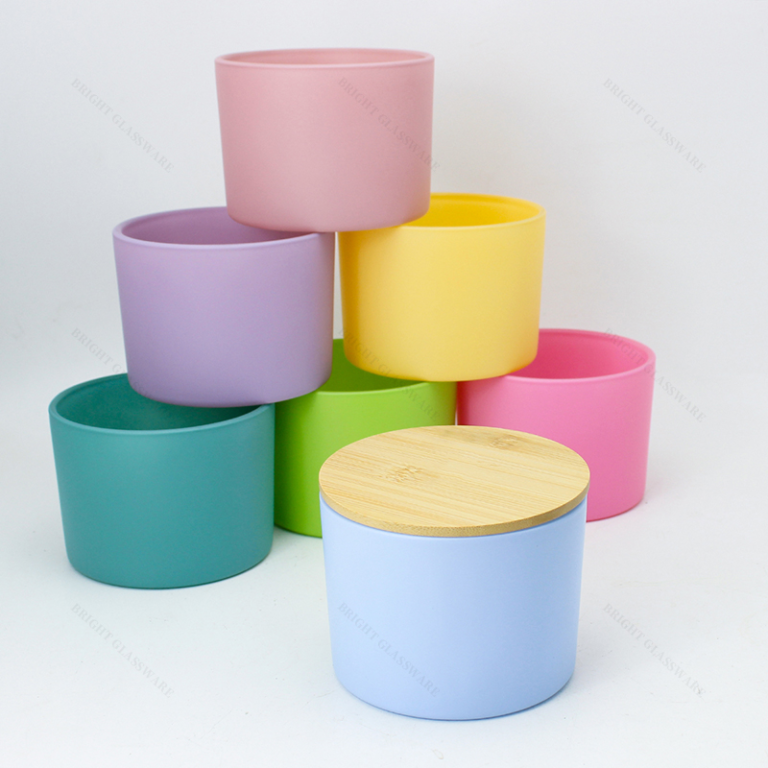
Clear packaging makes the contents visible4. With a clear candle jar, the wax appearance and flame can become part of the presentation; opaque decoration gives a different result.
- Showcasing the Product: Clear and suitably translucent jars let customers see the wax and flame. Check how the chosen color or finish affects that visibility.
- Color & Finish: Glass itself can be colored, or it can be decorated with a huge range of post-processing techniques. This includes:
- Spraying: Applying opaque, translucent, or gradient colors.
- Frosting: Creating a soft, diffused, and tactile finish.
- Electroplating: Discussing metallic or mirrored finishes in colors such as silver or gold; confirm the actual process and suitable vessel.
- Decals & Printing: Applying logos and designs using the available printing or decal process. Confirm curing, appearance and required durability through samples.
- Weight and Feel: A heavier glass base can be part of the intended feel. Balance that choice against the finished pack's weight and protection requirements.
Ultimately, your choice depends on what you want to highlight. If your branding is graphic-heavy, tin gives you a perfect canvas. If your brand is about the simple beauty of the candle itself, glass lets it shine.
Which Costs More Once Packaging and Shipping Are Included?
The empty container price is one part of the decision. Compare the cost of the complete pack delivered under the same agreed terms: vessel, lid, decoration, retail packaging, transport protection and freight. Include any applicable import charges and handling costs when working out landed cost.
Dive Deeper
Set the same target wax fill, order quantity, destination and delivery scope for both quotations. A material name alone cannot establish which configuration will cost less.
1. Unit Cost
Request a price for the actual tin or glass design, including its dimensions, finish and quantity. Clarify whether the lid is included. Record tooling, setup or other one-off charges separately where they apply.
2. Decoration & Lids
Compare artwork coverage, color count, print or coating process and the proposed lid. The cost of a simple label cannot be compared directly with a different multi-step finish. Approve the intended appearance on samples before comparing final quotations.
3. Protective Packaging
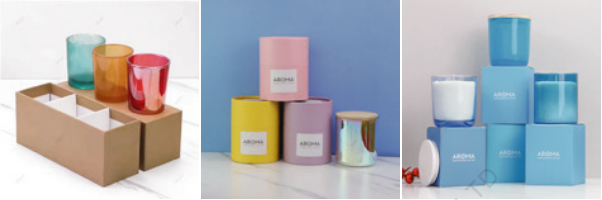
Glass needs protection against impact, rim damage and surface contact. Tins need protection against dents, distortion and scratches, as well as unwanted lid movement. Select the box, dividers or inserts around the actual product and distribution route.
Ask for custom candle packaging to be quoted as part of each configuration. Avoid assuming that a metal tin needs only minimal protection or that every glass jar requires the same insert.
4. Shipping & Logistics
Weigh the finished packs and obtain actual carton dimensions, gross weights and packing quantities. Have the carrier or forwarder quote the same route and service. How weight, volume, palletization and handling affect the price depends on that shipment.
Use the measured samples and actual packing plan to compare cost per delivered saleable unit. Agree how transport damage will be assessed and handled before placing the order.
What Should Buyers Check Before Approving Samples and Bulk Orders?
You’ve reviewed the specs, compared the costs, and selected a promising container. The next step is sample approval: confirm the intended product and packaging before committing to the bulk quantity.
Checking samples before the bulk order helps identify fit, appearance and packaging issues while there is still time to adjust the specification.
Dive Deeper
Sample approval should cover quality control of the complete configuration. Agree a written checklist with the supplier and candle manufacturer.
Here are the essential checks you must perform before signing off on a pre-production sample (PPS) and moving to bulk manufacturing:
The Complete System Check
Do not approve the container in isolation. You must approve the entire assembly as it will be sold to the customer. This includes:
- Container: The glass jar or tin.
- Lid: The wooden lid, metal cap, etc.
- Accessories: Any gasket, liner or packaging insert.
- Decoration: The final printing, label, or coating.
- Packaging: The unit box and any inserts.
Check the fit and finish of all these components together. Does the lid fit snugly? Does the color of the jar match the color on the box?
Physical & Dimensional Verification
- Measurements: Use digital calipers to verify that the container's dimensions (height, diameter, mouth opening) match the approved technical drawing.
- Weight & Capacity: Weigh the empty container to ensure it meets spec. Fill it with water to the brim (overflow capacity) and to the recommended fill line (functional capacity) to confirm the volume.
- Lid Fit: Test the lid. Is it too tight? Too loose? For travel candles, agree acceptable lid fit and retention before ordering. For wooden lids on glass, check for rocking or instability.
- Color & Finish: Compare the sample with the agreed physical color sample or color reference under agreed lighting conditions. Inspect for any defects in the finish, such as scratches, pinholes, uneven coating, or smudges in the printing.
Performance & Safety Testing
- Wax Pour Test: The most critical step. Make the sample candle with the intended wax, fragrance, wick and fill level, using the agreed production process.
- Burn Test: Have the responsible candle manufacturer or qualified assessor evaluate the complete candle using the applicable methods and market requirements. Check the container for excessive heat, cracks (for glass), or discoloration. Ensure the wick performs correctly in this specific container.
- Leak Test: Agree the temperature, duration, orientation and acceptance criteria with the responsible product or testing team, based on the formula and expected transport conditions. Assess the filled container and its actual lid together, and record the agreed method and results with the sample approval.
- Packaging Drop Test: Assess the final candle, unit box and shipper carton using agreed transport tests. Record the test conditions and acceptable damage criteria for the intended distribution route.
By creating a formal approval document based on this checklist, you create a clear, objective standard that you and your supplier have agreed upon. This "golden sample" becomes the benchmark against which the final bulk production will be judged.
Frequently Asked Questions
Is glass safer for candles than tin?
The material alone does not answer this. Either container can become hot, and glass can be damaged or cracked. Assess the actual vessel, wax, fragrance, wick, decoration and instructions. A thicker base or a borosilicate label does not establish that the outside stays cool or that the finished candle has passed a safety evaluation.
Can you reuse glass or tin candle containers?
Once cool, undamaged containers may be suitable for some non-food storage uses after following appropriate cleaning instructions. Reuse suitability depends on the container, coating, decoration and previous use. Do not promote a used candle vessel for drinking or food storage without verified suitability for that purpose.
Does the container color affect the candle burn?
Evaluate the complete decorated vessel with the intended formula and wick. The coating system, decoration coverage, geometry and use conditions all belong in that review. A shared color name does not establish that two vessels will behave the same way.
What is the minimum order quantity (MOQ) for custom candle tins or glass jars?
Request the MOQ for the chosen vessel, lid, decoration and packaging configuration. Existing designs and custom tooling can have different order requirements. Ask the supplier to confirm current availability, minimum quantities and lead times for the specific configuration.
Conclusion
Choose the container around the candle you plan to sell. For a compact travel format, start by sampling a lidded tin. For a travel size that should retain the look of a glass home-fragrance range, compare small glass and borosilicate options with suitable lids.
Put the candidates into complete packs. Compare appearance, finished weight, lid fit, protection and quoted delivered cost at the same target wax fill. Approve the final candle and packaging through the relevant assessments before bulk production.
To compare options with Bright Glassware, send your target net wax weight or fill line, preferred appearance, lid, decoration, order quantity, packaging and destination. Include the intended wax, fragrance and wick details for sample planning. Contact us to discuss your candle packaging project.
U.S. Consumer Product Safety Commission, "Candles Business Guidance" — identifies voluntary candle safety standards and their respective scopes. https://www.cpsc.gov/Business--Manufacturing/Business-Education/Business-Guidance/Candles ↩
National Candle Association, "Candle Safety Tips" — general guidance on suitable surfaces, handling and cooling. https://candles.org/candle-safety-tips/ ↩
Container and Packaging, "How to Use Metal Containers to Enhance Your Brand Image" — commercial guidance on metal packaging appearance and branding; not candle performance evidence. https://www.containerandpackaging.com/resources/how-to-use-metal-containers-to-enhance-your-brand-image/ ↩
ePackageSupply, "Benefits of Clear Containers: Why Transparency Matters" — general visibility of clear packaging; not candle safety or fragrance evidence. https://epackagesupply.com/blogs/packaging-guide/benefits-of-clear-containers ↩
Keep Reading