
Struggling to translate your vision for the perfect glass container into a technical specification for a manufacturer? This disconnect can lead to sample discrepancies, production delays, and a final product that doesn't quite match your brand's standards. Understanding how glass is made empowers you to communicate your requirements precisely, transforming a complex procurement process into a clear, manageable workflow.
Supply chain planning1 coordinates sourcing, production and delivery. The manufacturing outline below provides a framework for discussing those project requirements.
The step-by-step process of how glass is made2 involves preparing a raw material batch, melting it in a furnace into a molten liquid, forming the glass into a desired shape using molds, relieving internal stresses through a controlled temperature cycle called annealing, and performing rigorous quality inspections before packaging. This industrial manufacturing sequence turns basic elements like sand into durable, high-quality glass containers.
For manufacturer process references, see O-I’s illustrated overview and Bucher Emhart Glass’s container-making guide.
Now that you have the high-level overview, let's break down each stage. Knowing what happens at every step gives you the language and context to discuss materials, dimensions, quality, and decoration with your supplier, ensuring the final product meets your exact needs.
How Do You Prepare the Raw Material Batch for Making Glass?
Getting the right glass clarity, color, and durability starts long before the furnace is ever lit. If the batch does not meet its intended specification, downstream processing may not deliver the required appearance or performance. How do you ensure this foundational mix aligns perfectly with your product vision?
The process begins by precisely weighing and mixing core ingredients according to a specific recipe, or "batch." For common soda-lime glass3, used in most candle jars and bottles, this batch consists mainly of silica sand, soda ash, and limestone.
Dive Deeper
The raw material batch is the DNA of your glass container. The batch composition influences the glass's properties; final appearance and performance also depend on melting, forming, annealing, surface condition, and intended use.
As a B2B buyer, your primary input at this stage is defining the material type and appearance. You might request "high-white" or "crystal-clear" glass. However, these terms can be subjective. I always recommend providing a physical sample or a specific color reference to anchor the discussion. This is also the point to distinguish between colored glass and color applied later.
- Intrinsic Color: Achieved by adding metal oxides to the raw material batch itself. For example, iron oxide can be used to produce green glass4, while cobalt yields a deep blue5. The color is part of the glass body rather than a separate surface color coating.
- Surface Decoration: Achieved by the specified spraying, printing or other surface process on the formed container.
Clarifying this upfront is crucial. It affects the entire production plan, decoration possibilities, and final cost. For instance, if you require a frosted finish, it's vital to specify whether you need acid-etched glass (a permanent, matte texture from a chemical process) or a frosted spray coating (a post-production application). Both are post-production surface treatments, with different processes and performance requirements.

What Happens During the Melting and Refining Stage of How Glass is Made?
Transforming a pile of sand and minerals into a perfectly clear, liquid glass is a fiery, intense process. But it's also where subtle imperfections can arise. How do manufacturers ensure the molten glass is pristine and ready for forming?
Once the batch is mixed, a glass melting furnace6 converts it into molten glass. Melting and refining aim to establish a homogeneous glass melt and reduce unwanted gas or unmelted inclusions. Operating conditions depend on the composition and production process.
Dive Deeper
The goal of melting and refining is a homogeneous glass melt with controlled temperature and reduced undissolved material, inclusions, and excessive bubbles (also known as "seeds" or "blisters"). Bright Glassware's core glass manufacturing includes in-house batch preparation, all-electric melting, forming, and annealing.
For procurement managers, the key here isn't to specify the furnace type but to define the acceptable quality level of the final product. A vague request for "high-quality glass" is difficult to enforce. Instead, it's far more effective to establish clear criteria for potential defects.
Common imperfections originating from the melting stage include:
- Bubbles (Seeds/Blisters): Trapped gases in the glass.
- Cords and Striae: Streaks or wavy lines caused by slight variations in the glass composition and viscosity.
Approved pre-production samples can be used to assemble a set of limit samples7. This is a physical collection of samples showing agreed limits for the size, quantity, and location of defects. Set these limits for the specific container, its intended use, and the buyer's requirements. Agreeing on the standard before mass production begins gives both parties a shared reference for final inspection.
How Are Glass Gobs Formed and Delivered for Shaping?
Consistent portions of molten glass help control container weight and glass distribution. Before a jar or bottle can be molded, a precise amount of this fiery liquid must be separated and delivered to the forming machine. How is this critical step accomplished with such speed and accuracy?
Molten glass flows from the furnace through a channel known as the "forehearth," where its temperature is carefully controlled. At the end of the forehearth, the stream of glass is cut by high-speed shearing blades into individual, cylindrical "gobs" of a precise weight. These glowing gobs are then guided down chutes to the forming machine.
Dive Deeper
The gob-forming and delivery process is the heartbeat of glass container production. The consistency of the gob's weight, shape, and temperature directly impacts the final container's wall thickness, capacity, and overall quality.
On an appropriate automated line, shearing and gob delivery are synchronized with the forming equipment. The rate and machine configuration depend on the installed line and product.
For a product developer or sourcing manager, this stage highlights the importance of dimensional tolerances. If gobs are inconsistent, some containers might be slightly heavier with thicker walls, while others are lighter with thinner walls. This can affect:
- Capacity: Inconsistent wall thickness can alter the internal volume of the container.
- Strength: Thin spots can become weak points, prone to breakage.
- Fit and Function: Variations in weight and glass distribution can subtly change the container's final dimensions, potentially affecting how a lid or pump fits.
When you provide a technical drawing for a new project, be sure to specify critical-to-quality (CTQ) dimensions and their acceptable tolerances. This gives the manufacturer clear targets for setting up and controlling the gob-forming process.
How Does the Forming Machine Shape the Glass?
This is the magic moment where a fiery gob of glass takes its final, recognizable shape. In a flurry of mechanical motion and compressed air, the liquid is transformed into the precise bottle or jar you designed. But what exactly happens inside that complex machine?
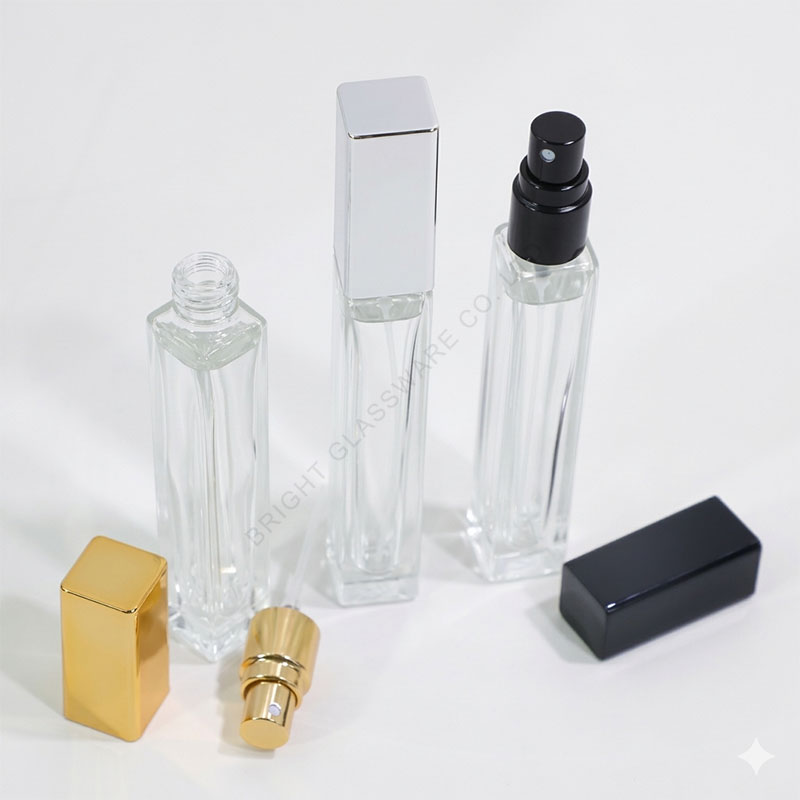
In many machine-made containers, the glass gob undergoes a two-stage molding process. Common methods include "Press-and-Blow" for wide-mouth containers, "Narrow-Neck Press-and-Blow" for suitable narrow-neck designs, and "Blow-and-Blow" for many bottles.
The selected container’s geometry and closure requirements are inputs to process selection. Confirm the actual manufacturing route for the model during project review.
Dive Deeper
The choice of forming method depends on the container's design, glass distribution requirements, and production equipment. As a supplier, this is one of the first things we determine when reviewing a new project.
The Press-and-Blow Process
Wide-mouth press-and-blow is commonly used for candle jars, food jars, and other containers with wide openings; narrow-neck press-and-blow uses a suitable plunger and tooling for narrower finishes.
- Pressing the Parison: The gob is dropped into a "blank mold." A metal plunger presses into the gob, forming the neck finish and a preliminary shape called a "parison." This helps control glass distribution and the neck finish, which must be checked against the closure specification.
- Transfer and Final Blow: The parison is then transferred to the "blow mold," and compressed air is blown into it, expanding the glass to form the final shape of the container body and base.
The Blow-and-Blow Process
This method is used for bottles with narrow necks, such as those for beverages, perfumes, and reed diffusers.
- Blowing the Parison: The gob enters the blank mold. A puff of compressed air (the "settle blow") pushes the glass to the bottom to form the neck finish. Then, a stronger blast of air (the "counter blow") pushes up from the bottom to form the hollow parison.
- Transfer and Final Blow: The parison is inverted and transferred to the blow mold, where a final blast of air expands it into the finished bottle shape.
When developing a new container, I always urge my clients to think about the critical dimensions related to its end use. Don't just approve a 2D drawing. Consider how the lid will fit, where the fill line for your candle wax or perfume will be, and whether the base is stable enough. Reviewing these details during mold design and sampling helps establish the dimensions and functional checks required for the project.
Why is Annealing a Critical Step in How Glass is Made?
A newly formed glass container may look finished as it comes out of the mold, but uneven cooling can leave residual internal stresses that increase the risk of breakage. How are these stresses reduced?
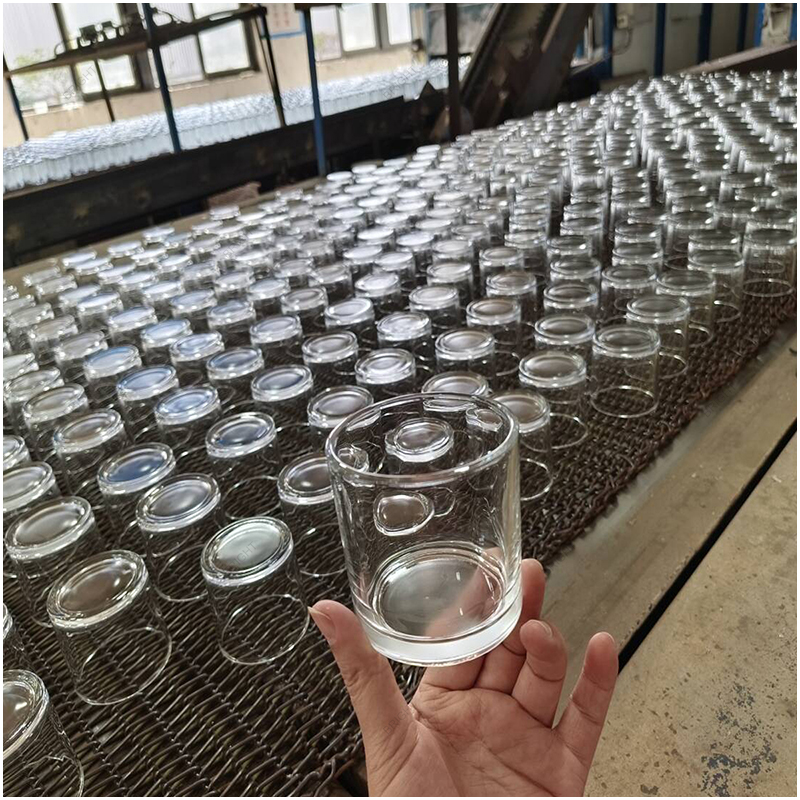
The solution is annealing, a controlled temperature cycle. Freshly formed containers pass through an oven called an annealing lehr8. The glass is held at a suitable annealing temperature to allow stresses to relax, then cooled through the critical temperature range at a controlled rate.
Dive Deeper
Uneven cooling during forming can leave residual internal stresses, or thermal stress9. Annealing is designed to reduce these stresses.
The lehr's length and temperature profile depend on the production line and the product. The process can be described in three stages:
- Stress Relief Zone: The containers are held at an annealing temperature appropriate to the glass composition, allowing internal stresses to relax.
- Controlled Cooling Zone: The temperature is lowered at a very specific, gradual rate. This is the most critical part of the process.
- Final Cooling Zone: Once below the glass's strain point, cooling can proceed more rapidly at a rate appropriate to the container.
The annealing time and temperature curve depend on the glass composition, container geometry, glass thickness, and production conditions. Thicker sections often require more time for temperature equalization and controlled cooling; the actual schedule must be established for the product.
Agree separate checks for annealing quality and the performance required by the intended use. ASTM C14910 describes a method for assessing the relative thermal shock resistance of commercial glass bottles and jars. Such a test does not establish zero residual stress or confirm suitability for hot wax, candle use or dishwasher cycles; those applications require evaluation appropriate to the finished product and intended conditions.
What Does Quality Inspection for Glass Containers Involve?
The containers have been formed and annealed. Before shipment, the agreed inspection and acceptance plan provides a basis for assessing the batch against the project specifications.
Quality inspection uses the checks selected for the product together with agreed sampling and acceptance criteria. At Bright Glassware, inspections are carried out by batch or project sampling. The inspection plan should define the dimensions, appearance criteria, functional checks, and any agreed performance tests.

Dive Deeper
A robust quality control system is non-negotiable in glass manufacturing. It’s the final guard against defects reaching the customer. Inspections typically cover several areas:
- Dimensional Checks: Suitable gauges and measurements can check height, diameter, neck finish, and perpendicularity against the drawing. Lid, pump, or cork compatibility should also be checked with the specified components.
- Finish and Sealing Surface Inspection: Checks can identify chips, dips, or irregularities around the neck finish and sealing surface that could affect closure performance.
- Wall and Base Inspection: Checks can cover glass distribution, thin sections, inclusions such as "stones," large bubbles, and base stability, according to the agreed inspection plan.
- Check Detection: The agreed inspection method should address cracks, known as "checks," including those around the finish and base.
- Visual Inspection: Visual checks assess color variation, cloudy appearance, and cosmetic blemishes against agreed references and acceptance criteria.
As a buyer, agree a written quality specification before mass production. It can include the approved drawing, samples or a limit board, defect criteria, inspection methods, sampling plan, and acceptance limits. These references give both parties a documented basis for assessing any issues found during inspection.
What Are the Final Steps in Glass Container Production?
A plain glass jar is a blank canvas. It's the final touches of decoration and careful packaging that transform it from a simple container into a premium, retail-ready product that represents your brand on the shelf.
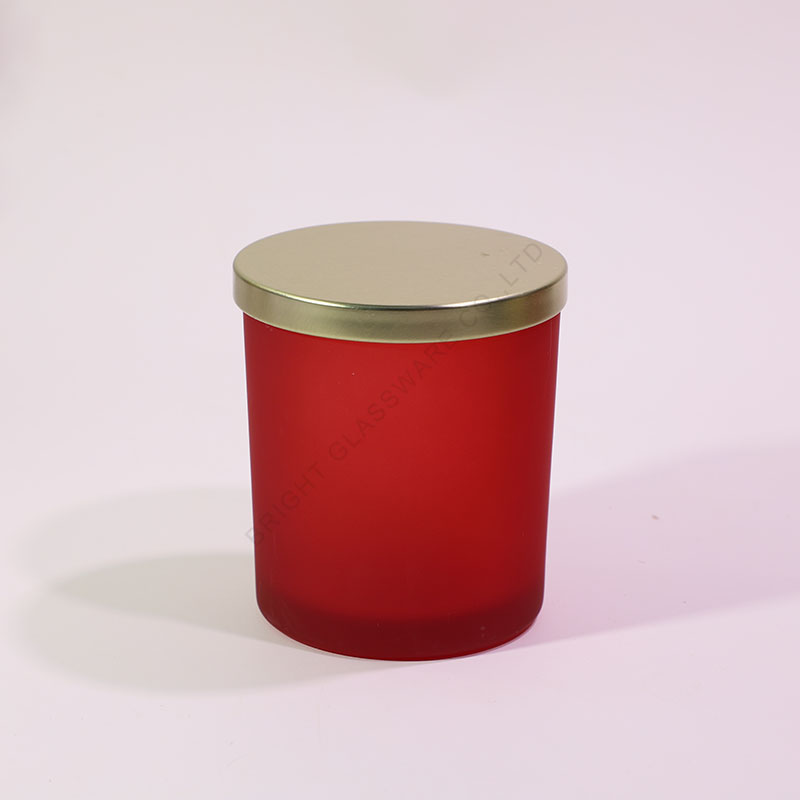
The final stage of production involves any specified surface decorations, followed by meticulous packing for shipment. These processes add the specified finish and help protect the containers during shipment.
Dive Deeper
After inspection against the agreed acceptance criteria, containers can proceed to the specified decoration stage or directly to packing.
For the choice of branding process, see our guide to custom printing on glass.
Optional Surface Decoration
This is where your brand's visual identity comes to life. Common glass decoration techniques include:
- Color Spraying: Applying an even, opaque, translucent, or gradient color coating.
- Frosting / Acid Etching: Creating a smooth, premium matte finish.
- Screen Printing / Silk Screening: Printing logos, text, or graphics directly onto the glass surface.
- Hot Stamping: Applying metallic foils for a luxurious, reflective logo or design.
- Electroplating: Coating the glass with a thin layer of metal for a mirror-like finish.
- Label Application: Applying pre-printed labels with precision.
Each of these processes has its own setup, timeline, and quality checks. When you are planning your product launch, I always recommend factoring in the time for decoration and sample approval. Clear artwork, Pantone color codes, and a defined application area are essential inputs from your side.
Packing and Shipment
Review candle packaging and shipping requirements separately for the actual shipment. Proper packaging is critical to prevent breakage and contamination during transit. Packing may use cartons with internal dividers, protective trays, or palletized arrangements, depending on the product and shipment requirements. We work with clients to define the packing specifications to ensure they are compatible with their warehousing and fulfillment processes.
Before signing off on a production order, it’s wise to confirm that the project timeline and quotation explicitly cover all these final steps: glass manufacturing, decoration, lid/accessory sourcing, sample approvals, and final packaging. Confirming this scope helps clarify costs, responsibilities, and the project schedule before production.
Frequently Asked Questions
What is soda-lime glass?
Soda-lime glass is the most common type used for everyday items like bottles, jars, and drinkware. Its batch commonly includes silica sand, soda ash (sodium carbonate), and limestone (calcium carbonate), which supply the main silica, sodium oxide, and calcium oxide components of the finished glass. It offers a great balance of durability, clarity, and cost-effectiveness for most packaging applications.
What is the difference between press-and-blow and blow-and-blow forming?
Press-and-blow uses a plunger to form the preliminary shape, or parison, before the final blow; it includes wide-mouth and narrow-neck variants. Blow-and-blow uses compressed air to form the parison and expand it in the final mold. The selected process depends on the container design and production equipment.
Why are there bubbles in my glass jars?
Small bubbles, or "seeds," are tiny pockets of gas that can get trapped in the molten glass during the melting and refining stage. Whether bubbles are acceptable depends on their size, number, location, and the container's intended use. Define the acceptance limits with your supplier before production.
What is a "mold seam"?
A mold seam is a faint vertical line that can sometimes be seen on a glass container. It marks the spot where the two halves of the blow mold came together during the forming process. The visibility of mold seams varies with the design, tooling, and process; agree an acceptable appearance during sample review.
Conclusion
From mixing raw materials to inspecting the final product, the journey of making a glass container is a precise and complex dance of heat, pressure, and timing. Understanding how glass is made—from batch preparation, melting, forming, and annealing to inspection and finishing—is more than just a technical curiosity. It is a powerful tool for any brand owner, product developer, or procurement manager. This knowledge equips you to write clearer specifications, evaluate samples more effectively, and collaborate with your supplier to create packaging that perfectly embodies your brand's commitment to quality.
If you're looking for an experienced partner to guide you through this entire process, from initial design and sampling to mass production and global delivery, our team is here to help. Contact Shenzhen Bright Glassware to discuss the specifications, sampling, and production requirements for your next glass packaging project.
Arkansas State University, What Is Supply Chain Planning? Processes, Tools and Why It Matters. Defines supply chain planning as coordinating sourcing, production and delivery. https://degree.astate.edu/online-programs/business/mba/supply-chain-management/processes-tools-guide/ ↩
Wikipedia, Glass production. General overview of batch preparation, hot-end forming and annealing, and cold-end inspection and packing. https://en.wikipedia.org/wiki/Glass_production ↩
Wikipedia, Soda-lime glass. Defines soda-lime-silica glass and describes its use in glass bottles and jars. https://en.wikipedia.org/wiki/Soda%E2%80%93lime_glass ↩
Bucher Emhart Glass, Making Glass Containers. Names iron oxide as a green glass colorant in its description of batch preparation. https://www.emhartglass.com/node/26 ↩
Wikipedia, Cobalt glass. Describes deep blue glass prepared by including a cobalt compound in the glass melt. https://en.wikipedia.org/wiki/Cobalt_glass ↩
Wikipedia, Glass melting furnace. Defines the equipment used to melt raw materials into glass and describes different heating systems. https://en.wikipedia.org/wiki/Glass_melting_furnace ↩
Sam Holland, informal, Limit samples are essential in manufacturing, February 21, 2024. Explains golden samples and limit samples for agreed manufacturing variation. https://www.informal.com/blog/limit-samples-are-essential-in-manufacturing/ ↩
Wikipedia, Annealing (glass). Explains controlled cooling to relieve residual internal stresses and the use of a temperature-controlled lehr. https://en.wikipedia.org/wiki/Annealing_%28glass%29 ↩
Wikipedia, Thermal fracturing in glass. General explanation of temperature differences, thermal stress and potential fracture. https://en.wikipedia.org/wiki/Thermal_fracturing_in_glass ↩
ASTM International, C149-14(2020), Standard Test Method for Thermal Shock Resistance of Glass Containers. Public title and scope identify a method for relative thermal shock resistance. https://store.astm.org/c0149-14r20.html ↩
Keep Reading