
Choosing a finish for a candle jar, perfume bottle, or cosmetic container starts with a clear definition of the desired appearance. Frosted glass can describe several different surface treatments, so the word alone does not specify the material, texture, or performance of the finished package.
Four important ways to create a frosted appearance on glass packaging are acid etching, matte or frosted spray coating, sandblasting, and screen printing with a frosted-effect material. Acid etching and sandblasting change the glass surface; coatings and printed effects add a decorative layer. Bright Glassware can supply all four options, with the proposed finish confirmed for the particular container and project.
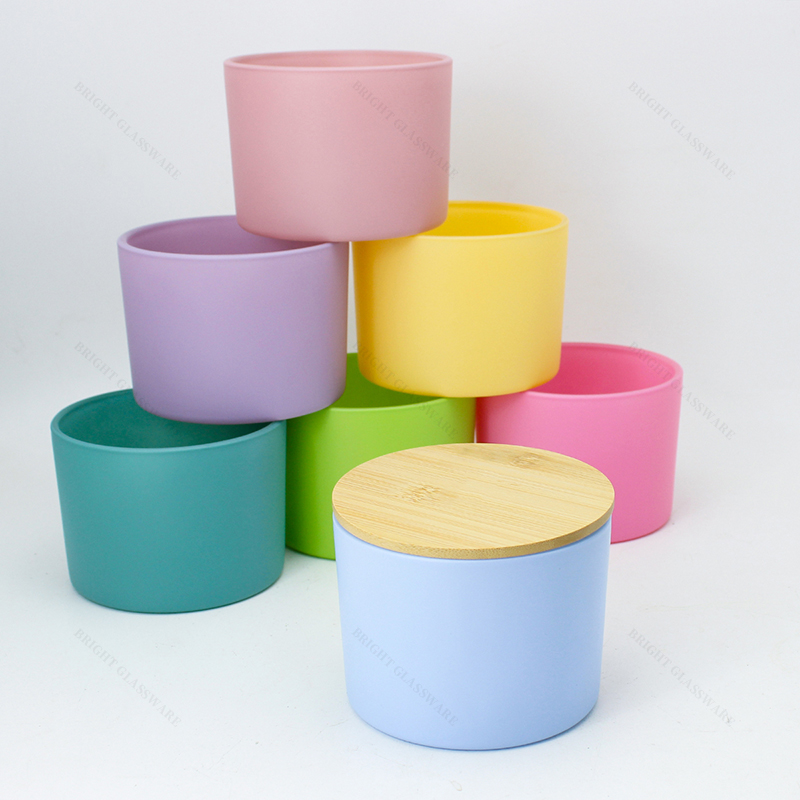
The right choice depends on the desired color, transparency, touch, coverage, and intended use. Compare those requirements on real samples before treating one process as the best option for every application.
What Does Frosted Glass Mean for Glass Packaging?
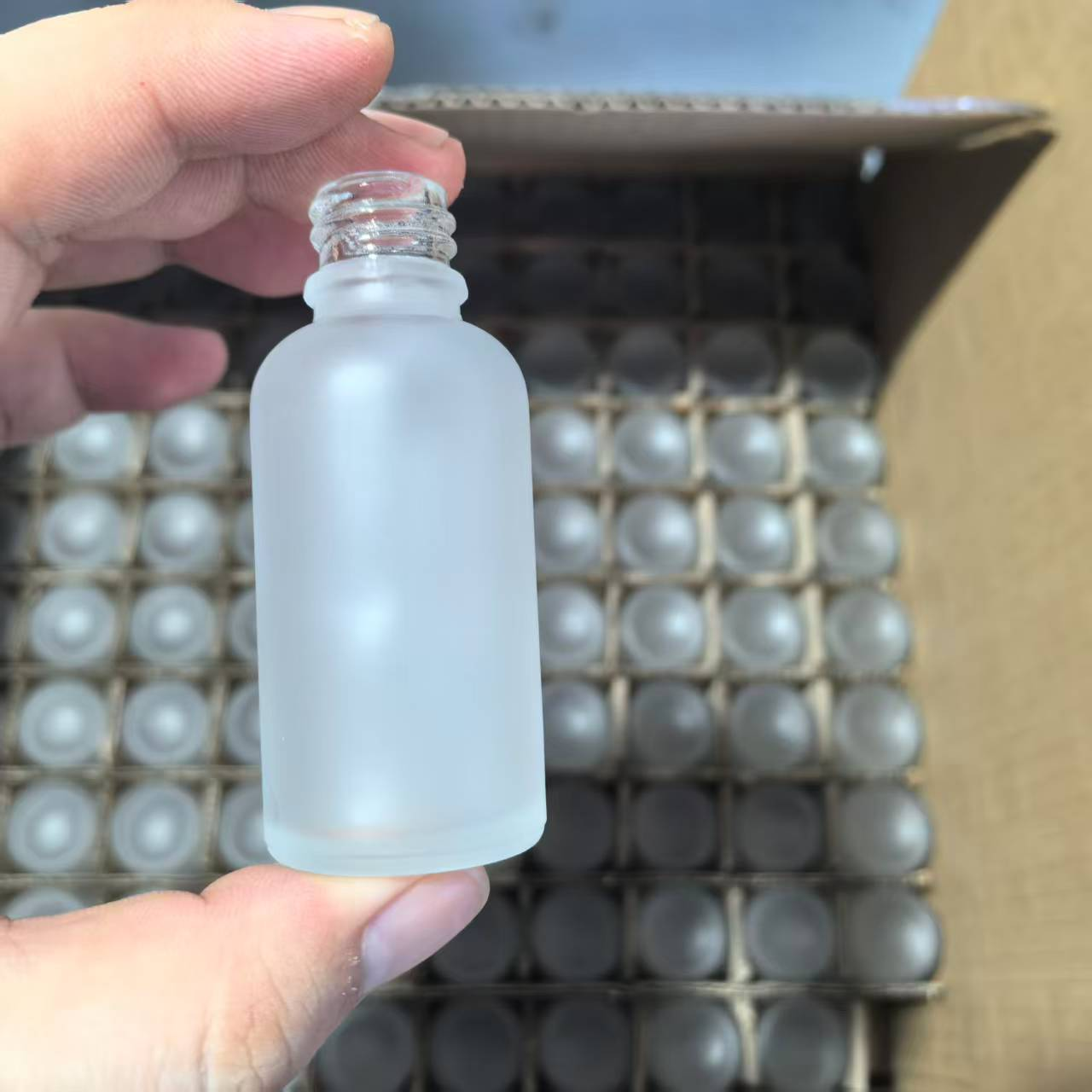
In packaging, frosted usually describes a hazy or light-diffusing appearance. The National Glass Association's definitions of decorative glass distinguish a frosted appearance from the particular method used to produce it.1 The definitions help explain the terminology; packaging requirements still need to be assessed for the actual container.
Separate Appearance, Gloss, and Touch
Three descriptions that often appear in the same brief answer different questions:
- Frosted: How does the surface scatter light and affect the view through the container?
- Matte: How much surface gloss is visible?
- Soft-touch: What tactile effect is requested?
A matte finish may be translucent or opaque-looking. A frosted-looking surface does not necessarily have a soft-touch feel. Compare these properties separately rather than assuming that one term defines all three.
Specify What the Finish Needs to Show
For a candle jar, consider how the vessel looks empty and filled. For a perfume or diffuser bottle, decide how much of the liquid and fill level should remain visible. The contents, glass color, and lighting can all change the impression of the finished package.
The practical questions are specific: should the glass remain visibly translucent? Should a clear window be retained? Does the design need a smooth feel, a more pronounced texture, or a low-gloss color? Record those targets and inspect the sample accordingly.
Fingerprint visibility, grip, cleaning behavior, and resistance to handling also need separate evaluation. A photograph of an attractive matte surface does not establish those properties, and frosting should not be used as a substitute for checking the underlying container or filling quality.
What Is Acid-Etched Frosted Glass?
Acid etching chemically alters the glass surface to create a frosted effect. It changes the existing surface rather than depositing a decorative paint film. This distinction helps explain how the finish is made, but it does not assign a universal scratch-resistance or alcohol-resistance grade.
A Surface Treatment Rather Than a Color Film
The treatment changes the surface's interaction with light. Depending on the selected finish, it can produce a translucent or patterned appearance. The resulting look should be checked on the actual glass color and container shape.
Acid etching itself is not a method for adding a specified paint color. If a colored appearance is needed, clarify whether the proposal uses colored base glass, another decorative layer, or a combination of processes. Ask which part of the finished appearance comes from each step.
Compare the Actual Surface
When reviewing an acid-etched sample, assess:
- The desired haze and how clearly the contents can be seen.
- The feel of the surface and the way reflections appear.
- The consistency of appearance around the shoulder, body, and base.
- The boundary between treated areas and areas left untreated.
- The way a label, printed logo, or another decoration will interact with the finish.
A fine or smooth-looking sample should be described as that sample's appearance. It should not become a claim that every acid-etched surface is equally silky, uniform, or superior to every other treatment.
Confirm Coverage and Intended Exposure
Acid-etched designs can include full coverage or selected areas. A retained window means an area with different surface treatment or transparency; it does not mean an opening cut through the container wall. Agree on the design and inspect the transition on the proposed container.
For perfume or other products containing alcohol, confirm the relevant exposure using the actual formulation and agreed evaluation conditions. The absence of a separate paint film does not make the finished container immune to abrasion, marks, contamination, or every product ingredient.
How Do Frosted and Matte Spray Coatings Differ?
A spray coating adds material to a prepared glass surface. Spraying describes the application method; frosted, matte, glossy, translucent, and soft-touch describe different aspects of the requested result. The coating system determines which effects and processing conditions are appropriate.
Color and Texture Options
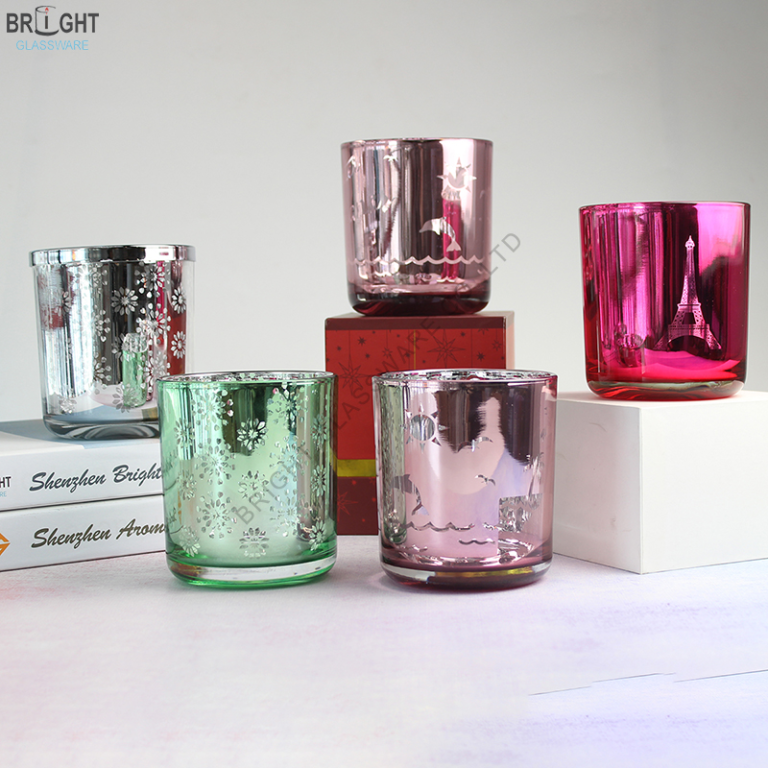
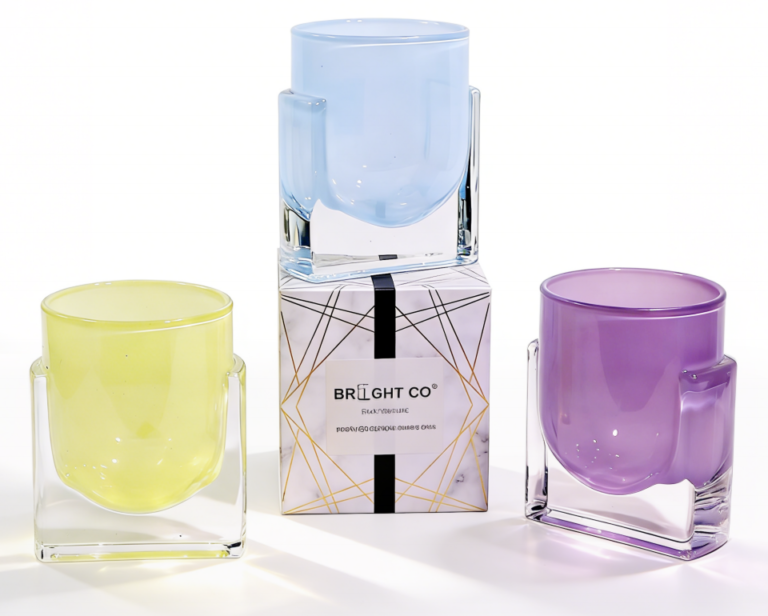
Bright Glassware's supplied examples include colored matte containers and gradient appearances. These make it possible to discuss color, translucency, surface gloss, and the relationship between the container and its closure on a physical sample.
For a branded color, use a suitable color reference alongside the actual decorated sample. A color code does not establish the final transparency, gloss, or tactile effect, and a requested shade should not be assumed reproducible in exactly the same way on every substrate.
For a broader explanation of where bottle color comes from, see our guide to how colored glass bottles are made. Body-colored glass and a color coating are different parts of the specification.
Preparation, Application, and Curing
Check the base glass before decoration. Surface irregularities can remain visible or become more noticeable under particular finishes, so color coating should not be expected to conceal every defect.
The proposed coating route should identify the surface preparation, coverage, and applicable drying or curing requirements. Thermal and UV-curable systems need their corresponding processing conditions. Do not assume that every coating is baked in an oven or that a process name alone proves the finished performance.
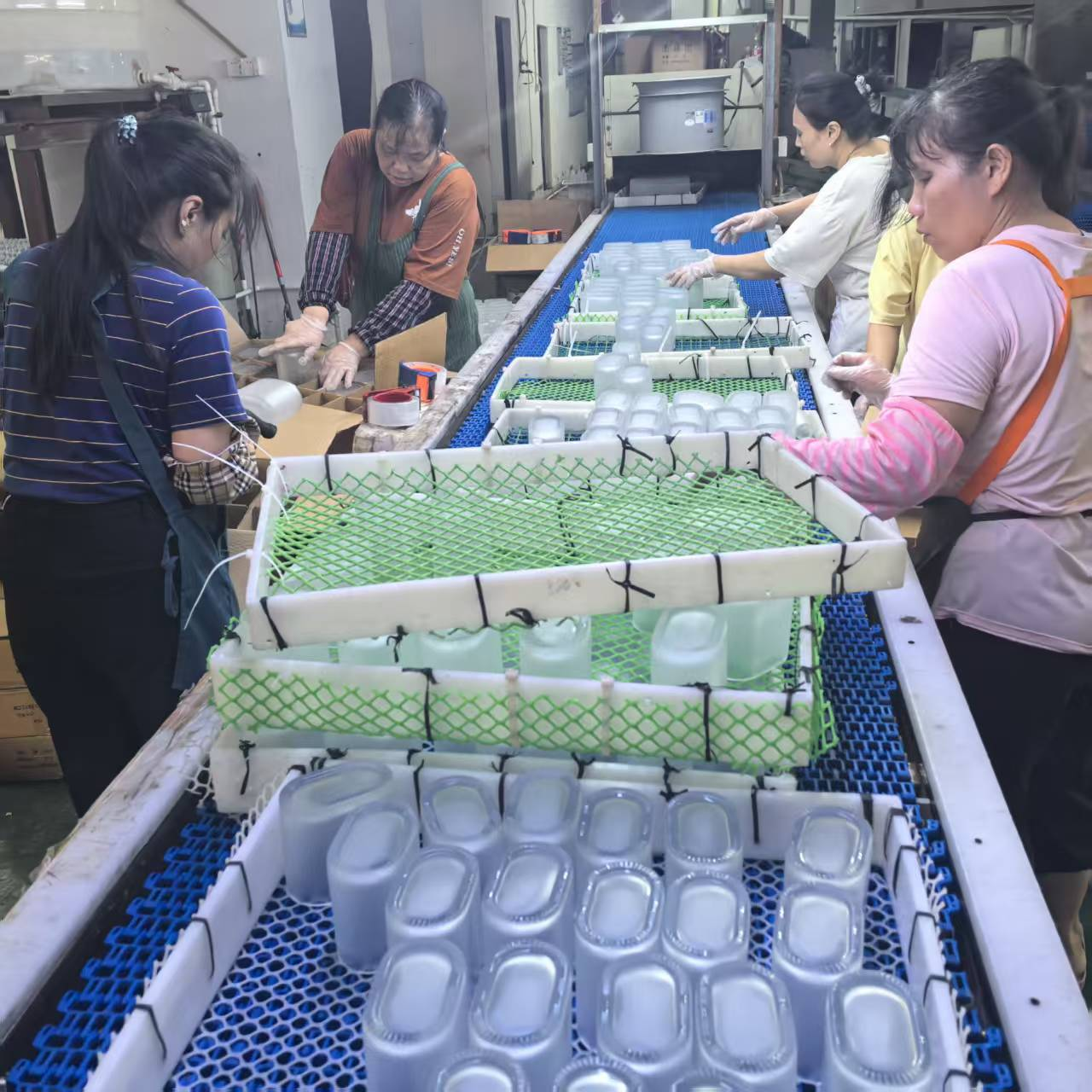
Handling and inspection should be considered together with the finish. Agree where a coated container may contact fixtures, trays, other components, and packing materials, especially when the surface will remain visible in the final presentation.
Compare Coating and Etching by Project Requirements
| Buyer requirement | Spray-coated finish | Acid-etched finish |
|---|---|---|
| How is the appearance created? | A coating is applied to the glass. | The glass surface is chemically altered. |
| What color needs approval? | The coating color together with the base glass and transparency. | The treated appearance of the selected glass, plus any additional decoration. |
| What surface properties matter? | Gloss, touch, coverage, and compatibility with the selected coating. | Haze, touch, coverage, and the condition of the treated surface. |
| How are windows or patterns specified? | Define coated and uncoated areas and their boundaries. | Define treated and untreated areas and their boundaries. |
| How is suitability assessed? | Check the complete coating system against the intended exposure. | Check the finished surface against the intended exposure. |
| How are price and timing compared? | Obtain a proposal for the selected container and finish. | Obtain a proposal for the selected container and treatment. |
This comparison avoids a fixed durability or price ranking. The useful question is which proposed system can meet the requirements of the specific order.
What Can Sandblasting Create on Glass Containers?
Sandblasting mechanically abrades selected glass surfaces to create a matte or frosted effect. The Corning Museum of Glass defines sandblasting as using fine abrasive grains propelled by compressed air to remove glass or impart a matte finish.2
Full Surfaces and Selected Patterns
The process can be used to change an exposed area while protecting other areas with a suitable mask. Masked regions retain their prior surface condition; they should not automatically be described as clear and glossy if the starting glass is colored, textured, or already decorated.
Discuss whether the intended design is an all-over frost, a band, lettering, a motif, or a contrast between differently treated regions. The appearance depends on the selected treatment and the underlying glass. Sandblasting should not be defined as always coarse, deeply carved, or fully opaque.
Check Texture and Edges on the Container
A design that looks sharp on a flat drawing may behave differently around a curved wall, shoulder, or mold seam. Review the artwork at its actual size and location. Check the visible edge, contrast, and any surface relief on the sample.
If a carved effect is requested, agree on what the proposed result means for that particular container. A photograph of a decorative pattern does not establish a depth specification or the structural suitability of a carved vessel.
Include Handling and Cleaning Requirements
An abraded surface should be evaluated for its actual texture and contact conditions. Consider how fingerprints, oils, cleaning, and repeated handling affect its appearance. Do not infer an anti-fingerprint or improved-grip claim from the word sandblasted.
The mechanical treatment differs from chemical etching, but that does not make the complete production route free of every chemical, coating, cleaning material, or processing consideration. Compare the proposed finished systems and their requirements rather than relying on a broad label.
How Are Frosted Patterns Applied by Screen Printing?
Screen printing can apply a frosted-effect material to selected areas of the container. This creates an added decorative pattern, so the material system must be identified before its curing or performance is described.
An Additive Approach to Frosted Decoration
The design is transferred through a prepared screen onto the glass. The printed container then receives the drying, curing, or firing process appropriate to the selected material.
Frosted-effect printing should not automatically be called ceramic enamel. Marabu's guide to screen-printing effects and matte varnishes describes different ink systems and emphasizes testing under the individual printing conditions.3 The material used for a particular glass project still needs to be identified.
If a ceramic system is proposed, confirm the corresponding firing route and compatibility with the container. If an organic ink or varnish is proposed, confirm its applicable curing requirements. Do not assume every frosted print is permanently fused into the glass or rank durability from the material category alone.
Review Artwork, Position, and Contrast
For a local pattern or logo, specify:
- The artwork version and final print size.
- The intended location and orientation on the container.
- Fine lines, small text, gaps, and areas that must remain clear.
- The desired haze, transparency, and contrast with the underlying glass.
- Other colors or decorative steps that must work with the frosted effect.
Approve the result on the actual shape. A frosted motif can appear different when viewed against an empty container, a colored filling, or a different background. These are useful sample-review conditions to agree in advance.
Confirm the Complete Decoration Sequence
When screen printing is combined with coating, hot stamping, or another finish, confirm the order of operations and the compatibility of the complete system. A method suitable for one substrate or existing coating should not be assumed suitable for every frosted surface.
Our guide to screen printing on glass explains artwork, surface preparation, curing-route selection, and decoration checks in more detail. Those decisions remain relevant when the desired print has a frosted effect.
How Should Buyers Compare Finishes and Approve Samples?
Compare the proposed finishes against the same brief. A sample should show both the desired appearance and the features that will be evaluated separately through agreed checks.
Define the Appearance and Use
Record the container, closure, intended contents, and target presentation. Then define the surface requirements:
- Color: Natural glass appearance, a specified color, or a gradient.
- Transparency: How much of the contents should remain visible.
- Gloss and touch: The visual and tactile effect expected on the sample.
- Coverage: Full surface, selected areas, a retained window, or a printed pattern.
- Additional decoration: The logo, label, foil, or other feature that must fit the finish.
- Exposure: Relevant liquid contact, handling, cleaning, packing contact, or candle-use conditions.
Discuss these together as part of the custom glass packaging specification. A color reference and a photograph can start the discussion, but the physical sample is important for texture, curvature, and the completed decoration.
Compare Samples Under Agreed Conditions
Use consistent lighting, backgrounds, viewing positions, and container conditions. For a translucent vessel, agree whether the appearance is compared empty or with a specified filling condition.
Check the full container, including the shoulder, base, rim, and boundaries between treated and untreated areas. For patterns, check the edges and legibility at the intended size. Compare touch and cleaning behavior separately from visual uniformity.
These checks help turn an appearance description into a usable approval reference. Any permitted variation or measurement requirement should be agreed for the particular product rather than supplied as a universal tolerance.
Agree on Relevant Performance Checks
Adhesion, rubbing, scratching, and liquid exposure address different properties. Identify the layer or surface being evaluated and agree on the applicable method, conditions, acceptance criteria, and records.
- Coating or print adhesion: Confirm a method appropriate to the actual substrate and decoration system.
- Handling and abrasion: Define the contacts or conditions relevant to the package's expected use.
- Liquid exposure: Identify the actual formulation or agreed test liquid, together with exposure conditions and the appearance changes to be assessed.
- Application requirements: Review any separate requirements for a cosmetic, fragrance, or finished candle product.
A quick tape pull, coin scratch, or unrecorded drop of liquid is not a substitute for an agreed evaluation procedure. Do not infer a pass result from a photo of a check or from a sample's initial appearance.
Include Packing and Surface Contact
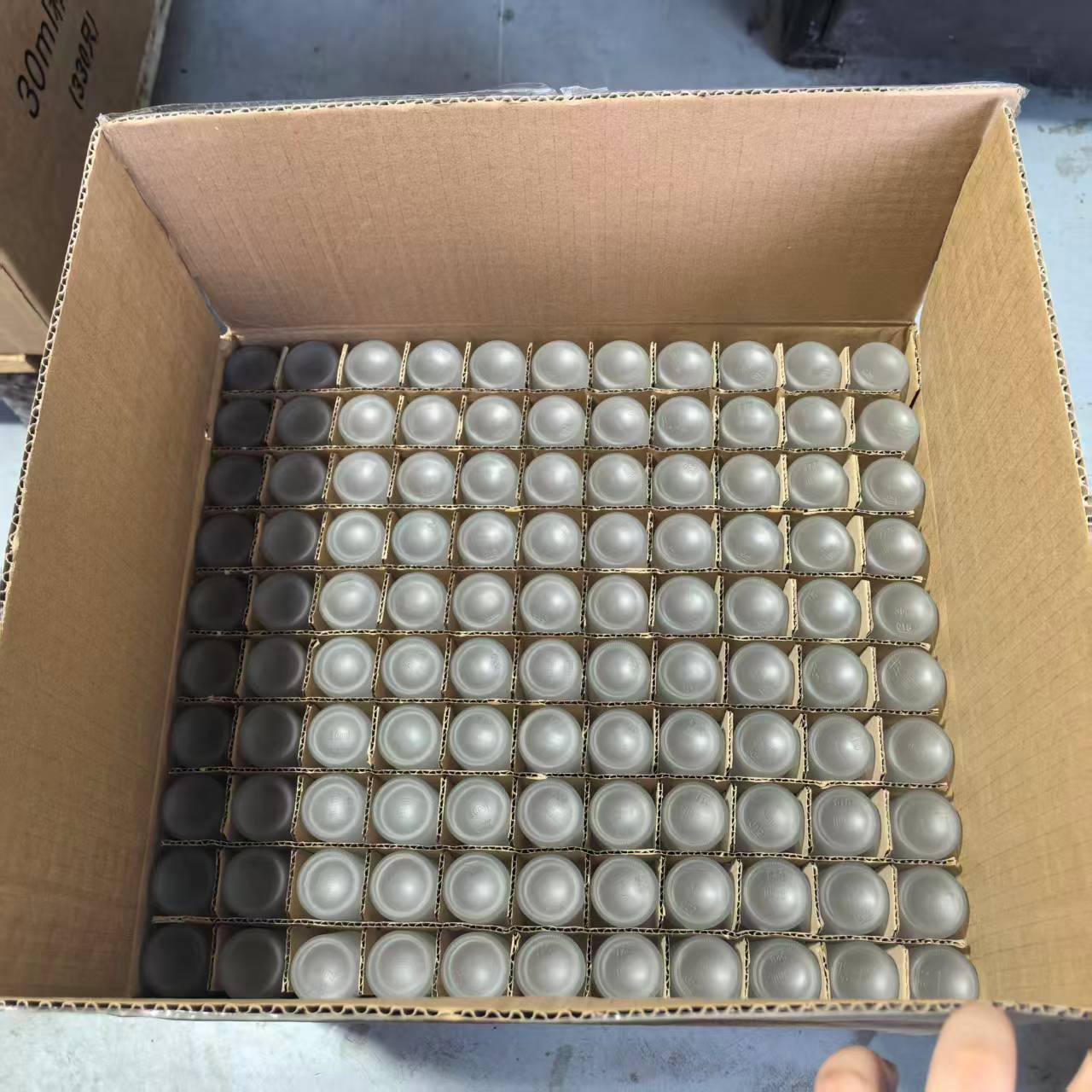
Review where the decorated glass touches dividers, inserts, sleeves, neighboring items, and closures. The appropriate protection depends on the actual container and finish. A divider arrangement is a useful design detail to inspect, but it does not by itself prove that a shipment will remain free of surface marks.
Document and Approve
Keep an identified physical reference and record the manufacturing route, approved appearance, coverage, artwork, components, and packing. List separately any checks and results required for the intended use.
The approved sample and written specification should work together. This gives the buyer and supplier a clearer basis for evaluating production without relying on a vague instruction such as "a nice frosted finish."
Frequently Asked Questions
Is frosted glass more expensive than clear glass?
A surface-treatment or decoration step can change the quotation, but there is no fixed premium or universal ranking between the four routes. Compare proposals for the same container, coverage, design, quantity, and acceptance requirements. Confirm sample development and production timing for that project.
Can you print a logo on frosted glass?
Logo decoration may be possible, depending on the glass, surface treatment, ink or foil, and processing sequence. Confirm the proposed combination on the actual container. Assess position, contrast, legibility, and any relevant adhesion or handling checks rather than assuming every method works on every frosted surface.
Is frosted glass safe for candles?
The frosting route alone does not establish candle suitability. Evaluate the complete container and finished candle system against the intended use, including the selected decoration and its exposure. An acid-etched surface or an exterior coating is not, by itself, evidence of thermal, combustion, or emissions performance.
What is the most durable frosted glass finish?
There is no single durability ranking that applies to every package. Etching and sandblasting alter the surface; coatings and printed effects add material. Compare the actual finishes against the relevant handling, cleaning, abrasion, or formulation-exposure requirements and the agreed acceptance criteria.
Conclusion
The types of frosted glass used in packaging are best understood by separating the appearance from the process. Acid etching, spray coating, sandblasting, and frosted-effect screen printing offer different ways to approach the design.
Define the color, transparency, touch, coverage, and intended exposure, then assess the proposed container and finish on a physical sample. Include the decoration sequence, relevant checks, and packing in the approval record.
To discuss a frosted jar, bottle, or decoration project, contact Bright Glassware with your product use, appearance reference, artwork, and quantity requirements.
National Glass Association, Types of Decorative Glass, FB73-22. Definitions of acid-etched, frosted, sandblasted, and printed decorative glass. Architectural context; used here for terminology rather than packaging performance. ↩
Corning Museum of Glass, Sandblasting, Glass Dictionary. Definition of abrasive treatment for removing glass or imparting a matte finish. ↩
Marabu, Effect Inks. Overview of printing effects, matte varnishes, and the need for tests under individual printing conditions; not a statement that Bright Glassware uses a specific Marabu product. ↩
Keep Reading