
Finding the right supplier for wholesale candle jars can feel overwhelming, especially when you're trying to build a premium brand. Juggling different vendors for jars, lids, and packaging adds complexity and risk, making it hard to ensure consistency and quality. A practical approach is to compare suppliers against the same jar, lid, decoration and packaging brief, then confirm who will be responsible for each part of the order. An integrated supplier can be one option; the right arrangement depends on your project and how the work is coordinated.
To find wholesale candle jars for your business, build a candidate list through supplier websites, B2B marketplaces, trade-show exhibitor directories and professional introductions. Send the same clear requirements to the candidates, review representative samples and relevant capabilities, compare the complete quotations, and record the agreed specification, inspection, packaging and delivery terms before placing a bulk order.
Where Can You Find Potential Wholesale Candle Jar Suppliers?
Use several relevant channels to build your initial list: B2B marketplaces, exhibitor directories, direct searches and introductions. These are discovery routes, not evidence that a supplier can deliver the exact configuration or quality you need.
Dive Deeper: Building Your Supplier Longlist
-
B2B Marketplaces: Marketplaces can help you identify candidate businesses and compare how they present their products. Alibaba's buyer guide, for example, describes manufacturers, wholesalers and distributors on its platform; a listing is not proof that every seller is the manufacturer.
- Pros: Product listings and profiles provide an initial view of available styles, configurations and the businesses offering them.
- Checks: Confirm the business identity, what work it performs or coordinates, and which sample, specification and inspection information it can provide. Reviews, badges and years listed do not replace product-specific checks.
-
Industry Trade Shows: Review the exhibitor directories of relevant glass, fragrance or packaging events. Use the official event website, such as the Canton Fair, to locate its exhibitor resources.
- Pros: You can see and touch the products firsthand, meet the sales and management teams in person, and ask detailed questions.
- Checks: If attending is impractical, an exhibitor list can help identify companies to contact. An entry does not establish current stock, export capability or the quality of a particular jar.
-
Direct Online Searches: A targeted Google search can lead you directly to a manufacturer's own website.
- Pros: A company website may provide more detail about its product range, services and contact channels. Verify the business role instead of assuming that a standalone website means you are dealing directly with a factory.
- Cons: It can be harder to compare suppliers this way. Use specific search terms like
"glass candle jar manufacturer China","private label candle vessel supplier", or"bulk custom candle containers"to find relevant results.
-
Professional Referrals: Ask your network which configuration and work a recommended supplier actually handled. Keep the same evaluation steps for referred companies: Penn State's report on supplier referrals describes how competitive incentives can affect recommendations.
Build a list you can realistically investigate. Narrow it according to the required configuration, responsiveness to specific questions, sample availability and the information supplied for the proposed order.
What Should You Include in Your First Supplier Inquiry?
You've built a list of potential suppliers. The temptation is to send a quick, generic message, but a vague inquiry only leads to vague answers, wasting everyone's time. A clear first message gives the supplier a defined basis for answering, so you can compare proposals against the same requirement.
Your initial inquiry for wholesale candle jars should clearly state your product requirements. This includes a reference image or drawing, target dimensions and capacity (clarifying volume vs. wax weight), material, desired customizations (color, logo), lid specifications, estimated quantity per design, and your delivery destination.
Dive Deeper: Crafting an Effective Inquiry
In the inquiries we handle at Bright Glassware, capacity versus wax fill, jar-and-lid fit, spray color or printing, quantity splits, packaging and delivery schedules have all needed further clarification. A practical first message makes those choices visible, even if some still need sample confirmation.
1. Product Vision & Specifications
Don't just say "a 10 oz candle jar." Provide as much detail as possible.
- Reference: Include a link, photo, or technical drawing of a similar jar you like.
- Dimensions: Specify the target height, top diameter, and bottom diameter in mm or inches.
- Capacity: State whether an ounce description refers to container volume or intended wax weight. CandleScience's container information distinguishes wax fill weight from overflow volume and size labels. Ask for the selected vessel's capacity definition, then establish your actual fill and headspace; there is no fixed volume-to-wax-weight conversion stated here.
2. Customization Requirements
This is where you differentiate your brand.
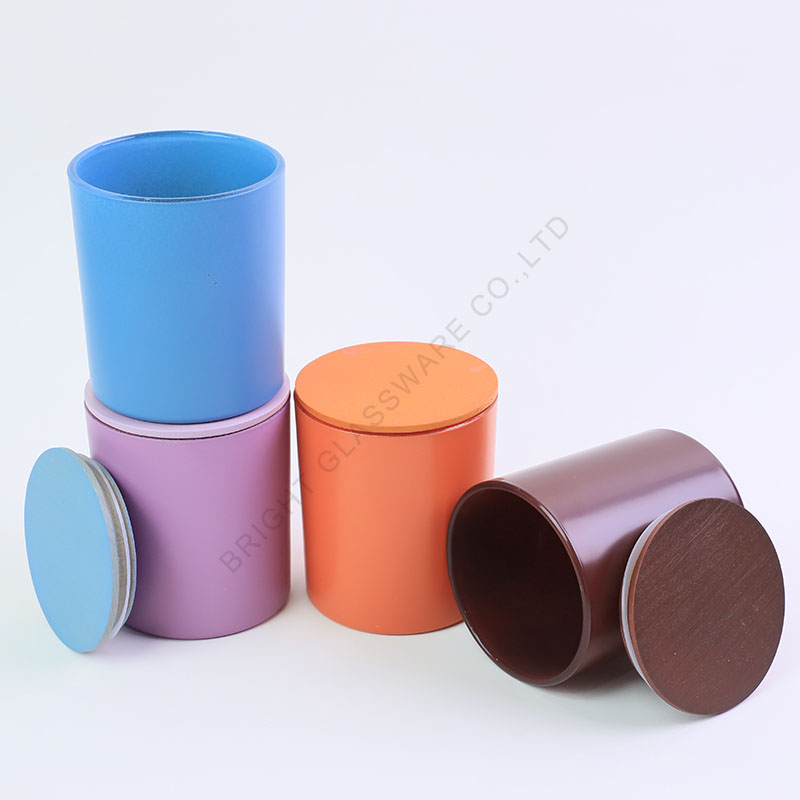
- Color: Provide a color reference, such as a code or physical sample, and say whether you want exterior spray coating or color in the glass itself. Confirm the proposed appearance on an actual sample; a reference code alone does not settle translucency, gloss or the final result.
- Logo/Artwork: Mention if you need screen printing, hot stamping, or a label. Attach your logo file if possible.
- Lid: Describe the lid you want (e.g., "wood lid with silicone gasket," "flat metal lid in gold finish").
3. Quantity and Logistics
Pricing is heavily dependent on volume.
- Quantity: State the quantity for each jar, color, artwork and lid version. Ask which components or processes set the minimum for that configuration.
- Destination: State the destination port or city. This allows the supplier to estimate shipping costs.
Here is a brief you can adapt to your own project:
| Inquiry Element | Information to Supply |
|---|---|
| Product & Reference | Intended candle format, reference link, photograph or drawing |
| Dimensions | Target dimensions and any surfaces critical to the lid, packing or equipment |
| Capacity & Fill | Required capacity definition, intended wax fill and headspace to confirm |
| Decoration | Color/finish reference, artwork, placement and coverage requirements |
| Lid | Appearance, mating arrangement and any separate sealing objective |
| Quantity | Quantity by jar, finish, artwork and lid version |
| Packing & Destination | Bulk or retail pack requirements and the receiving location |
| Timing | Required delivery milestone and which decisions remain open |
How Should You Evaluate Samples, Lids, and Decoration?
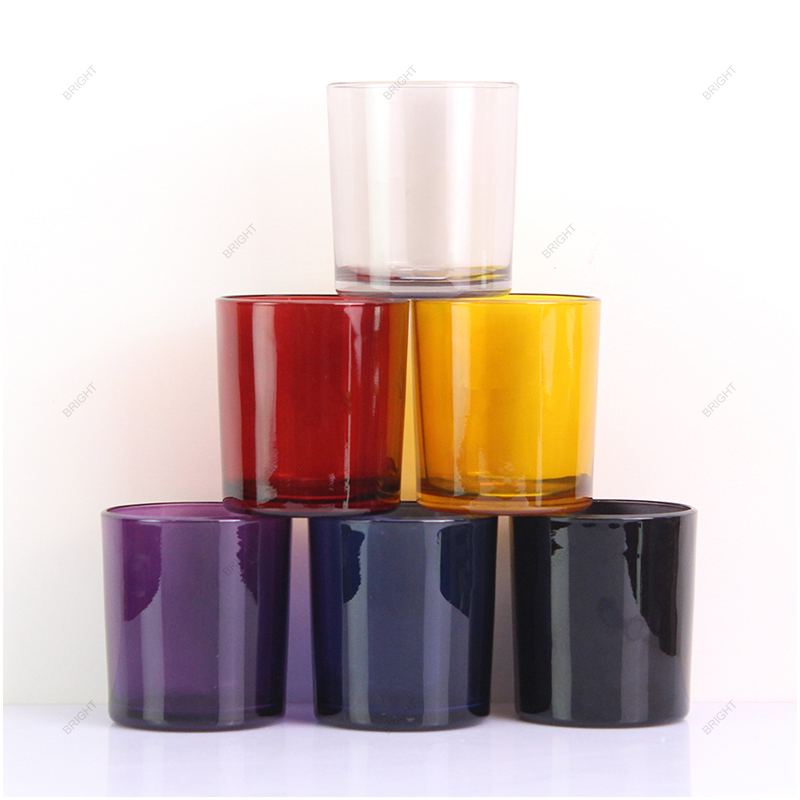
When your samples arrive, inspect the wholesale candle jars for visual quality (seams, bubbles, clarity), dimensional consistency, and functional fit with the corresponding lids. For decorations like color and logos, check for accurate application, adhesion, and durability according to your agreed-upon standards.
Dive Deeper: A Checklist for Sample Inspection
Treat the sample evaluation as a critical quality gate. Separate your inspection into three areas: the glass vessel itself, the lid fit, and the surface decoration.
Assessing the Glass Jar
Look at the jar from the perspective of both aesthetics and function.
- Rim: Check for chips, sharp edges and shape variation, and assess the condition against the agreed acceptance requirements. Keep a suspect sample for review rather than approving it solely on appearance.
- Clarity & Flaws: Examine the selected finish for visible inclusions, bubbles, seams and surface marks. Record the location and appearance of a concern; a visual description does not establish its cause or acceptability. Agree visual references and defect criteria for the actual product.
- Base: Is the inner bottom relatively flat? A concave or uneven bottom can make automatic or manual wick placement difficult.
- Dimensions: Use digital calipers to measure the height, outer diameter, and mouth opening. Do they match the specifications you provided?
Testing the Lid Fit and Function
A lid that looks good but fits poorly is a common issue.
- Fit: Place the lid on the jar. Does it sit level? Is it too loose (rattles around) or too tight (hard to remove)? If you ordered multiple samples, test each lid on each jar to check for interchangeability.
- Function: Specify whether the lid is a dust cover or has a defined scent-retention or sealing objective. A snug fit and the presence of a gasket do not prove an airtight seal. Agree how the required function will be checked on the assembled package; our jar-and-lid selection guide explains why fit and closure function need separate attention.
Scrutinizing Surface Decorations
Agree how the finished decoration will be approved, using the actual jar and a retained reference.
- Color: Compare the sample with the agreed reference under defined viewing conditions. Review gloss, opacity or translucency as well as hue, and record how the approved sample relates to a color code.
- Logo/Print: Check placement, legibility, coverage and the intended appearance. Where adhesion or resistance matters, agree the applicable test method, conditions and acceptance criteria; a casual tape pull is not interchangeable with a specified method.
- Coverage: Define the coated and masked areas, including any mouth or inner-wall exclusion. Review the representative sample against that boundary. A coating described as heat-resistant is not, by itself, approval for inner-wall or rim use in a filled candle.
- Material Information: Identify the documentation needed for the selected coating, ink, intended use and market. Check which material or finished configuration a document covers. Lead content, VOC content or emissions, coating resistance and finished-candle performance are separate questions.
How Can You Check Quality and Production-Line Compatibility?
A single sample that works perfectly in your hands is a great start. But will the proposed production supply behave consistently on your actual equipment? Assuming they will is a risky bet that can lead to costly downtime and wasted materials.
For automated candle making, identify the critical dimensions and tolerances with the actual equipment user, and agree a representative sample or trial plan for the intended jar and finish. Specify what needs to be checked during feeding, positioning, fixing, filling and labeling, and how the results will be reviewed before approval.
Dive Deeper: From a Single Sample to Batch Production
Sample and production consistency need a defined basis for comparison. Dimensional variation is one consideration alongside surface condition, handling, fixing and the equipment setup. A successful trial should identify its configuration and limitations.
Manual Pouring vs. Automated Lines
Hand-pouring and automated equipment can require different checks. Neither approach makes every variation acceptable. Discuss the selected vessel with the people who will use it:
- Wicking or positioning equipment: Identify the locating surfaces, base/inner-cavity conditions and fixing arrangement that matter for the setup.
- Filling equipment: Confirm the handling, opening, height, fill reference and settings relevant to the selected configuration.
- Labeling equipment: Review the contact surfaces, curvature, label area and finish with the actual label and application method.
Defining Your Critical-to-Quality (CTQ) Dimensions
Before you approve the sample, you must communicate your machine's requirements to the supplier. Don't assume they know. Identify and provide the specific measurements and acceptable tolerances (+/- mm) for aspects like:
- Overall Height
- Outer Diameter (at the top, middle, and bottom)
- Mouth Inner Diameter
- Label Panel Height
Ask the supplier to confirm which requirements it can meet, how they will be measured and what inspection will be agreed. An equipment drawing alone does not establish an accepted production tolerance.
H3: The Value of a Pilot Run
A pilot trial can be useful when compatibility with the intended equipment is important. Agree a sample quantity and selection that suit the project, using the intended jar, finish and other relevant components. Record the equipment setup and any feeding, positioning, fixing, filling or labeling issues, then review adjustments before approving the next version.
Passing one sample through a line does not establish the outcome for all later units. Define the production inspection and acceptance plan as well as the trial; testing several jars without a plan is not a guarantee of batch consistency.
Bright Glassware is a member of the National Candle Association (NCA). Membership is background about the business; the selected product still needs the relevant assessment. The CPSC's candle guidance lists separate consensus standards for glass containers, finished-candle fire safety, emissions and labeling. Do not treat a membership, one sample or a generic document as approval for every configuration.
How Should You Compare Quotes, Packaging, and Delivery Terms?
To accurately compare suppliers of wholesale candle jars, create a spreadsheet that breaks down all line-item costs, including the unit price, lids, decoration, samples, and any mold fees. Most importantly, ensure you are comparing quotes with the same Incoterms (shipping terms) and packaging solutions to understand the true landed cost.
Dive Deeper: Uncovering the True Total Cost
Deconstructing the Quotation
Ask each supplier for a detailed, itemized quote. Your comparison sheet should include columns for:
- Unit Price (Jar)
- Unit Price (Lid)
- Decoration Cost (per unit)
- Sample Costs
- Mold/Tooling Fee (for custom designs)
- Quantity Basis and Any Quoted Tiers for the Versions You Actually Need
Check what's included. Does the jar price include basic protective packaging? Are there separate fees for artwork setup?
Understanding Incoterms and Shipping Costs
Use the rule, named place or port, and version together. ICC's Incoterms® 2020 information explains the framework; it is not a complete purchase agreement.
- EXW (Ex Works): Delivery is at the named place with goods available to the buyer, normally not loaded by the seller. Discuss export arrangements and practical suitability for the transaction rather than reading EXW as a promise of a particular freight or insurance service.
- FOB (Free On Board): For sea or inland-waterway transport, the seller delivers when goods are on board the buyer-nominated vessel at the named port of shipment, with export clearance handled by the seller. Delivery to a port alone is not the FOB risk-transfer point. Check whether another rule, such as FCA, better fits containerized handover.
- DDP (Delivered Duty Paid): The seller delivers at the named destination with import clearance and applicable import duties handled, with goods on the arriving transport ready for unloading. DDP does not itself require the seller to buy cargo insurance. Confirm the precise destination, unloading arrangements and whether the seller can perform the import obligations.
Specify any insurance and other agreed services separately. Compare quotations on a common, suitable basis and review the costs still outside each quote; do not assume a door-delivery description includes every charge or is always the most expensive option.
Evaluating Packaging Solutions
Packaging affects handling and transport exposure as well as cost. Compare the proposed protection and packing specification instead of inferring a breakage rate from a jar price.
- Bulk Packaging: Ask for the proposed internal protection, carton construction and any pallet arrangement. Confirm the version intended for your route and handling conditions.
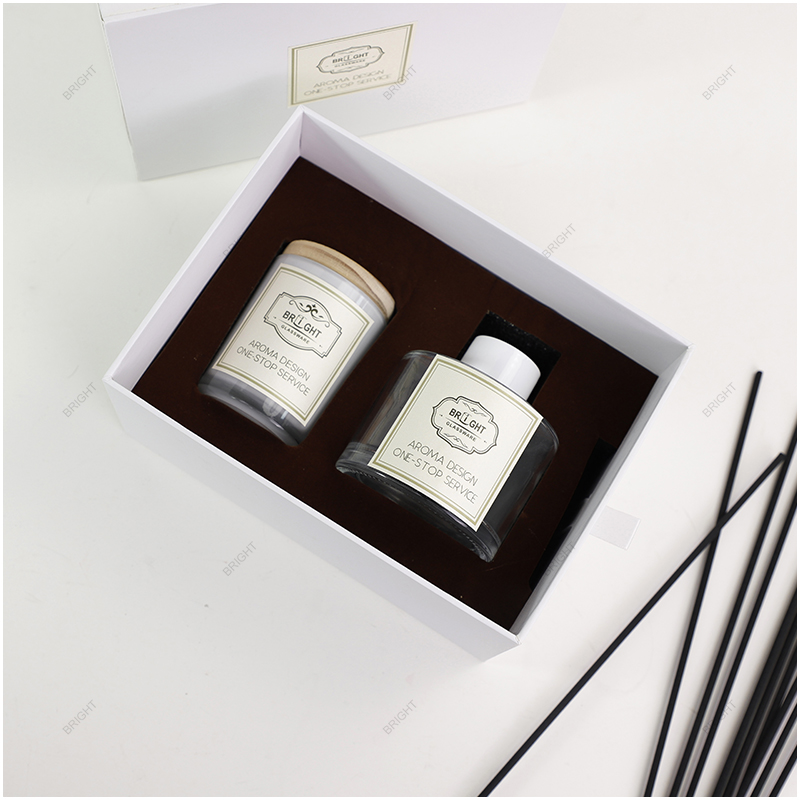
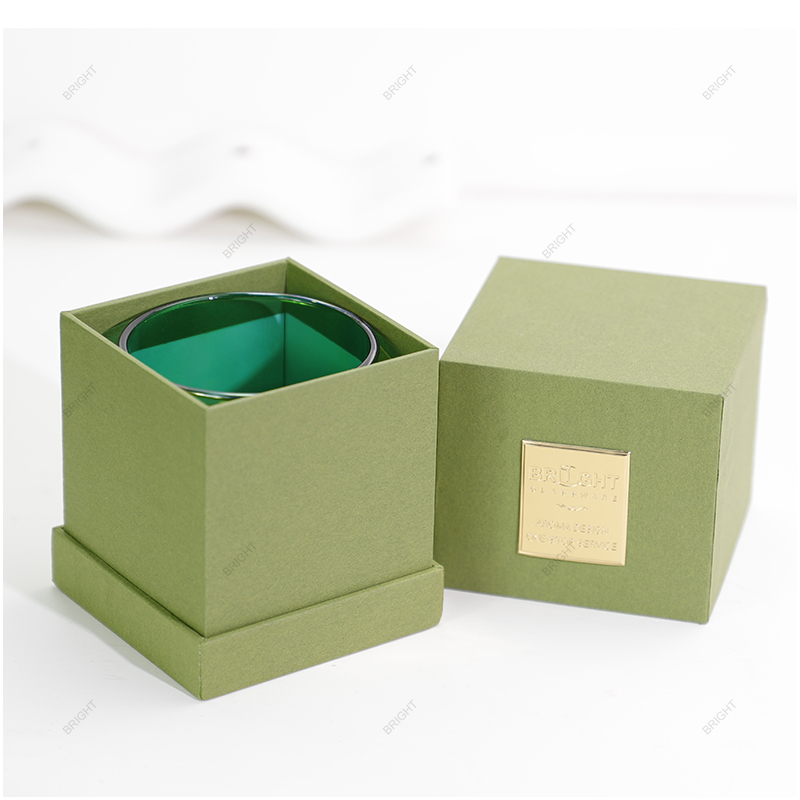
- Retail Packaging: Confirm the candle jar box, insert, artwork and assembled fit, and identify what its price includes. Retail presentation and transport protection both need review.
Ask for the proposed carton dimensions, units per carton and gross weight, with any route-specific checks to agree. Retain the packing reference with the approved product version.
What Should You Confirm Before Placing Your First Bulk Order?
Before paying the deposit for your wholesale candle jars, get written confirmation on the approved reference sample, the production lead time and its starting conditions, the inspection plan, packaging specifications and the process for reviewing defects or transport damage.
Dive Deeper: The Final Pre-Production Checklist
Record the important decisions in the purchase order or agreement, identify the remaining approvals and assign responsibility for confirming changes.
The "Golden Sample" and Production Standards
Keep the approved reference sample tied to a written specification, artwork, finish, packaging and agreed tolerances or acceptance criteria. A sample helps communicate the chosen appearance and configuration; it does not replace every measurement, production check or finished-candle assessment. Identify the approved version and who retains each reference.
Clarifying Production Lead Time
Ask what event starts the quoted lead time and what milestone it ends at.
- Confirm the required approvals, payment milestone and other agreed prerequisites, and how unresolved artwork, color or packing decisions affect the schedule.
- Separate sample approval, production completion, dispatch and expected arrival. Agree how schedule changes will be communicated.
Agreeing on Quality Control and Defect Handling
How will quality be assured? And what happens if there are problems?
- Inspection: Agree who checks what, at which stage, using which specification, sampling plan and defect definitions. If a third party is involved, define its scope. No AQL value or acceptance number is prescribed here for every jar or defect type.
- Defect Protocol: Agree how nonconforming goods and transport damage will be assessed and handled, including which party is responsible at the relevant stage. Do not assume a standard replacement, credit or compensation percentage.
- Claim Process: Record the evidence needed, such as sample references, photographs, carton or batch markings and affected quantities, together with the agreed reporting route and timeframe.
Frequently Asked Questions
What is a typical MOQ for wholesale candle jars?
Confirm the minimum for the selected jar and complete configuration, including the quantity by color, artwork, lid and packaging version. Ask which component or process sets the requirement. A number quoted for another product or service should not be treated as a universal minimum.
Can I get a custom-molded jar?
You can discuss a custom shape through our customization service. Supply a concept, drawing or physical reference with the intended fill, finish and closure. Ask for feasibility, tooling terms, any exclusivity agreement, quantities and development steps specific to the project; a new mold does not automatically establish an exclusive design or a fixed MOQ.
How long does it take to get samples?
Ask for a schedule for the exact sample version: an existing vessel, a decorated sample or a new development can involve different work. Confirm availability, artwork and color approvals, any tooling steps, and when the quoted period begins. This article does not promise stock availability or a standard number of days.
What's the difference between spray coating and colored glass?
Exterior spray coating adds a surface layer; in-melt colored glass has color in the glass body. Both the appearance and the relevant acceptance checks depend on the actual material and finish. Compare approved samples, coating adhesion or resistance where applicable, and intended use. Do not infer candle safety or universal scratch resistance from the color route alone. Our colored-glass selection guide discusses the distinction for packaging decisions.
Conclusion
Finding the right wholesale candle jars for your business is a foundational step in building a successful brand. The process is more about finding a reliable manufacturing partner than it is about simply finding the cheapest price. By starting with a broad search, creating a detailed and specific inquiry, meticulously evaluating samples for both aesthetics and function, and confirming every last detail before placing an order, you can mitigate risk and build a resilient supply chain. The result should be an order with a traceable configuration, clear responsibilities and defined checks, rather than assumptions left for the goods-receiving stage.
Share your jar, lid, decoration and packing brief with Bright Glassware so the proposed scope can be confirmed together. Start with our glass candle jar collection, or send your project requirements with the quantity split and destination.
Keep Reading