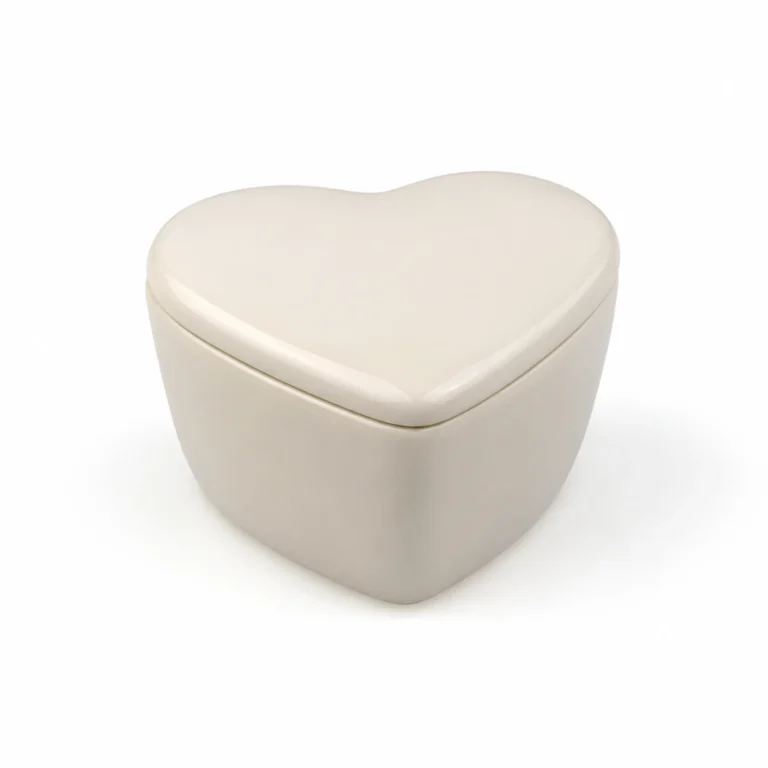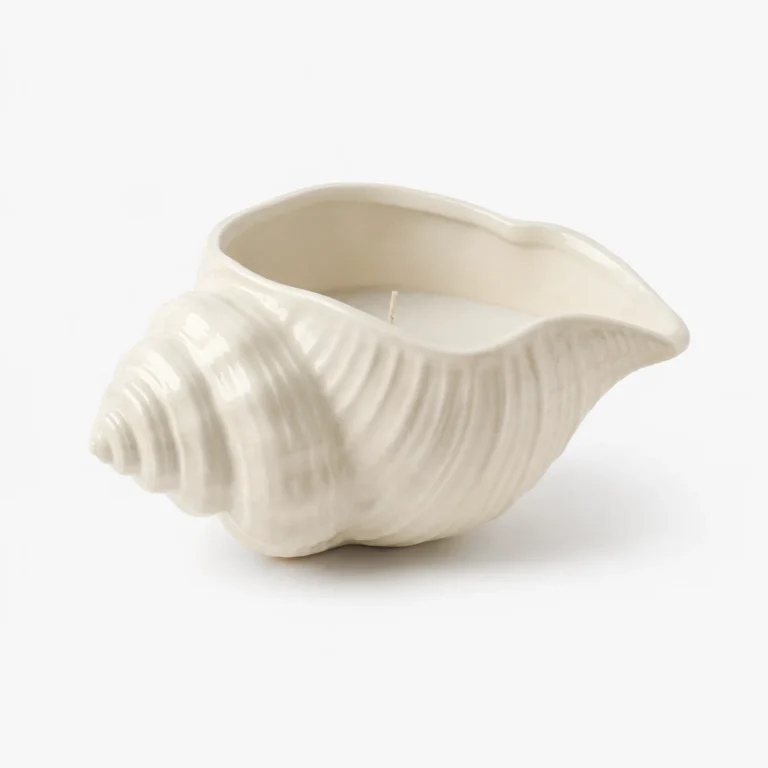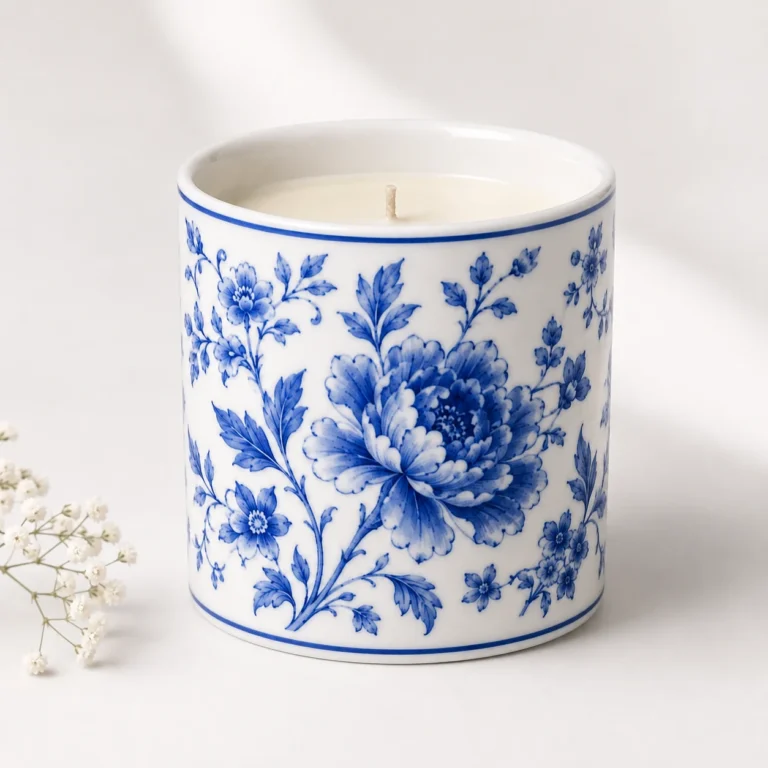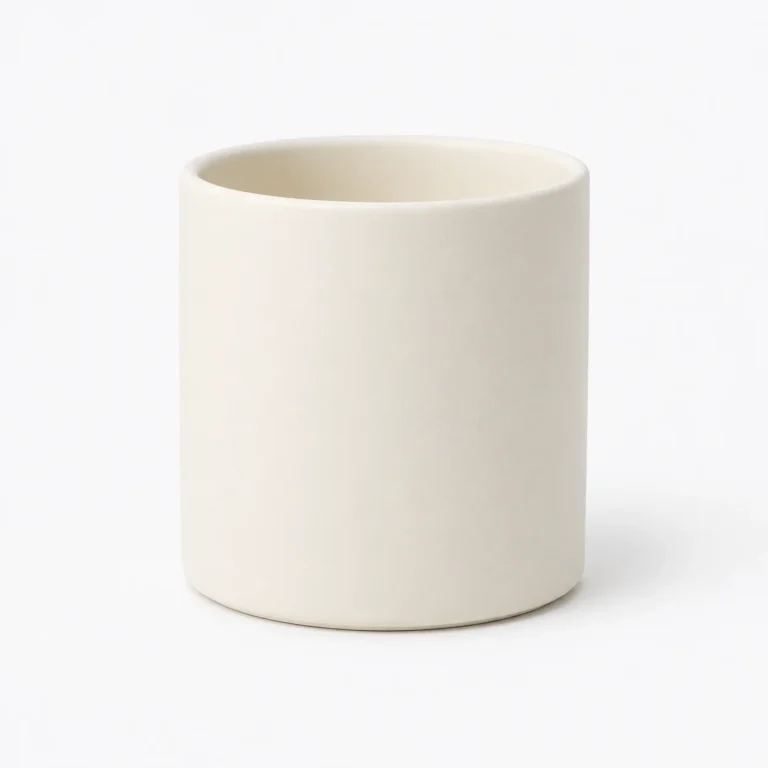
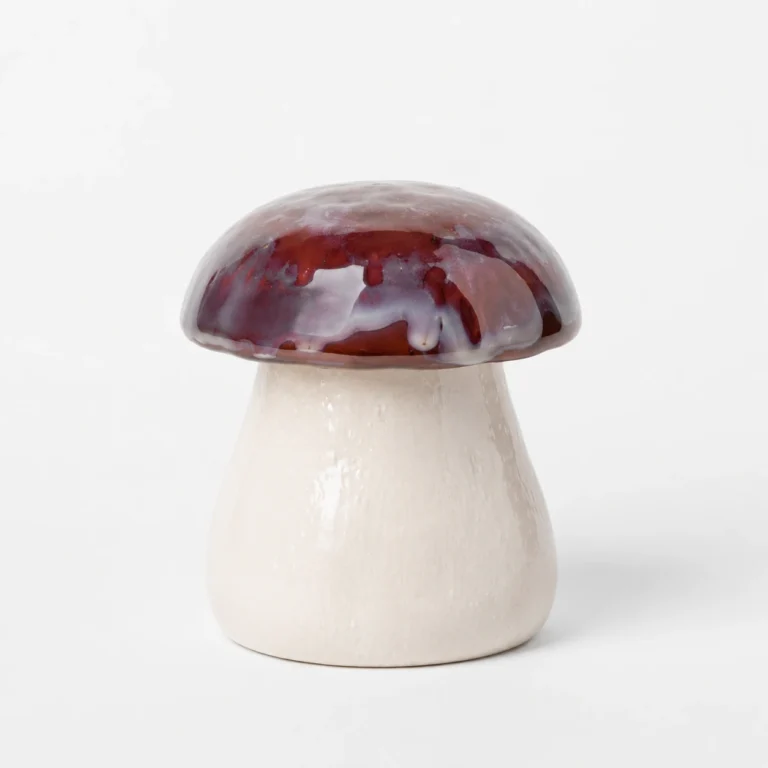
Glazed ceramic candle vessels use fired or applied glaze to create gloss, satin, matte, colored or textured surfaces on the ceramic body. Glaze appearance is influenced by the body material, firing, application thickness and vessel geometry, so small variations in tone, coverage and surface character can occur between pieces and batches.Approve production-representative samples for glaze color, gloss, pinholes or acceptable surface variation, logo decoration and rim/lid fit. Because ceramic dimensions can change during firing, the final vessel—not an unfired body or digital rendering—should be used for component matching and packaging approval.
Available Products
Showing 1–5 of 5 products
Need help narrowing the options?
Share your target gloss, texture, transparency, color and logo method. We can recommend suitable finishing routes and sample controls.
Glaze is applied to the ceramic body and developed through the relevant firing/curing route. Gloss, satin, matte, reactive or textured effects depend on the body, glaze formulation and process.
Used primarily on ceramic candle vessels and related decorative containers where the surface contributes to both color and tactile presentation.
Approve production-style fired samples for color, gloss, coverage, acceptable variation, dimensions, logo result and matched lid/box.
Project Support
Continue with the pages most relevant to the next sourcing, customization or risk-control decision for this collection.
Review color coating, frosting, printing, hot stamping, electroplating and logo application.
Explore page →Validate an existing model, decorated sample or custom concept before committing to bulk production.
Explore page →See how appearance, dimensions, component fit, decoration and final order quality are checked.
Explore page →Related Resources
Review the most relevant cases, catalogs or videos for this finish before requesting samples or a quotation.
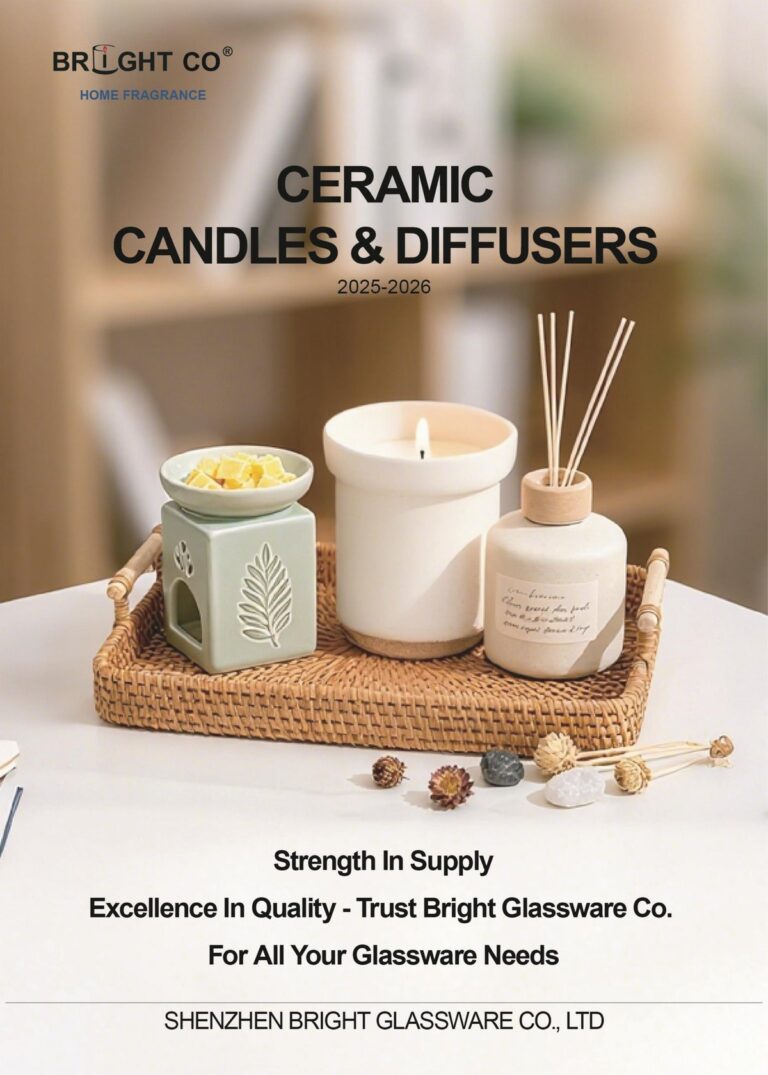
An 18-page ceramic collection for candle vessels, diffuser containers, wax warmers and coordinated home-fragrance packaging.
View Resource →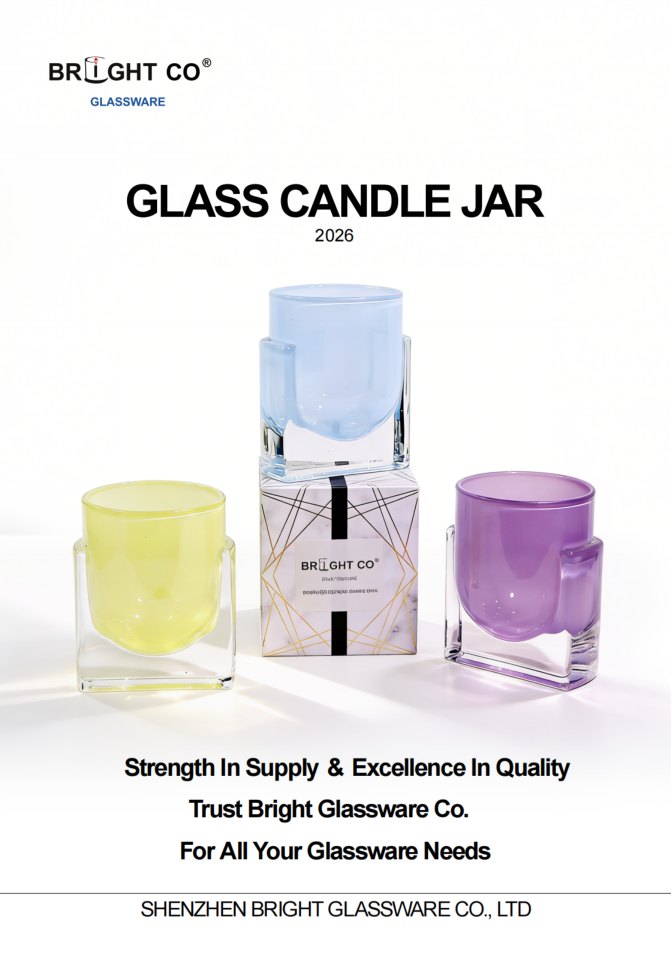
A 20-page glass candle jar catalog covering standard and decorative vessels, custom branding, accessories, packaging and one-stop candle solutions.
View Resource →FAQ
These answers cover the questions most likely to affect product selection, sampling and quotation for this collection.
Still have a question? Ask our team →Ceramic color and surface appearance can vary slightly because the body, glaze application, kiln position and firing conditions all affect the finished piece.
Use approved physical samples to define the acceptable shade, gloss or matte level, texture and decoration standard. Keep the same reference and inspection lighting for repeat orders.
“Ceramic” and “porcelain” can describe different body compositions and firing processes, but the marketing name alone is not enough to select a candle vessel. Review the actual material specification, fired dimensions, wall structure, glaze, weight, surface finish and lid fit.
For candle use, approve the production-style vessel and then complete filling and burn testing with the intended wax, fragrance and wick system.
Common candle-jar finishes include clear glass, frosting, matte or gloss coatings, sprayed colors, printing, decals, metallic effects, textured or embossed surfaces and ceramic glazes. The best option depends on the vessel material, branding goal, filling process and intended candle use. Review the finish after wax filling, labeling, packing and handling, then approve it together with the intended wax, wick, lid and packaging.
Yes. Several decorative processes can be combined when the material and design allow it—for example, coating with screen printing, frosting with logo decoration, or a colored vessel with metallic details. The processes must be planned in the correct sequence because one finish can affect adhesion, masking, heat exposure or the appearance of the next. Approve a complete multi-process sample and confirm color, placement and durability before production.
Request a Quote
Share the container, target appearance, finish process, color or transparency, logo method and packaging requirements you already know. Our team can review suitable finishing routes and the next sampling step.
We can narrow suitable finishing routes before you spend time sampling every option.
Finish, color, logo method, closure and packaging can be reviewed together with the selected container.
Confirm appearance, adhesion, color/transparency and logo result on approved samples before bulk production.