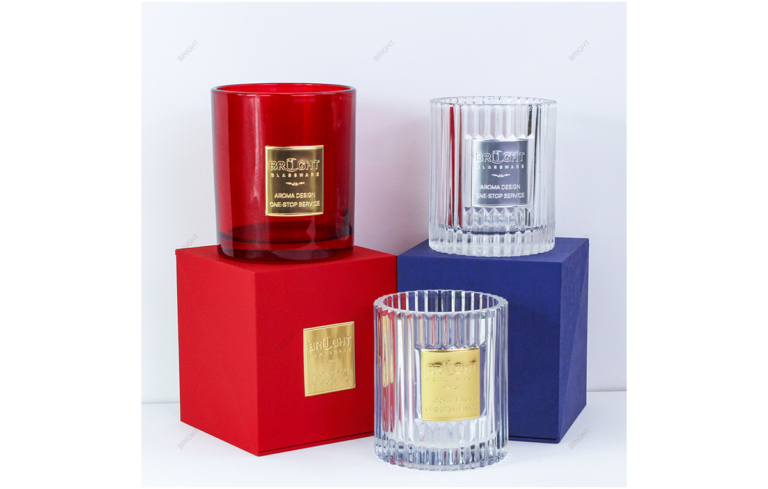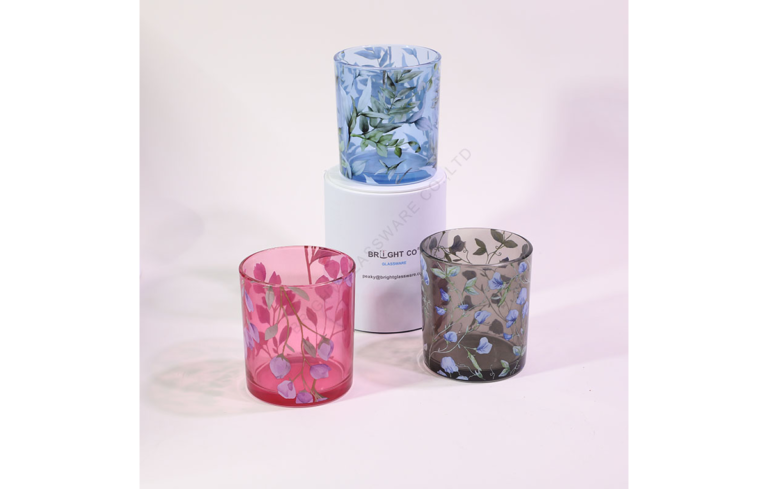

Sourcing the perfect vessel for your candles can feel overwhelming, with a sea of options and specifications that are often unclear. Making a hasty decision on your wholesale glass candle containers can lead to production headaches, inconsistent branding, and a budget that quickly spirals out of control. The key is a structured procurement process that transforms a simple container into a signature element of your brand.
To choose the best wholesale glass candle containers, start by defining your finished product's requirements, including wax weight, lid style, decoration, and packaging. Submit a detailed brief, confirm capacity and dimensions, and agree the samples and evaluations needed before committing to a bulk order. Use the same requirements to compare supplier proposals.
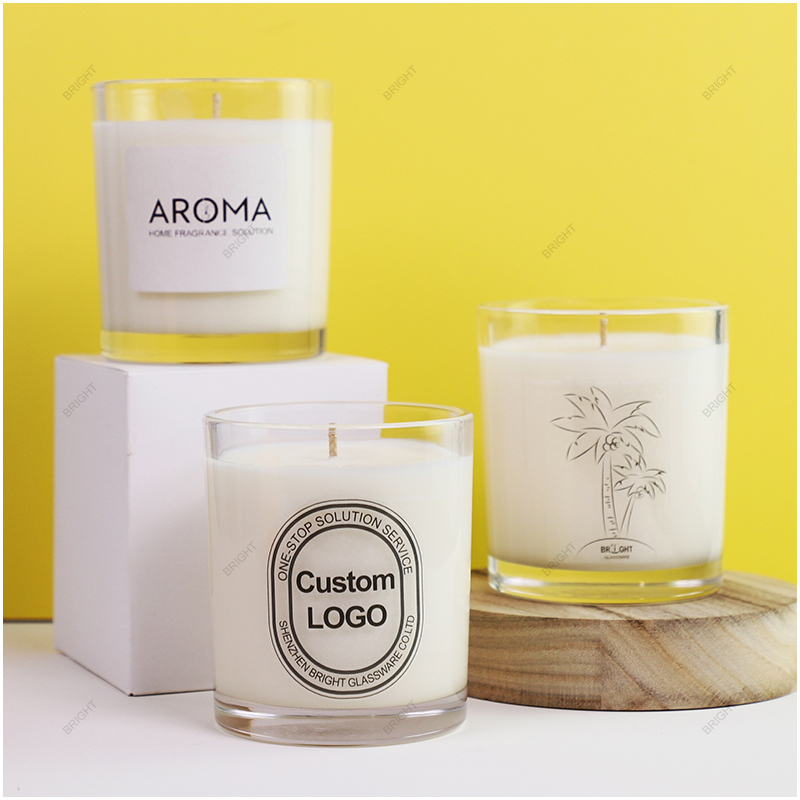
Now that you have the high-level overview, let's break down each step of the journey. Start with a clear brief that communicates your needs to potential suppliers.
What Should Your First Wholesale Candle Container Brief Include?
Sending a vague inquiry like "I need an 8 oz jar" is a recipe for getting vague and incomparable quotes. This ambiguity leads to endless back-and-forth emails and wastes valuable time. NIST's supplier-selection article discusses supplier capability, quality history and total cost. A clear brief gives potential suppliers a common basis for their proposals.
Your initial brief should clearly state the container style (with a reference image if possible), your target wax weight, the desired lid type, specific surface decoration details, packaging requirements, and your estimated order quantity.
Dive Deeper
Before you even contact a supplier, I recommend thinking through your final retail product. What will the customer see on the shelf? How much wax will the candle contain? This vision is the foundation of your brief. Use that vision to identify the information and decisions still needed before an order.
Here’s a checklist of what to include:
- Product Reference: Provide a link, a photograph, a sketch, or a drawing of the container style you have in mind. If you're open to suggestions, describe the aesthetic you're aiming for (e.g., "modern and minimalist," "classic apothecary").
- Target Wax Weight & Material: Specify the target fill mass, wax blend and any fragrance allowance, together with the proposed fill level or relevant volume information.
- Lid & Accessories: Describe the lid you want. Include the material (e.g., wood, bamboo, metal, plastic), the finish (e.g., natural acacia, matte black metal), and any special features like a silicone gasket for a snug fit.
- Decoration & Finish: Do you want the glass to be a specific color? Provide a color reference, such as a Pantone code, and agree the physical sample used for approval. Do you need a logo printed or hot-stamped? Attach the artwork file. Specify the finish—matte, glossy, frosted, or electroplated.
- Packaging: Think about how the candle will be sold. Do you need an individual retail box for each candle? What packing and delivery requirements should the outer master cartons address?
- Estimated Quantity: Provide your best estimate for the total number of units you plan to order. If you intend to launch a collection, break down the quantity per color or design.
Compile the information into one brief, then ask suppliers to identify inclusions, exclusions and assumptions. This helps you compare the same proposed configuration later.
How Should You Confirm Capacity, Dimensions and Filling Requirements?
An "8 oz jar" can mean different things to different suppliers, and this misunderstanding can derail your product line and cost calculations. Assuming a name corresponds to a specific capacity is a common but costly mistake. To avoid this, you must clarify the key measurements and technical requirements before you proceed.
Always specify whether "ounces" refers to fluid volume (fl oz) or the net weight of wax you intend to fill. Request a technical drawing to confirm the overflow capacity, fill-line height, external dimensions for packaging, and crucial internal dimensions for wick centering.

Dive Deeper
Keep the drawing, planned fill and sample findings together. Confirm capacity, geometry and assembly requirements before accepting a proposed container.
Volume vs. Wax Weight
A fluid ounce (fl oz) measures volume; an ounce used for net mass answers a different question. Our wax-weight calculation guide develops that distinction. State the units and wax blend clearly. Keep overflow capacity, planned fill level and actual fill mass as separate entries.
Describe the target net fill and blend, with the intended headspace. Ask the supplier to identify the proposed jar's overflow capacity and drawing, then use the selected sample for filling trials and weighing. The candle and jar calculators can help prepare preliminary inputs; retain their assumptions and confirm the result with your actual formulation and sample.
Key Dimensions to Verify
Once a potential jar is identified, ask for a technical specification sheet or drawing. Here are the dimensions you must check:
| Dimension | Why It's Important |
|---|---|
| Outer Diameter & Height | Determines the overall look, label panel size, and the dimensions of your retail box. |
| Inner Diameter (at Top) | Record the measurement height and direction for assembly and wick-development planning. |
| Inner Base Profile | Review the actual profile with the intended wick tab, attachment material and equipment. |
| Mouth/Rim Diameter | Review the relevant dimensions and tolerances with the selected lid and gasket. |
| Fill-Line vs. Overflow | Record brimful volume separately from the planned fill level, headspace and measured fill mass. |
After reviewing the drawings, the next step is to get a physical sample. Use it to conduct your own filling tests with your exact wax and fragrance blend to confirm the final net weight. This moves your requirement from a theoretical number to a verified, data-driven specification.
Which Jar, Lid, Decoration and Packaging Options Should Be Quoted Together?
Whether you use one supplier or several, put the jar, lid, decoration and packaging in the same RFQ configuration. Identify who supplies each part, who reviews the combined samples and how changes will be communicated. Compare the complete proposal rather than disconnected unit prices.
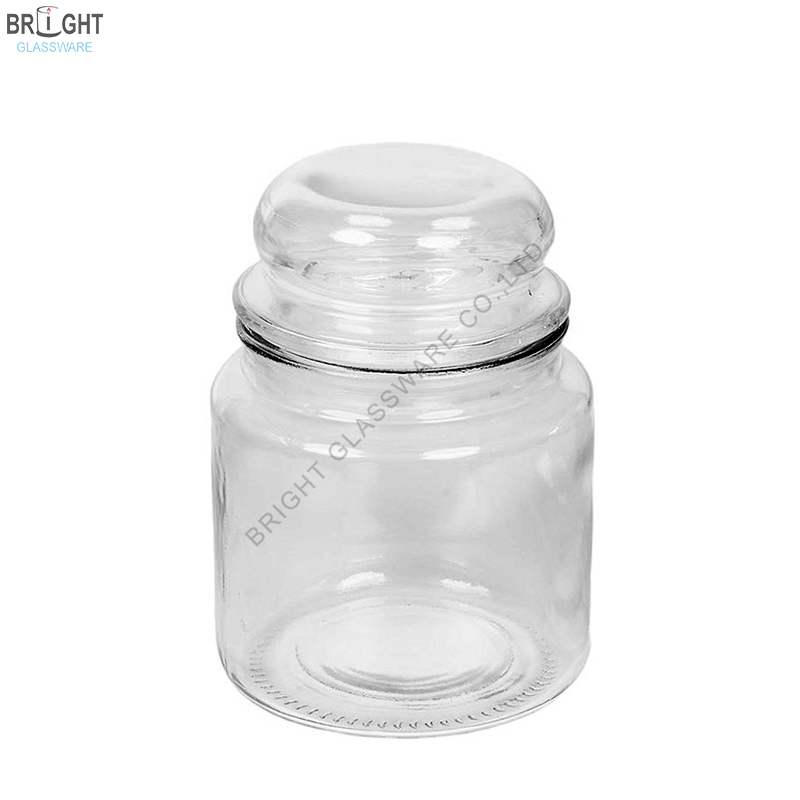
Request the wholesale glass candle container, lid, decoration and retail box as a defined set, with separate costs and responsibilities where appropriate. Confirm compatibility through the agreed drawings, samples and relevant evaluations.
Dive Deeper
Review the interfaces between components early, particularly where different parties supply the glass, lid, decoration or packaging.
The Risk of Multiple Suppliers
Individual component dimensions and tolerances need to work together. Review the actual glass and lid specifications, including the relevant measurement locations, then assess the selected samples as an assembly. Record an observed fit issue even if the individual dimensions appear within their stated limits.
Agree responsibility for drawings, sample review and proposed substitutions. Our jar and lid combination guide explains the component questions to include in that discussion.
What to Bundle in Your Request for Quotation (RFQ)
Define which parts of the finished packaging are included in the quotation. The request can include:
- The Container: The selected glass jar and its drawing or sample reference.
- The Lid: Specify the material, finish, liner or gasket, and intended function.
- The Decoration: List every process, from color spraying and logo printing to foil stamping. Specify the areas to leave undecorated based on the actual component fit, contact and use requirements.
- The Packaging: Include the specs for the individual product box and the master shipping carton.
Ask the quotation to show component versions, exclusions and approval responsibilities. This gives you a basis for comparing proposals and coordinating any separate suppliers.
How Should You Confirm MOQ and Mixed-Color Quantities?
You've designed a beautiful candle collection with multiple fragrances, each deserving of its own unique container color. However, discovering that a supplier has a high Minimum Order Quantity (MOQ) for each individual color can quickly tie up your cash and leave you with excessive inventory for slow-moving scents. Understanding a supplier's MOQ structure and flexibility is key to a successful and financially viable launch.
Always ask for the MOQ per container style, not just per order. Then, clarify if that total quantity can be split across different colors or finishes, and confirm if there are any separate minimums required for each specific color run.

Dive Deeper
Use the MOQ discussion to confirm the quantity basis for your proposed collection and the conditions attached to each option.
Understanding MOQ Structure
Ask whether the quotation uses an existing jar style or requires new development, and confirm availability rather than assume inventory. Different components and processes may have separate order conditions.
At Bright Glassware, our MOQ is 1,000 pieces per jar style, with mixed colors available. List the total for each style and the proposed color breakdown in your inquiry. Confirm the specific arrangement with the quotation.
Leveraging Mixed-Color Orders for Your Collection
Mixed colors let you propose several color options within the same jar style. Submit your preferred quantities for each color so the project conditions and feasibility can be confirmed.
Include the finish and artwork reference for each proposed variation. Ask for confirmation of the color allocation and any separate conditions for lids, decoration or boxes before finalizing the order. Keep the agreed breakdown with the quotation and purchase order.
Which Samples and Approvals Should Come Before a Bulk Order?
A product photo can start a discussion, while physical samples help resolve the details needed for a bulk order. Agree which samples and evaluations the project needs, what each approval covers and what remains open.
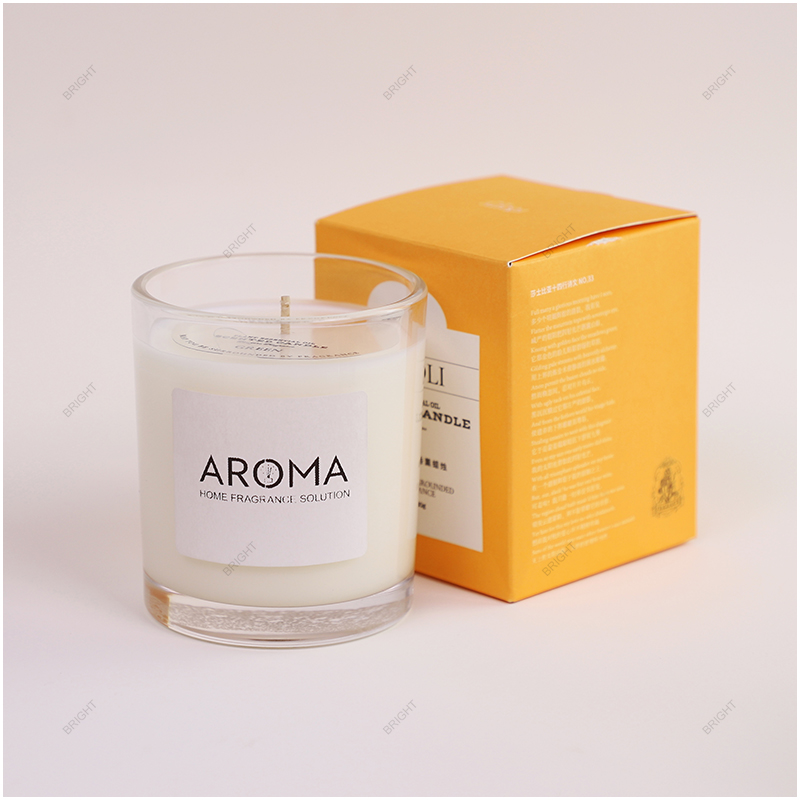
Before committing, distinguish appearance, component fit, decoration and full-packaging approval. The relevant samples may be combined or reviewed in stages according to the project; identify the configuration and purpose of each.
Dive Deeper
The sampling phase is where your vision becomes a physical reality. Rushing this step is a false economy. A structured approval workflow protects both you and the supplier.
The Sampling & Approval Workflow
Use the following approval tasks to plan the samples needed. Agree the order, responsibilities and sign-off points with the supplier.
- Stock Sample: Where available and relevant, review an existing undecorated sample for appearance, mass, shape and dimensions. Identify how it relates to the proposed production version.
- Color & Decoration Sample (Pre-Production Sample): Review the proposed color, finish and artwork on the selected jar. Use the color reference to guide the discussion and agree the physical sample that records the accepted effect.
- Fitment Sample: Review the selected jar, lid and gasket together for the intended closing, seating and opening behavior. Assess any required sealing performance separately using the agreed method.
- Full Packaging Sample: Review the jar, accessories and proposed box together for fit, contact points, presentation and unpacking. Record the packaging version and any further transport evaluation needed.
The Importance of Your In-House Testing
Agree who will conduct the relevant evaluations and how results will be reviewed. For the selected production-intent configuration, include the applicable tasks:
- Conduct a Full Burn Test: Evaluate the actual container, decoration, wax, fragrance, wick, holder and attachment combination under an appropriate plan. CPSC's candle guidance identifies candle-related standards; confirm those applicable to your product and market.
- Test Decoration Adhesion: Agree an adhesion method and a separate assessment for the formula's relevant contact or exposure conditions. Coating adhesion, chemical compatibility and finished-candle performance address different questions.
- Verify Fit with Equipment: If you use automated machinery for wick setting or filling, test the samples on your production line to confirm compatibility.
Keep these results separate from appearance sign-off and component-fit approval. Our quality-control information can support the discussion of the inspection scope needed for your order.
What Makes Wholesale Quotations Comparable?
You've sent your brief to three different suppliers and now have three quotes for the "same" jar. The problem is, the prices are all over the map. You can't make an intelligent business decision without understanding precisely what is included in each price—and more importantly, what's been left out.
To make wholesale quotations truly comparable, you must break them down into line-item costs for the jar, lid, decoration, and packaging. Furthermore, you must compare the shipping terms (Incoterms), payment terms, stated lead times, and any one-time fees for molds or setup.
Dive Deeper
Use a comparison sheet to identify what each price includes, the conditions attached and any information still needed. Keep the quoted quantity and configuration consistent across the comparison. Georgia Tech's manufacturing-cost overview provides broader context on materials, energy, waste and supply-chain costs.
The Quotation Breakdown Template
Use a table like this to organize the information from each supplier for an objective, side-by-side comparison.
| Requirement | Each Supplier to Complete |
|---|---|
| Quoted configuration and quantity | Jar, lid, decoration and packaging versions; total and color breakdown. |
| Component and packaging prices | Unit prices, currency, quantity basis and included processes. |
| One-time and sample costs | Tooling/setup, samples, sample delivery and any stated exclusions. |
| Timing | Quoted lead time, start event, approval dependencies and delivery scope. |
| Transport and trade terms | Applicable rule and version, named place, included services and charges. |
| Payment and quote validity | Quoted payment milestones, validity period and conditions. |
| Open items | Assumptions and matters requiring confirmation before ordering. |
Record the selected trade rule, precise named port or place and version, using the ICC Incoterms guidance. Confirm transport scope and included or excluded charges with the supplier and forwarder. Agree payment, quality and claims terms separately. Record when the quoted production lead time starts, which approvals it depends on and what stage the stated completion date represents. For packing inputs, see our glass-product shipping guide.
What Should You Record for Reorders and Product Changes?
For a repeat order, bring the approved configuration back into view. Confirm the current jar, lid, decoration and packaging references, then identify any change in quantity, requirements or quoted conditions before the order is finalized.
For every product, you should maintain a "golden sample" and a complete technical file. This file must contain the approved version of the jar drawing, Pantone color codes, lid specifications, final artwork files, and packaging die-lines. Reference these records explicitly with every new purchase order.
Dive Deeper
Keep a versioned record accessible to the people placing, producing and checking the order. It provides a common reference when a contact, component or requirement changes.
Creating Your Product's Technical File
This isn't just a folder with a few files; it's a comprehensive archive of every decision made about your product's packaging. It should contain:
- Final Technical Drawing: The approved CAD drawing of the glass jar, clearly marked with a version number and date.
- Approved Color Swatch / Pantone: The agreed physical color/decorated-glass sample, with the color code and approval conditions recorded as references.
- The "Golden Sample": An identified approved sample of the relevant jar, lid and packaging configuration. Record what its approval covers, and agree suitable storage and replacement arrangements.
- Final Artwork Files: The exact, press-ready vector files for all logos, prints, and packaging graphics, including version numbers.
- Past Purchase Orders: A record of previous orders, quantities, pricing, and any specific notes related to that batch.
Managing Changes and Variations
Record a proposed change, such as a different lid, against the current version. Agree the review, sample approval and evaluation needed before it is used.
Use a change record to coordinate the agreed tasks:
- Formally request the change.
- Confirm the samples and evaluations needed for the change.
- Record the review and any required approvals.
- Update your technical file with the new specifications and a new version number.
- Reference the new version number in your next purchase order.
Reference the updated version in the order and inspection brief. Review the delivered goods against the agreed requirements and retain relevant findings for the next order.
Frequently Asked Questions
What is a typical lead time for custom wholesale glass candle containers?
UW–Madison's lead-time article discusses managing lead time alongside cost and efficiency. Request a project-specific schedule for the selected jar, decoration, components and packaging. Separate development, sample approval, production and transport stages, and record the start event and dependencies for each quoted period.
Can I use my own lids with your glass jars?
If you plan to use an existing lid, include its drawing and relevant specifications in the inquiry and arrange review of physical samples with the proposed jar. Agree who confirms the fit and which assembly or use evaluations are needed before ordering.
What happens if some jars break during shipping?
Agree the packing specification, receipt-inspection process and damage-reporting requirements before ordering. Confirm the relevant supplier and carrier terms for handling a claim. If damage is found, retain the order and packing references, photographs and other evidence requested under those terms.
Conclusion
Choosing the right wholesale glass candle containers is a strategic decision that directly impacts your brand identity, production efficiency, and profitability. By moving beyond a simple price-per-jar mindset and embracing a structured procurement process, you can mitigate risks and build a powerful foundation for your brand's growth. Start with a detailed brief, confirm the technical and commercial scope, agree samples and evaluations, and retain the versions used for approval and reordering.
For your next inquiry, prepare the jar reference, target fill, proposed lid, decoration, packaging and quantities by style and color. Share those details with our team to discuss the quotation and sample requirements for your candle packaging project.
Keep Reading