
Finding the right container for a small candle line means comparing appearance, the intended fill and the complete package. 3 oz candle jars are a useful starting point for a search, but the size name alone does not tell you how the finished candle will look, how much formula it will hold or which packaging will fit.
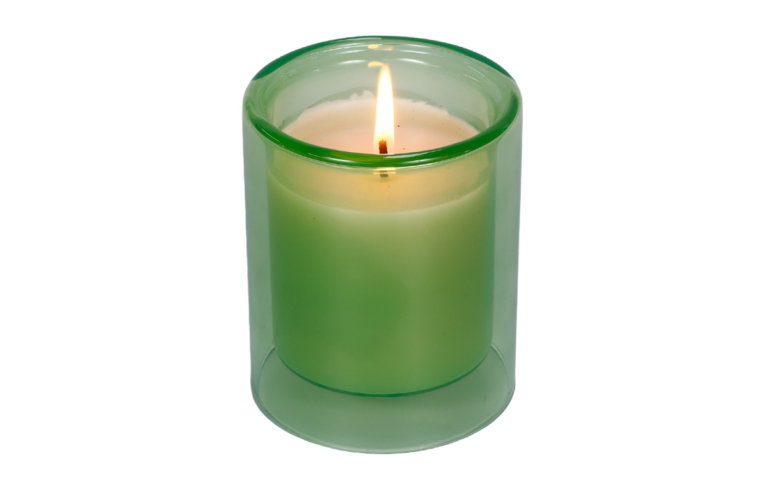
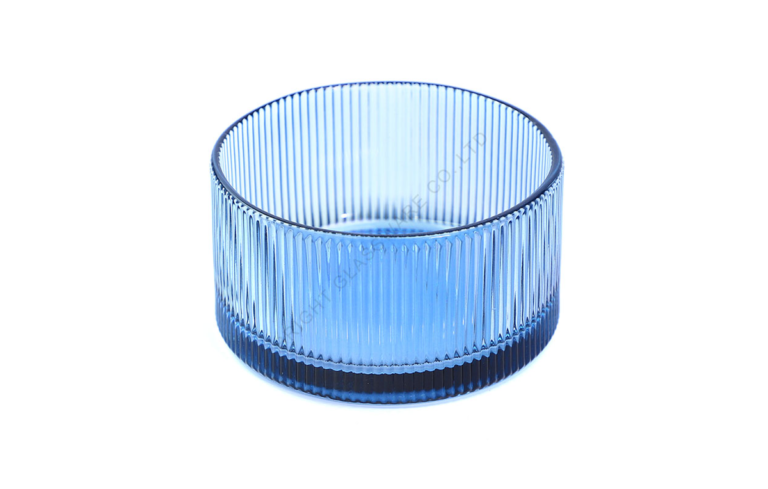
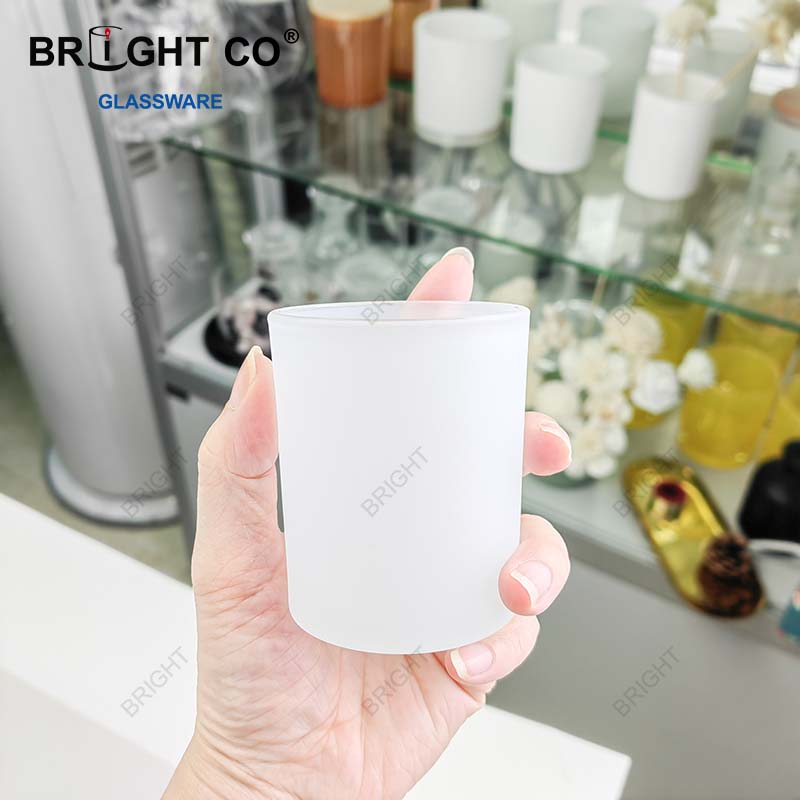
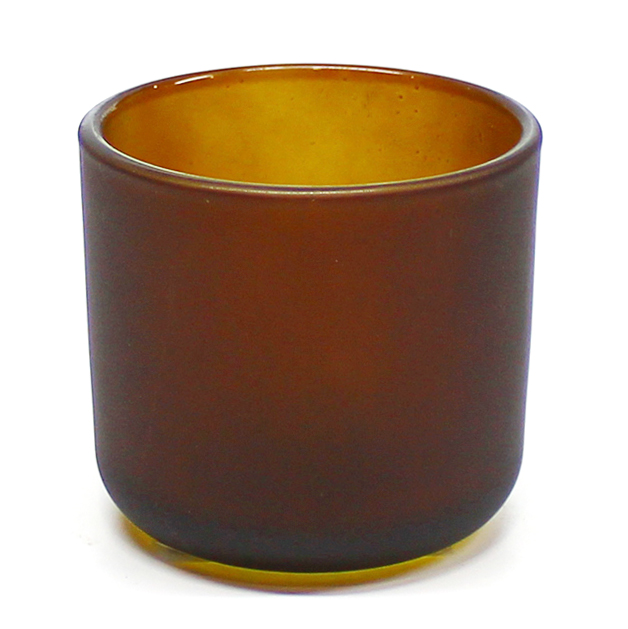
Two useful design directions to compare are a taller, narrower shot-glass-style profile and a lower, rounded U-shaped profile. Review the actual capacity of each candidate, then compare its proportions with your label, logo and planned packaging. A compact U-shaped vessel can be a useful shape reference without being interchangeable with every jar sold under a 3 oz description.
Packaging can contribute to a brand's presentation. Research in the cosmetics sector has examined how package design communicates brand identity and influences consumer perceptions.1 For your candle line, bring that question back to the actual jar, artwork and box. Our small and mini candle jar collection provides a starting point for comparing configurations and requesting samples.
How do you choose between tall and short 3 oz candle jars?
Start with the appearance you want, then compare samples side by side with the proposed artwork and packaging. A taller profile and a lower, rounded profile can give the same collection a different visual balance. The preferred option depends on the complete presentation and the specification you need.
Dive Deeper: Comparing Proportions and Brand Identity
The silhouette is a practical first comparison. For this project, the supplied references include:
- A taller small jar: One reference has a stated top diameter of about 56mm and a height of 68mm. Its relatively narrow, tall appearance can be compared with the vertical layout of a logo or label. The stated diameter is not an internal-mouth or lid-mating measurement.
- A lower U-shaped jar: Another compact reference has a stated diameter of about 61mm and a height of 55mm. Its broader, lower outline offers a different proportion. Confirm its own capacity specification and proposed fill separately before selecting it for a 3 oz program.
Use these dimensions to compare external proportions. They do not establish the internal volume, center of gravity, candle performance or usable decoration area. Review candle jar sizes alongside the exact sample and specification you are considering.
Considerations for Single-Item vs. Gift Sets
Your proposed sales format should influence the sample review.
- For single-item sales, review the jar, branding and individual box together. Check whether the mark is clear and the complete package expresses the intended style.
- For multi-scent gift sets, place the selected jars inside a proposed tray. Assess the collection as a whole, including the space needed to grip and remove each jar. Compare the actual layout rather than assuming a shorter jar always creates a smaller box.
The Importance of Physical Samples
A specification sheet provides dimensions, while a sample lets you assess the appearance and handling of the actual part. Useful review points include:
- Visual balance: Does the height-to-width relationship suit the artwork and the rest of the collection?
- Handling: Can the intended user grip and remove the jar comfortably, including when it sits in a box insert?
- Packaging fit: Does the selected container, with any lid fitted, work with the proposed retail and protective packaging?
Keep the approved appearance and component references together. This gives the brand, supplier and packing team a common configuration to discuss.
What's the difference between jar volume and wax weight?
For the product information supplied for this project, 3 oz is a nominal container-volume description. It is not a confirmed wax net weight. Ask for the particular jar's capacity definition and intended fill reference before planning the finished candle.
CandleScience distinguishes wax weight to a fill line from volume to overflow and notes that manufacturers' size labels do not always match either measurement.2 A nominal label therefore should not automatically be treated as an exact brimful measurement.
Dive Deeper: A Critical Distinction for Production
Keep three fields separate in the purchasing and filling specification:
- Container volume: State the supplier's volume specification and what it describes, such as a nominal designation, an identified fill level or overflow capacity. Use the definition agreed for the selected container.
- Empty glass weight: One of the supplied taller-jar references lists an empty glass weight of about 90g. This is the jar's own weight, not the amount of wax it can hold.
- Net candle fill: Confirm the mass of the intended wax-and-fragrance formulation at the agreed fill level. Review the finished configuration, including any space needed for the closure and the planned product design.
NIST lists fluid ounces as volume units and avoirdupois ounces as mass units.3 Keep that distinction clear when the supplier, brand and filler exchange specifications. This guide does not use a jar's commercial size name as an exact unit conversion.
Fill level and formulation both matter when determining the amount of material needed. Use the selected jar and the actual production formulation for a trial fill, record the agreed fill position and measure the resulting net content. Retain the relevant sample and specification for subsequent production checks.
Confirming fill weight is one part of product development. The chosen vessel and candle configuration also need the assessments appropriate to the intended finished product; a nominal size or an empty-jar photograph does not establish its performance.
How does jar size affect logo and label design?
When adapting a larger candle design to a small format, check the artwork at actual size. A mark that is clear on a large vessel may become difficult to read, while fine details or a long scent name can make the smaller layout feel crowded.
Plan the decoration around the selected jar's geometry and the surface area approved for that process. The usable area needs to be confirmed on the sample rather than calculated from total height and maximum diameter alone. See our glass printing options when discussing the proposed artwork and finish.
Dive Deeper: Designing for Limited Real Estate
Start with the information that matters most for the product presentation. Place the real logo, scent name and other required product information on a full-size mockup, then assess clarity and visual balance on the jar.
The Pitfalls of "Shrink and Pink"
Scaling a larger design down without reviewing it can create several issues:
- Readability: Check the actual text size and contrast at the intended viewing distance.
- Logo detail: Review thin lines, small lettering and closely spaced elements with the chosen print or label process.
- Proportions: Adjust the arrangement if a design that works on a wide jar feels cramped on a narrower profile.
The aim is a clear small-format design. Review a physical mockup before approving the final artwork and production sample.
Accounting for Geometry
Several aspects of the actual container can affect placement:
- Curvature: Check how the artwork reads as it follows the surface, including the amount visible from the front.
- Taper: If the proposed label area changes in diameter, discuss an appropriate dieline with the label supplier. AWT's guide explains why tapered surfaces need container-specific label planning and measurements.4 Test the proposed label on the real jar rather than assuming every rectangular label will behave the same way.
- Base and rim transitions: Confirm the usable area between the top and bottom features. A total jar height does not establish a printable height.
A paper mockup can help reveal sizing, placement and reading issues. Follow it with a sample using the actual label material or decoration process and final jar finish. Approve the result on the selected vessel before applying the design across an order.
Should you consider lids and packaging when selecting 3 oz candle jars?
Yes. Discuss the lid and packaging while selecting the jar. The opening, seating arrangement and assembled dimensions influence the complete product and the space it needs inside a box. A visually coordinated lid still needs to be matched to the particular vessel.
Dive Deeper: A Holistic Approach to Product Development
Include the container, any fitted closure, decoration and packaging in the sample brief. This makes it easier to identify a component or layout issue before those choices are approved separately.
Lid Function and Fit
Define what you want the lid to do:
- Dust cover: Review coverage, seating and whether the lid remains in its intended position during normal handling.
- Presentation: Compare its material, finish, visible edge and overall proportions with the jar and artwork.
- Handling or transport requirements: Specify the closure retention and packing conditions that need assessment. If scent retention or another closure performance is required, agree a suitable check for the actual product.
A silicone gasket is one possible fitted component, not a universal requirement for a travel format or evidence of a particular seal. Confirm which closure structure is available for the selected jar and review the complete sample. Our jar and lid matching guide covers dimensions, seating and cross-fitting considerations.
Packaging and In-Box Experience
Review the retail and protective packaging around the final assembly:
- Inner trays: Compare the proposed insert with the complete jar, including any lid. Check positioning and enough access to lift the product out. Confirm the intended insert material and protection through the project sample.
- Clearance and surface contact: Check whether jars, lids or decorated surfaces can contact each other in a multi-item box. Discuss dividers or other protection where the layout calls for them.
- Assembled dimensions: Measure the closed product, including its lid and widest features, then compare those dimensions with the usable interior of the box and its protective materials. NextDayFlyers' candle-box guide describes this assembled-product approach.5
When comparing candle jar boxes and packaging, request a sample of the complete configuration. Check how it opens, how the jar is removed and how visible surfaces are protected. Packaging appearance alone does not confirm transit performance; agree any transport assessment required for your sales channel.
Frequently Asked Questions
What are 3 oz candle jars typically used for?
Compact candle formats can be considered for scent sampling, discovery sets, gifting, wedding favors or travel-oriented projects. These are possible development directions. Choose the format and checks for your intended use, including artwork, the proposed fill, the closure and protective packing.
For example, a discovery set needs its jars, scent identifiers and tray reviewed together. A travel-oriented product needs its handling and packing requirements assessed separately from its compact appearance.
What is a typical MOQ for custom 3 oz candle jars?
Confirm the MOQ for the selected jar and complete configuration. State the finish, decoration, closure, packaging and quantities by version in your request. Minimum quantities can be tied to particular components or processes, so ask the quotation to identify the requirements that apply to your order.
How do I get an accurate quote for 3 oz candle jars?
Provide a reference jar or target dimensions, the required capacity definition, color or finish, artwork, any lid requirements, quantities by version and the intended packaging. Include the receiving destination and any product-specific acceptance requirements so the proposal covers the same configuration you plan to approve.
Can you develop a custom mold for a unique 3 oz jar?
You can discuss a custom shape through our customization service. Supply a drawing, physical reference or concept with the intended fill and closure requirements. Ask for a project-specific feasibility review, development steps, tooling quotation and schedule before comparing this route with an existing jar. A small nominal capacity does not define the tooling cost or development time.
Conclusion
Choose 3 oz candle jars by comparing the complete product. Review a taller profile and a lower, rounded profile on real samples, confirm each candidate's capacity definition and actual fill, and adapt the artwork to the selected surface.
Include the lid and box in the same review, then retain the approved configuration with its dimensions, appearance and filling reference. This provides a clearer basis for comparing quotations and checking later orders.
Contact our packaging team with your preferred style, artwork, quantities and destination to discuss a complete small-candle packaging proposal.
“Package design as a branding tool in the cosmetic industry: consumers’ perception vs. reality.” General cosmetic-packaging research used as brand-presentation background, not a candle-jar popularity study. ↩
CandleScience, “Container Info.” Definitions distinguish estimated wax weight to a fill line, volume to overflow and manufacturer size labels. ↩
NIST, “Guide to the SI, Appendix B.8: Factors for Units Listed Alphabetically.” Reference for distinguishing volume units from mass units. ↩
AWT Labels & Packaging, “Labels for Tapered Containers: A Compatibility Guide.” General label-compatibility guidance; exact artwork and dimensions require a sample review. ↩
NextDayFlyers, “Candle Box Size Guide: Matching Box Dimensions to Jar Sizes.” General assembled-product and box-interior planning guidance, not tested packaging dimensions for the illustrated jars. ↩
Keep Reading