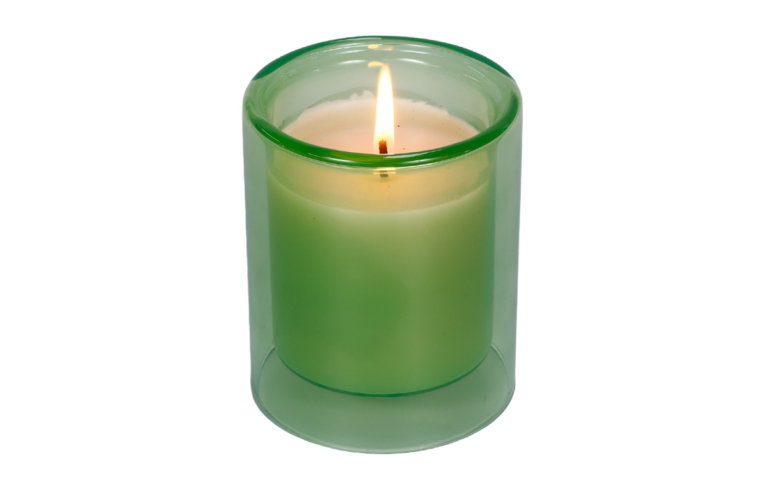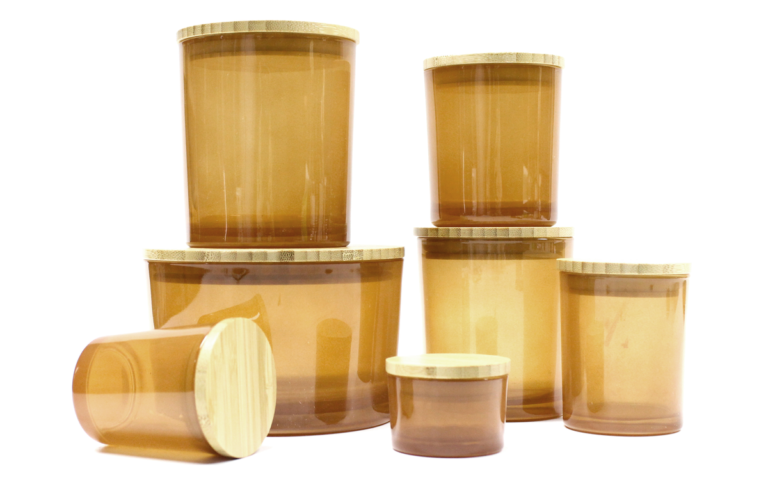

Developing wide-format candles means reviewing the container, wax formulation, wicks, placement and fixing method together. Multi-wick candles introduce more than one burning position, so a successful single-wick configuration cannot simply be assumed to work with additional wicks.
A multi-wick candle uses two or more wicks as part of a developed candle configuration. The intended melt-pool and burning behavior must be assessed with the actual container and formulation. There is no single container diameter, wick count or spacing that establishes suitability for every project. CandleScience's wick guide describes wick selection as dependent on the formulation and container and calls for testing.1
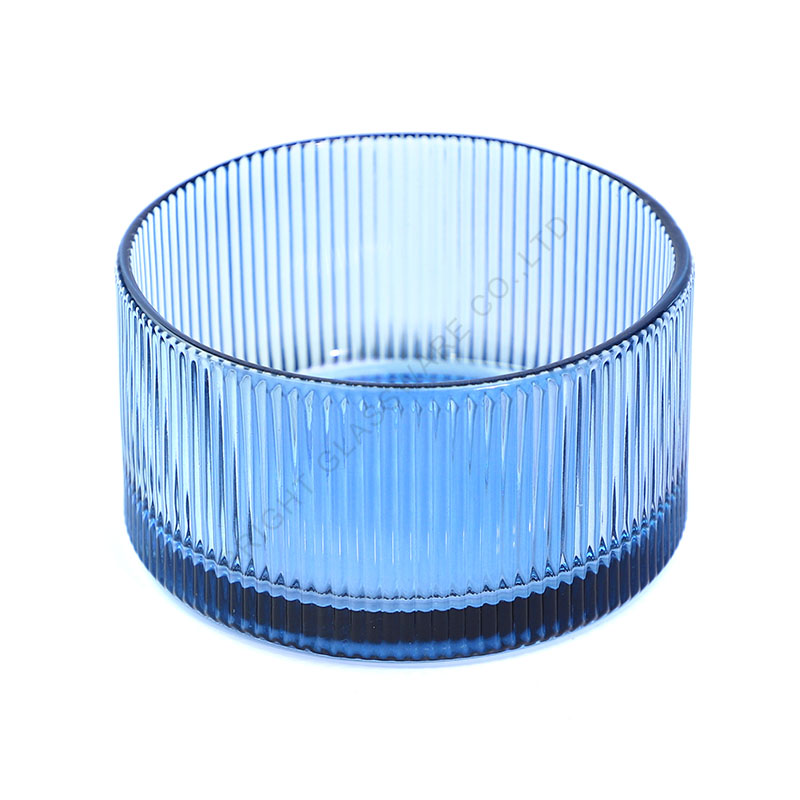
In projects we have encountered or tested, we have seen localized container overheating, changes in wick position and fixing failures. These observations reinforce the need to review the complete configuration and investigate causes using the relevant parts, records and test conditions.
This guide focuses on the container information, development decisions and verification that a brand and its suppliers need to coordinate. Browse our glass candle jar collection as a starting point for discussing vessel options, then confirm the intended candle configuration on the selected sample.
How Do You Choose the Right Container for Multi-wick Candles?
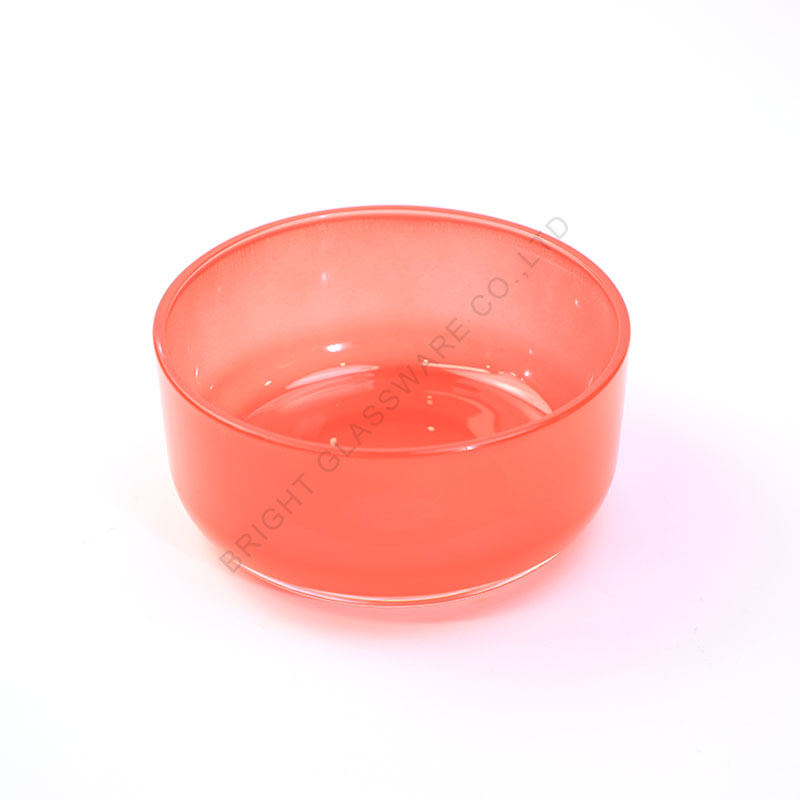
Start with the vessel's usable internal space and profile. External diameter alone does not describe where wicks can be located, how the inner base is formed or how the walls change along the height of the candle.
Review the internal dimensions, base contour, wall profile and relevant container-quality information for the exact vessel. These are inputs to development; they do not establish an approved wick layout by themselves.
Dive Deeper: Why Internal Geometry is Crucial
We provide relevant container information and participate with customers in the discussion and confirmation of multi-wick projects. Agree which measurements, drawings or physical samples are needed for the selected vessel rather than assuming a product photograph supplies those details.
Key areas to review include:
- Usable internal space: Confirm the dimensions relevant to the proposed layout and the levels at which they are measured. A maximum external diameter is not an internal-mouth or wick-positioning measurement.
- Inner base and transition: Review the shape where the proposed wick tabs would sit and the transition toward the sidewall. Discuss how the tab and fixing system will contact the actual surface.
- Wall profile: A vessel may taper or curve. Consider the internal profile over the intended fill and use range, then evaluate the complete candle rather than relying on its outline at one height.
A useful sample brief can organize these questions without inventing dimensions:
| Review area | Information to request | Development decision |
|---|---|---|
| Internal space | Relevant internal dimensions and their measurement locations | Which candidate layouts can be evaluated |
| Inner base | Contour, transitions and proposed tab-contact areas | How to assess the fixing arrangement |
| Wall profile | Drawing, section information or actual sample | How the geometry relates to the intended configuration |
| Container quality | Applicable specification and available supporting information | Which container checks and finished-product checks are needed |
For candle jar sizing, keep the exact vessel reference with the sample. Do not substitute a visually similar jar and assume the same dimensions or test results apply.
Container and finished-candle requirements need separate consideration. CPSC's business guidance lists glass-container standards separately from candle fire-safety standards.2 For example, ASTM F2179-26 has a stated scope for applicable annealed candle glass containers3; citing that standard does not demonstrate that a particular jar or a complete multi-wick candle has passed testing.
What Is the Correct Wick Placement for Multi-wick Candles?
Develop the placement with the actual container, wax-and-fragrance formulation, wick type, number of wicks and intended fill. A generic layout found online can be a discussion reference, but it does not confirm the performance of your product.
Assess the proposed wick positions relative to each other and to the internal wall, together with the intended burning behavior and endpoint. The development goal should not be described as consuming every last bit of wax.
Dive Deeper: A Systemic Approach to Wick Spacing
Record a candidate configuration clearly enough that it can be reproduced and assessed. If wick positions, flame behavior, soot or remaining wax differ from expectations, review the complete configuration and the conditions under which the observation occurred before selecting a change.
Useful development steps include:
- Define a candidate layout: Use the actual vessel information and the chosen components to propose positions for evaluation. Record the reference points used for the layout.
- Document the relationships: Record wick-to-wall and wick-to-wick positions, along with the base locations and the fixing arrangement. A drawing can support repeatable assembly, while testing assesses the resulting candle.
- Keep the version identifiable: Record the wax formulation, fragrance, wick specification, number and positions, intended fill and relevant assembly conditions. Changes should be traceable to the sample being evaluated.
- Evaluate the complete result: Observe the melt pool, flame behavior, soot, container condition and wick positions across the defined test stages. Use the acceptance criteria of the applicable assessment method rather than a universal melt-pool depth or a fixed time to merge.
If a sample shows unexpected overheating, movement or abnormal burning, investigate it before proceeding with that configuration. Simply adding a wick or increasing wick size in response to one photograph is not an adequate basis for approval.
Why is Wick Fixation So Important for Candle Safety?
The initial wick positions need to remain controlled through the intended use of the candle. A wick assembly that moves or leans can change the relationship between the flame, the other wicks and the container.
The British Candlemakers Federation and Cornwall Trading Standards guidance discusses secure fixing and the risk of wicks moving toward one another after fixing failure.4 This supports treating fixation as a development issue; it does not identify the cause of a particular failure or establish a universal spacing rule.
Dive Deeper: The Science of Keeping Wicks in Place
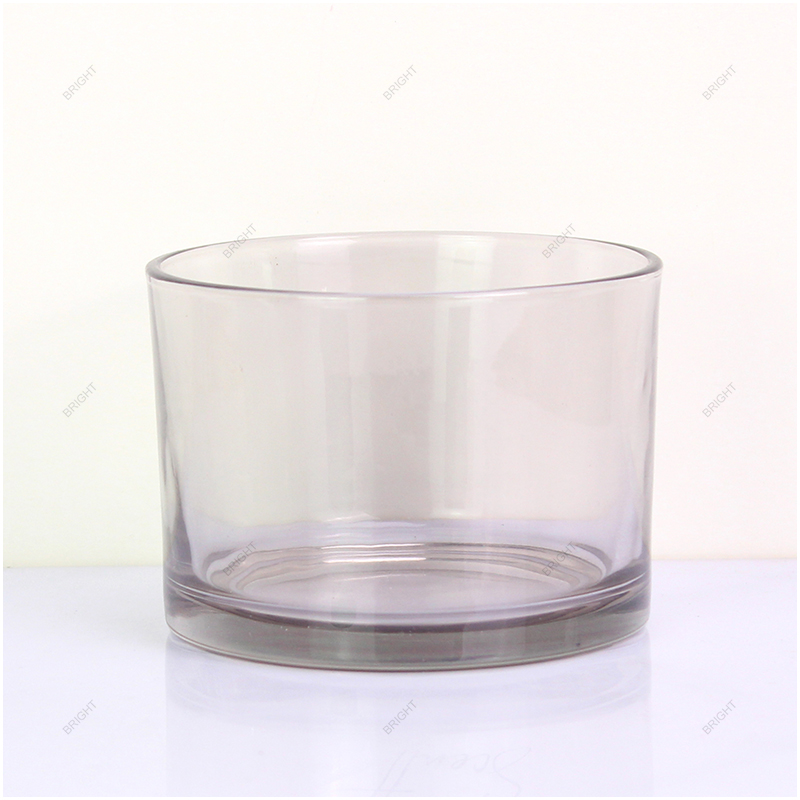
Review the fixing system as an assembly: the adhesive or other fixing material, the tab, the contact area and the actual inner-base condition. Its performance needs assessment with the intended candle formulation and use conditions.
- Fixing material: Request relevant suitability information from its supplier and confirm how it is to be applied and assessed. A general product name such as wick sticker does not establish performance in every fragranced wax system.
- Wick tab: Identify the tab used in the sample, its contact geometry and its role in the intended assembly. A wider tab or a particular neck height should not be treated as an automatic guarantee of bond strength or endpoint performance.
- Container contact surface: Review the actual surface condition at the intended locations and agree any relevant preparation and acceptance requirements. An empty-jar photograph cannot establish cleanliness, adhesion or a measured base profile.
If a tab loosens or a wick changes position, investigate the fixing material, tab, contact conditions and observed burning stage together. Do not attribute the failure to base thickness or a visible surface mark alone.
Keep any post-test adhesion assessment separate from the burn observations and define it with the relevant specialists. Avoid improvising a push-or-pull check on a sample and treating that result as a complete fixation qualification.
How Should You Properly Test Multi-wick Candles?
Assess the finished candle across its intended use, including the later stages and the defined endpoint. An even-looking initial melt pool is one observation; it does not establish the behavior of the whole candle.
CandleScience's burn-testing guidance emphasizes evaluation from the first through the last intended burns and explains that later cycles can differ as the wax level falls.5 Use guidance and standards appropriate to your product to establish a documented assessment plan with the people responsible for executing and reviewing it.
Dive Deeper: Establishing a Professional Burn Test Protocol
Define the configuration, method, acceptance criteria and review responsibilities before testing. The plan should address personnel and property safeguards as well as the observations needed for the product decision.
For projects using the ASTM framework, F2417-26 describes candle fire-safety requirements and controlled-condition assessment within its stated scope.6 Its public catalog is not the full test method. A basic supplier tutorial is also not a substitute for identifying the assessment requirements that apply to your project.
A documented plan should address:
- Burn and cooling stages: Use the sequence and endpoint defined by the selected method. Do not assume one supplier's introductory cycle is a universal industry protocol, and do not translate full-life testing into burning a container completely dry.
- Configuration records: Identify the vessel, finish, formulation, wick specifications, positions, fixing system and intended fill so the tested version can be reproduced.
- Observations: Record flame behavior, melt-pool development, soot, wick position, tab condition, container condition and the temperature information required by the chosen method. State how and when observations are collected.
- Temperature measurement: Agree equipment, locations and a method suitable for the surface being measured. FLIR's measurement documentation explains that infrared measurements depend on parameters including emissivity and reflected temperature.7 A single unqualified surface reading is not a measure of a jar's thermal-shock resistance or a finished candle's overall safety.
- Later-stage review: Check for changes as the candle progresses toward its specified endpoint, including movement, abnormal flame behavior or changes in the container. The first burn and the later stages should both be represented in the assessment.
Retain the approved configuration and the supporting results as the production reference. If the container, decoration, formulation, wick, positions or fixing arrangement changes, evaluate the effect and agree what needs to be repeated. A retained sample supports version control; it does not guarantee every later batch without further controls.
We participate in project and test confirmation with customers. Agree who supplies the container information, develops the formulation and wick configuration, performs the assessments, reviews the results and authorizes changes. This keeps the brand, filler and packaging supplier working from the same version.
Frequently Asked Questions
Can I put three wicks in any wide candle jar?
No. A wide exterior is not enough to select a wick count. Review usable internal space, vessel profile, the proposed components and the intended fill, then assess the complete candle. Our multi-wick container collection can support an initial discussion of options; a listing or photograph does not approve a particular candle configuration.
What happens if wicks are too close together in a candle?
Wick positions affect how the burning regions interact, so an unsuitable configuration can produce unwanted flame, soot or heating behavior. The outcome depends on the actual components and conditions. Do not apply a fixed spacing threshold or assume that every close arrangement produces the same failure. Investigate observed behavior through the defined development and assessment process.
How far should wicks be from the edge of the glass?
Confirm the proposed positions for the actual vessel, formulation and wick configuration. Assess the relationships to the internal wall and other wicks, including whether positions remain controlled through the intended use. There is no distance in this guide that certifies a candle, and infrared measurement alone cannot establish the answer.
Is a thicker glass jar automatically safer for multi-wick candles?
No. Thickness is one aspect of a container's structure, not an approval of a finished candle. Review the relevant container specification, condition and quality information alongside the actual multi-wick configuration and its assessment. Do not use a thick base, a material name or an appearance claim as a substitute for that work.
Conclusion
Develop multi-wick candles around a defined combination of vessel, formulation, wicks, positions and fixing method. Use actual container information to plan the configuration, then assess its behavior through the intended use and endpoint.
Before production, agree the version, acceptance criteria, evidence and responsibilities. Keep the container-quality information separate from the finished-candle results, with both linked to the sample being approved.
Contact Bright Glassware with your proposed vessel, intended fill, wick direction and project requirements to discuss container options and the information needed for development. Related customization options should be considered as part of the final configuration.
CandleScience, “Wick Guide.” Supplier selection guidance and testing reminders; not a universal diameter, wick-count or spacing rule. ↩
U.S. Consumer Product Safety Commission, “Candles Business Guidance.” Lists separate industry consensus standards for candle containers and finished candles. ↩
ASTM F2179-26, public scope and abstract. Applies within its stated glass-container scope; no supplier conformity or complete-candle approval is inferred. ↩
British Candlemakers Federation and Cornwall Trading Standards, “Candles Advice Pack,” January 2024, multi-wick discussion. Used for qualitative fixing and migration risks, not numeric limits or current worldwide legal advice. ↩
CandleScience, “How To Conduct a Basic Burn Test.” General finished-candle development guidance, not a certification or a universal production test protocol. ↩
ASTM F2417-26, public scope. Controlled-condition candle assessment has a defined scope; consult the applicable complete method when planning a project assessment; no supplier test result is implied. ↩
FLIR, “Measuring Temperatures.” Instrument guidance on infrared measurement parameters; not a candle safety threshold. ↩
Keep Reading