
Choosing the right material for seasonal products can feel like a high-stakes decision. For Halloween candle vessels, the pressure is on to deliver a product that is both visually striking and fundamentally safe for your customers. A poor material choice can lead to failed burn tests, compromised brand aesthetics, and a missed opportunity in a competitive market. The solution is to move beyond simple questions like "which is more heat-resistant?" and instead evaluate materials based on your specific design intent and required safety validations.
Choose glass pumpkin candle jars when transmitted light and color are central to the design. Compare ceramic candle vessels when shape, texture and gift presentation matter more. Borosilicate glass and concrete are additional options to evaluate for a specific concept. In every case, assess the final container, decoration, wax, fragrance and wick combination; a material name alone does not establish candle safety.
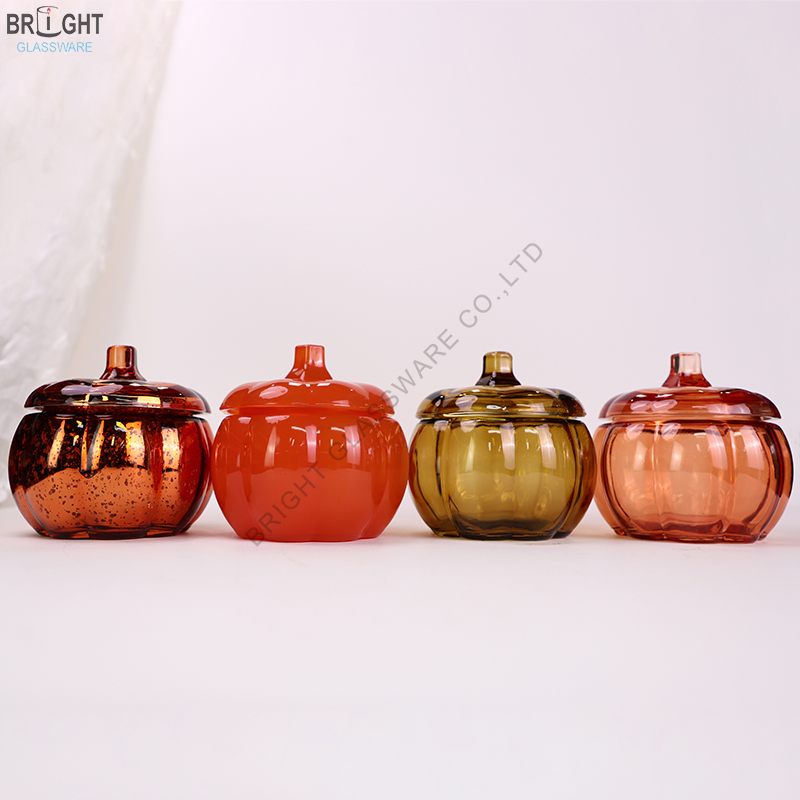
Choosing between glass, ceramic, or other options is the first step in development. Start with the intended retail experience, then compare the sample and verification work each route requires.
| Material | Why choose it? | Check before bulk |
|---|---|---|
| Soda-lime glass | Color and light-through effects | Glass type, inner shape, finish and final candle tests |
| Ceramic | Shape, texture and gift display | Body, glaze, leaks, lid fit and final candle tests |
| Borosilicate glass | Low thermal expansion for a defined design | Glass type, build quality and final candle tests |
| Cement or concrete | A raw, textured look | Pores, seal, wax blend and final candle tests |
How do glass and ceramic compare for Halloween candle vessels?
You've sketched out the perfect pumpkin-shaped candle, but now you're stuck. Should it be made of shimmering glass or tactile ceramic? This decision affects everything from the candle's glow when lit to its perceived value on a retail shelf. Making the wrong call can mean your design doesn't translate into the experience you envisioned for your customer.
For Halloween-themed designs, glass is ideal for creating atmosphere through light and color, especially when the candle is lit. Ceramic, on the other hand, excels in delivering complex shapes, surface textures, and a substantial, high-end feel that works well even as an unlit decorative object.
The Visual Appeal of Glass Pumpkin Jars
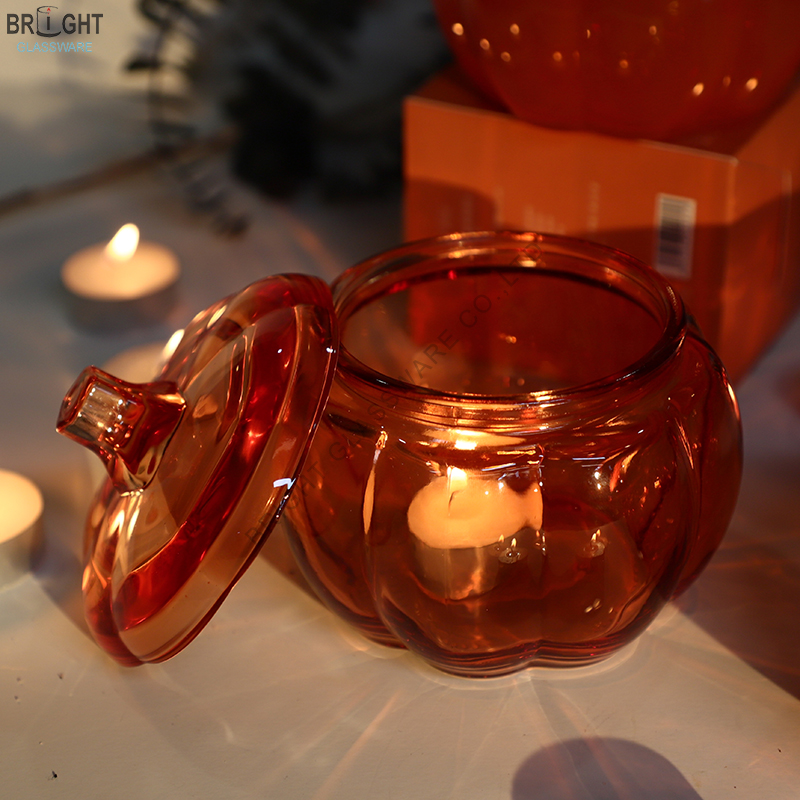
Our glass pumpkin jar is made from soda-lime glass and can be used for direct wax filling. This product-use confirmation does not replace assessment of the final wax, fragrance, wick layout and finish. For a light-focused collection, compare the unlit color with the intended illuminated appearance.
Options to compare at the sampling stage include:
- Transparent colored appearances: Warm orange, amber or other tones can change the light-through effect. Ask whether the color comes from the glass body or a surface treatment.
- Translucent or frosted finishes: Compare the degree of light diffusion on a physical sample.
- Opaque finishes with selected light-through motifs: Specify the decoration route and pattern. A coating-removal motif differs from an opening cut through the glass.
My recommendation is to approve both the unlit appearance and the intended illuminated effect. Keep the configuration consistent: a tea light inside a holder and wax poured directly into the jar are different products to assess. Check color, light transmission and any logo or pattern on the actual sample rather than relying only on a daytime photograph.
The Tactile Allure of Ceramic Vessels
Where ceramic truly shines is in its form and feel. If your concept is more about a sculptural object or a piece of seasonal home decor, ceramic offers design possibilities that glass cannot easily replicate. Think of a ceramic pumpkin vessel where the ridges, stem, and surface texture are the main attractions.
Our white ceramic pumpkin combines a textured body with a gold-tone stem handle. A brand could consider this appearance for an autumn gift collection as well as Halloween. That is a design option to assess against the brand and retail plan, rather than a guarantee of longer sales or shelf life.
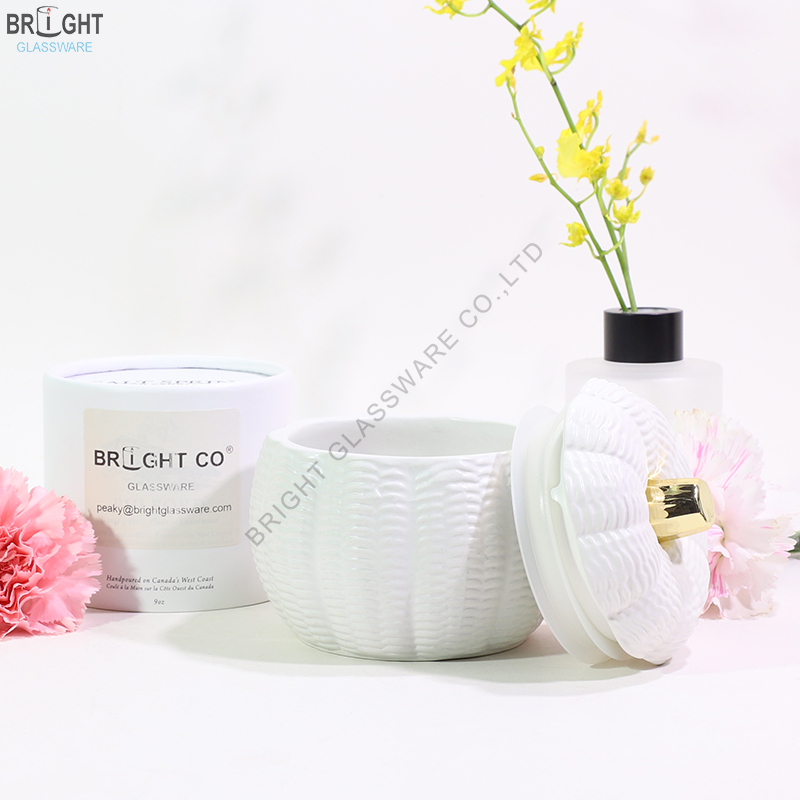
When reviewing ceramic samples, I recommend checking:
- Interior surface: Confirm the body and glaze specifications and assess wax or fragrance migration with the intended formulation. A visually continuous glaze alone does not prove compatibility.
- Surface and rim: Check pinholes, cracks and rim consistency against agreed acceptance criteria.
- Lid fit: Check how the lid sits and whether it rocks or interferes with handling.
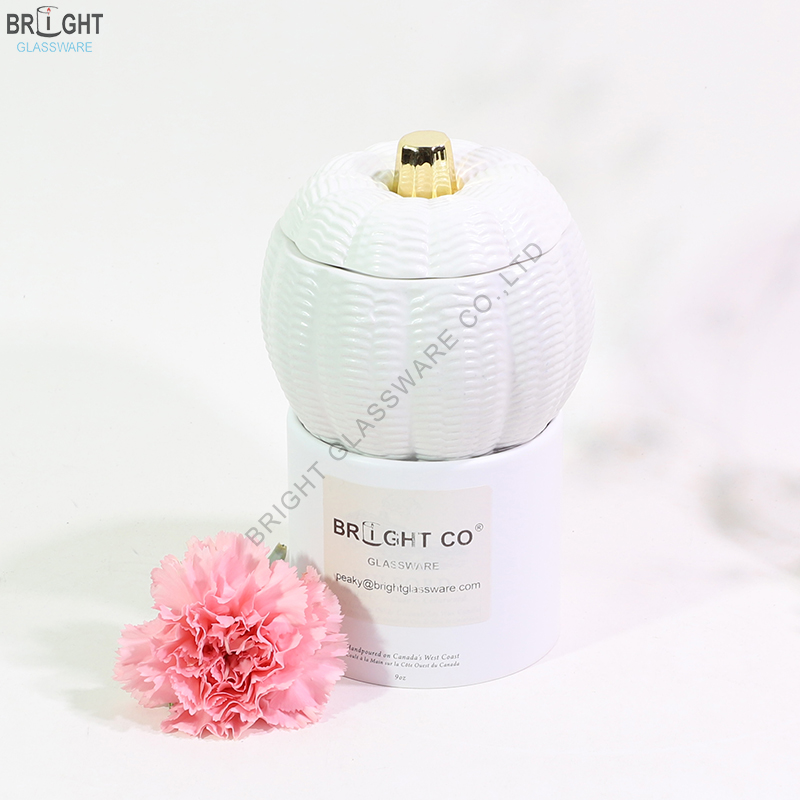
Firing conditions affect ceramic properties, but a kiln temperature alone does not establish suitability for a candle. A study of ceramic tile bodies1 concerns its specific tested materials, not qualification of this pumpkin jar. Assess the finished body, glaze and candle formulation.
Are borosilicate glass or cement inherently safer Halloween candle vessels?
In the search for safer materials, you've likely heard terms like "explosion-proof" borosilicate glass or durable cement. It's tempting to see these as shortcuts to a safer product, assuming they are fundamentally superior. This assumption, however, can be both misleading and unnecessarily expensive if not properly understood.
No material should be treated as a shortcut around finished-product assessment. Borosilicate glass has low thermal expansion2, but the suitability of a particular candle container also depends on its design and manufacturing quality. For porous cement or concrete, evaluate the body and any sealing system together with the candle formulation.
A Closer Look at Borosilicate Glass
Low thermal expansion can help borosilicate glass tolerate temperature changes. It does not make the material unbreakable or qualify a finished candle by itself. DWK's laboratory-glass guidance3 also explains why glass quality and heating conditions matter. Laboratory guidance is background information, not a candle burn-test report.
Avoid relying on an "explosion-proof" product label. For any glass Halloween candle vessel, request information on:
- Wall and base design: Dimensions, thickness distribution and the intended candle configuration. Greater thickness alone is not a safety rating.
- Manufacturing quality: Inspection criteria for relevant defects and consistency.
- Annealing and thermal-shock checks: Applicable methods, results and records for the supplied container.
A poorly designed or manufactured borosilicate vessel can still fail. As a buyer, you cannot distinguish borosilicate from soda-lime glass by sight alone. Therefore, my advice is to request material specification sheets and quality control documentation from your supplier to verify the material. Do not rely solely on a product name.
Key Considerations for Cement and Concrete
Cement and concrete can support a raw, textured design direction. For a porous formulation, however, the body and its barrier or sealing system need to be evaluated together.
Check the finished sample for wax or oil migration, staining, leakage and changes in the surface layer under the agreed use conditions. Do not assume a coating described as waterproof is suitable for contact with hot wax or a particular fragrance blend.
A candle-sealer manufacturer recommends testing with the intended candle composition4 before commercial production. This is an application-specific check; it does not establish that every sealant works with every container. Agree a compatible vessel, surface treatment and finished-candle assessment with the relevant suppliers.
How do vessel shape and decoration impact the safety of Halloween candle vessels?
You've finally selected a material for your pumpkin-shaped jar. But the unique geometry and festive decorations introduce new variables that are easy to overlook. Ignoring how a vessel's internal shape and surface coatings perform with heat can lead to serious performance issues and safety hazards down the line.
Internal geometry, decoration materials and intended use all belong in the assessment of Halloween candle vessels. A pumpkin-shaped container needs a wick layout checked on the actual internal cavity, while coatings, lids and accessories need evaluation in the specified finished configuration.
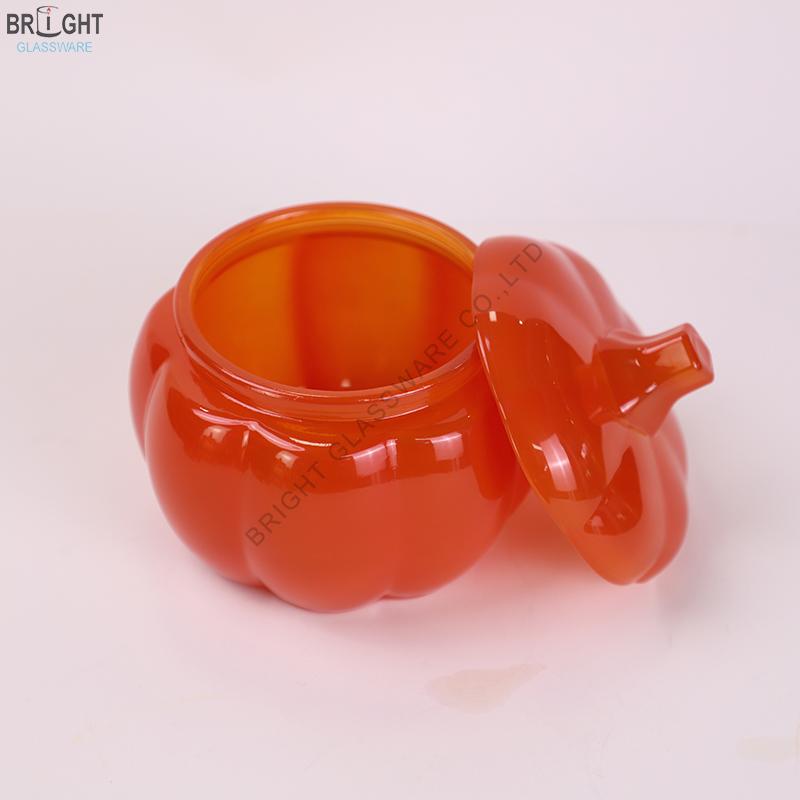
Why Internal Geometry is Critical
A common mistake is to base wicking decisions on the widest external diameter of a pumpkin vessel. The reality is that the internal shape is what matters.
Consider these factors:
- Internal dimensions at different heights: Check the opening, shoulder, proposed fill line and lower cavity. Assess wick number and position on a finished sample instead of extrapolating from the maximum outside width. A recessed flame position or restricted opening needs evaluation for the particular design.
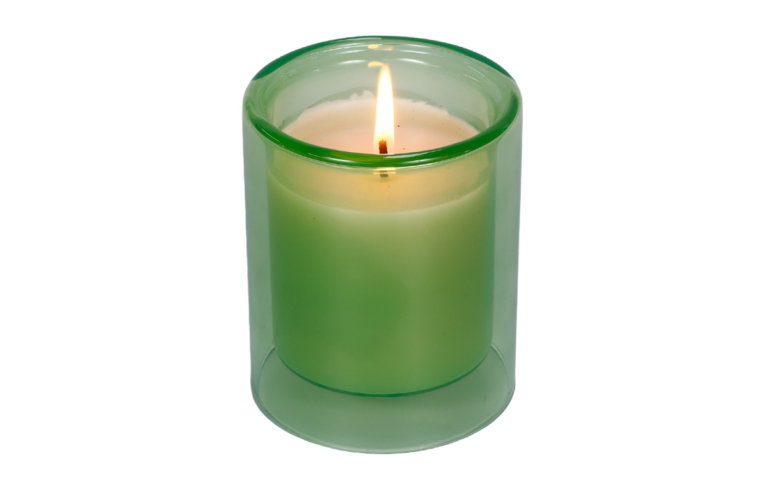
- Direct fill versus an insert: A small candle in a separate metal cup is a different configuration from a full wax pour. The photographed tea-light arrangement illustrates appearance; it does not establish a direct-fill burn-test result.
Before approving a custom shape, agree a burn-testing plan with the candle maker or testing provider. Use the final vessel, finish, wax, fragrance and wick configuration, and assess it through the specified end-of-use point under the agreed protocol. Record flame behavior, sooting and container performance rather than treating one attractive lighting photograph as a pass.
The Safety of Surface Finishes and Lids
Decorative finishes are essential for seasonal appeal, but they must be chosen with safety in mind. A striking metallic orange or matte black finish is first and foremost a design choice, not an indicator of how hot the vessel will get.
Here is what to verify with your supplier:
- Decoration material and location: Identify the finish and whether it is on the interior, exterior, rim or lid. Confirm the relevant contact, adhesion, handling and heat-exposure checks for that configuration.
- Lid function: Confirm whether the lid is for storage and display or is specifically designed and validated for another use. Do not present an unverified decorative lid as a snuffer. Agree handling and removal instructions and assess the stem or other accessories as part of the finished product.
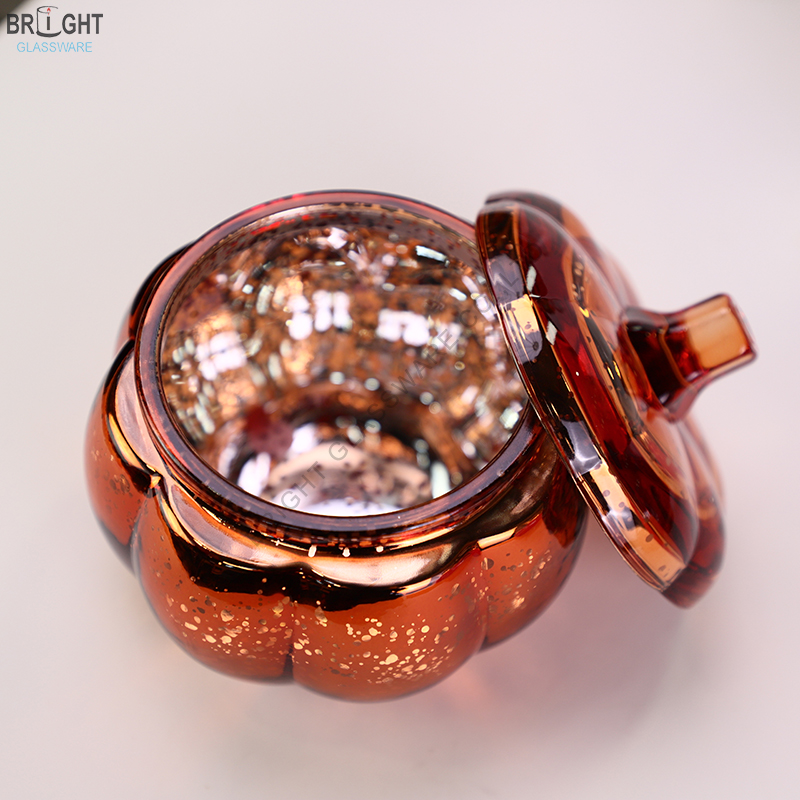
Request written specifications for the selected decoration and intended use. A copper-tone or reflective appearance does not identify the coating chemistry, its position or its performance with heat.
What is the best procurement process for custom Halloween candle vessels?
Seasonal product launches operate on tight deadlines. A disorganized procurement process for your candle vessels can quickly spiral into shipping delays, inconsistent quality, and lost revenue during a critical sales window. To avoid this, you need a structured approach from the very beginning5.
The best procurement process for custom Halloween candle vessels is built on collaborative testing, clear documentation, and integrated planning that covers the entire package—not just the empty vessel. By aligning with your supplier on testing protocols, sample approval, and final packaging early, you mitigate risk and ensure a smooth launch.
Establishing a Collaborative Testing & QA Protocol
A successful and safe candle is the result of a partnership between the vessel supplier and the candle manufacturer. Responsibility cannot be placed solely on one party.
- Vessel supplier: Agree which material specifications, internal dimensions, surface-treatment details and applicable quality records will be provided.
- Candle maker or testing provider: Agree the finished-candle assessment using the final container, wax, wick and fragrance combination.
- Pre-production agreement: Record the test methods, acceptance criteria, approved sample version and who retains the results. These are matters to settle for the project, rather than assumptions about an existing test report.
Empty-container checks and finished-candle checks answer different questions. Discuss the applicable scope and current edition with the testing provider: ASTM F21796 addresses glass containers intended for filled candles, while ASTM F24177 addresses candle and candle-ensemble fire safety. A holder used with a separate candle needs its own applicable assessment. Referencing a standard here does not claim that the illustrated products have passed it.
Thinking Beyond the Vessel: Total Cost of Ownership
Focusing only on the per-unit price of an empty vessel is a common mistake that can be very costly. For seasonal and shaped items like pumpkins, the "total cost of ownership" is a much more useful metric.
This includes:
- The vessel itself
- The lid and any accessories
- All decorative applications
- Protective inner packaging
- The final retail gift box
For a pumpkin jar with a protruding stem on its lid, review the protective packaging along with the vessel. Request a fully packaged sample and agree the transport checks appropriate to the route and distribution plan. Pay particular attention to movement of the lid, contact between hard surfaces and protection of the handle.
When you define your product as the complete, shelf-ready item, you can compare supplier quotes more accurately. A slightly cheaper vessel from one supplier may become far more expensive if it results in higher damage rates due to inadequate packaging. It is always more effective to compare the total cost to produce a safe, beautiful, and deliverable product.
Frequently Asked Questions
What is the minimum order quantity (MOQ) for custom Halloween candle vessels?
Confirm the MOQ for the selected material, existing or new mold, color, decoration and packaging. Send the intended quantity with the sample requirements so the supplier can quote the specific configuration. Do not assume that an MOQ for one printing process also applies to every glass or ceramic pumpkin jar.
Can I use a regular glass jar from a kitchen store for a candle?
Do not assume that a kitchen jar or decorative vase is suitable for a filled candle. Ask for evidence appropriate to candle-container use, then assess the finished wax, wick, fragrance and container combination. The supplier's business description alone is not a substitute for the relevant product records.
How does wall thickness affect candle vessel safety?
Thickness is one design input, alongside glass composition, thickness distribution, annealing quality, shape and the candle configuration. There is no universal "thicker is safer" rule. Ask for the dimensions of the proposed glass candle jar and assess the finished candle through its specified end-of-use point. A photograph or base-weight comparison cannot establish a safe operating temperature.
Are matte black Halloween candle vessels safe to use?
The black color alone cannot establish suitability. Identify the coating system, its location and the final candle configuration, then agree the relevant checks. An exterior finish is not automatically suitable merely because it is outside the jar; any interior finish also needs assessment for the intended contact and use conditions.
Conclusion
The best material for your Halloween candle vessels is the one that supports the intended appearance and can be qualified in the finished product. Glass can make transmitted light part of the design; ceramic emphasizes form and texture. Borosilicate glass and concrete deserve consideration when they serve a defined concept, rather than as automatic safety upgrades. Approve the material, internal geometry, decoration and complete candle configuration together, and include packaging in the delivery plan.
To discuss a seasonal collection, send your customization requirements, including the preferred shape, material, appearance, intended use, quantity and target delivery window. Ask which samples and supporting documents are available for the proposed configuration before committing to bulk production.
Wisniewska et al. (2021), Influence of Firing Temperature on Phase Composition and Color Properties of Ceramic Tile Bodies. Research on specific tile bodies, not candle-container qualification. ↩
SCHOTT, Borosilicate Glass. General material properties, not identification or certification of the photographed jars. ↩
DWK Life Sciences, Tips for safely heating laboratory glassware. General background on glass quality and heating conditions; laboratory guidance is not a candle test protocol. ↩
ATYPI Studios, FAQs. The manufacturer recommends testing its sealing system with the intended candle composition; this is not an endorsement or a test result for these products. ↩
American Public University, Improving Procurement Strategy in Supply Chain Management. General procurement planning background. ↩
ASTM F2179, Standard Specification for Annealed Glass Containers That Are Produced for Use as Candle Containers. Consult the applicable current edition and scope with the testing provider. ↩
ASTM F2417, Standard Specification for Fire Safety for Candles. Consult the applicable current edition; no product test pass is claimed here. ↩
Keep Reading