BRIGHT GLASSWARE · CHINA · SINCE 2005
Glass Sauce Bottles Wholesale
Select a sauce bottle for the way the product flows, fills and reaches the plate. Bright Glassware supplies glass sauce bottles for condiment brands, private-label packers and importers, with slim, round and square formats in the current range.
We help coordinate the bottle, cap or dispensing insert, label and export case around your actual sauce. Bring the viscosity, particle size and filling method into the brief before choosing decoration or ordering a branded outer pack.
Glass Sauce Bottles Wholesale for Commercial Buyers
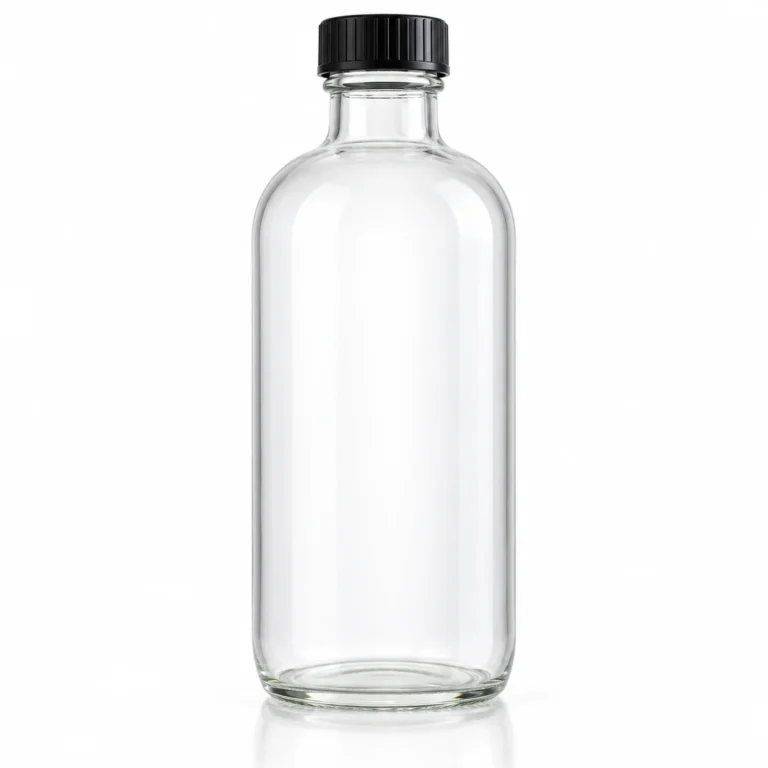
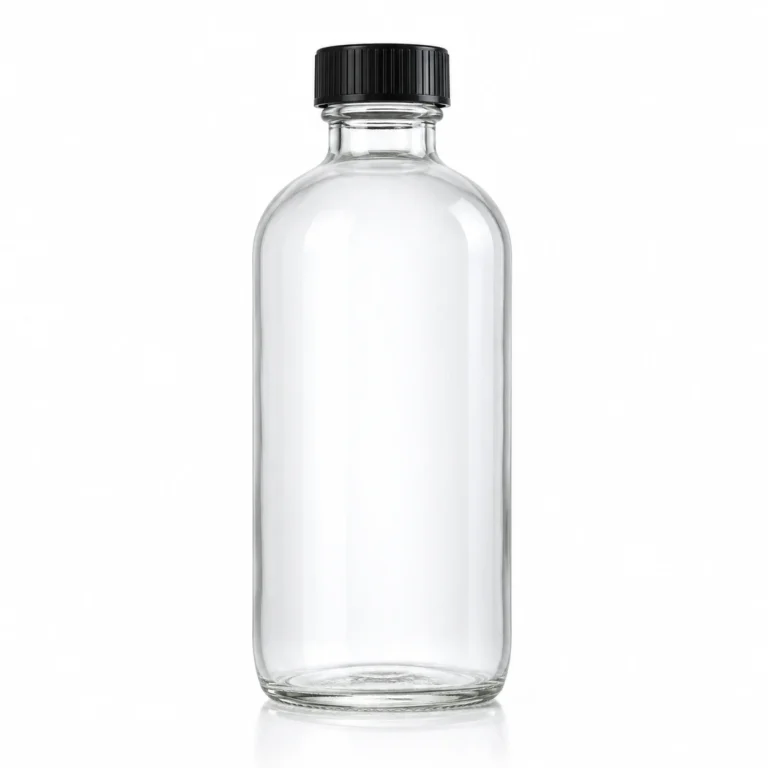
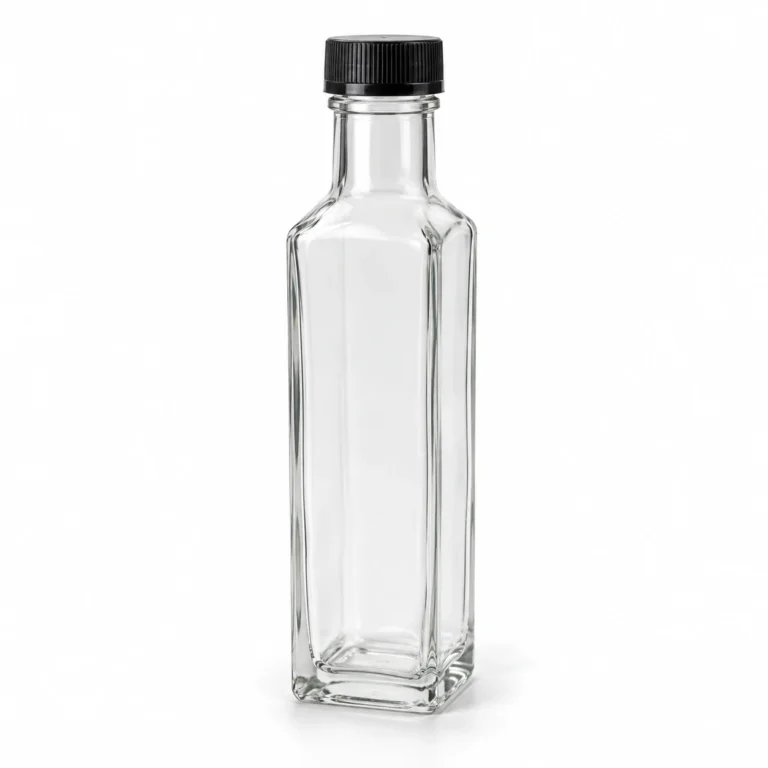
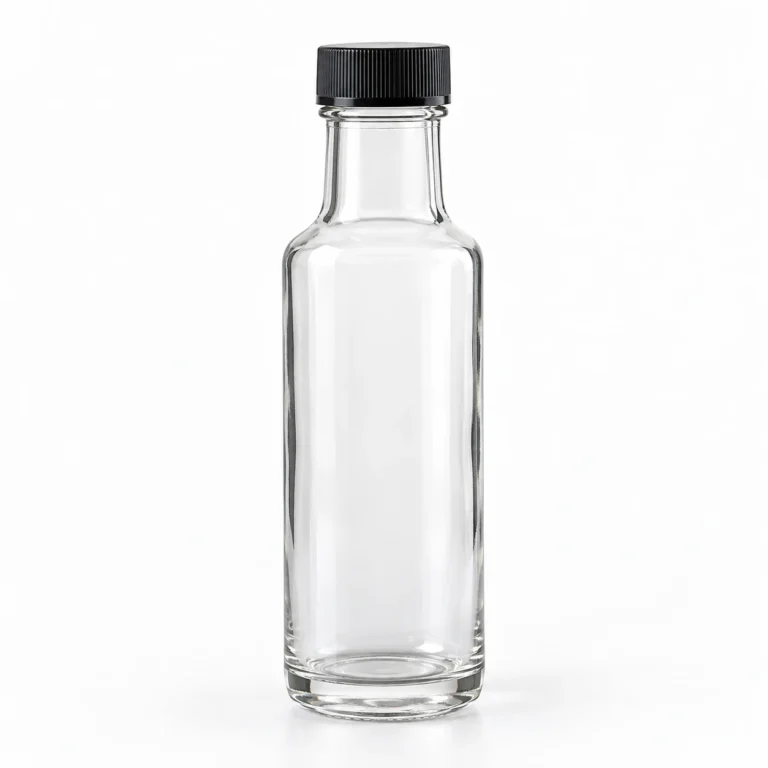
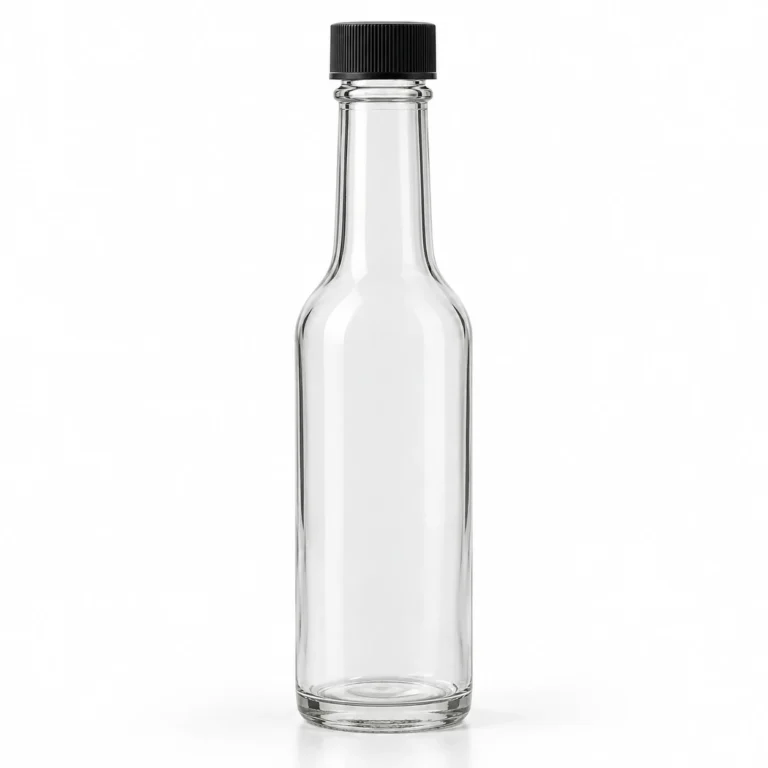
Explore woozy-style hot sauce, round condiment, square sauce and larger marinade formats. The useful comparison is the opening and dispensing route as well as the body shape, especially when the product contains pieces or has a thicker texture.
Still Not Finding What You're Looking For?
Share your preferred format, quantity and branding requirements. Our packaging team can review the options with you.
Wholesale Glass Sauce Bottles For Commercial Buyers & Brand Programs
A narrow bottle may suit a controlled pour but create difficulty for a textured sauce. A wider opening may improve access yet change the serving experience. Sample the proposed bottle and closure using the intended product before deciding which compromise suits the range.
Thin & Pourable Sauces
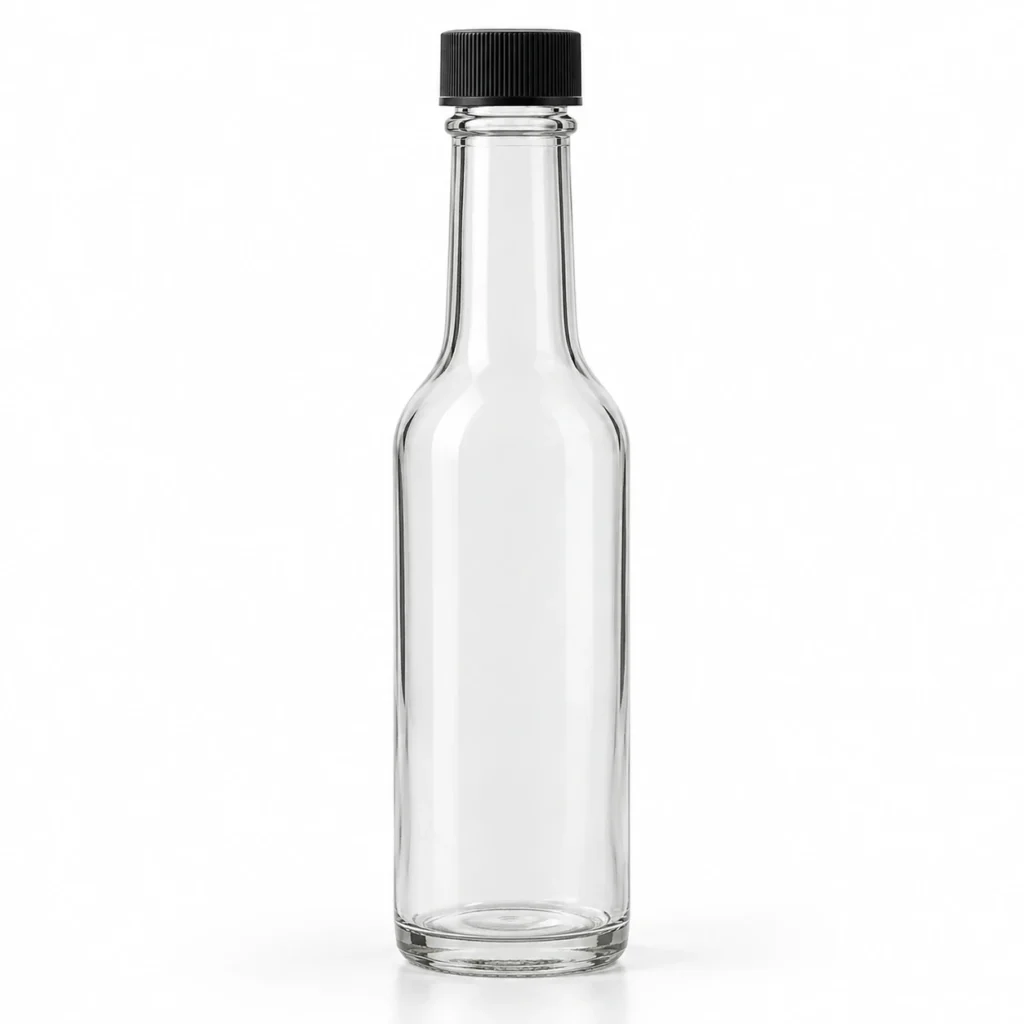
Review whether the neck or a selected reducer gives the intended portion. A controlled opening should be assessed with the actual sauce rather than judged by diameter alone.
Explore Products →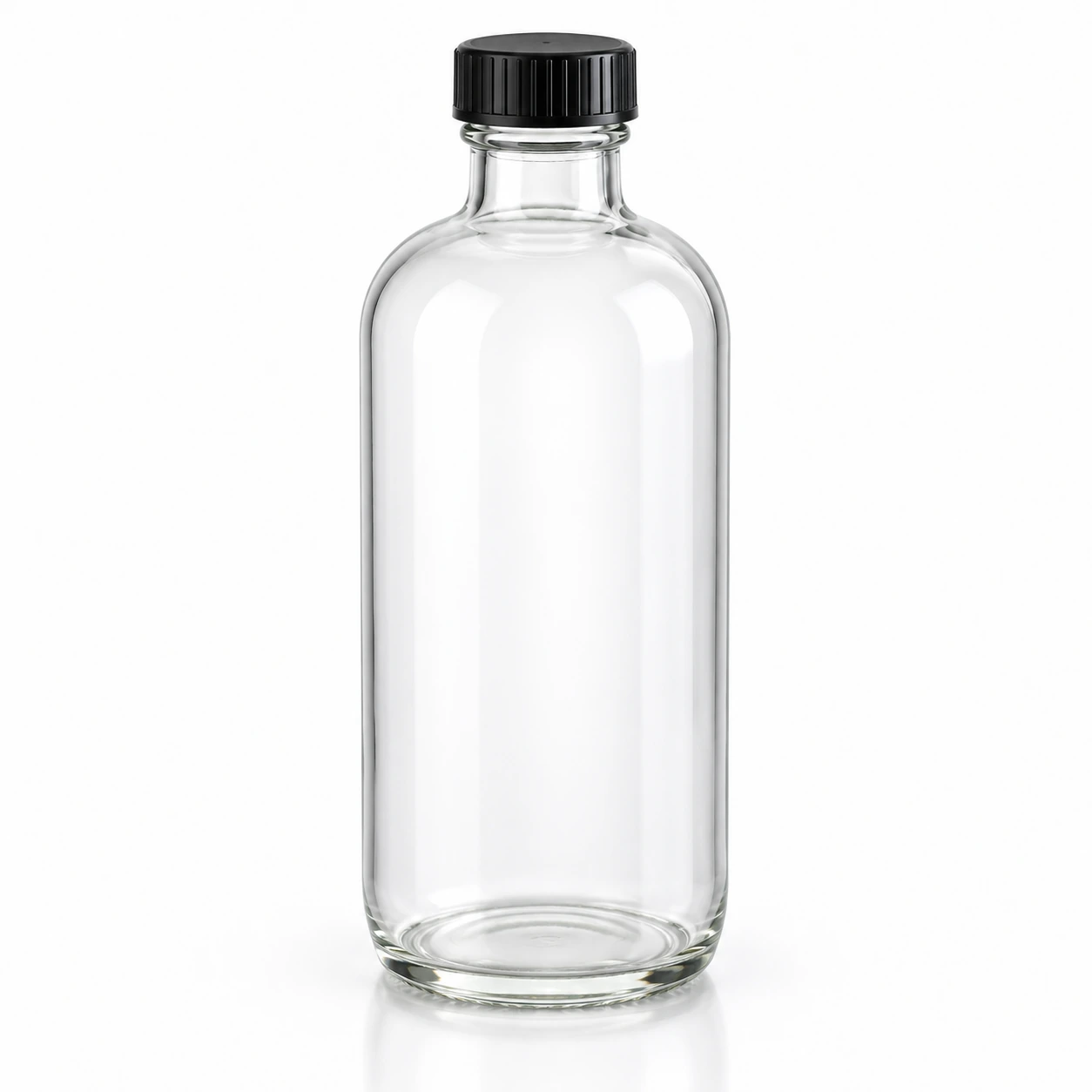
Thick & Textured Recipes
Particles and viscosity can change filling access and pouring. Identify those features early so the shortlist is not limited to a visually appealing but unsuitable narrow opening.
Review Specifications →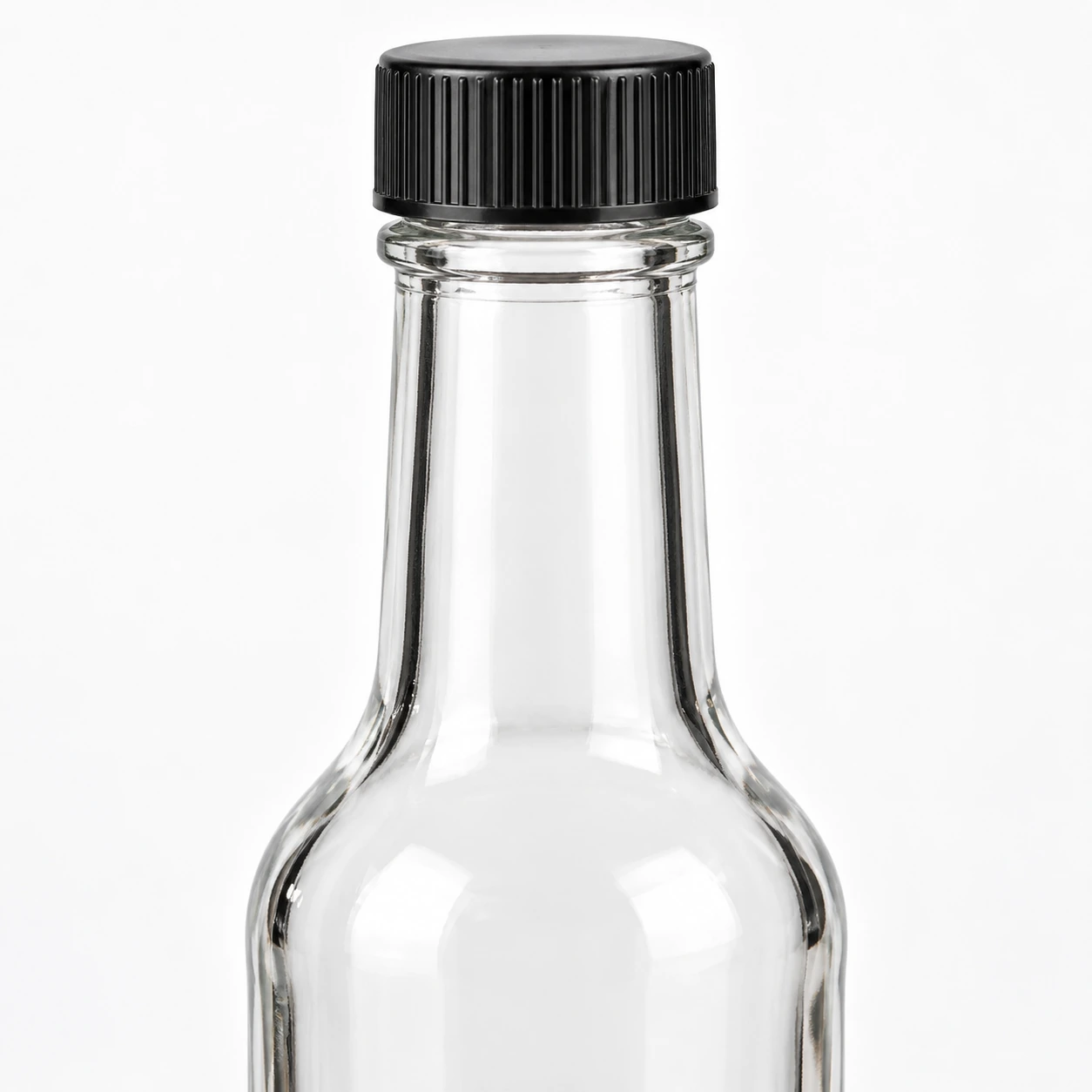
Woozy-Style Formats
A slim outline can offer a recognizable hot-sauce presentation. Confirm usable label height, cap proportion and the selected dispensing configuration on the actual model.
Discuss Your Requirements →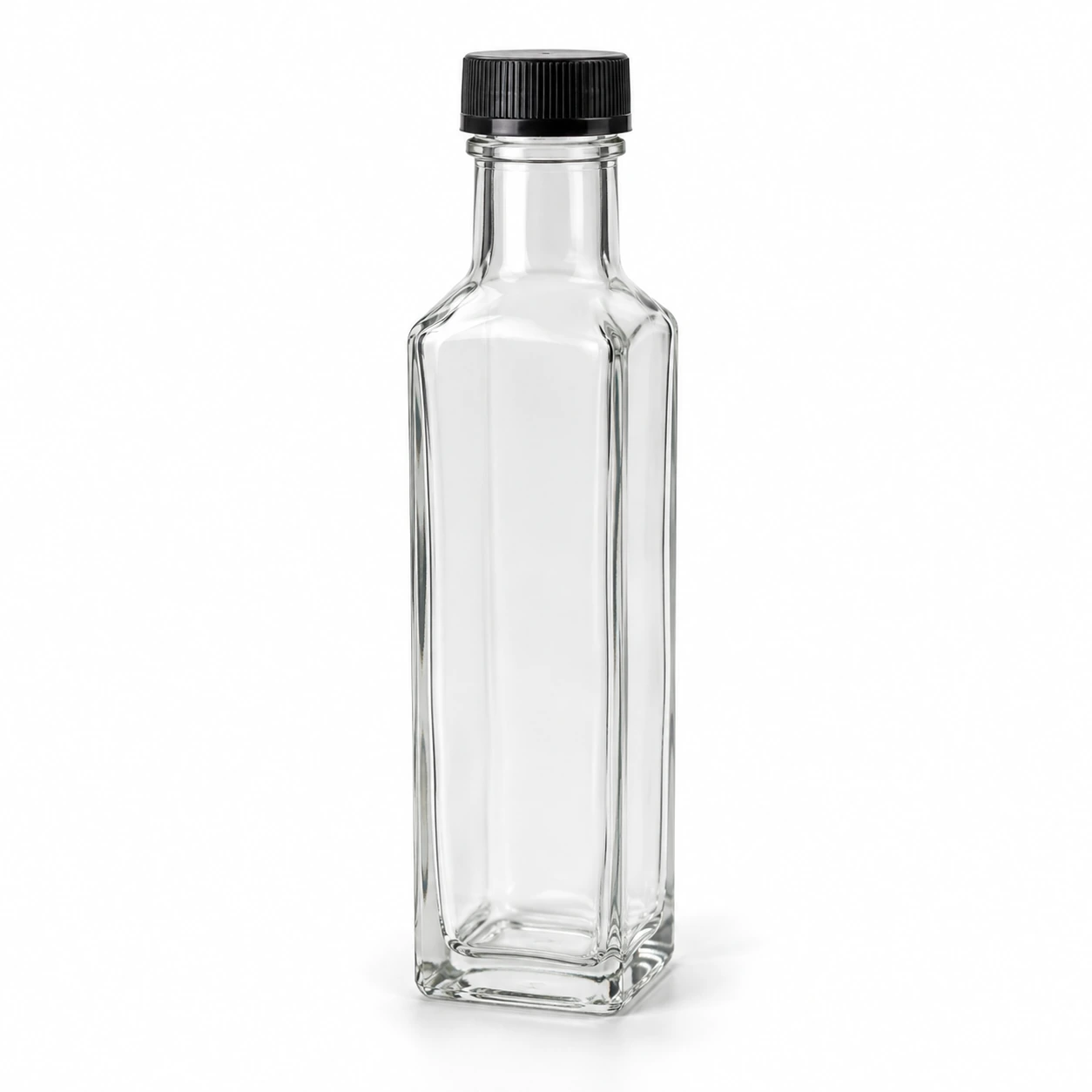
Square Panel Options
Flat panels can give flavor artwork a clear facing, while corners change label and case geometry. Check application areas and packing clearance before adapting a wraparound design.
Review Selection Notes →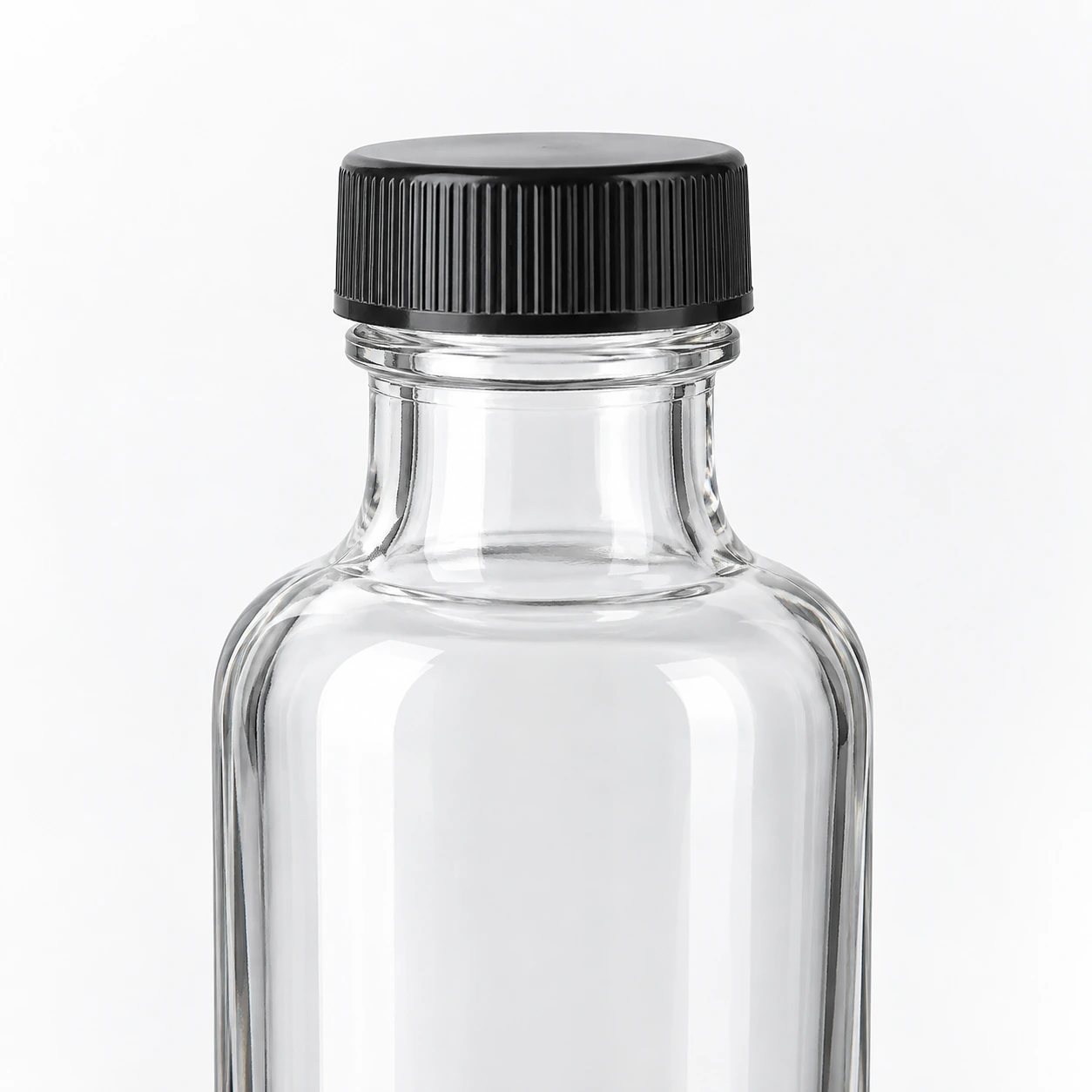
Cap, Liner & Reducer
Specify each component in the proposed assembly. A cap that appears to fit is not enough; the liner and insert must also suit the selected neck, sauce and operating conditions.
Review Packing Options →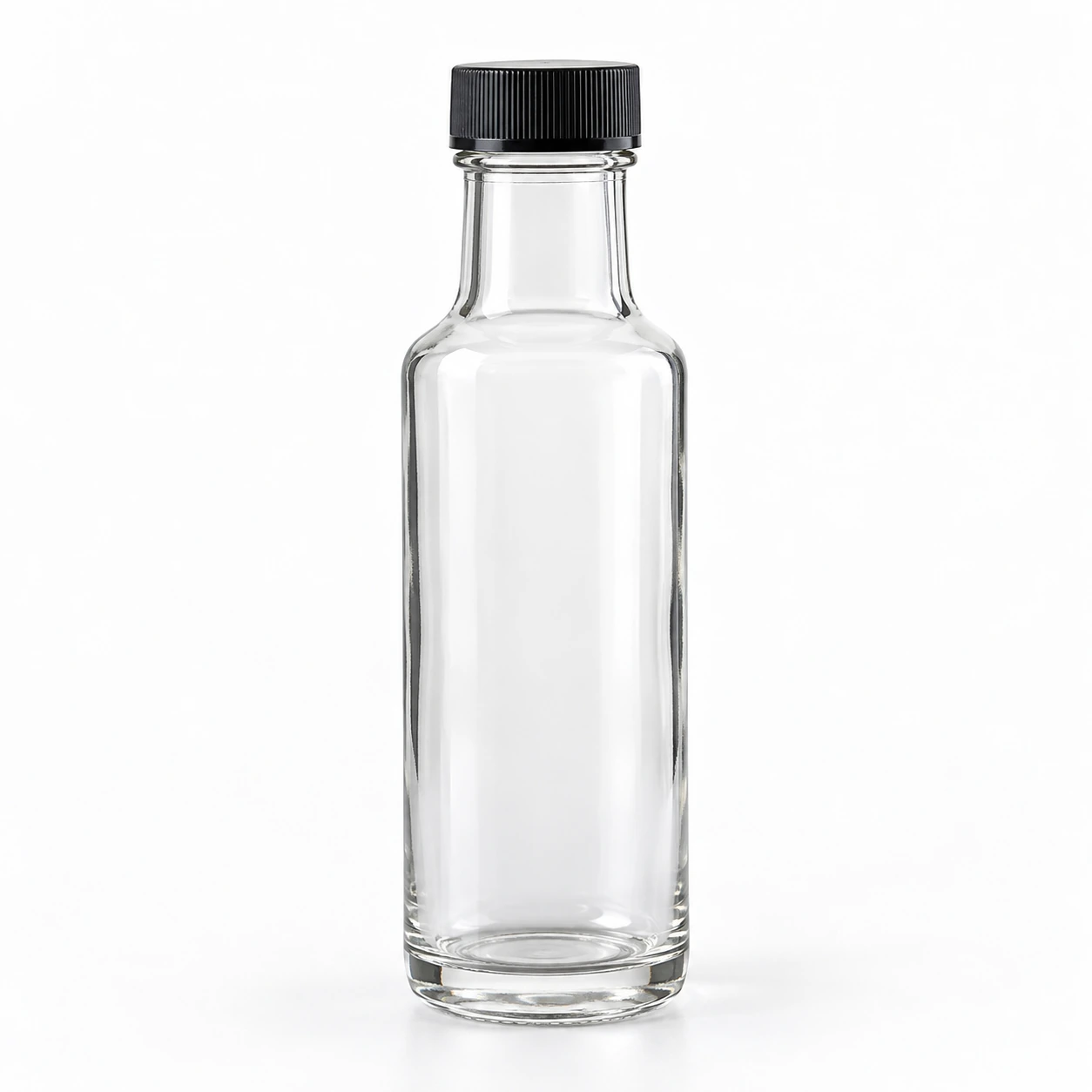
Contact & Decoration
Sauce or oil residue can reach the outside of a bottle during filling and use. Review the label, print and cap finish in those conditions before approving the appearance.
Discuss Your Requirements →Ready to Shortlist Your Options?
Tell us your preferred size, finish and quantity. We can help compare suitable options.
Get a Wholesale Quote →Build a Sauce Dispensing Assembly
Coordinate the opening, cap and any reducer around the sauce and intended serving action. We can organize the selected components and artwork as one project, with a clear sample reference for the packer.
Keep the filling and sealing conditions in that reference. Decoration should follow functional approval, particularly when a recipe’s viscosity or particles could require a different opening or insert.
Discuss Custom Options →Custom Glass Sauce Bottles & Brand Packaging
Bright Glassware is a China-based B2B packaging manufacturer and supplier founded in 2005. Our own color-spraying and logo workshop supports suitable decoration on selected models.
Choose an existing format or discuss a custom mold for a defined need. Approve color, artwork and the complete assembly before production; component changes can also affect the box.
Sample Review & Production Planning
We turn the selected design into an agreed product and packing specification. Review the points below on a representative sample before confirming the order.
- Viscosity and particle size: Agreed specification and sample reference.
- Opening or reducer and intended dose: Agreed specification and sample reference.
- Filling and closure application conditions: Agreed specification and sample reference.
- Label fit on curved or square panels: Agreed specification and sample reference.
RequirementsUse, quantity and destination
SelectionContainer and components
Sample ReviewFit, finish and packing
ProductionApproved specification
Final InspectionOrder and export packing
Specification Review & Approval Checklist
| Specification | What to Review | Approval Reference |
|---|---|---|
| Viscosity and particle size | Evaluate filling and pouring with representative sauce. | Agreed specification and sample reference. |
| Opening or reducer and intended dose | Compare neck or reducer with the intended portion. | Agreed specification and sample reference. |
| Filling and closure application conditions | Record process temperature and cap-application requirements. | Agreed specification and sample reference. |
| Label fit on curved or square panels | Apply artwork to the actual usable panel. | Agreed specification and sample reference. |
| Liner and external-decoration contact with sauce | Review liner contact and possible external sauce exposure. | Agreed specification and sample reference. |
Plan Your Glass Sauce Bottles Project
Send a product reference, estimated quantity, artwork and delivery destination so we can review a practical quotation.
Request a Project Quote →Protective Packing & Shipping for Glass Sauce Bottles
Plan packing from the selected assembly, dimensions, weight and surface. Confirm component protection, case quantity and route instead of copying another model’s carton.
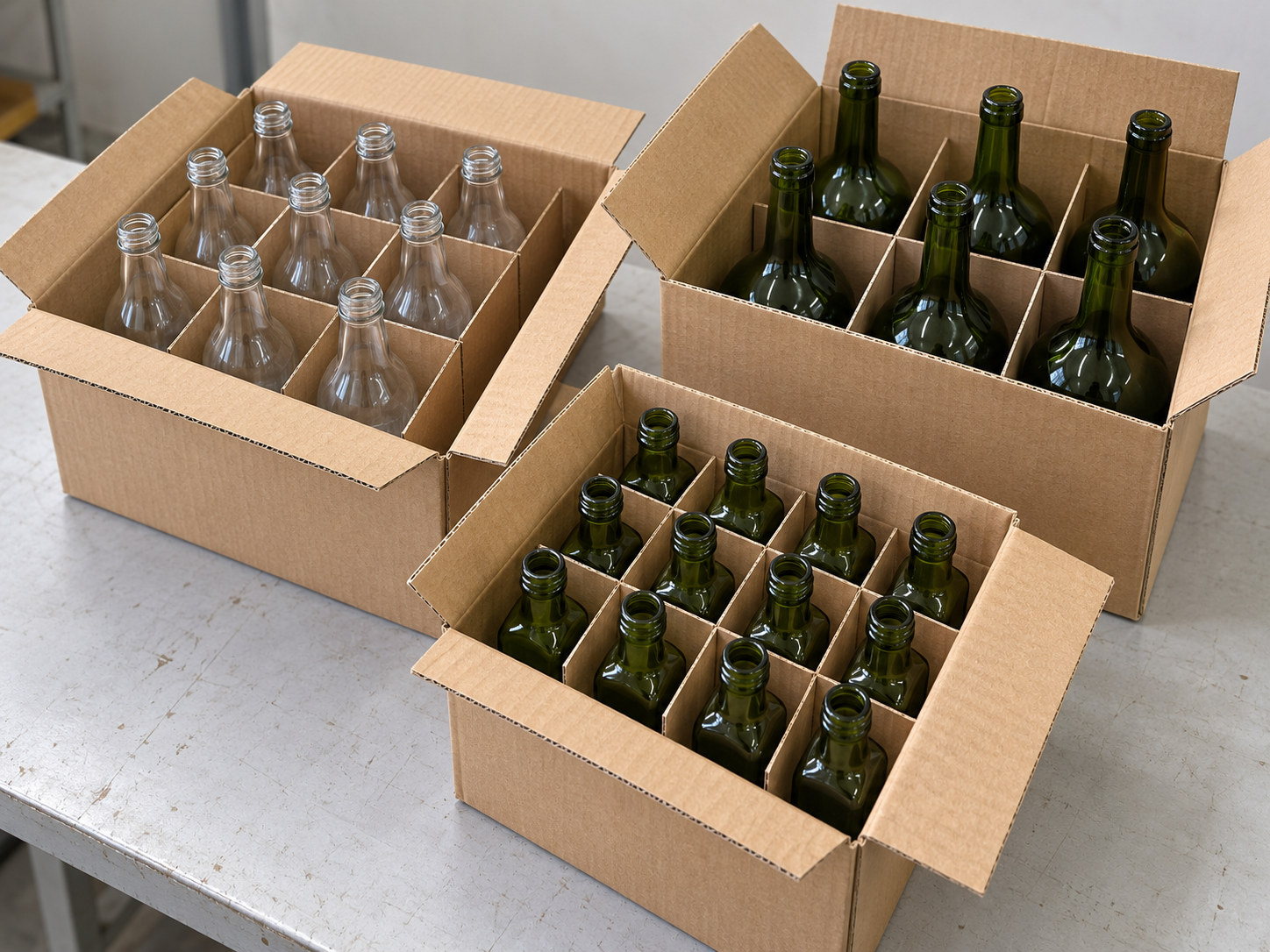
Protected Shoulders & Bodies
Use partitions sized to the selected slim, round or square bottle. Prevent corners and necks from contacting adjacent glass or the carton top.
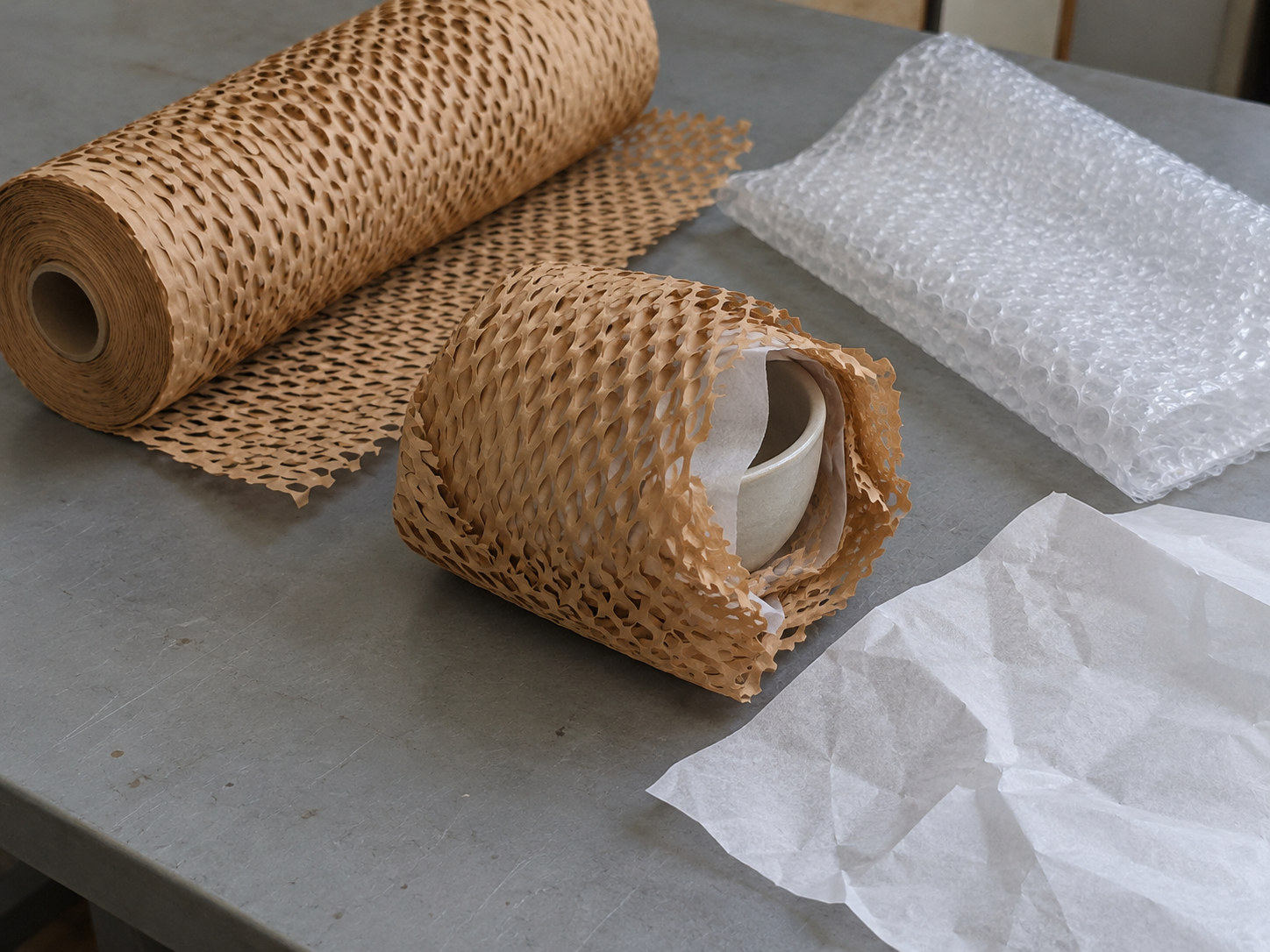
Identified Small Components
Protect and identify reducers, caps and liners by their approved assembly. Loose inserts should not be mixed across versions because their appearance is similar.
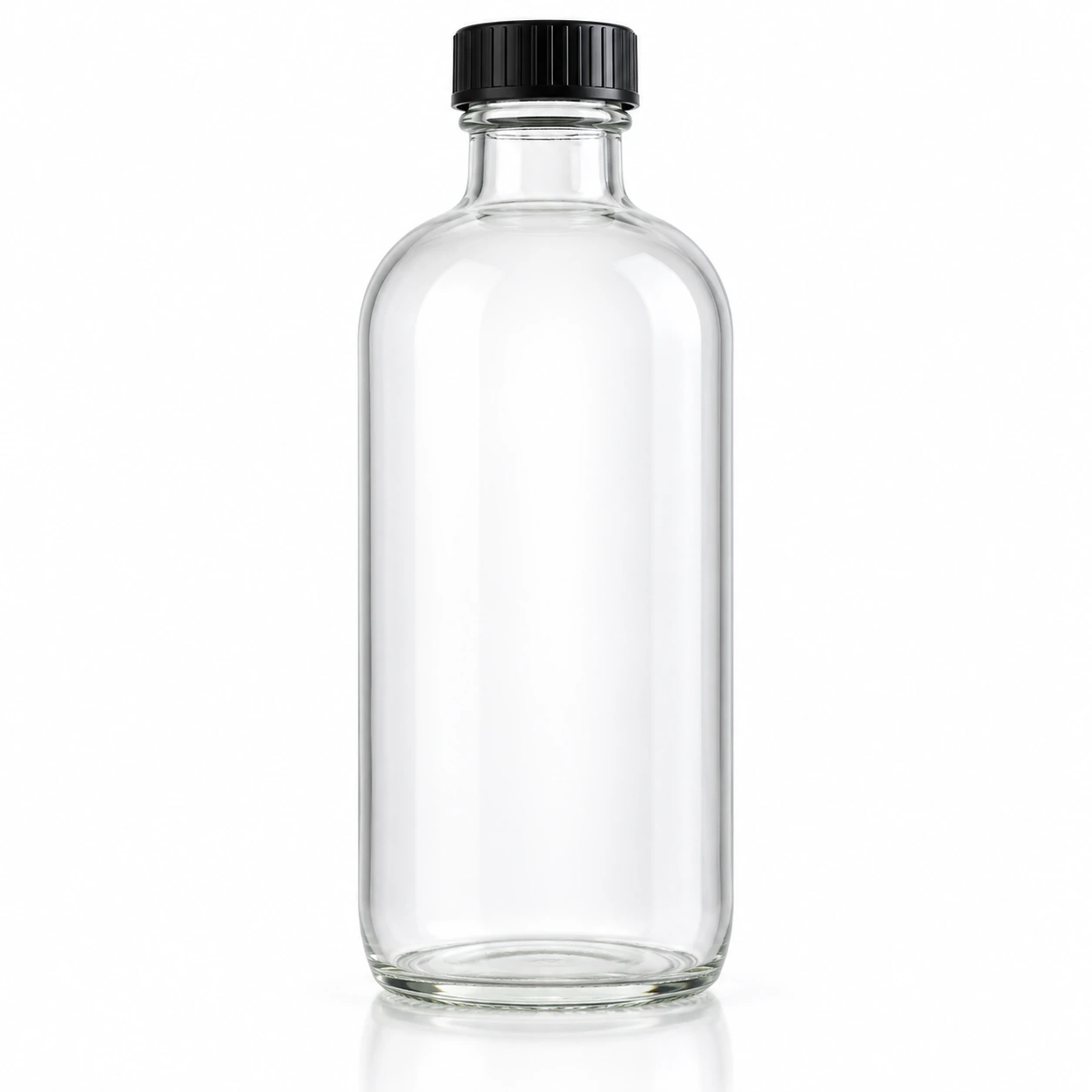
Decorated Surface Clearance
Approve separation on the actual printed or labeled bottle if decoration is supplied. Avoid rubbing at raised print, corners and narrow label panels.
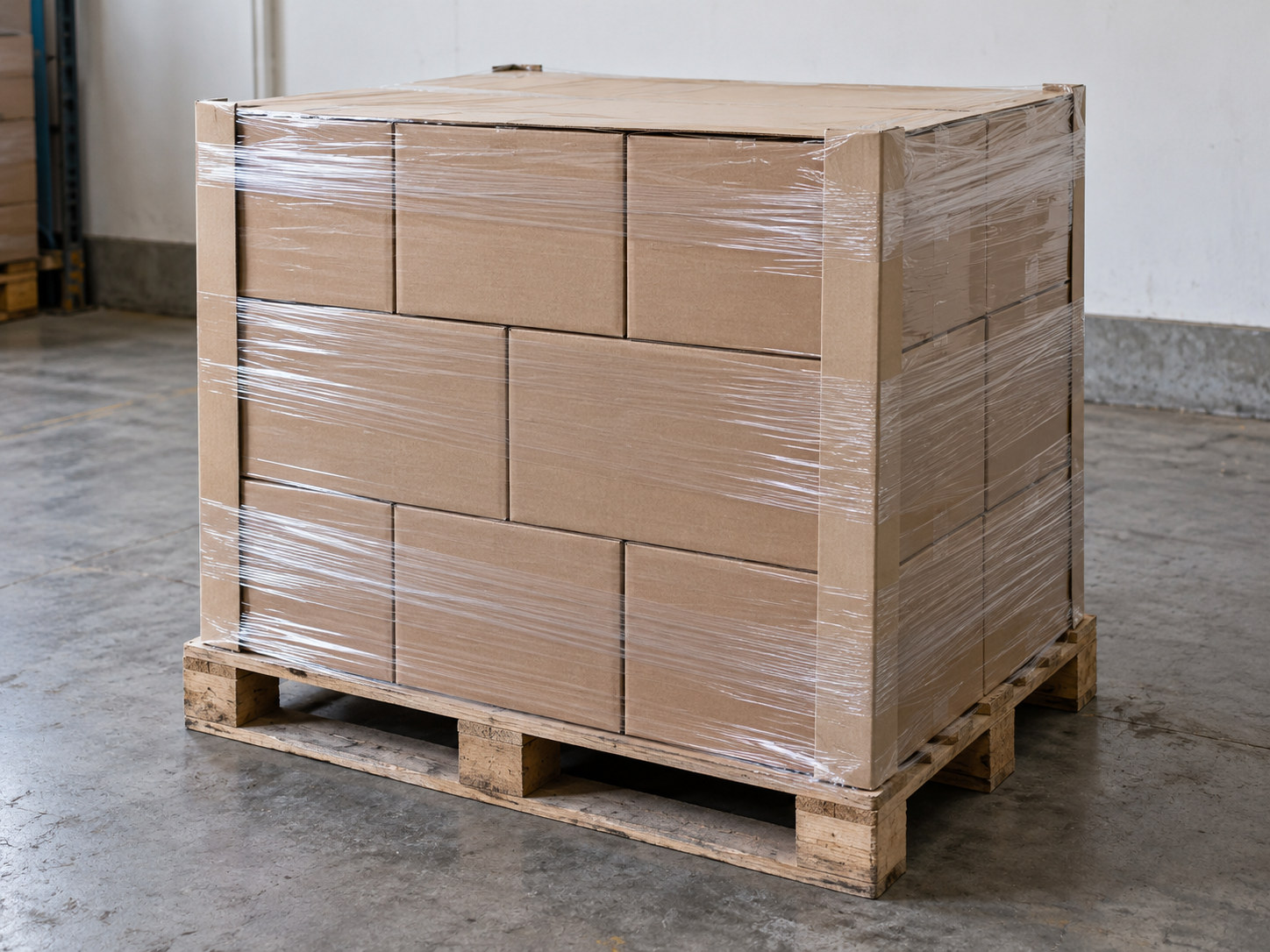
Case Count by Actual Model
Review unit weight and carton dimensions for the selected bottle. A taller marinade format should not inherit the case specification of a small hot-sauce pack.
Plan Your Packing & Delivery
Share your order quantity, destination and retail or export packing requirements.
Discuss Packing & Shipping →Confirm the Actual Recipe and Filling Conditions
Tell us the sauce type, texture and proposed processing conditions. The chosen glass, cap, liner and any reducer need review together; a general sauce-bottle name does not establish thermal, food-contact or sealing suitability.
Use the intended product to evaluate filling access, pour behavior and reclosure where required. Agree the necessary verification with your product team rather than assuming a similar-looking bottle has already answered those questions.
Glass Sauce Bottles for Different Purchasing Programs
Define the serving and production priorities for the condiment program before choosing its appearance.
Hot Sauce Ranges
Coordinate a slim bottle with an opening and cap that suit the intended dose. Flavor artwork can provide variation while a stable glass platform supports a recognizable range.
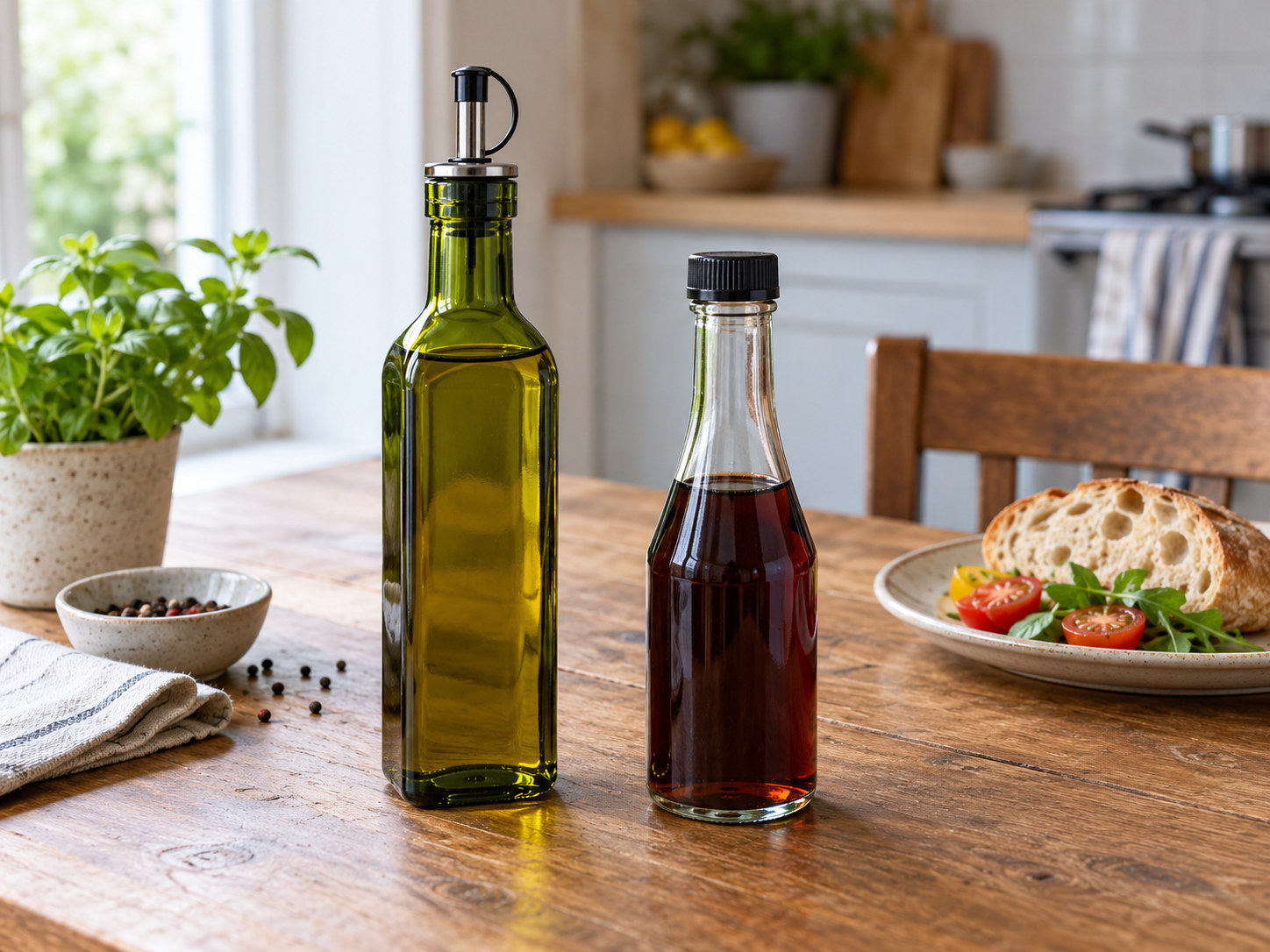
Dressings & Marinades
Review the actual viscosity and any herbs or pieces with the filling team. An assembly needs to support both production access and a practical consumer pour.
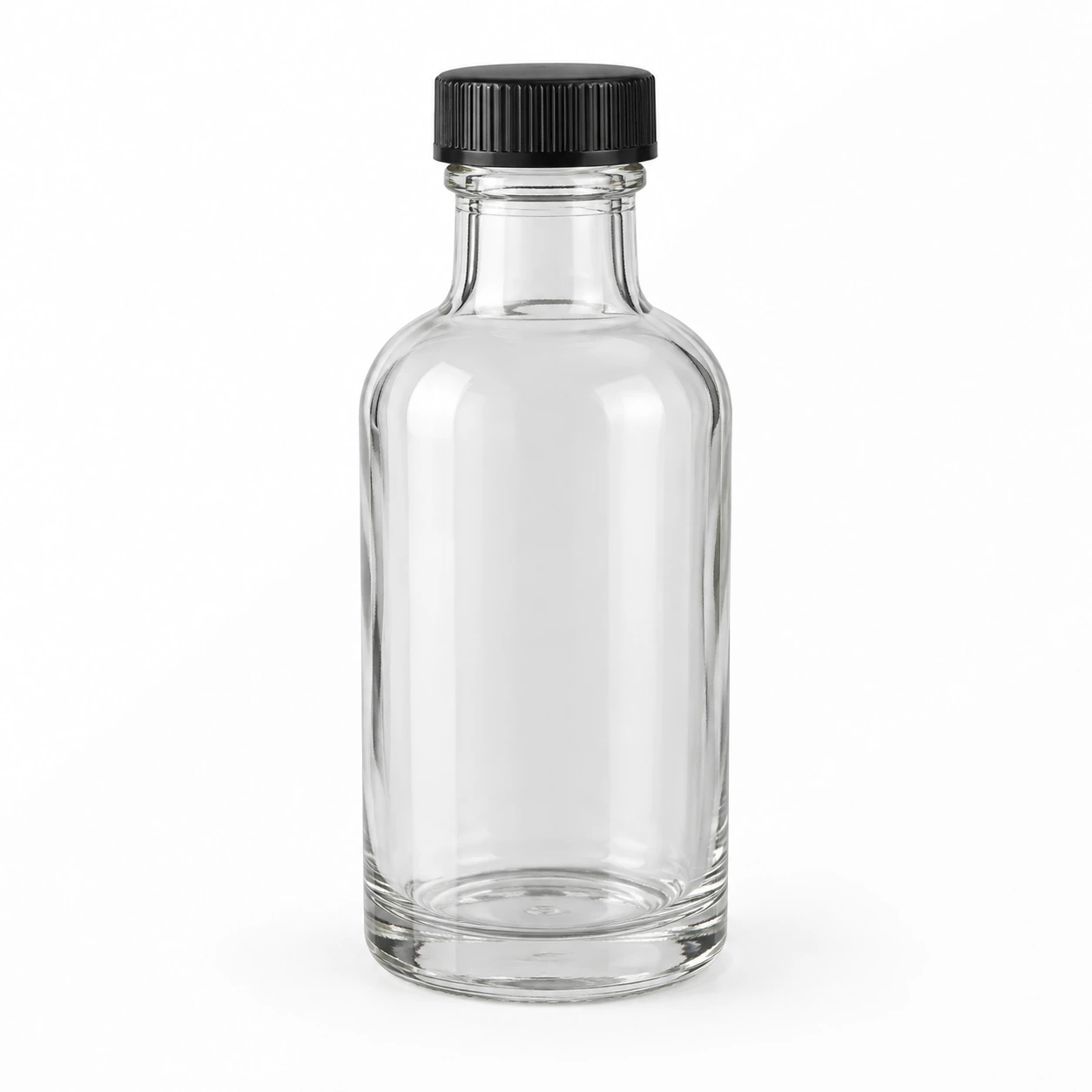
Private-Label Condiments
Bring bottle, closure, artwork and case requirements into one brief. Clear version identification helps when several recipes use similar-looking packs.
MOQ, Samples & Production
Starting terms depend on the chosen model, decoration, components and packaging. Sample preparation and production estimates exclude transit and are confirmed for your order.
1,000 pcsStarting MOQ
About 3 daysExisting Sample Preparation
About 7 daysRegular Sample Development
Within 30 daysTypical Bulk Production
Sourcing & Specification Review for Glass Sauce Bottles
Connect development, components and delivery with one approved reference.
One Coordinated Brief
Review glass, components, branding and packing together.
Existing-Model Review
Resolve requirements before choosing a new mold.
Our Decoration Workshop
Coordinate suitable color and logo work through our workshop.
Component Matching
Keep the approved assembly and versions clearly identified.
Specification-Based QC
Check dimensions, appearance, logos, components and packing against the agreed reference.
Delivery Coordination
Review sea, air, express or appointed-forwarder shipping with the packing plan.
FAQ About Glass Sauce Bottles
Should every hot sauce bottle have a reducer?
No. Compare the intended portion with the actual sauce texture and particles. Request the proposed reducer fitted to the selected bottle and cap, then review filling access and an ordinary serving action. If it obstructs the recipe or complicates the packing process, compare another opening or component route before artwork approval rather than assuming a reducer is mandatory.
Can the same bottle work for thin and thick sauces?
It may not give the same filling or pouring experience. Review representative recipes separately, including particles and the intended portion. If you want one visual bottle platform, identify which recipes may need a different cap or insert and ask whether that combination is available. Keep those versions in the order schedule instead of treating a common fill volume as approval.
Can bottles be used for heated filling?
Share the specific process and temperature requirements. Suitability must be confirmed for the selected bottle and closure; it is not implied across the category.
Can you coordinate labels and cap colors across flavors?
Yes, we can review the artwork area and component appearance for a coherent range. Keep any recipe-specific closure or dispensing differences explicit in the specification.
What is the minimum order quantity?
Our minimum starts at 1,000 pieces. Confirm the applicable quantity for the model, decoration, components and packing; complex customization or new molds may require more.
How long does sample preparation take?
Existing sample preparation: about 3 days. Regular sample development: about 7 days. Eligible color/logo proofs on existing containers: about 3–5 days, with available components and confirmed artwork. Courier transit is additional.
What is the usual bulk production timing?
Generally within 30 days after specification and sample approval, with shipping separate. Confirm the actual order schedule, especially for custom molds or complex combinations.
What should I send for a quotation?
Send the model/reference, use, quantities, components, artwork, packing and destination. State required performance or documentation so the proposed sample addresses the right specification.
Still Have a Product Question?
Send your requirements or a reference so our team can review your project.
Ask Our Packaging Team →
Start with Pour Behavior
The most recognizable sauce silhouette is not automatically the best choice for a particular recipe. Texture, particles and the desired portion should inform the opening before the label is developed.
Ask the filling team and the brand team to evaluate the same sample. A pack that fills efficiently should also support the way customers are expected to serve the sauce.
Compare a representative recipe in each shortlisted opening using the intended serving action. Ask the filling team to review nozzle access separately from the customer’s pour. A format that solves one task but frustrates the other needs a different opening or dispensing proposal before decoration proceeds.
Explore related collections: Food & Beverage Glass
Treat the Reducer as a Functional Part
A reducer can be useful for a thin product, yet obstruct a thicker sauce or trap pieces. It is a component decision with consequences for both filling and use.
Document the exact proposed insert together with the cap and bottle neck. Approving a generic reducer photograph does not establish that the production assembly will perform as intended.
If a reducer is proposed, request it fitted to the exact bottle and cap rather than as an isolated sample. Review how it is inserted during packing and whether the intended recipe can pass through it. Keep any alternative reducer version clearly separated in the component list.
Give Each Flavor a Clear Identity
A shared bottle can make a condiment range easier to recognize, with color and artwork doing the work of distinguishing recipes. Check text size and facing on the real surface.
If recipes require different closures or openings, keep those differences visible in the order specification. A consistent visual range should not hide important functional variations.
Give the packing team an approved complete sample per recipe, with bottle, cap and reducer identified. Assemble a mixed-version review set and have another team member match each unit to the order list. Resolve ambiguous color coding before labels are released.
Pack the Bottle You Have Approved
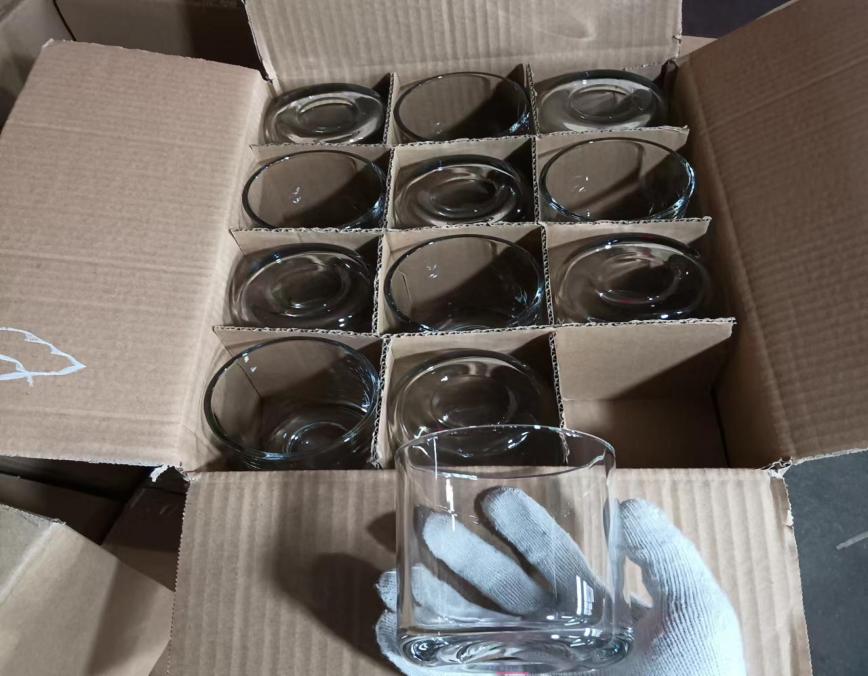
Slim necks and square corners require their own protective clearance. Carton counts and dividers should follow the real model and decoration rather than a convenient previous sauce order.
Bright can coordinate glass, component identification, appearance checks and export packing against the approved sample. Confirm process and contents-specific requirements separately within the same project record.
Ask for an open packed sample showing the shoulder, neck and square corners where applicable. If inserts or caps ship separately, confirm their protected position and counts. This makes it easier to compare carton layouts for slim hot-sauce bottles and wider marinade formats.
Browse Our Product Categories
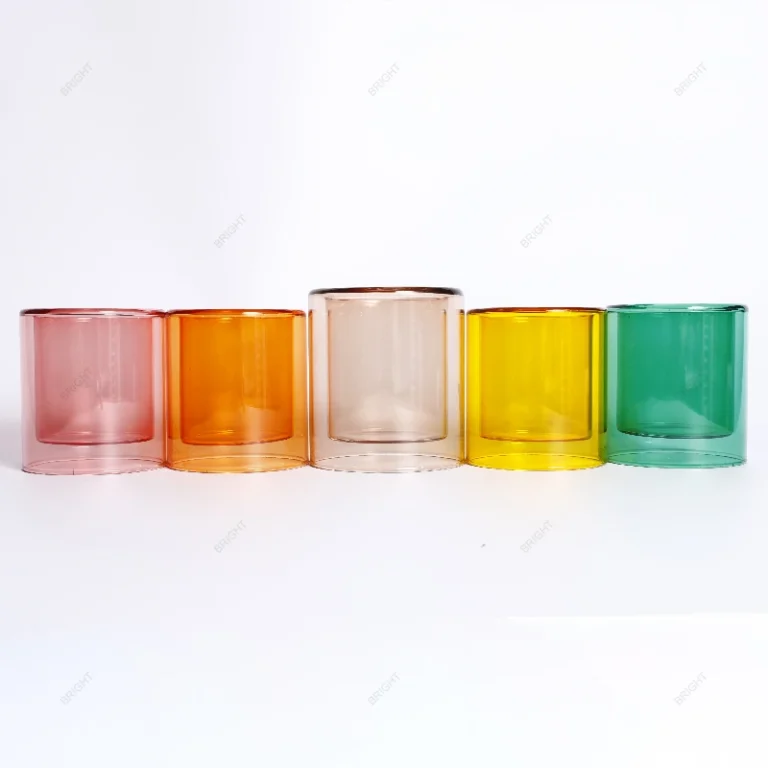
– Glass Bottles & Fragrance Packaging –
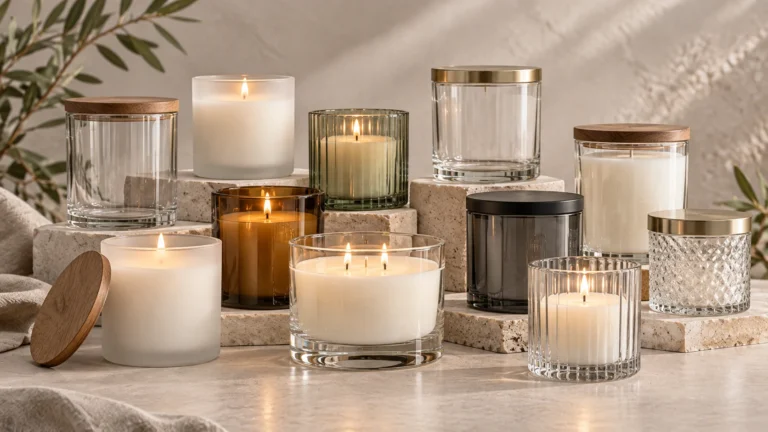
– Glass Candle Jars & Related Containers –

– Glassware & Packaging Solutions –
Request a Quote
Talk to Our Packaging Team
Share the model, capacity, color, closure, decoration, packaging and estimated quantity you need. We can review the options with you.
Category: Glass Sauce Bottles