Bright Glassware · Material · B2B Product Sourcing
Ceramic
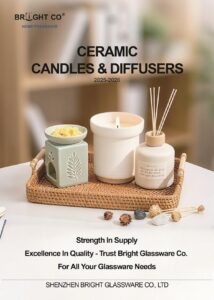
Ceramic is used in Bright Glassware’s candle-vessel range where an opaque body, tactile surface and glaze-based decoration are desired. Unlike molded glass, ceramic parts are formed and fired, so finished dimensions, glaze color, texture and surface details can show controlled production variation.For candle projects, compare usable wax fill, internal geometry, fired rim dimensions, lid fit, vessel weight and glaze/decoration on production-representative samples. Complete burn testing with the actual wax, fragrance and wick system, and use finished fired pieces for component and retail-box approval.
Published Product Models
Explore Ceramic Products
Review the actual available models, then compare specifications, components and customization options on the individual product pages.
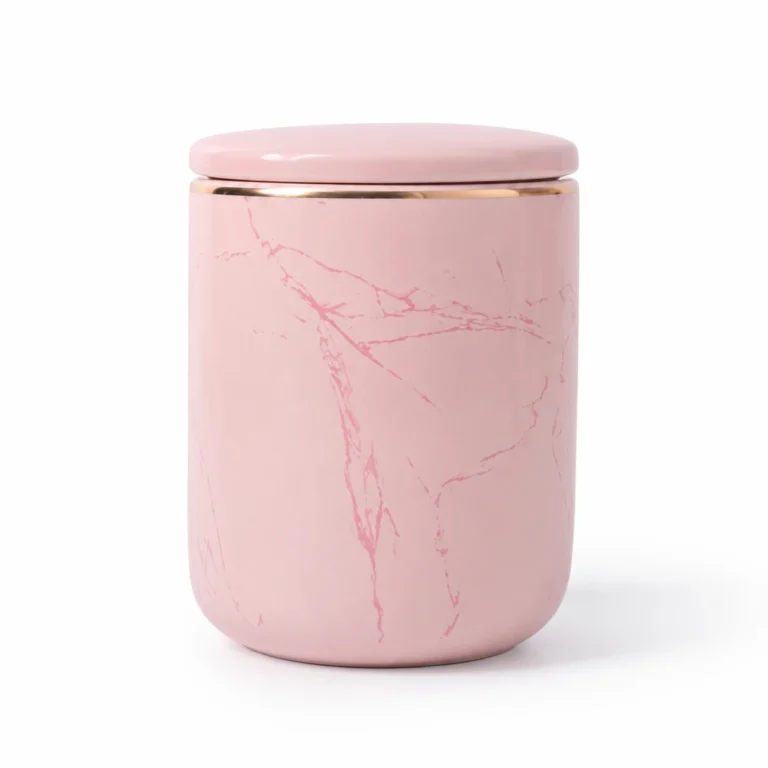
8oz–16oz Round Colored Ceramic Candle Jars – Wholesale
View Details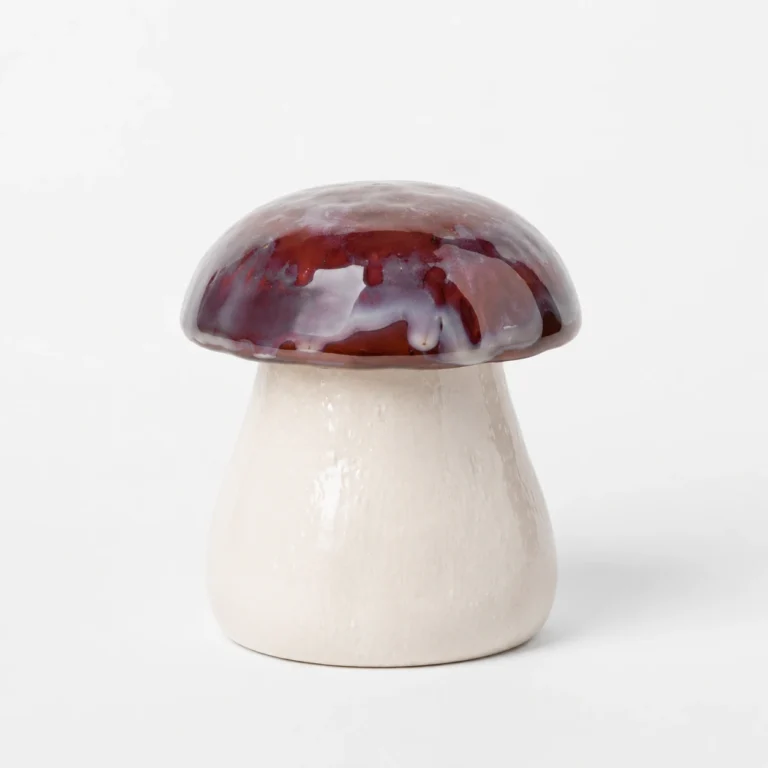
360ml Mushroom Ceramic Candle Jar with Lid – Wholesale
View Details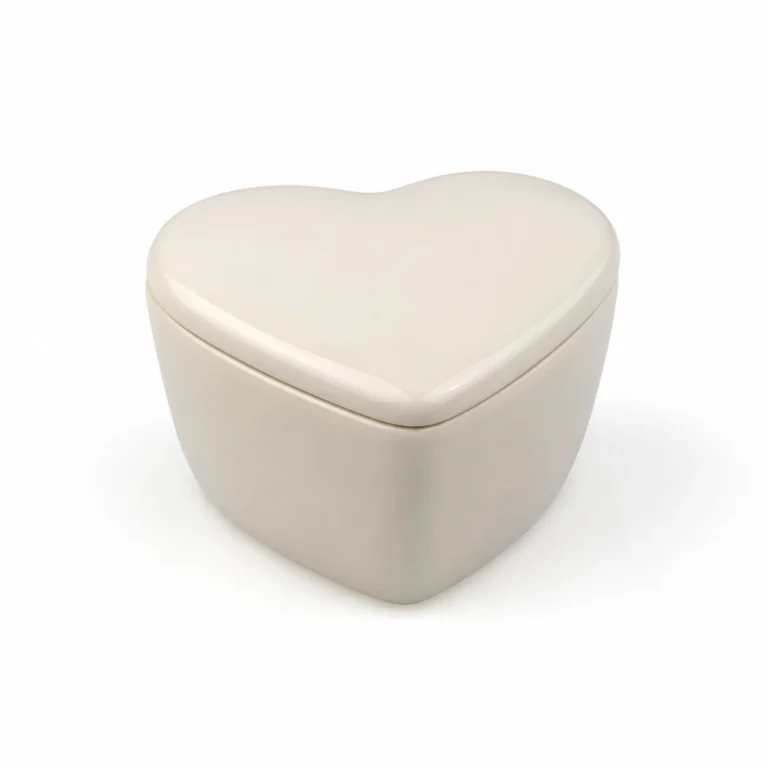
120ml Heart-Shaped Ceramic Candle Jar – Wholesale
View Details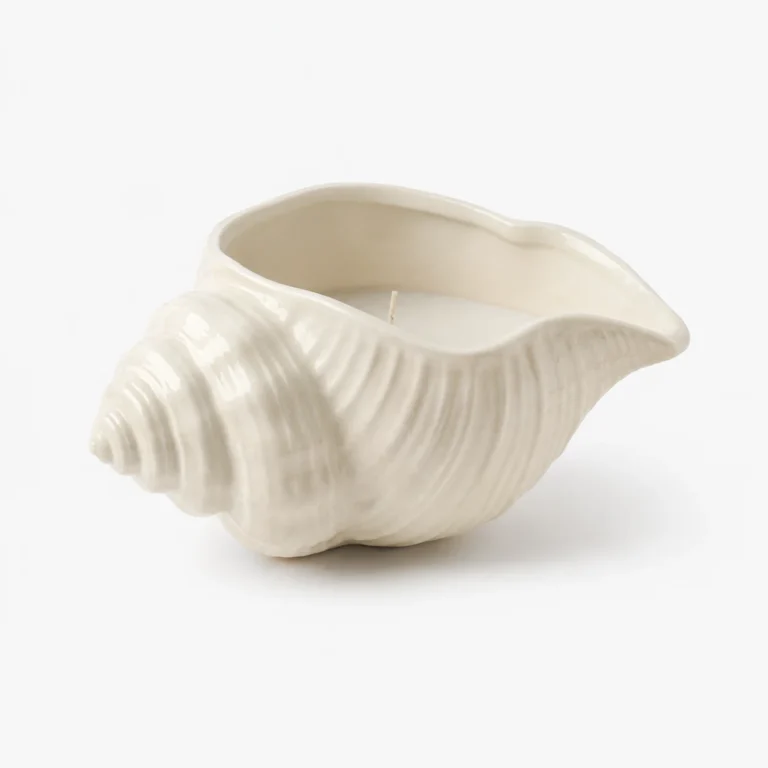
250ml Conch-Shaped Ceramic Candle Jar – Wholesale
View Details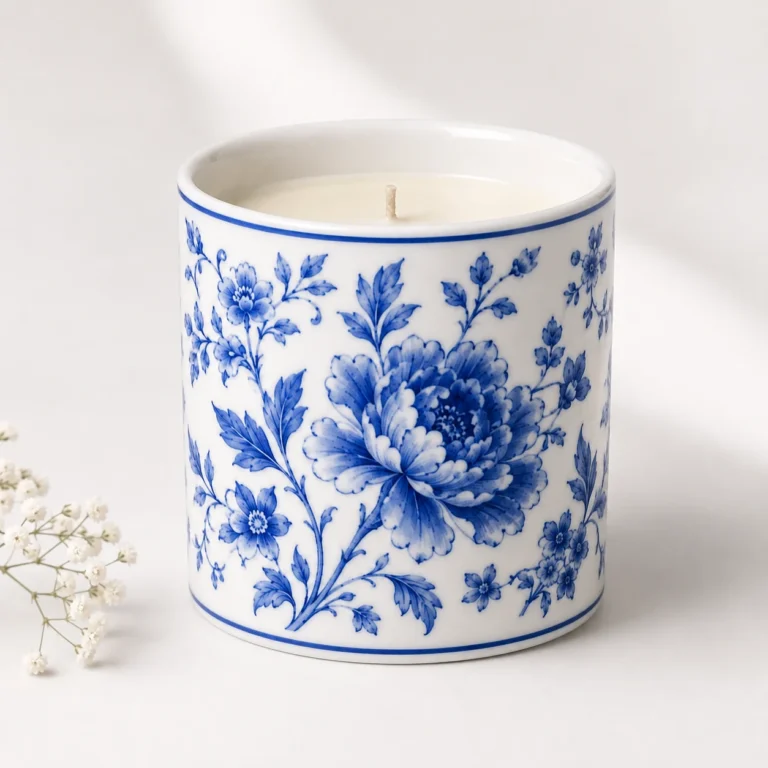
180ml Blue & White Ceramic Candle Jar – Wholesale
View Details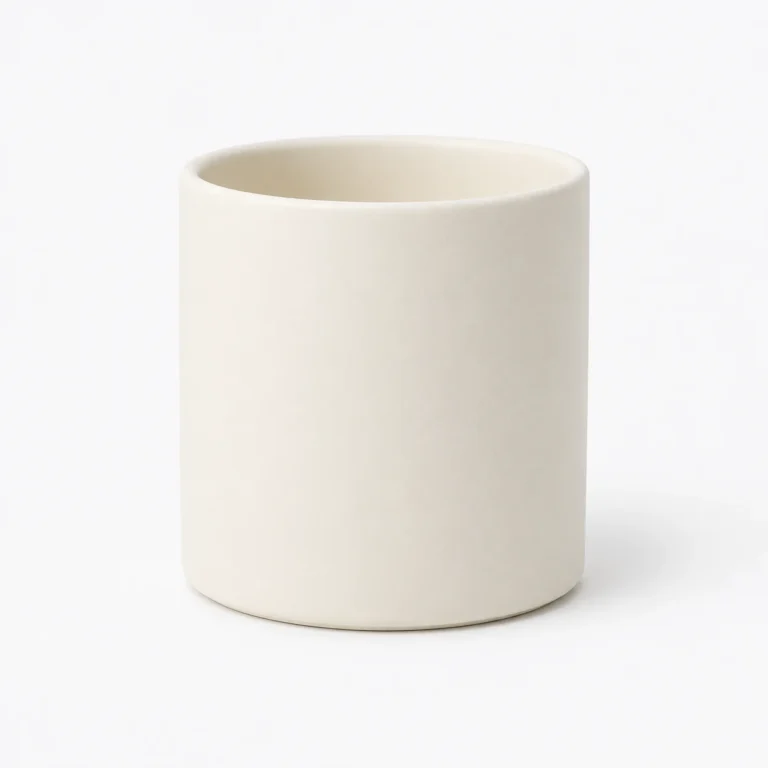
450ml Matte Ceramic Candle Jar – Wholesale
View DetailsNeed Help Selecting a Suitable Option?
Share the target product, capacity, finish, closure and quantity so we can review matching options.
Discuss Your Requirements →Buyer Considerations
Material Properties
Opaque Fired Body
Provides an opaque, tactile candle-vessel base with wide glaze and surface-decoration possibilities.
Firing Variation
Small variations in dimensions, color and surface character can occur through forming and firing and should be controlled by an approved sample range.
Glaze Flexibility
Gloss, satin, matte, colored, reactive or textured glaze directions may be possible depending on the ceramic body and process.
Buying & Specification Guide
Key Considerations for Ceramic
Appearance & Finish
Opaque and tactile, ranging from smooth glazed surfaces to matte or textured ceramic finishes. Visual character depends on the body and glaze route.
Heat & Chemical Considerations
Use the finished vessel for candle performance validation. Confirm wax/fragrance use, wick layout and thermal behaviour through the intended burn-testing program.
Weight & Durability
Ceramic vessels usually feel substantial and can be heavier than thin glass or metal alternatives. Fired edges and glazed surfaces require appropriate protective packing.
Decoration Compatibility
Glazes, decals, printing, painting and other decoration can be developed depending on the product. Approve color and artwork on the finished fired vessel.
Closure Fit
Match lids or accessories to finished fired rim dimensions. Firing tolerance makes physical sample approval important for reliable fit.
Trade-Offs to Consider
Ceramic provides premium tactile differentiation and opaque color flexibility, while weight, firing variation, glaze consistency and component fit require production-sample control.
Related Resources
Buying Guides & Project References
Request a Quote
Discuss Your Packaging Material
Tell us the product application, preferred material, weight, appearance, use conditions and packaging needs for recommendations.