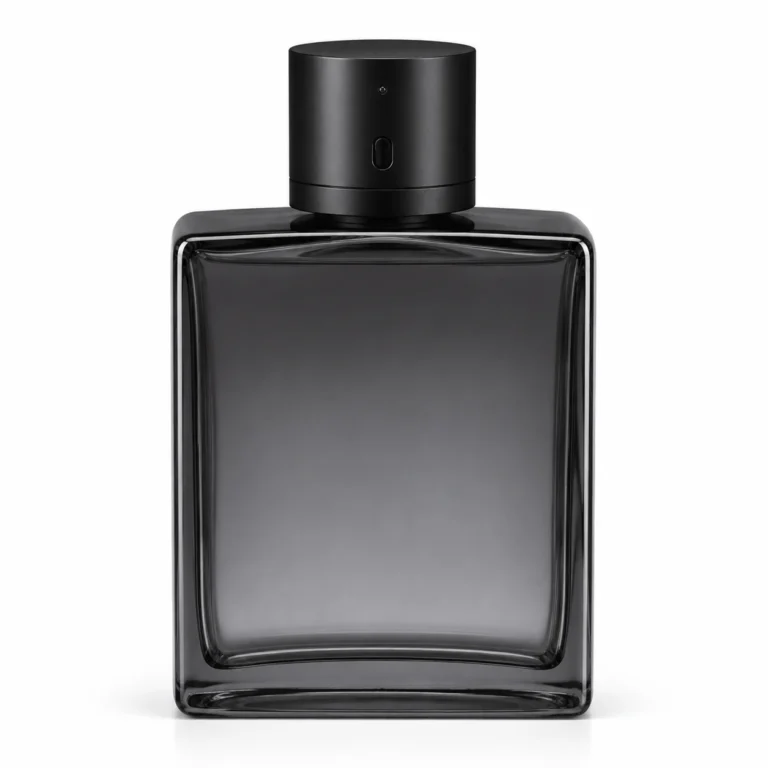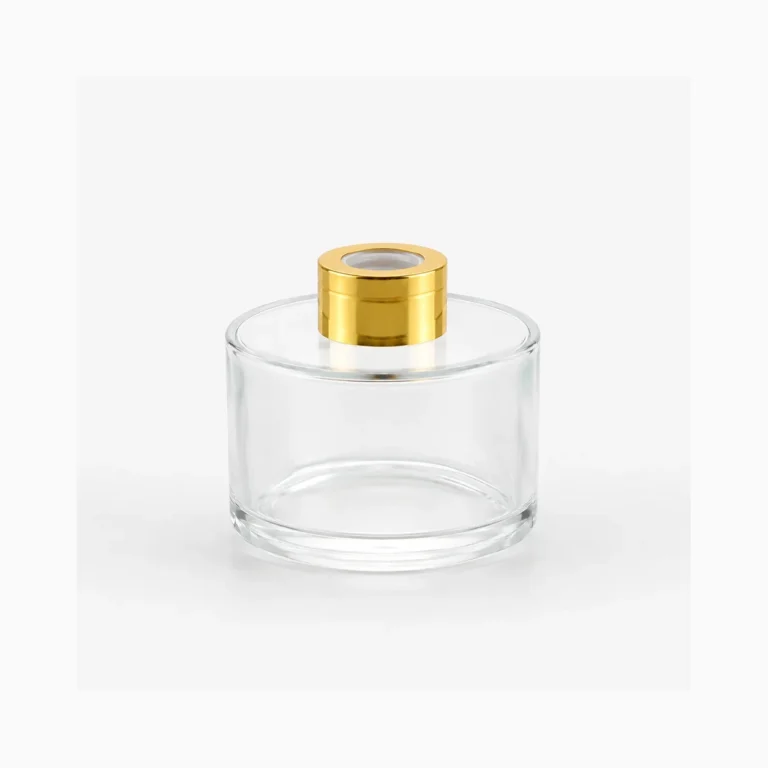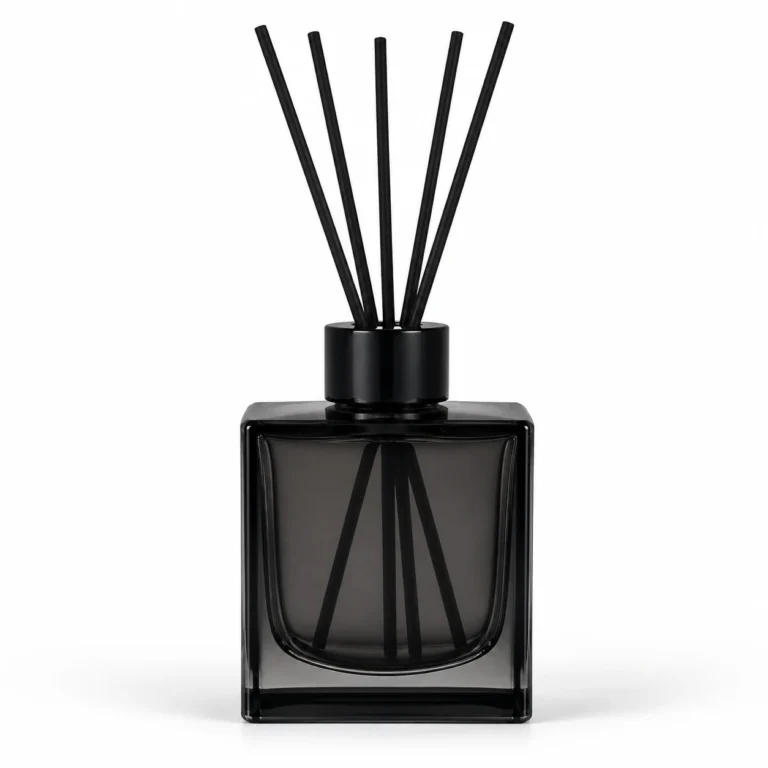
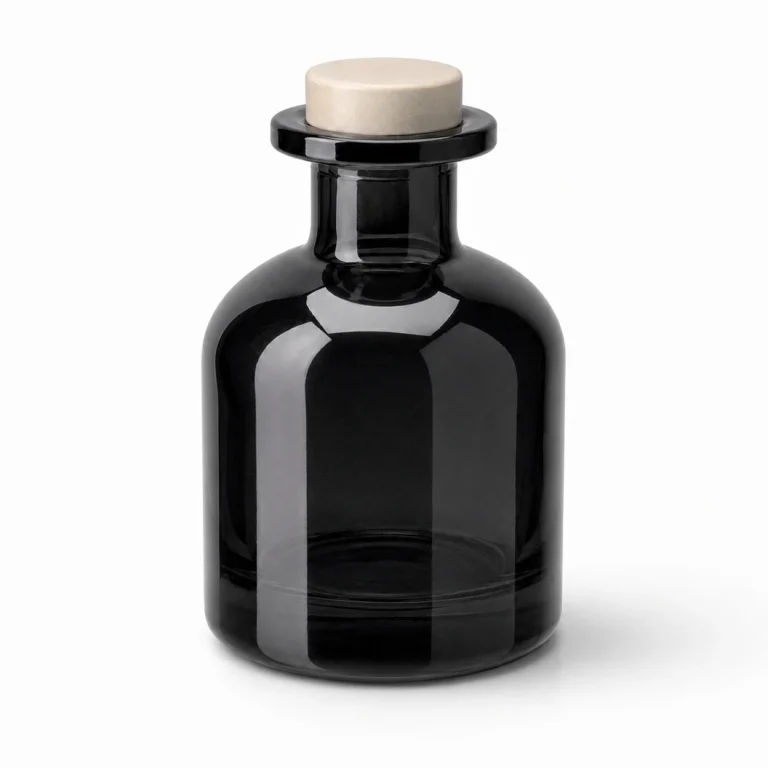
Black Diffuser Bottles group diffuser vessels by their visible black appearance rather than by a single color-making process. The perceived shade changes with glass thickness, transparency, fragrance color and surface treatment, so approve the filled bottle with its stopper or plug, decorative cap and intended reed set.Because fragrance oil may contact the outside during filling or consumer use, coated, printed or labeled surfaces should be tested with the actual formula. Confirm color consistency, decoration contrast and retail-pack coordination on production-style samples before bulk production.
Available Products
Showing 1–4 of 4 products
Need help narrowing the options?
Share your target shade, Pantone, transparency, finish and branding method. We can shortlist suitable products and color routes before sampling.
Partly transparent dark effect where contents or wall thickness may remain visible.
Solid or high-opacity black with stronger reflection and contrast.
Lower-gloss black appearance when paired with a suitable matte surface treatment.
Where supported by the selected product and material, color may be created in or through the body itself; availability is model- and material-dependent.
External color coating can create transparent, translucent or opaque effects; adhesion, rubbing and product-contact risk should be tested on samples.
Printing, decals, frosting, metallic accents or other decoration can be combined with the approved visible color when compatible with the selected surface.
The target appearance may range from partly transparent to highly opaque or reflective depending on the selected product and surface process. Define the required opacity/gloss separately from the color name.
Pantone or another brand-color reference can be used as a target where the selected process supports color matching. Final approval should be based on a physical sample because substrate, transparency, gloss and lighting affect the perceived shade.
For repeat production, keep an approved physical color/finish sample and the confirmed process specification. Check representative pieces under consistent lighting because batch, material, thickness and process variation can shift the perceived shade.
Coordinate print, decals, labels or metallic accents with the bottle color, plug/cap and reeds. Test any exterior decoration that may contact fragrance during filling or consumer use.
Project Support
Continue with the most relevant color development, sampling, decoration and quality-control pages for this collection.
Review color coating, frosting, printing, hot stamping, electroplating and logo application.
Explore page →Validate an existing model, decorated sample or custom concept before committing to bulk production.
Explore page →Coordinate diffuser bottles, plugs, caps, reeds, decoration, boxes and production as one program.
Explore page →Related Resources
Review the most relevant cases, catalogs or videos for this color collection before requesting samples or a quotation.
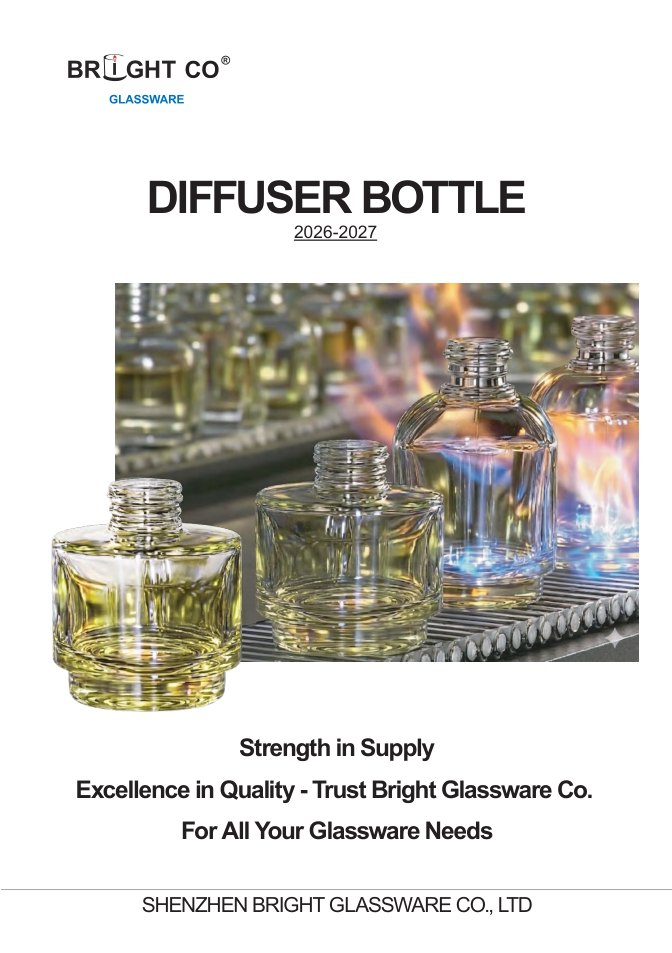
A 20-page diffuser bottle catalog featuring high-borosilicate and standard glass bottle collections in multiple shapes, capacities and neck specifications.
View Resource →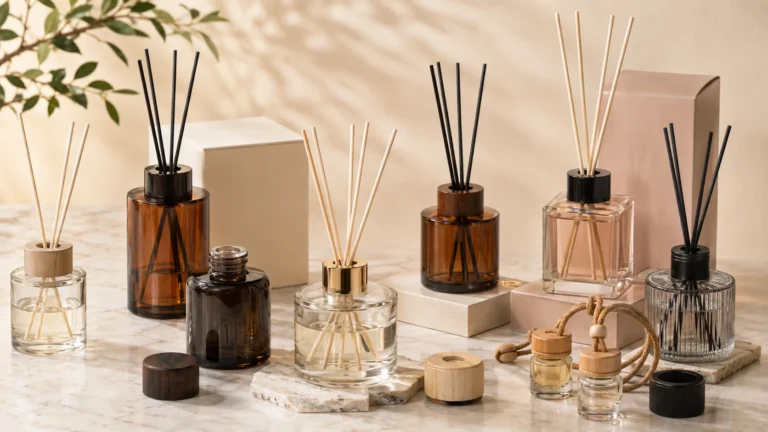
An anonymized case draft for coordinating diffuser bottles, custom finishes, caps, plugs, reeds and retail boxes across a home-fragrance collection.
View Resource →FAQ
These answers cover the questions most likely to affect product selection, sampling and quotation for this collection.
Still have a question? Ask our team →Yes, but the selected coating, printing, label or other decoration should be evaluated with the actual fragrance and filling process. Oil can contact the bottle exterior during filling or consumer use, and some formulas can affect coatings, adhesives or printed surfaces.
Check adhesion, staining, rubbing and long-term appearance on decorated samples. Protective packing should also prevent coated bottles from rubbing against each other during shipment.
Start with the target fragrance fill, bottle stability, opening size and the intended reed system. The bottle should remain stable when the reeds are installed, and the opening should provide enough clearance for the selected reed quantity and diameter without being unnecessarily large.
Then confirm the transport plug or stopper, decorative cap, fragrance compatibility, evaporation rate, decoration and retail packaging on the filled assembled sample. Diffuser performance depends on the bottle, fragrance, reeds and closure working together.
Many reed diffuser products use a separate sealing plug or transport closure to reduce leakage during filling, packing and shipping. A decorative cap is not automatically the transport seal.
Match the plug or closure to the exact bottle opening and test it with the intended fragrance. Also confirm how the consumer removes the seal and inserts the reeds, and make sure the final retail pack has enough space for the bottle, cap, plug and reeds.
In many projects, component colors and finishes can be coordinated with the bottle or jar design. The available route depends on the component material and may involve painted, plated, anodized, printed, molded-color or natural-material finishes.
Approve physical color and finish samples under consistent lighting. Metallic and natural materials can appear different from a Pantone chip or screen rendering, so the assembled bottle, jar or closure set should be the final visual reference.
Request a Quote
Share the target shade or Pantone reference, desired transparency or opacity, finish, logo method and packaging requirements you already know. Our team can compare existing color options first and advise the most practical sampling route.
We can narrow existing shades and finish routes before you spend time sampling every option.
Color, logo method, finish, closure and packaging can be reviewed together before approval.
Confirm appearance, fit and decoration on samples before bulk production.