

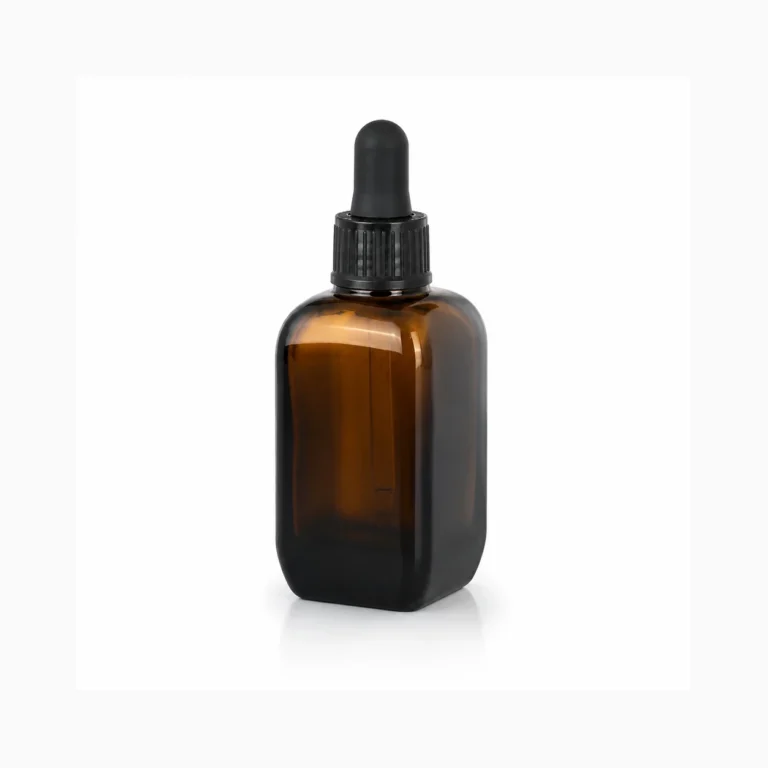
Wellness packaging can include essential oils, aromatherapy blends, home-fragrance products and other small-format containers. The category is broad, so selection should start with the actual product type, formula, dosage or use method rather than with a generic “wellness” aesthetic.For each SKU, confirm fill, material, closure, handling and compatibility independently, then coordinate colors, labels and boxes across the wellness range. A coherent brand system can be shared without forcing the same technical packaging on products with different contents.
Available Products
Showing 1–5 of 5 products
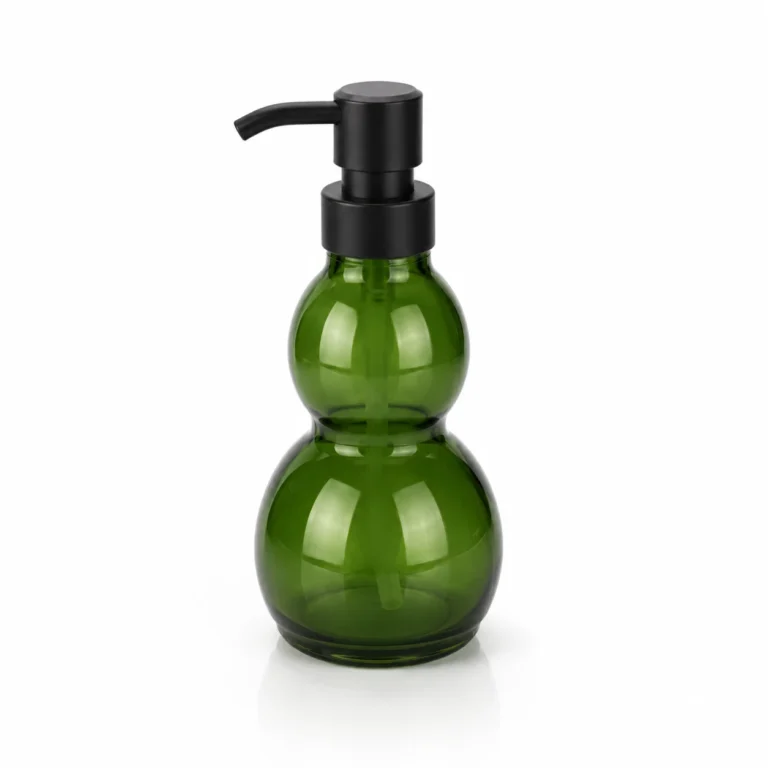
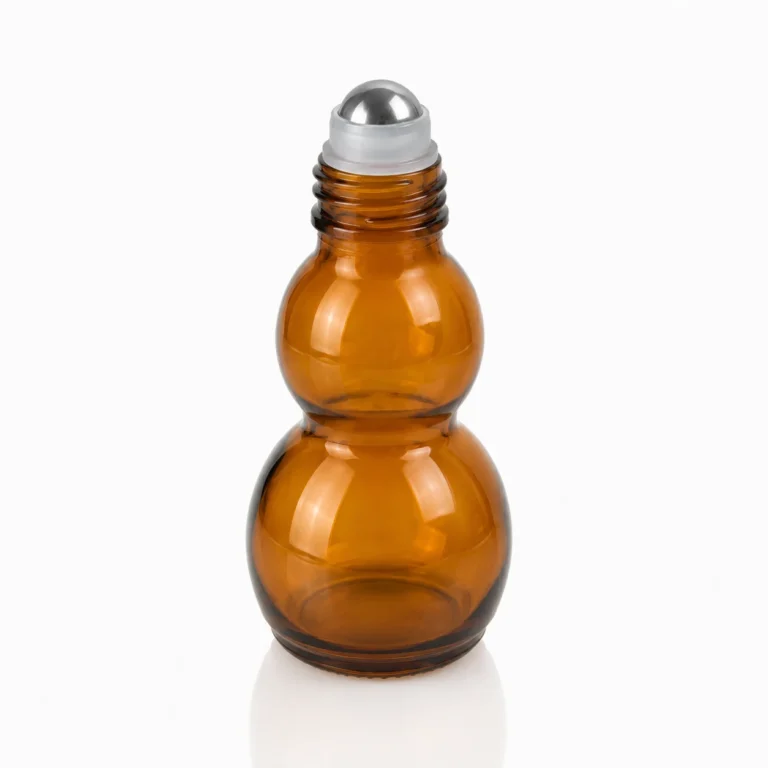
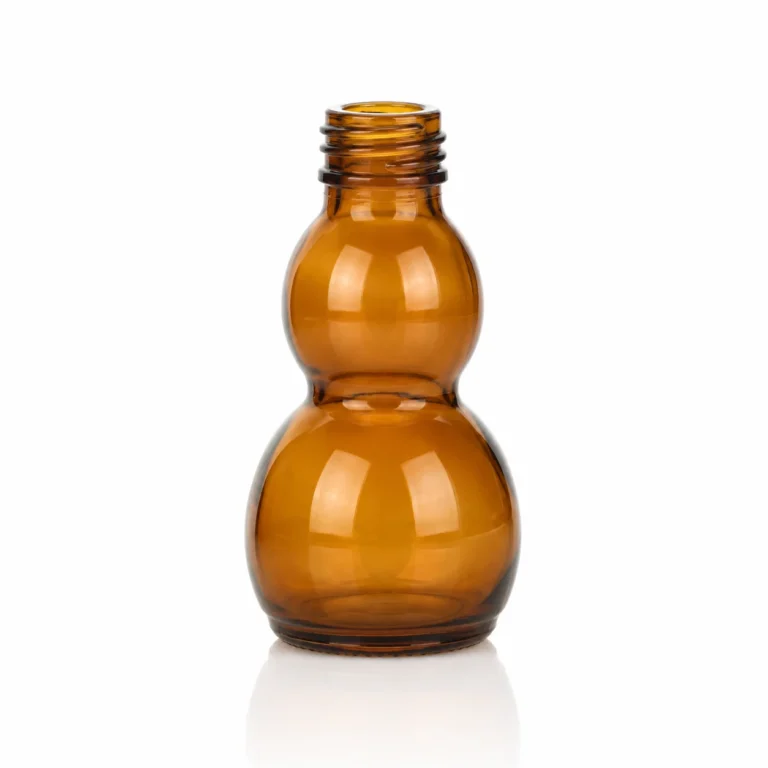
Need help narrowing the options?
Share your fill, capacity, closure, branding and packing requirements. We can shortlist suitable packaging systems before you order samples.
Identify whether each SKU is an oil, blend, roll-on, diffuser, candle or other format.
Select closure and container according to dosage, diffusion or candle use.
Validate each product for its actual contact or heat conditions.
Coordinate visual design while keeping SKU-specific technical specifications.
Choose size by dose, use period, portability and set configuration. Avoid selecting all wellness SKUs by one standard capacity.
Validate formula compatibility, leakage or candle performance as applicable. Avoid broad performance claims that are not tied to the actual product system.
Project Support
Continue with the pages most relevant to the next sourcing, customization, validation or delivery decision for this application.
Review bottle colors, droppers, reducers, closures, leakage risks, labels and multi-SKU packaging.
Explore page →Coordinate the container, closure, decoration, accessories, packaging, QC and delivery in one project.
Explore page →Build gift boxes, cartons, inserts, labels and branded retail presentation around the glass product.
Explore page →FAQ
These answers cover the questions most likely to affect packaging selection, component compatibility, sampling and quotation for this application.
Still have a question? Ask our team →Closure choice depends on how the product should be dispensed. Common options include droppers and pipettes, reducer inserts, roller-ball systems and screw caps.
Select the closure around the bottle neck, formula viscosity, target dosage and consumer use. Confirm the complete bottle-and-closure assembly for fit, sealing and dispensing before production.
Formula compatibility can be evaluated, but it must be confirmed with the actual product and all liquid-contact materials. Glass may be only one part of the system; pumps, gaskets, bulbs, reducers, rollers, plugs, liners, coatings and adhesives can also interact with the formula. Provide the intended formulation and selected components so an appropriate test plan can be agreed. Final approval should be based on representative filled samples under the required storage and use conditions.
Start with the target fragrance fill, bottle stability, opening size and the intended reed system. The bottle should remain stable when the reeds are installed, and the opening should provide enough clearance for the selected reed quantity and diameter without being unnecessarily large.
Then confirm the transport plug or stopper, decorative cap, fragrance compatibility, evaporation rate, decoration and retail packaging on the filled assembled sample. Diffuser performance depends on the bottle, fragrance, reeds and closure working together.
Provide the product type or model, capacity, target quantity, required color or finish, logo method, closure or accessory requirements, retail packaging needs and destination market.
If you already have drawings, reference photos, component specifications or target dimensions, include them. The more complete the assembled-pack requirement is, the more accurately we can confirm the suitable route, MOQ and sampling plan.
Request a Quote
Tell us the end use, product format, target size, closure or dispensing needs, branding and packing requirements you already know. Our team can review suitable configurations and the next sampling or customization step.
We can narrow the container and component combinations that fit this application before you compare every model.
Container, closure, decoration and secondary packaging can be reviewed together as one application-specific system.
Confirm appearance, component fit, handling and decoration on samples before bulk production.