

Bright Glassware · Application · B2B Product Sourcing
Closure Compatibility
Closure compatibility depends on the exact bottle or jar neck, opening, rim or lid seat and the full component stack. Nominal diameter alone is not enough to confirm a pump, cap, stopper or lid because threads, crimp profiles, tapers, gaskets, inserts and tolerances can differ.Use the exact container model, technical drawing or physical sample wherever possible. Approve the matched assembly for fit, sealing or retention, opening/closing behavior and product contact before production.
Published Product Models
Explore Closure Compatibility Products
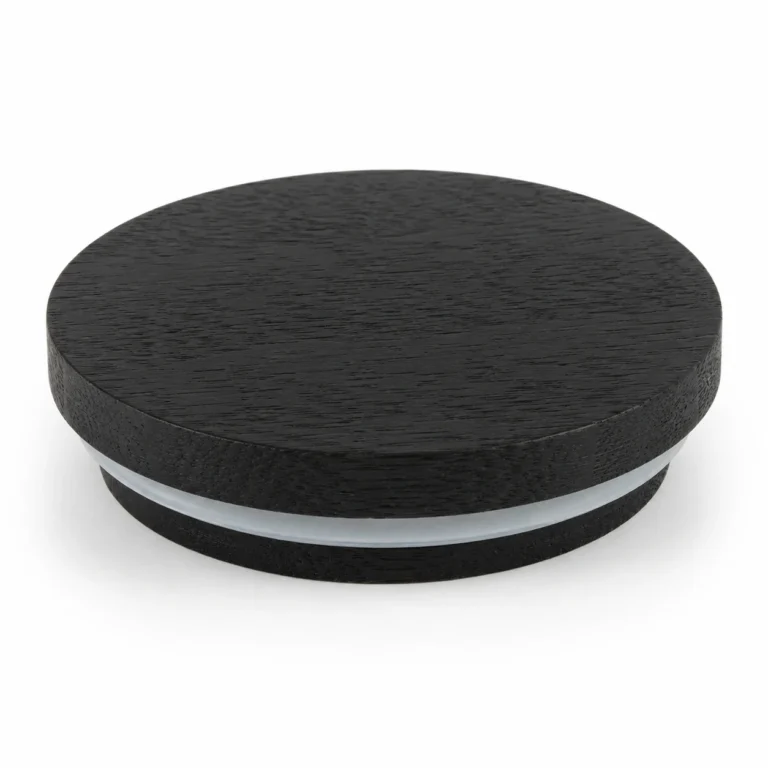
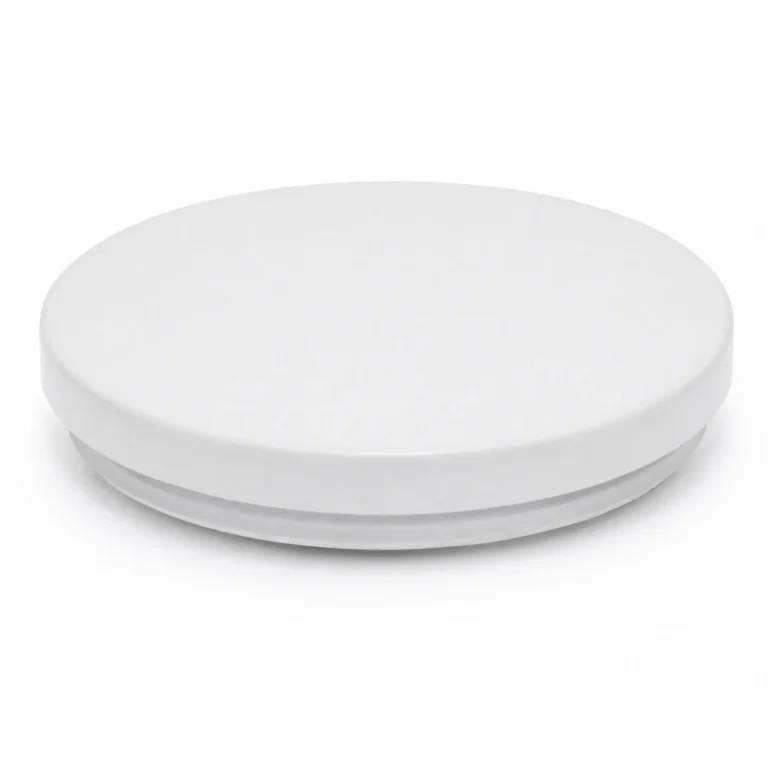
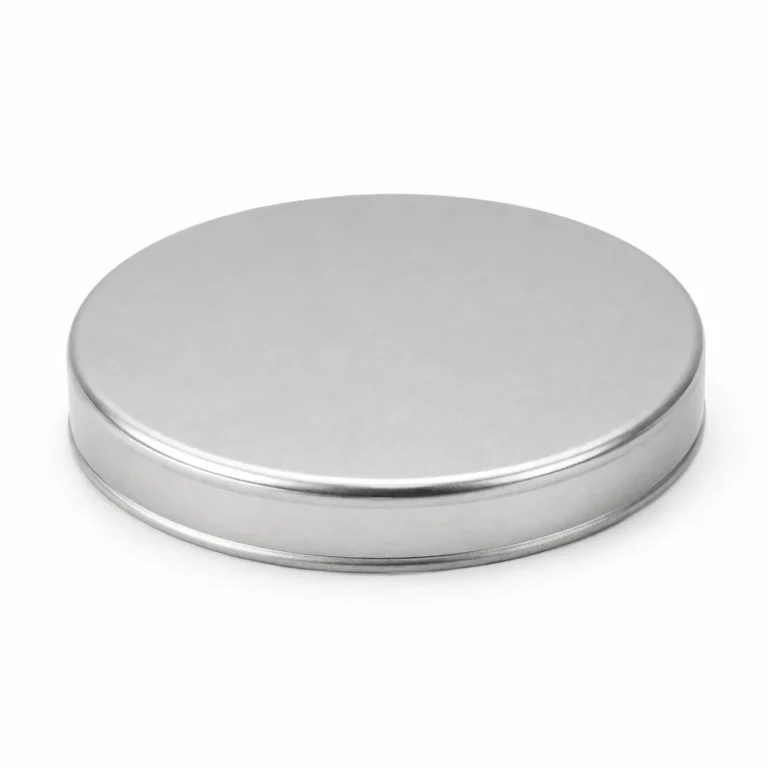
Review the actual available models, then compare specifications, components and customization options on the individual product pages.
Need Help Selecting a Suitable Option?
Share the target product, capacity, finish, closure and quantity so we can review matching options.
Discuss Your Requirements →Buyer Considerations
Key Application Requirements
Exact interface
Record neck finish, thread, crimp, rim, seat or opening dimensions.
Component stack
Include gasket, insert, collar, actuator, plug or liner—not only the visible cap.
Functional test
Check retention, sealing, dispensing or opening/closing as relevant.
Physical approval
Approve the actual container and closure together before bulk production.
Buying & Specification Guide
Key Considerations for Closure Compatibility
Capacity Guidance
Capacity does not determine closure fit. The same capacity can use different necks/openings, while different capacities may share one component when interfaces are identical.
Shape Guidance
Shape matters only where shoulders, handles or sculptural features affect component clearance; the fit is controlled by the local neck/rim geometry.
Material Guidance
Check all contact materials—including liners, gaskets, bulbs and inserts—against the intended formula or use.
Closure Guidance
Use exact matched components and record their item/spec references. Avoid substitutions based only on visual similarity.
Safety & Compatibility
Test leakage, retention, dispensing, formula compatibility or lid behavior according to the closure's function.
Decoration & Packing
Confirm decoration and coating do not interfere with threads, seats or moving surfaces. Pack loose components to prevent deformation and contamination.

Request a Quote
Discuss Your Packaging Application
Tell us your end use, product format, target capacity, filling, closure and branding requirements to shortlist suitable packaging.