
Bulk packaging projects should be planned around repeatable product specifications, carton efficiency and protection at larger order quantities. Small differences in unit weight, carton density or accessory packing can have a significant effect on freight, warehouse handling and breakage across a full shipment.Confirm the production pack—not only a sample box—before dispatch. Record units per carton, carton dimensions, gross weight, separators, component packing and pallet/container loading assumptions so repeat shipments can use the same baseline.
Available Products
Showing 1–7 of 7 products
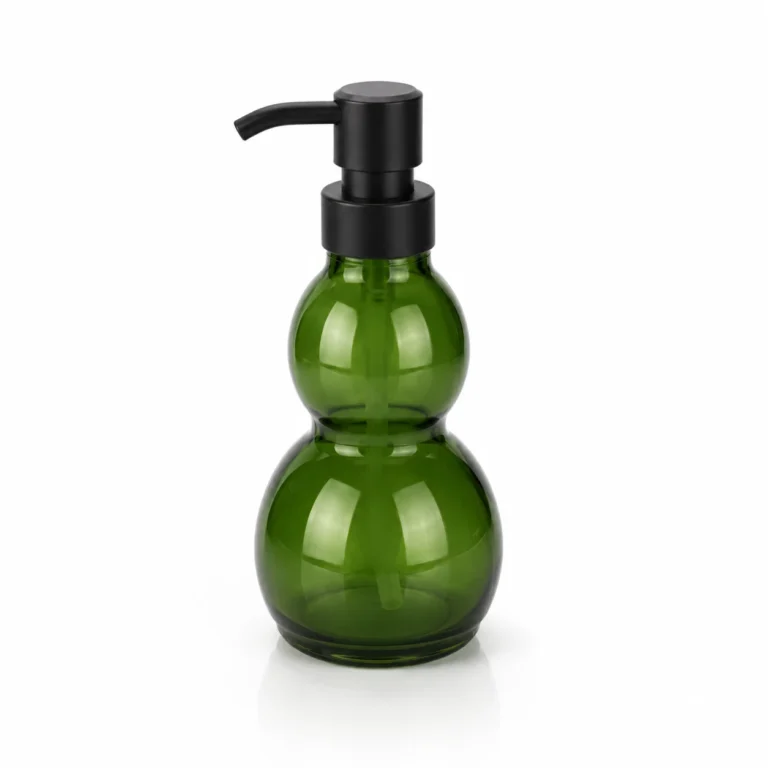
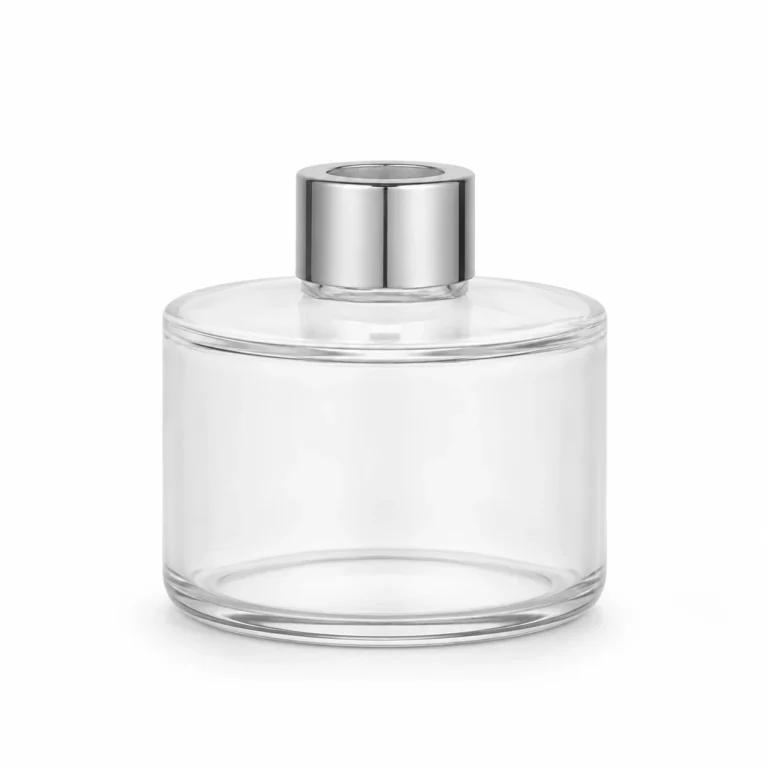
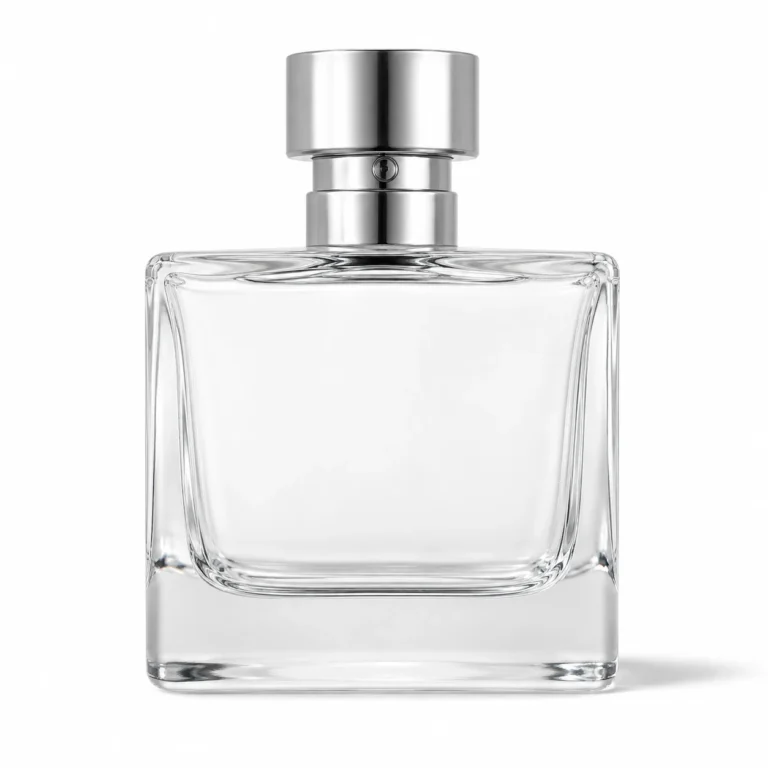
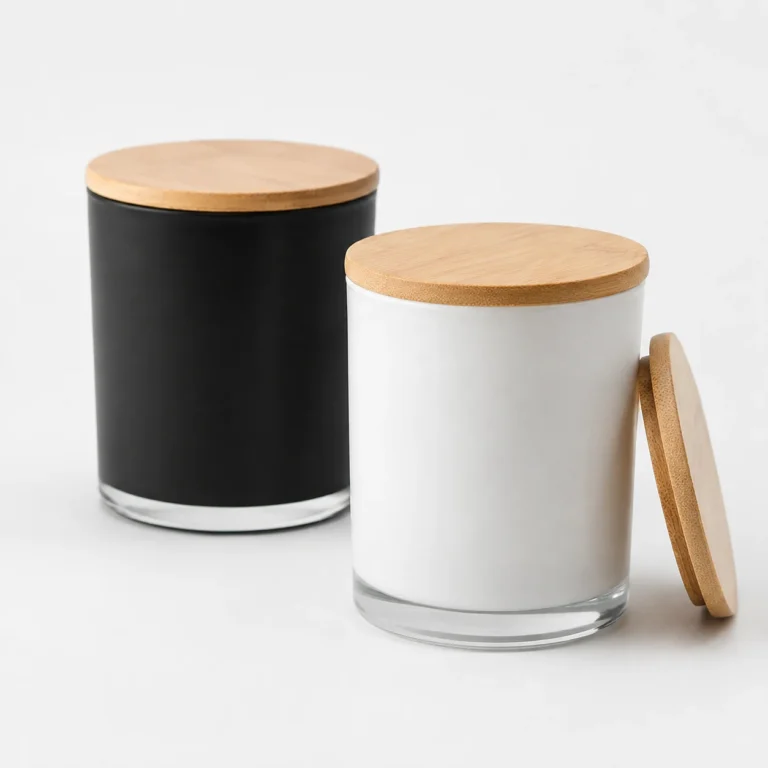
Need help narrowing the options?
Share your fill, capacity, closure, branding and packing requirements. We can shortlist suitable packaging systems before you order samples.
Lock item, component and decoration references before high-volume production.
Confirm units per carton, carton dimensions and gross weight.
Validate dividers, trays, inserts or individual protection appropriate to the product.
Use production packing data for pallet or container planning.
Capacity mix should be consolidated where possible to reduce carton complexity. Heavy or large formats require separate freight and handling review.
Bulk quantity does not replace application testing. Maintain approved samples and QC references for production consistency.
Project Support
Continue with the pages most relevant to the next sourcing, customization, validation or delivery decision for this application.
Manage mixed SKUs, repeat orders, specifications, quality requirements and export coordination.
Explore page →Review export packing, product protection, shipment preparation and international delivery support.
Explore page →See how appearance, dimensions, component fit, decoration and final order quality are checked.
Explore page →Related Resource
A focused reference selected to help with application planning, product comparison, sampling or sourcing decisions.
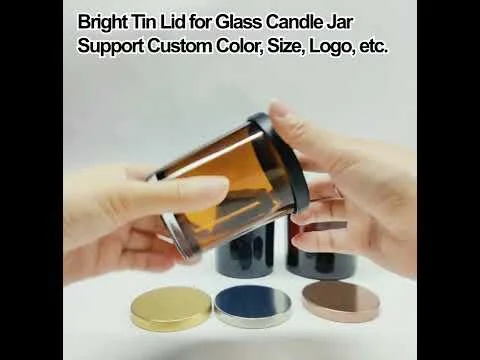
An overview of Bright Glassware packaging products for candle, diffuser, perfume and home fragrance brands, including bottles, jars and accessories.
View Resource →FAQ
These answers cover the questions most likely to affect packaging selection, component compatibility, sampling and quotation for this application.
Still have a question? Ask our team →MOQ depends on the product and manufacturing route. An existing standard item can have different requirements from a fresh production run, decorated product, special component or custom mold, and printing, colors, caps, lids or gift boxes may each have their own minimums. The practical MOQ is confirmed after the model, finish, component set, packaging and target quantity are clear rather than applying one fixed minimum to every project.
For a multi-SKU inquiry, list each product separately with its model or reference image, capacity, quantity, color, decoration, closure or lid and packaging requirement. Add the destination country and required delivery timing if known. A simple spreadsheet is often the clearest format for a larger range. Mark any components or design elements that should be shared across the collection. This allows the quotation to separate product-specific costs from common components, identify MOQ conflicts and show which SKUs can be produced or shipped together.
Several product categories can be planned within one sourcing program—for example perfume bottles, candle jars, diffuser bottles, essential-oil bottles or related accessories. Consolidation is easiest when each SKU has already met its own MOQ and production requirements. Different materials, colors and decoration processes may still need separate manufacturing runs even if the finished goods ship together. Provide a model-by-model quantity list and target delivery schedule so production timing, component matching, carton data and shipment consolidation can be reviewed before the order is confirmed.
Export packing is selected according to product shape, weight, finish, accessories and shipping method. Common protection includes partitions, molded trays, inner bags or wraps, cartons, corner protection, pallet wrapping and extra separation for decorated surfaces.
Heavy, shaped or protruding products need different protection from simple round containers. Final packing should be approved with the actual product and component set rather than copied from another model.
Provide the product type or model, capacity, target quantity, required color or finish, logo method, closure or accessory requirements, retail packaging needs and destination market.
If you already have drawings, reference photos, component specifications or target dimensions, include them. The more complete the assembled-pack requirement is, the more accurately we can confirm the suitable route, MOQ and sampling plan.
Request a Quote
Tell us the end use, product format, target size, closure or dispensing needs, branding and packing requirements you already know. Our team can review suitable configurations and the next sampling or customization step.
We can narrow the container and component combinations that fit this application before you compare every model.
Container, closure, decoration and secondary packaging can be reviewed together as one application-specific system.
Confirm appearance, component fit, handling and decoration on samples before bulk production.