
Bright Glassware · Material · B2B Product Sourcing
Glass
Glass is the primary packaging material across Bright Glassware’s current candle jars, perfume bottles, diffuser bottles, essential-oil bottles, holders and other container formats. Its performance is determined by the complete vessel design—glass composition, wall and base distribution, geometry, neck or rim, finish and production tolerances—not by the word “glass” alone.For sourcing, compare clarity or natural tint, empty and filled weight, wall/base construction, dimensional consistency and the interfaces used for pumps, lids, stoppers or other components. Decoration, chemical compatibility, candle heat-use performance and export packing should then be approved for the specific finished product and intended application.
Published Product Models
Explore Glass Products
Review the actual available models, then compare specifications, components and customization options on the individual product pages.

19-64oz (550-1900ml) Large Glass Candle Tumblers Wholesale
View Details
4-22oz (120-650ml) Low-Profile Glass Candle Jars in Bulk
View Details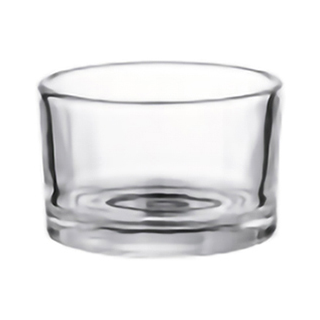
1oz (40ml) Shallow Glass Candle Jar Wholesale
View Details
10-15oz (300-450ml) Clear Candle Tumblers in Bulk
View Details
24oz (700ml) Tall Clear Candle Tumbler Wholesale
View Details
5-8oz (150-250ml) Clear Candle Tumblers Wholesale
View Details
17-59oz (500-1750ml) Rounded Glass Candle Jars Wholesale
View Details
5-14oz (150-400ml) Rounded Glass Candle Jars Wholesale
View Details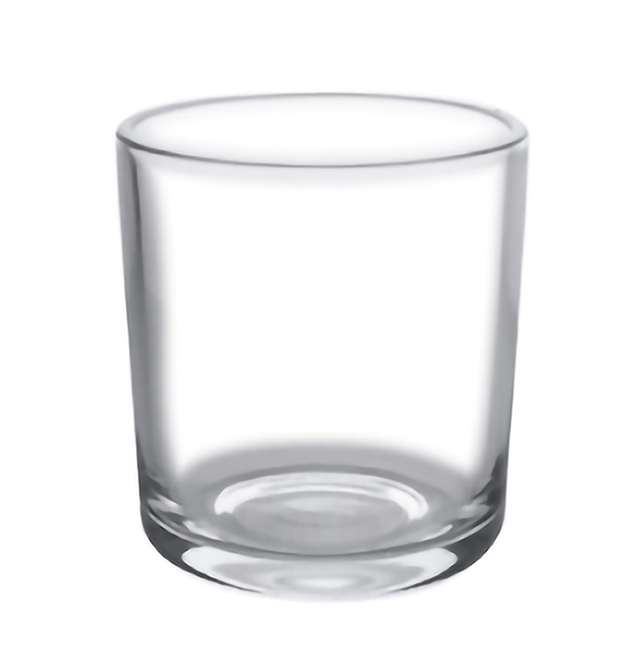
10oz (300ml) Rounded-Base Glass Candle Jar in Bulk
View Details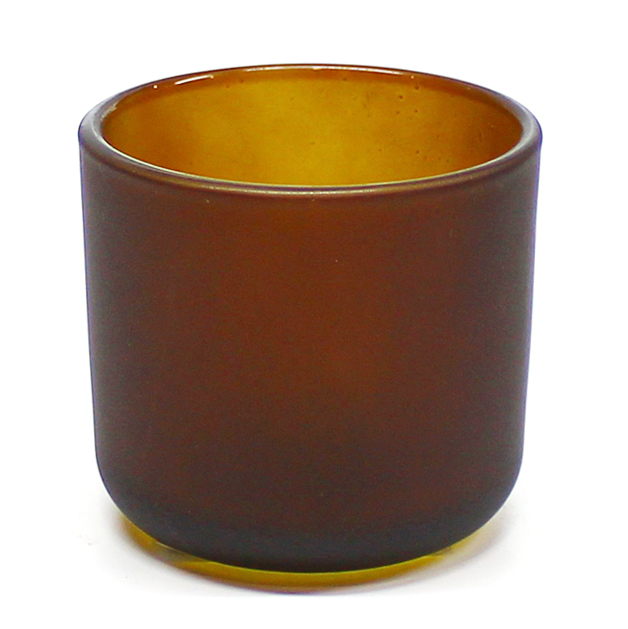
4oz (120ml) Amber Mini Glass Candle Jar Wholesale
View Details
15oz (450ml) Low-Profile Glass Candle Jar Wholesale
View DetailsNeed Help Selecting a Suitable Option?
Share the target product, capacity, finish, closure and quantity so we can review matching options.
Discuss Your Requirements →Buyer Considerations
Material Properties
Broad Packaging Versatility
Used across fragrance, home-fragrance, candle, essential-oil and general glass-container programs in many shapes and capacities.
Rigid & Non-Porous Surface
Provides a rigid container surface suitable for many decoration and closure systems; formula or heat suitability still depends on the exact application.
Visible Quality & Geometry
Clarity, natural tint, wall/base distribution, seams and molded geometry remain important quality criteria, especially on clear glass.
Buying & Specification Guide
Key Considerations for Glass
Appearance & Finish
Can be clear, naturally tinted, colored, frosted, coated, textured or otherwise decorated. The base glass and wall thickness influence optical appearance.
Heat & Chemical Considerations
For fragrance, oil and diffuser products, validate formula compatibility with all liquid-contact components. For candles, use containers intended and validated for the required heat-use conditions and complete burn testing with the real candle system.
Weight & Durability
Glass provides a rigid, premium feel and can be produced from lightweight to heavy-base constructions. It is breakable, so impact protection and carton design remain essential.
Decoration Compatibility
Supports labels, direct printing, decals, frosting, coatings, metallized effects, engraving and molded texture depending on the selected product and process.
Closure Fit
Closure fit depends on the exact neck finish, opening, thread, rim or lid seat. Match components to production-representative glass rather than capacity or appearance alone.
Trade-Offs to Consider
Glass offers high design flexibility and premium presentation, but weight, breakage risk, dimensional tolerance and application-specific compatibility must be managed through sampling and testing.
Frequently Asked Questions
Questions About Glass
What logo and decoration methods are available for glass packaging?
Available decoration methods include silk-screen printing, decals, hot stamping, spraying, frosting, electroplating, engraving, labeling and embossed details. The best method depends on the container material, artwork detail, number of colors, coverage and desired visual effect. A simple logo may suit screen printing, while metallic branding may use hot stamping or a coordinated plated component. Confirm the final artwork, color and placement on a layout or physical sample before production.
Related Resources
Buying Guides & Project References
Request a Quote
Discuss Your Packaging Material
Tell us the product application, preferred material, weight, appearance, use conditions and packaging needs for recommendations.