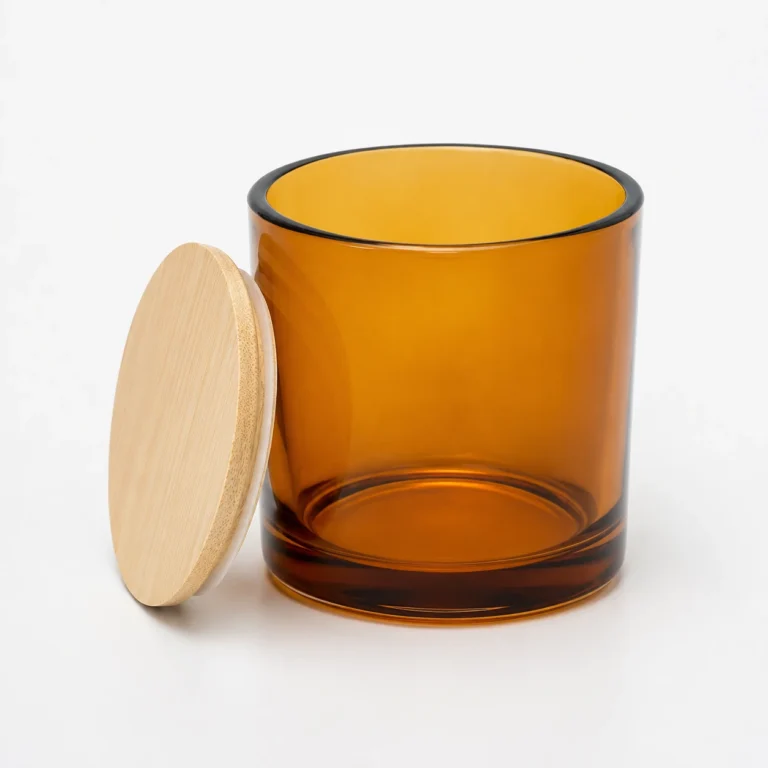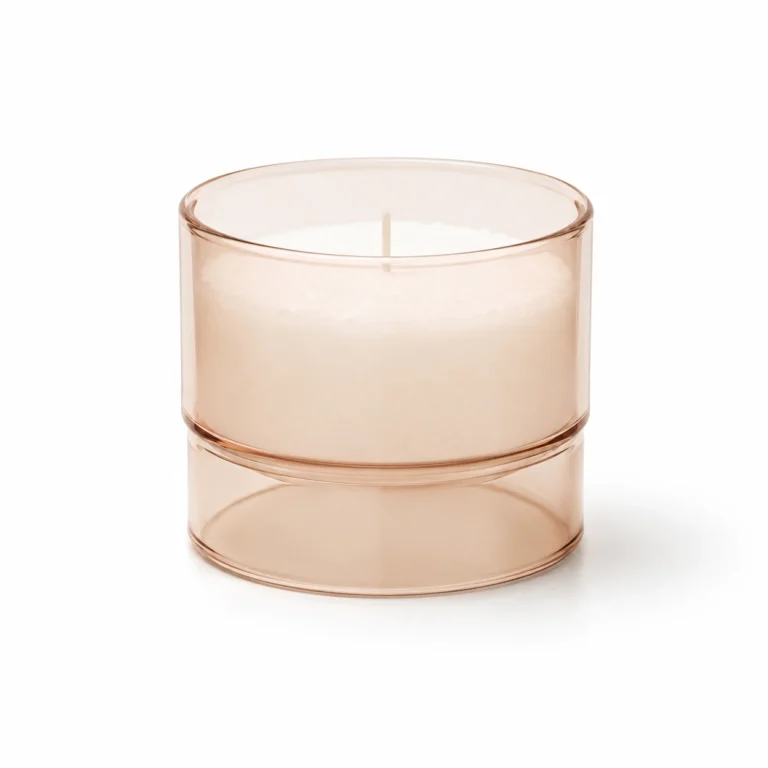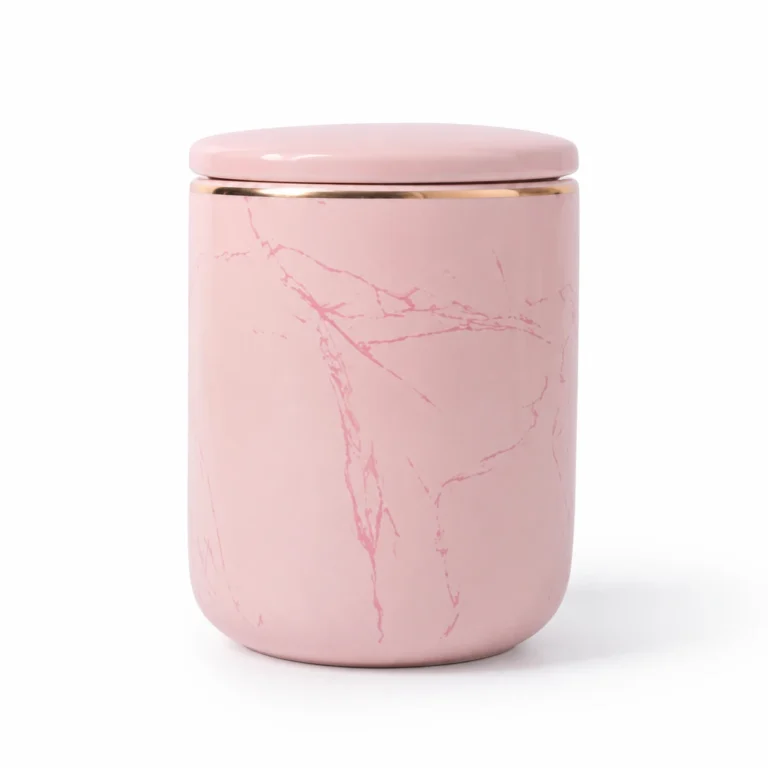

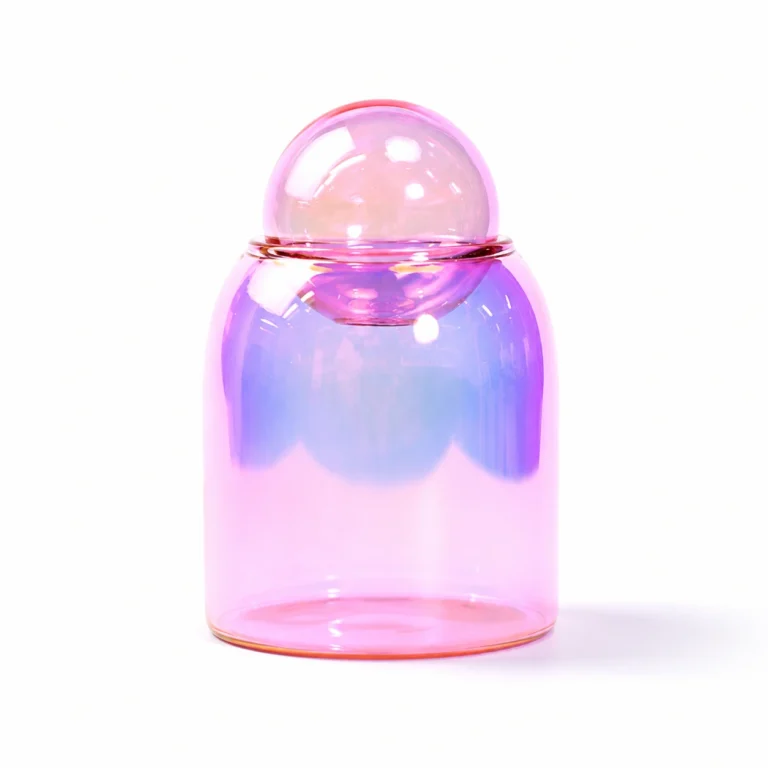
Pink candle jars range from soft blush to rose and vivid pink. Compare the shade with wax and flame light, then approve opacity and decoration contrast on finished samples.
Available Products
Showing 1–4 of 4 products
Need help narrowing the options?
Share your target shade, Pantone, transparency, finish and branding method. We can shortlist suitable products and color routes before sampling.
Soft low-saturation pink for gentle collections.
Mid-tone pink with warmer depth.
High-saturation statement color that needs tighter batch control.
Retains flame glow and glass depth.
Creates a soft solid-color surface.
Builds a controlled transition from pink to clear or a second tone.
Blush and transparent pink can look lighter once the candle is lit, while opaque pink gives more stable shelf color.
Approve the finished shade with wax and flame light rather than using a flat swatch alone.
Check warmth, saturation, opacity and gradient repeatability across several jars.
White, gold, burgundy and dark charcoal can provide contrast; verify after filling and burn testing.
Project Support
Continue with the most relevant color development, sampling, decoration and quality-control pages for this collection.
Review color coating, frosting, printing, hot stamping, electroplating and logo application.
Explore page →Validate an existing model, decorated sample or custom concept before committing to bulk production.
Explore page →Coordinate jars, lids, decoration, packaging, sampling and repeat production for candle programs.
Explore page →Related Resource
A focused reference for this color collection, selected to help with color approval, product comparison, sampling or sourcing decisions.
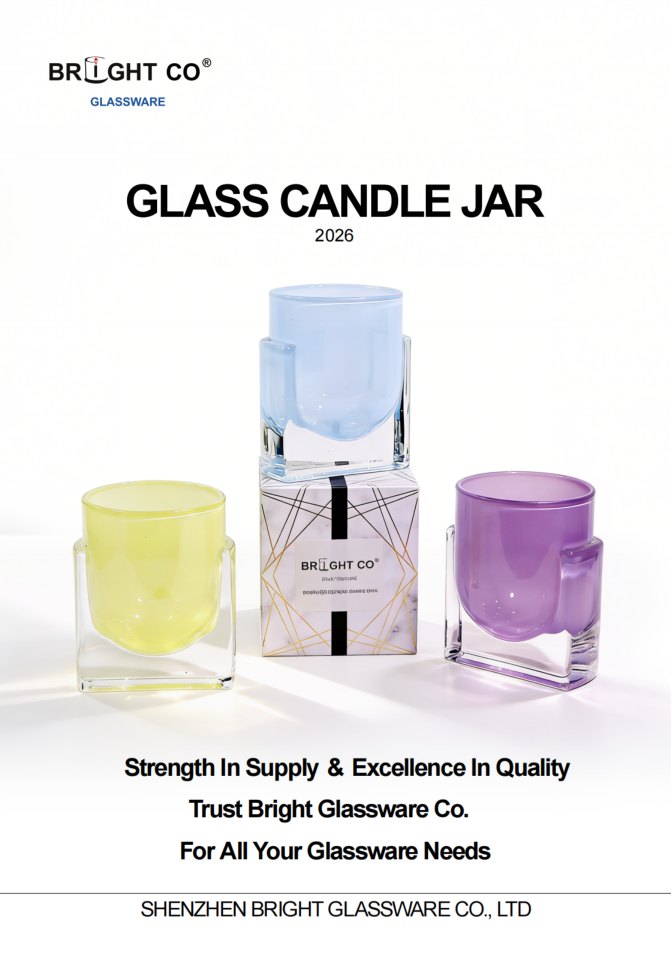
A 20-page glass candle jar catalog covering standard and decorative vessels, custom branding, accessories, packaging and one-stop candle solutions.
View Resource →FAQ
These answers cover the questions most likely to affect product selection, sampling and quotation for this collection.
Still have a question? Ask our team →Custom color is part of Bright Glassware’s published service, including spray painting, electroplating, frosting, and coordinated component finishes. A Pantone number can be used as a starting reference, but it should not be treated as the only approval standard because the result changes with glass color, transparency, coating thickness, gloss level, and lighting. The practical method is to provide the reference, make a physical sample, and approve that sample before production. The current website does not publish one fixed color-tolerance value for every material.
Bright Glassware publishes spray color, electroplating, frosting, silk-screen printing, decals, hot stamping, engraving, and related decoration options for candle vessels. Selection should consider the base material, handling, label position, packing contact, and the visual effect when the candle is lit. The website does not publish one durability value that applies to every coating. Approve a representative decorated sample and test adhesion, scratching, cleaning, packing rub, and finished-candle use before confirming a large production run.
The current Bright Glassware site does not publish a formal wax-filling procedure. Before filling, the candle maker should inspect the received containers, keep them dry and free of loose dust, confirm the correct model and lid, and separate any pieces with visible damage. Avoid introducing an unapproved cleaning chemical or heating method that could affect a coating, decal, glaze, or adhesive. The filling temperature, preheating decision, wick placement, curing, and burn-test protocol should be set by the candle manufacturer for the actual vessel and formula.
Bright Glassware offers wooden, bamboo, metal, resin, and decorative lid options across its product and customization materials. A reliable match requires the jar opening or outside diameter, lid inner structure, sealing ring or insert, intended looseness, and the approved finish. Do not select only by a rounded diameter name. The safest process is to match the lid to the exact jar batch or approved sample, test opening and closing, and then check how the assembled set fits the box and export packing.
Request a Quote
Share the target shade or Pantone reference, desired transparency or opacity, finish, logo method and packaging requirements you already know. Our team can compare existing color options first and advise the most practical sampling route.
We can narrow existing shades and finish routes before you spend time sampling every option.
Color, logo method, finish, closure and packaging can be reviewed together before approval.
Confirm appearance, fit and decoration on samples before bulk production.