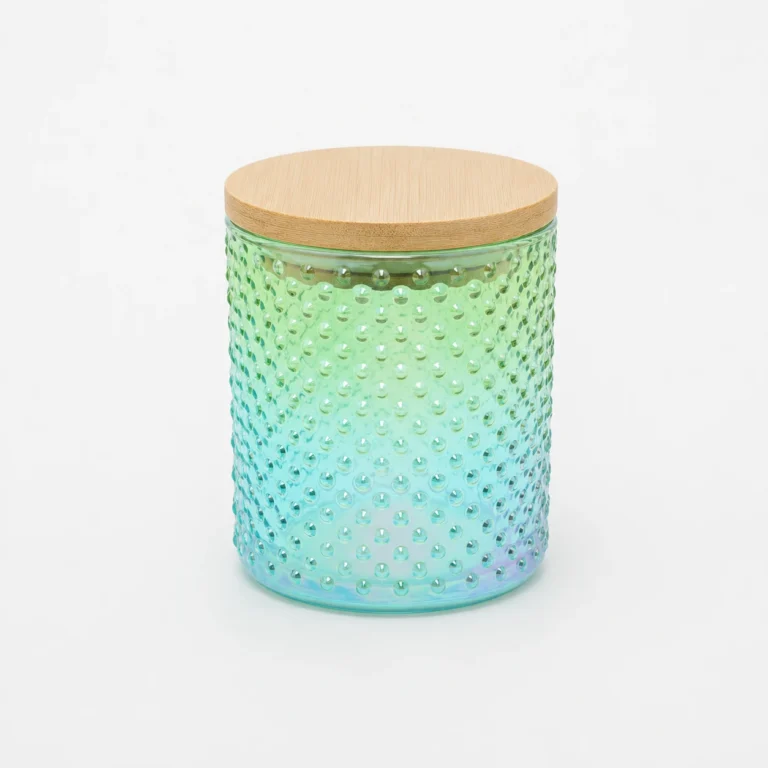

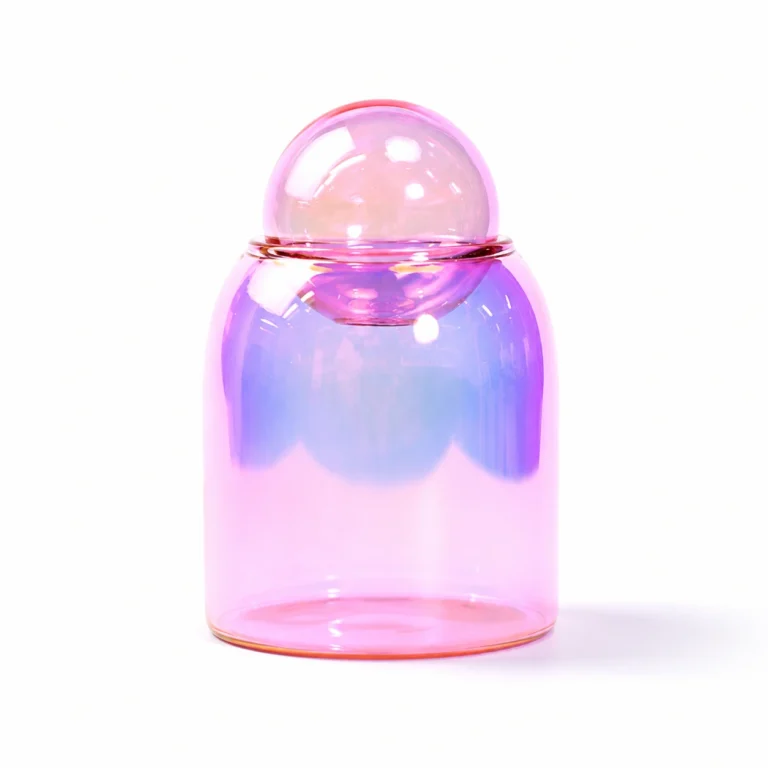
Iridescent candle jars use reflective, color-shifting effects that change with viewing angle and lighting. The finished hue depends on the base vessel, decorative layer, transparency and surrounding colors, so digital images are not a reliable approval standard for an iridescent project.Review the actual jar with wax, logo and lid installed, then inspect hue shift, surface uniformity, edge coverage and resistance to rubbing. Reflective surfaces can show scratches or packing marks more readily than plain glass, so protective inserts and separators should be tested before bulk shipment.
Available Products
Showing 1–2 of 2 products
Need help narrowing the options?
Share your target gloss, texture, transparency, color and logo method. We can recommend suitable finishing routes and sample controls.
Iridescent effects typically use a specialized surface coating or decorative layer. Confirm the exact process, base material and sequence if color, printing or other finishes are combined.
Suitable for statement, seasonal, gift and premium candle collections where changing reflection is part of the design direction.
Approve the finish under more than one lighting angle and keep a physical jar with the intended wax/lid/logo as the repeat-order standard.
Project Support
Continue with the pages most relevant to the next sourcing, customization or risk-control decision for this collection.
Review color coating, frosting, printing, hot stamping, electroplating and logo application.
Explore page →Validate an existing model, decorated sample or custom concept before committing to bulk production.
Explore page →Coordinate jars, lids, decoration, packaging, sampling and repeat production for candle programs.
Explore page →Related Resource
A focused reference for this finish, selected to help with appearance review, sampling or sourcing decisions.
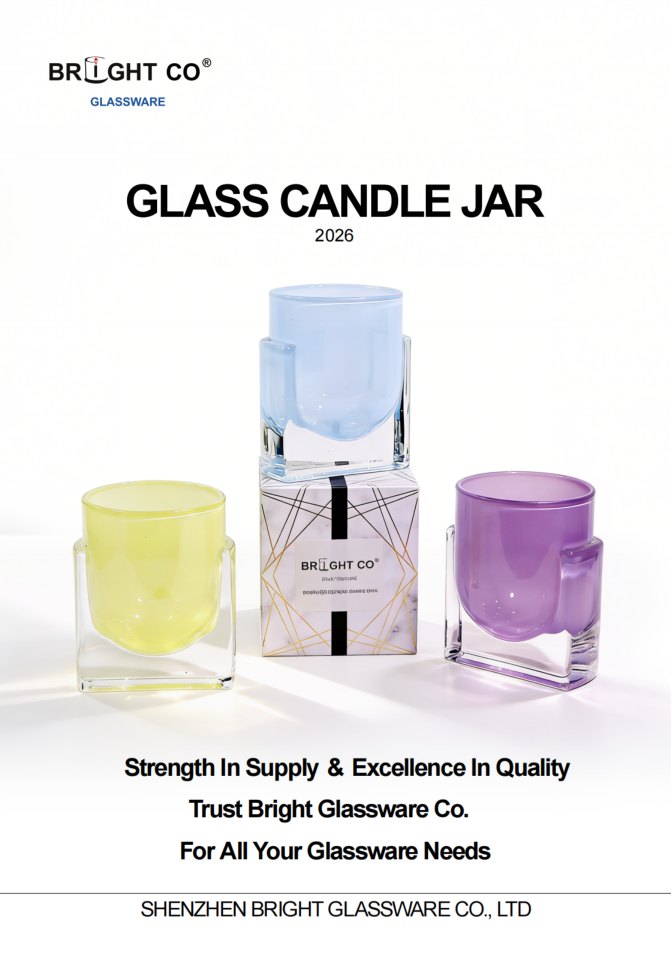
A 20-page glass candle jar catalog covering standard and decorative vessels, custom branding, accessories, packaging and one-stop candle solutions.
View Resource →FAQ
These answers cover the questions most likely to affect product selection, sampling and quotation for this collection.
Still have a question? Ask our team →Common candle-jar finishes include clear glass, frosting, matte or gloss coatings, sprayed colors, printing, decals, metallic effects, textured or embossed surfaces and ceramic glazes. The best option depends on the vessel material, branding goal, filling process and intended candle use. Review the finish after wax filling, labeling, packing and handling, then approve it together with the intended wax, wick, lid and packaging.
Yes. Several decorative processes can be combined when the material and design allow it—for example, coating with screen printing, frosting with logo decoration, or a colored vessel with metallic details. The processes must be planned in the correct sequence because one finish can affect adhesion, masking, heat exposure or the appearance of the next. Approve a complete multi-process sample and confirm color, placement and durability before production.
Yes. Pantone references can be used as a color target, but the final appearance should be approved on a physical sample. The same Pantone reference can look different on transparent glass, opaque coatings, ceramic, metal components and printed boxes because substrate, gloss and lighting affect the result. Provide the Pantone number and, when color accuracy is critical, a physical reference. Keep the approved sample as the benchmark for repeat orders.
Before filling, inspect the received containers and separate any pieces with visible damage. Keep vessels dry, clean and free from loose dust, and confirm that the correct jar, lid and decoration have been supplied.
Filling temperature, any preheating method, wick placement, curing and burn-test procedures should be established by the candle manufacturer for the actual vessel, wax and fragrance system. Avoid unapproved cleaning or heating methods that could affect coatings, decals or glazes.
Request a Quote
Share the container, target appearance, finish process, color or transparency, logo method and packaging requirements you already know. Our team can review suitable finishing routes and the next sampling step.
We can narrow suitable finishing routes before you spend time sampling every option.
Finish, color, logo method, closure and packaging can be reviewed together with the selected container.
Confirm appearance, adhesion, color/transparency and logo result on approved samples before bulk production.