Bright Glassware · Application · B2B Product Sourcing
Votive & Tea Light Candle Containers
Votive and tea light candle containers need compact dimensions, a stable base and controlled internal geometry for small-format candle programs. Because the vessels are small, minor changes in internal diameter, wick position and fill height can materially affect the finished candle.Approve the exact vessel with the intended wax, fragrance and wick. Confirm usable fill, flame clearance, vessel temperature, stability and packing density before production, especially for high-count gift, hospitality or religious-candle programs.
Published Product Models
Explore Votive & Tea Light Candle Containers Products
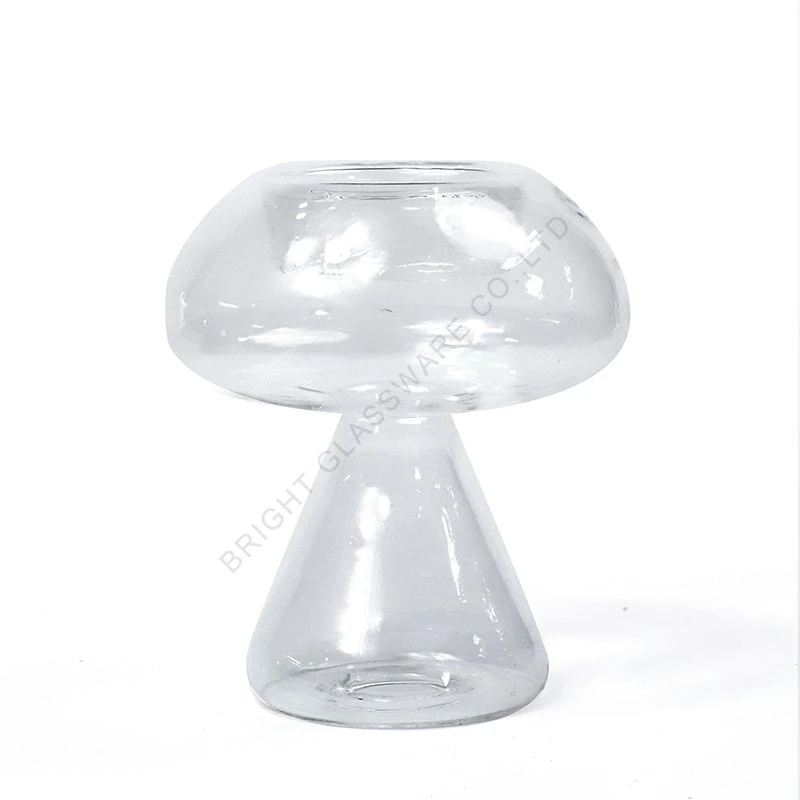
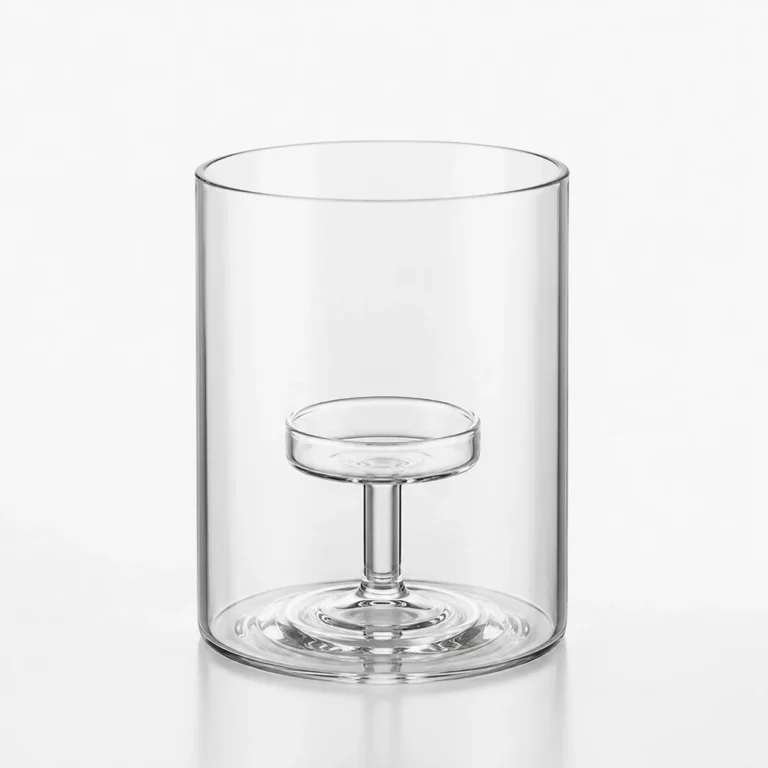
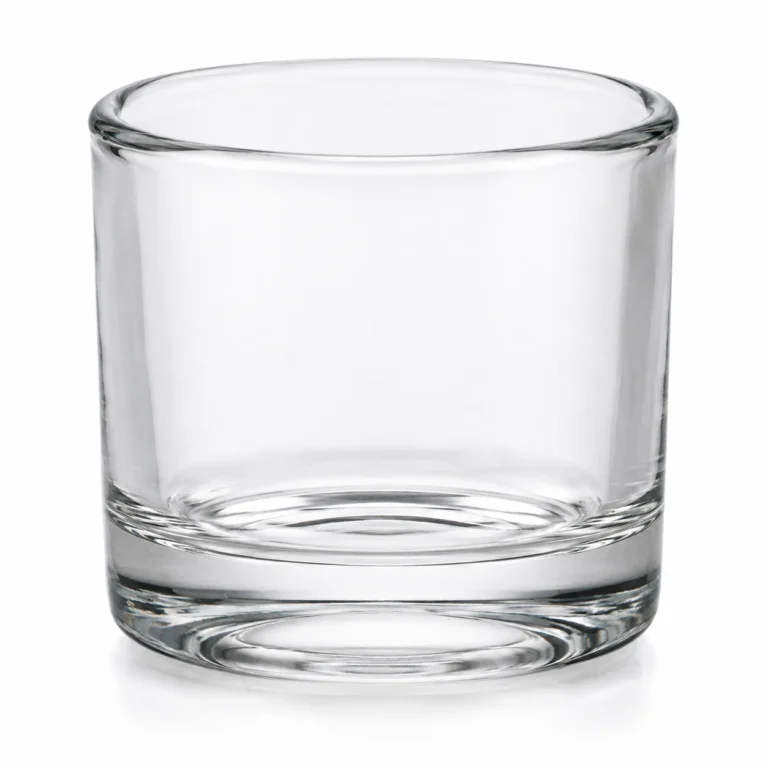
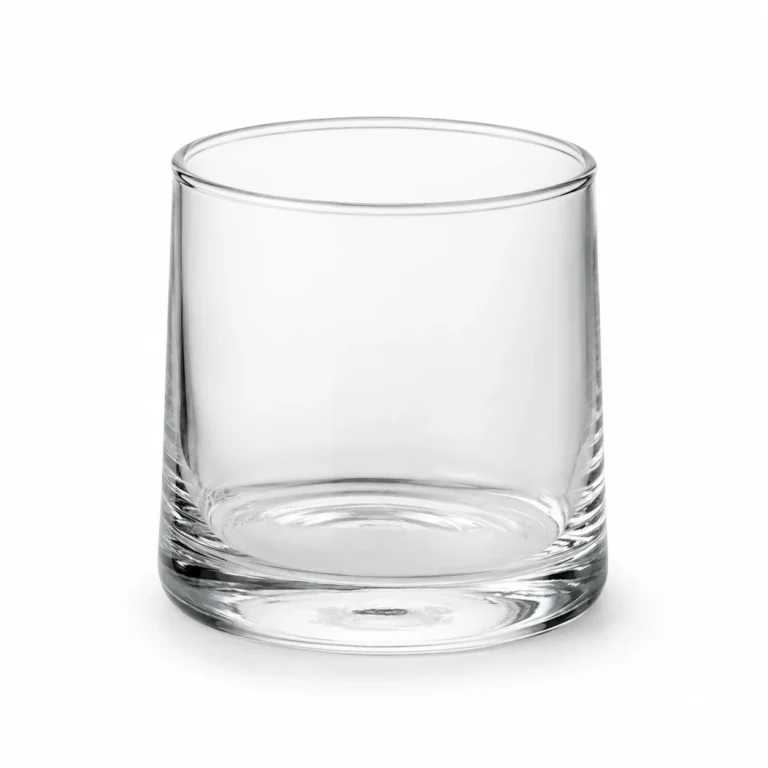
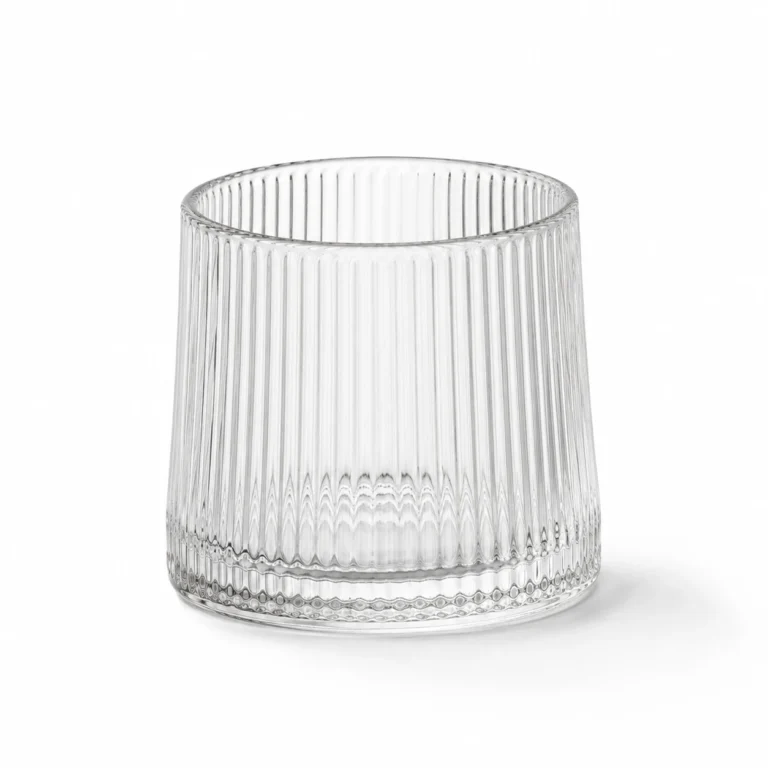
Review the actual available models, then compare specifications, components and customization options on the individual product pages.
Need Help Selecting a Suitable Option?
Share the target product, capacity, finish, closure and quantity so we can review matching options.
Discuss Your Requirements →Buyer Considerations
Key Application Requirements
Compact candle geometry
Confirm inner diameter, usable depth and wick centering on the actual container.
Stable base
Check base contact and finished-candle stability on the intended display surface.
Heat-use validation
Run burn tests through the intended candle life rather than relying only on empty-vessel dimensions.
High-count packing
Review dividers, carton density and glass-to-glass protection for multi-unit shipment.
Buying & Specification Guide
Key Considerations for Votive & Tea Light Candle Containers
Capacity Guidance
Select capacity from the intended small candle format and usable wax fill. Small changes in fill height can alter flame clearance and packed weight across high-count orders.
Shape Guidance
Low, straight or gently curved forms are generally practical for votive and tea-light use. Sculptural holders should be checked for internal clearance and flame placement.
Material Guidance
Glass, borosilicate and other selected candle-compatible materials should be validated for the exact use. Material name alone does not replace burn testing.
Closure Guidance
Many votive formats are open; if a lid or insert is included, confirm seating and that it does not interfere with wick access or cooling before packing.
Safety & Compatibility
Validate flame clearance, vessel temperature, wick behavior and end-of-life burn conditions with the actual formula and intended placement.
Decoration & Packing
Use simple durable decoration or packaging-led branding where sidewall area is limited. High-count cartons should prevent rim and sidewall contact.
Related Resources
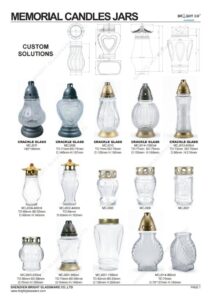
Buying Guides & Project References
Request a Quote
Discuss Your Packaging Application
Tell us your end use, product format, target capacity, filling, closure and branding requirements to shortlist suitable packaging.