
Bright Glassware · Closures & Accessories · B2B Product Sourcing
Roller Balls & Caps
Roller balls and caps are used with perfume-oil, attar and essential-oil roller bottles where controlled topical dispensing is required. Correct performance depends on the bottle opening, insert housing, roller movement, cap fit and the viscosity of the actual formula.Approve the filled roller bottle for flow rate, smooth rolling, insert retention and leakage before bulk production. A component that fits the opening mechanically may still dispense too quickly or too slowly with a different oil blend, so formula testing is essential.
Published Product Models
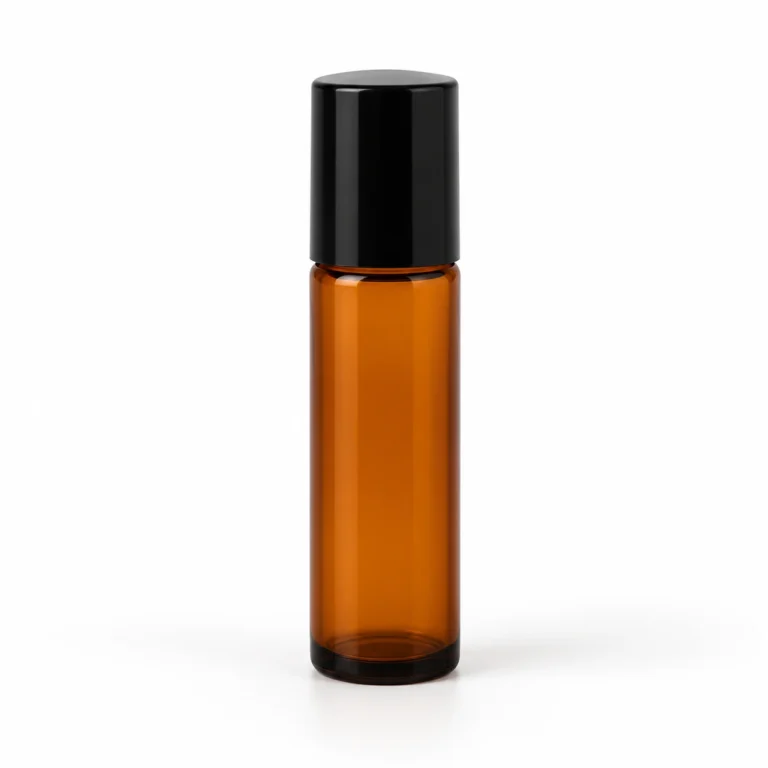
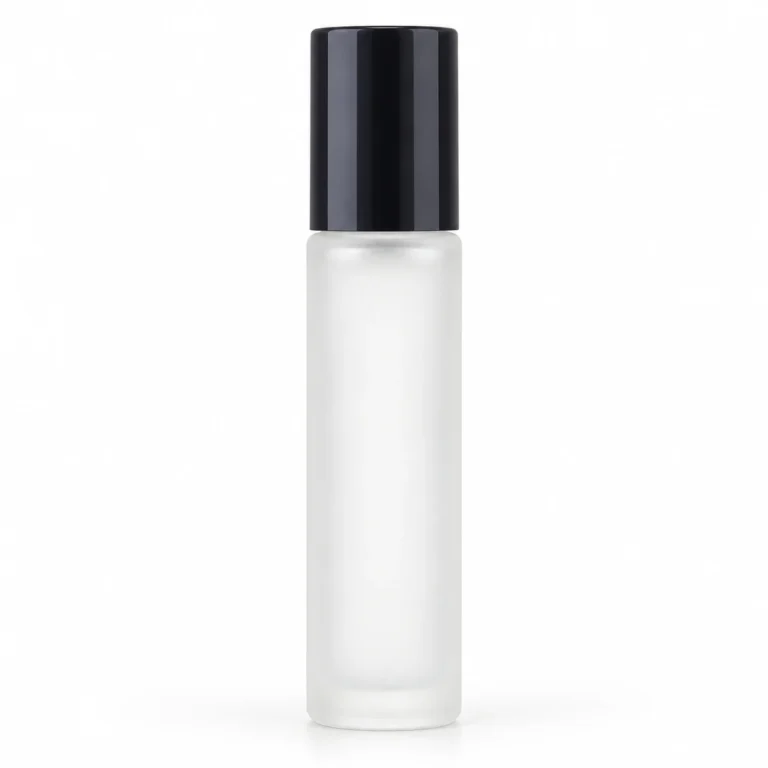
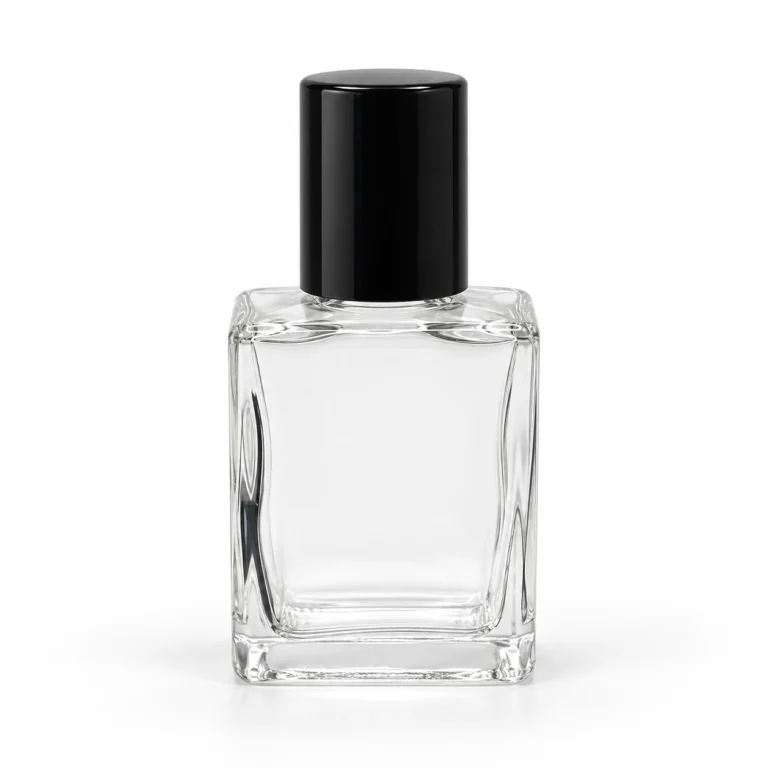
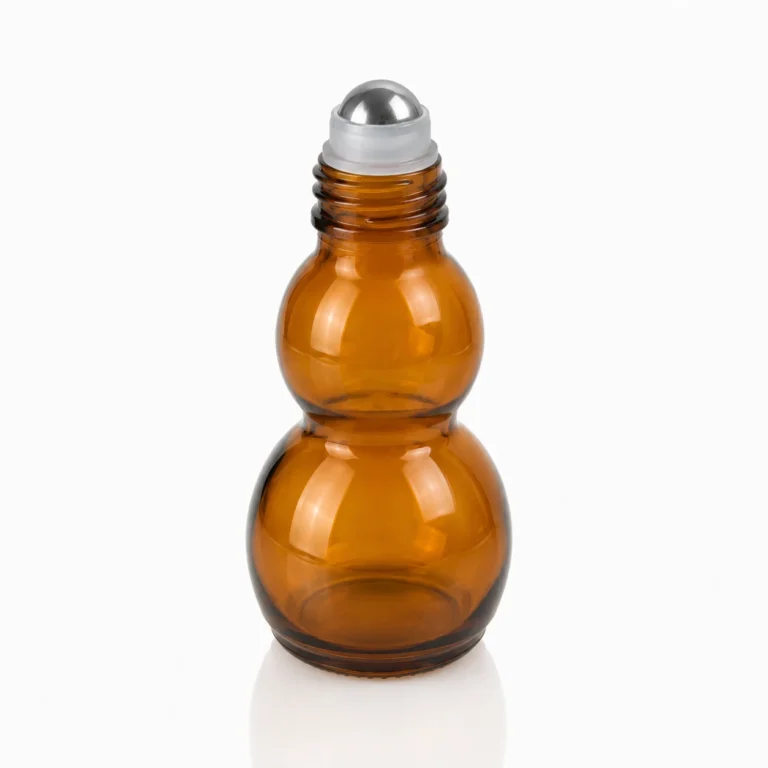
Explore Roller Balls & Caps Products
Review the actual available models, then compare specifications, components and customization options on the individual product pages.
Need Help Selecting a Suitable Option?
Share the target product, capacity, finish, closure and quantity so we can review matching options.
Discuss Your Requirements →Buyer Considerations
Components & Configurations
Roller Insert
Insert and ball assembly matched to the opening of the selected roll-on bottle.
Matching Cap
Cap construction coordinated with the roller housing and bottle neck for storage and transport.
Bottle + Roller Assembly
Final performance should be evaluated on the selected bottle with the actual formula.
Buying & Specification Guide
Key Considerations for Roller Balls & Caps
Fit & Standards
Confirm bottle opening, insert outside dimensions, insertion depth and cap fit on the exact production bottle.
Sealing Performance
Check the interface around the roller insert and cap for leakage during upright, tilted and transport conditions.
Liner / Plug
The roller housing itself forms part of the dispensing and sealing system; model-specific internal liners or seals should be confirmed if used.
Decoration Options
Coordinate cap color and finish with the bottle decoration. Avoid treatments that interfere with cap engagement or roller operation.
Testing Requirements
Test roller movement, dispensing rate, formula viscosity, insert retention, cap fit and leakage through repeated use.
Assembly & Packing
Protect roller inserts from contamination and deformation before assembly. Finished bottles should be packed to prevent pressure on caps and closures.
Frequently Asked Questions
Questions About Roller Balls & Caps
Can formula compatibility be confirmed?
Formula compatibility can be evaluated, but it must be confirmed with the actual product and all liquid-contact materials. Glass may be only one part of the system; pumps, gaskets, bulbs, reducers, rollers, plugs, liners, coatings and adhesives can also interact with the formula. Provide the intended formulation and selected components so an appropriate test plan can be agreed. Final approval should be based on representative filled samples under the required storage and use conditions.
Related Resources
Buying Guides & Project References

Request a Quote
Discuss Closures & Accessories
Tell us the container model, neck finish, sealing method, component type, intended use and estimated quantity.