
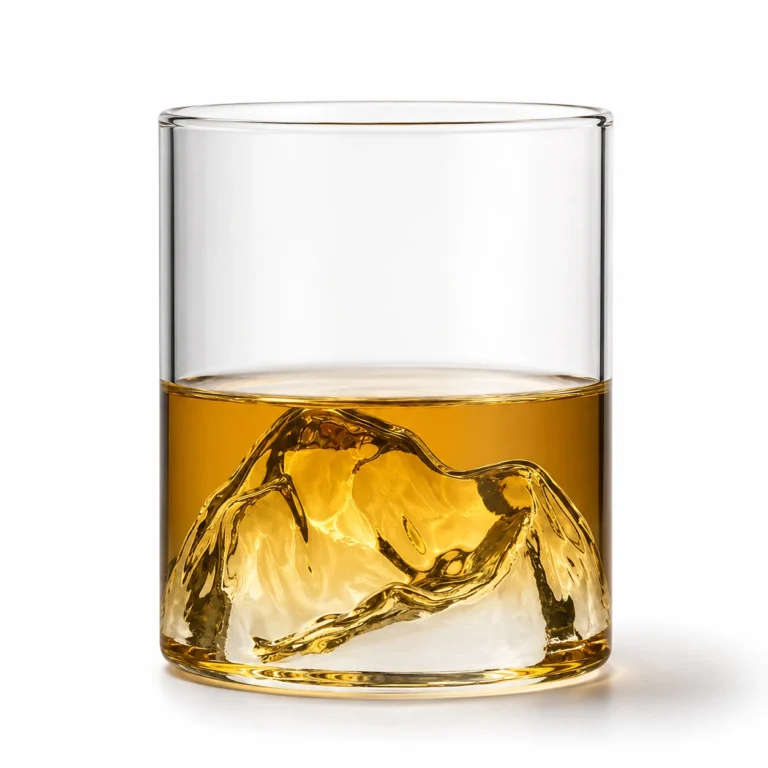
Tumbler and rocks glasses use low-to-medium straight or gently tapered drinking-glass profiles with a broad base and open rim. For wholesale drinkware programs, compare usable beverage volume, rim feel, base weight, glass thickness, stacking or packing requirements and the intended decoration method rather than selecting only by nominal capacity.Approve the physical glass for hand feel, stability, rim quality and decoration before bulk production. Custom shapes should preserve comfortable drinking geometry and practical carton protection while meeting the required brand presentation.
Available Products
Showing 1–1 of 1 products
Need help narrowing the options?
Share your target capacity, closure, branding area or visual direction. We can shortlist suitable existing shapes before you invest in samples or custom tooling.
The format typically combines an open drinking rim, straight or gently tapered walls and a broad weighted or stable base.
Branding can use screen print, decals, etching or other compatible decoration on the sidewall while keeping the drinking rim clear.
Check base flatness, filled stability, hand feel and carton separation; heavy-base glasses require suitable export-carton weight planning.
The open rim is the primary functional interface. Confirm rim diameter, thickness, smoothness and any stackability requirement.
Rim quality, wall thickness, base weight, optical consistency and decoration durability are key production checks.
For a custom tumbler, define rim diameter, body taper, wall thickness, base weight, capacity and packing method before mold work.
Project Support
Continue with the most relevant sourcing, customization and validation pages for this shape.
Validate an existing model, decorated sample or custom concept before committing to bulk production.
Explore page →Move a validated custom shape into production tooling, trial production and final approval.
Explore page →Review color coating, frosting, printing, hot stamping, electroplating and logo application.
Explore page →FAQ
These answers cover the questions most likely to affect product selection, sampling and quotation for this collection.
Still have a question? Ask our team →Available decoration methods include silk-screen printing, decals, hot stamping, spraying, frosting, electroplating, engraving, labeling and embossed details. The best method depends on the container material, artwork detail, number of colors, coverage and desired visual effect. A simple logo may suit screen printing, while metallic branding may use hot stamping or a coordinated plated component. Confirm the final artwork, color and placement on a layout or physical sample before production.
Yes. Existing product samples are useful for checking size, weight, appearance and basic fit. Decorated or component-matched samples are more appropriate when color, logo, coating, lids, applicators or retail packaging are important to the decision.
Sample availability, charges, decoration cost and courier freight depend on the project. Use the approved sample or specification as the reference before bulk production begins.
Export packing is selected according to product shape, weight, finish, accessories and shipping method. Common protection includes partitions, molded trays, inner bags or wraps, cartons, corner protection, pallet wrapping and extra separation for decorated surfaces.
Heavy, shaped or protruding products need different protection from simple round containers. Final packing should be approved with the actual product and component set rather than copied from another model.
Provide the product type or model, capacity, target quantity, required color or finish, logo method, closure or accessory requirements, retail packaging needs and destination market.
If you already have drawings, reference photos, component specifications or target dimensions, include them. The more complete the assembled-pack requirement is, the more accurately we can confirm the suitable route, MOQ and sampling plan.
Request a Quote
Share the target capacity, preferred silhouette, closure, branding area, finish or packaging requirements you already know. Our team can compare existing shapes first and advise whether a standard model or custom mold is the better route.
We can narrow existing shapes before you spend time comparing every option.
Decoration, color, closure and packaging can be reviewed together with the selected shape.
Confirm appearance, fit and decoration on samples before bulk production.