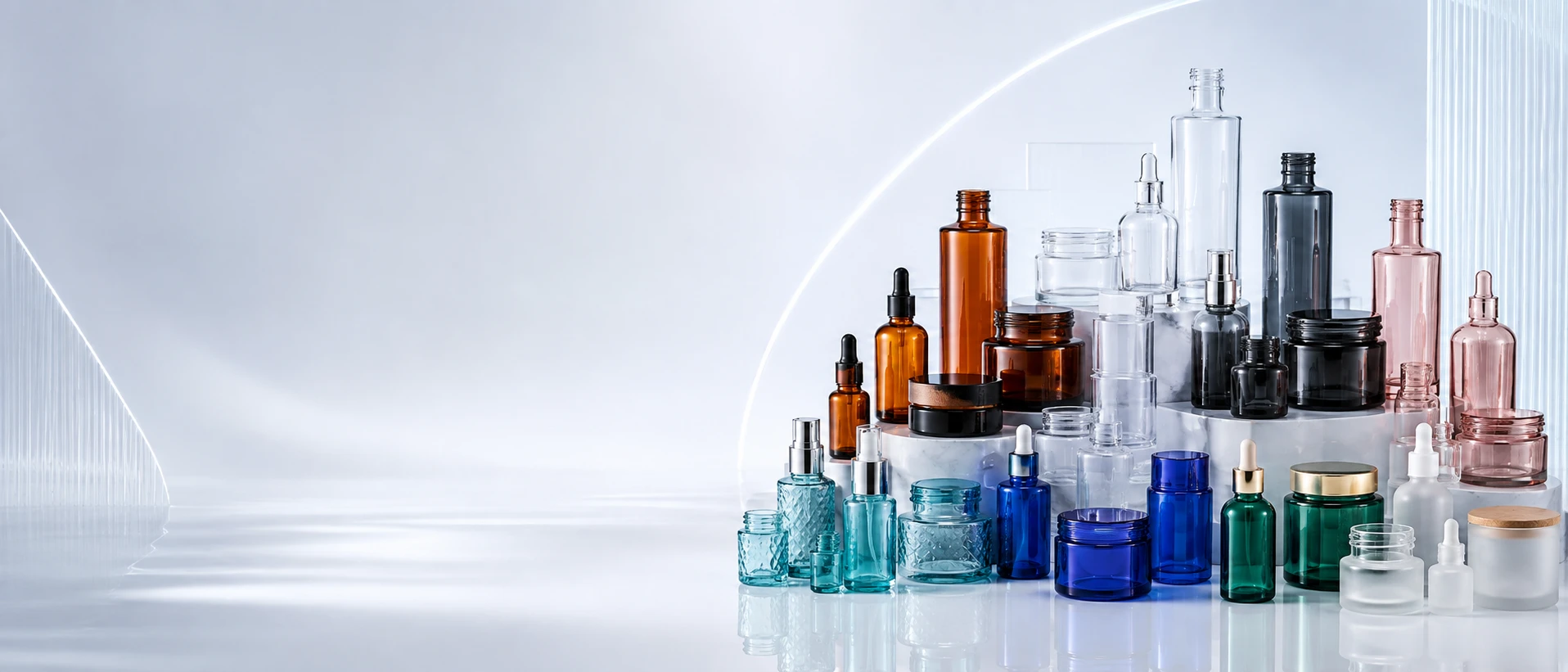
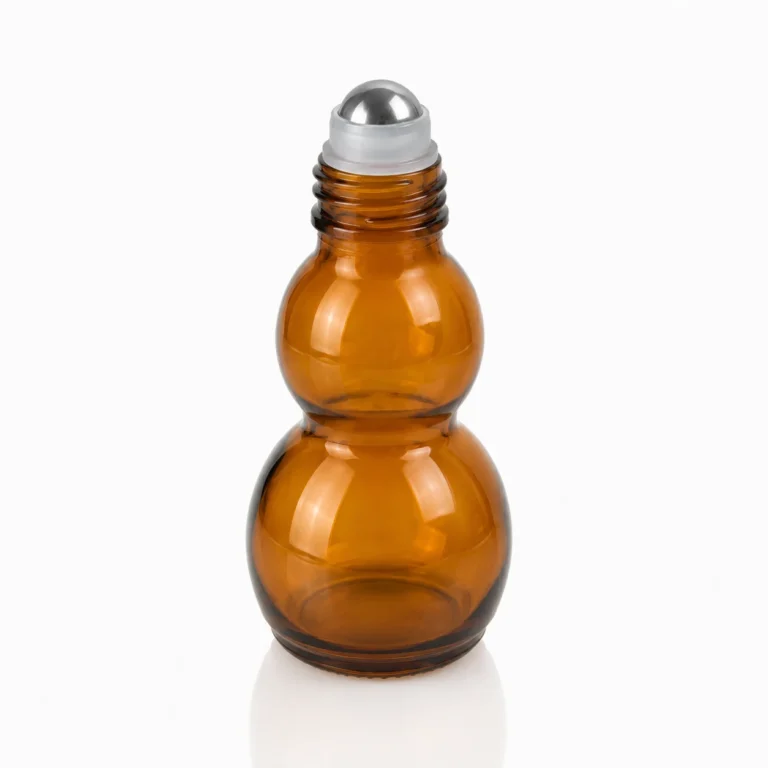
Clear / Transparent Essential Oil Bottles group essential-oil containers by their visible clear and transparent appearance. Color should be evaluated together with transparency, bottle wall thickness and the actual formula because the liquid can change the perceived result. Do not assume a visible color automatically provides a specific light-protection or formula-performance level.Approve the bottle with its dropper, reducer, roller or cap assembled, then verify formula compatibility, decoration and leakage separately. Keep a physical color reference for repeat production when shade consistency is important.
Available Products
Showing 1–1 of 1 products
Need help narrowing the options?
Share your target shade, Pantone, transparency, finish and branding method. We can shortlist suitable products and color routes before sampling.
Lighter version of the selected visible color family.
Main approved color direction for the project.
Darker or more saturated version where the selected material and process support it.
Where supported by the selected product and material, color may be created in or through the body itself; availability is model- and material-dependent.
External color coating can create transparent, translucent or opaque effects; adhesion, rubbing and product-contact risk should be tested on samples.
Printing, decals, frosting, metallic accents or other decoration can be combined with the approved visible color when compatible with the selected surface.
Define whether the target appearance should be transparent, translucent or opaque, then approve the result on the actual product and material.
Pantone or another brand-color reference can be used as a target where the selected process supports color matching. Final approval should be based on a physical sample because substrate, transparency, gloss and lighting affect the perceived shade.
For repeat production, keep an approved physical color/finish sample and the confirmed process specification. Check representative pieces under consistent lighting because batch, material, thickness and process variation can shift the perceived shade.
Coordinate labels, printing and component colors with the bottle appearance. Confirm formula-contact components separately; visible color does not replace compatibility testing.
Project Support
Continue with the most relevant color development, sampling, decoration and quality-control pages for this collection.
Coordinate fragrance, gifting and presentation requirements for hospitality and promotional programs.
Explore page →Review bottle colors, droppers, reducers, closures, leakage risks, labels and multi-SKU packaging.
Explore page →Review color coating, frosting, printing, hot stamping, electroplating and logo application.
Explore page →FAQ
These answers cover the questions most likely to affect product selection, sampling and quotation for this collection.
Still have a question? Ask our team →Yes. Pantone references can be used as a color target, but the final appearance should be approved on a physical sample. The same Pantone reference can look different on transparent glass, opaque coatings, ceramic, metal components and printed boxes because substrate, gloss and lighting affect the result. Provide the Pantone number and, when color accuracy is critical, a physical reference. Keep the approved sample as the benchmark for repeat orders.
Available decoration methods include silk-screen printing, decals, hot stamping, spraying, frosting, electroplating, engraving, labeling and embossed details. The best method depends on the container material, artwork detail, number of colors, coverage and desired visual effect. A simple logo may suit screen printing, while metallic branding may use hot stamping or a coordinated plated component. Confirm the final artwork, color and placement on a layout or physical sample before production.
Formula compatibility can be evaluated, but it must be confirmed with the actual product and all liquid-contact materials. Glass may be only one part of the system; pumps, gaskets, bulbs, reducers, rollers, plugs, liners, coatings and adhesives can also interact with the formula. Provide the intended formulation and selected components so an appropriate test plan can be agreed. Final approval should be based on representative filled samples under the required storage and use conditions.
Yes. Existing product samples are useful for checking size, weight, appearance and basic fit. Decorated or component-matched samples are more appropriate when color, logo, coating, lids, applicators or retail packaging are important to the decision.
Sample availability, charges, decoration cost and courier freight depend on the project. Use the approved sample or specification as the reference before bulk production begins.
Request a Quote
Share the target shade or Pantone reference, desired transparency or opacity, finish, logo method and packaging requirements you already know. Our team can compare existing color options first and advise the most practical sampling route.
We can narrow existing shades and finish routes before you spend time sampling every option.
Color, logo method, finish, closure and packaging can be reviewed together before approval.
Confirm appearance, fit and decoration on samples before bulk production.